


Find auto parts that fit
Let’s search for parts that fit your vehicle.Starters in Starters and Starter Parts



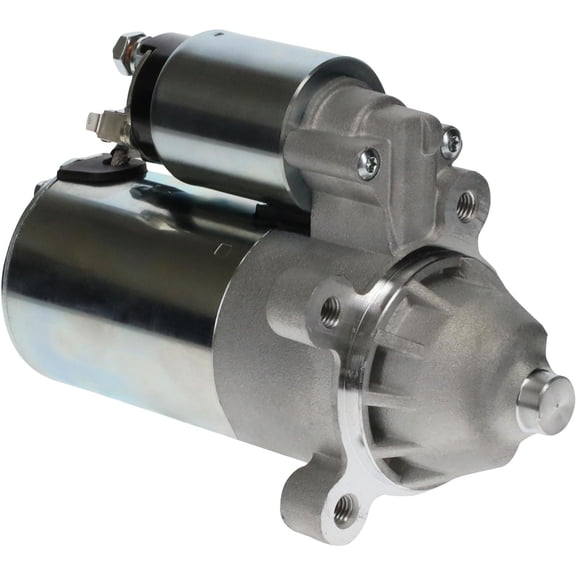


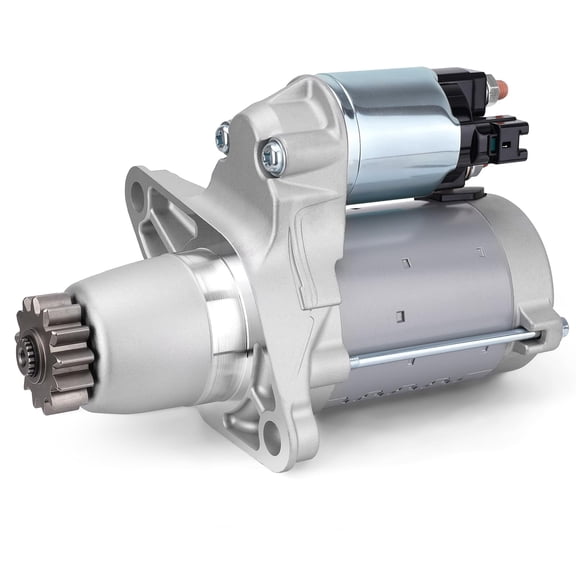
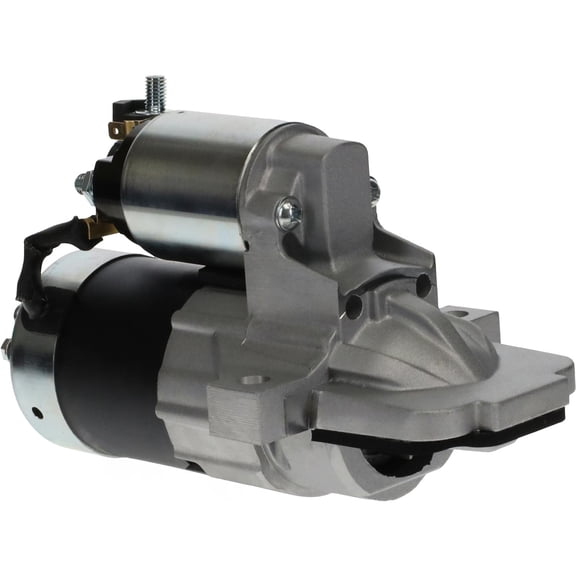


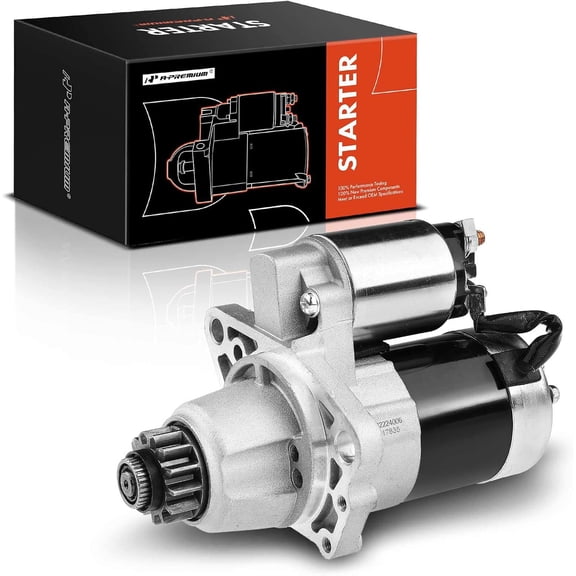








About Starters in Starters and Starter Parts - Walmart.com
You can narrow replacement starters faster when you compare fitment details before you order. Your search gets easier when you match mounting points, wiring, and engine specs early.
If you're replacing a no-crank unit, you can use this page as a practical buying guide. Your review should cover year, make, model, engine size, and OEM part number matching.
Choosing replacement starters by vehicle compatibility
You should start with your year, make, model, and engine size because small differences can change fit. Your OEM part number can help you confirm a closer match.
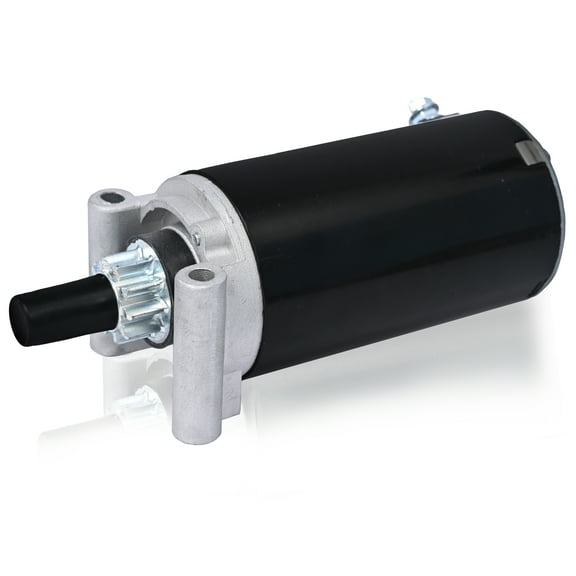
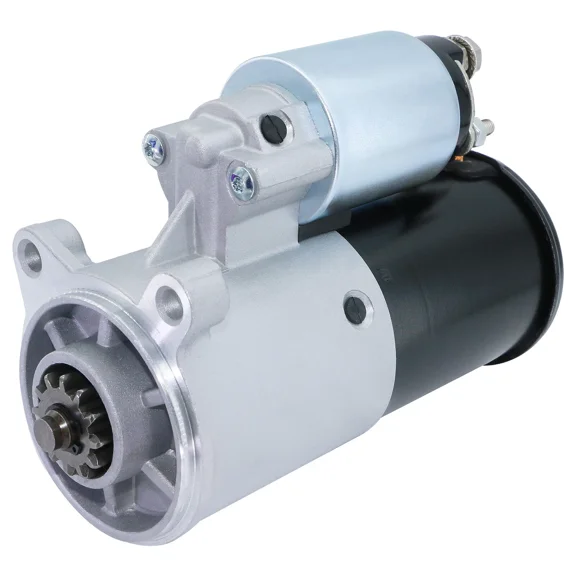
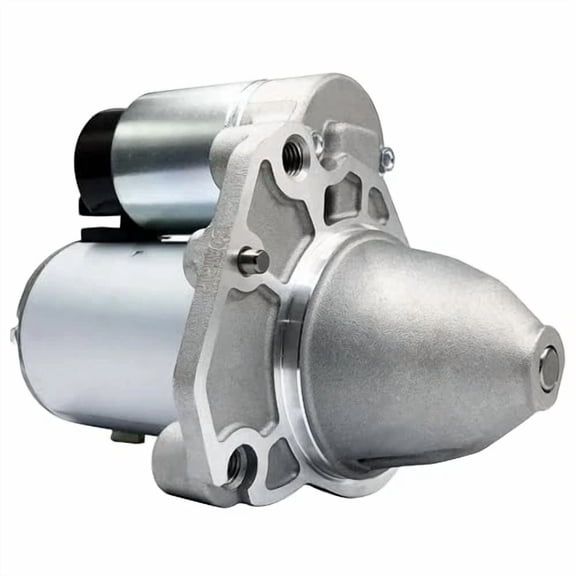
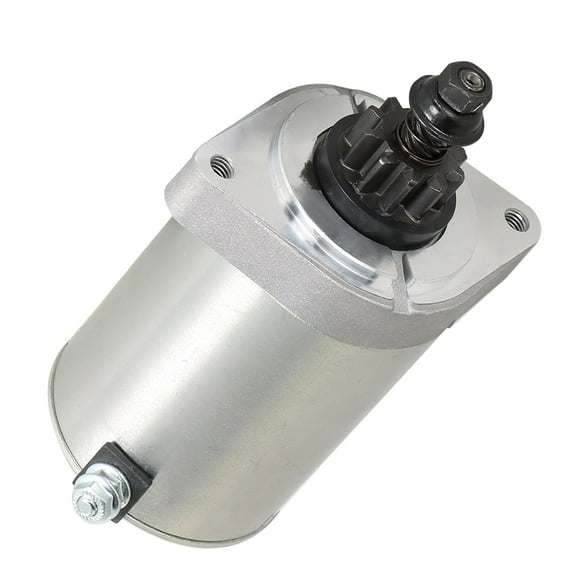
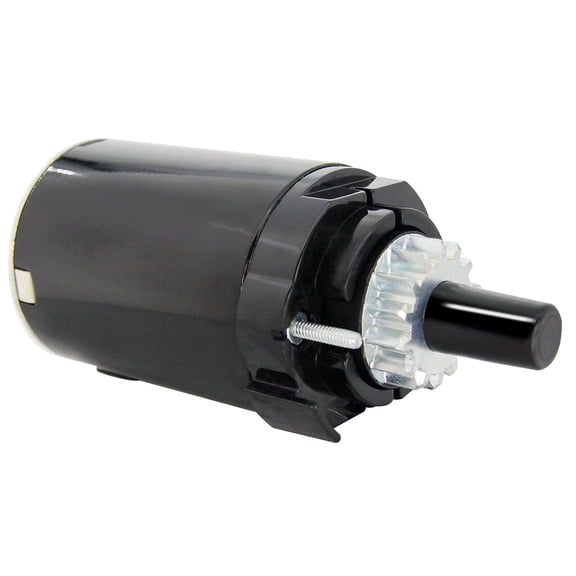
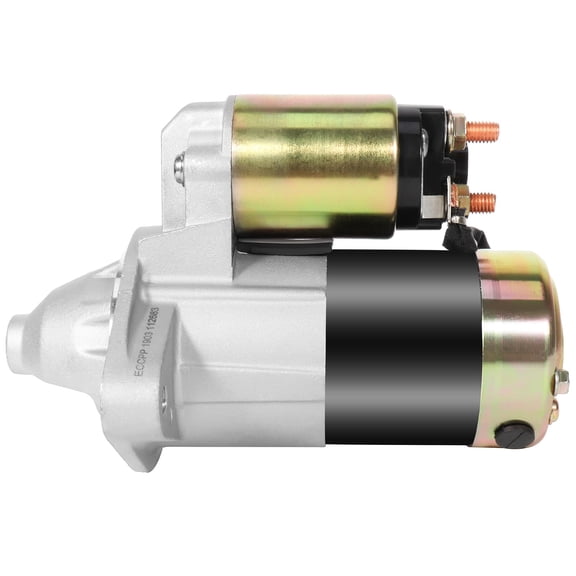
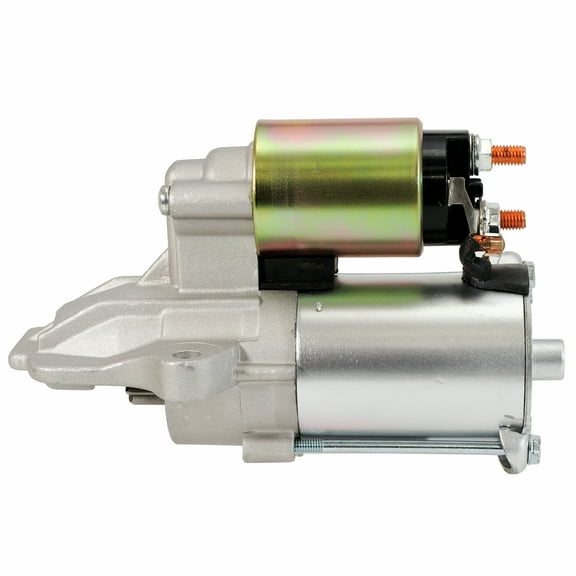
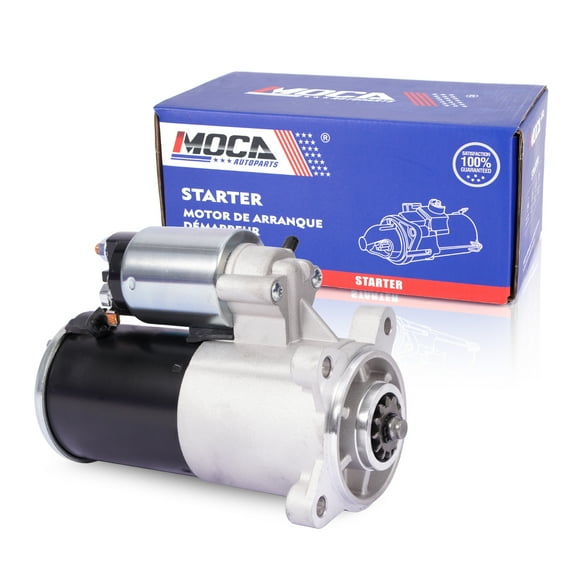
When you compare a car starter motor, you should check bolt hole count and mounting position. Your engine and transmission layout also affect nose cone orientation.
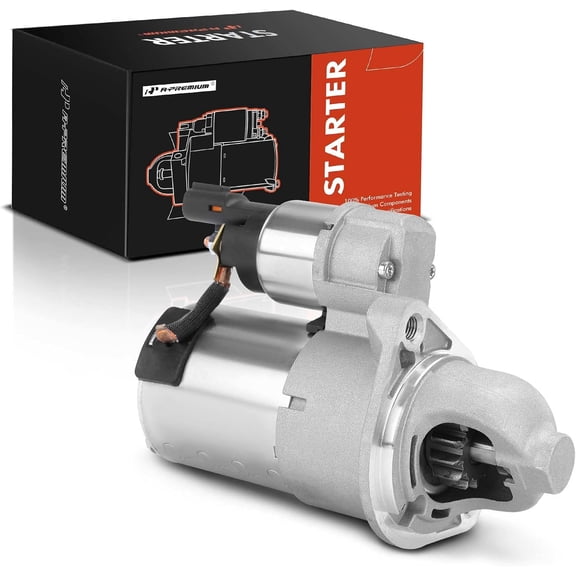
Your wiring setup matters, especially when your harness uses a specific terminal style. You can avoid extra modification when you match the electrical connections from the start.
- You can confirm fit by matching year, make, model, and engine size.
- You should compare OEM part numbers to reduce guesswork.
- You can check bolt hole count, nose cone orientation, and terminal style.
- You should review whether your unit includes the solenoid and drive.
Because fitment errors can waste time, you should compare listing notes before you choose. Your installer may also need the same rotation direction and tooth count.
How to compare new and remanufactured starter motor options
You may choose new units when your priority is all-new internal components and fresh housings. A remanufactured starter motor may suit you when you want a rebuilt option for common applications.
When you compare condition, you should read the listing for included hardware and assembly details. Your decision gets easier when the description clearly states what arrives in the box.
Your choice may also depend on how closely you want to match an existing setup. You can often find engine starter replacement options in both new and remanufactured forms.
If you maintain several vehicles, you may compare warranty terms and return details before ordering. Your application history can help you decide which condition fits your repair plan.
Choosing voltage, power, and component type
You should check voltage first because many vehicles use a 12v starter motor configuration. Your listing may also show power ratings like 1.2 kW or 1.4 kW.
When you review power ratings, you should match the specification to your vehicle requirements. This helps you get a clearer comparison when you use the same part number and engine details.
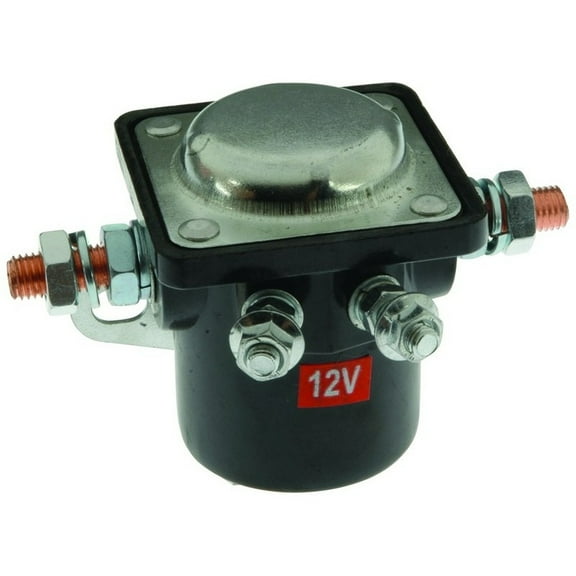
You also need to know whether your listing covers a full starter motor assembly or a component-level repair. Your search may include starter solenoid replacement parts, starter drives, or complete assemblies.
If your current setup needs a specific repair, you should compare integrated and separate parts carefully. The manufacturer may include the solenoid and starter drive, or you may need them separately.
Using automotive starters for common replacement needs
You might be replacing a daily-driver unit that needs exact fitment for a quick install. Your first step should be compatibility data, followed by condition and included parts.
For an older vehicle, you may rely on the OEM number when trim details create confusion. You can narrow automotive starters faster when you confirm engine size and connector style.
If you maintain a work truck or fleet vehicle, you may prefer complete assemblies for simpler planning. You should verify whether the manufacturer includes the solenoid and starter drive.
During winter prep, you may search for a cold weather starter motor for dependable starts in low temperatures. Your final check should still cover voltage, mounting details, and harness connections.
When you handle a garage project, you may compare an engine starter replacement with related electrical parts. Your repair list may also include batteries, alternators, ignition switches, and spark plugs.
Replacement starters buying guidance that helps you choose clearly
You can compare replacement starters with more confidence when you review fitment, condition, voltage, and component type together. This helps you reduce guesswork and get closer to the starter setup your vehicle requires.