

Compound Bow Stabilizer Kits & Balancers | Walmart











About Compound Bow Stabilizer Kits & Balancers | Walmart - Walmart.com
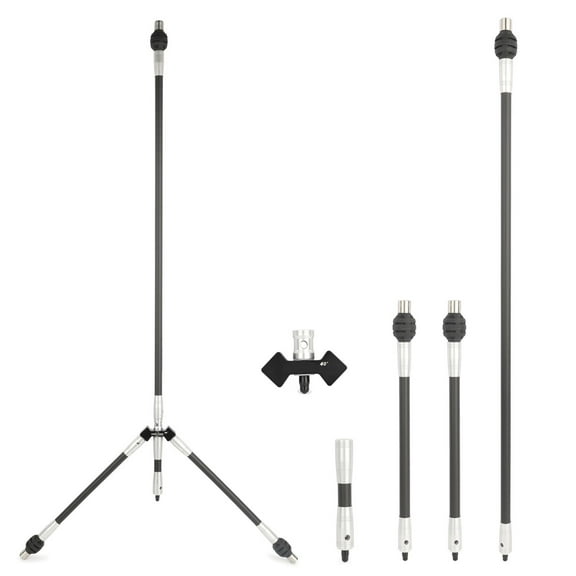
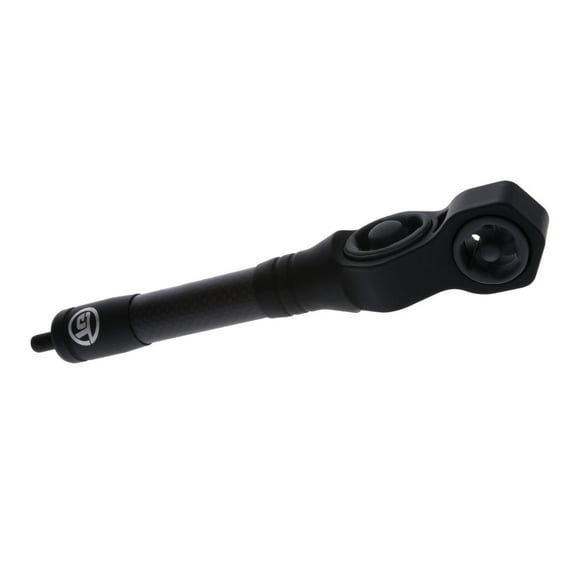
Archery stabilizers help you balance your bow, quiet your shot, and hold steadier at full draw. You can compare length, weight, material, and dampening features to match your setup and shooting style.
If you hunt in tight cover, you’ll usually want a shorter profile that stays manageable in blinds and tree stands. If you shoot targets, you’ll often prefer added front balance that helps your sight picture settle.
How to choose archery stabilizers for your setup
When you compare bow stabilizers, you’re really choosing how your bow feels before, during, and after the shot. You should look at balance first, because front weight changes how quickly your pin stops floating.
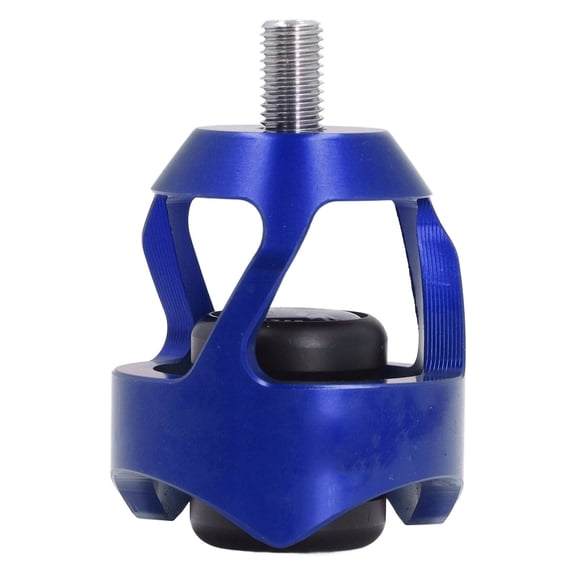
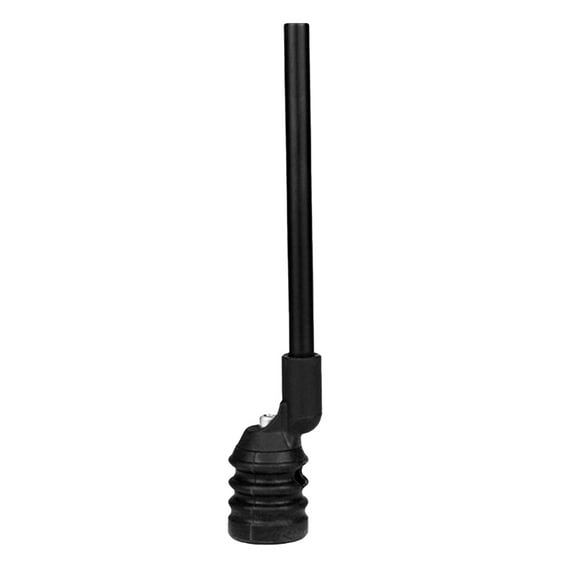
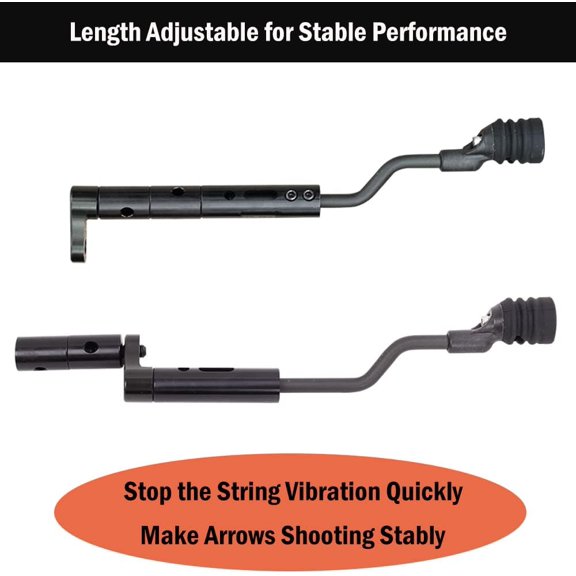
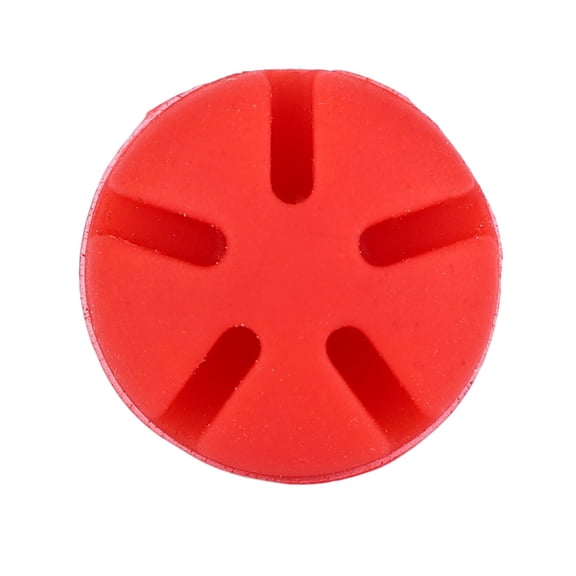
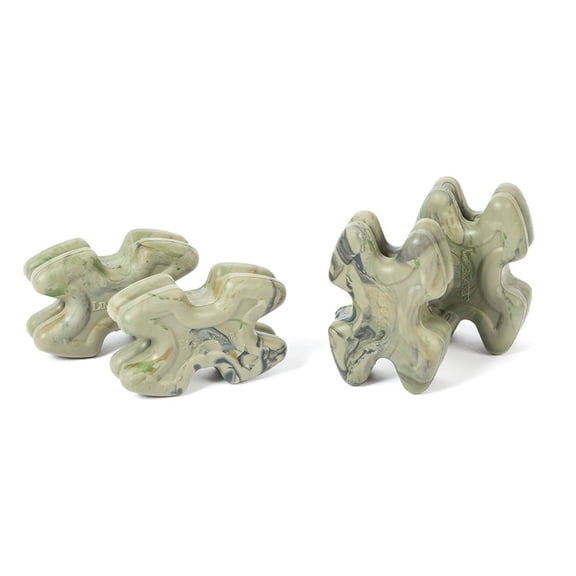
You’ll also want to compare how much vibration control you need for your grip and shooting environment. If your bow feels jumpy after release, you may prefer vibration dampening stabilizers with built-in rubber sections.
- You can use a shorter stabilizer for hunting setups that need easier movement.
- You can use a longer stabilizer when your target setup needs more hold and steadiness.
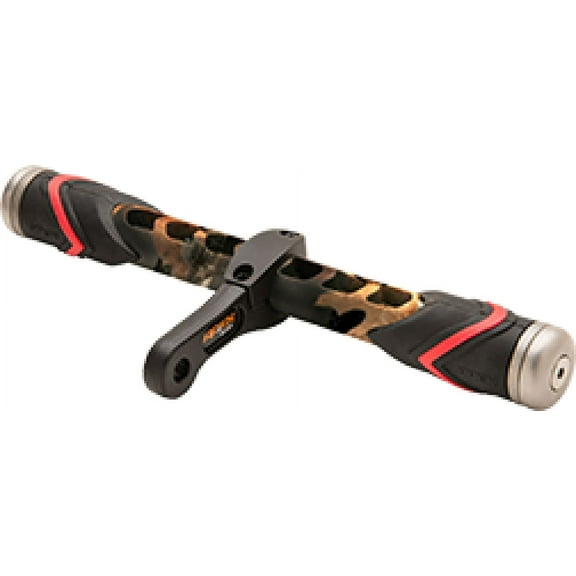
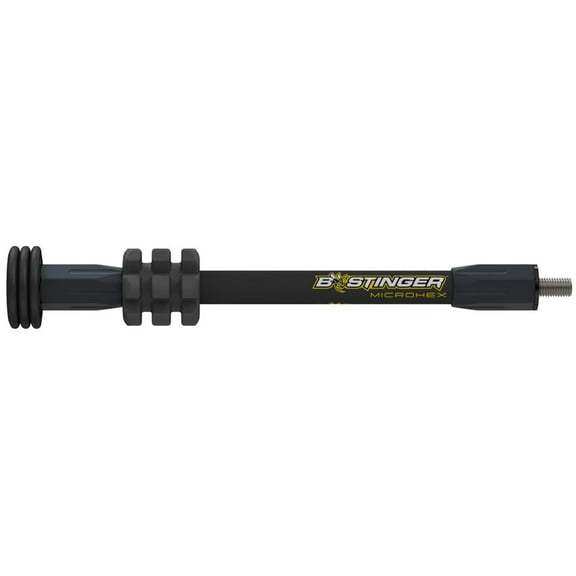
- You can add adjustable weights when you want to fine-tune front-of-center balance.
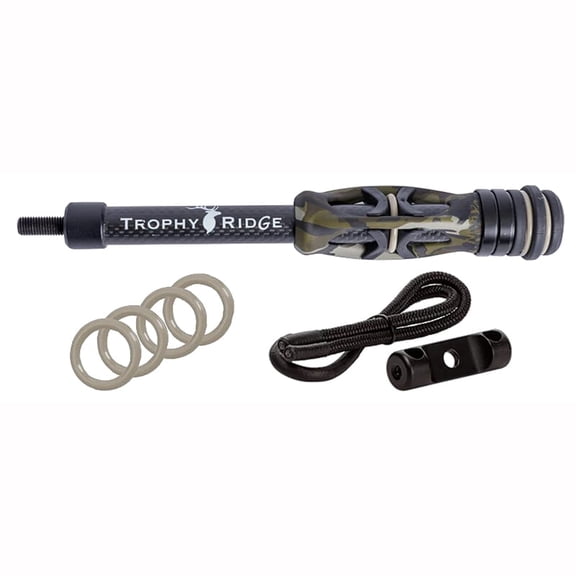
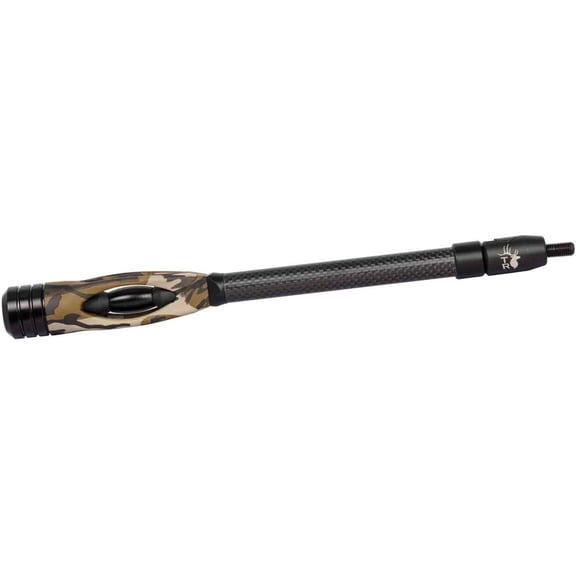
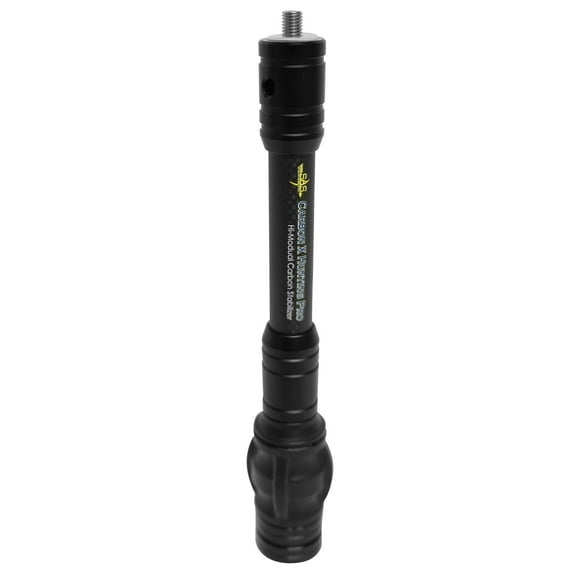
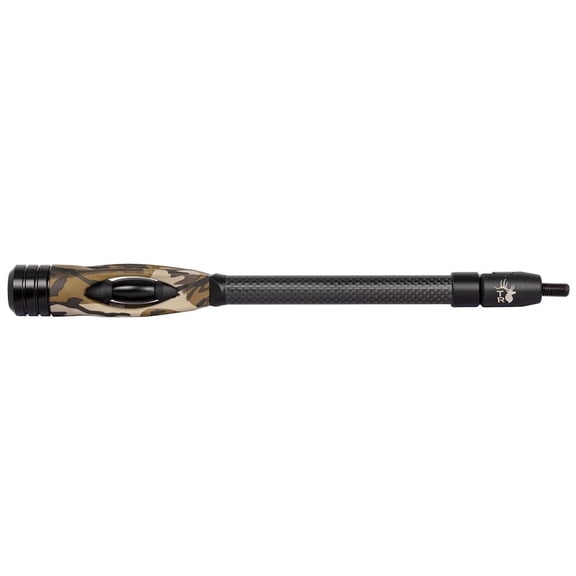
- You can choose carbon bow stabilizer options when you want a lighter feel with solid stiffness.
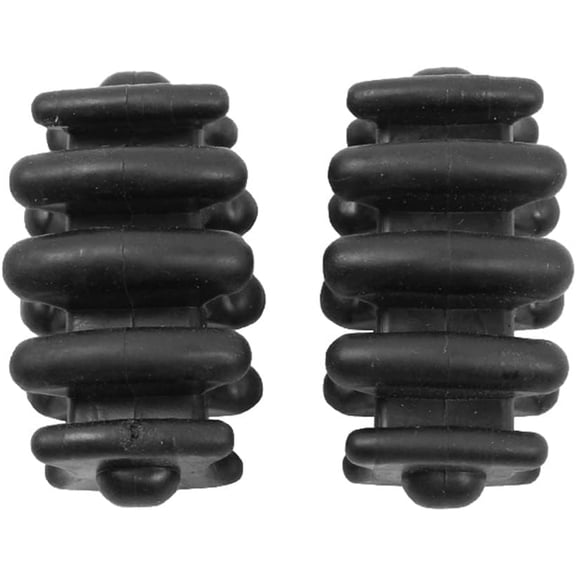
- You can check dampener styles when you want a quieter shot and a smoother reaction.
With the right setup, you’ll notice less wobble when you aim and less jump when you release. You’ll also get a bow that feels more controlled during longer practice sessions.
Choosing the right length and weight
You should start with length because it changes maneuverability and hold in obvious ways. A six inch bow stabilizer or eight inch model usually suits hunting bows that move through brush easily.
If you want a middle-ground option, you may consider 10 inch or 12 inch lengths. Those sizes can give you added steadiness while still staying manageable for many field setups.
For target practice, you’ll often look for more forward reach because extra length can calm pin movement. You may find longer options feel steadier when you shoot from an open lane or range line.
Weight matters just as much because it affects front-of-center balance and overall bow reaction. You can start with four oz or eight oz options, then compare how your bow settles at full draw.
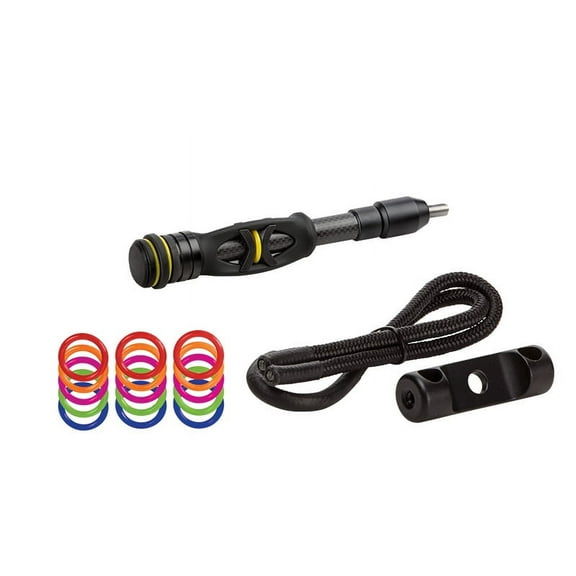
If you want flexibility, you should look for adjustable weights on a weighted archery stabilizer. That choice lets you tune feel without replacing the whole unit when your accessories change.
Comparing compound bow stabilizers and recurve options
Compound bow stabilizers often focus on balancing accessories like sights, rests, quivers, and front-loaded hunting setups. You should compare total bow weight and accessory placement before you choose your stabilizer length.
For a recurve bow, you may want a simpler setup that keeps handling clean and predictable. You can still use added front balance, but you’ll likely judge it by feel and aiming rhythm.
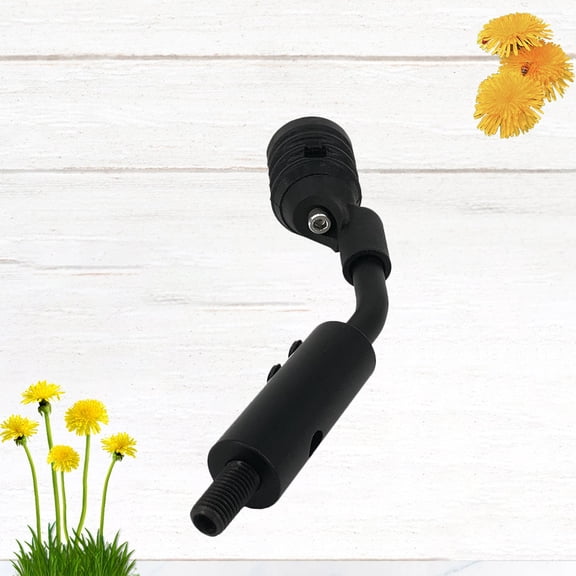
You should also confirm thread compatibility before you narrow your choices. Most bow stabilizers use standard 5/16-24 threads, so you’ll often get broad fit across many bows.
If your bow already uses that common thread pattern, you can usually install a stabilizer without extra adapters. You should still check your bow details so your fit stays straightforward and secure.
What to look for in materials and vibration dampening stabilizers
Material affects how your stabilizer feels in hand and how much weight you carry forward. You can compare carbon fiber, aluminum, and rubber damper designs based on stiffness and overall feel.
If you want a lighter setup, you may prefer carbon fiber because it stays rigid without adding as much front weight. If you want a simple, sturdy option, aluminum can feel straightforward and dependable.
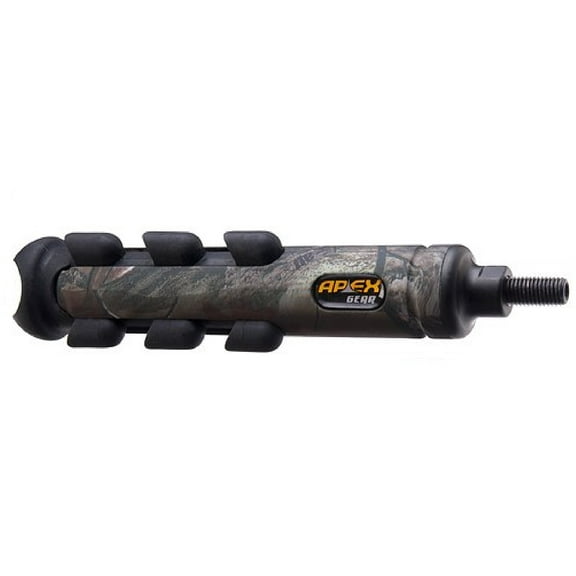
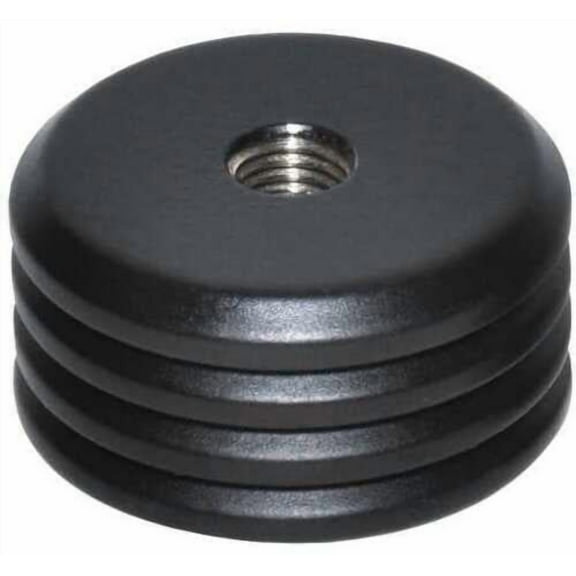
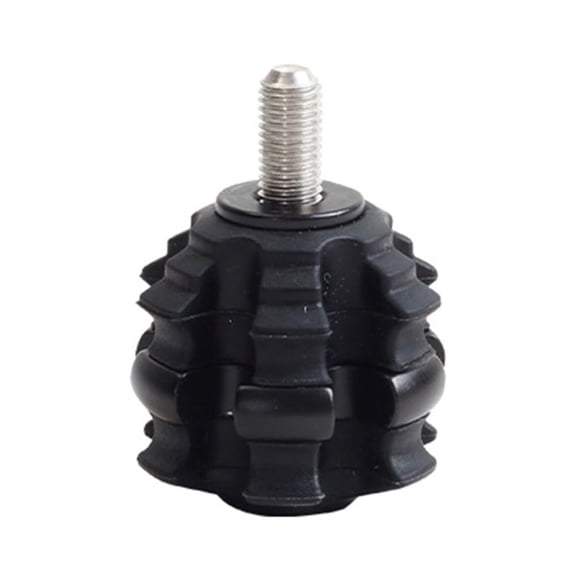
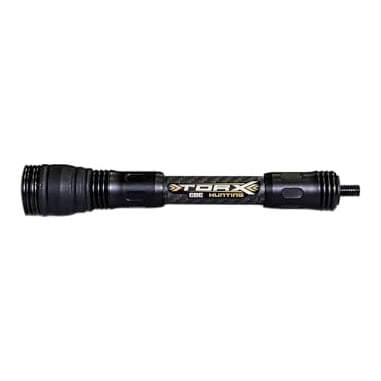
You should look for a built-in dampener or harmonic stabilizer when shot feel matters to you. Those designs help soften the bow’s reaction so your release feels cleaner and quieter.
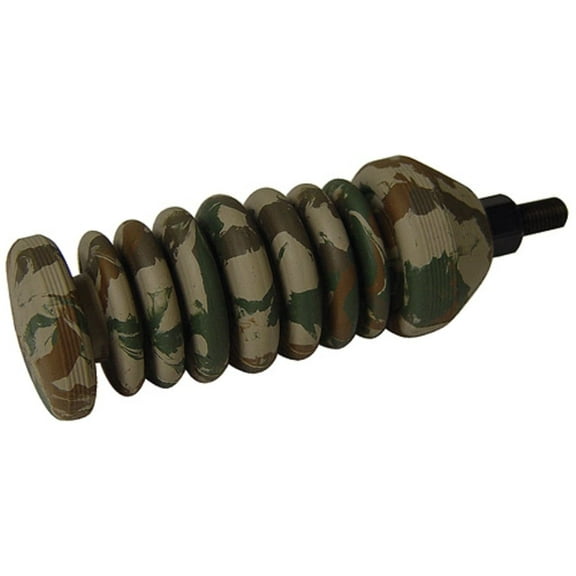
When you compare vibration dampening stabilizers, you should pay attention to where the dampening section sits. A rubber damper near the weight stack can change how much post-shot movement you feel.
You may also want to match material and dampening style to your bow’s overall build. A compact hunting rig often benefits from controlled weight, while a target setup may welcome more forward stability.
Matching archery stabilizers to real shooting situations
If you hunt from a blind, you’ll usually want a shorter stabilizer that won’t crowd limited space. A six inch or eight inch option can help you keep movement compact and controlled.
When you stalk or still-hunt, you may prefer a compact profile that clears branches and gear easily. You can pair that shorter length with a built-in dampener for a quieter bow reaction.
If you shoot at longer distances on a range, you may want more stabilizer length and adjustable front weight. That combination can help your pin settle and support a steadier hold through the shot.
For a compound setup with several accessories, you should often consider how each add-on shifts balance forward or sideways. You can use compound bow stabilizers to bring your sight picture back into a more controlled position.
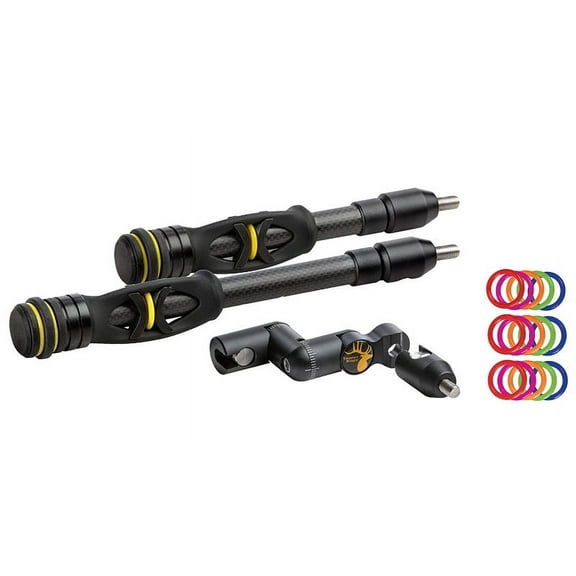
If you switch between field practice and hunting season, you may like modular options with removable weights. That setup lets you tune for maneuverability one day and extra steadiness the next.
When you compare archery stabilizers by length, weight, material, and compatibility, you’ll make a clearer choice for your bow. You’ll end up with a setup that feels steadier, quieter, and easier to tune for your shooting style.