


Find auto parts that fit
Let’s search for parts that fit your vehicle.Speedometer iPhone & Car Speedometers | Walmart




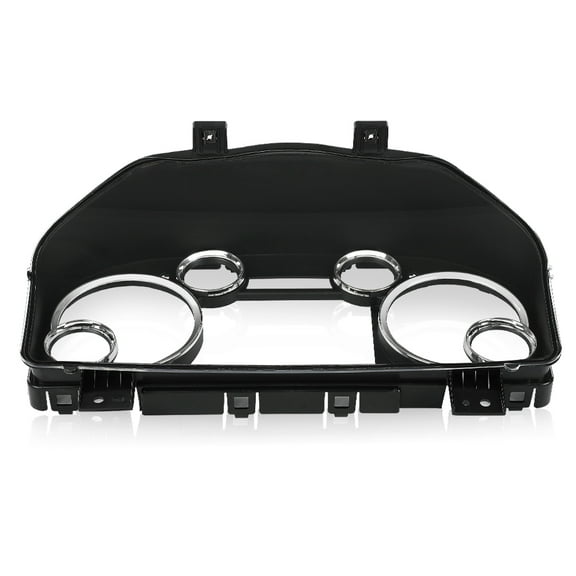

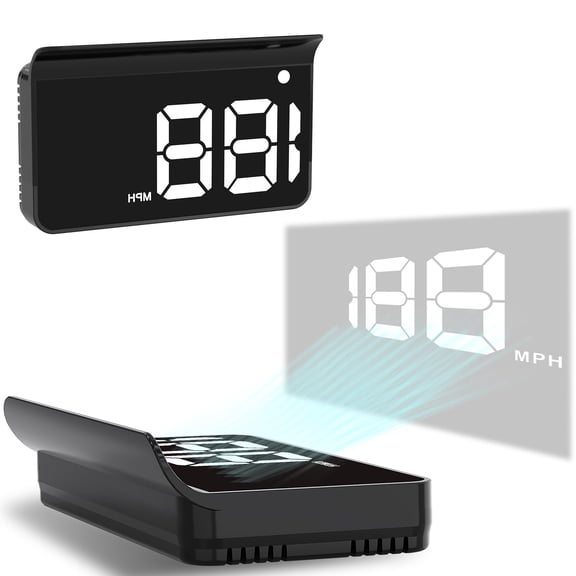


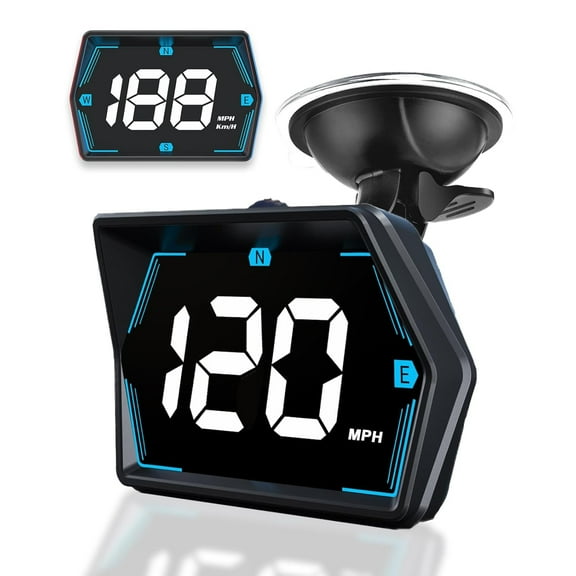
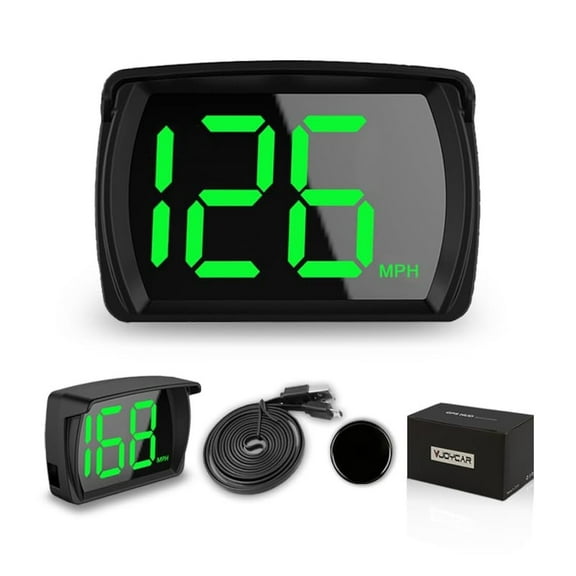














About Speedometer iPhone & Car Speedometers | Walmart - Walmart.com
Speedometers help you track road speed with clear readouts, flexible fitment, and aftermarket options for cars, trucks, motorcycles, and more. You can compare digital, GPS, mechanical, and analog styles based on installation, display visibility, and vehicle compatibility.
If you’re replacing a worn gauge or planning a custom dash build, you’ll want decision-ready details before you choose. You can use this guide to compare fitment type, signal source, and display features that shape everyday driving.
How to choose speedometers by technology type
You’ll usually start by comparing GPS, digital, mechanical, and analog designs. You can use that choice to narrow installation steps, signal input, and the kind of display you’ll see while driving.
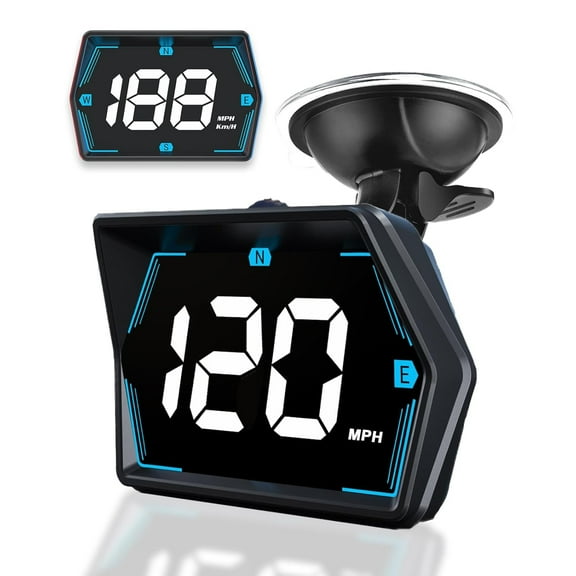
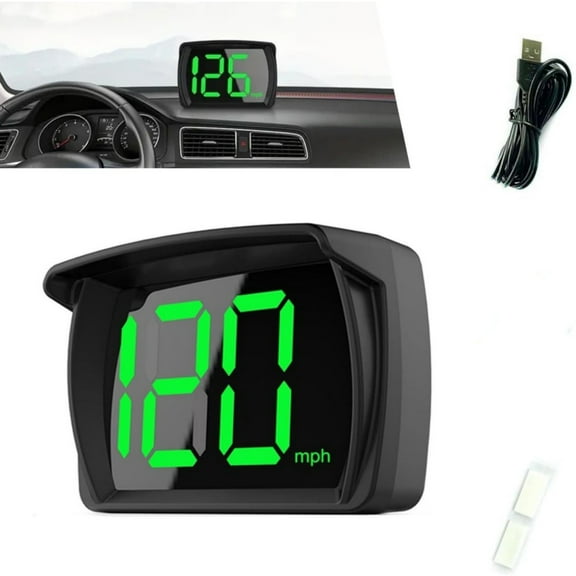
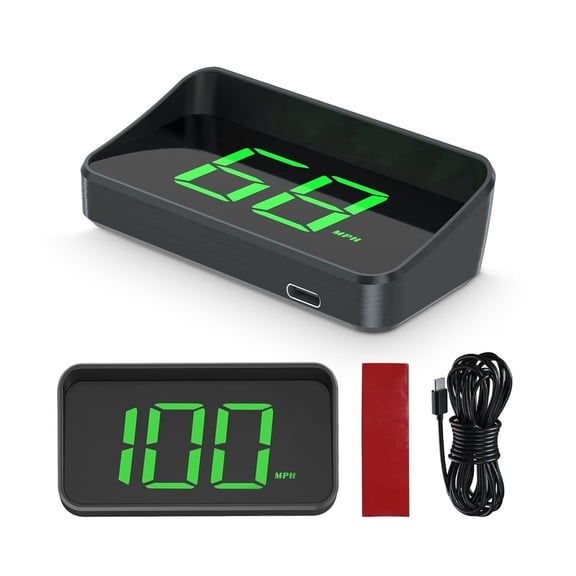
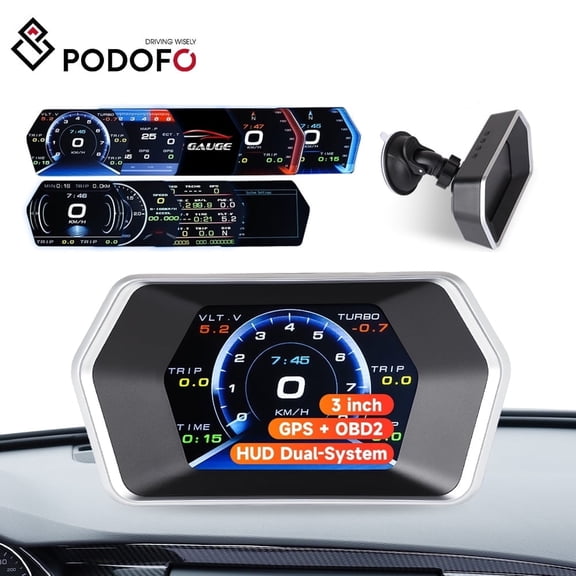
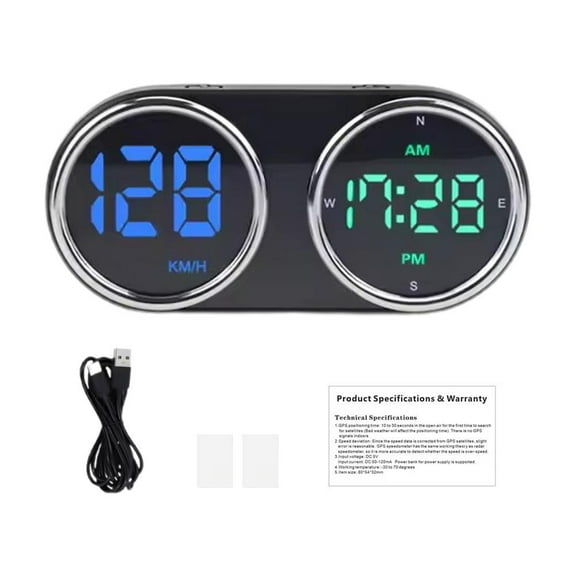
A gps speedometer works well when you want a simpler setup with fewer wired connections. You can often mount the display, connect power, and start tracking speed without routing a transmission signal wire.
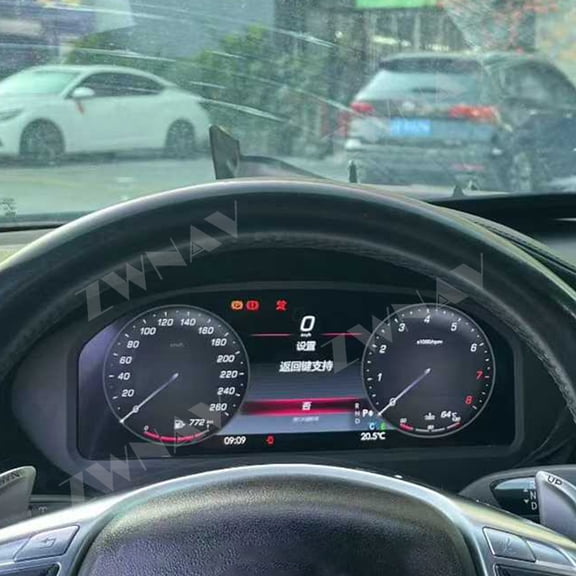
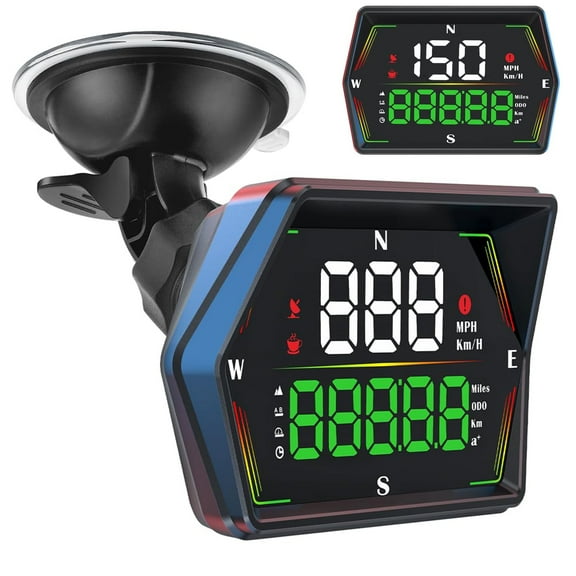
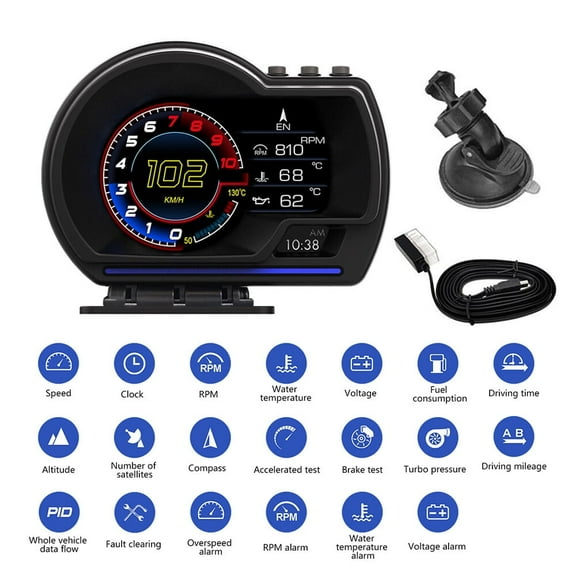
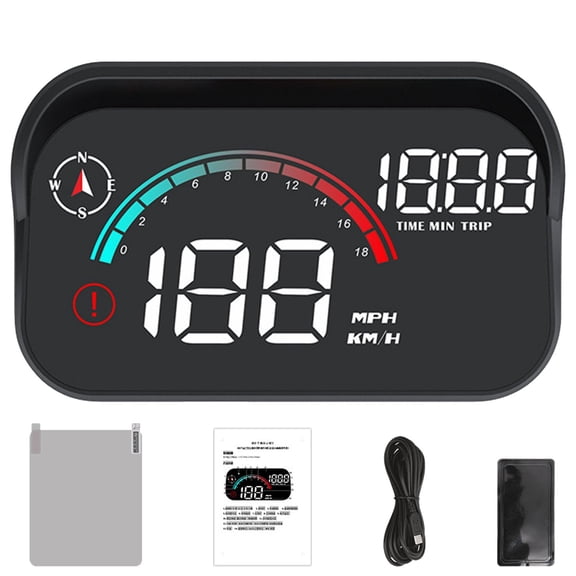
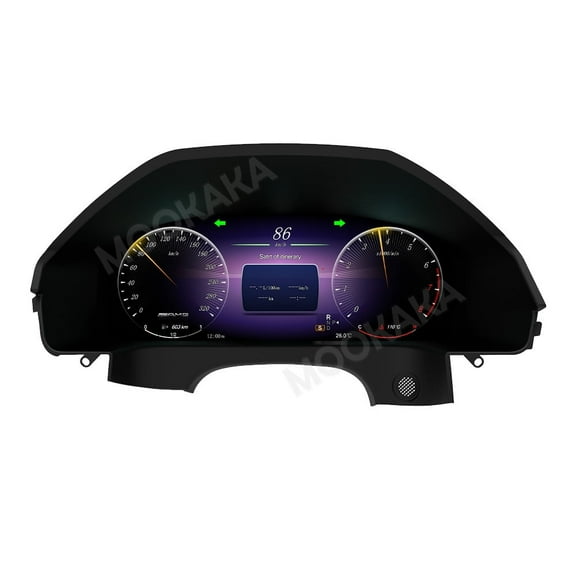
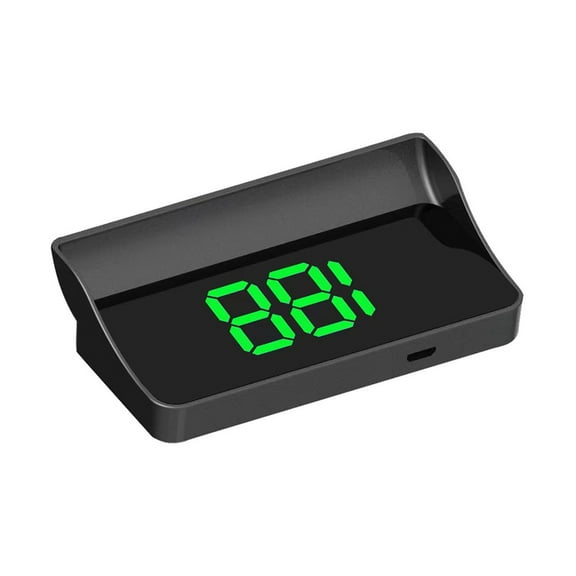
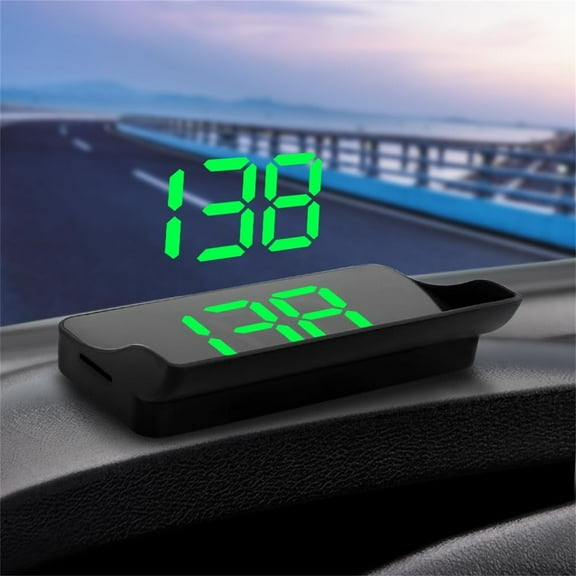
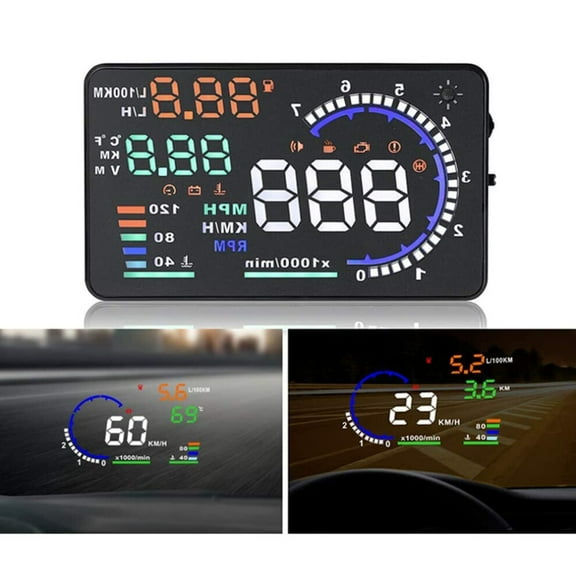
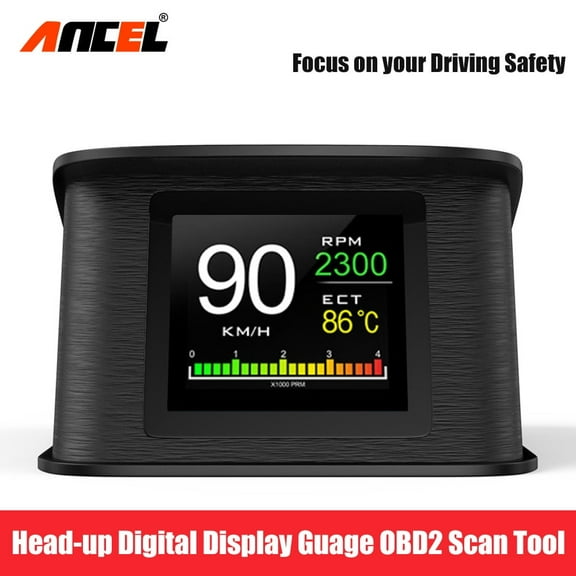
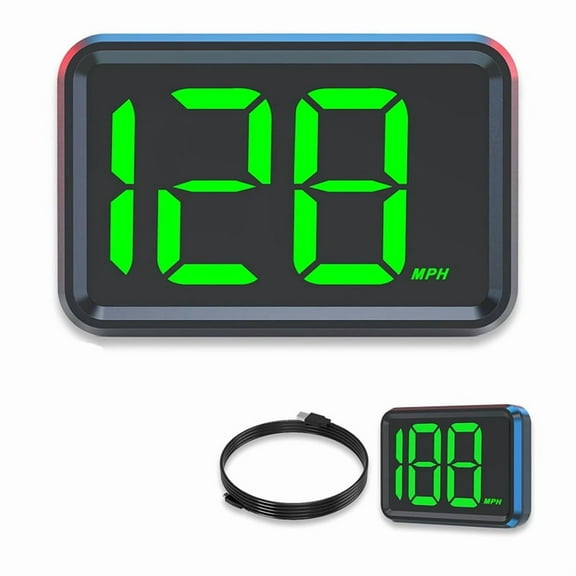
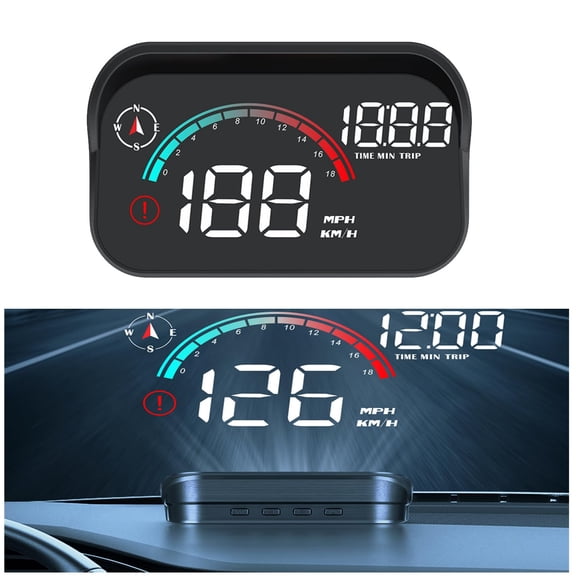
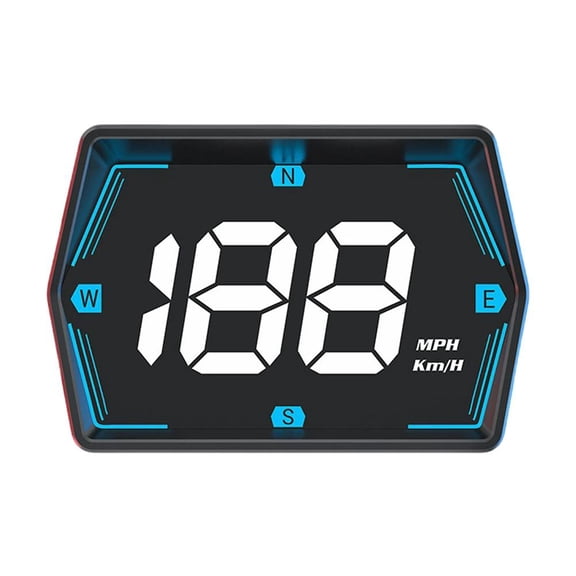
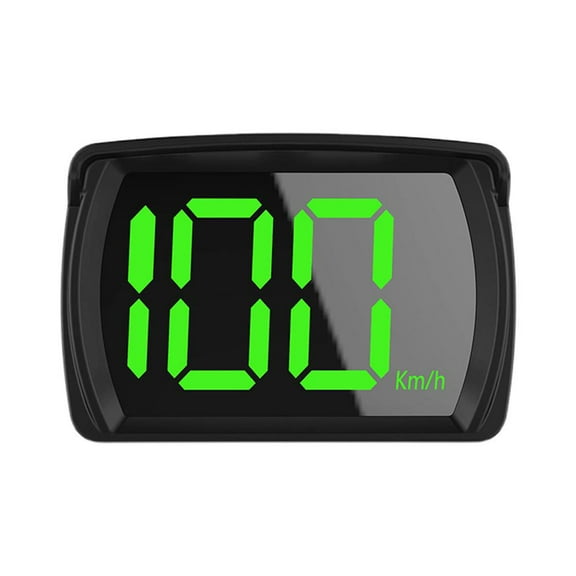
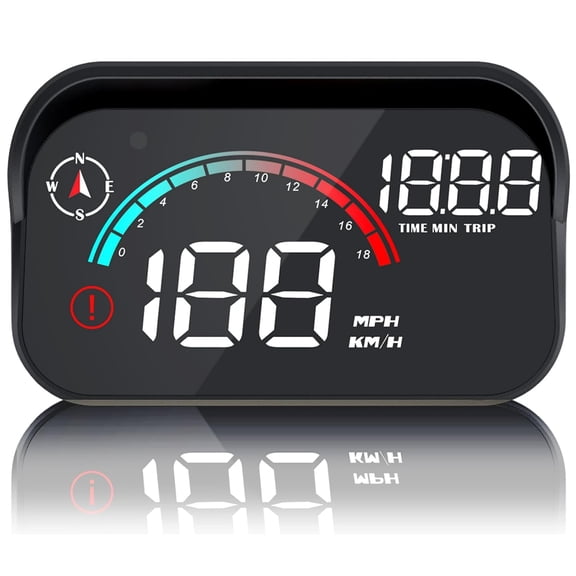
A digital speedometer gives you a clean numeric readout that’s easy to scan quickly. You can also compare LCD screens, LED backlights, and HUD styles based on how you prefer to view speed.
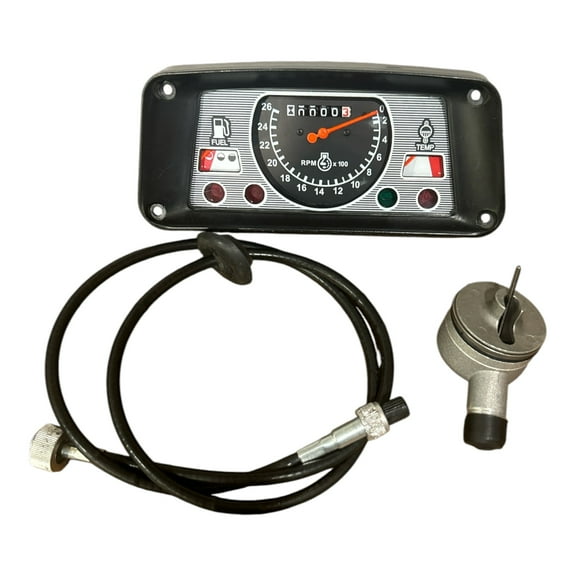
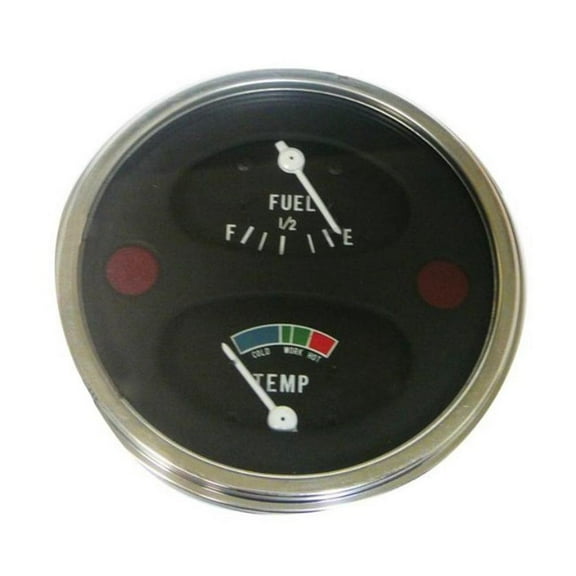
If your vehicle uses a cable-driven setup, you may prefer mechanical or analog options. You can keep a classic gauge look while matching older signal types and existing dashboard layouts.
- You can choose GPS models when you want easier setup and flexible mounting.
- You can choose digital readouts when you want quick speed checks at a glance.
- You can choose mechanical or analog styles when your build uses traditional gauge inputs.
- You can compare MPH and KM/H settings when you need unit flexibility.
Choosing a digital speedometer or gps speedometer
You should compare installation style before you focus on appearance alone. You can save time by checking whether your vehicle uses a mechanical cable, an electronic sensor, or a GPS signal source.
With wired setups, you’ll want to confirm signal type and connector match. You should also check dashboard cutout size, because gauge diameter affects how cleanly your replacement fits.
With a GPS speedometer, you can avoid some transmission wiring and sensor matching. You’ll still want to check power needs, mounting position, and screen placement for a clean view.
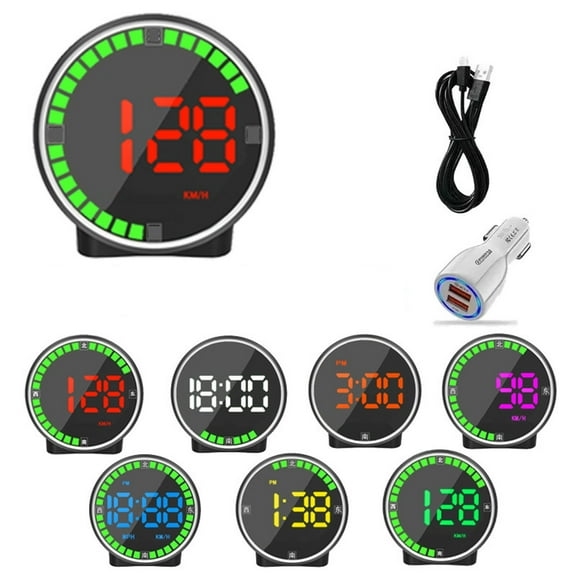
If you’re considering a digital speedometer for a custom dash, you should look closely at screen contrast. You can compare LED backlight colors, LCD brightness, and display size for day and night readability.
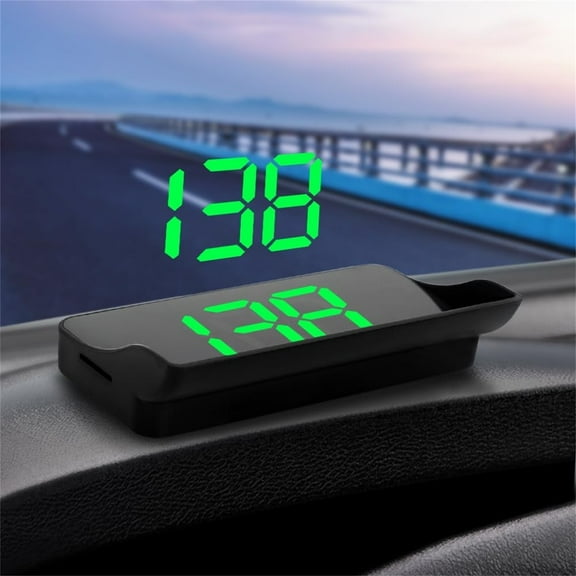
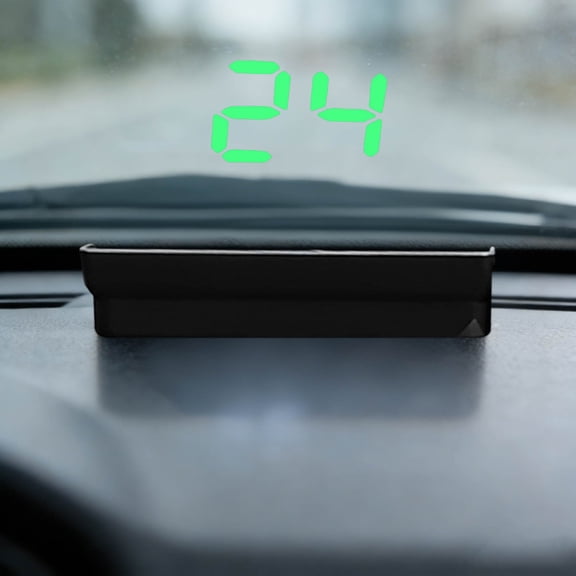
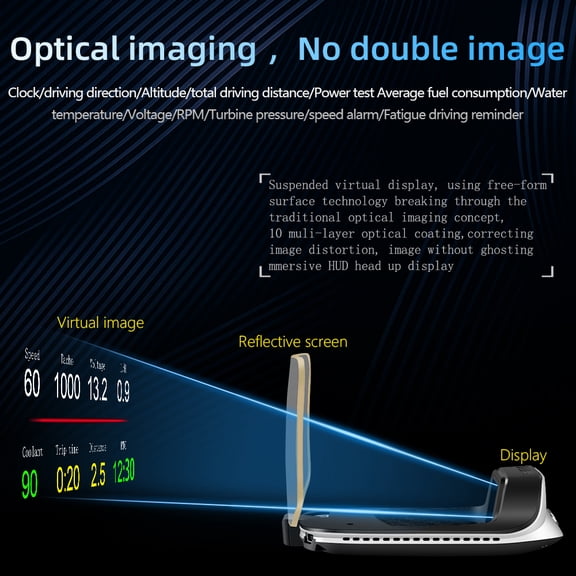
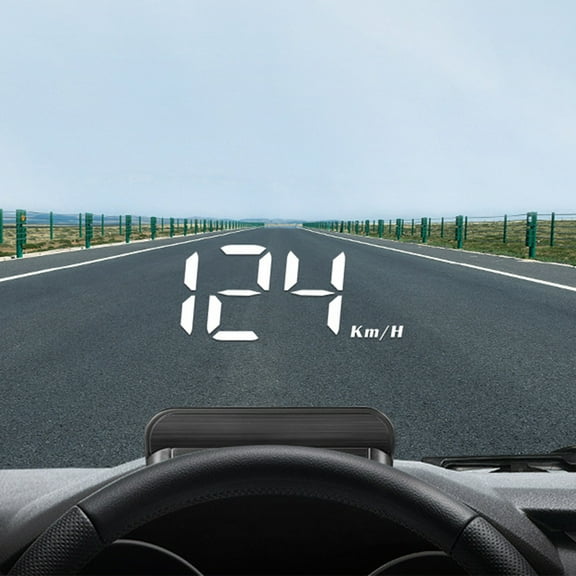
HUD styles can project speed into your line of sight on compatible setups. You’ll want to confirm windshield visibility and placement details, so your display stays easy to read.
What to look for in universal speedometer fitment
You’ll often compare a universal speedometer with a direct replacement option. You can use universal models for custom builds, gauge swaps, and modified dashboards across several vehicle types.
A universal speedometer can give you added mounting flexibility, but you should measure first. You’ll want to confirm dash-mount dimensions, bracket style, and depth behind the panel before you buy.
If you’re replacing an existing gauge, you should check whether the opening matches common round sizes. You can reduce guesswork by measuring the cutout and comparing it with listed housing dimensions.
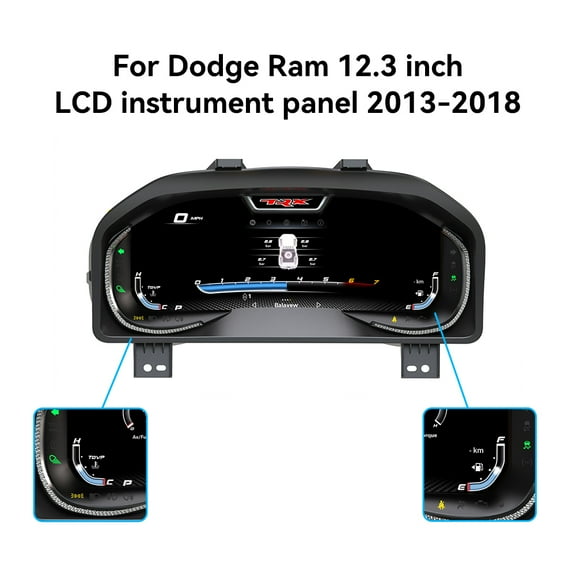
Direct replacement styles can simplify fitment when you’re matching a specific vehicle layout. You should still compare connector style, sensor compatibility, and bezel shape before making your final choice.
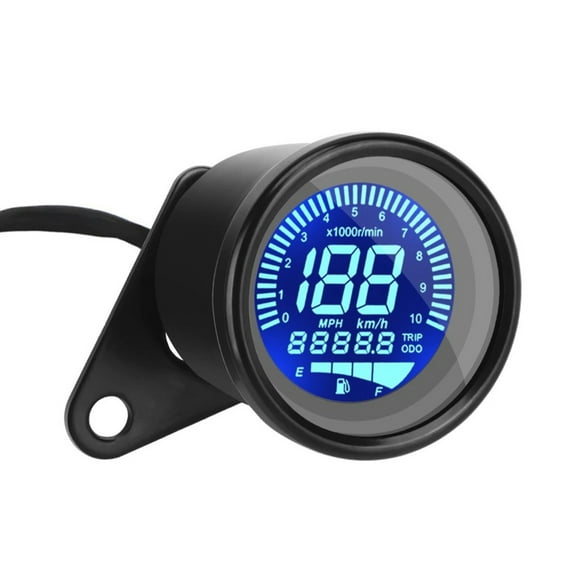
For a motorcycle speedometer, you’ll want compact sizing and clear visibility in changing light. You can also compare mounting points, weather-exposed placement, and unit switching between MPH and KM/H.
Matching speedometers to your vehicle and driving setup
You can narrow speedometers quickly when you sort by vehicle type first. You should compare options for cars, trucks, motorcycles, marine applications, and ATVs based on signal source and mounting needs.
For cars and trucks, you may want dash-mounted displays that match existing panels. You can compare wired or GPS styles depending on whether you want factory-style integration or simpler aftermarket installation.
For motorcycles, you’ll often need smaller housings and a simpler control layout. You should check whether a motorcycle speedometer supports your mounting location and preferred speed unit display.
For boats and marine setups, you may prefer gauges that fit dedicated instrument panels. You can compare analog and digital layouts based on visibility, helm space, and the look you want.
For ATVs and off-road builds, you may look for compact displays with easy-to-read numbers. You can also compare dash-mount and universal options when space is limited around bars or body panels.
Using display features to improve readability
You’ll notice display features matter every time lighting changes during a drive. You can compare LED backlight options, LCD contrast, and HUD formats based on where and when you ride.
LED backlights can help you read the gauge in dim cabins or evening conditions. You should compare color, brightness, and dial contrast, so your speed stays clear without extra distraction.
LCD screens can give you a crisp digital layout with large numerals and added indicators. You’ll want to check screen size and viewing angle if your dash sits low or far away.
Some drivers prefer MPH only, while others need MPH and KM/H switching. You should confirm unit settings early, especially if your vehicle crosses borders or uses imported components.
You can compare these decision points carefully before you choose the right setup. You’ll end with speedometers that fit your dash, match your signal type, and stay easy to read on every drive.