


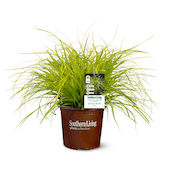
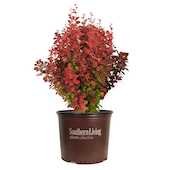






Shrubs & Trees in Garden Bushes


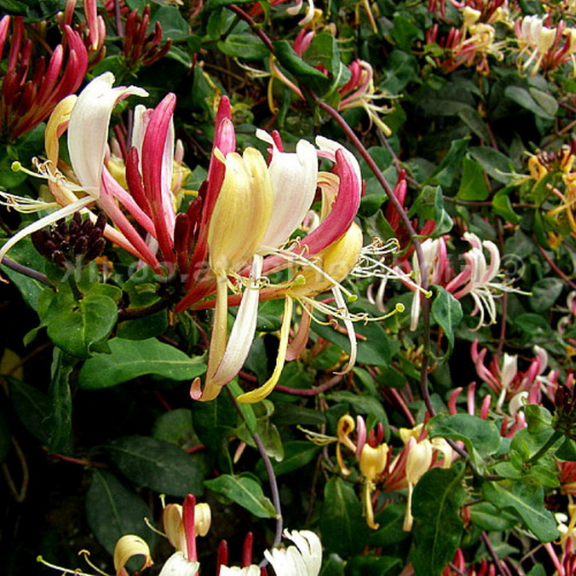
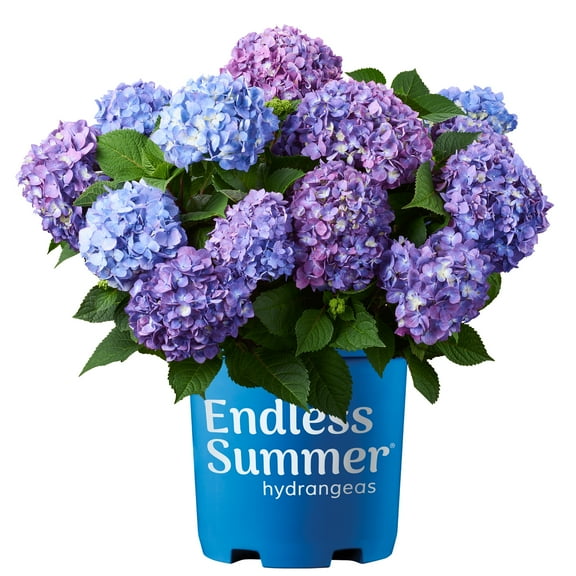

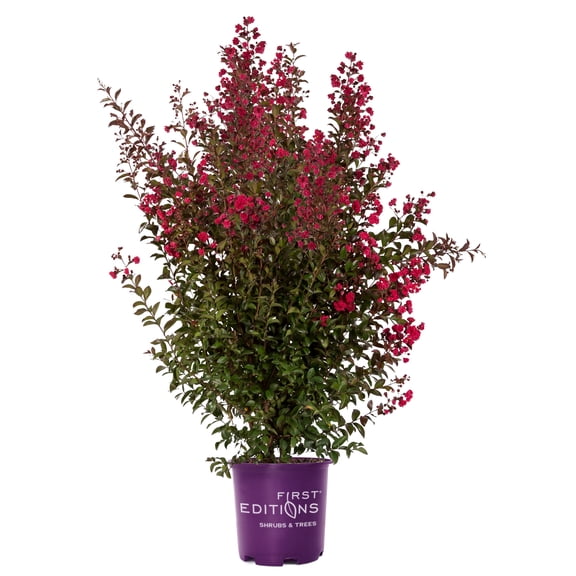
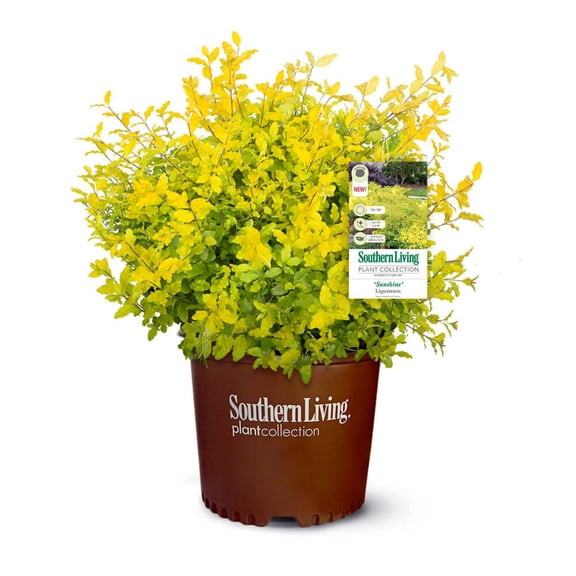


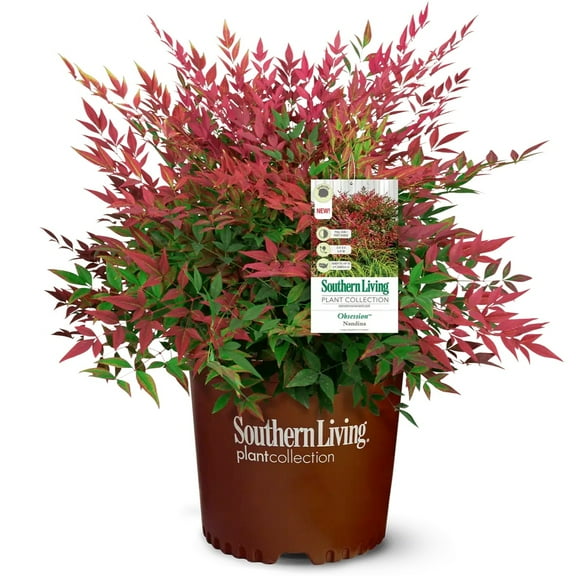

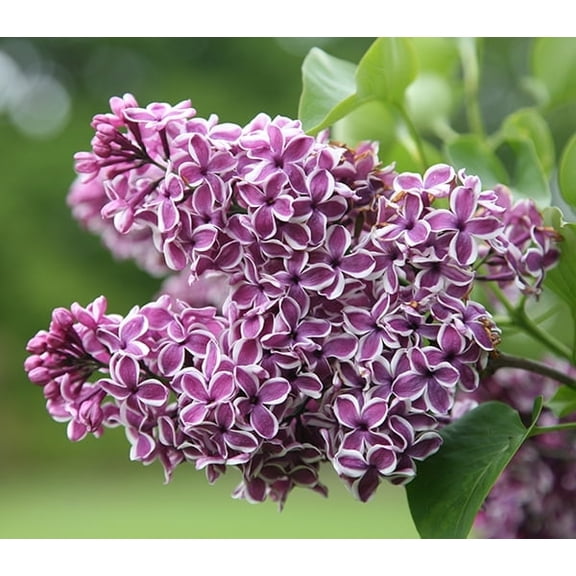


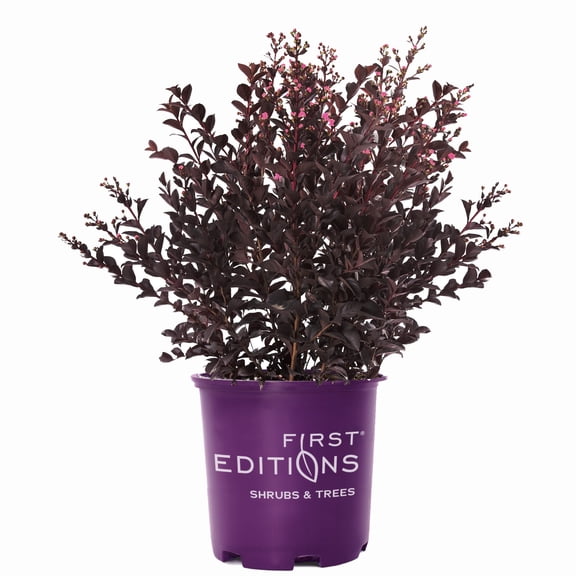
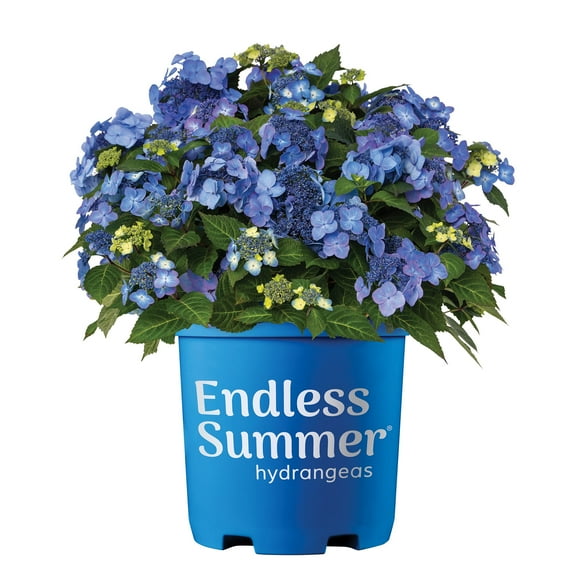
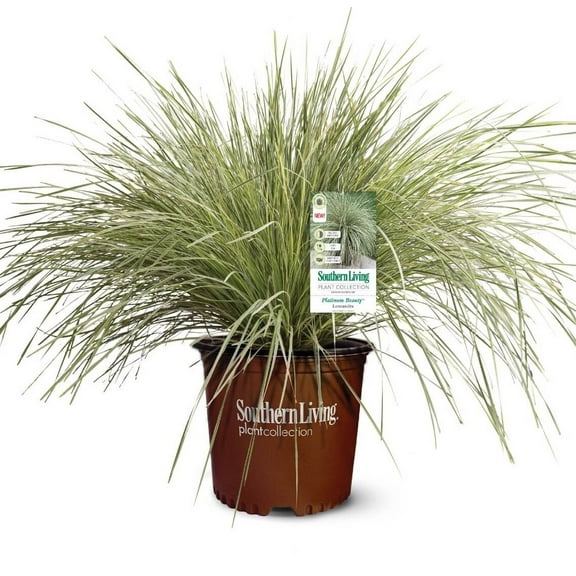
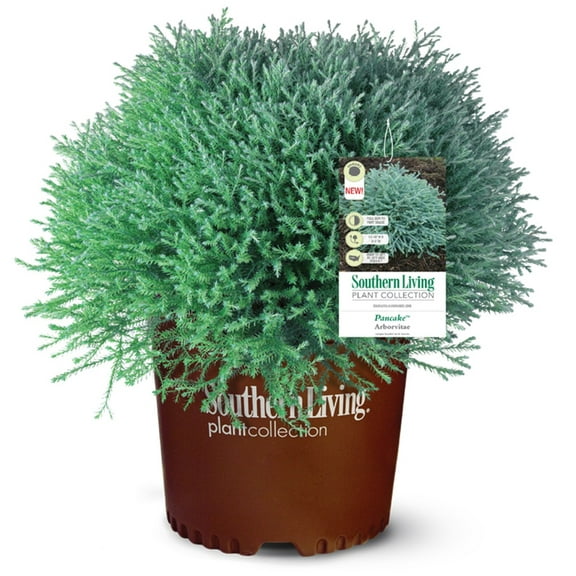
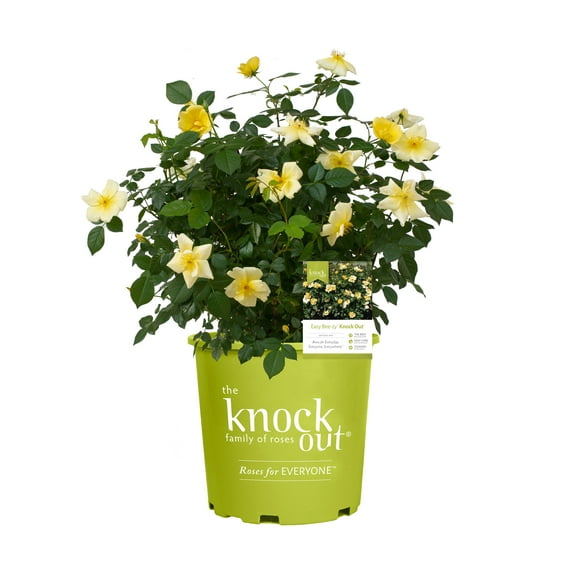

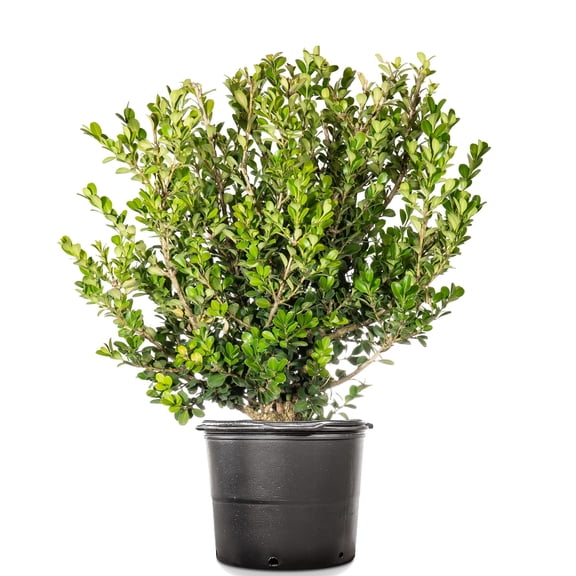


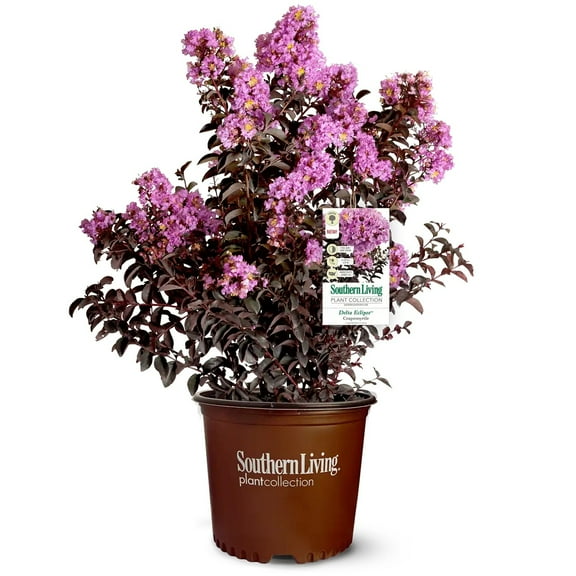
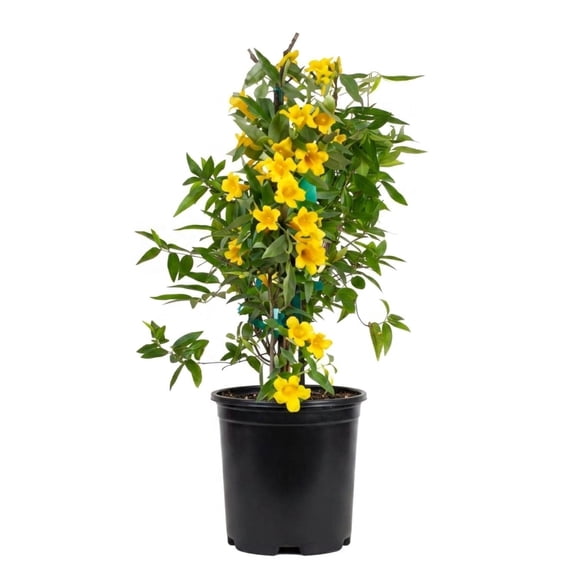



About Shrubs & Trees in Garden Bushes - Walmart.com
Shrubs and trees help you shape your yard with color, privacy, and structure through every season. You can compare plant type, sunlight needs, growth purpose, and mature size before you plant.
When you choose with your climate in mind, you get outdoor plants that fit your space and look established sooner. You can also narrow options for hedges, focal points, or low-growing borders with less guesswork.
How to choose shrubs and trees for your yard
You should start with USDA Hardiness Zones, because they show whether your winters match a plant's tolerance. You can check minimum winter temperatures to avoid choosing varieties that don't fit your area.
Your planting spot matters just as much as your climate. You should measure open width, nearby walls, and overhead space before you choose dwarf, medium, or large forms.
You'll also want to match your goal to the plant's habit. You can use privacy trees for screening, landscaping bushes for borders, or spreading shrubs for ground cover.
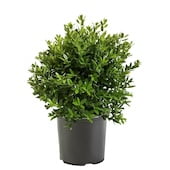
- You can create year-round structure with evergreen shrubs that keep foliage through cooler months.
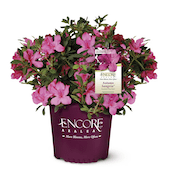
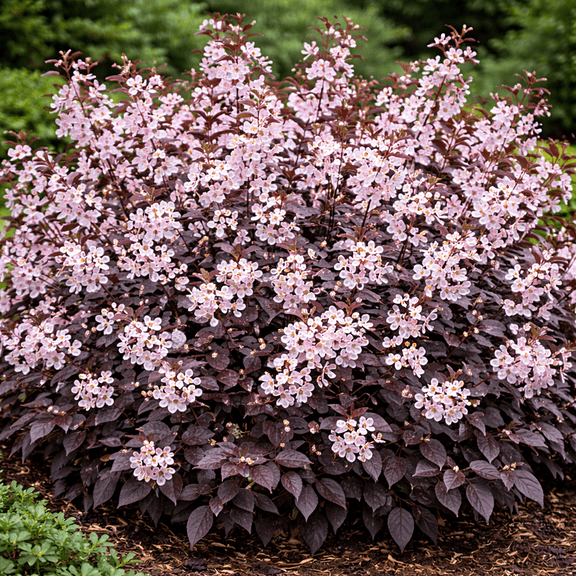
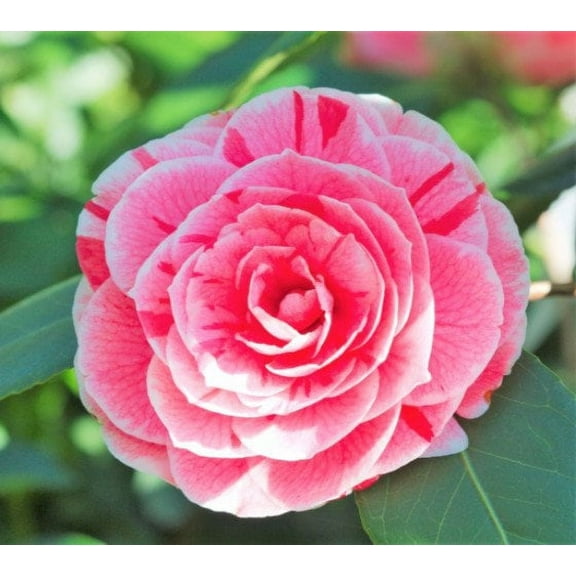
- You can add seasonal color with flowering shrubs and flowering trees for spring or summer interest.
- You can build living screens with privacy hedge shapes and taller windbreak plantings.
- You can simplify upkeep by comparing low maintenance shrubs with your watering and pruning routine.
Choosing between evergreen shrubs and flowering shrubs
You should compare plant type first, because each group changes how your yard looks across the year. You can choose evergreen, deciduous, flowering, or conifer options based on the effect you want.
Evergreen shrubs give you steady color and fuller coverage when other plants lose leaves. You may prefer them when your foundation beds or property lines need a consistent look.
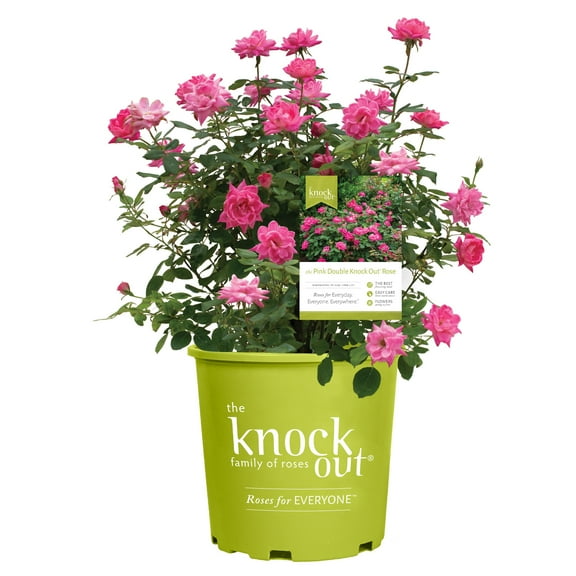
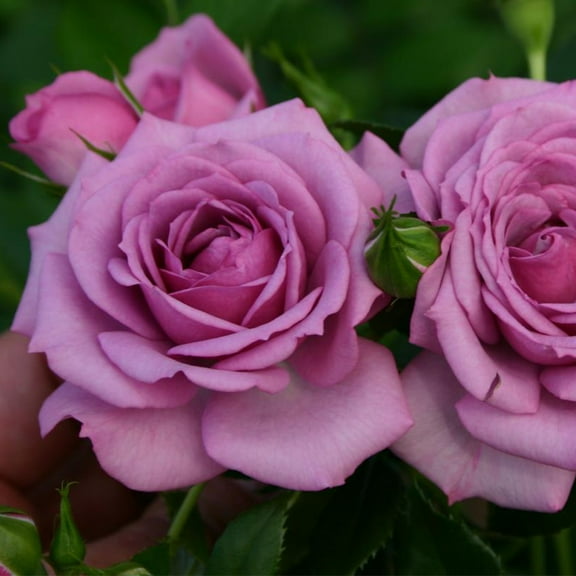
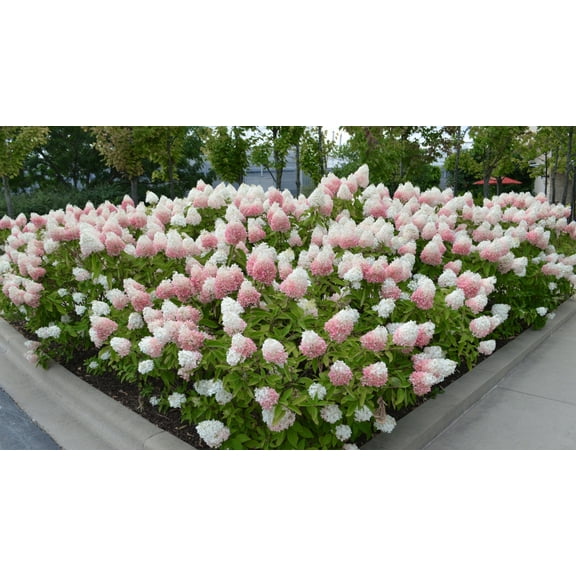
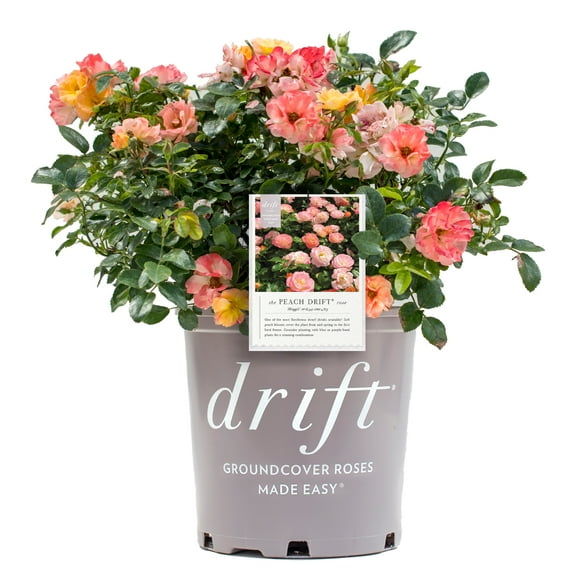
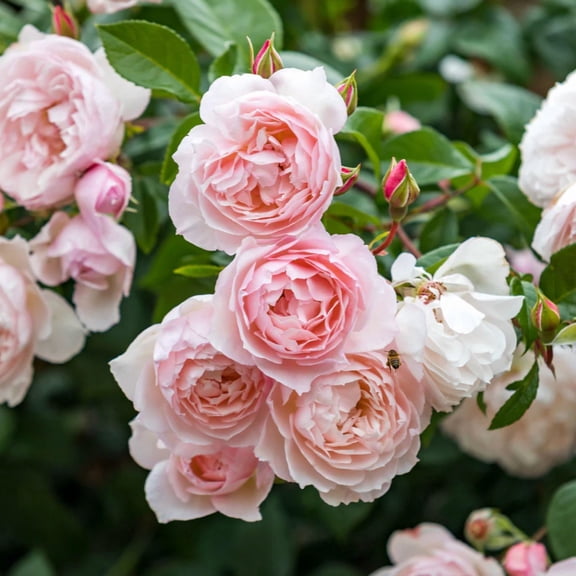
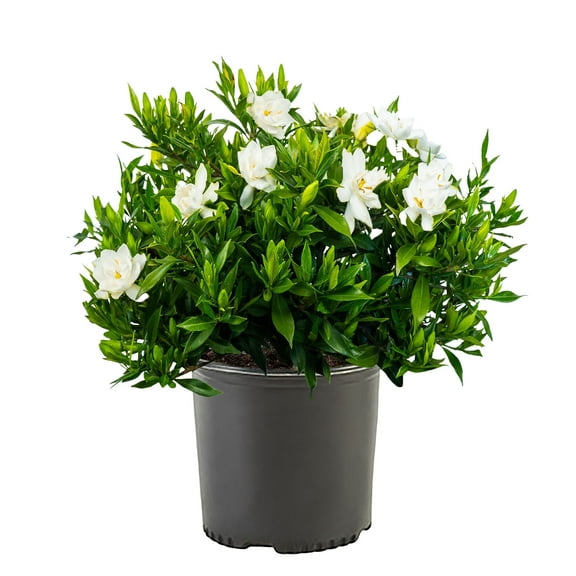
Flowering shrubs give you bloom cycles that brighten entries, patios, and mailbox plantings. You can pair them with evergreen forms when you want both color and structure.
Deciduous shrubs and trees change with the season, so you get fresh texture and shifting color. You might choose them when you want spring leaves, fall color, or a lighter winter look.
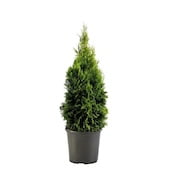
Conifer choices often bring narrow shapes, needles, and strong vertical form for screens. You can use them when you need privacy trees that fit tighter side yards.
Matching sunlight and soil to landscaping bushes
You should check how many hours of direct light your planting area gets each day. You can use full sun for open areas, partial shade for mixed light, and full shade for covered spots.
Full sun usually means six or more hours of direct light. You may notice many flowering shrubs and flowering trees perform well in brighter spaces.
Partial shade works well when your yard gets morning sun or filtered afternoon light. You can use it for many landscaping bushes near fences, decks, and taller trees.
Full shade choices help you plant under tree canopies or along north-facing walls. You should also look for well-draining soil, so roots sit in balanced moisture after watering.
Your soil texture affects how often you water and how quickly roots settle in. You can improve planting success by loosening the hole area and checking drainage before planting.
Choosing privacy trees by growth purpose
You should decide what job your plants need to do before you compare shapes. You can sort options by privacy hedge, focal point, ground cover, or windbreak use.
Privacy trees and hedge forms help you outline property edges and soften fence lines. You may prefer dense branching when you want a fuller screen from season to season.
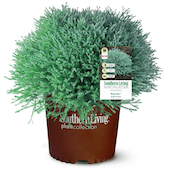
Focal point plants draw attention near entryways, corners, or center beds. You can choose distinctive form, foliage color, or blooms when one area needs visual structure.
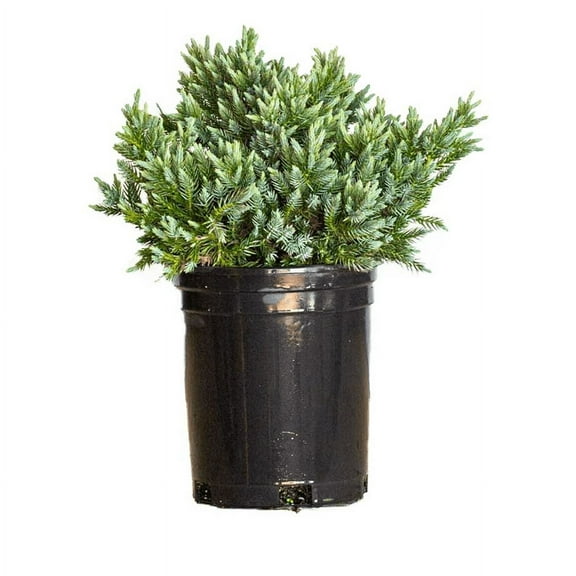
Ground cover shrubs spread lower and wider, so you can fill bare slopes or border fronts. You might use them where taller plants would block windows or walkways.
Windbreak plantings help you define open spaces with layered height and coverage. You can combine shrubs and trees to create depth along long property lines.
Comparing mature size and maintenance needs
You should always compare mature height and spread, not just the plant's current container size. You can avoid crowded beds when you leave room for future growth.
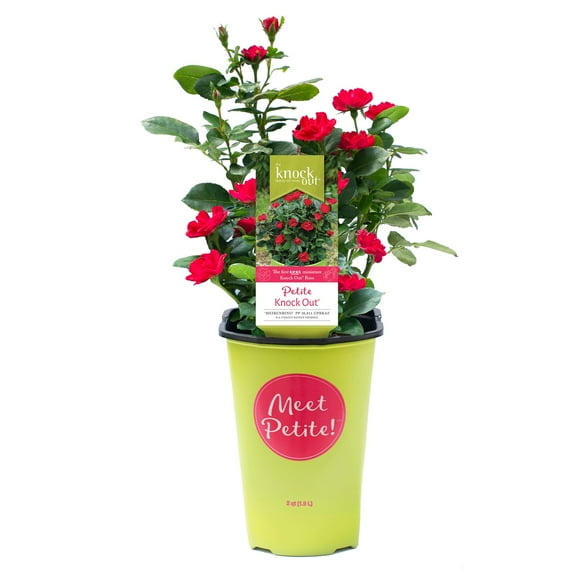
Dwarf options fit patios, entry beds, and compact borders where space stays limited. You may want medium sizes for mixed landscapes and large or tall forms for screening.
Your maintenance routine should guide your final choice. You can compare watering frequency, pruning effort, and leaf drop before planting perennial bushes or taller trees.
Low maintenance shrubs can make regular yard care easier when you want dependable structure. You should still match them to your sun, soil, and zone for a smoother planting experience.
When you plan for mature size, climate, and light together, your shrubs and trees work harder in your landscape. You end up with plantings that fit your yard, support your layout, and look intentional through the seasons.