


Find auto parts that fit
Let’s search for parts that fit your vehicle.Shocks in Shocks & Struts
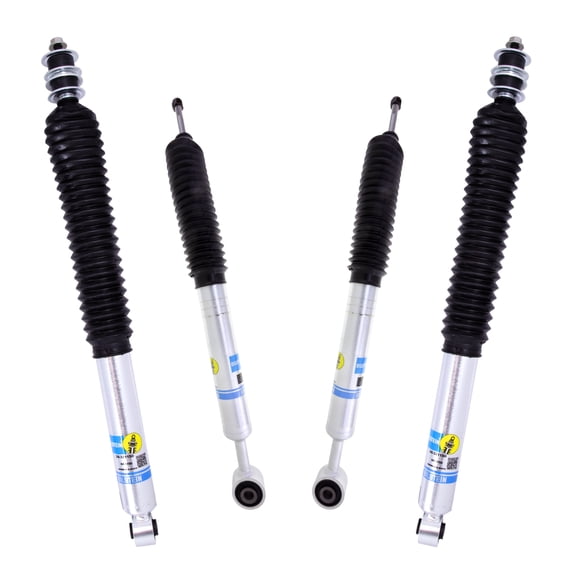
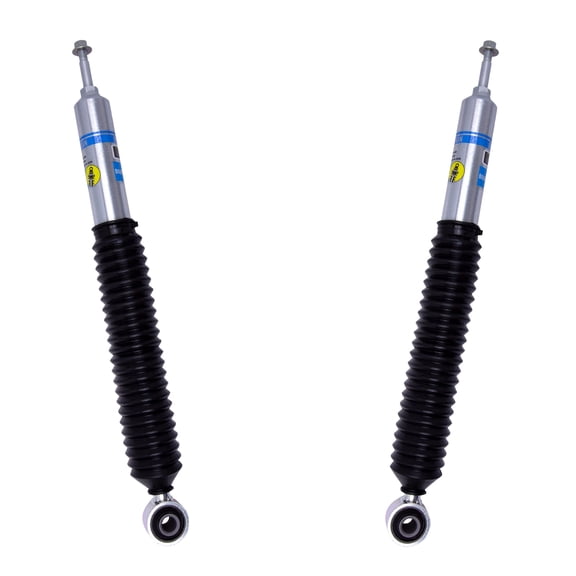
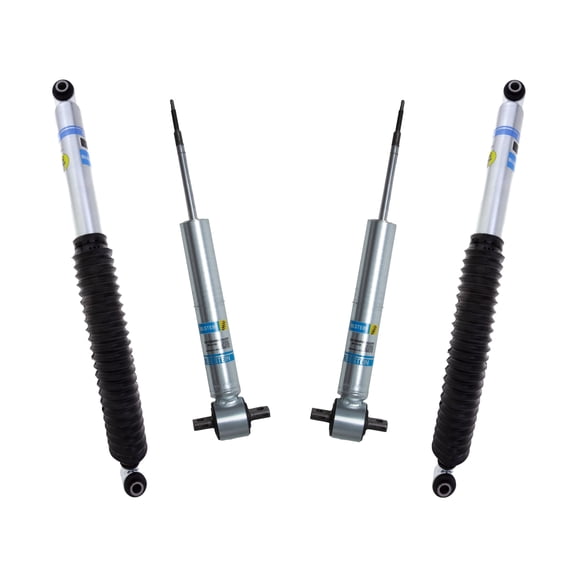
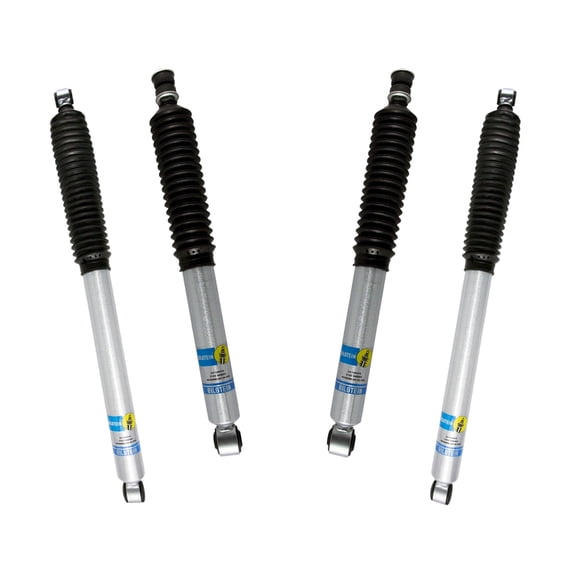
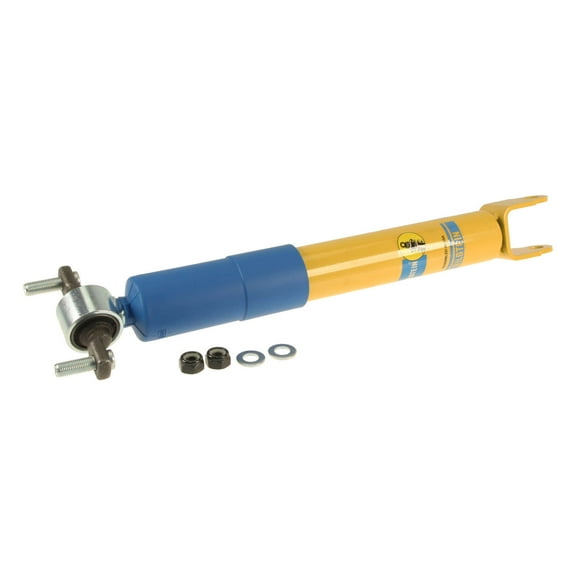


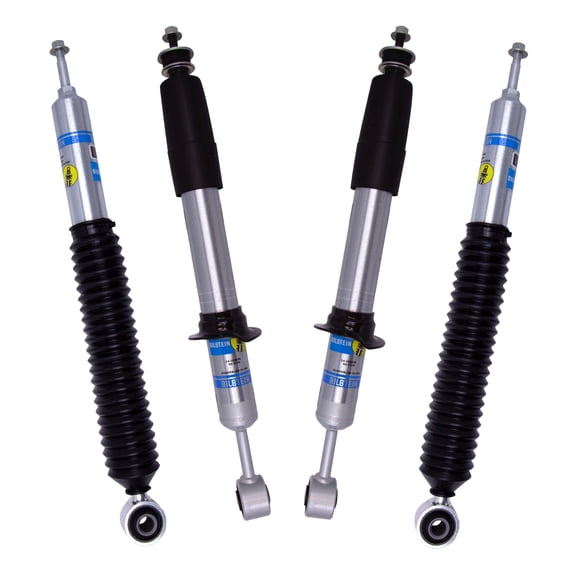


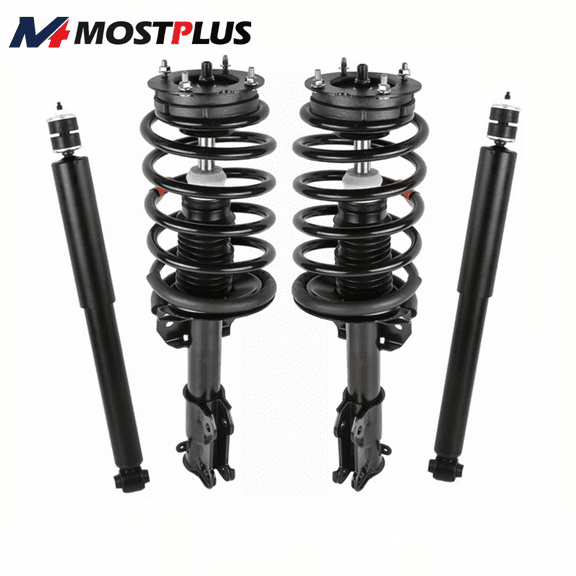

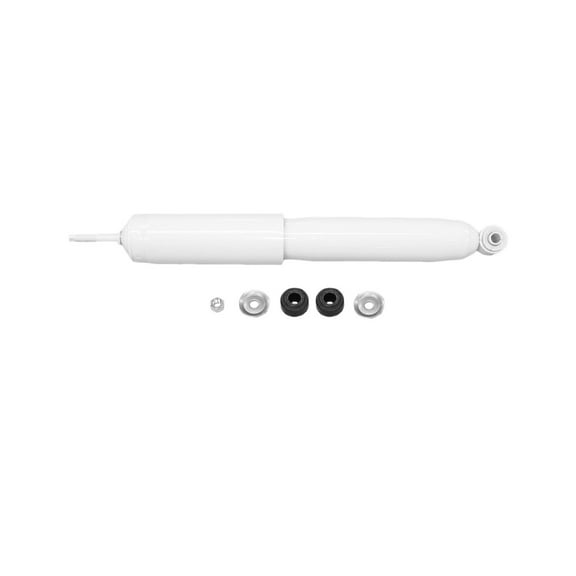
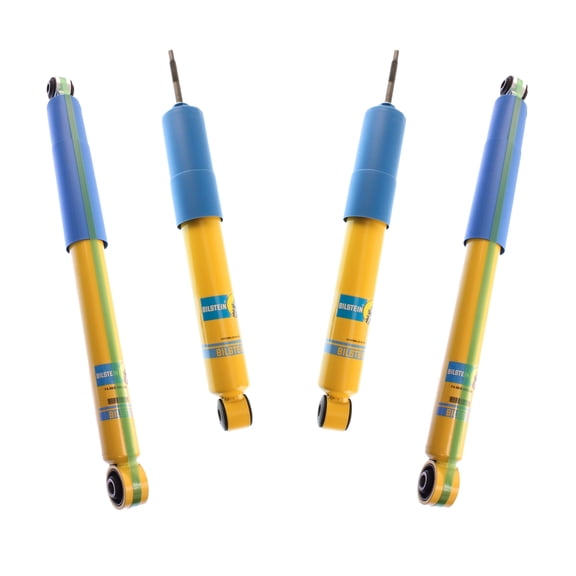

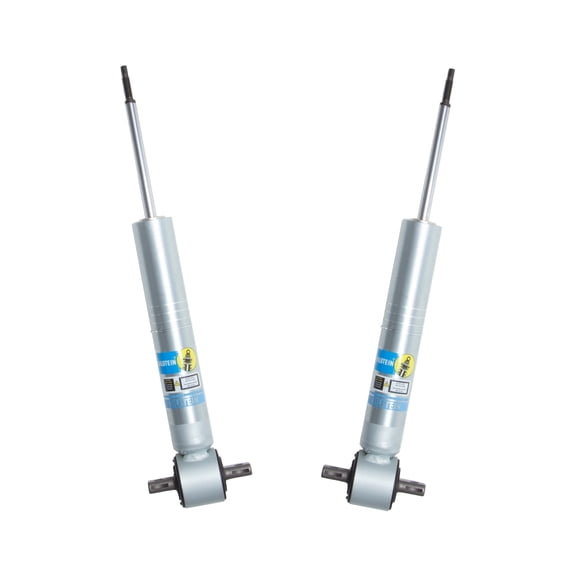
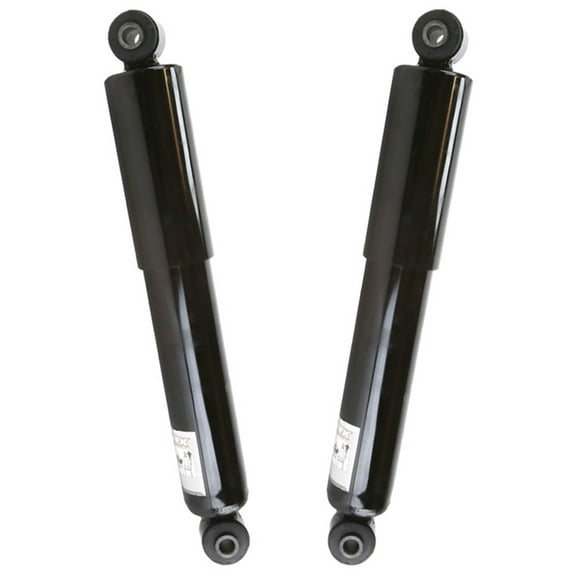
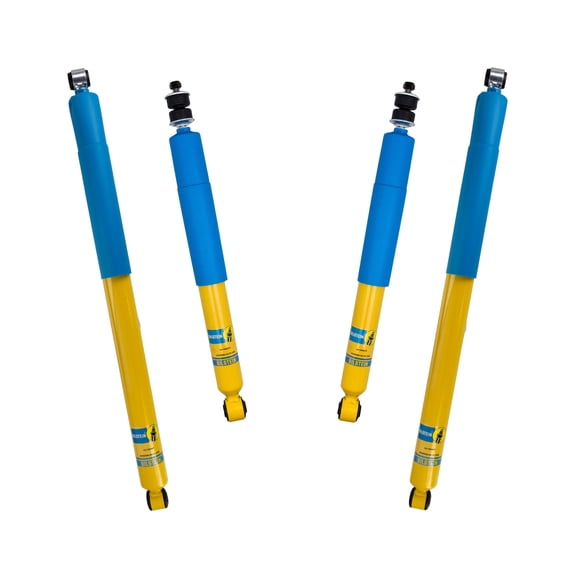


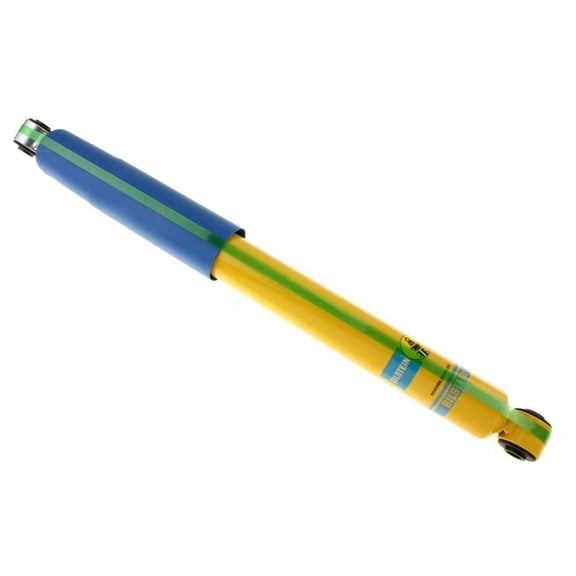


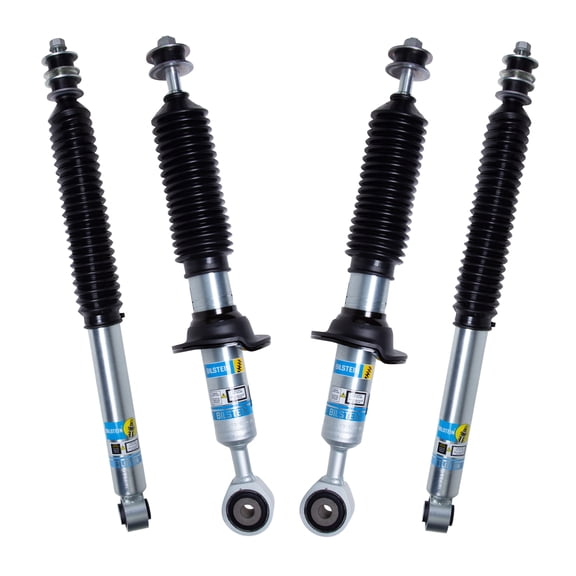


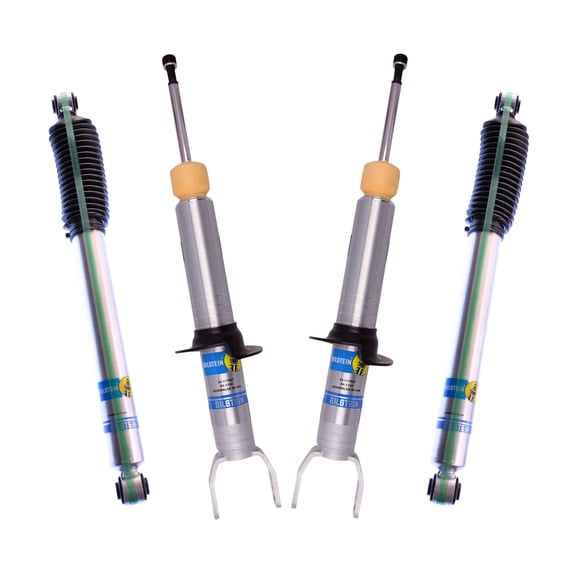
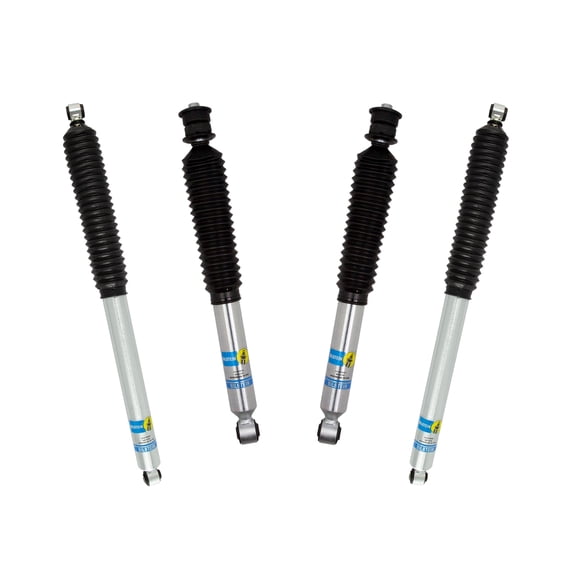



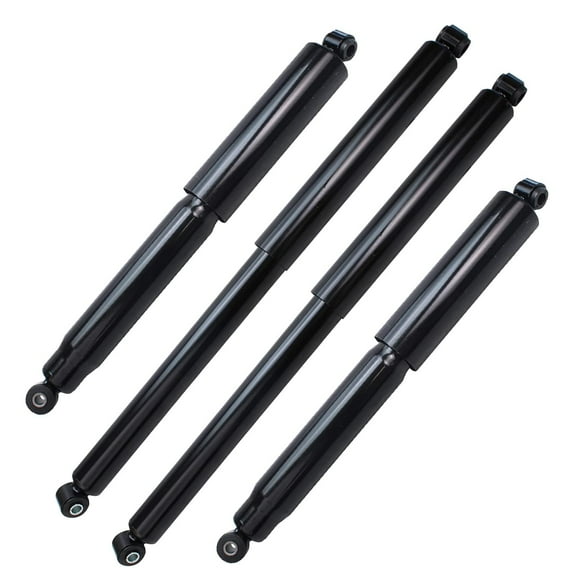

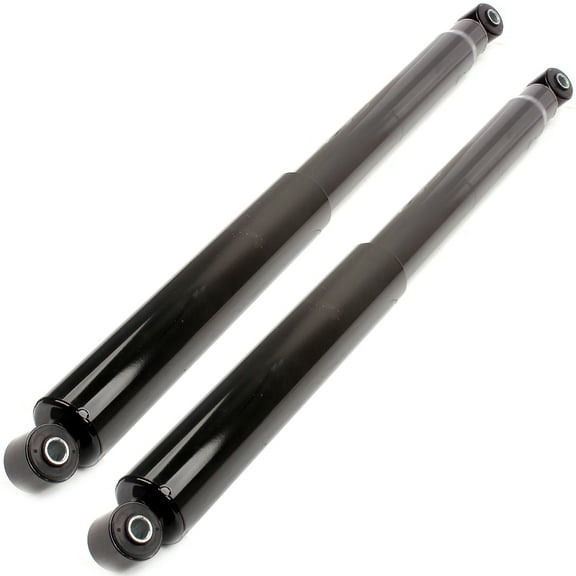
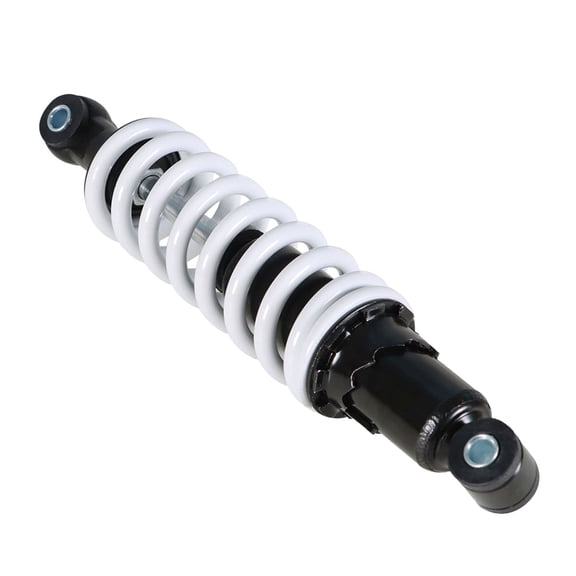
About Shocks in Shocks & Struts - Walmart.com
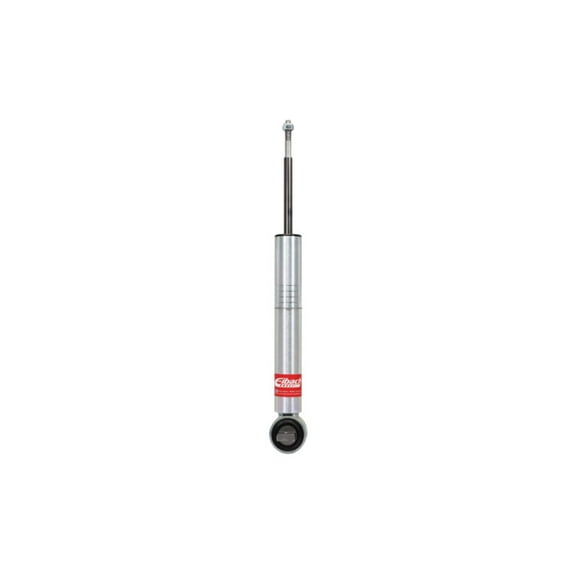
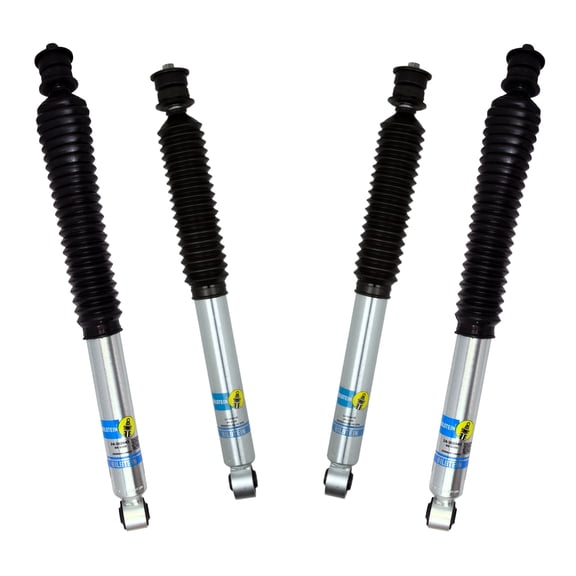
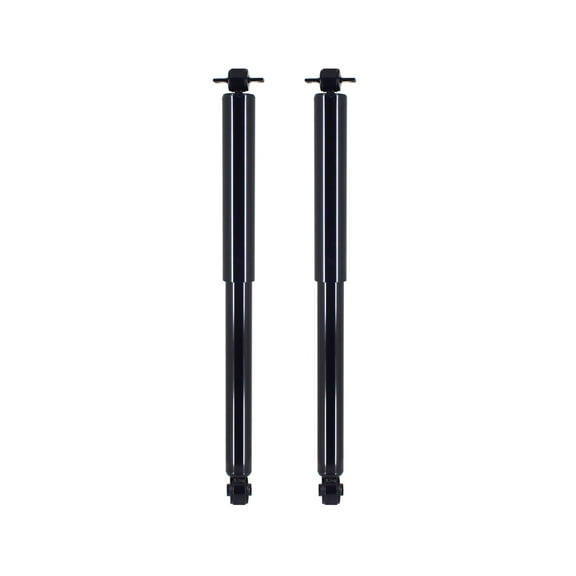
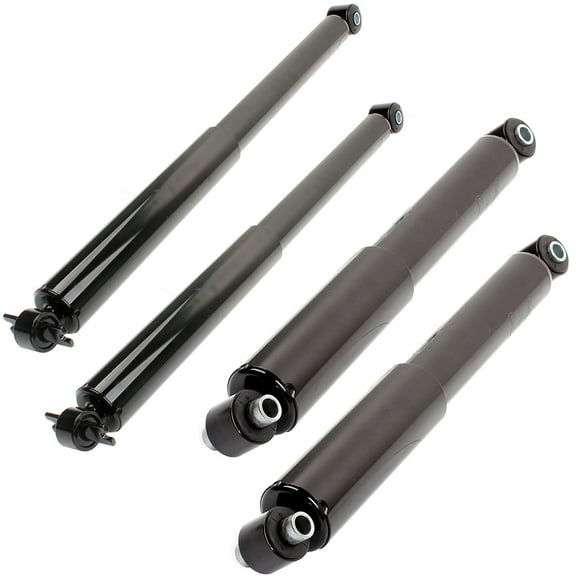
Shocks help you restore stable handling, smoother motion, and confident control when your ride feels bouncy, uneven, or unsettled. You can compare fitment, position, and shock design here, so your replacement choice matches your vehicle and driving needs.
How to choose shocks for your vehicle
Start with your year, make, model, submodel, and drivetrain, because you need shocks that match your exact suspension setup. You should also confirm whether you need front shocks, rear shocks, or a full set.
Vehicle position matters because your front and rear suspension can use different lengths, mounts, and tuning. You’ll want left and right placement details too, especially when your application lists side-specific replacement shocks.
Ride feel changes when worn parts stop controlling spring movement during turns, stops, and rough pavement. You can restore a more settled ride when you replace the correct automotive shocks for your setup.
Key decisions when comparing automotive shocks
You’ll usually compare shock type, vehicle position, vehicle type, and adjustability before you choose. These details help you narrow options faster and avoid parts that won’t match your suspension design.
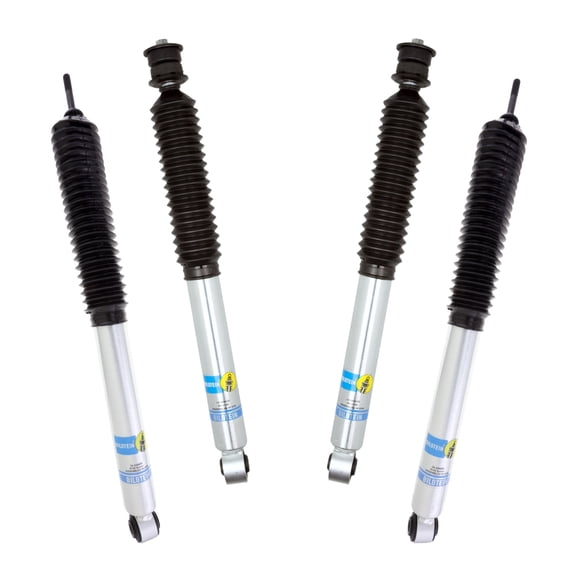
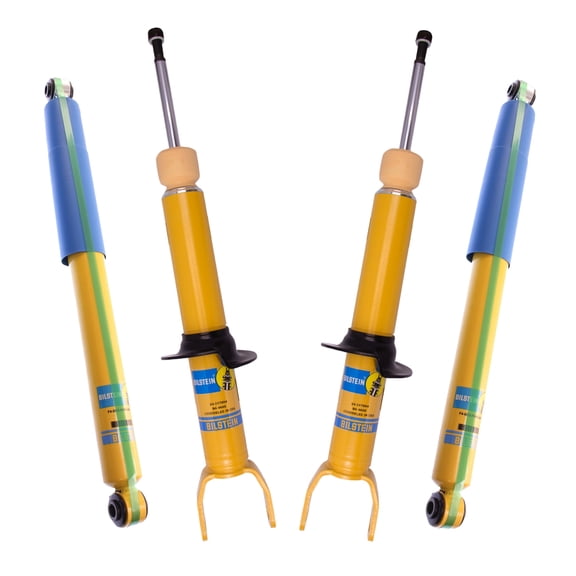
- You can use monotube shocks when you want consistent response for towing, hauling, or rough roads.
- You may prefer twin-tube shocks when your daily driving calls for balanced comfort on city streets and highways.
- You should match front shocks or rear shocks to the exact axle position listed for your vehicle.
- You can compare adjustable and non-adjustable options based on how much tuning control you want.
Truck shocks often support heavier loads and more demanding road conditions than many car shocks. SUV and passenger van applications may also call for specific lengths, mounts, and damping characteristics.
Understanding shock type and adjustability
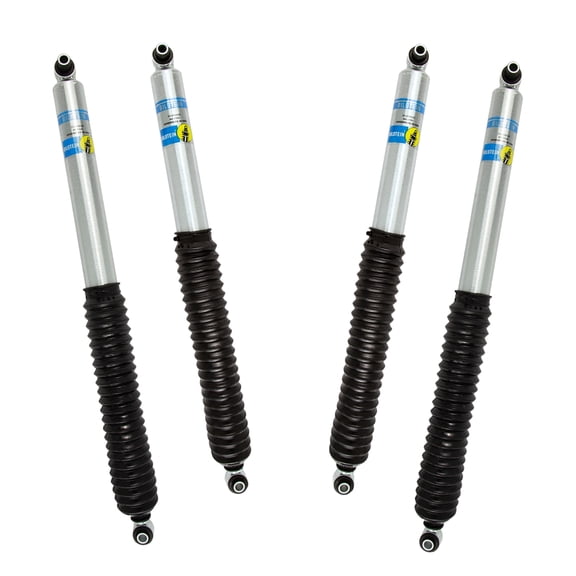
Monotube designs use a single-tube layout, and you’ll often consider them for responsive handling and heat control. You may notice this style suits towing, hauling, or uneven roads where repeated motion builds heat.
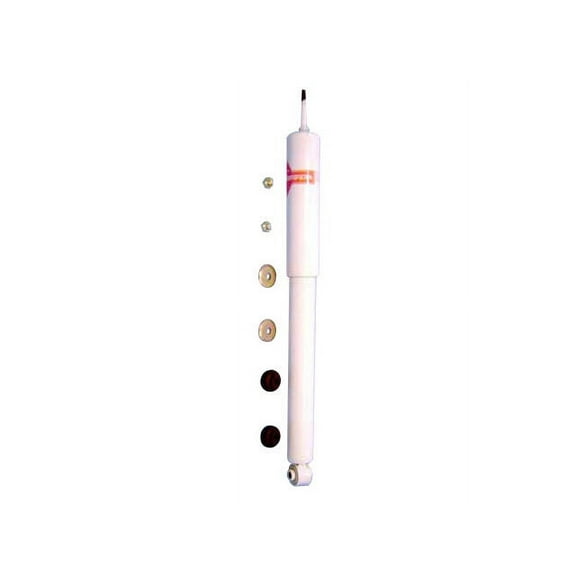
Twin-tube designs use an inner working tube and outer reserve tube, which can support a smoother everyday ride. You’ll often compare this option when your driving centers on commuting, errands, and regular highway use.
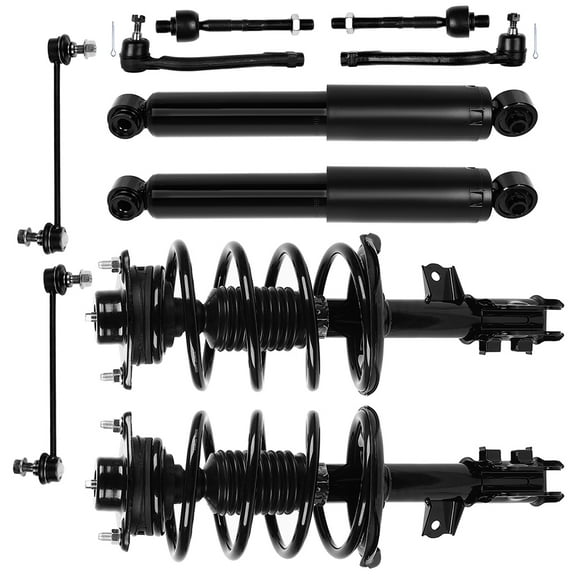
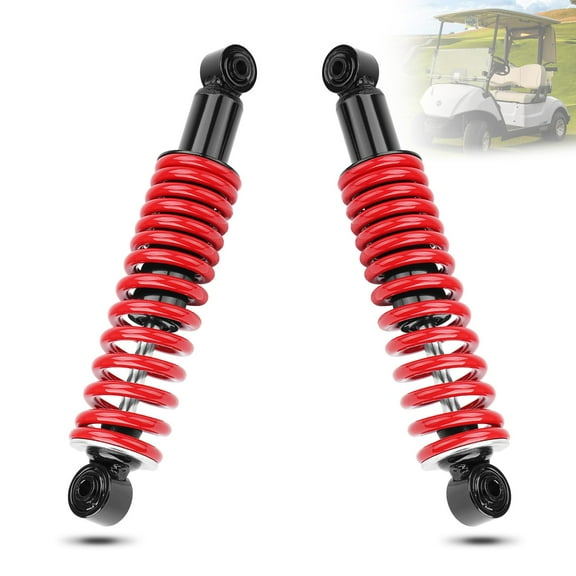
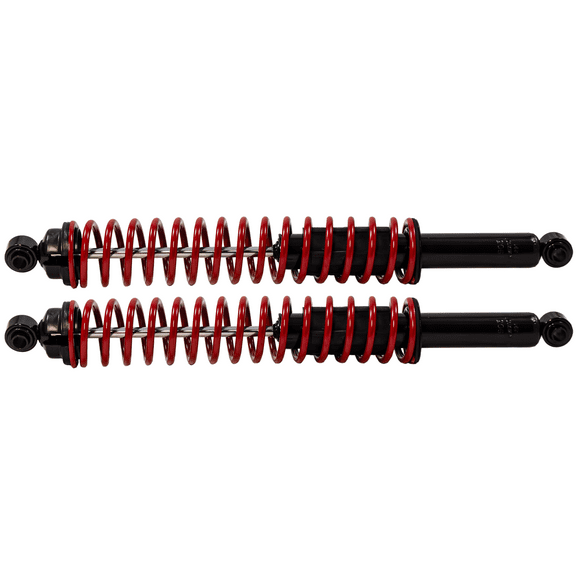
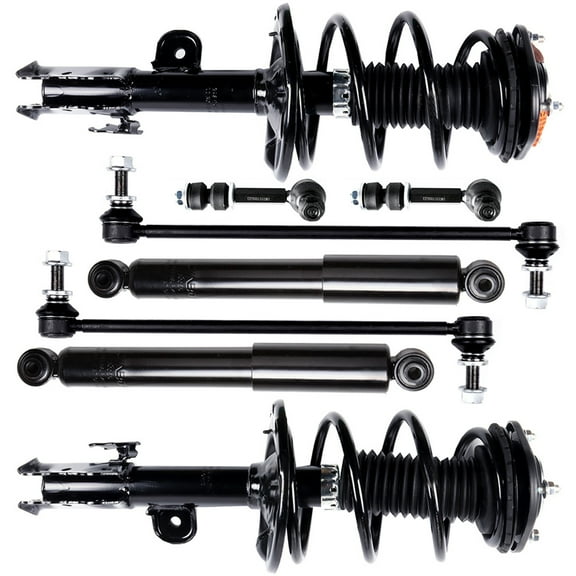
Coilover styles combine a shock with a coil spring assembly, so you should verify your exact suspension layout before choosing. You may see these on applications where ride height and suspension packaging differ from standard replacement shocks.
Gas-charged shocks use pressurized gas to help control foaming during repeated movement. You’ll want this feature when your suspension works hard on rough pavement, long drives, or loaded trips.
Adjustable shocks let you tune ride firmness, so you can compare settings for comfort or firmer response. Non-adjustable options keep the setup simple, while electronic active systems may match vehicles with factory-controlled suspension features.
Choosing front shocks, rear shocks, and vehicle-specific options
Front shocks can influence steering feel and nose control, so you should match them carefully to your exact vehicle. Rear shocks help manage load support and back-end motion, especially when you carry gear or tow.
You may replace only one axle when wear appears there, but balanced handling often depends on matching parts side to side. You should compare front and rear listings closely because the same vehicle may use different shock designs.
Car shocks often focus on everyday comfort, predictable cornering, and clean fitment within compact suspension spaces. Truck shocks usually address heavier frames, cargo weight, and rougher surfaces that ask more from the suspension.
SUV and passenger van applications can combine family hauling with longer wheelbases and changing loads. You’ll want to check whether your replacement shocks match those demands, especially when passengers or cargo vary often.
What to look for in replacement shocks for real driving needs
If you commute daily, you may want replacement shocks that keep expansion joints and patched roads feeling controlled. Twin-tube or non-adjustable options can make sense when you want straightforward replacement and familiar ride behavior.
If you tow a trailer or carry tools, you may look for gas-charged or monotube shocks for steadier control. Those setups can help your vehicle feel composed when weight shifts during turns, braking, and highway driving.
When you drive on gravel, broken pavement, or long rural routes, you should compare fade resistance and position-specific fitment. You’ll want shocks and struts components that work together, especially if other suspension parts also need attention.
If your current ride feels floaty after bumps or unsettled through curves, you should review fitment before anything else. The right shocks can bring back more controlled motion, cleaner handling, and a more predictable drive every day.
You can shop this category with clearer decision points when you compare fitment, shock type, axle position, and adjustability together. That approach helps you choose shocks that fit correctly and restore balanced ride control.
Popular in Shocks in Shocks & Struts - Walmart.com
- Shocks Struts Lowering Suspension
- Automotive Replacement Shocks Struts Suspension
- Automotive Replacement Shocks Struts Suspension Products
- Lowering Struts And Springs
- Shocks Struts Heavy Duty Suspension
- Shoxtec
- Monroe Suspension Systems
- Monroe Toyota
- Monroe Colorado
- Shocks Struts Self Leveling Suspension
- Best Sellers In Automotive Automotive Shocks Struts Suspension Products