





Scissors Sharpener in Scissors
















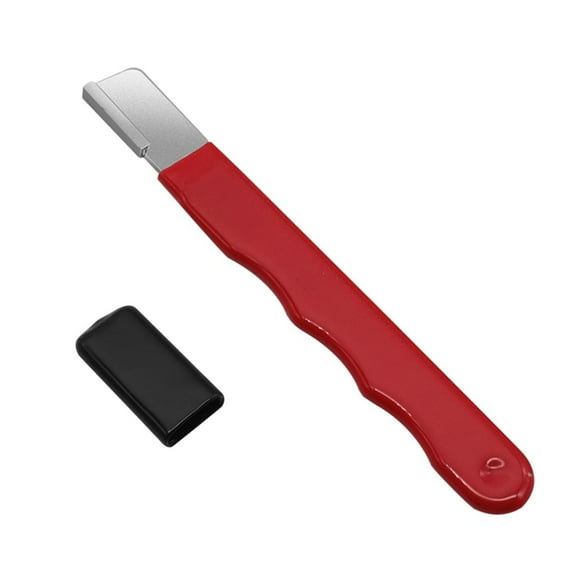

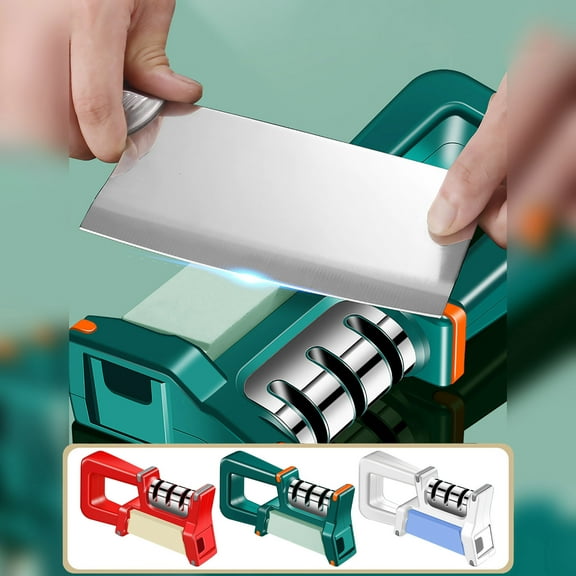


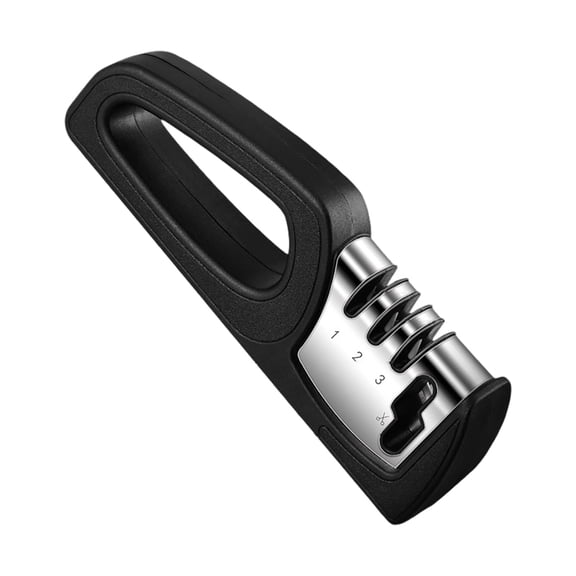


About Scissors Sharpener in Scissors - Walmart.com
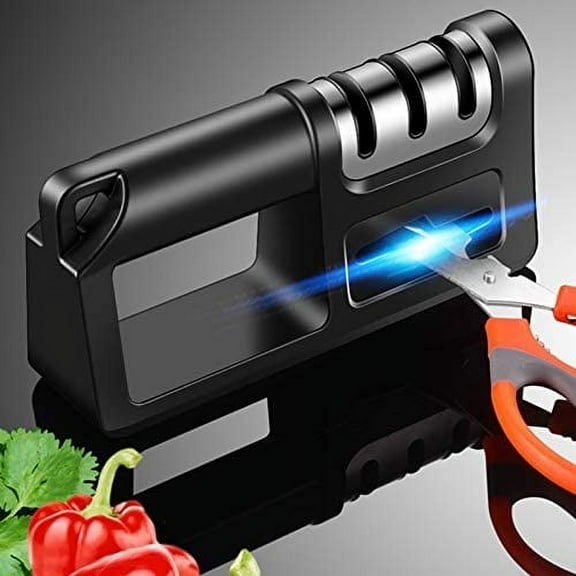
With a scissors sharpener, you can restore cleaner cuts on fabric, paper, and kitchen shears without replacing tools you already use. You’ll also get more control when you choose by blade compatibility, operation type, abrasive material, and design.
If you sew, cook, craft, or handle daily office tasks, you need a sharpener that matches your blades and your routine. You’ll notice this category includes options for straight edges, some multi-tool needs, and steady at-home use.
How to choose a scissors sharpener
You should start with blade compatibility because different scissors use different edge angles and blade shapes. You’ll want to check whether your scissors have straight blades, fabric shears, kitchen scissors, or left-handed blades.
For sewing projects, you may prefer a sewing scissors sharpener that supports precise edges for cleaner fabric cutting. For home tasks, you may want a household shears sharpener that fits utility scissors used on paper, packaging, and light materials.
You should also compare whether a scissors sharpening tool works with serrated or straight blades. You’ll find that many sharpeners focus on straight blades, so checking compatibility helps you avoid a poor match.
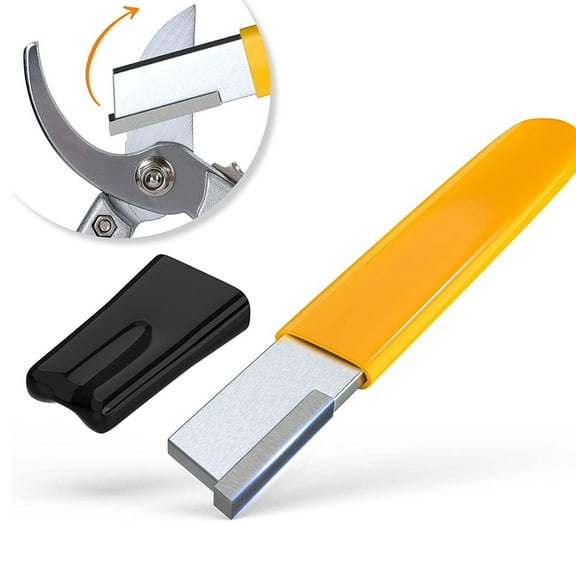
- You can match sharpeners to fabric shears, kitchen scissors, paper scissors, or left-handed scissors.
- You can compare manual and electric options based on control, speed, and sharpening frequency.
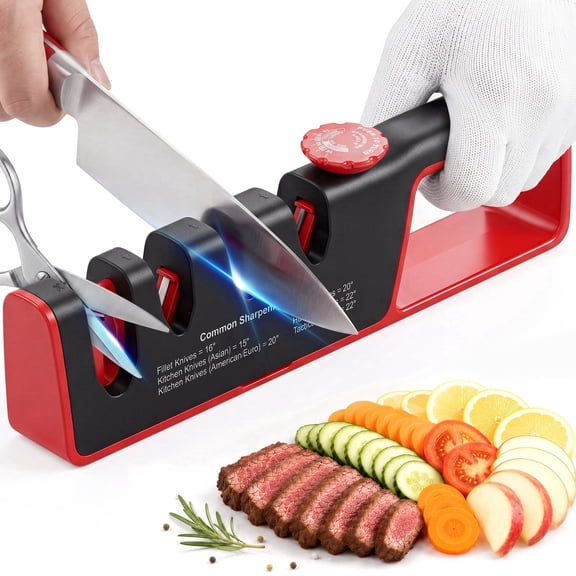
- You can look for hand guards and non-slip bases for steadier handling.
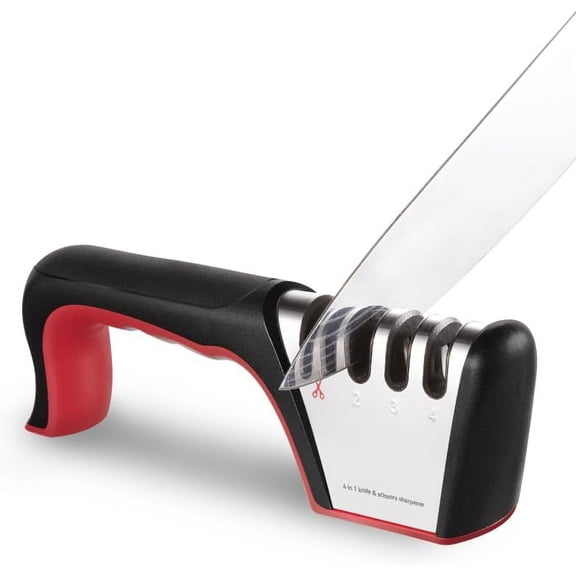
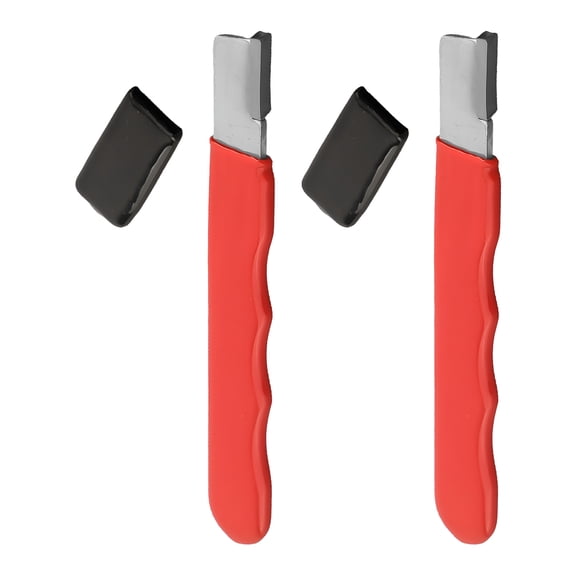
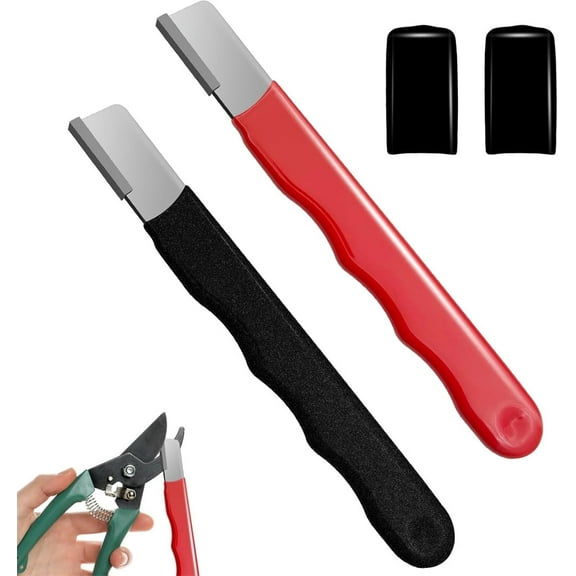
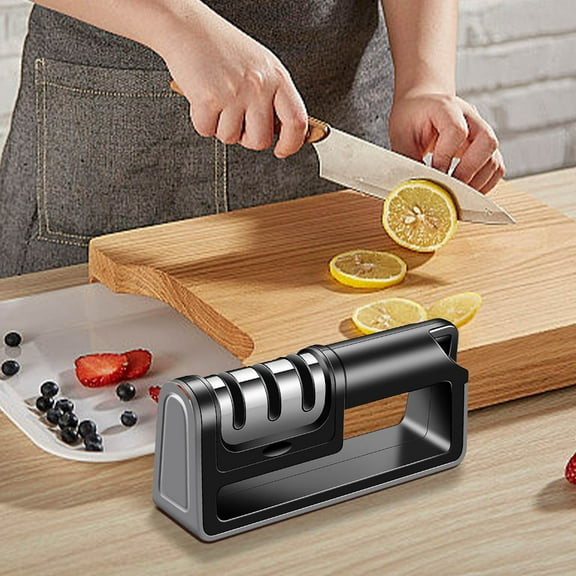
- You can choose handheld, desktop, or multi-tool designs based on your workspace.
Choosing between manual and electric options
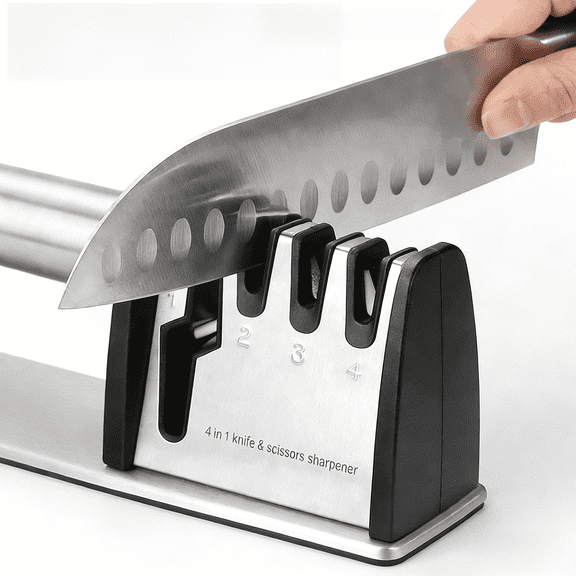
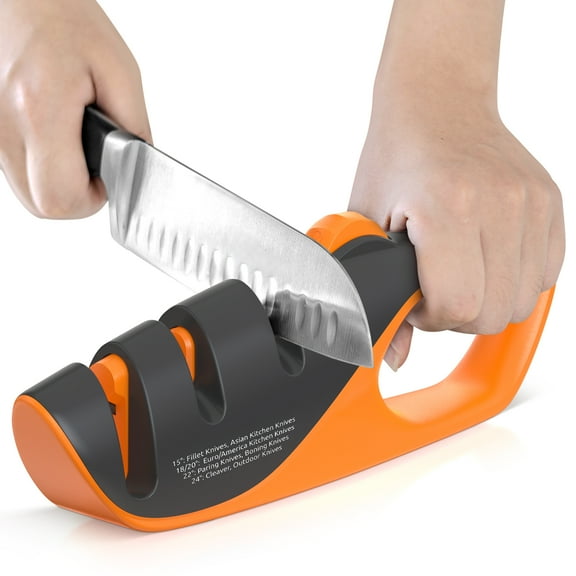
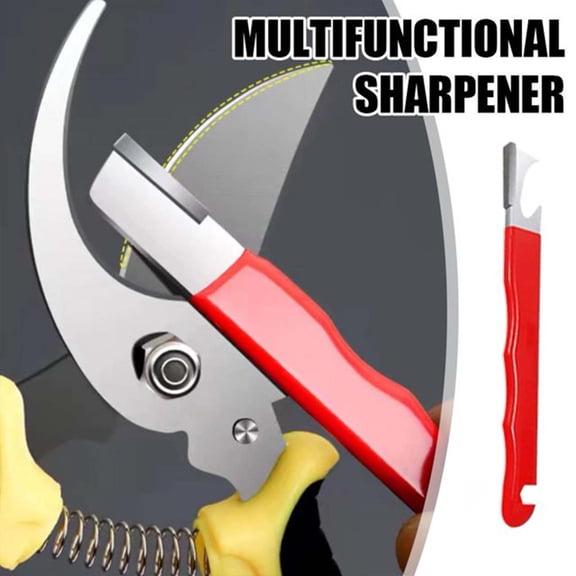
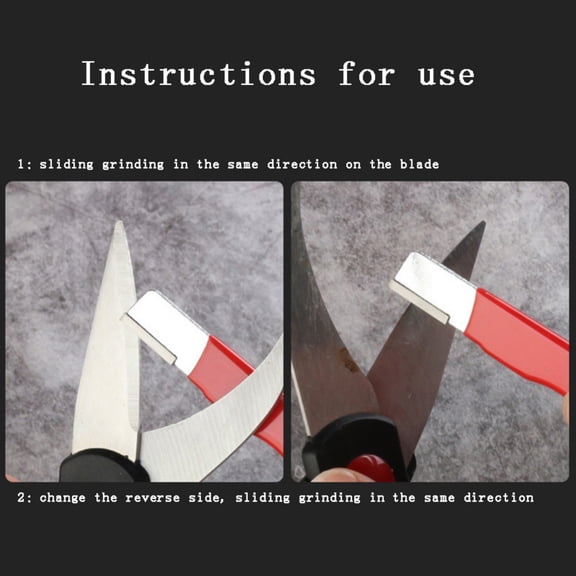
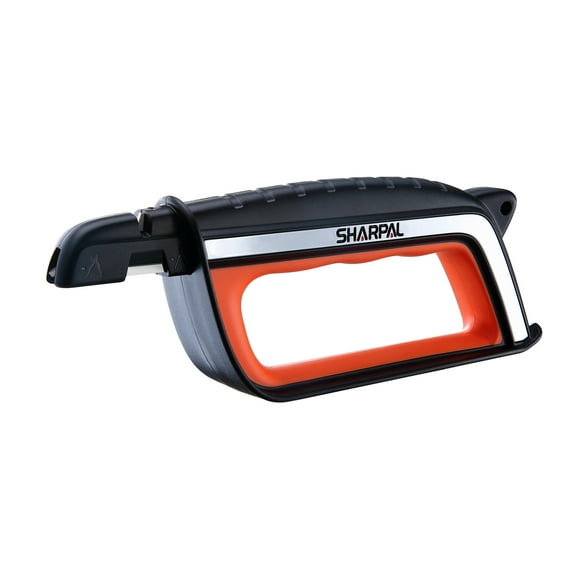
You may prefer a manual scissors sharpener if you want slower, more controlled passes along the blade edge. You’ll often find manual styles useful when you sharpen delicate sewing shears or only sharpen occasionally.
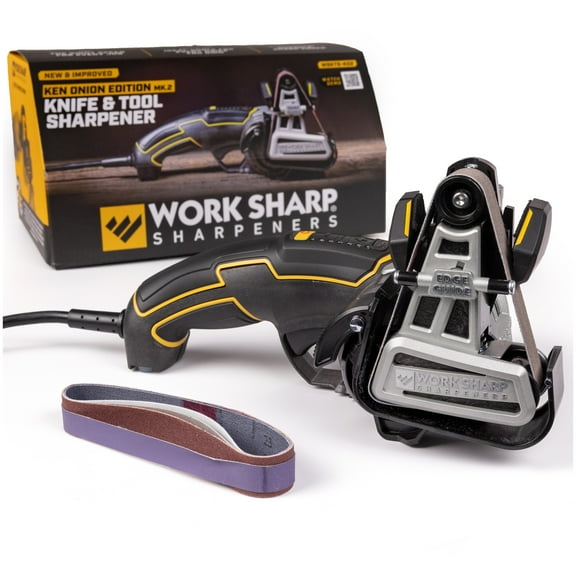
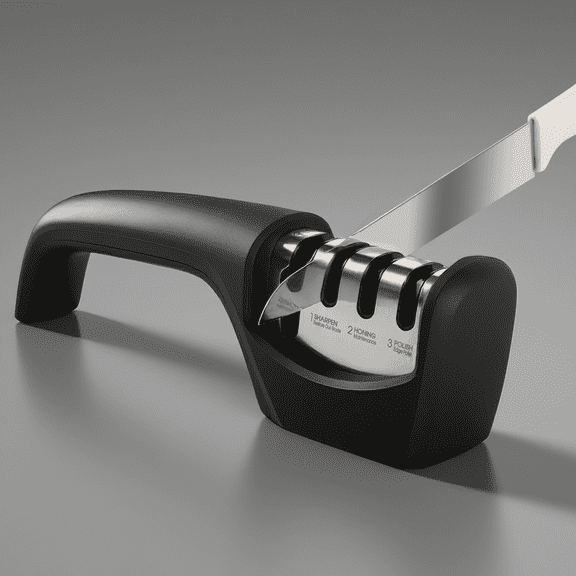
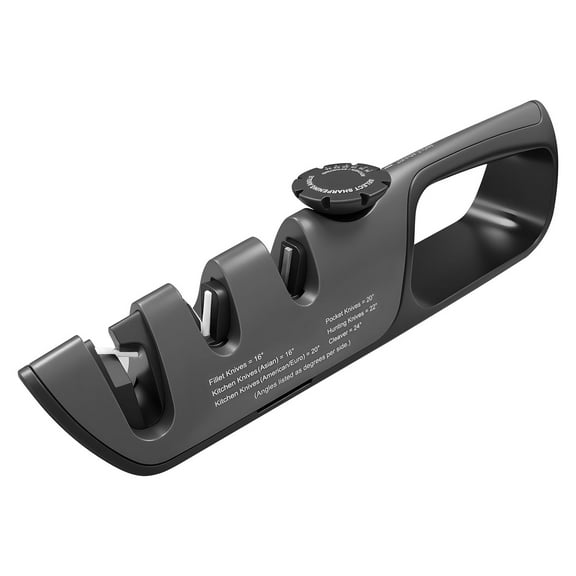
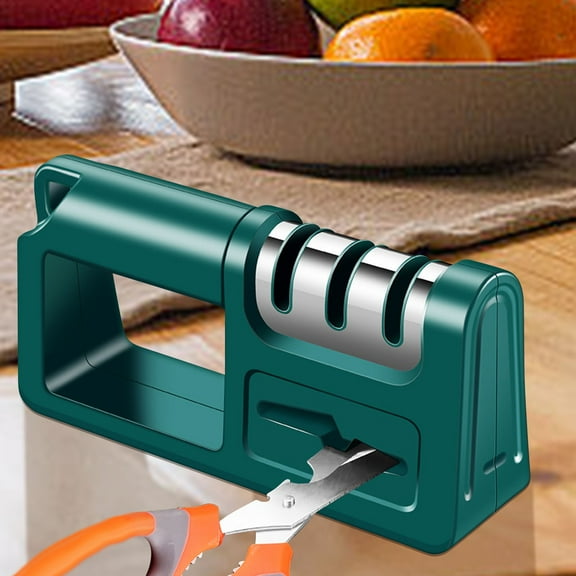
If you sharpen several pairs in one session, you may like electric options for quicker repeat use. You’ll want to check how the guide slots position each blade so you can maintain a consistent edge.
You should think about your comfort level before choosing an operation type. You’ll usually get compact storage with handheld manual tools, while desktop electric models can feel steadier on a counter.
Comparing abrasive materials in a scissors sharpening tool
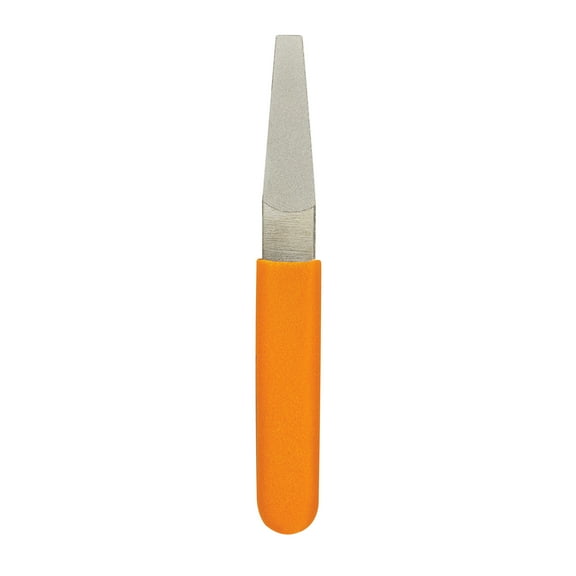
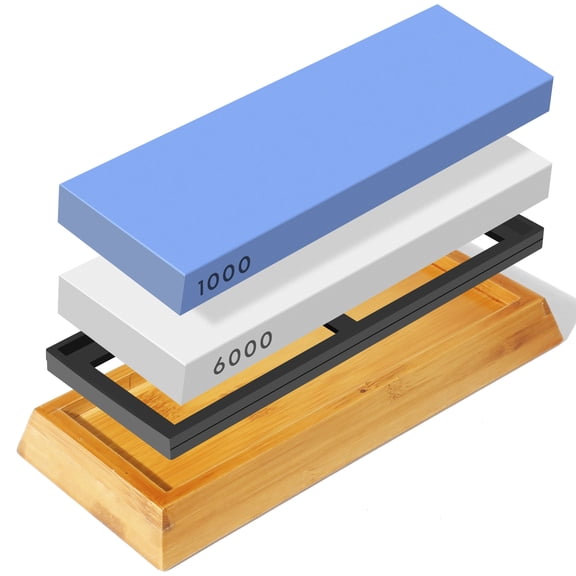
You should compare abrasive material because it affects how the sharpener contacts the blade edge. You’ll commonly see tungsten carbide, ceramic, or diamond surfaces in this category.
Tungsten carbide can suit quick edge refreshes when you need a firmer sharpening surface. Ceramic can work well when you want a smoother finishing pass on everyday scissors.
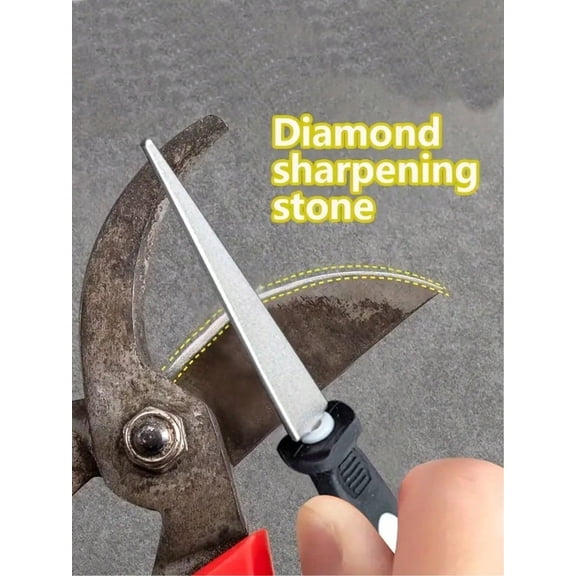
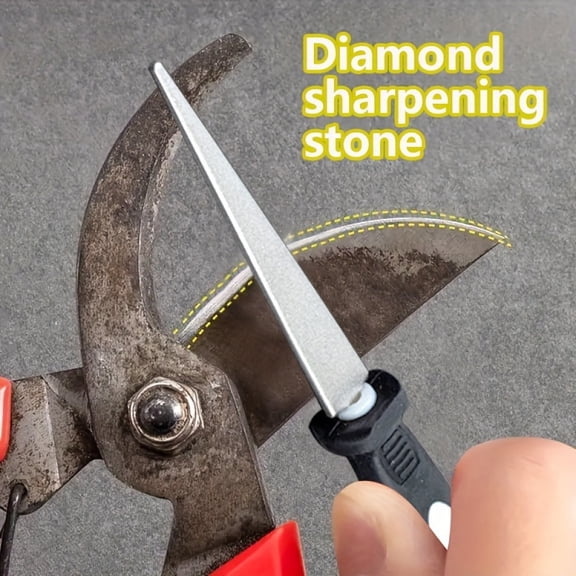
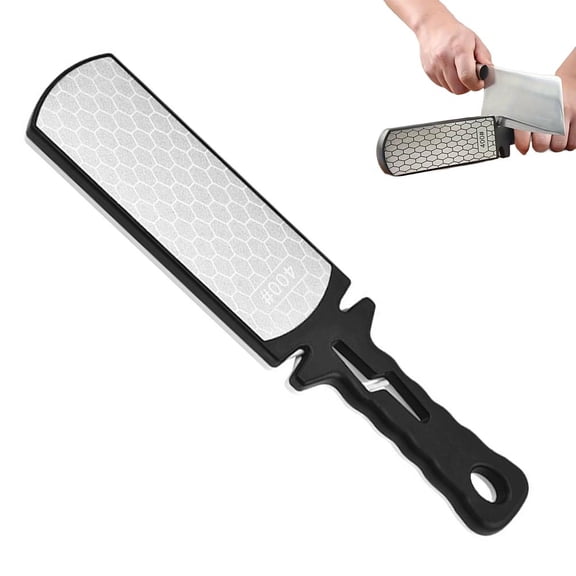
Diamond surfaces may appeal to you when you want a durable abrasive option for repeated sharpening sessions. You should still match the abrasive to your blade type, because edge angle matters as much as the material.
Picking the right design for your space
You can narrow your choice by design, especially if you sharpen in a sewing room, kitchen drawer area, or craft table. You’ll usually see handheld, desktop, and multi-tool formats.
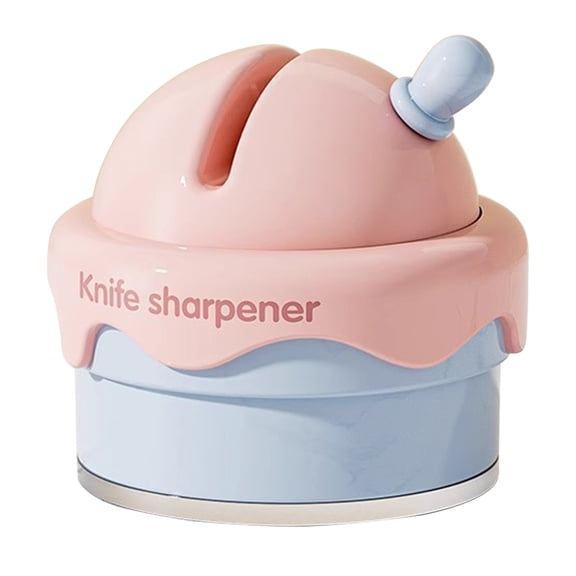
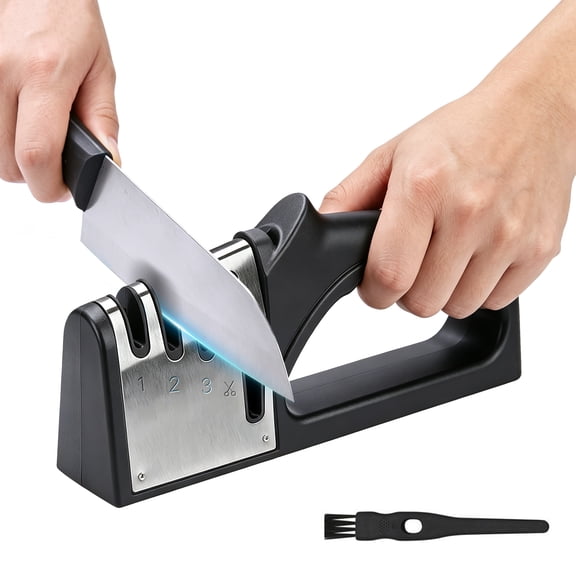
Handheld sharpeners can fit small storage spots and travel easily between rooms. Desktop sharpeners can give you a more stable base when you want both hands positioned with more control.
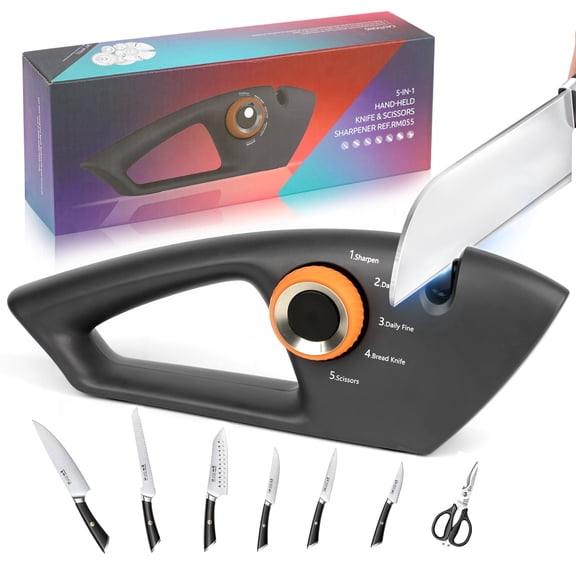
If you want one tool for several tasks, you may consider a multi-tool style. You should check whether it supports scissors plus other household blades, because not every model handles both equally.
Using a sewing scissors sharpener or kitchen shears sharpener
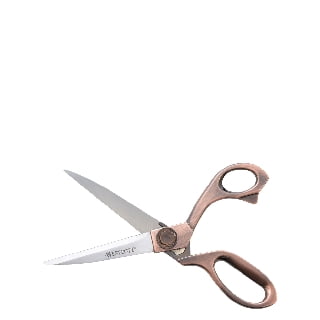
If you work with fabric, you should look for a sewing scissors sharpener that supports clean, even cutting lines. You’ll appreciate that precise sharpening can help your shears glide through cotton, quilting layers, and pattern trimming.
In the kitchen, you may want a kitchen shears sharpener that fits heavier household scissors used on food packaging and prep tasks. You should check grip features like a hand guard or non-slip base for steadier handling during use.
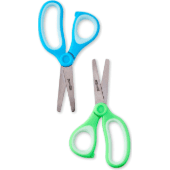
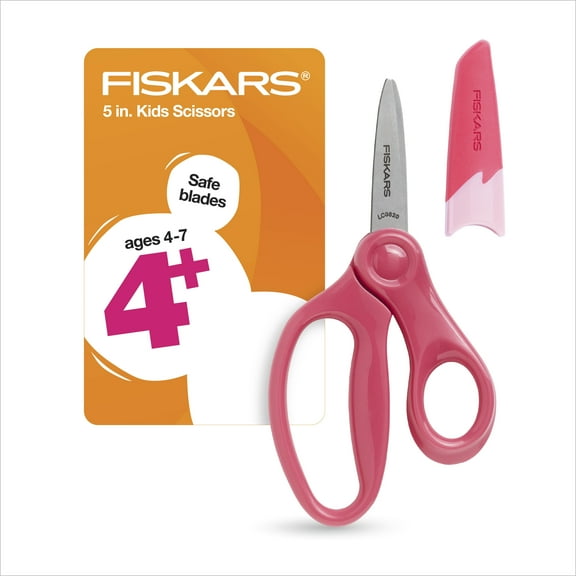
For school, office, or craft rooms, you may prefer a sharpening tool for scissors used on paper and light materials. You’ll want to compare slot guides and blade support if you switch between several scissor types.
If your household includes left-handed scissors, you should confirm that the sharpener supports that blade orientation. You can avoid guesswork by checking product details for compatible blade styles before choosing.
What to look for before you decide
You should measure how often you sharpen and how many scissors you maintain each month. You’ll then have an easier time choosing between compact manual tools and faster electric models.
You should also compare guide slots, grip shape, and base stability. You’ll get a smoother experience when the sharpener stays put and helps you keep a consistent angle.
When you choose the right scissors sharpener, you can keep sewing shears, kitchen scissors, and household pairs working with cleaner, more reliable cuts. You’ll make your next project, prep task, or craft session feel more precise from the first snip.