


Find auto parts that fit
Let’s search for parts that fit your vehicle.Rust Preventative in Automotive Specialty Paints
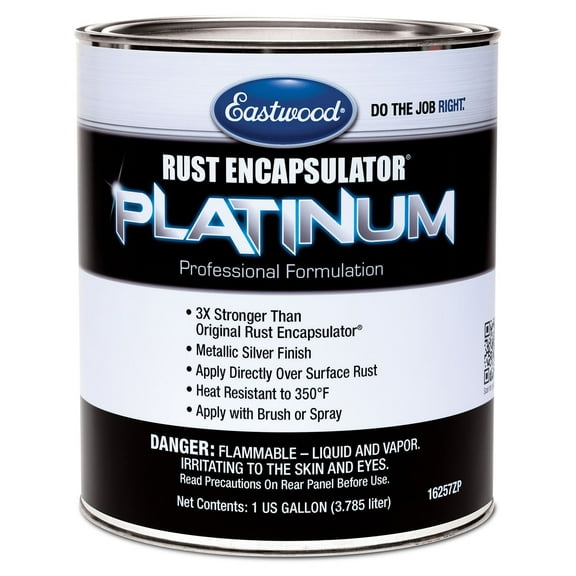
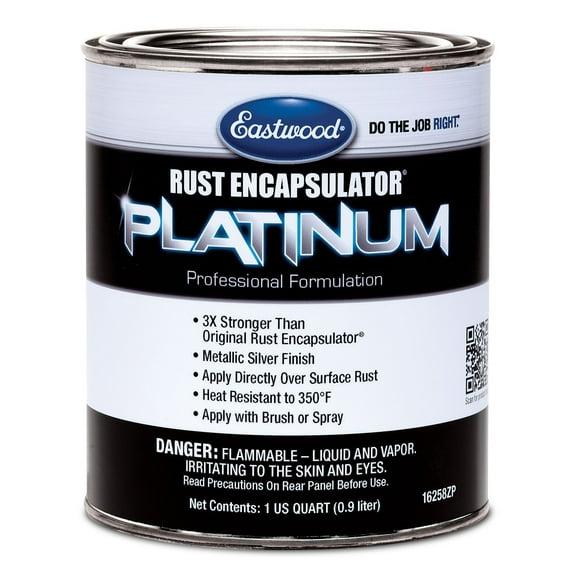


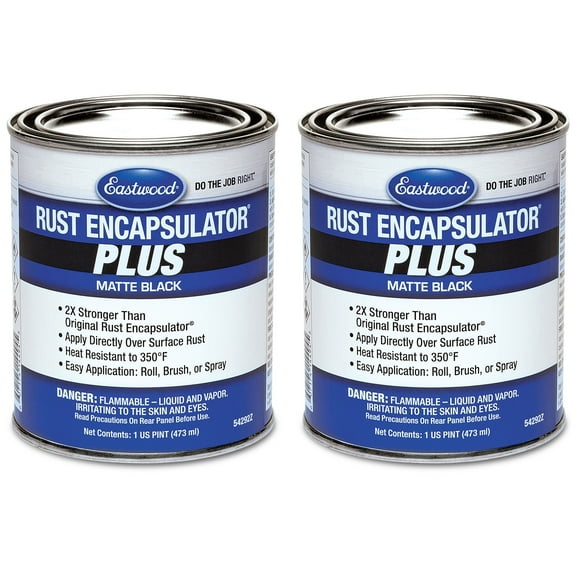
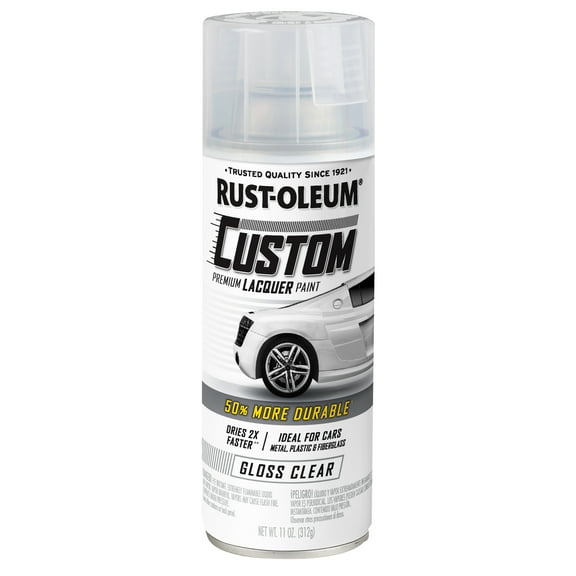














About Rust Preventative in Automotive Specialty Paints - Walmart.com
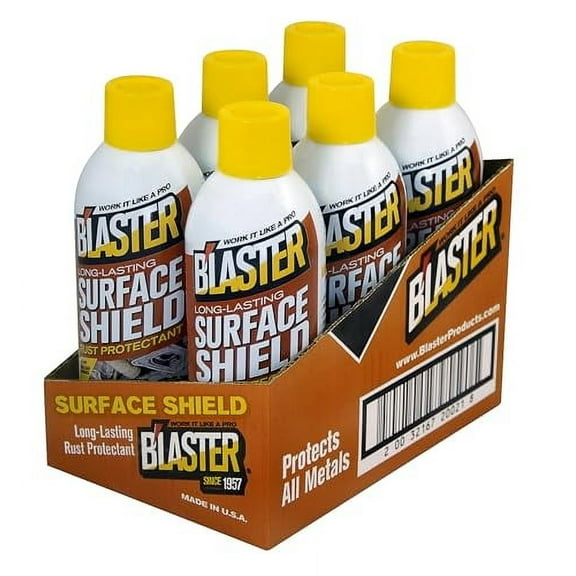
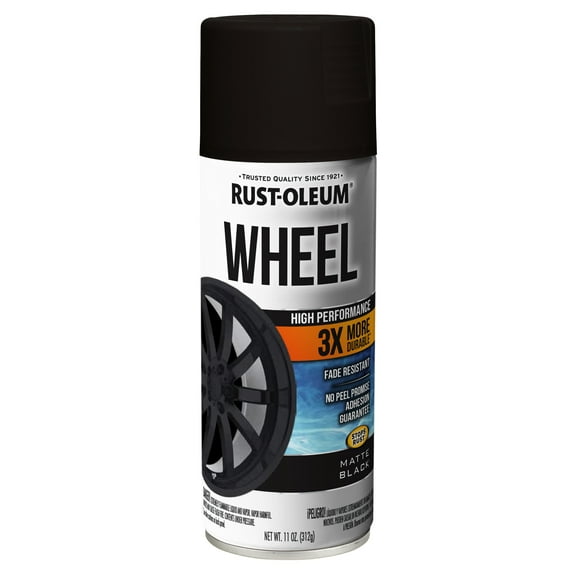
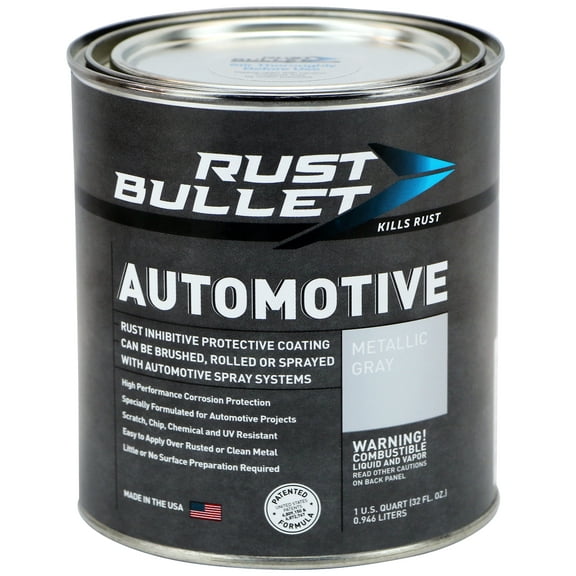
Rust stop spray paint for cars helps you cover exposed metal and protect hard-working vehicle surfaces. You can compare formulas, finishes, and application types to match your repair plan.
If you're touching up wheel wells, rocker panels, or a rusty frame area, you need category-specific guidance. You can use this guide to understand rust converters, inhibitors, and preventative paints before you choose.
Choosing rust stop spray paint for cars
When you compare application type first, you can narrow your options quickly. You may prefer spray aerosol for tight seams, brush-on liquid for thicker coverage, or undercoating spray for lower-body areas.
Spray aerosol helps you reach brackets, edges, and uneven metal with less mess. Brush-on liquid helps you control coverage on patches, frames, and spots where you want a heavier coat.
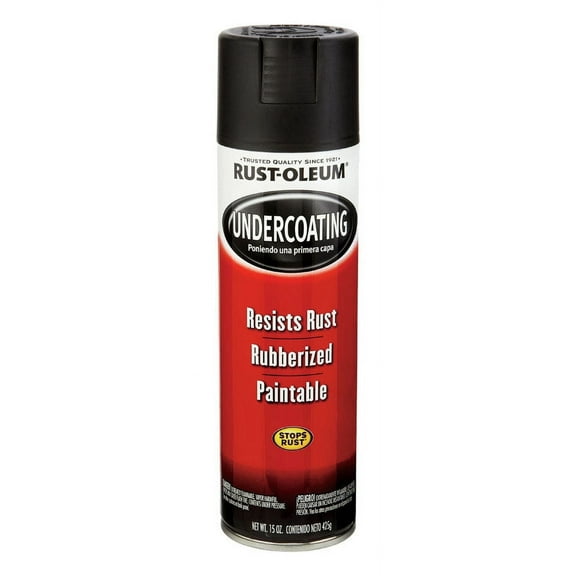
Undercoating spray fits projects where your car underbody faces road splash, gravel, and seasonal grime. You can use that format when you need broader coverage underneath the vehicle.
How to compare paint to stop rust on car surfaces
You should check surface compatibility before you choose any paint to stop rust on car panels or underbody parts. You may be working with bare metal, rusted steel, chrome accents, or exposed underbody sections.
On bare metal, you should look for a coating that bonds cleanly after prep. On rusted steel, you may need a rust converter or a direct-to-rust formula, depending on the surface condition.
Chrome needs extra attention because smooth finishes can affect adhesion. You should also measure whether your project sits above the body line or underneath the vehicle.
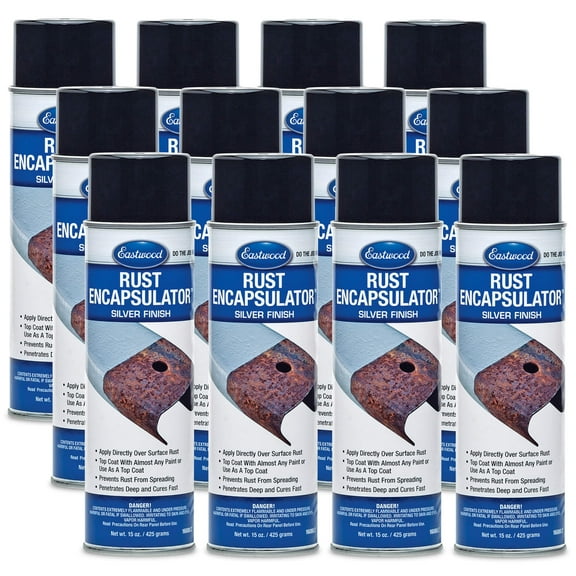
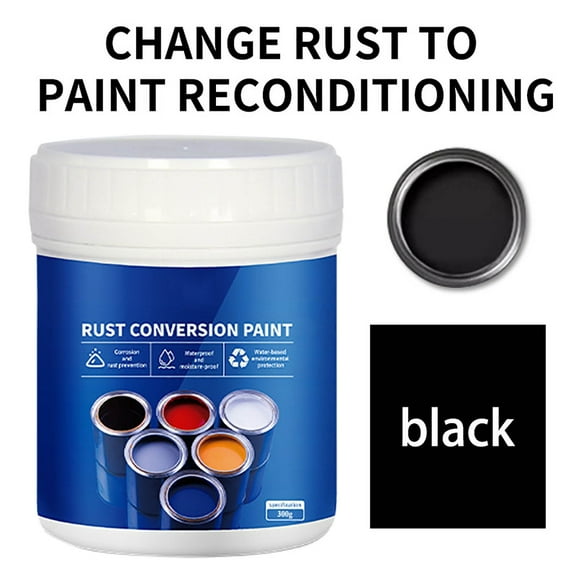
- You can use rust converter formulas when you need to prep oxidized metal before topcoating.
- You can choose rust inhibitor paint for cars when you want a coating layer that helps block moisture contact.
- You can select rust preventative paint when you need a finish coat for exposed metal parts.
- You can consider undercoating spray when your focus is the car underbody, wheel wells, or lower edges.
Understanding formulation and finish options
When you compare formulation, you should think about prep time and project steps. Rust converter options usually fit surfaces with visible corrosion, while inhibitors and preventative paints fit protection-focused jobs.
If you want fewer project stages, you may look for products labeled for direct application over prepared rust. If you want a layered approach, you may pair a converter or primer with a finish coat.
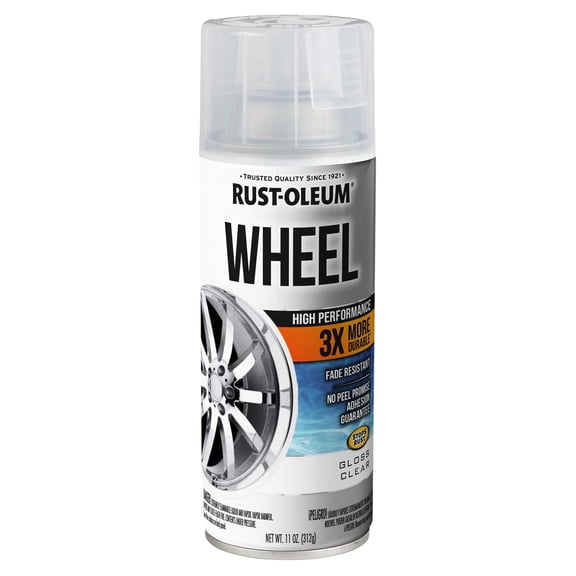
Finish also changes how your repair looks once it dries. You can choose gloss black for a darker sheen, flat black for a subdued look, clear coat for transparent coverage, or primer for base preparation.
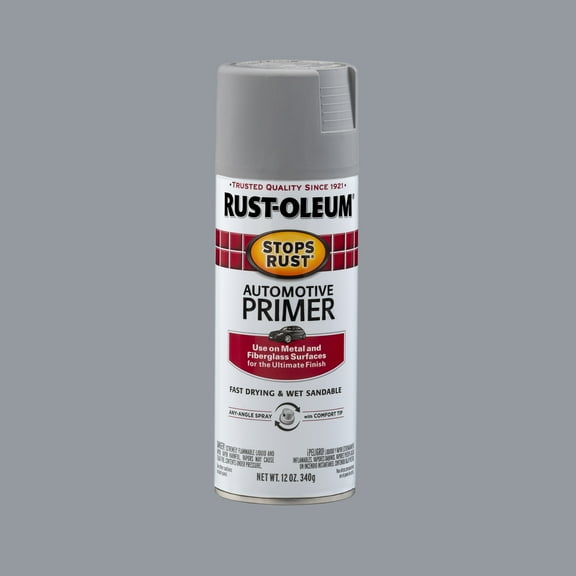
Primer matters when you want paint adhesion and a uniform base before color-matched topcoats. Clear coat matters when you want to preserve the metal's appearance while adding a protective layer.
What to look for in rust prevention spray performance
You should compare drying and curing details because they affect how long your vehicle stays parked. Faster dry times can shorten project downtime, while full cure time tells you when the coating reaches its intended finish.
If you're working on a weekend repair, you may want a rust prevention spray that dries between coats quickly. If you're coating larger sections, you should also check recoat windows and coverage guidance.
Environmental exposure matters because road salt, water, and sun can wear coatings differently. You can look for notes about salt spray rating and UV stability to judge how a finish may hold up outdoors.
Salt spray rating gives you a way to compare how coatings are tested against corrosive conditions. UV stability helps you understand whether your coating may keep its appearance on exposed exterior areas.
Matching rust stop paint for cars to real projects
You can use rust stop paint for cars on touch-up jobs, underbody maintenance, and restoration work. The right match depends on where the rust appears and how much coverage you need.
For door edges, brackets, and narrow channels, you may prefer aerosol coverage that reaches tight spots. For suspension parts or frame sections, you may prefer brush-on liquid that builds a thicker layer.
If you're refreshing wheel wells or lower panels, you can compare undercoating spray with rust paint for cars made for visible surfaces. That difference matters because underbody texture and exterior appearance call for different finishes.
On older vehicles, you may start with a rust converter on rusted steel, then add a topcoat. On newer vehicles, you may focus on bare metal spots after chips or scratches expose steel.
You can also compare rust inhibitor primer for cars when you're planning a multi-step repair. That option can make sense when you want a base coat before a final color or protective finish.
When you choose anti rust paint, you should still match the formula to the metal and exposure level. That approach helps you cover rocker panels, battery trays, floor pans, or underbody sections with more confidence.
Choosing with confidence
You can make a smarter selection when you compare application type, formulation, surface compatibility, and finish together. That process helps you pick a coating that fits your metal surface, project steps, and vehicle exposure.
If you use these decision points before you buy, you can avoid mismatched coatings and extra prep. You get a clearer path to durable coverage on the exact areas your vehicle needs.