

Optics in Scopes












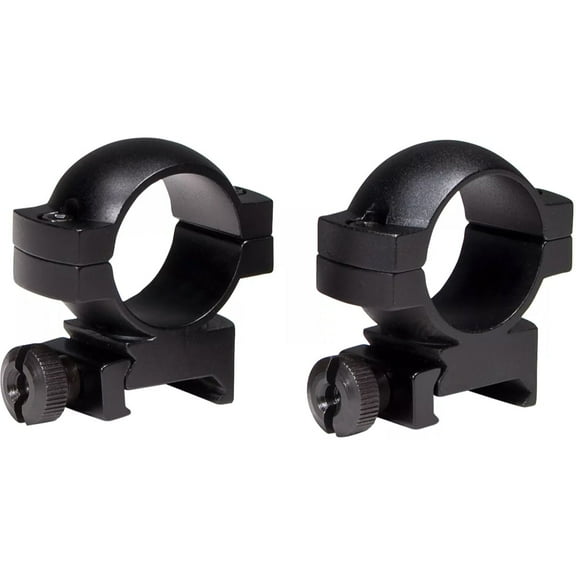
![Vortex Optics 30mm Tac Riflescope Ring — Absolute Co-Witness [1.46 Inches | 37.0 mm]](https://i5.walmartimages.com/seo/Vortex-Optics-30mm-Tac-Riflescope-Ring-Absolute-Co-Witness-1-46-Inches-37-0-mm_e6d87110-f4a8-4002-b83f-0b34007f8c54.a609f2c5058bd2e05372646dff889f7b.jpeg?odnHeight=576&odnWidth=576&odnBg=FFFFFF)


![Vortex Optics Pro Series Riflescope Rings - 30mm - High Height [1.26 Inches | 32.0 mm]](https://i5.walmartimages.com/seo/Vortex-Optics-Pro-Series-Riflescope-Rings-30mm-High-Height-1-26-Inches-32-0-mm_167af583-7869-4e3f-be21-a5347fefa5dc.7447822ae7d4c864275db890a3338e63.jpeg?odnHeight=576&odnWidth=576&odnBg=FFFFFF)


About Optics in Scopes - Walmart.com
You can compare optics more clearly when you focus on magnification, fit, and lens size before you choose. You’ll also want category guidance that separates rifle scopes from spotting scopes, binoculars, and monoculars.
How to choose optics for your use
You should start with the optics type that matches your activity and viewing distance. You’ll usually choose rifle scopes for mounted aiming, spotting scopes for long observation, and binoculars for wider scanning.
When you compare monoculars, you’ll notice they pack smaller and carry easily in a pocket or pack. You may prefer hunting optics with compact shapes when your gear load matters.
You can narrow your options faster when you match the tool to the task. You’ll often want rifle scopes for target shooting, spotting scopes for range work, and binoculars for bird watching.
- You can get a narrower aiming view with rifle scopes when your setup stays mounted.
- You can read distant details with spotting scopes when you need more reach from a stable position.
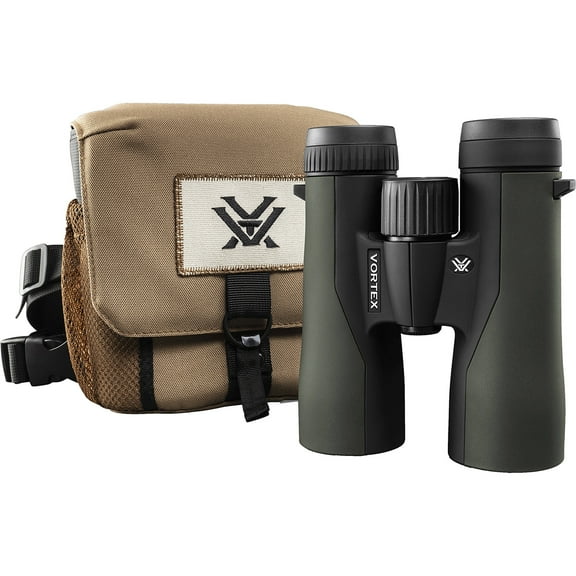
- You can scan wider terrain with binoculars when you want faster subject tracking.
- You can carry monoculars more easily when you want simple observation in a smaller format.
Choosing rifle scopes by magnification and reticle
You should compare fixed and variable magnification based on your distance and pace. You’ll usually get simpler operation from fixed power, while variable power gives your setup more flexibility.
When you expect changing distances, you may want zoom or high-power options for more adjustment. You’ll trade some field of view as magnification climbs, so closer targets can feel harder to track.
You should think about your average shooting distance before you chase bigger numbers. You’ll often find moderate magnification easier for mixed terrain and faster target acquisition.
Reticle style also changes how you aim and hold over at distance. You may prefer duplex reticles for a clean sight picture, while mil-dot and bdc patterns add reference points.
If you shoot in changing light, you may look for illuminated reticles for stronger contrast. You’ll want brightness controls that stay easy to adjust without breaking your shooting position.
You may also compare FFP and SFP reticles when long-range holds matter to you. You’ll get scaling marks that stay proportional in FFP, while SFP keeps a steadier reticle appearance.
What to look for in hunting optics features
You should check objective lens diameter because it affects brightness, balance, and overall bulk. You’ll usually see 32mm and 40mm options for lighter handling, while 50mm and 56mm gather more light.
When you hunt at dawn or dusk, you may notice larger lenses give you a brighter image. You’ll also notice they can add weight and require more clearance above your barrel.
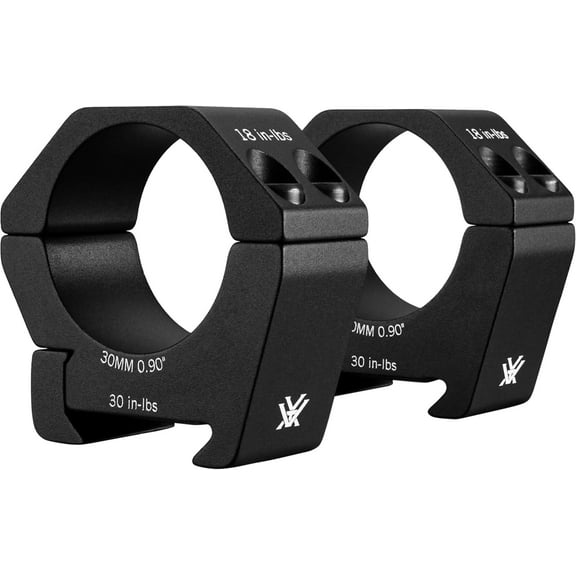
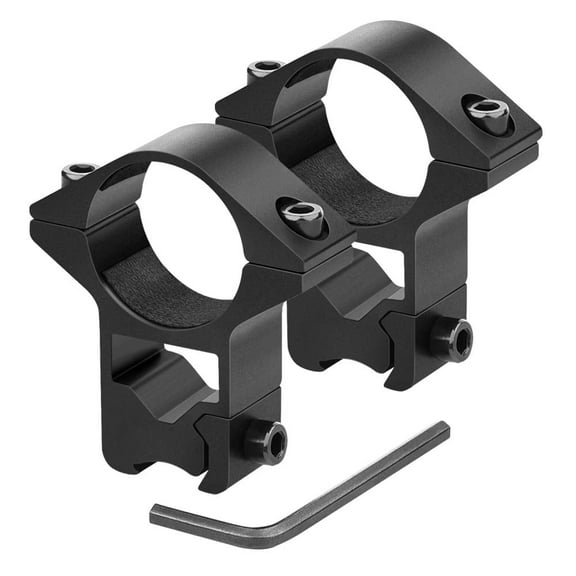
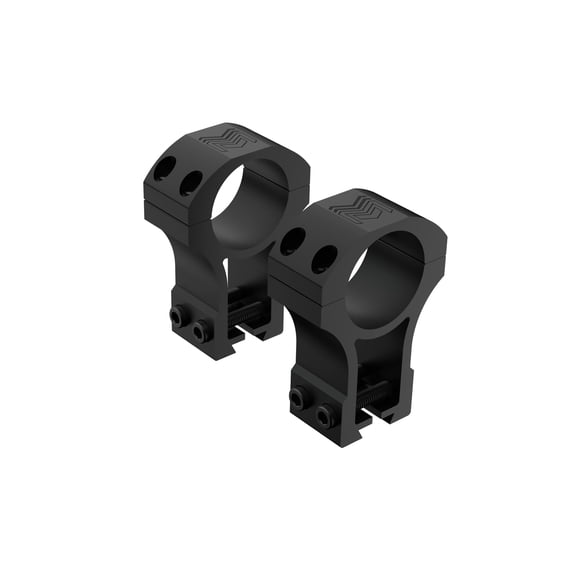
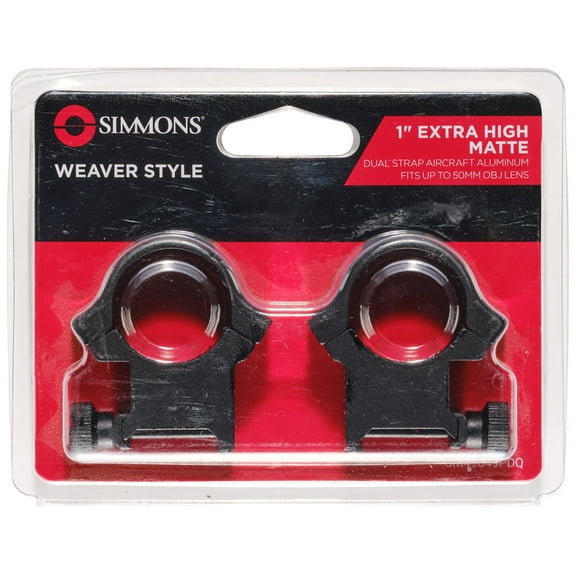
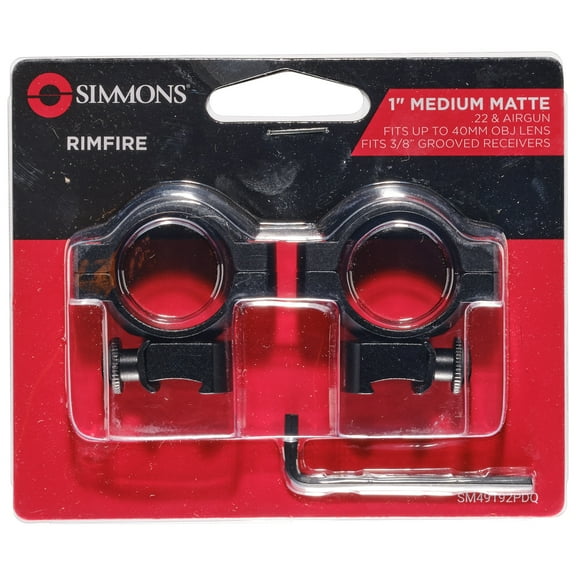
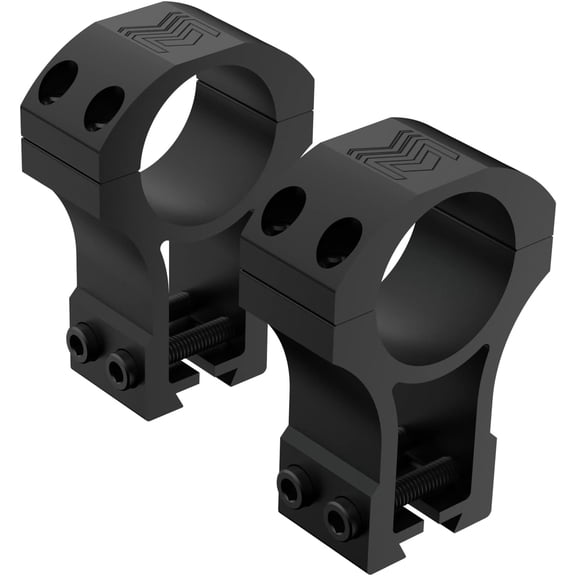
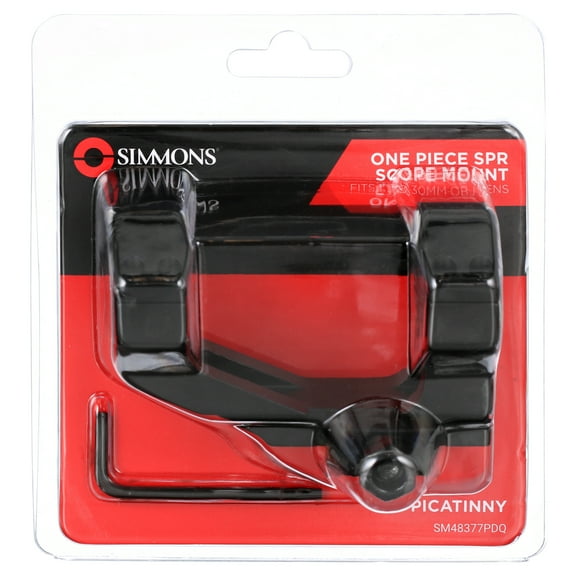
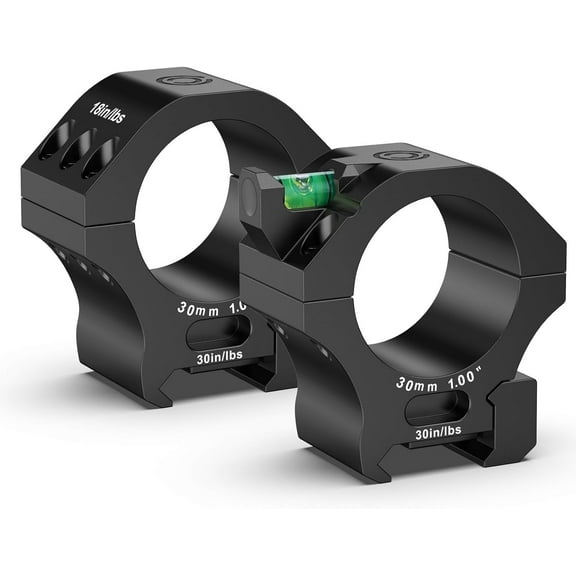
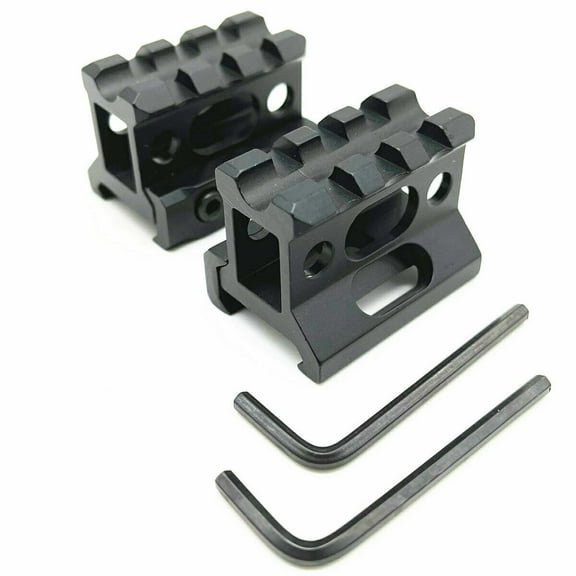
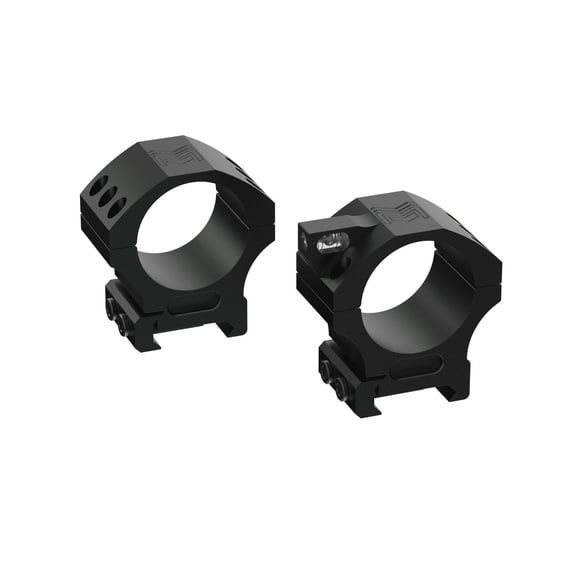
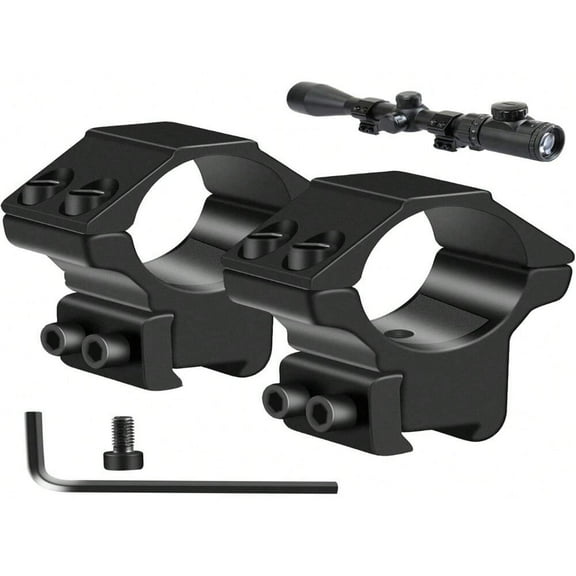
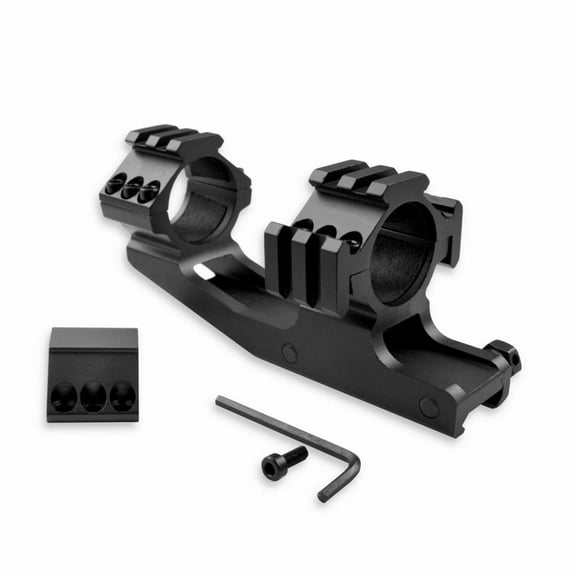
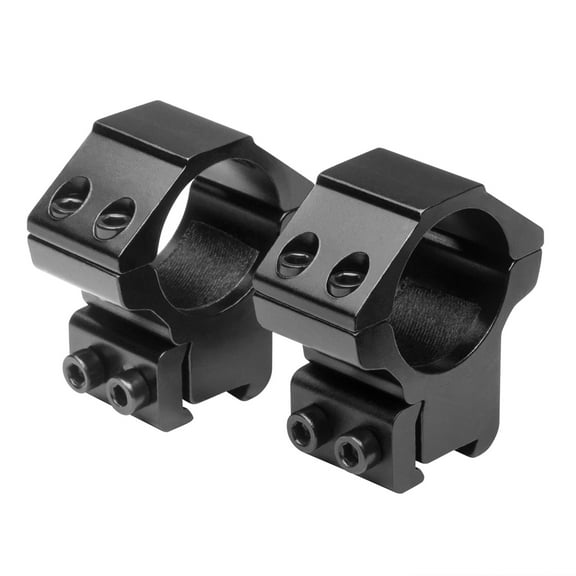
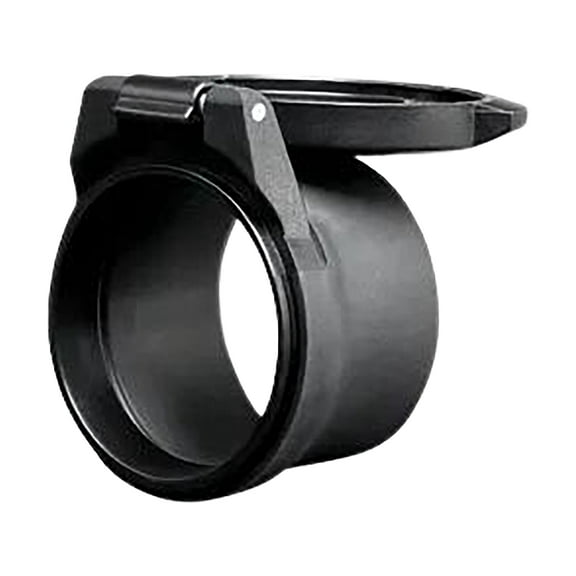
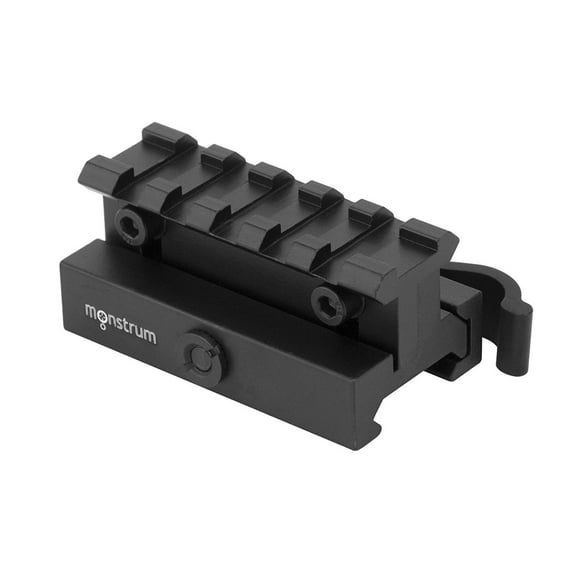
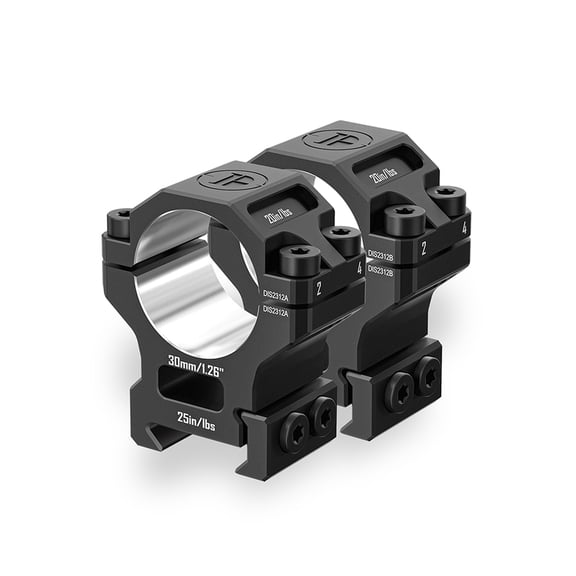
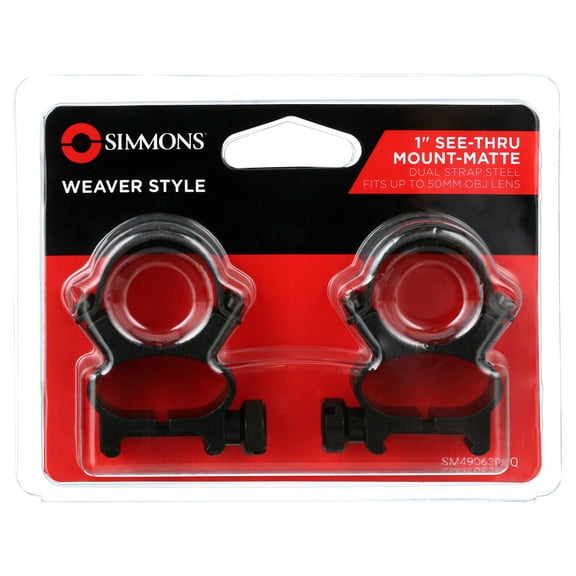
You should compare tube diameter, ring height, and rail compatibility before you finalize a scope. You’ll want your optic to match your rifle’s rail type and your preferred mounting position.
When you review fit, you may check whether your setup uses common rail styles and matching rings. You’ll also want enough clearance for your objective lens and a natural cheek weld.
You can avoid guesswork by checking eye relief and overall length with your firearm layout. You’ll appreciate a setup that mounts securely and still feels comfortable from the first sight picture.
Lens coatings matter when you want a clearer image in changing outdoor light. You’ll often look for coatings that reduce glare and help your view stay crisp against brush, sky, or shadow.
Comparing spotting scopes, binoculars, and tactical scopes
You may want spotting scopes when you need to confirm target details from a bench or field rest. You’ll often pair them with target shooting sessions where seeing impacts at distance matters.
Binoculars make sense when you need a broader view for scanning ridgelines, tree lines, or open fields. You’ll usually find them easier for tracking movement than narrow, high-magnification optics.
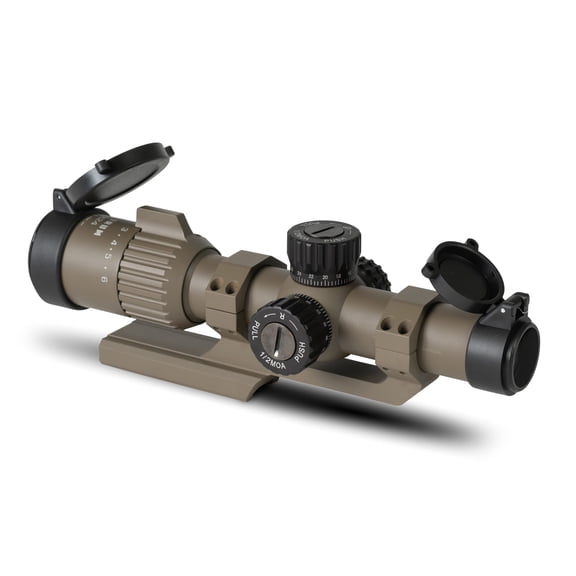
Tactical scopes can appeal to you when reticle references, turret adjustments, and mounting precision shape your decision. You’ll want to compare those details carefully if repeatable long-range dialing matters.
You may choose monoculars when portability matters more than extended glassing comfort. You’ll like that smaller format when you need quick observation without carrying a larger optic.
For bird watching, you may lean toward binoculars or spotting scopes with smoother zoom control. You’ll benefit from a wider view first, then extra reach when you need to inspect details.
For hunting scopes, you may balance magnification, low-light image brightness, and mounting fit. You’ll usually want enough reach for your terrain without making the setup too heavy or bulky.
Using optics by distance, terrain, and setup
You should match lower magnification to closer distances and faster target movement. You’ll usually gain a wider field of view, which helps you locate subjects more quickly.
When you expect longer distances, you may step up magnification for finer aiming detail. You’ll need to remember that higher power can magnify shake and reduce how much area you see.
You can use 32mm or 40mm objectives when you want a lighter field setup. You may prefer 50mm or 56mm sizes when low-light visibility matters more than carry weight.
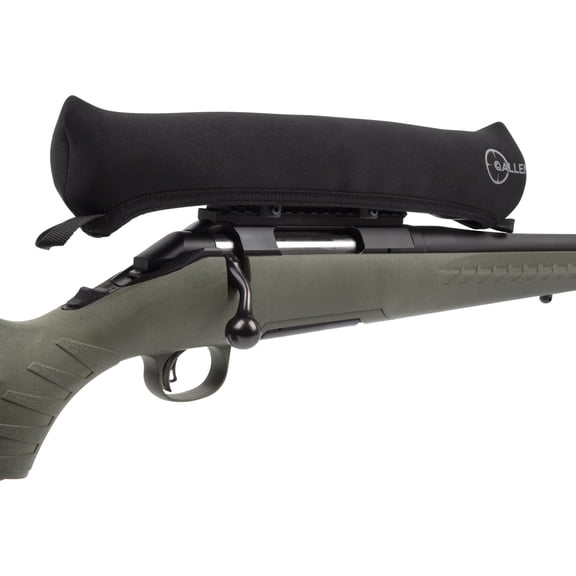
If your rifle uses a specific rail pattern, you should confirm that your rings and tube size align. You’ll get a cleaner setup when rail type, ring height, and optic dimensions work together.
You may build a flexible system by pairing rifle scopes with rangefinders during hunting or target sessions. You’ll also benefit from spotting scopes nearby when you want to verify distant details between shots.
You can choose optics with more confidence when each spec supports your actual use. You’ll end up with a clearer view, steadier fit, and a setup that matches your terrain and distance.