


Find auto parts that fit
Let’s search for parts that fit your vehicle.Nut Splitters & Nut Cutters - Automotive Tools | Walmart











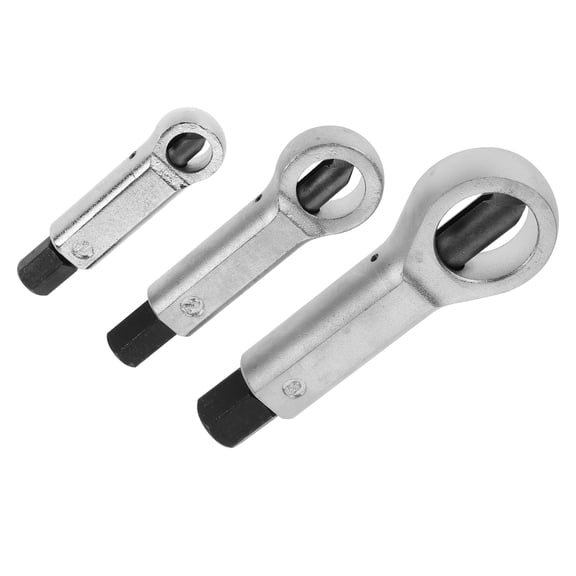
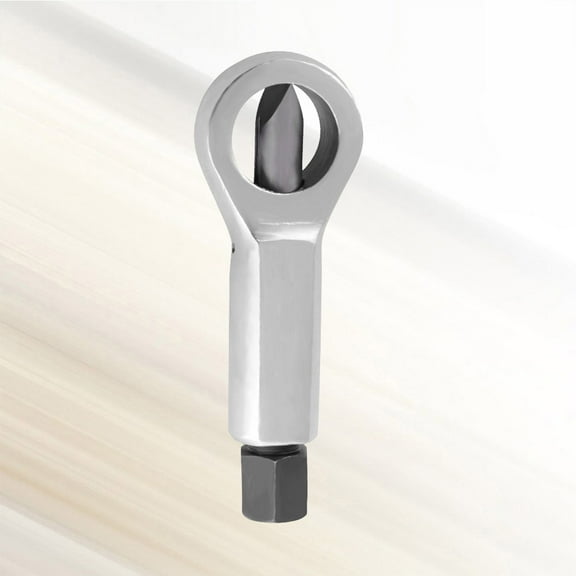
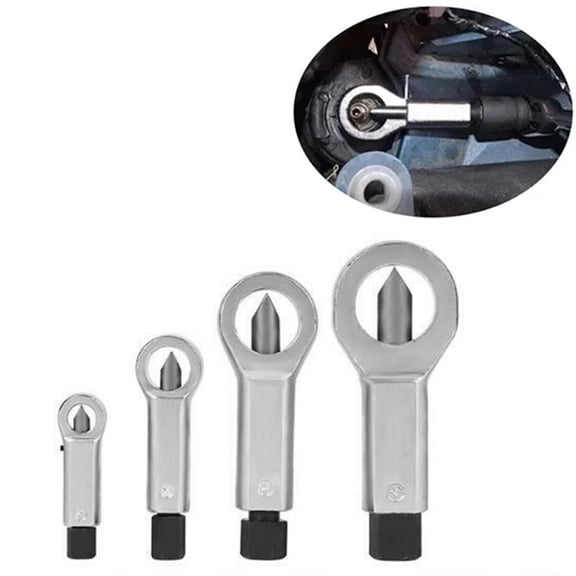
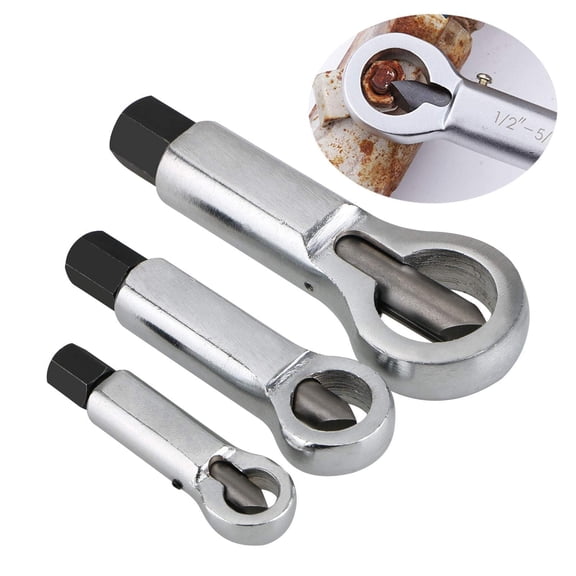













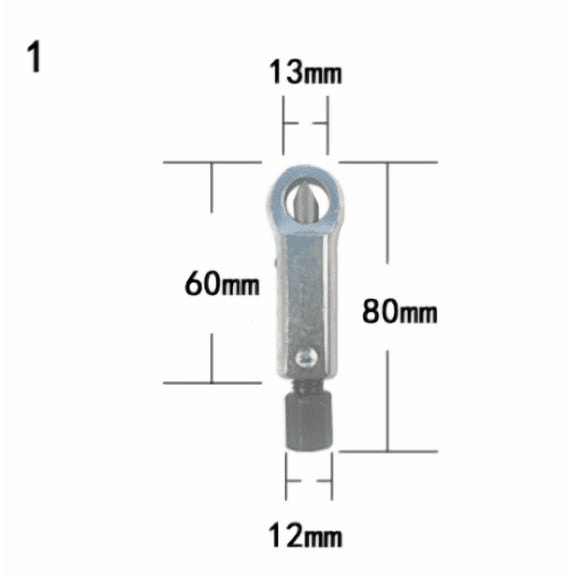

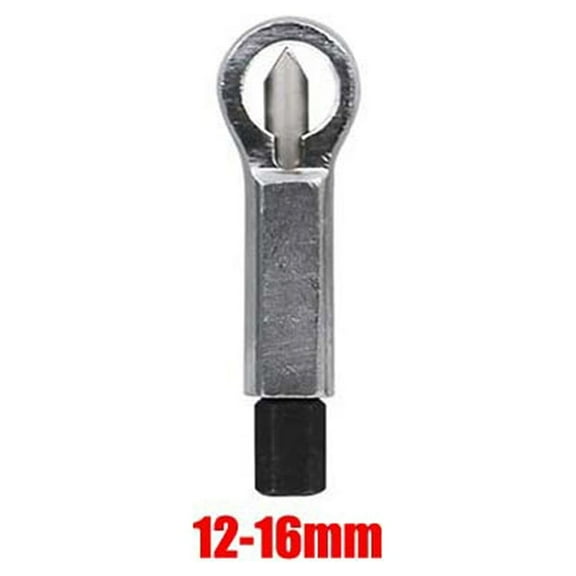
About Nut Splitters & Nut Cutters - Automotive Tools | Walmart - Walmart.com
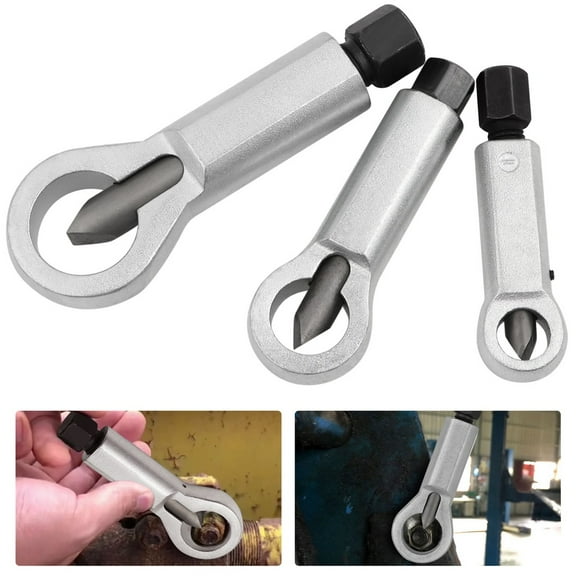
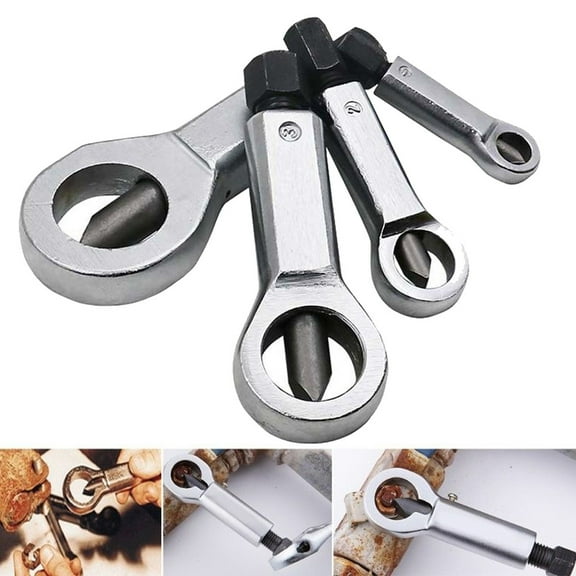
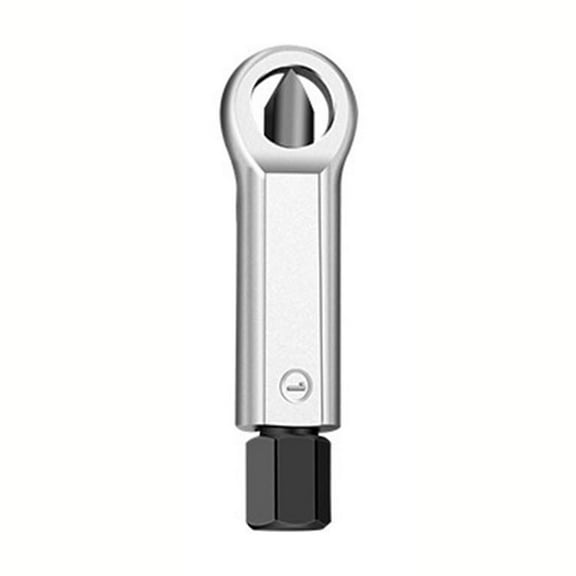
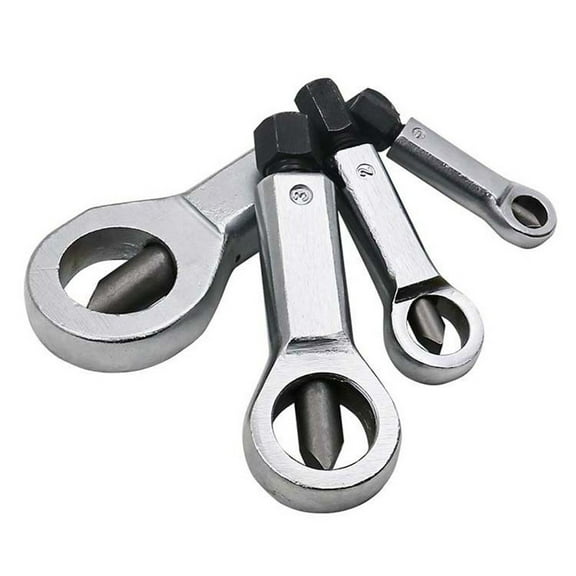
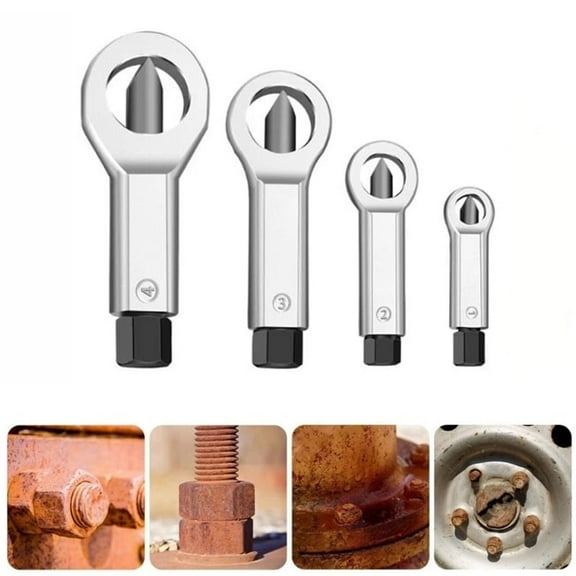
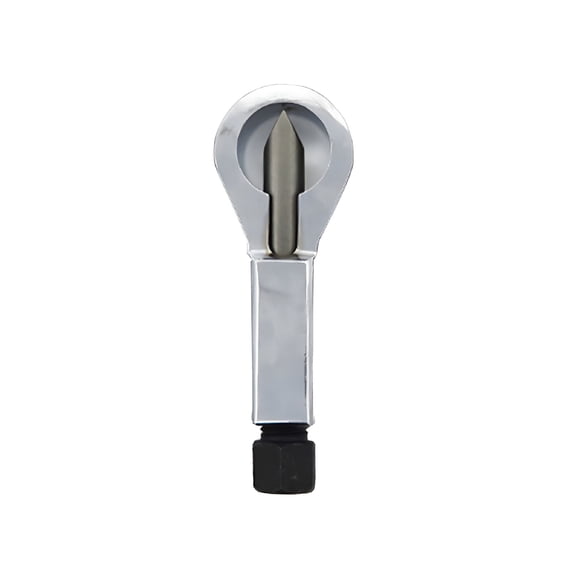
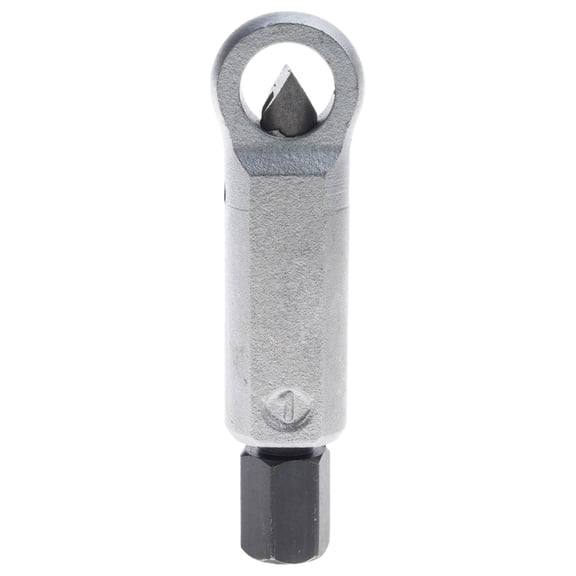
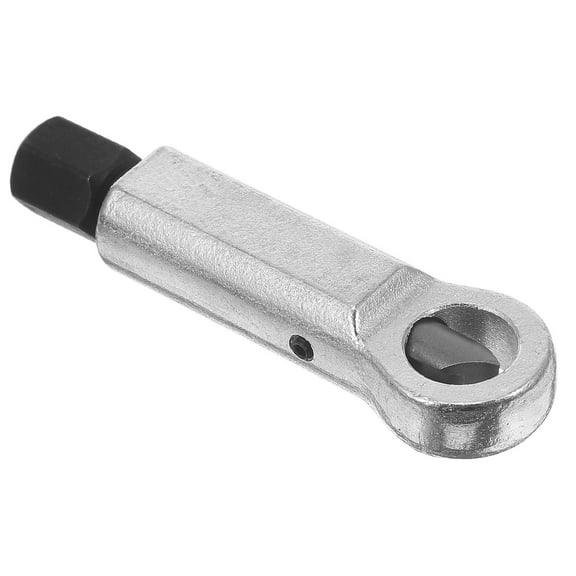
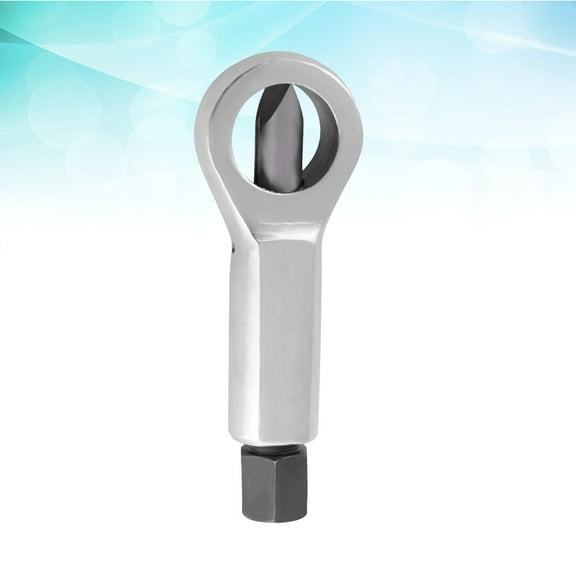
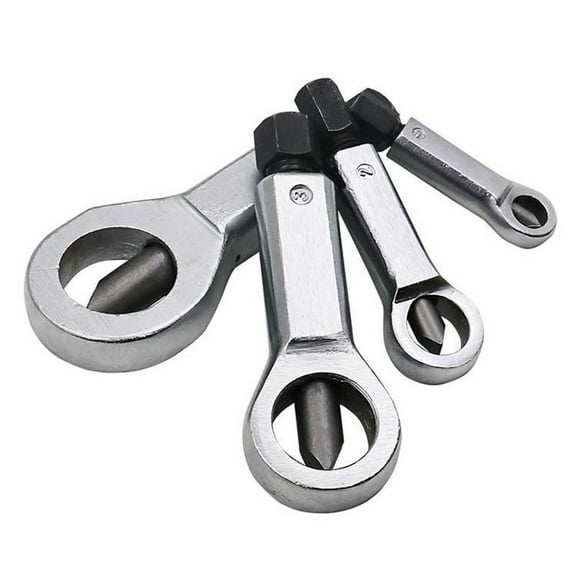
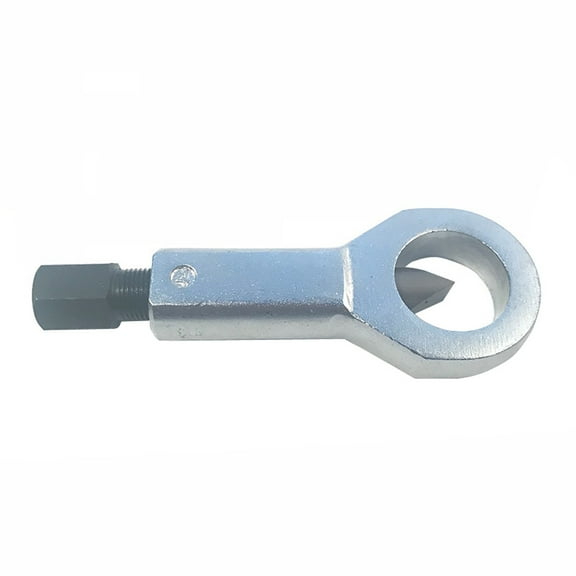
Nut splitters help you remove seized fasteners without grinding, heating, or cutting the whole bolt. You can use this category to compare sizes, capacities, and operation types for stubborn automotive and garage work.
How to choose nut splitters for your job
Start with the nut size and the space around it. You should measure across the flats and check clearance before you choose a nut splitter tool.
Tight engine bays and packed chassis areas often limit tool access. You may need a slimmer frame or a shorter body when your wrench swing is limited.
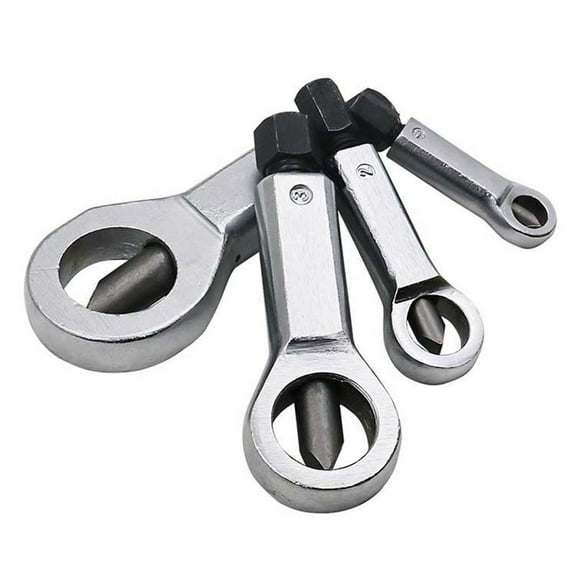
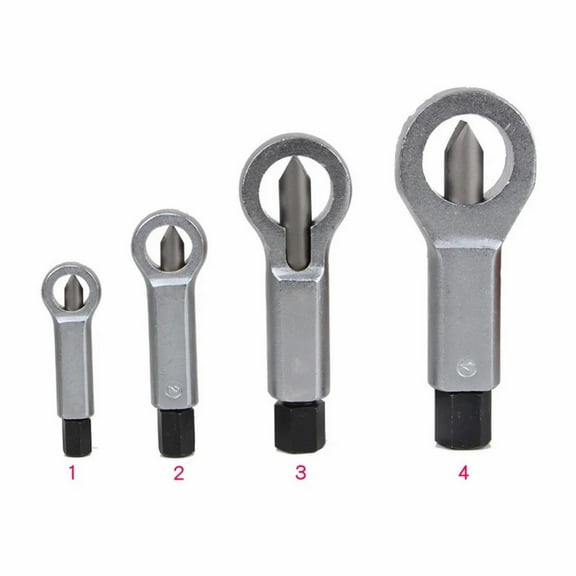
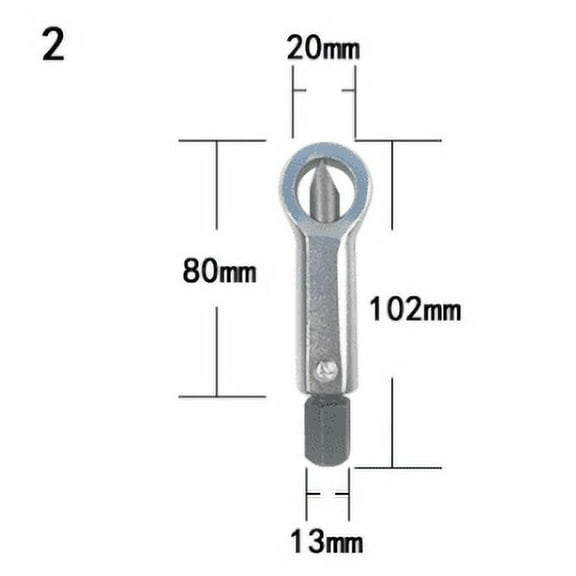
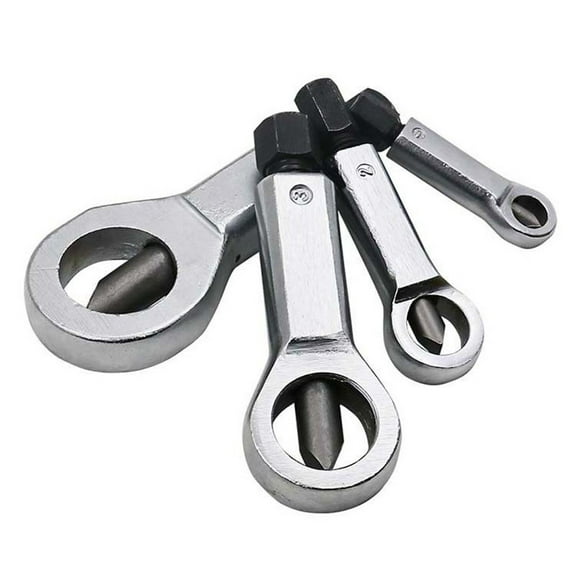
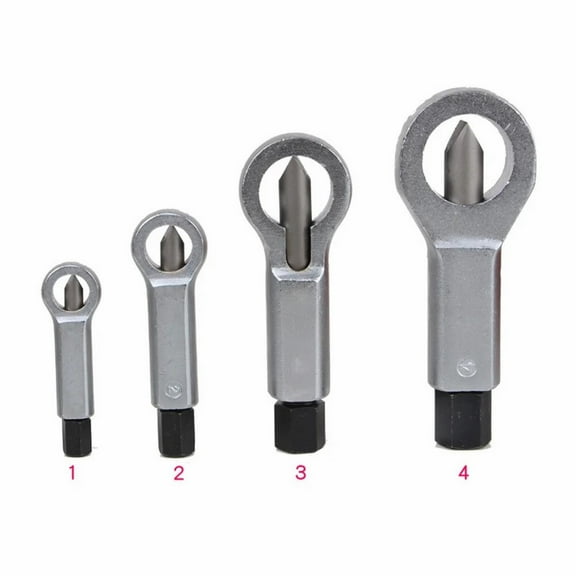
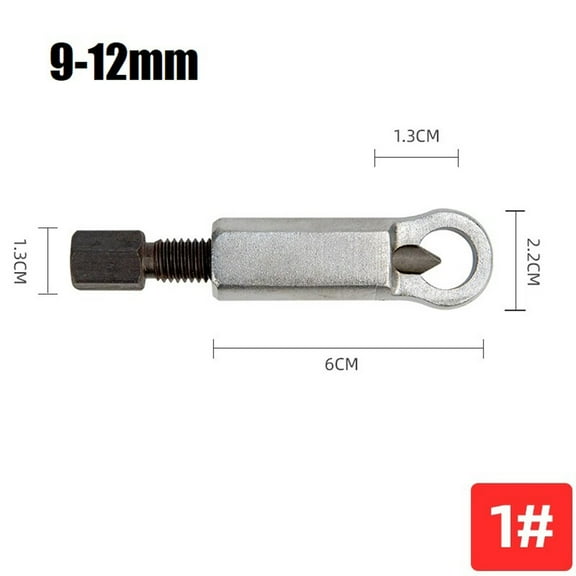
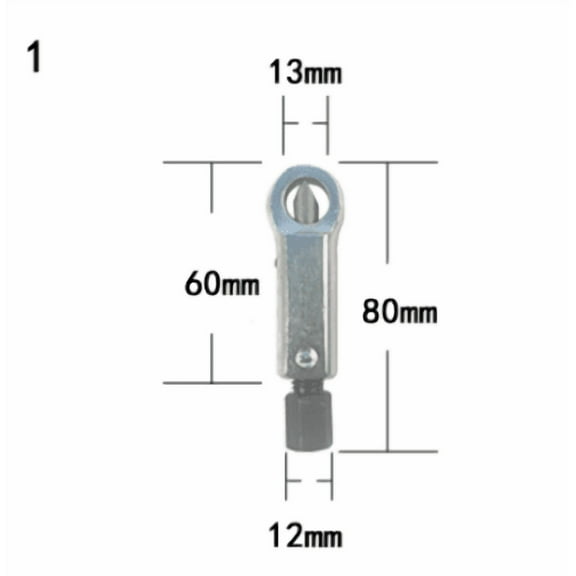
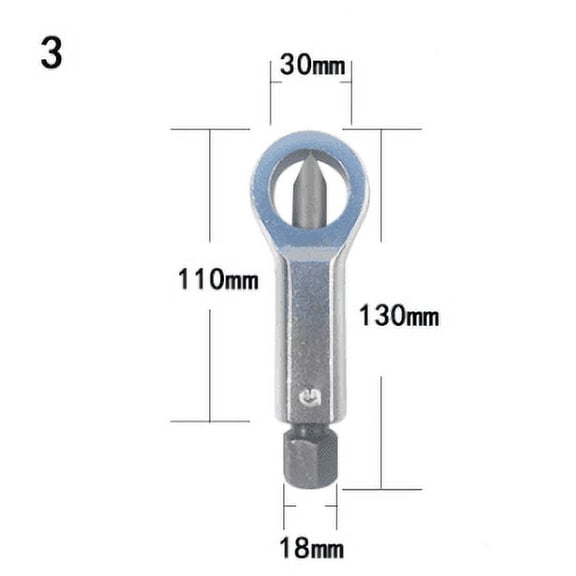
Capacity range matters because the cutter must fit the nut correctly. You can compare ranges like up to 1/2 inch, 1/2 to 5/8 inch, 5/8 to 7/8 inch, or up to 22mm.
- You can match smaller capacities to brake, battery, and light mounting hardware.
- You can use mid-range capacities for suspension, exhaust, and general shop fasteners.
- You can choose larger capacities when your equipment uses thicker nuts on frames or machinery.
- You can check body width and reach when your fastener sits behind lines, brackets, or shields.
A proper fit helps you focus force on the nut instead of nearby parts. You’ll also have more control when you’re working around threads you want to keep.
Choosing the right heavy duty nut splitter
Material and hardness tell you how the tool handles stubborn hardware. You should compare hardened steel, chrome vanadium, and drop forged builds for repeated garage use.
Heat-treated cutting tips matter when you face corroded or grade 8 nuts. You can look for hardness details, including Rockwell C-scale information, when durability is a key concern.
That technical rating helps you judge edge strength in plain terms. You’ll usually get a cutter that resists flattening when the nut surface is hard and badly seized.
A heavy duty nut splitter often makes sense for suspension work, trailer hardware, and older exhaust connections. You can rely on stronger bodies when hand force and rust have locked the nut in place.
Double-edged mechanical designs can extend tool life in busy shops. You may rotate or reposition the cutting edge, depending on the design, to keep pressure consistent.
Comparing operation types on a nut splitter tool
Operation type changes how you apply force and how much effort you need. You should compare manual hex drive, hydraulic, and double-edged mechanical styles before you choose.
Manual hex drive tools work well when you have room for a wrench or ratchet. You can apply steady pressure and stop as soon as the nut begins to split.
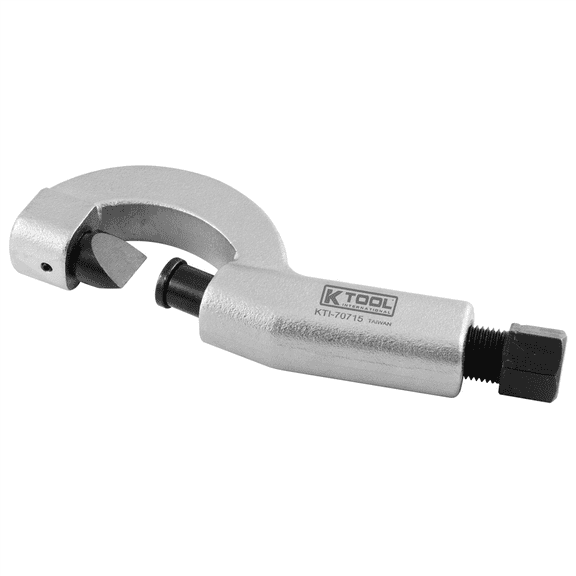
A hydraulic nut splitter suits larger fasteners and tougher industrial hardware. You’ll get more splitting force with less manual effort when standard hand pressure isn’t enough.
Mechanical models give you direct feedback as the cutter bites into the nut. You can feel progress more clearly, which helps when you want careful control around existing bolt threads.
If you’re tackling a rusty nut splitter use case, operation type matters even more. You may want hydraulic force for thick corrosion, while compact manual tools fit cramped repair spots.
What to look for to protect bolt threads
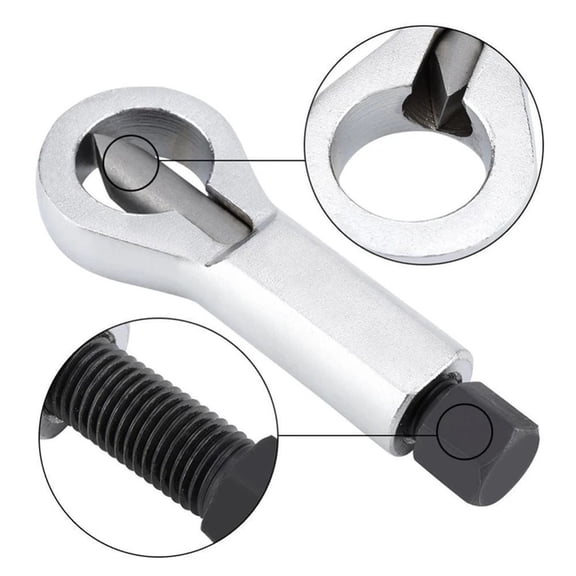
Many shoppers want to split the nut and keep the bolt in place. You should look for a cutter shape that concentrates force on one side of the nut.
That focused pressure helps crack the nut shell before the bolt takes abuse. You can work more precisely than you could with a cutoff wheel in tight spaces.
Tool alignment is another key decision point. You should check whether the frame sits squarely over the nut so the chisel tracks where you expect.
Clear visibility helps when you’re working near brake lines, brackets, or studs. You’ll have an easier time stopping at the right moment when access is limited.
Drive size also affects control during removal. You can choose 1/2 inch, 3/4 inch, 19mm, or 21mm drive options that match the tools already in your box.
Use cases for garage, automotive, and equipment repairs
You might reach for nut splitters when road salt has fused exhaust hardware in place. You can also use them on suspension links, battery terminals, and rounded nuts that won’t back off cleanly.
Older vehicles often leave you with little room for torches or grinders. You may prefer a compact nut splitter tool when heat and sparks don’t fit the job.
For farm, trailer, or shop equipment, larger capacities can be the practical choice. You can pair a heavy duty nut splitter with larger hardware that sees weather and repeated tightening.
Hydraulic styles fit demanding service benches and industrial maintenance tasks. You’ll appreciate the extra force when thick nuts resist hand-driven tools.
Smaller manual tools fit home garages where mixed fastener sizes are common. You can keep one ready for occasional repairs and still handle seized nuts with controlled pressure.
When you compare these options carefully, you can choose a tool that fits your fastener, workspace, and force needs. You’ll finish removals with less guesswork and more thread-friendly control.