

Noco Auto & Tire Battery Chargers & Jump Starters















About Noco Auto & Tire Battery Chargers & Jump Starters - Walmart.com
Your noco battery charger search gets easier when you compare chargers, jump starters, trickle chargers, and maintainers by how you drive. You can focus on battery support, portable starting power, and compatibility details that matter for your vehicle.
If you keep a seasonal car, daily driver, motorcycle, boat, or truck ready, you need the right device type first. You can narrow your choice faster when you understand how a charger differs from a jump starter or battery maintainer.
How to choose a noco battery charger
You should start with the job you need most often. You may want steady charging in the garage, or you may want portable power when your vehicle won't start.
A battery charger helps you recharge stored or drained batteries over time. A jump starter helps you restart a vehicle quickly without waiting for a wall-powered charging cycle.
A trickle charger supports batteries with a low, steady output for longer connection periods. A battery maintainer helps you keep stored batteries ready during off-season parking or infrequent driving.
- You can recharge vehicle batteries at home with a charger designed for routine battery care.
- You can keep collector cars, motorcycles, and boats ready with a maintainer or noco trickle charger.
- You can carry portable starting power in your trunk when you want help away from the garage.
- You can compare battery support options by voltage, battery chemistry, and charging amperage.
When you compare these device types first, you avoid buying more tool than you need. You also avoid choosing too little power for larger batteries or repeated charging tasks.
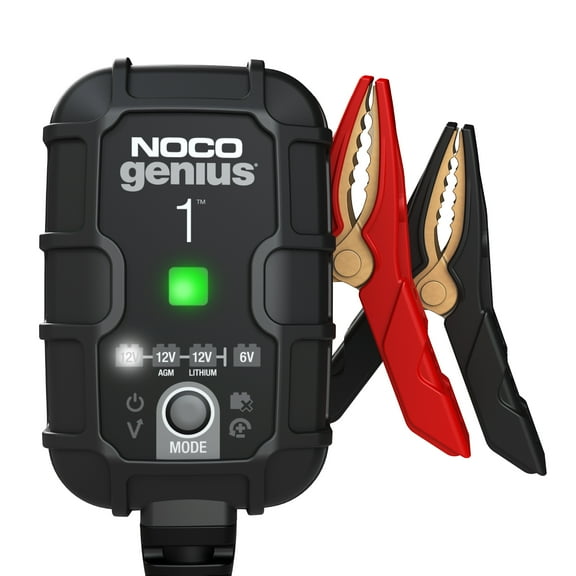
What to look for in noco genius and noco charger models
You should check voltage compatibility before anything else. You may need support for 6V or 12V batteries, depending on your vehicle, equipment, or stored power setup.
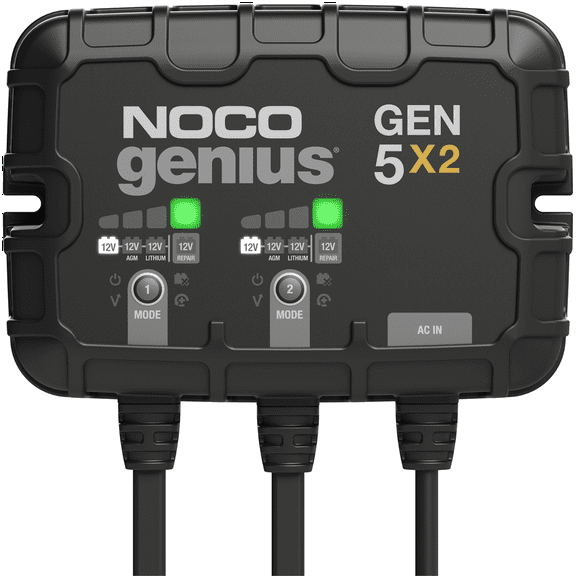
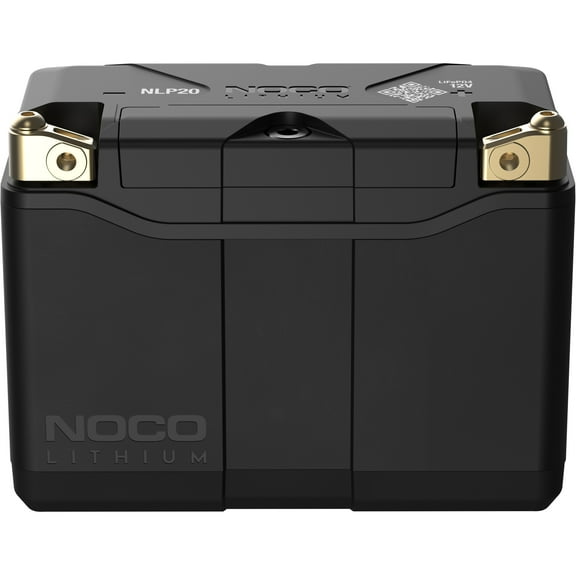
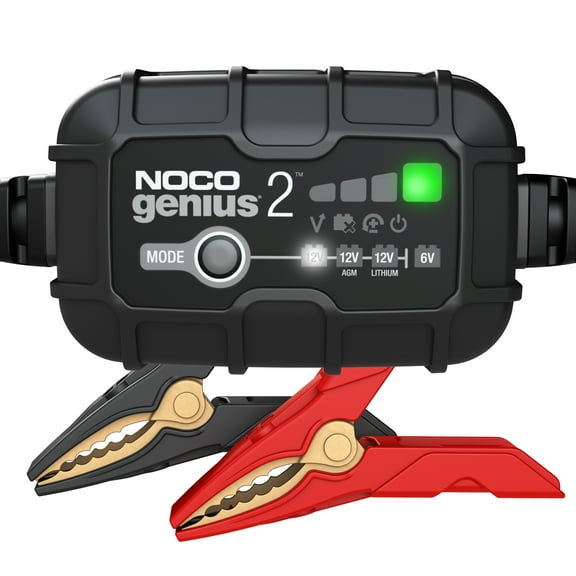
You should also compare battery chemistry support. You may need a noco genius battery charger that works with lead-acid, AGM, or lithium batteries in your garage.
Charging amperage changes how quickly you can restore battery power. You may prefer lower-amp options for small batteries and maintainers, while higher-amp models fit larger batteries.
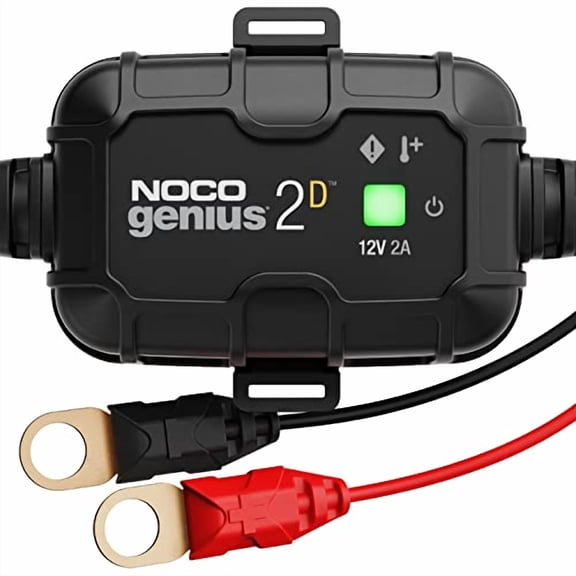
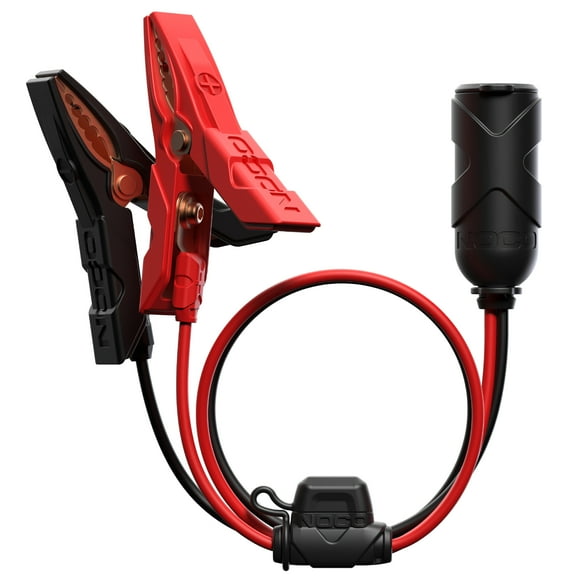
You'll also want to compare connector style and cable reach. You can make garage use easier when clamps, eyelets, and cord length match your usual setup.
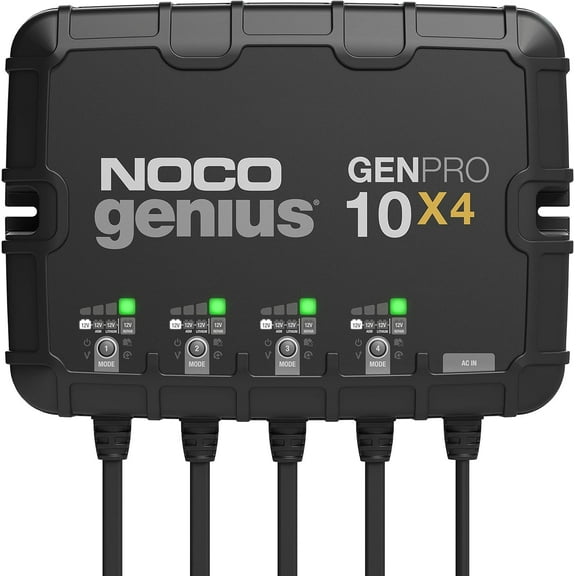
Smart charging features can simplify everyday use. You can look for multi-stage charging, thermal compensation, spark-proof design, and reverse polarity support when you compare models.
Those details matter because they shape your routine. You can connect a charger with more confidence when the display, modes, and battery indicators are easy to follow.
Choosing between a noco trickle charger and noco battery tender alternative
You may search for a noco battery tender when you want long-term battery care. You can compare that intent with a noco trickle charger or maintainer by looking at how often you drive.
If your car sits for weeks, you may want a maintainer-focused option. You can support stored batteries without needing a full recharge session every time.
If you rotate between motorcycles, ATVs, lawn equipment, or boats, lower-output charging can make more sense. You can leave your main high-output charger free for larger vehicle batteries.
For daily driving, you may want a charger that handles recovery and maintenance in one tool. You can simplify garage storage when one unit covers routine charging and standby support.
You should also think about battery access and storage location. You can choose compact units for tight shelves, crowded workbenches, or smaller garages with limited outlet space.
When a jump starter fits your routine
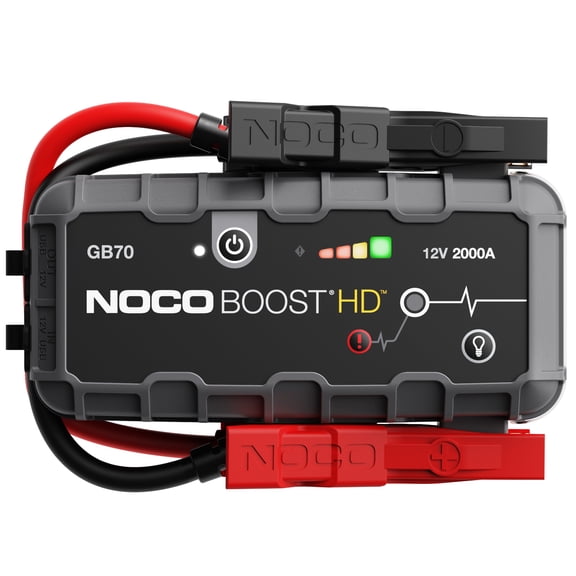
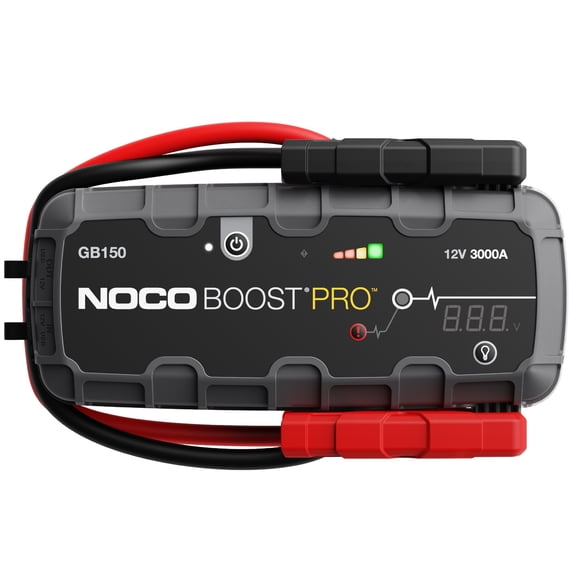
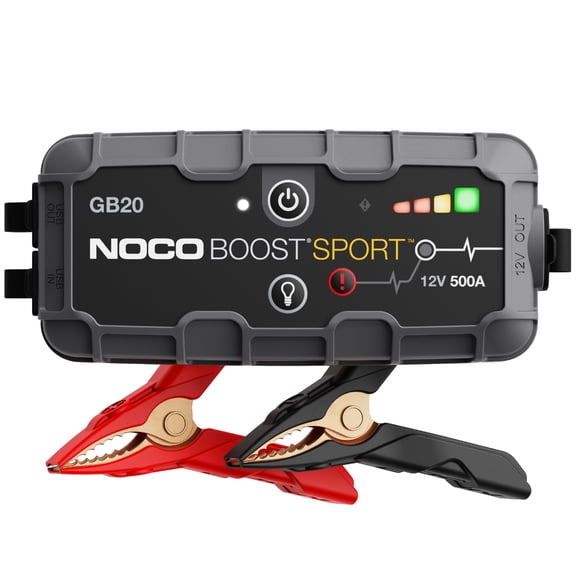
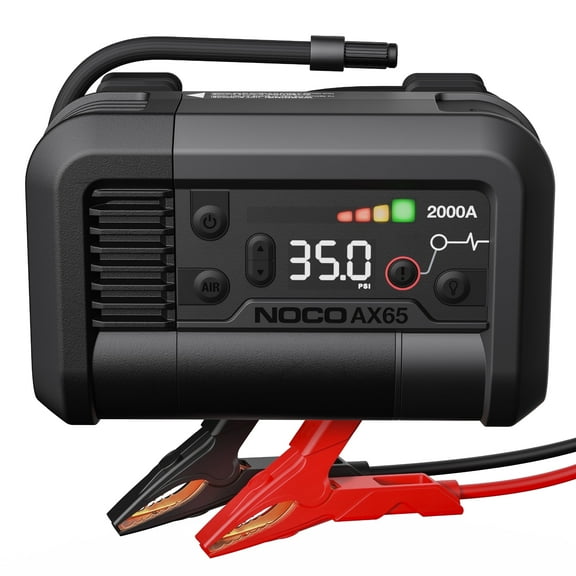
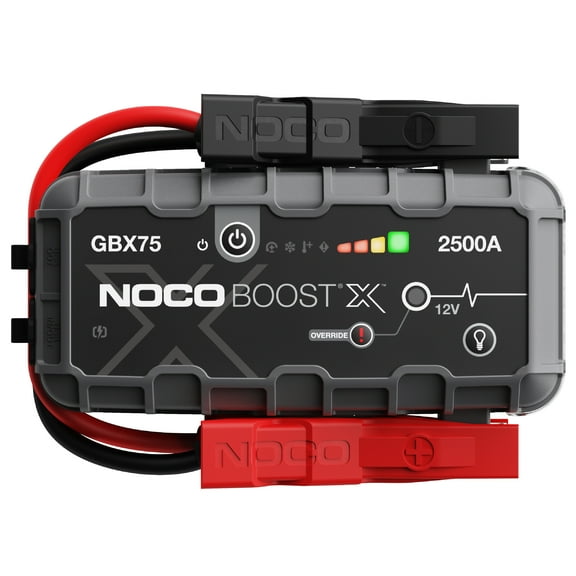
You may want a jump starter if quick roadside starting matters more than garage charging. You can keep portable power in your vehicle for commutes, road trips, and cold-weather mornings.
That device type differs from a charger in a key way. You can use a jump starter for immediate starting support, while a charger works over a longer connection period.
If you manage several vehicles, pairing both tools can make sense. You can use a charger at home for battery care and a jump starter for backup starting power on the go.
You should compare peak current, size, and storage needs before choosing. You can match a compact unit to smaller engines or choose more output for larger vehicles.
Using these device types in real vehicle setups
You can match a maintainer or trickle charger to a collector car that spends long stretches parked indoors. You can also use that setup for motorcycles, powersports vehicles, or boats between outings.
You may prefer a smart charger for a daily driver that needs regular battery attention. You can recharge after short trips, colder weather, or long idle periods in the driveway.
If you keep a truck, SUV, or multiple family vehicles, higher charging output may matter more. You can reduce waiting time when you need to rotate through several batteries.
You can also compare by storage habit and outlet access. If your vehicle stays outside, you may favor portable power tools, while garage parking may support a charger-first setup.
When you understand device type, voltage, chemistry, and output, you can choose with fewer surprises. You get a setup that fits your vehicle routine and keeps battery support simple.