

Michelin Wiper Blades
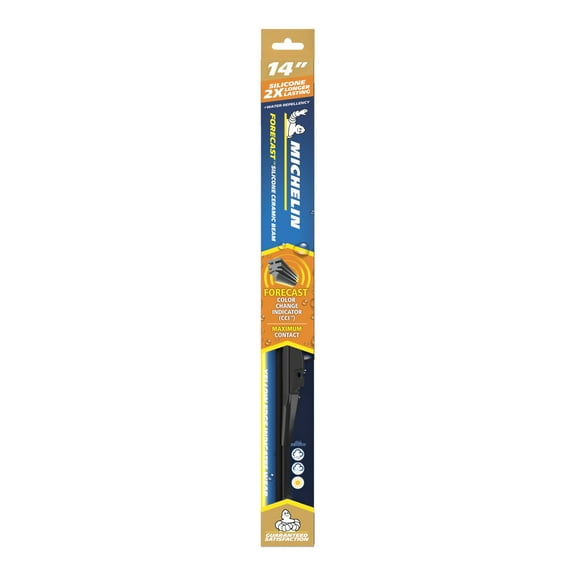


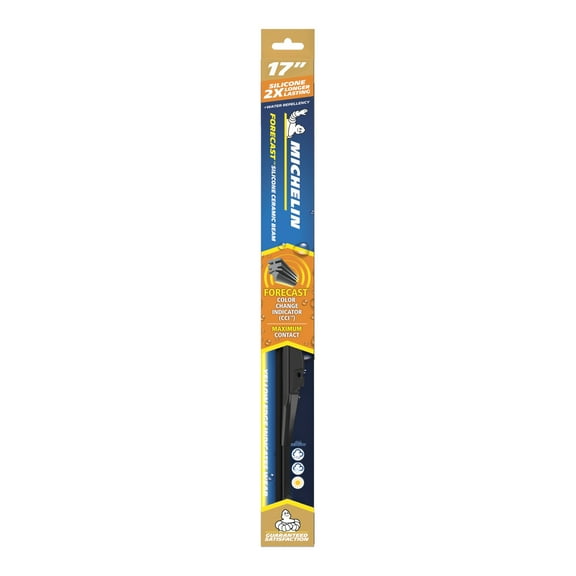
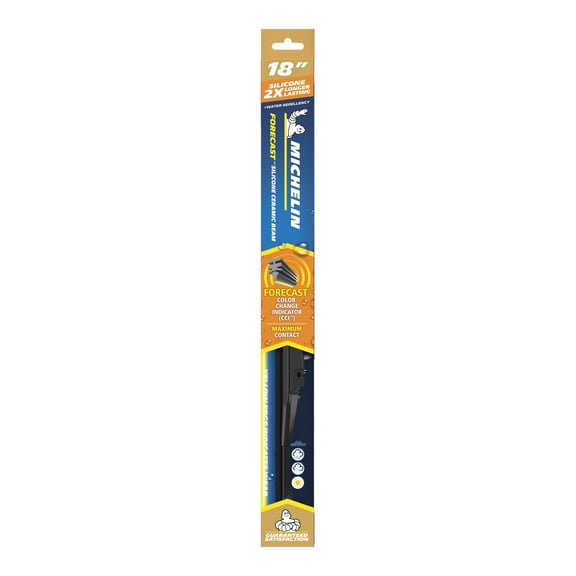


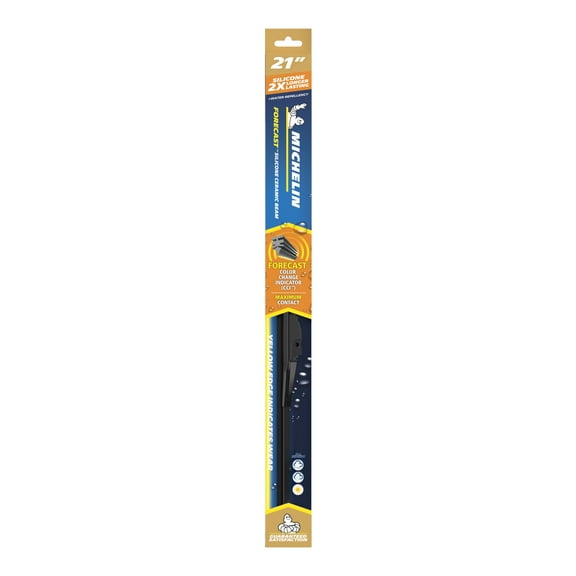



FAQ
About Michelin Wiper Blades - Walmart.com
Michelin wiper blades help you restore clear windshield coverage with fitment options that match your vehicle, weather conditions, and preferred blade design. You can compare sizes, connector types, and blade styles in one place, so your replacement process feels more precise.
If you're replacing worn inserts or upgrading full assemblies, you need details that match your vehicle setup. You'll also want guidance on blade length, adapter style, and all-weather use before you choose.
How to choose Michelin wiper blades
You should start with your vehicle fitment, because the right length affects sweep coverage and windshield contact. You can narrow your options faster when you check driver-side and passenger-side measurements first.
Next, you should compare how different blade types handle daily driving, highway speeds, and seasonal changes. You can also review connector compatibility before installation, which helps your replacement process stay simple.
- You can improve visibility with blade lengths that match your windshield shape.
- You can reduce skipped areas when your connector type fits your wiper arm correctly.
- You can choose a blade design that matches rain, winter, or year-round driving.
- You can make replacement easier when you check adapter style before purchase.
Because your driving conditions matter, you should also compare weather ratings as part of your decision. You'll notice that all-weather, heavy rain, winter, and ice-clearing options support different driving routines.
Choosing the right Michelin wiper blade size
You should verify your Michelin wiper blade size before you compare materials or frame styles. You can often find the right match by checking your owner's manual, current blade markings, or a fitment guide.
Common lengths include 16 inch, 18 inch, 20 inch, 22 inch, 24 inch, 26 inch, and 28 inch. You should confirm each side separately, because your vehicle may use two different blade lengths.
When you choose the correct length, you get a sweep pattern that follows your windshield shape more closely. You can avoid missed corners, uneven pressure, and extra overhang near trim edges.
If you're using a Michelin wiper blade size finder or a Michelin wiper guide, you should match both length and arm style. You can make a quicker decision when your fitment check includes year, make, model, and trim.
Comparing blade type and weather rating
You can compare beam, hybrid, conventional, and silicone options based on how you drive and where you park. You'll want a design that matches your rain exposure, cold mornings, and highway airflow.
Beam blades use a frameless shape that helps you maintain even contact across curved glass. You may prefer them when your area gets frequent rain, sleet, or winter buildup.
Hybrid blades combine a streamlined cover with a supported frame for balanced structure and coverage. You can consider them when you want a mix of everyday wiping stability and cleaner airflow.
Conventional blades use a familiar frame design that many drivers recognize during replacement. You might choose them when your vehicle uses a standard setup and straightforward installation matters.
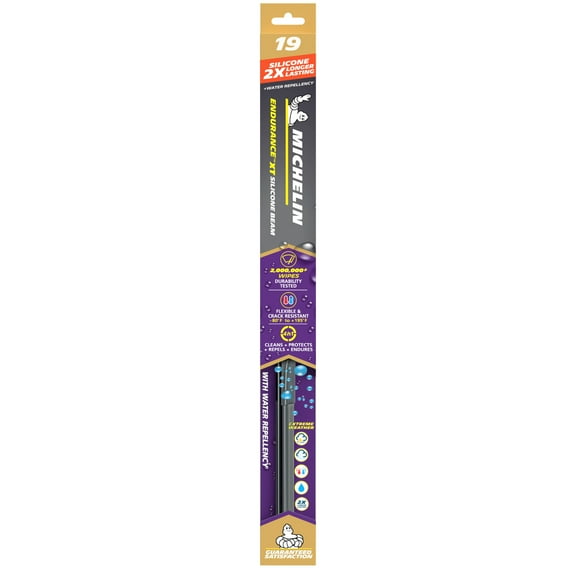
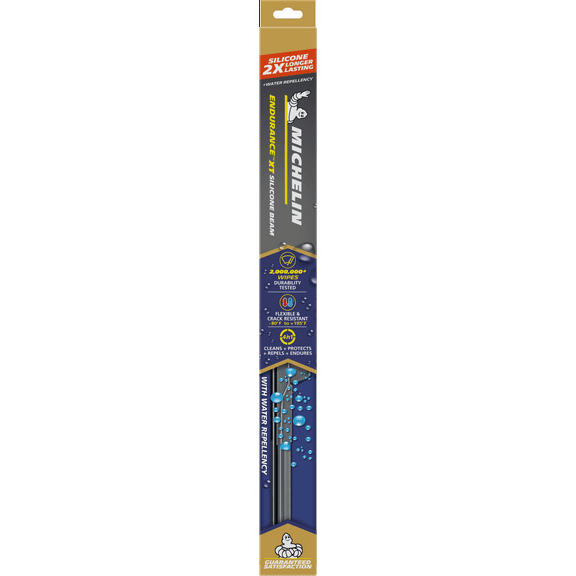
Silicone options can appeal to drivers who want a different rubber compound and lasting flexibility. You should still confirm fitment details first, because material choice doesn't replace correct sizing.
Weather rating also matters when you compare Michelin windshield wipers for changing seasons. You can look for all-weather designs for daily driving, or choose winter and ice-clearing styles for colder routes.
If you face heavy rain often, you may want a blade profile that stays steady at higher speeds. You'll also want a design that keeps even pressure across the glass during long commutes.
Checking connector type and installation fit
You should confirm your wiper arm connection before you select a replacement blade. You can narrow your choices by checking whether your vehicle uses J-hook, multi-connection, pinch tab, or bayonet fitment.
J-hook arms use a curved hook shape that many vehicles share across model years. You can usually identify this style quickly when you remove your current blade and inspect the arm end.
Multi-connection systems give you several adapter options to match different arm designs. You may find them useful when your household vehicles use different attachment styles.
Pinch tab connectors use side tabs that release the blade from the arm with a specific press motion. You should check the adapter included with your blade before installation, so the fit feels secure.
Bayonet connections slide into place with a different mounting profile than hook-based arms. You can avoid returns when you match that profile carefully instead of guessing from blade length alone.
If you're comparing Michelin wipers across several vehicles, installation details can shape your final choice. You'll save time when your selected blade includes the adapter style your arm requires.
Using Michelin windshield wipers in real driving situations
You might choose Michelin window wipers for a commuter car that faces rain, road spray, and daily parking exposure. You can prioritize all-weather coverage, steady contact, and a verified blade size for that routine.
For a truck or SUV with a taller windshield, you may need longer lengths like 24 inch, 26 inch, or 28 inch. You should check both sides carefully, because larger vehicles often use different driver and passenger sizes.
If your route includes winter mornings, you may want Michelin high performance wipers with a beam or hybrid design. You can pair that choice with a winter rating when you expect ice, slush, and repeated cold starts.
For multi-car households, you can use a Michelin wiper blade size finder to compare fitment across sedans, crossovers, and pickups. You'll make replacements easier when you note size and connector type for each vehicle.
If you're replacing blades for a work vehicle, you may focus on repeatable installation and dependable sweep coverage. You can compare connector style, blade construction, and weather rating before you reorder the same fitment.
When you choose with size, blade type, connector type, and weather conditions in mind, your replacement feels more straightforward. You'll get clearer windshield coverage that matches how and where you drive.