




Log Splitters & Wood Splitters






















About Log Splitters & Wood Splitters - Walmart.com
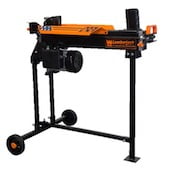
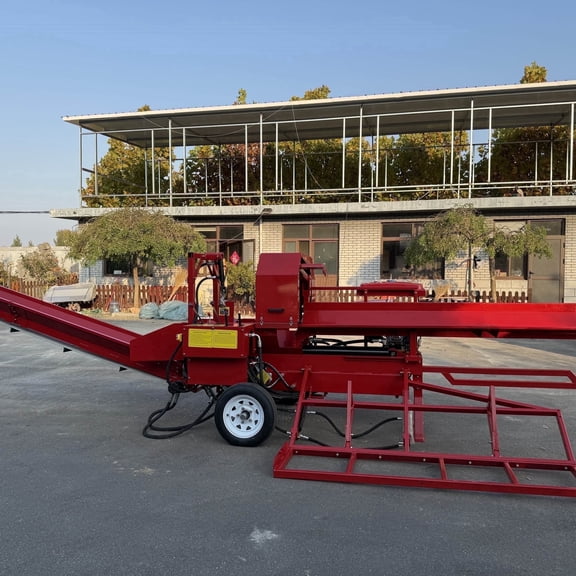
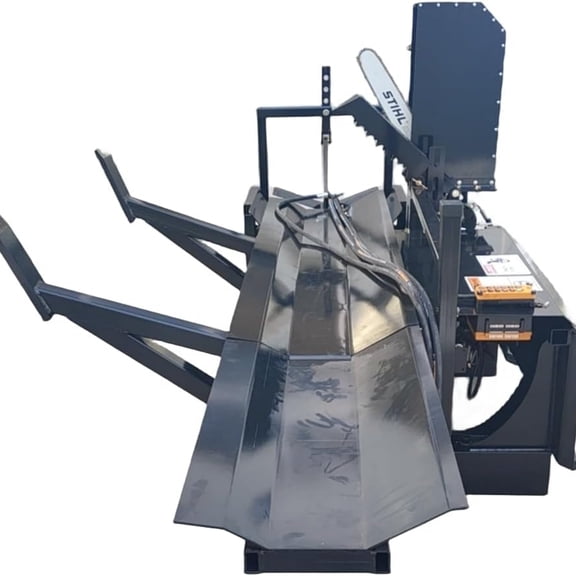
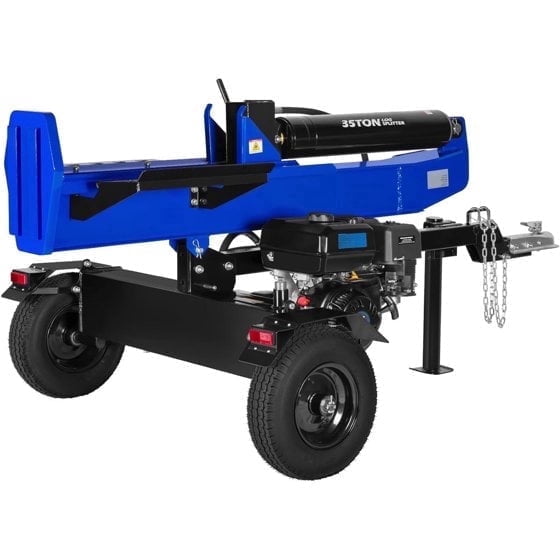
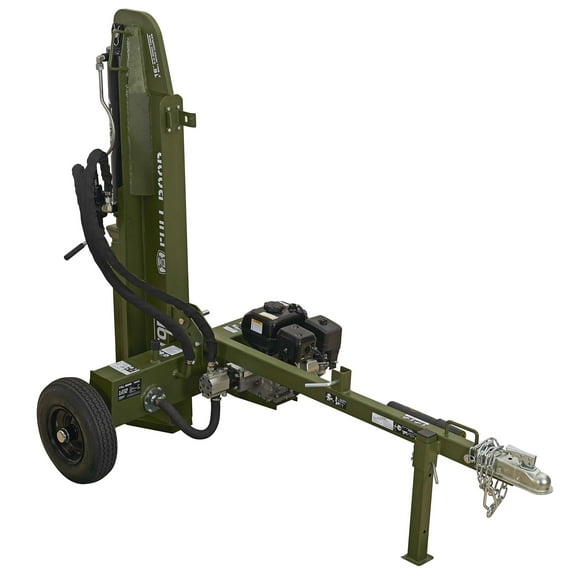
Log splitters help you turn heavy rounds into ready-to-stack firewood with less lifting and steady output. You can compare power source, tonnage, position, and portability to match your woodpile and workspace.
If you heat with wood, clear storm debris, or prep seasonal stacks, you need choices that fit your routine. You can narrow your options quickly when you know how gas, electric, and manual models differ.
How to choose log splitters by power source
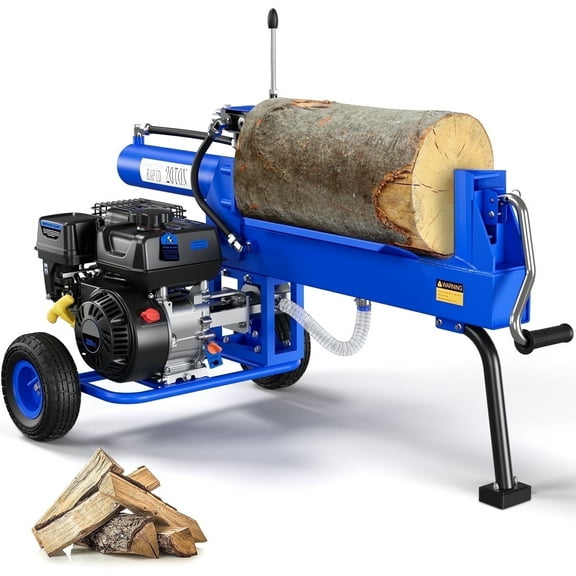
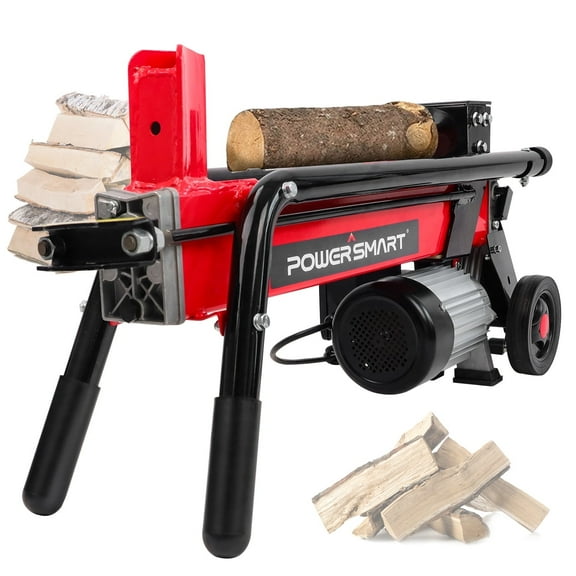
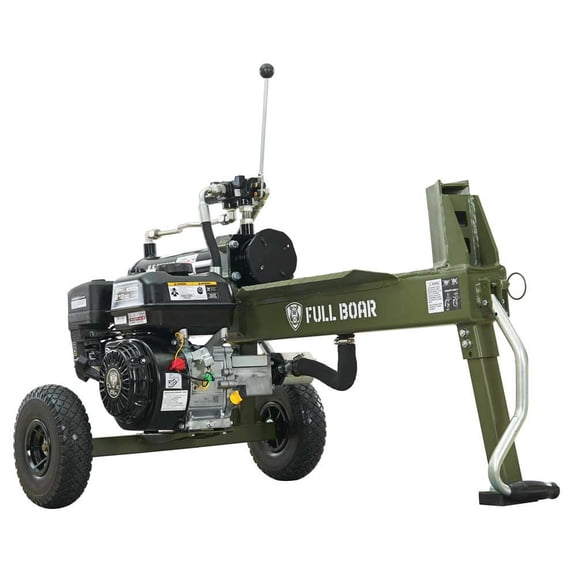
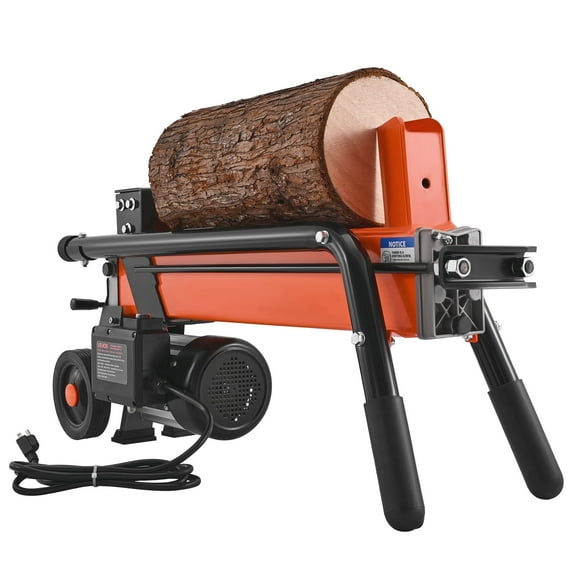
You should start with power source because it shapes where and how you split. You can use gas log splitters for outdoor mobility, while electric log splitters suit garages, sheds, and outlet-ready spaces.
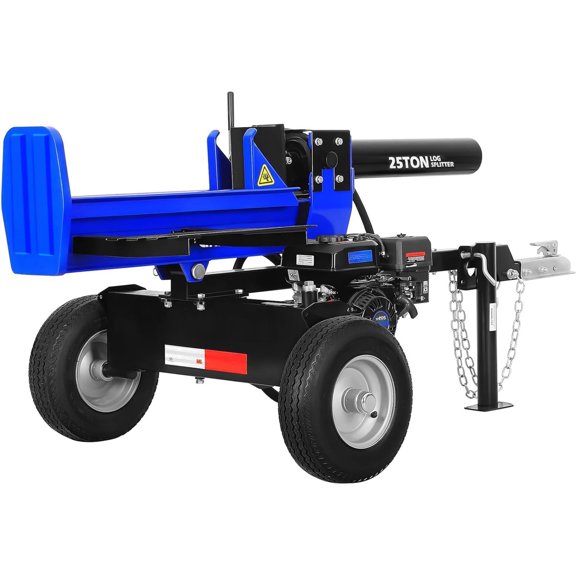
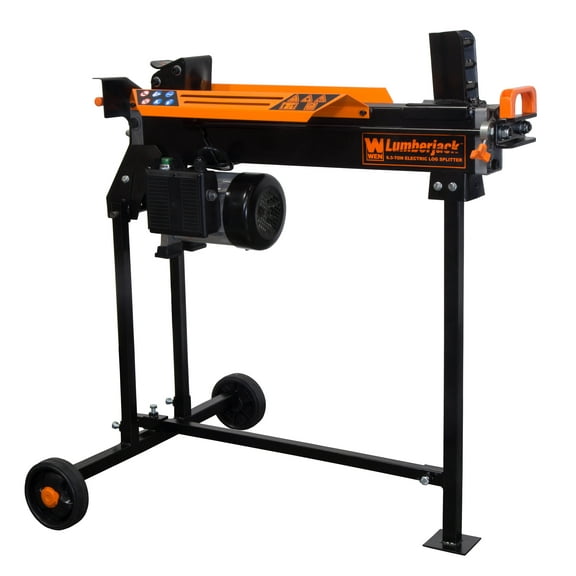
When you compare gas models, you should look for high output and tow-ready designs for larger properties. When you compare electric models, you can expect quiet operation and simple startup for regular home firewood tasks.
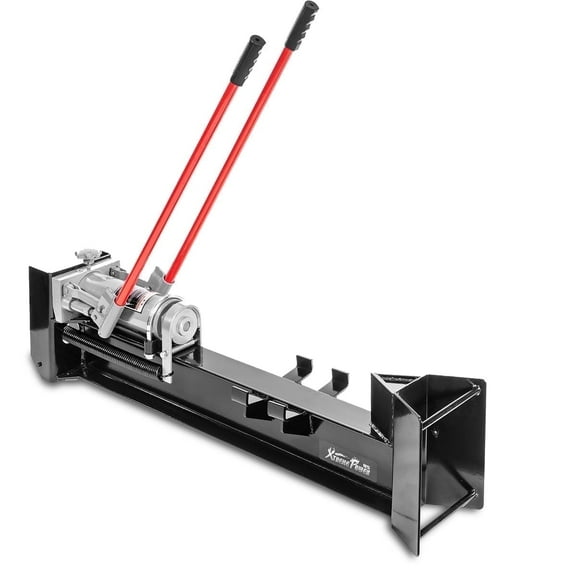
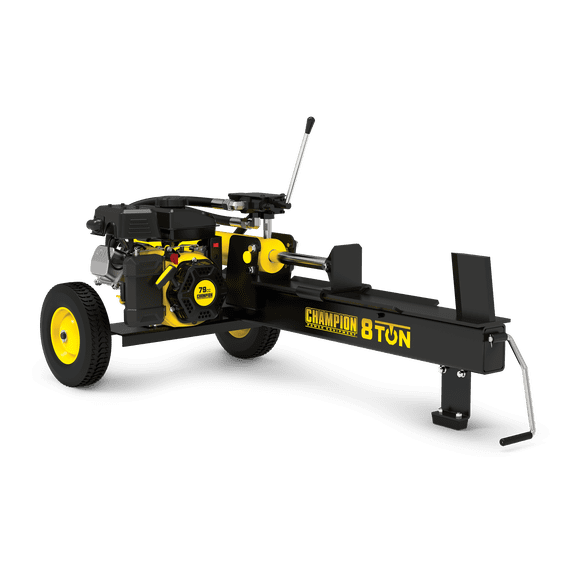
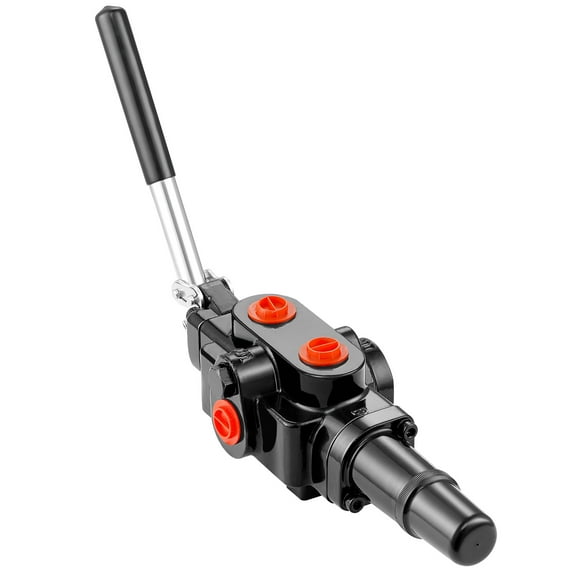
If you want a simple tool, you may consider manual log splitters for small batches and kindling prep. If you want pressure-driven performance, you can compare hydraulic log splitters across several tonnage levels.
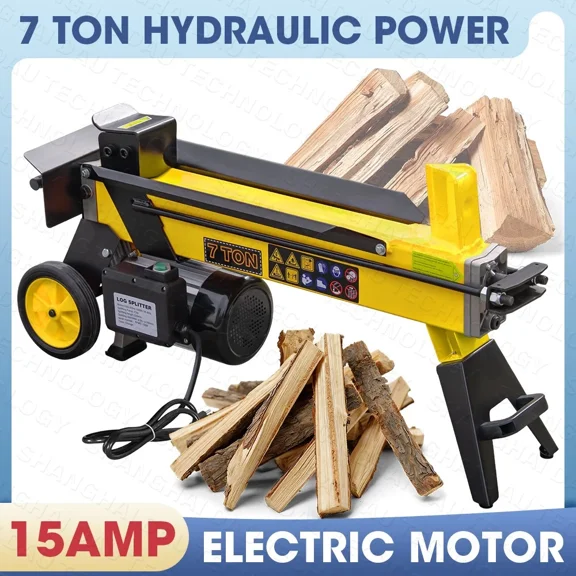
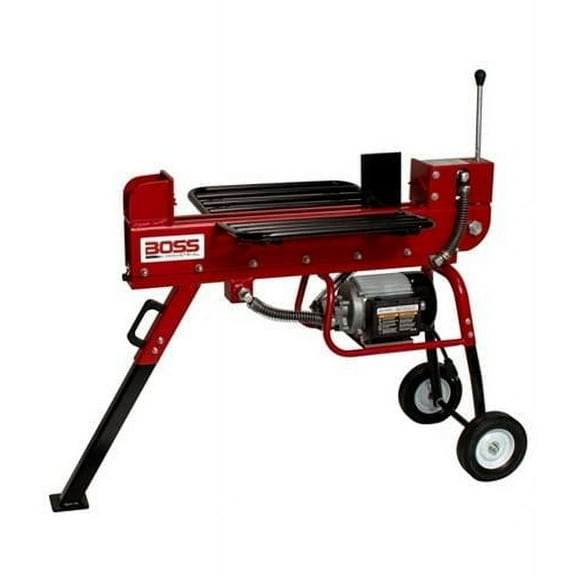
- You can handle routine firewood prep with electric units that fit smaller stacks and outlet-access spaces.
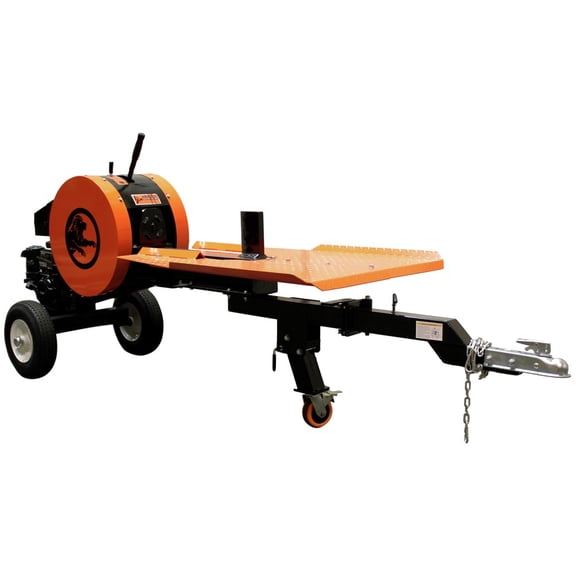
- You can tackle dense rounds and off-grid work with gas units that move easily around larger yards.
- You can keep splitting flexible with manual or hydraulic designs that match lighter jobs or varied wood sizes.
Understanding tonnage in log splitters
You should compare tonnage ratings because they tell you how much splitting force a machine delivers. You can often start around five tons for lighter softwood and move upward for denser hardwood.
If you split pine, cedar, or other softer species, you may find five-ton or 10-ton units practical. If you split oak, hickory, or maple, you should consider 20-ton, 25-ton, or 30-ton-plus options.
You also need to think about log diameter, grain, and moisture, because stubborn rounds demand more force. You can avoid guesswork when your tonnage matches the density and size of your usual wood supply.
Cycle time matters too, because you want each split to move at a pace that fits your workload. You should compare the seconds per cycle when you process long weekend piles or frequent heating-season stacks.
Choosing horizontal, vertical, or dual-position wood splitters
You should compare splitting position based on the size and weight of your logs. You can use horizontal models for manageable rounds that you can lift onto the beam.
If you work with larger, heavier rounds, you may prefer vertical operation to reduce repeated lifting. You can split bulky logs closer to the ground, which helps you keep the workflow moving.
Dual-position wood splitters give you added flexibility when your pile includes mixed sizes. You can switch approaches as your material changes from smaller branches to thick trunk sections.
You should also check beam height and overall layout because comfort matters during long sessions. You can keep your pace steady when the splitter position matches your strength and the size of each round.
Comparing portability and storage needs
You should think about where you split and where you store your machine between jobs. You can choose towable models for acreage, wheeled designs for moving around a shed, or hand-carried options for compact storage.
Portable log splitters make sense when you move between the woodpile, the driveway, and the stack area. You can cut down on back-and-forth hauling when the machine travels with your workflow.
If your space is limited, you should measure doorways, corners, and floor space before you choose. You can avoid storage headaches when your splitter fits your garage, barn, or equipment area.
Matching log splitters to your wood-cutting routine
You may need a different setup depending on how often you split and how much wood you process. You can pair electric units with smaller weekly batches, while gas units suit larger seasonal sessions.
If you maintain a fireplace or stove through colder months, you should focus on tonnage and cycle time first. You can keep your firewood supply consistent when your splitter handles repeated loads without slowing your pace.
You might also coordinate your setup with chainsaws, trailers, and outdoor power equipment accessories during cleanup days. You can build an efficient routine when your splitter matches the rest of your yard and woodlot tools.
Commercial log splitters may suit demanding properties or frequent large-volume splitting throughout the season. You should compare force, position options, and portability carefully when your workload stays heavy.
You can choose log splitters with confidence when you compare power source, tonnage, position, and mobility together. Your final choice should fit your wood type, your space, and the speed you want from every splitting session.