










Living Room Furniture
Complete your living room
More ways to shop
Only at Walmart


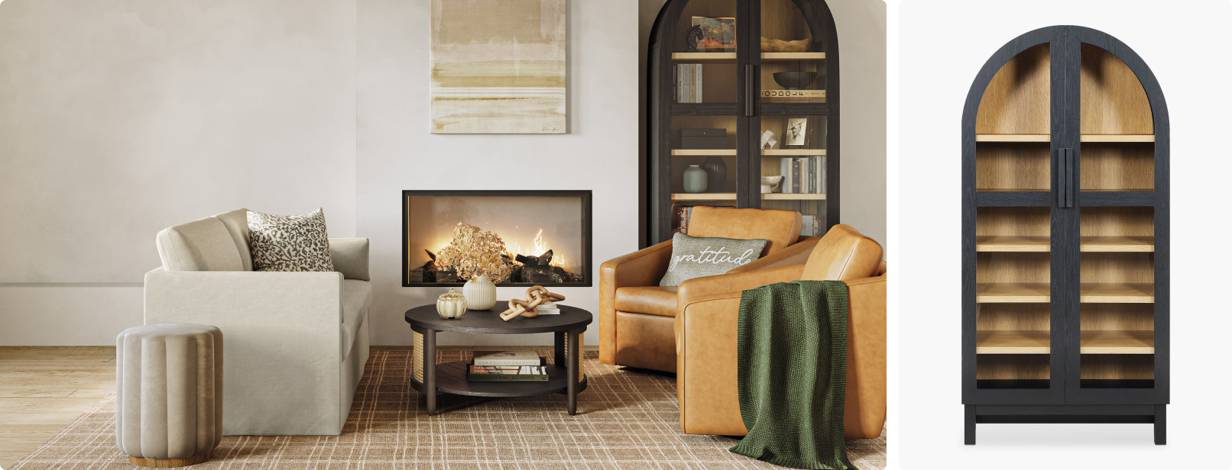
Designing made easy
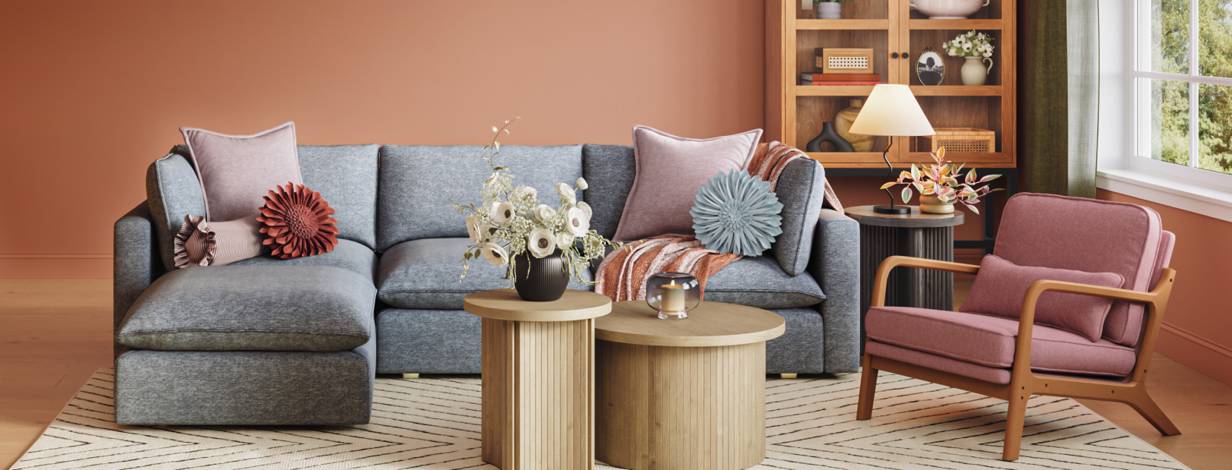
Mix and match sofas, coffee tables & more to create your dream living roomStart designingMore ways to shop


About Living Room Furniture - Walmart.com
Create a Living Room That Shows Off Your Personality and Tastes
When furnishing a home, especially the living room, the first pieces a lot of people often obtain are inexpensive or secondhand items bought from someone else or received from a friend or relative. When you decide it's time to choose new pieces for your home, Walmart can help with everyday low prices. To get things started, make sure you have an idea of what you need, such as how much space you have and where you want the pieces to go. You might want to consider if you want a particular style of furniture or mix-and-match pieces based on what you see available. Save money while you're at it with our low prices on everything, including big-ticket items like living room furniture.
Sofas, loveseats, sectionals, and futons
Depending on the size of your living room, the sofa you choose will likely be the biggest piece of furniture in the room, especially if you choose a sectional. If you have a smaller living room, such as in a condominium or apartment, you may only have room for a loveseat or futon.
- Sofa: Depending on the size, sofas allow seating for two to four people. Sofas can range between around 30 inches and more than 110 inches wide--with most being between 50 and 80 inches wide--and are upholstered in materials like leather, faux-leather, linen, or microfiber. If you have frequent overnight guests or just want to have another sleeping option, you can choose a sofa sleeper.
- Loveseat: For large living rooms, you can have both a sofa and a loveseat in the room. However, if your space is smaller, you may want to consider a loveseat as your primary piece. These are made from the same types of material as sofas. Loveseats seat two average-size people or three smaller people, such as kids, and are usually between 30 and 89 inches long in a multitude of colors.
- Sectional: If you have a lot of space in your living room, a sectional can be a great piece to have. Sectionals seat four people, six or more, and some even double as recliners on one end or both. Most recliners are in an "L" shape, but some have rounded backs in more of a "C" shape. Sectionals also come in a variety of coverings, such as linen, leather, faux-leather, bonded leather, or microfiber. The minimum size for a sectional is 60 inches, and these can be more than 100 inches too.
- Futon: These are like smaller versions of sleeper sofas, serving as a loveseat or bed depending on your needs. A futon has a single twin-size mattress that turns into the bottom and back of the futon when rearranged.
Recliners and chairs
In conjunction with a loveseat or sofa, you may want to add a chair or two into the mix. These can be recliners or accent chairs.
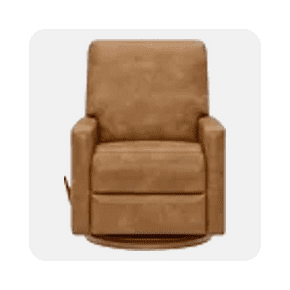
- Recliners: These are deep, usually plush chairs that have backs that recline and legs that extend out, allowing you to lay almost flat in the chair. The materials are the same as the other furniture you can choose for the living room to allow you to match pieces or choose your favorite upholstery, and some have heating and massaging capabilities. There are even recliners that have power lift technology, which assists people who have difficulty getting up or sitting down.
- Accent chairs: These chairs run the gamut of styles, including armchairs and armless chairs in many styles like contemporary, modern, and mid-century. Chairs, including recliners, are typically categorized by how wide the seating area is, and living room chairs range from 15 inches or less (ideal for little ones) to 36 inches or more.
Accent tables
To go with the seating choices you have made, you also need a table or two in your living room as well. These can be coffee tables, end tables, and console tables.
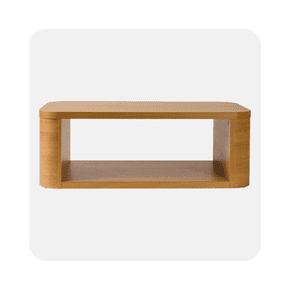
- Coffee tables: These tables do more than allow you to rest coffee cups on them. They're usually set in front of a sofa or sectional and have storage area--open, closed, or both--beneath the top. These tables take many shapes but are usually rectangular.
- End tables: End tables sit next to sofas, loveseats, and chairs and are good places for table lamps to rest. End tables also have storage space and some also have a drawer for storage.
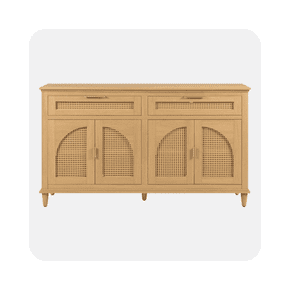
- Console tables: These are tall narrow tables that go behind a sofa or along a wall. Some just have a tabletop, and some have shelving underneath.
Other living room furniture
Once you have the main pieces, there are peripheral pieces you may want to add to complete your living room layout.
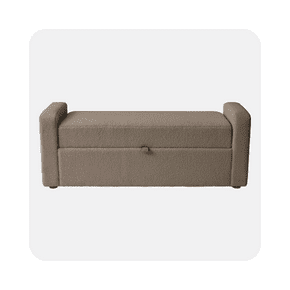
- Ottomans: These are square, circular, or rectangular pieces of furniture that you can use as an extra seat or as a footrest. Many also have storage space that you access through a lid on the top.
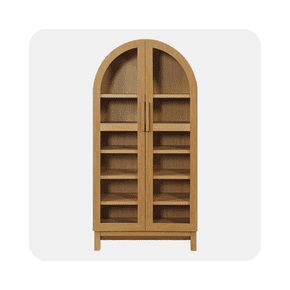
- Bookcases: Bookcases allow you to store books or other media like DVDs and Blu-ray discs or items that you want to display like knickknacks.
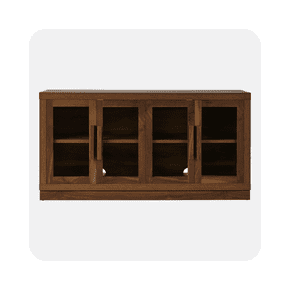
- TV stands and entertainment centers: If you have a television or stereo system you want to have in the living room, you can place these appliances in an entertainment center or TV stand in a central location and arrange your seating around it.