




Juices
Shop Juice by type
Only at Walmart
bettergoods Organic Red Fruit Juice Blend, 32 fl oz $4.56 14.3 ¢/fl oz
 $456current price $4.5614.3 ¢/fl oz
bettergoods Organic Red Fruit Juice Blend, 32 fl oz
1334.7 out of 5 Stars. 133 reviewsSave with Shipping, arrives tomorrowSNAP EBT eligible
bettergoods Organic Cinnamon Apple & Ginger Juice Blend, 32 fl oz $3.94 12.3 ¢/fl oz
 $394current price $3.9412.3 ¢/fl oz
bettergoods Organic Cinnamon Apple & Ginger Juice Blend, 32 fl oz
2544.6 out of 5 Stars. 254 reviewsSave withPickup todayDelivery todayShipping, arrives tomorrowSNAP EBT eligiblebettergoods Organic 42% Fruit Punch Drink, 6.75 fl oz, 8 Count $3.48
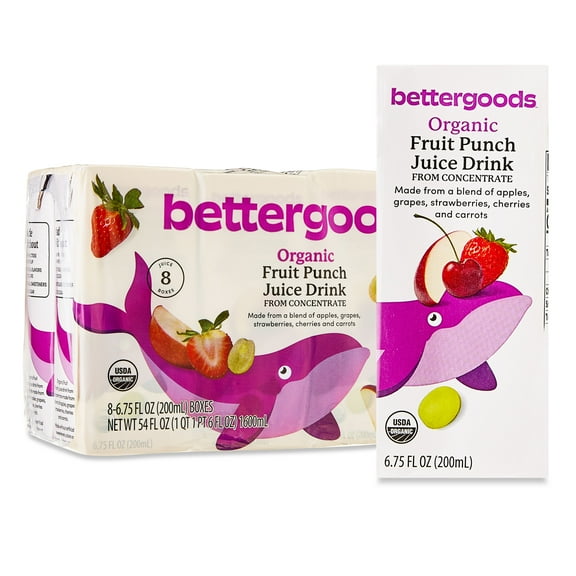 3 optionsAvailable in additional 3 options$348current price $3.48Options from $3.48 – $17.40
bettergoods Organic 42% Fruit Punch Drink, 6.75 fl oz, 8 Count
1184.5 out of 5 Stars. 118 reviewsSave withPickup todayDelivery todayShipping, arrives tomorrowSNAP EBT eligibleRollback Great Value 100% Orange Juice from Concentrate, No Pulp, 64 fl oz $4.27 Was $4.97
Rollback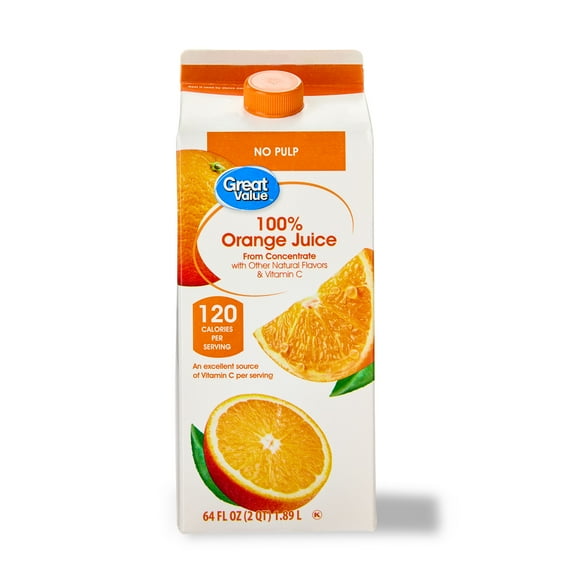 2 optionsAvailable in additional 2 optionsNow$427current price Now $4.27, Was $4.97$4.97
Great Value 100% Orange Juice from Concentrate, No Pulp, 64 fl oz
5424.4 out of 5 Stars. 542 reviewsSave withPickup todayDelivery todaySNAP EBT eligibleRollback Great Value 100% Orange Juice from Concentrate, No Pulp, 89 fl oz $5.47 Was $6.92
Rollback 2 optionsAvailable in additional 2 optionsNow$547current price Now $5.47, Was $6.92$6.92
Great Value 100% Orange Juice from Concentrate, No Pulp, 89 fl oz
60414.5 out of 5 Stars. 6041 reviewsSave withPickup todayDelivery todaySNAP EBT eligibleBest seller Great Value 100% Apple Juice, 96 fl oz $3.24
Best seller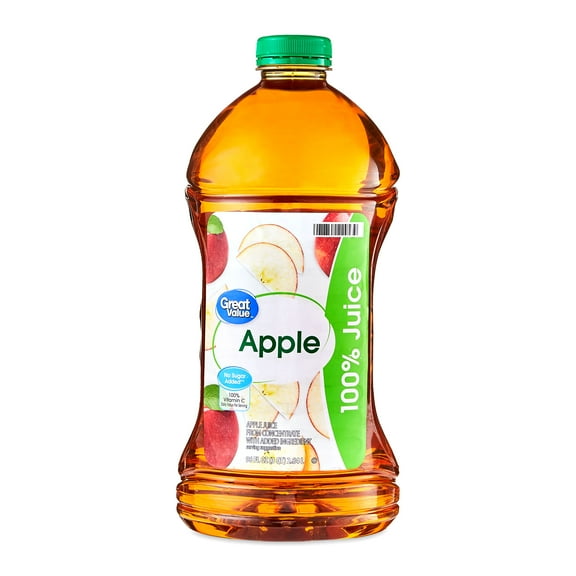 2 optionsAvailable in additional 2 options$324current price $3.24Options from $3.24 – $6.48
Great Value 100% Apple Juice, 96 fl oz
217584.7 out of 5 Stars. 21758 reviewsSave withPickup todayDelivery todaySNAP EBT eligibleBest seller Great Value No Added Sweeteners 100% Apple Juice, 64 fl oz $2.27
Best seller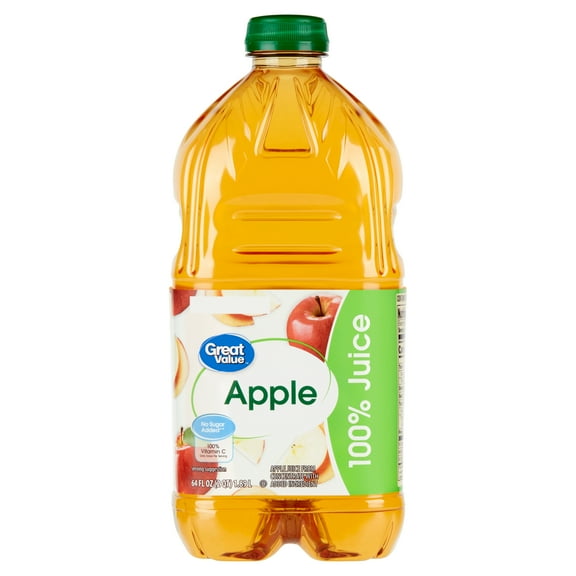 2 optionsAvailable in additional 2 options$227current price $2.27Options from $2.27 – $9.08
Great Value No Added Sweeteners 100% Apple Juice, 64 fl oz
81944.7 out of 5 Stars. 8194 reviewsSave withPickup todayDelivery todaySNAP EBT eligibleGreat Value Cranberry Juice Cocktail, 64 fl oz $2.97 4.6 ¢/fl oz
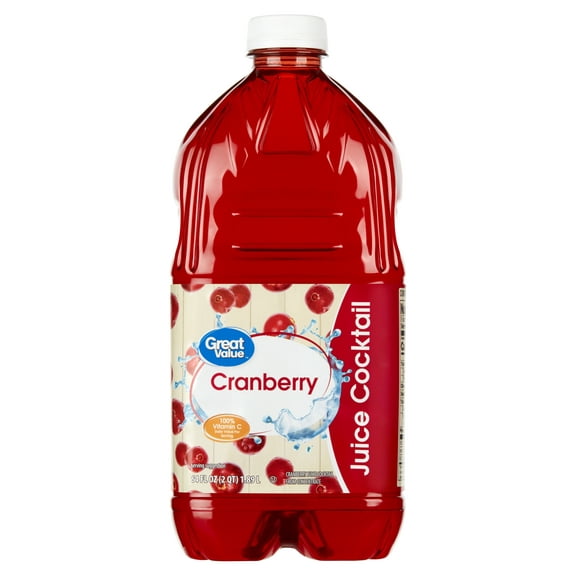 $297current price $2.974.6 ¢/fl oz
Great Value Cranberry Juice Cocktail, 64 fl oz
14044.6 out of 5 Stars. 1404 reviewsSave withPickup todayDelivery todaySNAP EBT eligibleRollback Great Value 100% Cranberry Pomegranate Juice, 64 fl oz $3.46 Was $4.17
Rollback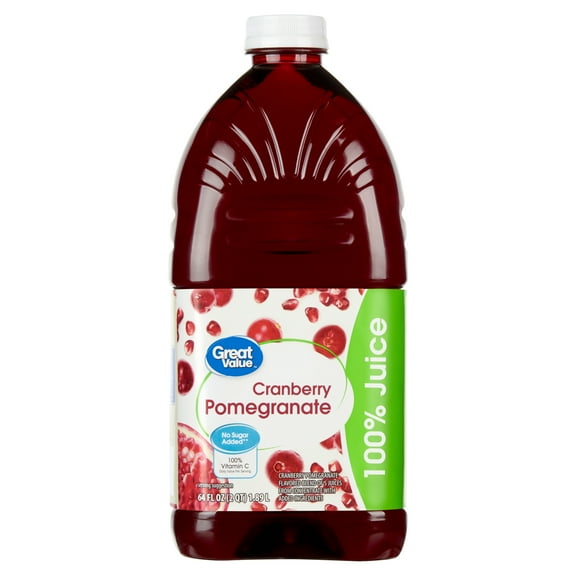 2 optionsAvailable in additional 2 optionsNow$346current price Now $3.46, Was $4.17$4.17Options from $3.46 – $13.84
Great Value 100% Cranberry Pomegranate Juice, 64 fl oz
4474.6 out of 5 Stars. 447 reviewsSave withPickup todayDelivery todaySNAP EBT eligibleGreat Value Ruby Red Grapefruit Juice, 64 fl oz $3.12
 3 optionsAvailable in additional 3 options$312current price $3.12
Great Value Ruby Red Grapefruit Juice, 64 fl oz
10244.5 out of 5 Stars. 1024 reviewsSave withPickup todayDelivery todaySNAP EBT eligiblebettergoods Organic Strawberry Kiwi Juice Drink, 6.75 fl oz , 8 Count $3.48
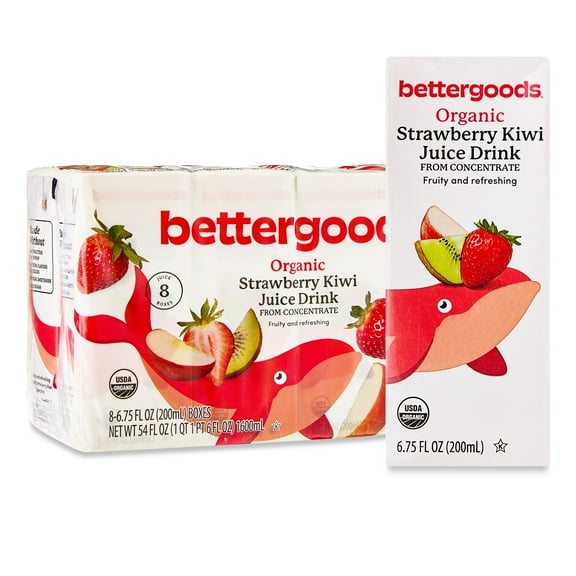 3 optionsAvailable in additional 3 options$348current price $3.48Options from $3.48 – $17.40
bettergoods Organic Strawberry Kiwi Juice Drink, 6.75 fl oz , 8 Count
584.4 out of 5 Stars. 58 reviewsSave withPickup todayDelivery todayShipping, arrives tomorrowSNAP EBT eligible
Shop by brand
Stock up your fridge & save
Best seller Capri Sun Fruit Punch flavored Juice Drink Blend, 30 ct Box, 6 fl oz Pouches $9.47 5.3 ¢/fl oz
Best seller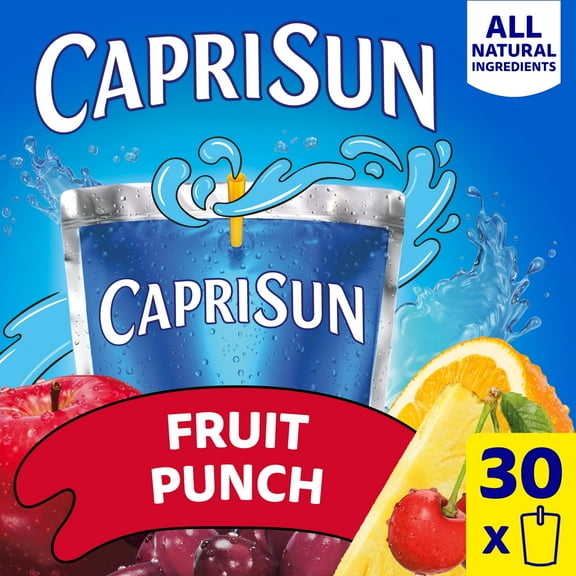 $947current price $9.475.3 ¢/fl oz
Capri Sun Fruit Punch flavored Juice Drink Blend, 30 ct Box, 6 fl oz Pouches
29414.7 out of 5 Stars. 2941 reviewsSave withPickup todayDelivery todayShipping, arrives tomorrowSNAP EBT eligibleBest seller Capri Sun Fruit Punch, Strawberry Kiwi and Pacific Cooler Flavored Juice Drink Blend Variety Pack, 30 ct Box, 6 fl oz Pouches $9.47 5.3 ¢/fl oz
Best seller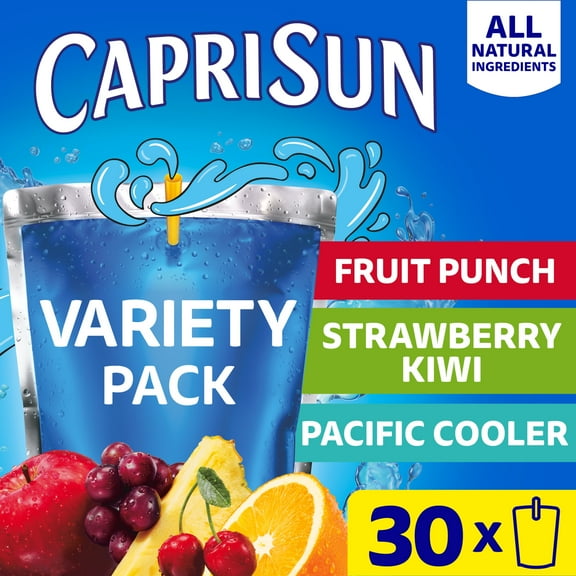 $947current price $9.475.3 ¢/fl oz
Capri Sun Fruit Punch, Strawberry Kiwi and Pacific Cooler Flavored Juice Drink Blend Variety Pack, 30 ct Box, 6 fl oz Pouches
151354.7 out of 5 Stars. 15135 reviewsSave withPickup todayDelivery todayShipping, arrives tomorrowSNAP EBT eligibleCapri Sun Strawberry Kiwi Naturally Flavored with other natural flavor Juice Drink Blend, 30 ct Box, 6 fl oz Pouches $9.47
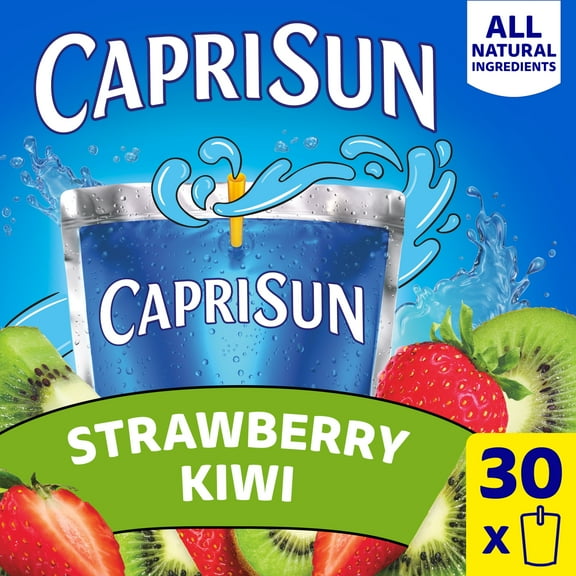 $947current price $9.47Options from $9.47 – $28.41
Capri Sun Strawberry Kiwi Naturally Flavored with other natural flavor Juice Drink Blend, 30 ct Box, 6 fl oz Pouches
41074.7 out of 5 Stars. 4107 reviewsSave withPickup todayDelivery todayShipping, arrives tomorrowSNAP EBT eligibleBest seller Kool-Aid Jammers Tropical Punch, Grape & Cherry Flavored 0% Juice Drink Variety Pack, 30 ct Box, 6 fl oz Pouches $8.27
Best seller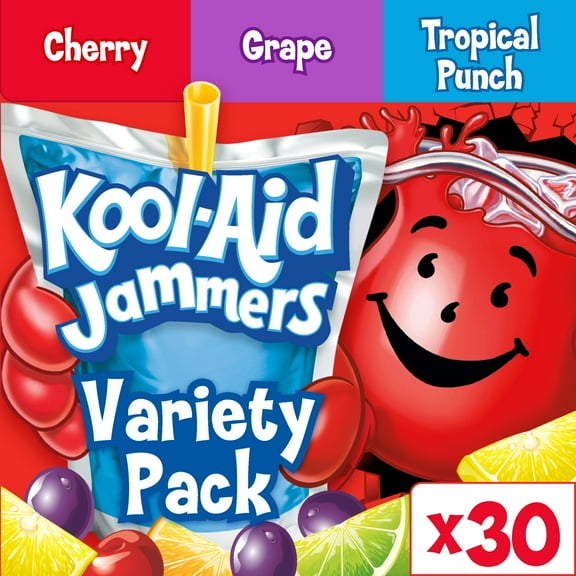 $827current price $8.27
Kool-Aid Jammers Tropical Punch, Grape & Cherry Flavored 0% Juice Drink Variety Pack, 30 ct Box, 6 fl oz Pouches
71084.6 out of 5 Stars. 7108 reviewsSave withPickup todayDelivery todayShipping, arrives tomorrowSNAP EBT eligibleBest seller Juicy Juice 100% Juice, Shelf Stable Juice Box Variety Pack, 32 Count, 6.75 fl oz Boxes $11.98 5.5 ¢/fl oz
Best seller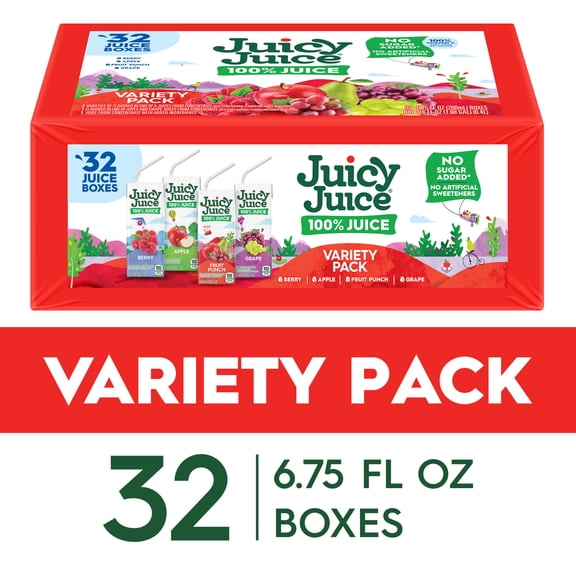 $1198current price $11.985.5 ¢/fl oz
Juicy Juice 100% Juice, Shelf Stable Juice Box Variety Pack, 32 Count, 6.75 fl oz Boxes
37994.7 out of 5 Stars. 3799 reviewsSave withPickup todayDelivery todayShipping, arrives tomorrowSNAP EBT eligibleLittle HUG Fruit Barrels, Tropical, Shelf Stable Kids Drinks Variety Pack, 20 Count, 8 fl oz Bottles $3.98 2.5 ¢/fl oz
 $398current price $3.982.5 ¢/fl oz
Little HUG Fruit Barrels, Tropical, Shelf Stable Kids Drinks Variety Pack, 20 Count, 8 fl oz Bottles
7544.5 out of 5 Stars. 754 reviewsSave withPickup todayDelivery todaySNAP EBT eligibleApple & Eve 100% Juice Drink, Variety Pack, 6.75 Fl Oz, 32 Count $26.00 12.0 ¢/fl oz
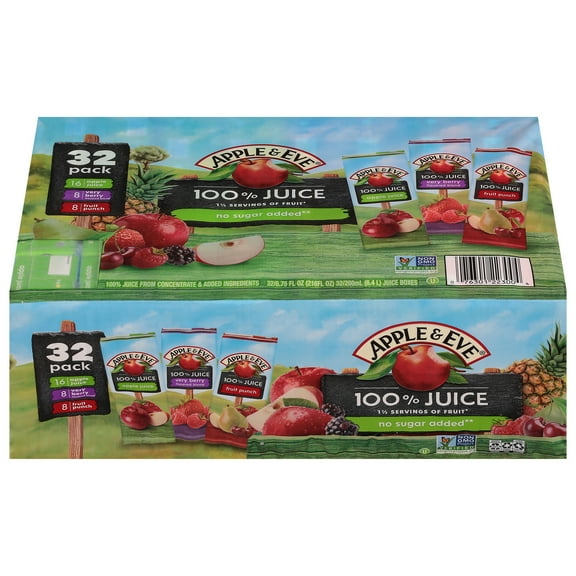 $2600current price $26.0012.0 ¢/fl oz
Apple & Eve 100% Juice Drink, Variety Pack, 6.75 Fl Oz, 32 Count
16904.6 out of 5 Stars. 1690 reviewsSave withPickup todayDelivery todayShipping, arrives tomorrowSNAP EBT eligibleMott's 100% Apple Juice Variety Pack, 6.75 fl oz, 32 Count Boxes $11.98
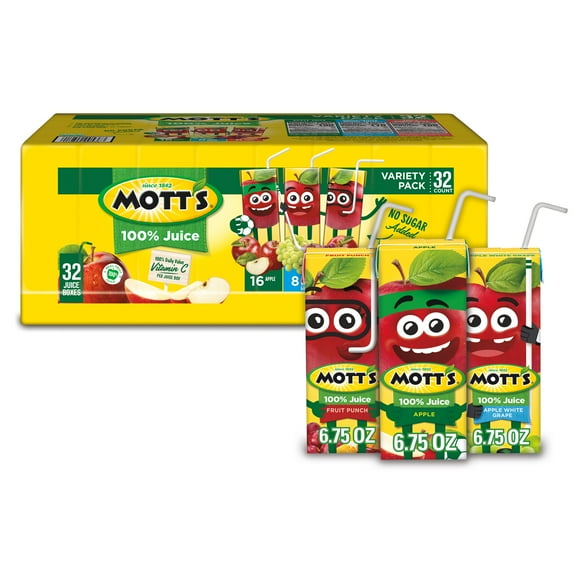 $1198current price $11.98
Mott's 100% Apple Juice Variety Pack, 6.75 fl oz, 32 Count Boxes
2664.6 out of 5 Stars. 266 reviewsSave withPickup todayDelivery todayShipping, arrives tomorrowSNAP EBT eligibleHonest Kids Organic Fruit Juice Drink Boxes, Assorted Flavors (6 oz., 40 ct.) $27.99
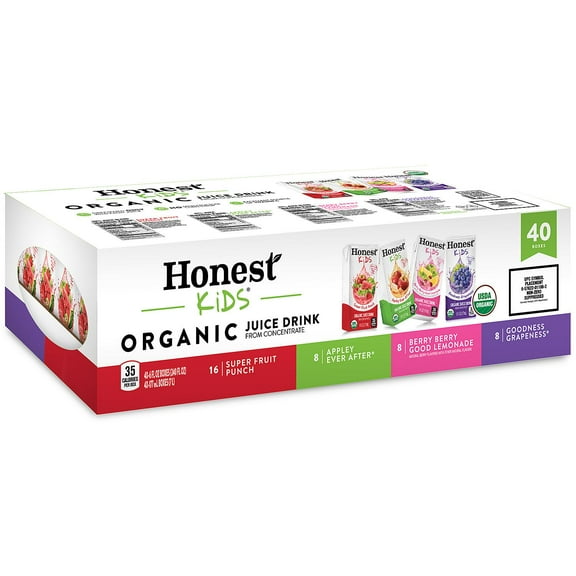 $2799current price $27.99
Honest Kids Organic Fruit Juice Drink Boxes, Assorted Flavors (6 oz., 40 ct.)
16694.6 out of 5 Stars. 1669 reviewsShipping, arrives in 3+ daysWelch's Tropical Drink Juice Variety Pack, 10 Fluid Ounce (Pack of 24) $38.46
 $3846current price $38.46
Welch's Tropical Drink Juice Variety Pack, 10 Fluid Ounce (Pack of 24)
3624.7 out of 5 Stars. 362 reviewsShipping, arrives in 3+ daysOcean Spray Juice Beverage Variety Pack - 18/10 Ounce $31.75
 $3175current price $31.75
Ocean Spray Juice Beverage Variety Pack - 18/10 Ounce
23594.8 out of 5 Stars. 2359 reviewsShipping, arrives in 3+ daysBest seller SUNNYD Tangy Original Shelf Stable Orange Juice Drink, 18 Count, 6.75 fl oz Bottles $6.54
Best seller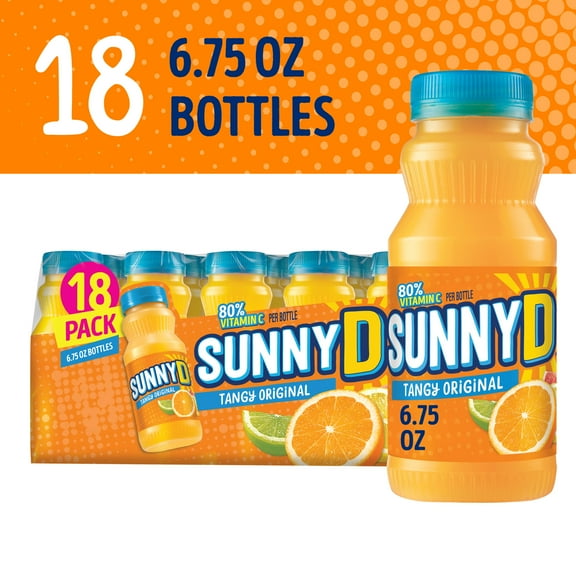 2 optionsAvailable in additional 2 options$654current price $6.54Options from $6.54 – $19.62
SUNNYD Tangy Original Shelf Stable Orange Juice Drink, 18 Count, 6.75 fl oz Bottles
86504.7 out of 5 Stars. 8650 reviewsSave withPickup todayDelivery todayShipping, arrives tomorrowSNAP EBT eligible
Smart options
Refreshing juices, no added sugars
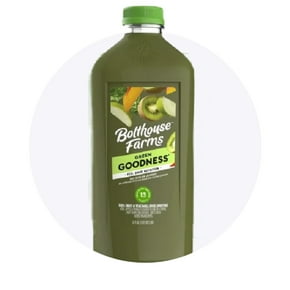
Bolthouse Farms Fruit Juice Smoothie, Green Goodness, 52 fl. oz. Bottle $6.97
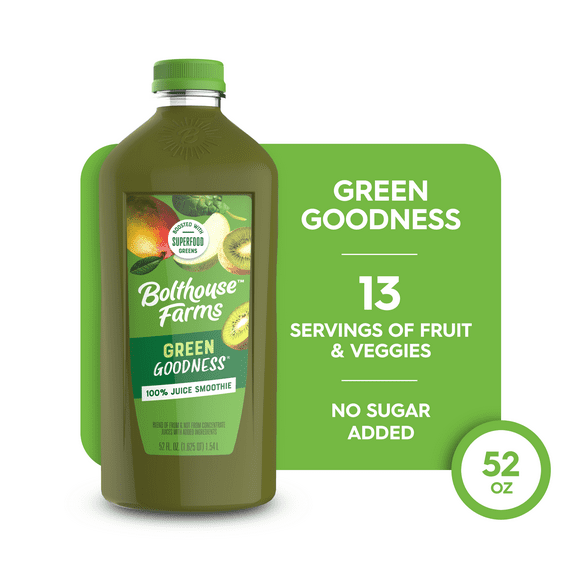 3 optionsAvailable in additional 3 options$697current price $6.97
Bolthouse Farms Fruit Juice Smoothie, Green Goodness, 52 fl. oz. Bottle
Save withPickup todayDelivery todaySNAP EBT eligibleBest seller Ocean Spray® 100% Juice Cranberry Juice Blend, 64 fl oz Bottle $3.97
Best seller 3 optionsAvailable in additional 3 options$397current price $3.97Options from $3.97 – $30.17
Ocean Spray® 100% Juice Cranberry Juice Blend, 64 fl oz Bottle
34064.6 out of 5 Stars. 3406 reviewsSave withPickup todayDelivery todaySNAP EBT eligibleBest seller Minute Maid Zero Sugar Fruit Punch Juice, 52 fl oz Bottle $2.88
Best seller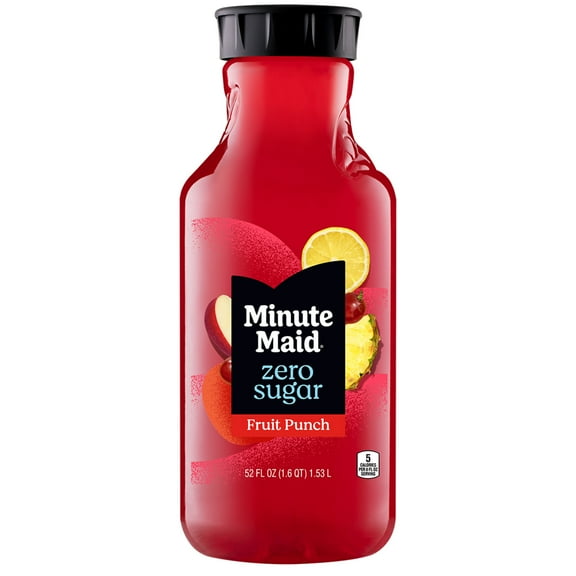 2 optionsAvailable in additional 2 options$288current price $2.88
Minute Maid Zero Sugar Fruit Punch Juice, 52 fl oz Bottle
23404.6 out of 5 Stars. 2340 reviewsSave withPickup todayDelivery todaySNAP EBT eligibleBest seller Minute Maid Zero Sugar Mango Passion Fruit Juice, 52 fl oz Bottle $2.88
Best seller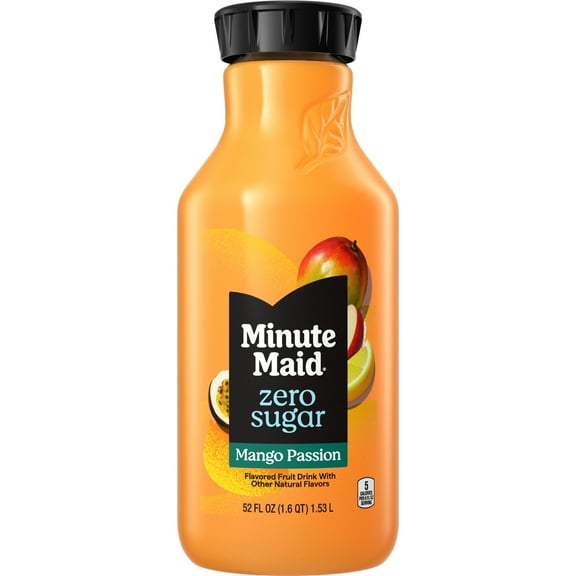 $288current price $2.88
Minute Maid Zero Sugar Mango Passion Fruit Juice, 52 fl oz Bottle
21264.7 out of 5 Stars. 2126 reviewsSave withPickup todayDelivery todaySNAP EBT eligibleOcean Spray® ZERO Sugar Mixed Berry Juice Drink, 64 fl oz Bottle $3.67
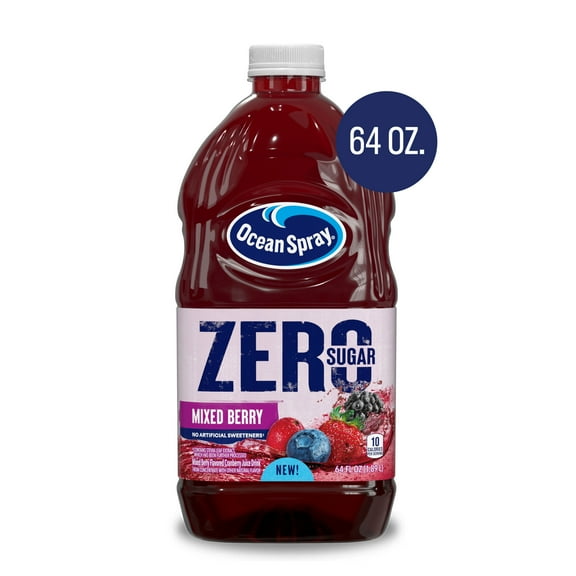 3 optionsAvailable in additional 3 options$367current price $3.67Options from $3.67 – $27.88
Ocean Spray® ZERO Sugar Mixed Berry Juice Drink, 64 fl oz Bottle
9884.5 out of 5 Stars. 988 reviewsSave withPickup todayDelivery todaySNAP EBT eligibleBest seller Honest Kids Organic Super Fruit Punch Juice, 6 fl oz, 8 Juice Boxes $4.18
Best seller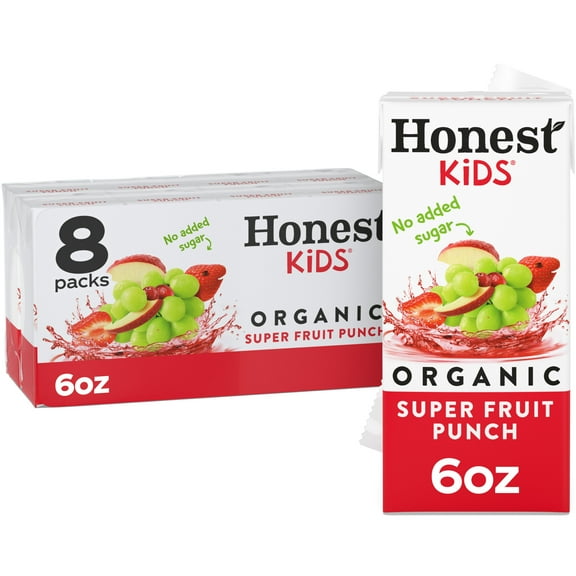 3 optionsAvailable in additional 3 options$418current price $4.18Options from $4.18 – $17.69
Honest Kids Organic Super Fruit Punch Juice, 6 fl oz, 8 Juice Boxes
6924.6 out of 5 Stars. 692 reviewsSave withPickup todayDelivery todaySNAP EBT eligibleBest seller Minute Maid Zero Sugar Pink Lemonade Juice, 52 fl oz Bottle $2.88
Best seller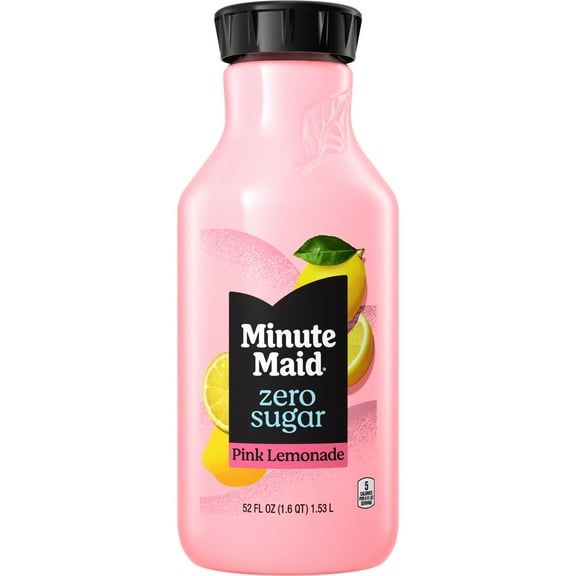 2 optionsAvailable in additional 2 options$288current price $2.88
Minute Maid Zero Sugar Pink Lemonade Juice, 52 fl oz Bottle
14834.6 out of 5 Stars. 1483 reviewsSave withPickup todayDelivery todaySNAP EBT eligibleOcean Spray® Diet Cran-Pineapple™ Cranberry Pineapple Juice Drink, 64 fl oz Bottle $3.67
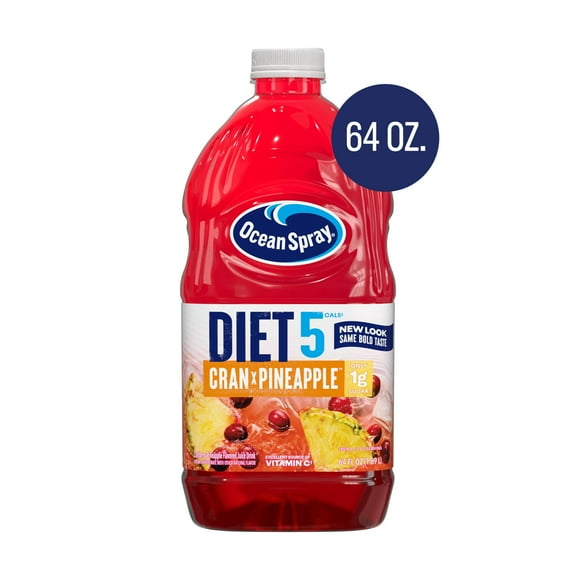 2 optionsAvailable in additional 2 options$367current price $3.67Options from $3.67 – $27.90
Ocean Spray® Diet Cran-Pineapple™ Cranberry Pineapple Juice Drink, 64 fl oz Bottle
8654.7 out of 5 Stars. 865 reviewsSave withPickup todayDelivery todaySNAP EBT eligibleGreat Value Zero-Sugar Cranberry Cocktail, 64 fl oz $2.64
 3 optionsAvailable in additional 3 options$264current price $2.64Options from $2.64 – $20.06
Great Value Zero-Sugar Cranberry Cocktail, 64 fl oz
9944.6 out of 5 Stars. 994 reviewsSave withPickup todayDelivery todaySNAP EBT eligible
Sip on fall flavors
Great Value 100% Fresh-Pressed Spiced Apple Cider, 64 fl oz $3.12
 2 optionsAvailable in additional 2 options$312current price $3.12Options from $3.12 – $12.48
Great Value 100% Fresh-Pressed Spiced Apple Cider, 64 fl oz
1814 out of 5 Stars. 181 reviewsSave withPickup todayDelivery todaySNAP EBT eligibleMusselman's Fresh Pressed 100% Apple Cider, 128 Fl. Oz. $7.18 5.6 ¢/fl oz
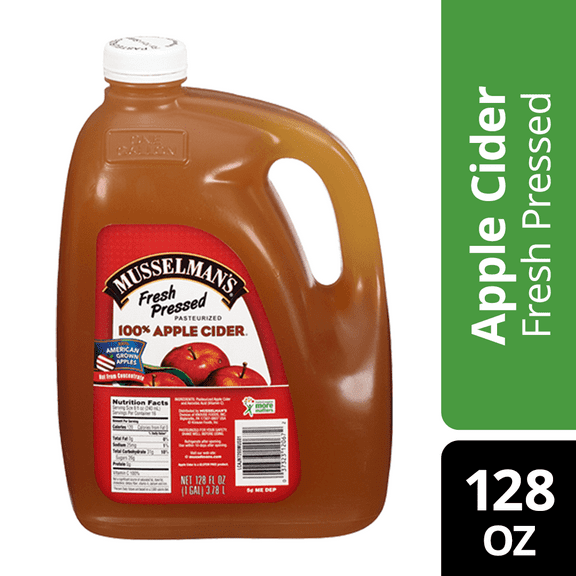 $718current price $7.185.6 ¢/fl oz
Musselman's Fresh Pressed 100% Apple Cider, 128 Fl. Oz.
12454.3 out of 5 Stars. 1245 reviewsSave withPickup todayDelivery todayShipping, arrives tomorrowSNAP EBT eligibleBest seller Great Value Organic Honeycrisp Style Apple Juice, 64 fl oz $3.72
Best seller 2 optionsAvailable in additional 2 options$372current price $3.72
Great Value Organic Honeycrisp Style Apple Juice, 64 fl oz
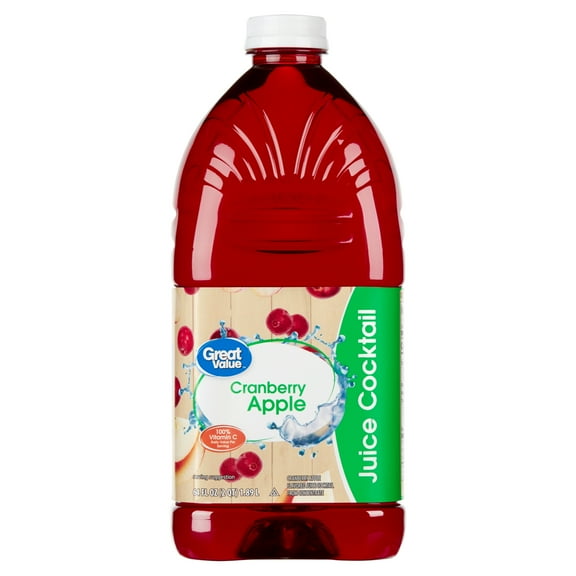
7514.7 out of 5 Stars. 751 reviewsSave withPickup todayDelivery todaySNAP EBT eligibleGreat Value Cranberry Apple Juice Cocktail, 64 fl oz $2.97 4.6 ¢/fl oz
 $297current price $2.974.6 ¢/fl oz
Great Value Cranberry Apple Juice Cocktail, 64 fl oz
8744.7 out of 5 Stars. 874 reviewsSave withPickup todayDelivery todaySNAP EBT eligiblePOM Wonderful Antioxidant Superpower 100% Pomegranate Juice, 48 fl oz $9.82
 3 optionsAvailable in additional 3 options$982current price $9.82Options from $9.82 – $29.46
POM Wonderful Antioxidant Superpower 100% Pomegranate Juice, 48 fl oz
22434.7 out of 5 Stars. 2243 reviewsSave withPickup todayDelivery todaySNAP EBT eligibleBest seller Ocean Spray® ZERO Sugar Cranberry Juice Drink, 64 fl oz Bottle $3.67
Best seller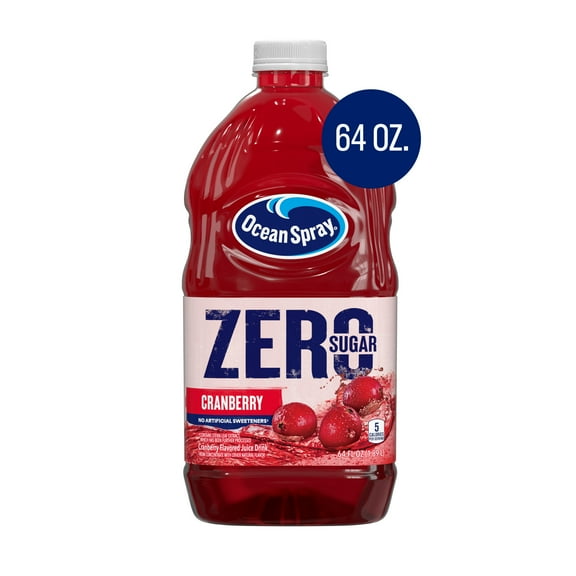 3 optionsAvailable in additional 3 options$367current price $3.67Options from $3.67 – $27.88
Ocean Spray® ZERO Sugar Cranberry Juice Drink, 64 fl oz Bottle
24234.6 out of 5 Stars. 2423 reviewsSave withPickup todayDelivery todaySNAP EBT eligibleRollback Mott's 100% Original Apple Juice, 64 Fluid Ounce, Bottle $3.00 Was $3.74
Rollback 2 optionsAvailable in additional 2 optionsNow$300current price Now $3.00, Was $3.74$3.74Options from $3.00 – $22.84
Mott's 100% Original Apple Juice, 64 Fluid Ounce, Bottle
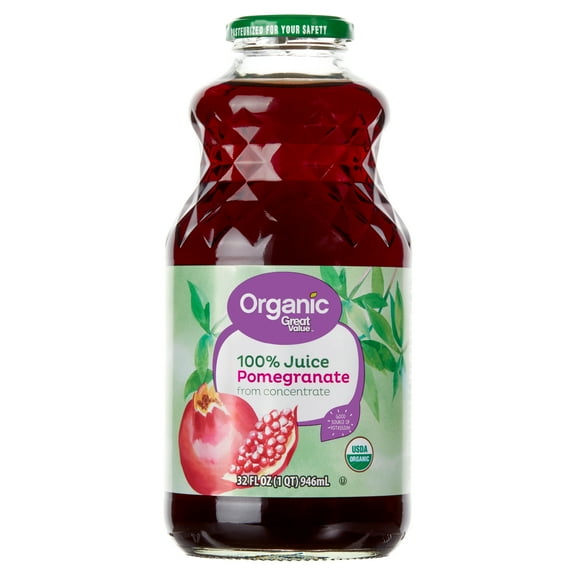
27454.7 out of 5 Stars. 2745 reviewsSave withPickup todayDelivery todaySNAP EBT eligibleGreat Value Organic Pomegranate Juice, 32 fl oz $5.68
 2 optionsAvailable in additional 2 options$568current price $5.68Options from $5.68 – $17.04
Great Value Organic Pomegranate Juice, 32 fl oz
6624 out of 5 Stars. 662 reviewsSave withPickup todayDelivery todaySNAP EBT eligibleBest seller Ocean Spray® Cranberry Juice Cocktail, 64 fl oz Bottle $3.67 5.7 ¢/fl oz
Best seller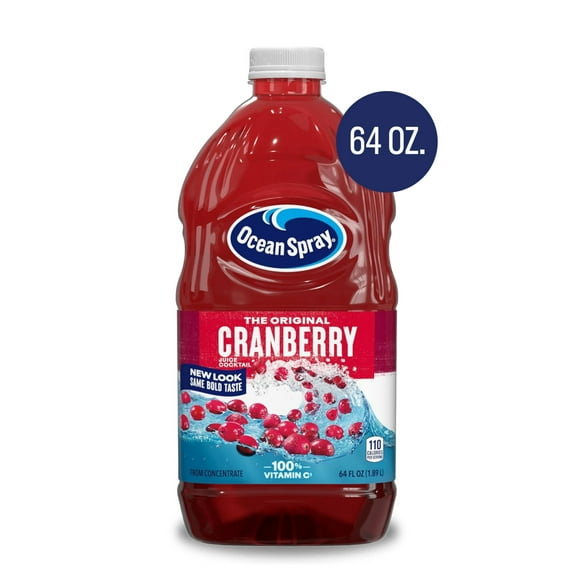 $367current price $3.675.7 ¢/fl oz
Ocean Spray® Cranberry Juice Cocktail, 64 fl oz Bottle
30054.7 out of 5 Stars. 3005 reviewsSave withPickup todayDelivery todaySNAP EBT eligibleGreat Value 100% Cranberry Juice, 96 fl oz $4.78
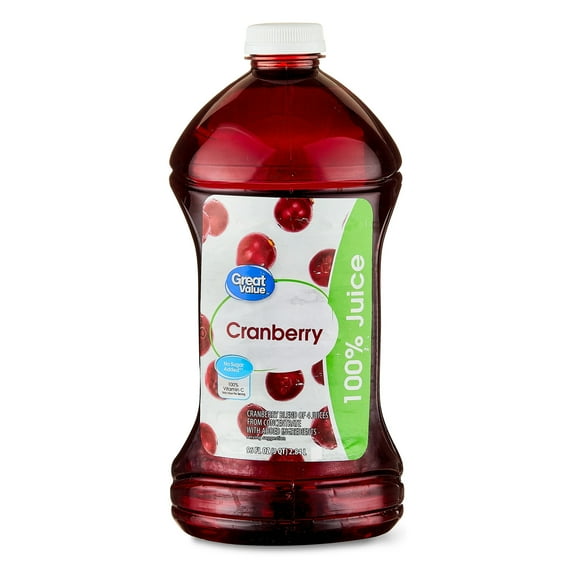 2 optionsAvailable in additional 2 options$478current price $4.78Options from $4.78 – $14.34
Great Value 100% Cranberry Juice, 96 fl oz
12494.6 out of 5 Stars. 1249 reviewsSave withPickup todayDelivery todaySNAP EBT eligibleMartinelli's Apple Juice, 10 fl oz Glass Bottle, 4 Count $6.47
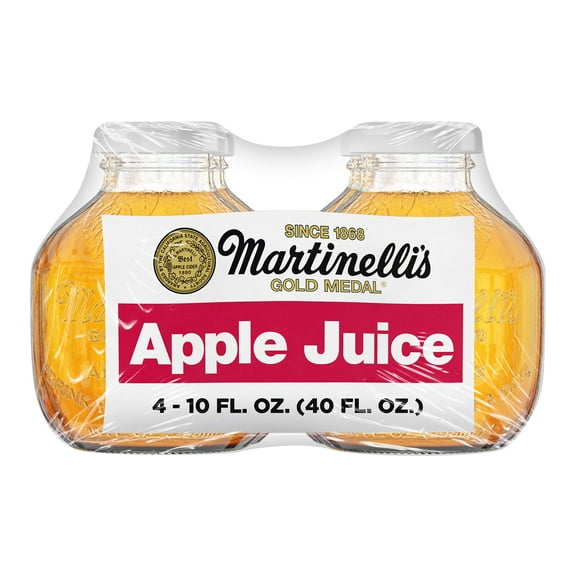 2 optionsAvailable in additional 2 options$647current price $6.47Options from $6.47 – $12.94
Martinelli's Apple Juice, 10 fl oz Glass Bottle, 4 Count
10264.7 out of 5 Stars. 1026 reviewsSave withPickup todayDelivery todayShipping, arrives tomorrowSNAP EBT eligibleMartinelli's Gold Medal 100% Apple Juice, Multi-Serve Glass Bottle, 1 Liter $4.76
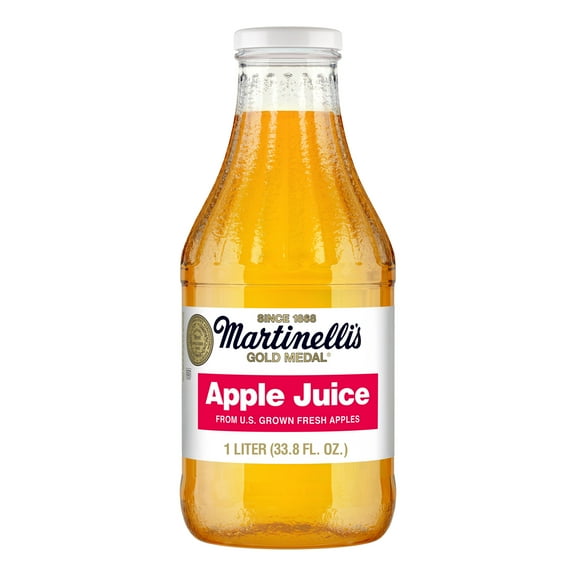 3 optionsAvailable in additional 3 options$476current price $4.76Options from $4.76 – $14.28
Martinelli's Gold Medal 100% Apple Juice, Multi-Serve Glass Bottle, 1 Liter
3984.7 out of 5 Stars. 398 reviewsSave withPickup todayDelivery todaySNAP EBT eligible
Orange Juice
Best seller Tropicana Pure Premium No Pulp Original Orange Juice 89 Oz $7.96
Best seller 2 optionsAvailable in additional 2 options$796current price $7.96
Tropicana Pure Premium No Pulp Original Orange Juice 89 Oz
108164.7 out of 5 Stars. 10816 reviewsSave withPickup todayDelivery todaySNAP EBT eligibleRollback Great Value 100% Pasteurized Orange Juice, No Pulp, Featuring Stitch, 52 fl oz $3.96 Was $4.46
Rollback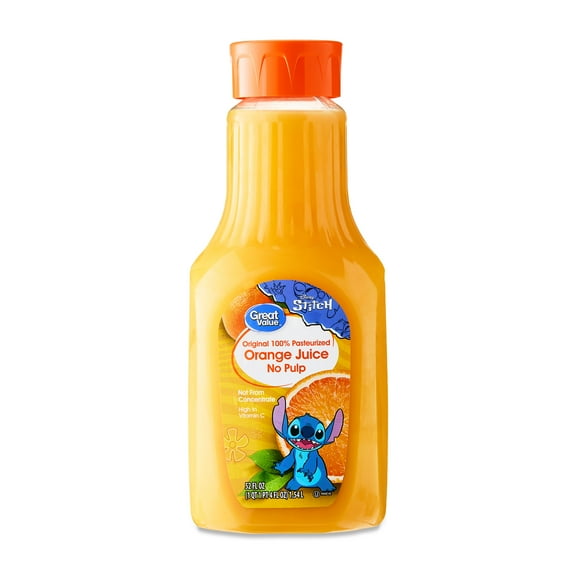 2 optionsAvailable in additional 2 optionsNow$396current price Now $3.96, Was $4.46$4.46
Great Value 100% Pasteurized Orange Juice, No Pulp, Featuring Stitch, 52 fl oz
71064.7 out of 5 Stars. 7106 reviewsSave withPickup todayDelivery todaySNAP EBT eligibleBest seller Florida's Natural Orange Juice With Pulp 52 oz $4.24 8.2 ¢/fl oz
Best seller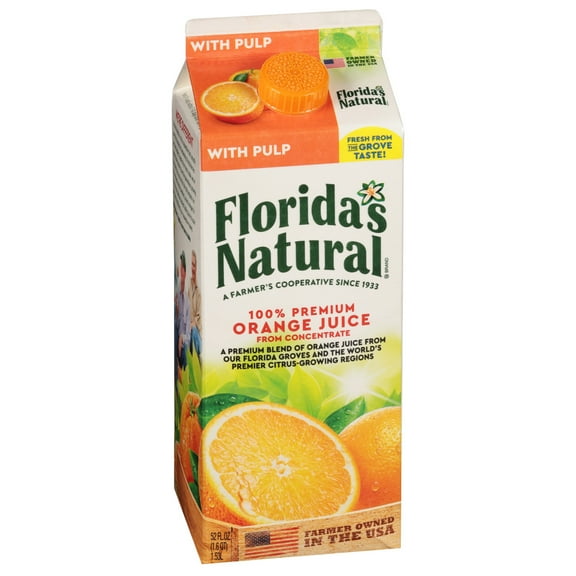 $424current price $4.248.2 ¢/fl oz
Florida's Natural Orange Juice With Pulp 52 oz
25894.7 out of 5 Stars. 2589 reviewsSave withPickup todayDelivery todaySNAP EBT eligibleBest seller Tropicana Pure Premium 100% Orange Juice, No Pulp with Calcium and Vitamin D, 89 Fl Oz Bottle $7.96
Best seller 3 optionsAvailable in additional 3 options$796current price $7.96
Tropicana Pure Premium 100% Orange Juice, No Pulp with Calcium and Vitamin D, 89 Fl Oz Bottle
35074.7 out of 5 Stars. 3507 reviewsSave withPickup todayDelivery todaySNAP EBT eligibleBest seller SunnyD Tangy Original Orange Juice Drink, 1 Gallon Bottle $3.68 2.9 ¢/fl oz
Best seller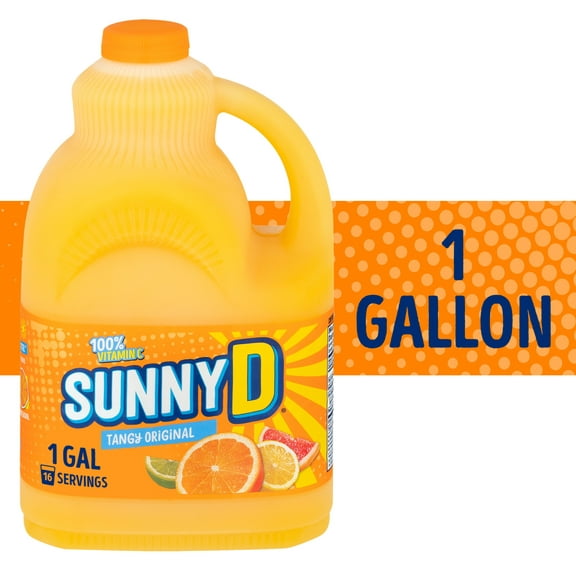 $368current price $3.682.9 ¢/fl oz
SunnyD Tangy Original Orange Juice Drink, 1 Gallon Bottle
64874.7 out of 5 Stars. 6487 reviewsSave withPickup todayDelivery todaySNAP EBT eligibleBest seller Minute Maid No Pulp Orange Fruit Juice, 59 fl oz Carton $4.47
Best seller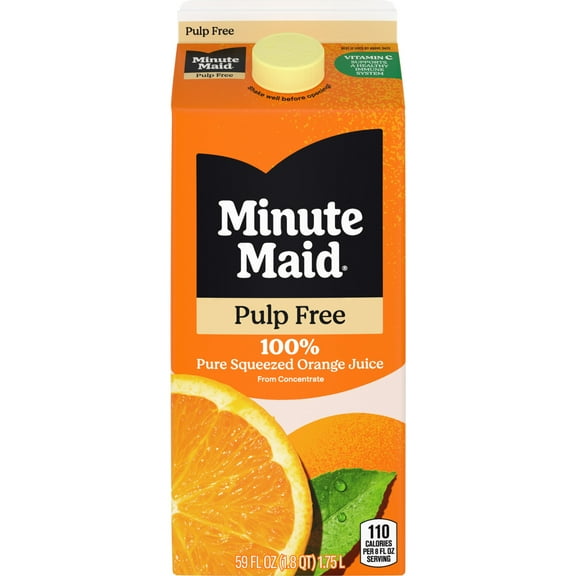 3 optionsAvailable in additional 3 options$447current price $4.47
Minute Maid No Pulp Orange Fruit Juice, 59 fl oz Carton
30234.6 out of 5 Stars. 3023 reviewsSave withPickup todayDelivery todaySNAP EBT eligible
Apple Juice
Best seller Mott's 100% Apple Juice, 8 fl oz, 6 Count Bottles $4.42 9.2 ¢/fl oz
Best seller $442current price $4.429.2 ¢/fl oz
Mott's 100% Apple Juice, 8 fl oz, 6 Count Bottles
39964.6 out of 5 Stars. 3996 reviewsSave withPickup todayDelivery todaySNAP EBT eligibleBest seller (2 pack) Great Value Light Apple Juice, 96 fl oz $6.48
Best seller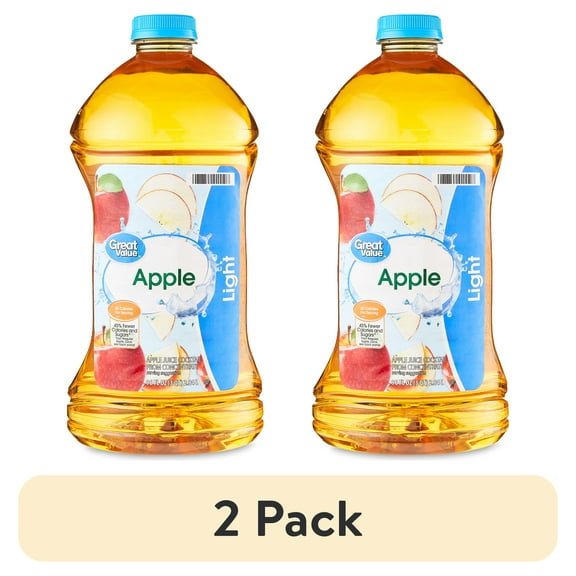 2 optionsAvailable in additional 2 options$648current price $6.48
(2 pack) Great Value Light Apple Juice, 96 fl oz
10954.6 out of 5 Stars. 1095 reviewsSave withShipping, arrives tomorrowBest seller Mott's 100% Juice Original Apple Juice, 1 Gal, Bottle $6.42
Best seller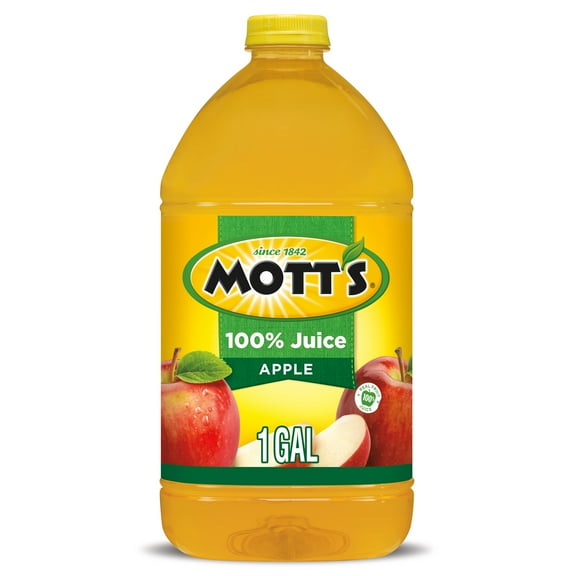 2 optionsAvailable in additional 2 options$642current price $6.42Options from $6.42 – $17.02
Mott's 100% Juice Original Apple Juice, 1 Gal, Bottle
18964.7 out of 5 Stars. 1896 reviewsSave withPickup todayDelivery todayShipping, arrives tomorrowSNAP EBT eligibleBest seller Great Value Apple Juice, Featuring Stitch, 8 fl oz, 6 Count $4.12
Best seller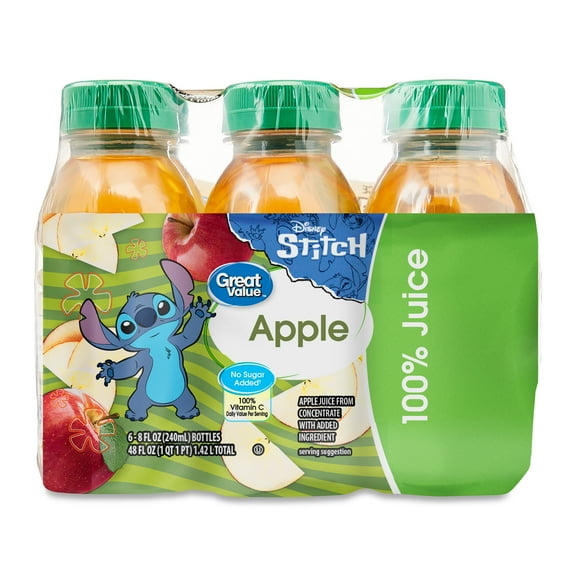 2 optionsAvailable in additional 2 options$412current price $4.12Options from $4.12 – $16.48
Great Value Apple Juice, Featuring Stitch, 8 fl oz, 6 Count
14444.5 out of 5 Stars. 1444 reviewsSave withPickup todayDelivery todaySNAP EBT eligibleMinute Maid 100% Apple Fruit Juice Drink, 10 fl oz, 6 Bottles $5.76
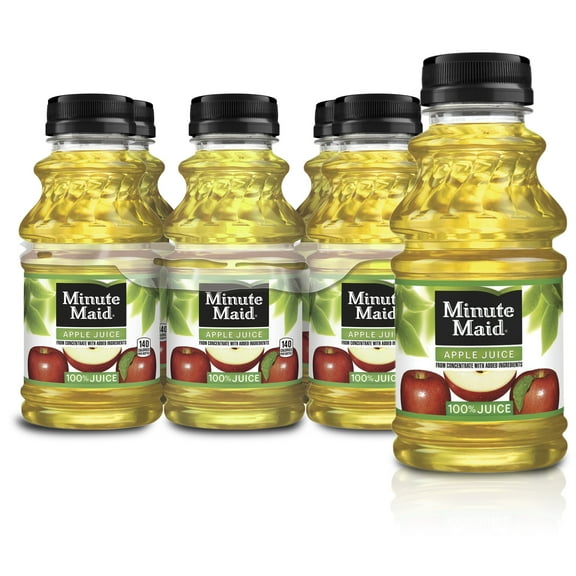 3 optionsAvailable in additional 3 options$576current price $5.76
Minute Maid 100% Apple Fruit Juice Drink, 10 fl oz, 6 Bottles
27244.7 out of 5 Stars. 2724 reviewsSave withPickup todayDelivery todayShipping, arrives tomorrowSNAP EBT eligibleGreat Value 100% Apple Juice, Not from Concentrate, 64 fl oz (Shelf Stable) $3.94
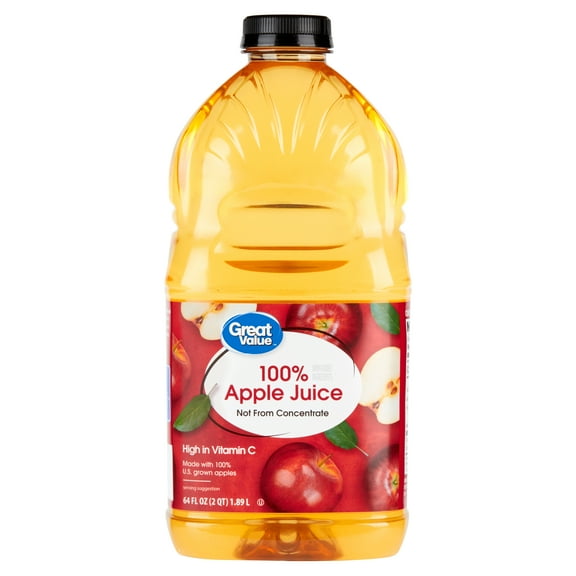 2 optionsAvailable in additional 2 options$394current price $3.94Options from $3.94 – $15.76
Great Value 100% Apple Juice, Not from Concentrate, 64 fl oz (Shelf Stable)
3374.6 out of 5 Stars. 337 reviewsSave withPickup todayDelivery todaySNAP EBT eligible(2 pack) Tree Top 100% Apple Juice, No Sugar Added, No High Fructose Corn Syrup, 64 fl oz $5.56
 2 optionsAvailable in additional 2 options$556current price $5.56
(2 pack) Tree Top 100% Apple Juice, No Sugar Added, No High Fructose Corn Syrup, 64 fl oz
6484.7 out of 5 Stars. 648 reviewsSave withShipping, arrives in 3+ days(2 pack) Snapple Apple Juice Drink, 64 fl oz, Bottle $5.34
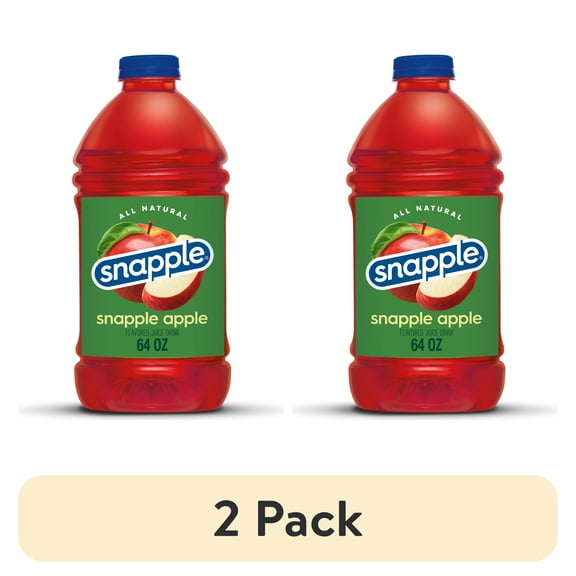 2 optionsAvailable in additional 2 options$534current price $5.34
(2 pack) Snapple Apple Juice Drink, 64 fl oz, Bottle
7804.6 out of 5 Stars. 780 reviewsSave withShipping, arrives tomorrowSimply Non GMO All Natural Pure Pressed Apple Juice, 52 fl oz Bottle $4.64
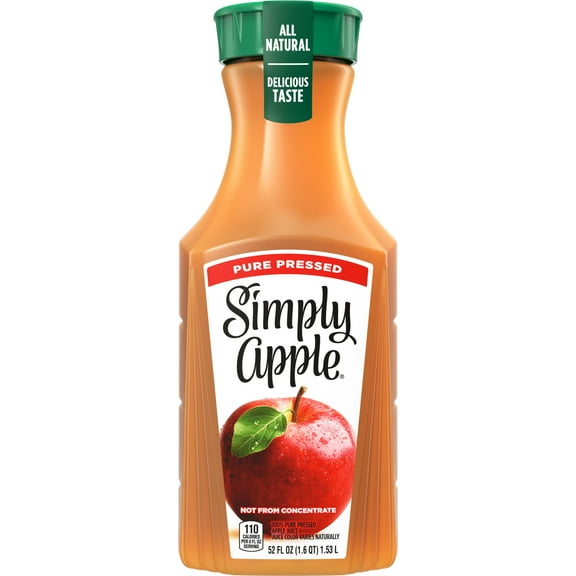 3 optionsAvailable in additional 3 options$464current price $4.64
Simply Non GMO All Natural Pure Pressed Apple Juice, 52 fl oz Bottle
13634.7 out of 5 Stars. 1363 reviewsSave withPickup todayDelivery todaySNAP EBT eligible(4 pack) Tree Top 100% Apple Juice, No Sugar Added, No High Fructose Corn Syrup, 128 fl oz $19.92
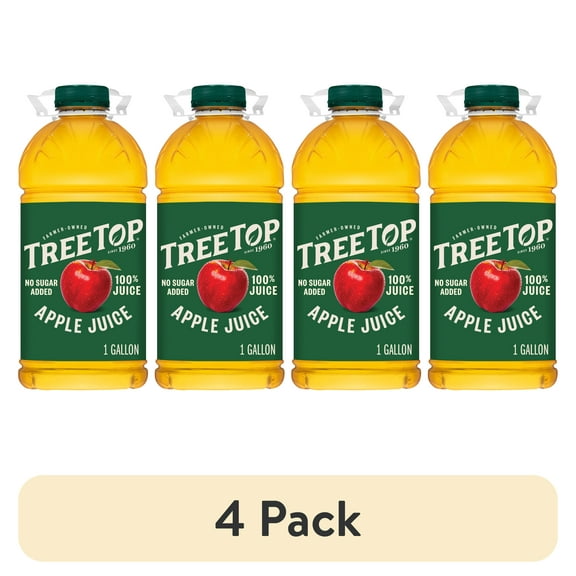 2 optionsAvailable in additional 2 options$1992current price $19.92
(4 pack) Tree Top 100% Apple Juice, No Sugar Added, No High Fructose Corn Syrup, 128 fl oz
2404.7 out of 5 Stars. 240 reviewsSave withShipping, arrives in 2 daysBest seller Apple & Eve 100% Apple Juice, 6.75 fl oz, 8 Count $3.52
Best seller 2 optionsAvailable in additional 2 options$352current price $3.52Options from $3.52 – $17.60
Apple & Eve 100% Apple Juice, 6.75 fl oz, 8 Count
6864.6 out of 5 Stars. 686 reviewsSave withPickup todayDelivery todaySNAP EBT eligibleMartinelli's Gold Medal Apple Juice, 100% Pure Apple Juice, 128 fl oz, 1 Gallon, Shelf-Stable $11.66 9.1 ¢/fl oz
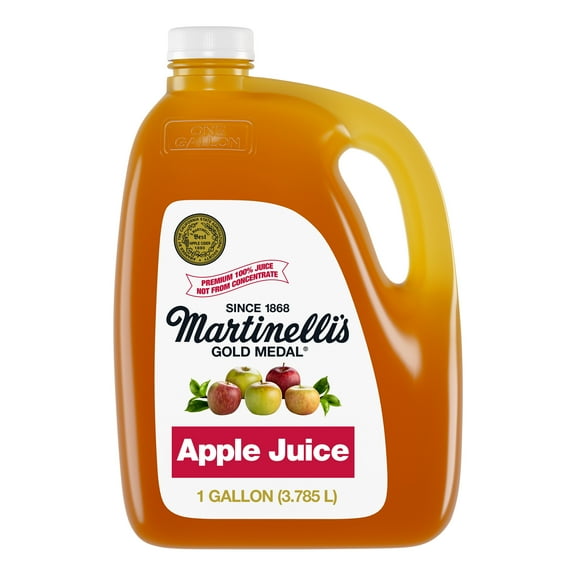 $1166current price $11.669.1 ¢/fl oz
Martinelli's Gold Medal Apple Juice, 100% Pure Apple Juice, 128 fl oz, 1 Gallon, Shelf-Stable
3584.8 out of 5 Stars. 358 reviewsSave withPickup todayDelivery todayShipping, arrives tomorrowSNAP EBT eligibleRollback Mott's 100% Juice Original, Apple Juice, 64 oz Bottle $3.00 Was $3.74 5.6 ¢/fl oz
Rollback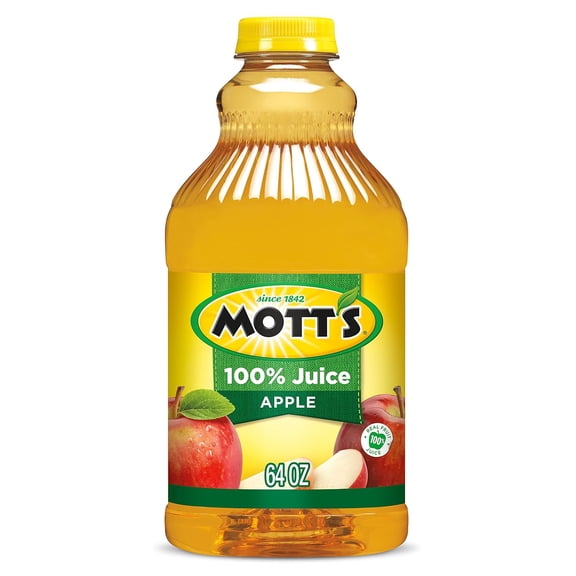 Now$300current price Now $3.00, Was $3.74$3.745.6 ¢/fl oz
Mott's 100% Juice Original, Apple Juice, 64 oz Bottle
8044.1 out of 5 Stars. 804 reviewsSave withPickup todayDelivery todaySNAP EBT eligibleSnapple Apple Juice Drink, 16 fl oz, 6 Count Bottles $6.46
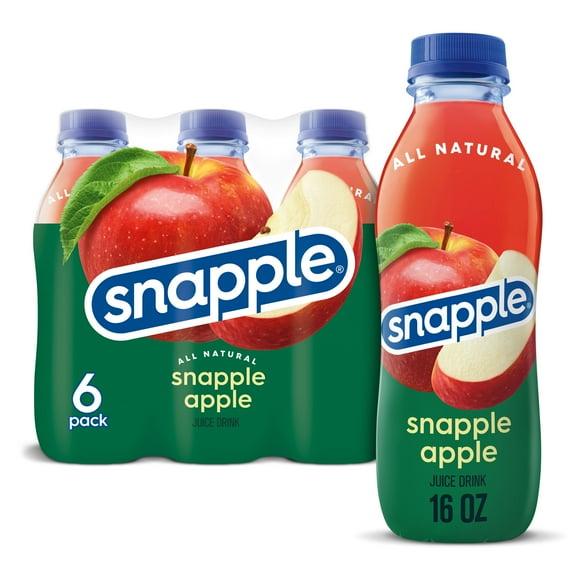 2 optionsAvailable in additional 2 options$646current price $6.46Options from $6.46 – $12.92
Snapple Apple Juice Drink, 16 fl oz, 6 Count Bottles
19164.7 out of 5 Stars. 1916 reviewsSave withPickup todayDelivery todayShipping, arrives tomorrowSNAP EBT eligible
Apple Cider
Musselman's Fresh Pressed 100% Apple Cider, 128 Fl. Oz. $7.18 5.6 ¢/fl oz
 $718current price $7.185.6 ¢/fl oz
Musselman's Fresh Pressed 100% Apple Cider, 128 Fl. Oz.
12434.3 out of 5 Stars. 1243 reviewsSave withPickup todayDelivery todayShipping, arrives tomorrowSNAP EBT eligibleAlpine Spiced Cider Original Powdered Drink Mix, Apple Flavor, 10 Pouches $2.87 38.8 ¢/oz
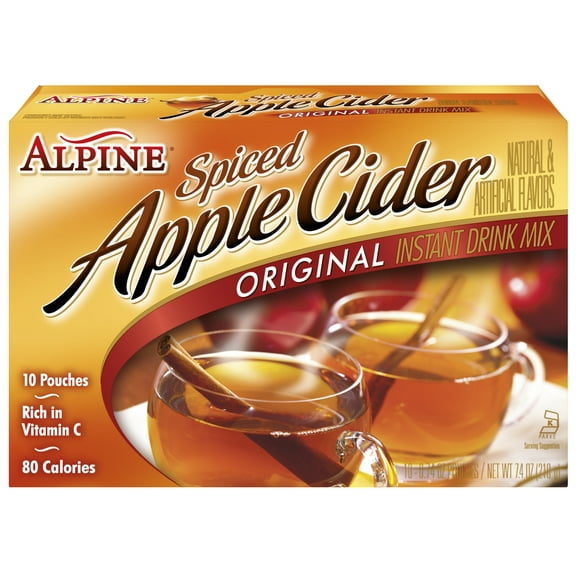 3 optionsAvailable in additional 3 options$287current price $2.8738.8 ¢/oz
Alpine Spiced Cider Original Powdered Drink Mix, Apple Flavor, 10 Pouches
14584.6 out of 5 Stars. 1458 reviewsAlpine Sugar Free Spiced Apple Cider Instant Drink Mix $9.92 $7.09/ea
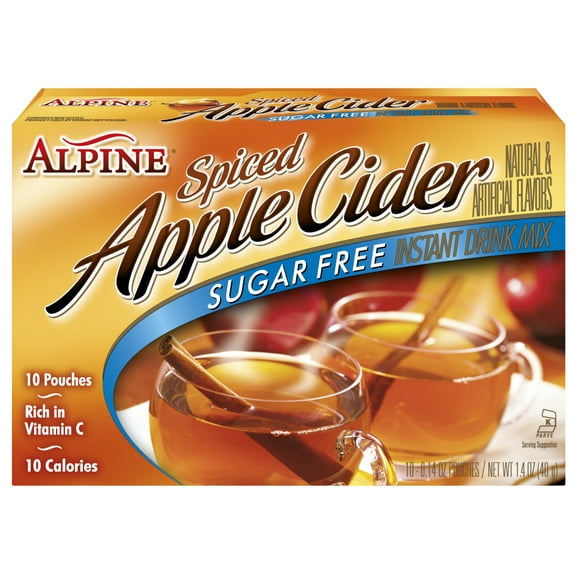 5 optionsAvailable in additional 5 options$992current price $9.92$7.09/ea
Alpine Sugar Free Spiced Apple Cider Instant Drink Mix
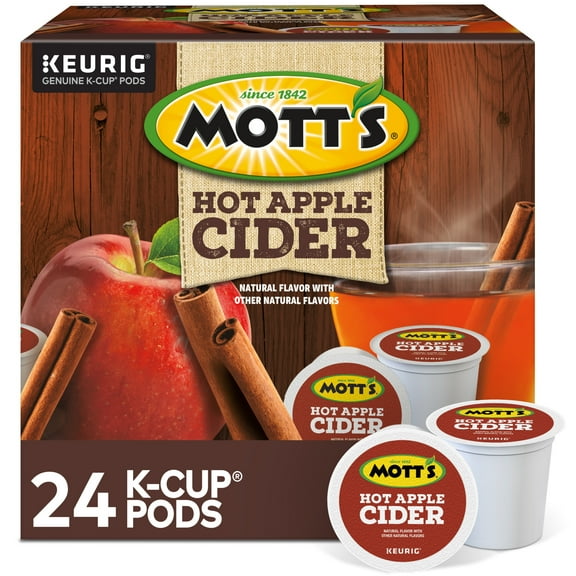
2094.6 out of 5 Stars. 209 reviewsMott's, Hot Apple Cider K-Cup Pods, 24 Count $15.57 82.4 ¢/oz
 1 optionAvailable in additional 1 option$1557current price $15.5782.4 ¢/oz
Mott's, Hot Apple Cider K-Cup Pods, 24 Count
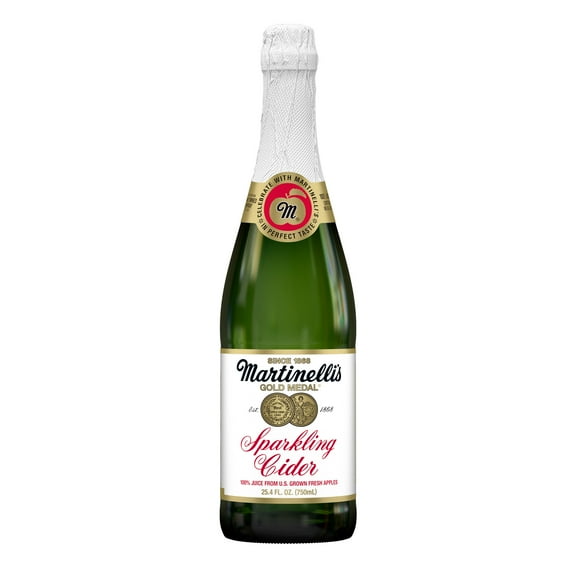
23914.6 out of 5 Stars. 2391 reviewsMartinelli's Sparkling Apple Cider, 25.4 fl oz Glass Bottle $3.98 15.7 ¢/fl oz
 2 optionsAvailable in additional 2 options$398current price $3.9815.7 ¢/fl oz
Martinelli's Sparkling Apple Cider, 25.4 fl oz Glass Bottle
16244.7 out of 5 Stars. 1624 reviews
Lemonade
Best seller Simply Non GMO All Natural Lemonade Juice, 52 fl oz Bottle $2.97
Best seller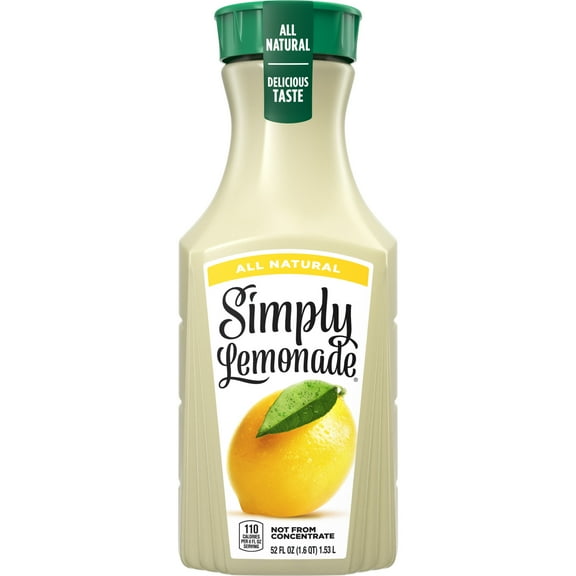 3 optionsAvailable in additional 3 options$297current price $2.97Options from $2.97 – $5.94
Simply Non GMO All Natural Lemonade Juice, 52 fl oz Bottle
66604.7 out of 5 Stars. 6660 reviewsSave withPickup todayDelivery todaySNAP EBT eligibleBest seller Simply Non GMO All Natural Strawberry Lemonade Juice, 52 fl oz Bottle $2.97
Best seller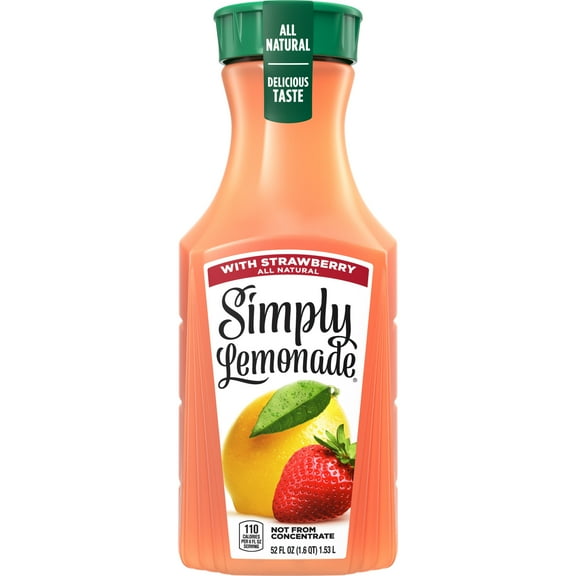 2 optionsAvailable in additional 2 options$297current price $2.97
Simply Non GMO All Natural Strawberry Lemonade Juice, 52 fl oz Bottle
32364.7 out of 5 Stars. 3236 reviewsSave withPickup todayDelivery todaySNAP EBT eligibleBest seller Minute Maid Zero Sugar Calorie Lemonade Juice, 52 fl oz Bottle $2.88
Best seller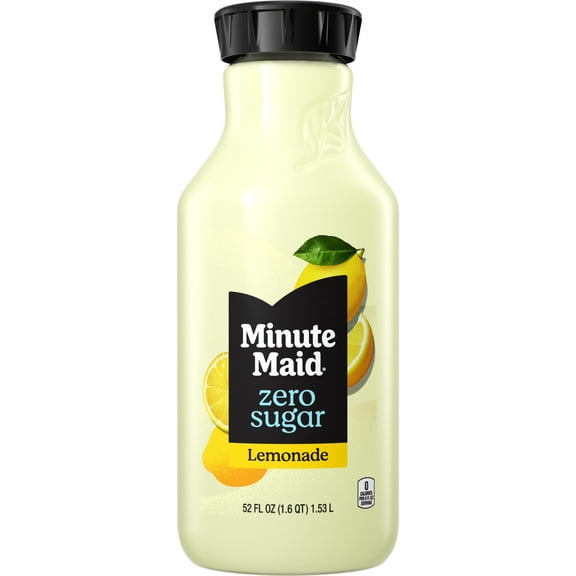 3 optionsAvailable in additional 3 options$288current price $2.88
Minute Maid Zero Sugar Calorie Lemonade Juice, 52 fl oz Bottle
22754.6 out of 5 Stars. 2275 reviewsSave withPickup todayDelivery todaySNAP EBT eligibleBest seller Simply Non GMO All Natural Raspberry Lemonade Raspberry, 52 fl oz Bottle $2.97
Best seller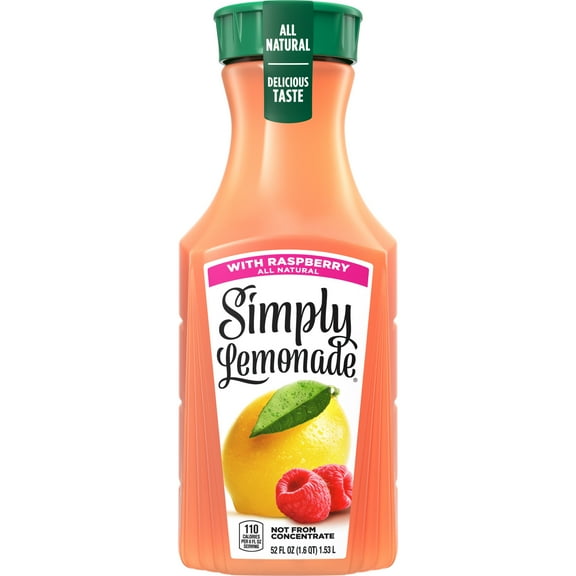 2 optionsAvailable in additional 2 options$297current price $2.97
Simply Non GMO All Natural Raspberry Lemonade Raspberry, 52 fl oz Bottle
25854.7 out of 5 Stars. 2585 reviewsSave withPickup todayDelivery todaySNAP EBT eligibleBest seller Milo's Lemonade Juice Drink 100% Natural, 128 fl oz Refrigerated Jug Caffeine Free, No Added Colors $4.48
Best seller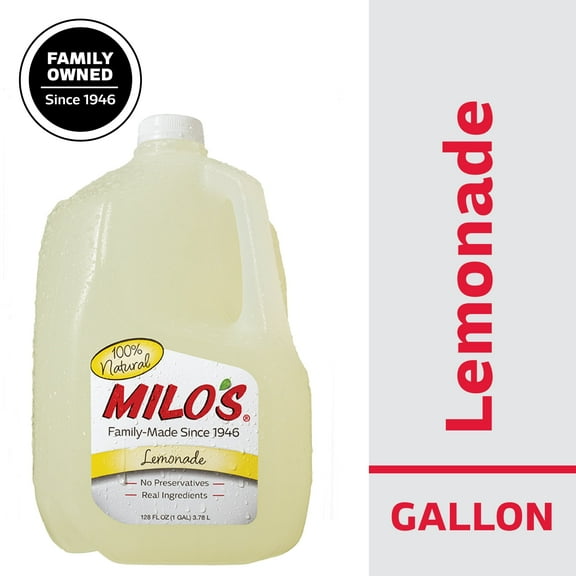 6 optionsAvailable in additional 6 options$448current price $4.48More options from $1.68
Milo's Lemonade Juice Drink 100% Natural, 128 fl oz Refrigerated Jug Caffeine Free, No Added Colors
60774.6 out of 5 Stars. 6077 reviewsSave withPickup todayDelivery todaySNAP EBT eligibleRollback Minute Maid Lemonade Real Fruit Juice, 2 Liter Bottle $1.68 Was $1.88 2.5 ¢/fl oz
Rollback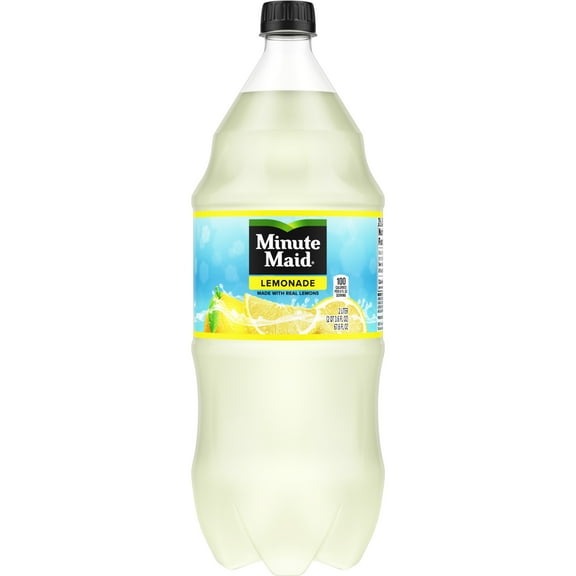 Now$168current price Now $1.68, Was $1.88$1.882.5 ¢/fl oz
Minute Maid Lemonade Real Fruit Juice, 2 Liter Bottle
38054.5 out of 5 Stars. 3805 reviewsSave withPickup todayDelivery todayShipping, arrives tomorrowSNAP EBT eligibleBest seller Minute Maid Strawberry Lemonade Fruit Drink, 59 fl oz Carton $1.97
Best seller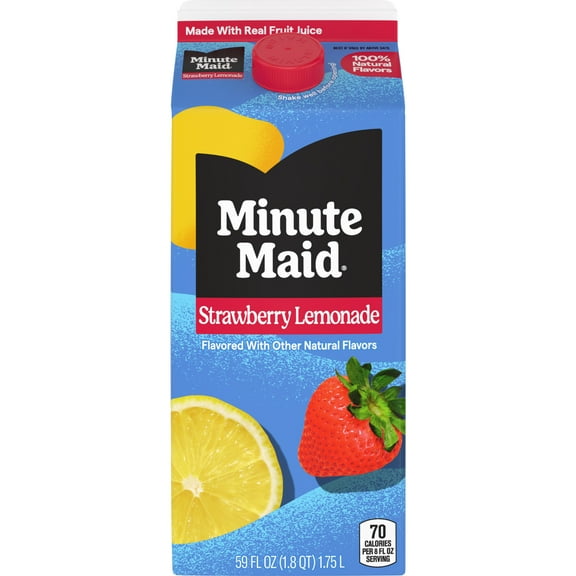 3 optionsAvailable in additional 3 options$197current price $1.97
Minute Maid Strawberry Lemonade Fruit Drink, 59 fl oz Carton
26974.6 out of 5 Stars. 2697 reviewsSave withPickup todayDelivery todaySNAP EBT eligibleRollback Minute Maid Pink Lemonade Fruit Juice, 2 Liter Bottle $1.68 Was $1.88 2.5 ¢/fl oz
Rollback Now$168current price Now $1.68, Was $1.88$1.882.5 ¢/fl oz
Minute Maid Pink Lemonade Fruit Juice, 2 Liter Bottle
5624.6 out of 5 Stars. 562 reviewsSave withPickup todayDelivery todayShipping, arrives tomorrowSNAP EBT eligibleBest seller Great Value Strawberry Lemonade, 96 fl oz $2.88
Best seller 2 optionsAvailable in additional 2 options$288current price $2.88Options from $2.88 – $5.76
Great Value Strawberry Lemonade, 96 fl oz
5164.6 out of 5 Stars. 516 reviewsSave withPickup todayDelivery todaySNAP EBT eligibleGreat Value Original Lemonade, 96 fl oz $2.88
 2 optionsAvailable in additional 2 options$288current price $2.88Options from $2.88 – $5.76
Great Value Original Lemonade, 96 fl oz
3994.4 out of 5 Stars. 399 reviewsSave withPickup todayDelivery todaySNAP EBT eligible
Cranberry Juice
Best seller Ocean Spray® 100% Juice Cranberry Juice Blend, 101.4 fl oz Bottle $6.54
Best seller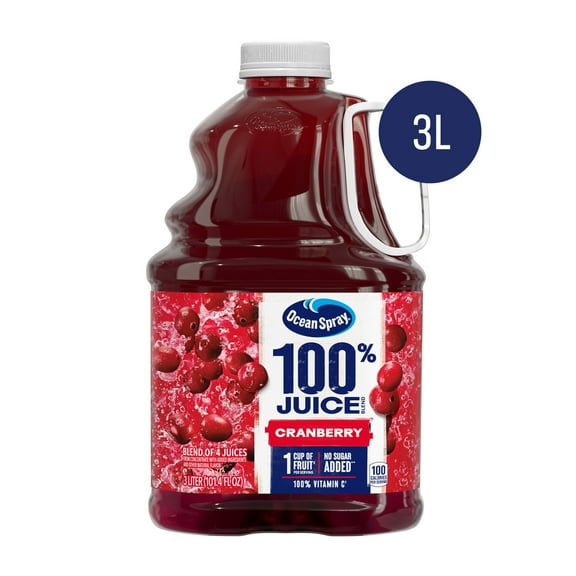 3 optionsAvailable in additional 3 options$654current price $6.54Options from $6.54 – $37.28
Ocean Spray® 100% Juice Cranberry Juice Blend, 101.4 fl oz Bottle
42874.6 out of 5 Stars. 4287 reviewsSave withPickup todayDelivery todayShipping, arrives tomorrowSNAP EBT eligibleBest seller Ocean Spray® Cranberry Juice Cocktail, 101.4 fl oz Bottle $4.96
Best seller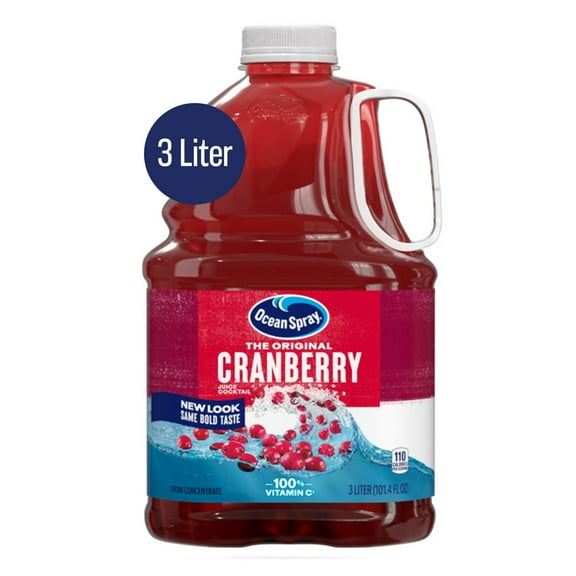 3 optionsAvailable in additional 3 options$496current price $4.96Options from $4.96 – $28.27
Ocean Spray® Cranberry Juice Cocktail, 101.4 fl oz Bottle
21484.7 out of 5 Stars. 2148 reviewsSave withPickup todayDelivery todaySNAP EBT eligibleBest seller Ocean Spray® 100% Juice Cranberry Juice Blend, 10 fl oz Bottles, 6 Count $5.38
Best seller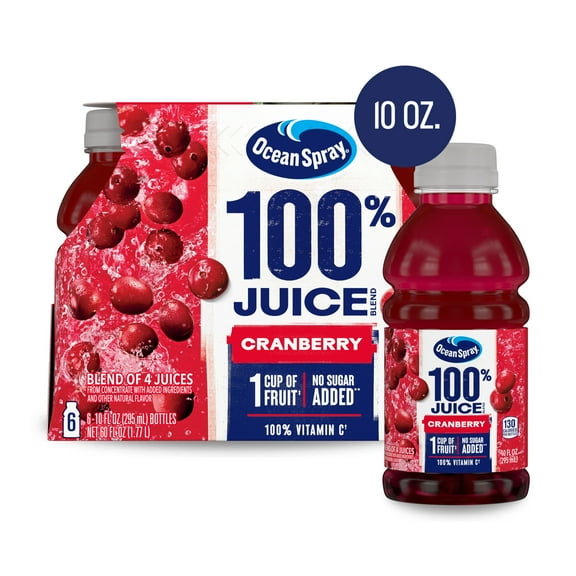 3 optionsAvailable in additional 3 options$538current price $5.38Options from $5.38 – $12.71
Ocean Spray® 100% Juice Cranberry Juice Blend, 10 fl oz Bottles, 6 Count
35414.6 out of 5 Stars. 3541 reviewsSave withPickup todayDelivery todayShipping, arrives tomorrowSNAP EBT eligibleOcean Spray® Cran-Apple™ Cranberry Apple Juice Drink, 64 fl oz Bottle $3.67
 2 optionsAvailable in additional 2 options$367current price $3.67Options from $3.67 – $26.24
Ocean Spray® Cran-Apple™ Cranberry Apple Juice Drink, 64 fl oz Bottle
12734.7 out of 5 Stars. 1273 reviewsSave withPickup todayDelivery todaySNAP EBT eligibleOcean Spray® Diet Cranberry Juice Drink, 101.4 fl oz Bottle $4.96
 3 optionsAvailable in additional 3 options$496current price $4.96Options from $4.96 – $28.27
Ocean Spray® Diet Cranberry Juice Drink, 101.4 fl oz Bottle
20194.6 out of 5 Stars. 2019 reviewsSave withPickup todayDelivery todaySNAP EBT eligibleOcean Spray® Cran-Watermelon™ Cranberry Watermelon Juice Drink, 64 fl oz Bottle $3.67
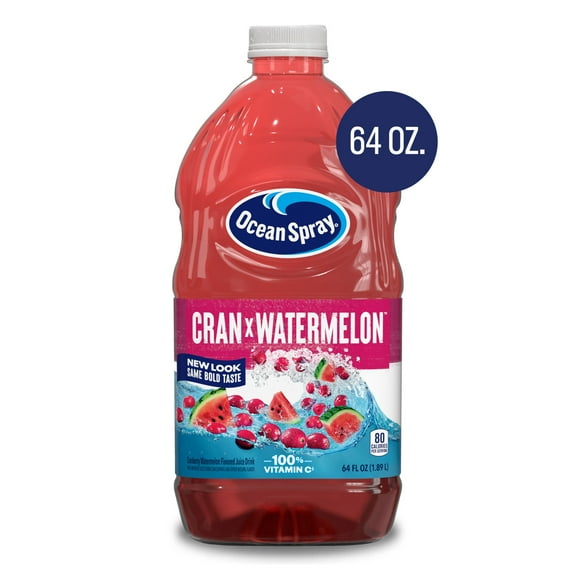 2 optionsAvailable in additional 2 options$367current price $3.67Options from $3.67 – $26.24
Ocean Spray® Cran-Watermelon™ Cranberry Watermelon Juice Drink, 64 fl oz Bottle
9024.7 out of 5 Stars. 902 reviewsSave withPickup todayDelivery todaySNAP EBT eligibleGreat Value Cranberry Raspberry Juice Cocktail, 64 fl oz $2.97
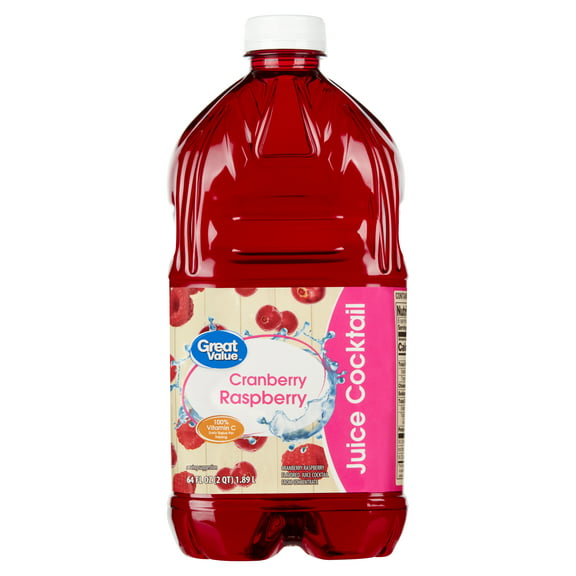 2 optionsAvailable in additional 2 options$297current price $2.97Options from $2.97 – $17.82
Great Value Cranberry Raspberry Juice Cocktail, 64 fl oz
4304.6 out of 5 Stars. 430 reviewsSave withPickup todayDelivery todaySNAP EBT eligibleBest seller Great Value White Cranberry Strawberry Juice Cocktail, 64 fl oz $2.97 4.6 ¢/fl oz
Best seller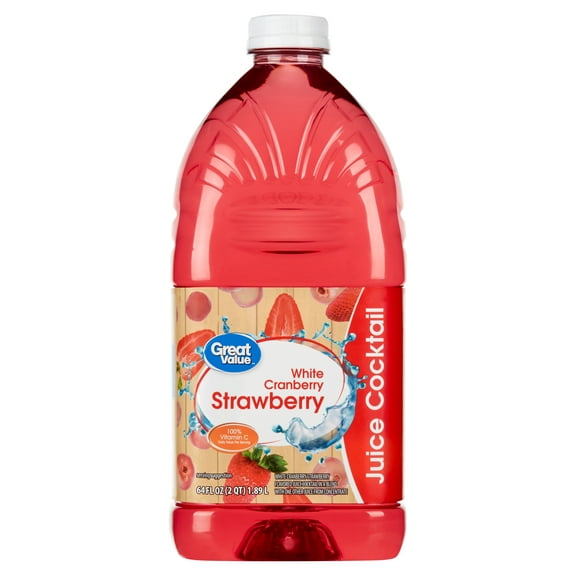 $297current price $2.974.6 ¢/fl oz
Great Value White Cranberry Strawberry Juice Cocktail, 64 fl oz
12764.6 out of 5 Stars. 1276 reviewsSave withPickup todayDelivery todaySNAP EBT eligibleOcean Spray® 100% Juice Cranberry Cherry Juice Blend, 64 fl oz Bottle $3.97
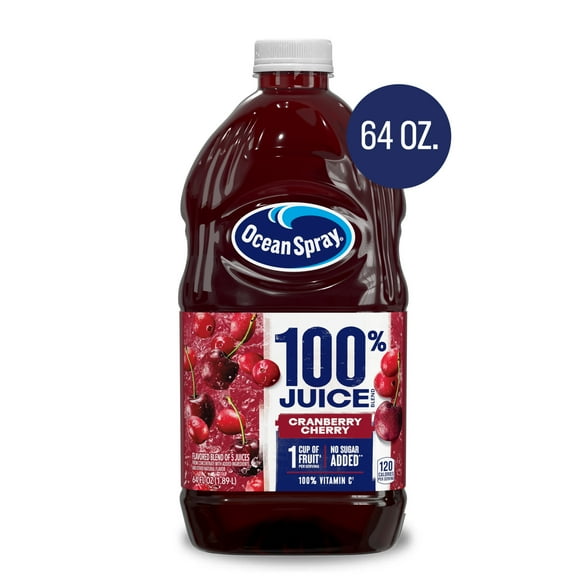 3 optionsAvailable in additional 3 options$397current price $3.97Options from $3.97 – $30.17
Ocean Spray® 100% Juice Cranberry Cherry Juice Blend, 64 fl oz Bottle
7384.7 out of 5 Stars. 738 reviewsSave withPickup todayDelivery todaySNAP EBT eligibleOcean Spray® Diet Cranberry Juice Drink, 64 fl oz Bottle $3.67
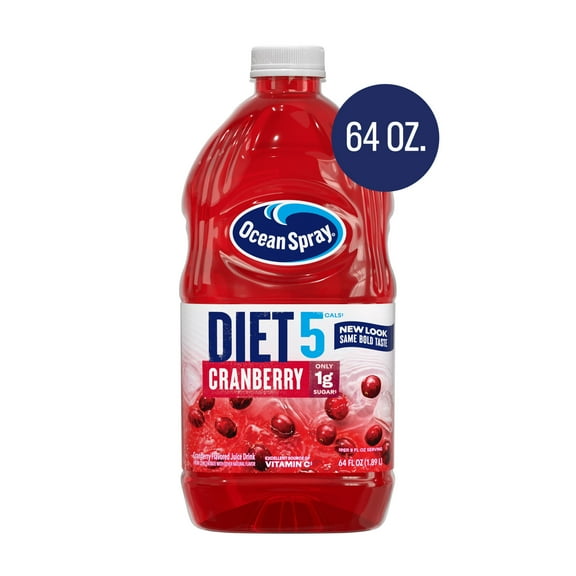 2 optionsAvailable in additional 2 options$367current price $3.67
Ocean Spray® Diet Cranberry Juice Drink, 64 fl oz Bottle
10344.6 out of 5 Stars. 1034 reviewsSave withPickup todayDelivery todaySNAP EBT eligibleOcean Spray® Diet Cran-Cherry® Cranberry Cherry Juice Drink, 64 fl oz Bottle $3.67
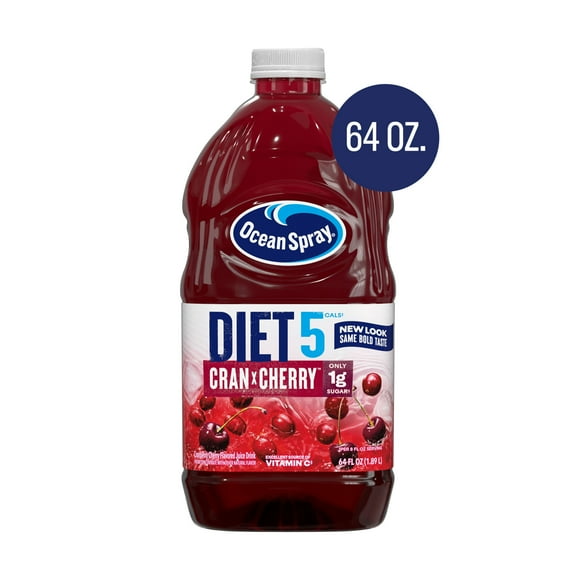 2 optionsAvailable in additional 2 options$367current price $3.67Options from $3.67 – $27.88
Ocean Spray® Diet Cran-Cherry® Cranberry Cherry Juice Drink, 64 fl oz Bottle
9404.7 out of 5 Stars. 940 reviewsSave withPickup todayDelivery todaySNAP EBT eligibleOcean Spray® Cranberry Juice Cocktail, 10 fl oz Bottles, 6 Count $4.98
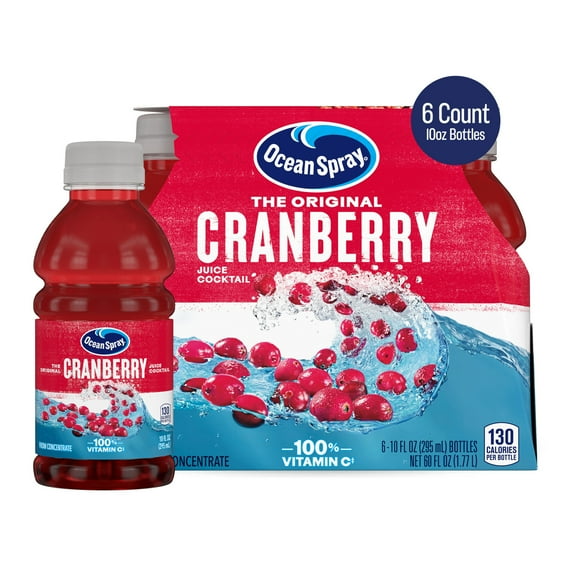 3 optionsAvailable in additional 3 options$498current price $4.98Options from $4.98 – $18.92
Ocean Spray® Cranberry Juice Cocktail, 10 fl oz Bottles, 6 Count
15714.7 out of 5 Stars. 1571 reviewsSave withPickup todayDelivery todayShipping, arrives tomorrowSNAP EBT eligibleNorthland 100% Cranberry Juice, 64 Fl. Oz. $3.62
 2 optionsAvailable in additional 2 options$362current price $3.62Options from $3.62 – $7.24
Northland 100% Cranberry Juice, 64 Fl. Oz.
5544.3 out of 5 Stars. 554 reviewsSave withPickup todayDelivery todaySNAP EBT eligibleRollback Great Value Cranberry Grape 100% Juice, 64 fl oz $3.46 Was $4.17
Rollback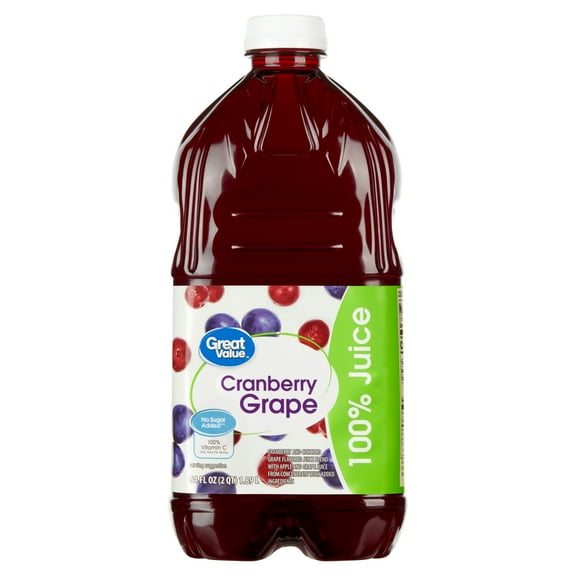 2 optionsAvailable in additional 2 optionsNow$346current price Now $3.46, Was $4.17$4.17Options from $3.46 – $13.84
Great Value Cranberry Grape 100% Juice, 64 fl oz
5214.6 out of 5 Stars. 521 reviewsSave withPickup todayDelivery todaySNAP EBT eligible
Explore more juices
FAQ
How do I pick the right juice for my needs?
Think about how you’ll use it: are you sipping, mixing, or packing for school? Match the juice type to the use.
- Check the label — "100% juice" versus juice drinks or cocktails tells you if there are added sugars or flavors.
- Pulp and texture — choose pulp-free for smooth drinks, pulpy for more body.
- Packaging & size — single-serve pouches for on-the-go, larger bottles for home use.
- Convenience — refrigerated versus shelf-stable and concentrate versus ready-to-drink.
You can compare nutrition facts and read customer reviews on the site, then order online for pickup or delivery if that’s easier.
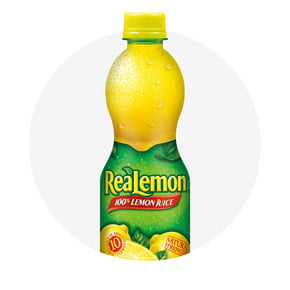
How does bottled lemon juice differ from fresh lemon juice?
There are a few practical differences to keep in mind:
- Processing — bottled lemon juice is usually pasteurized for safety and longer shelf life; fresh lemon juice is unprocessed until you squeeze it.
- Flavor — bottled juice can taste slightly different because of processing and possible additives; fresh juice often tastes brighter.
- Convenience — bottled is ready-to-use and lasts longer in the fridge; fresh requires prep but gives more control over flavor and aroma.
- Labeling — bottled products may list preservatives or added ingredients, so check the ingredient list if that matters to you.
How much juice does one lemon usually give?
Typical yield: a medium lemon usually yields about 2 tablespoons (around 30 milliliters) of juice. Larger lemons can give closer to 3 tablespoons.
Quick tips to maximize yield:
- Warm the lemon slightly or microwave it for 10–15 seconds to soften the fruit.
- Roll the lemon firmly on the counter before cutting to loosen the juice.
- Use a manual or electric juicer and strain if you want seed-free juice.
Keep a few extra lemons on hand if a recipe calls for several tablespoons — yields can vary by fruit size and juiciness.
What's the best way to juice a lemon at home?
Simple, efficient method most customers find helpful:
- Bring the lemon to room temperature or warm it briefly in the microwave for 10–15 seconds.
- Roll the lemon on a counter while pressing down to break up the segments.
- Cut the lemon crosswise and use a handheld reamer, citrus press, or electric juicer to extract juice.
- Strain through a fine-mesh sieve if you want to remove seeds and excess pulp.
Cleaning tip: rinse juicer parts right after use to prevent sticky residue. This approach helps get the most juice with minimal fuss.
How long does opened fruit juice stay fresh in the fridge?
General guidance for refrigerated juices:
- Most opened 100% refrigerated juices are best used within about 7–10 days for quality reasons, though labels may give specific guidance.
- Juice drinks with preservatives or added stabilizers may keep longer; always follow the product’s label instructions.
- If you freeze juice, it can extend storage time—transfer to a freezer-safe container and leave headspace for expansion.
Always check for off smells, changes in color, or bubbling before using. When in doubt, follow the product label and discard if quality seems off.
About Juices - Walmart.com
What is the difference between a juice and a punch?
The main difference between a juice and a punch is that a juice is made from a single fruit, but a punch can be made from a blend of different fruit juices and flavors. Sometimes punches also include carbonated soda to add a fizzy element.
Is juice healthy?
Juice is extracted from fruit and vegetables, so it contains their associated health benefits, including vitamins, minerals, and fiber. Some juices have additional sugar added, so make sure you check the ingredients and look for 100 percent juice if you want your juice to be natural.
Which juices are good for my skin?
Juices are full of vitamins and antioxidants, which are good for your skin. Beetroot and carrot are excellent for acne and wrinkles, cucumber helps to moisturize your skin, and pomegranate is said to have anti-aging properties.