







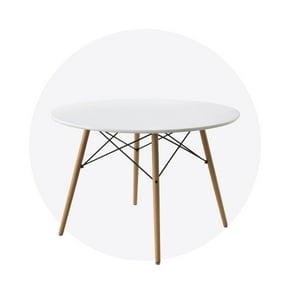
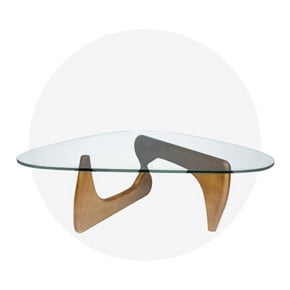
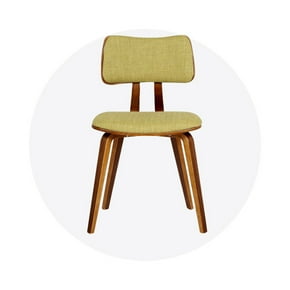

Mid

Styles starting at $12
Shop by category
All the extras
Shop by room
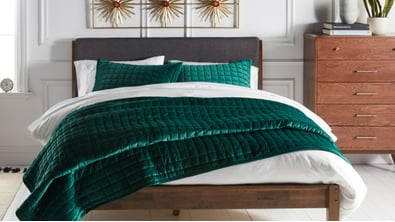

Shop by brand


Shop more styles
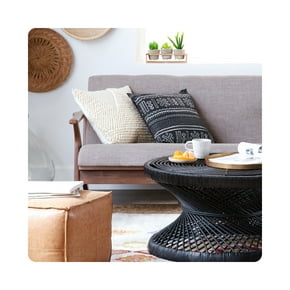
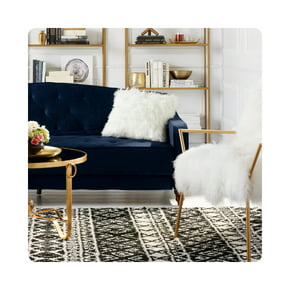

FAQ
About Mid-Century - Walmart.com
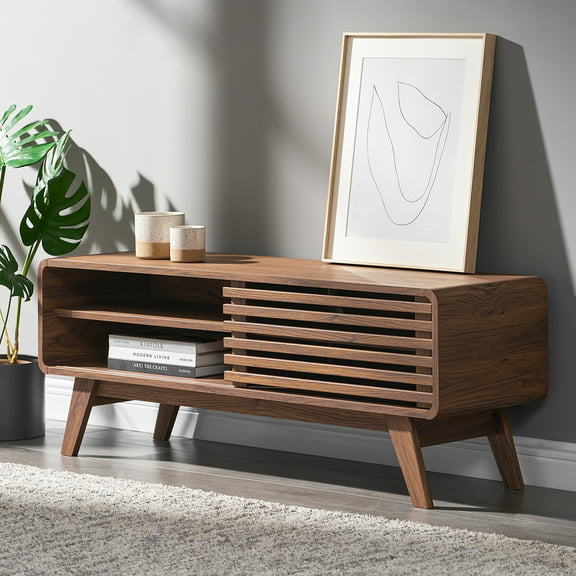
Mid-century modern furniture helps you create a clean, warm, pulled-together home with tapered legs, walnut tones, and timeless shapes. You can use this style to bring light lines, organic curves, and practical storage into everyday spaces.
If you’re comparing rooms or furniture types, you’ll notice mid-century modern works across living rooms, bedrooms, dining rooms, and home offices. You can build a consistent look with sofas, coffee tables, dressers, accent chairs, and sideboards that share the same design language.
How to choose mid-century modern furniture
When you shop mid-century modern furniture, you’ll want to start with the piece your room needs most. You can narrow your choice faster by comparing furniture type, material, design features, and room use.
For seating, you’ll often compare sofas and accent chairs based on scale, cushion feel, and fabric. For storage, you may focus on dressers and sideboards that help your room stay streamlined.
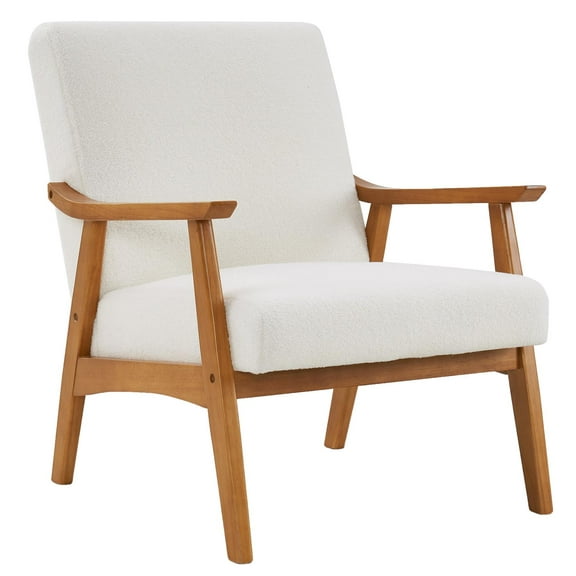
- You can use tapered legs to create an open look that feels lighter in smaller rooms.
- You can choose clean lines when you want a crisp layout that pairs easily with modern or vintage accents.
- You can look for organic curves when you want softer shapes around coffee tables or accent seating.
- You can compare tufted cushions if you want tailored texture in living room seating.
You’ll also want to think about daily use before you choose materials. If your space gets steady traffic, you may prefer surfaces and fabrics that feel easy to maintain.
Because this category spans several rooms, you can mix statement pieces with quieter staples. You might pair a walnut coffee table with a linen chair, or match a dresser to a sideboard finish.
What to look for in materials and finishes
You can often define your mid century modern look through wood tone first. Walnut wood usually gives you a deeper, richer finish, while oak can give your room a lighter, airier feel.
If you’re matching existing pieces, you’ll want to compare walnut and acorn-style finishes closely. You can check undertones in your flooring, media stand, or dining set before you commit.
For upholstered pieces, you may compare leather and linen based on your room’s routine. Leather can give you a smooth, tailored look, while linen can bring a softer, relaxed texture.
Bentwood details can add sculptural interest when you want visible curves in chair frames or accents. You can use that shape to echo the organic lines common in modern mid century interiors.
You’ll also want to consider durability in active spaces. If your living room sees constant use, you may prefer materials that keep their appearance with regular everyday wear.
Which design features matter most
You can recognize mid-century modern style by a few clear details that shape the whole room. Tapered legs, clean lines, and organic curves help you create the classic mid century profile.
If you want a sharper, more architectural look, you can prioritize straight edges and slim silhouettes. If you want a softer feel, you can bring in rounded corners and curved chair backs.
Tufted cushions can add structure without making your seating feel heavy. You may like that detail when you want a sofa or accent chair with tailored texture.
Scale matters just as much as style, especially if you’re furnishing apartments or multipurpose rooms. You should measure width, depth, and height so your furniture fits without crowding walkways.
You’ll also want to check assembly details before you buy. If you prefer a quicker setup, you can compare parts, hardware, and step counts in the product information.
Weight capacity can help you judge everyday support in chairs, benches, and tables. You can use that detail to choose pieces that match how your household uses each room.
How to match furniture type to each room
In the living room, you can anchor your layout with a sofa, coffee table, and one or two accent chairs. You should keep leg styles and wood finishes consistent for a more cohesive look.
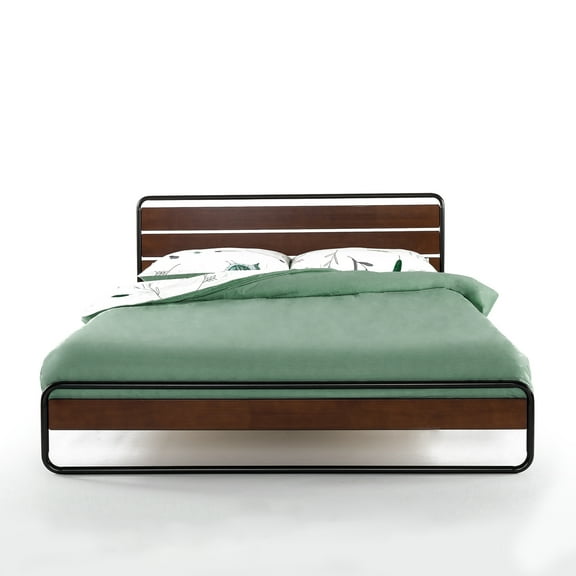
For a bedroom, you may center your design around a dresser with clean drawer fronts and raised legs. You can use that open base to keep the room feeling lighter.
In a dining room, you might use a sideboard for serving storage and visual balance. You can pair it with oak or walnut tones that connect with your table and chairs.
For a home office, you may want compact pieces that still feel polished. You can use a slim sideboard or small accent chair to bring in mid modern century character without filling the room.
If you’re decorating a small space, you should look closely at dimensions and clearance needs. You can leave more visible floor area by choosing pieces with tapered legs and narrower profiles.
When you’re building room by room, you don’t need every piece to match exactly. You can create harmony by repeating wood tone, leg shape, or curved details across the home.
Shop mid-century modern furniture with confidence
You can create a recognizable look by focusing on furniture type, material, finish, and scale before anything else. That approach helps you choose mid-century modern pieces that fit your space and keep your rooms visually connected.
When you compare walnut tones, tapered legs, and room-friendly dimensions, you’ll make choices that feel intentional from the first piece onward. You can enjoy a home that looks organized, warm, and easy to live in.