

Gluten Free Meals and more

Shop by category

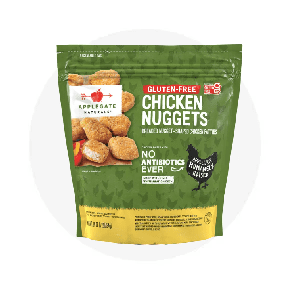
New in Gluten Free
Seven Sundays - Grain Free, Gluten Free Sunflower Cocoa Cereal, 8 oz, 1 Count $6.97 87.1 ¢/oz
 $697current price $6.9787.1 ¢/oz
Seven Sundays - Grain Free, Gluten Free Sunflower Cocoa Cereal, 8 oz, 1 Count
54.2 out of 5 Stars. 5 reviewsSave with Shipping, arrives in 3+ daysSNAP EBT eligible
Goodles Dry Pasta Gluten-Free Loopdy-Loos - 8 oz $3.97
 $397current price $3.97
Goodles Dry Pasta Gluten-Free Loopdy-Loos - 8 oz
1634.7 out of 5 Stars. 163 reviewsSave withPickup todayDelivery todayShipping, arrives todaySNAP EBT eligibleSchar Gluten Free Chocolate Chip Muffins, Chewy, 7.9 oz (5 Count) $5.36
 $536current price $5.36
Schar Gluten Free Chocolate Chip Muffins, Chewy, 7.9 oz (5 Count)
724.7 out of 5 Stars. 72 reviewsSave withShipping, arrives todaySNAP EBT eligibleThe Good Crisp Company Gluten Free Original Crinkle Cut Potato Chips, 5.5 oz Bag $3.42
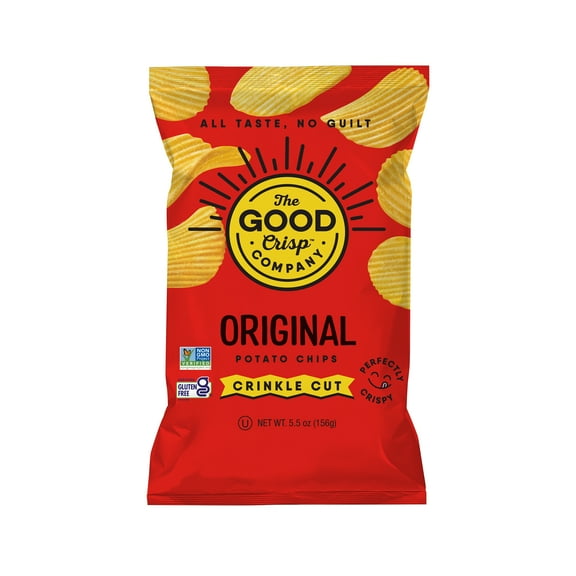 $342current price $3.42
The Good Crisp Company Gluten Free Original Crinkle Cut Potato Chips, 5.5 oz Bag
244.3 out of 5 Stars. 24 reviewsSave withShipping, arrives tomorrowSNAP EBT eligibleMilton's Gluten Free Crackers - Jalapeno, 4.5oz, Plastic Bag Options from $3.48 – $6.96
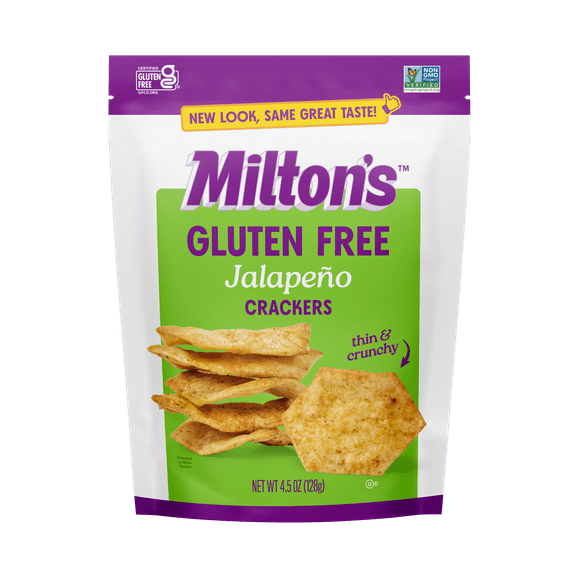 5 optionsAvailable in additional 5 optionsOptions from$348– $696
Milton's Gluten Free Crackers - Jalapeno, 4.5oz, Plastic Bag
4594.4 out of 5 Stars. 459 reviewsSave withShipping, arrives in 2 daysSNAP EBT eligibleMilton's Gluten Free Crackers - Zesty Ranch, 4.5oz, Plastic Bag Options from $3.48 – $6.96
 5 optionsAvailable in additional 5 optionsOptions from$348– $696
Milton's Gluten Free Crackers - Zesty Ranch, 4.5oz, Plastic Bag
4594.4 out of 5 Stars. 459 reviewsSave withShipping, arrives todaySNAP EBT eligibleChomps Taco Beef Jerky Snack Stick, 10g of Protein Options from $2.56 – $207.93
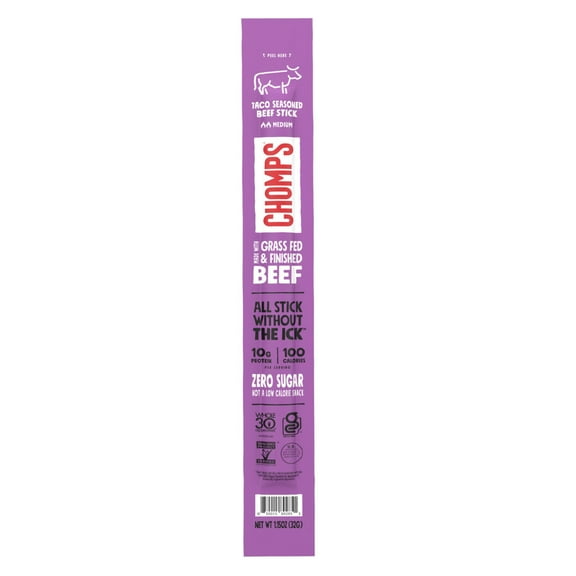 2 optionsAvailable in additional 2 optionsOptions from$256– $20793
Chomps Taco Beef Jerky Snack Stick, 10g of Protein
5754.6 out of 5 Stars. 575 reviewsSave withPickup todayDelivery todayShipping, arrives tomorrowSNAP EBT eligibleOlé Mexican Foods Xtreme Wellness Gluten Free Street Taco Flour Tortilla Wraps, 8.8 oz, 14 Count $5.47 62.2 ¢/oz
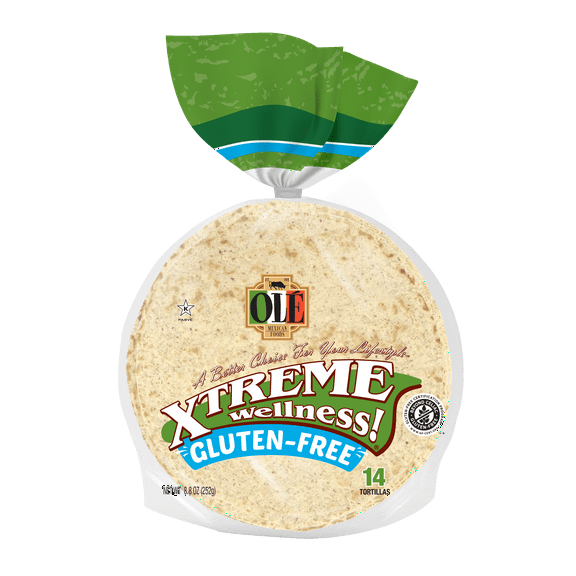 $547current price $5.4762.2 ¢/oz
Olé Mexican Foods Xtreme Wellness Gluten Free Street Taco Flour Tortilla Wraps, 8.8 oz, 14 Count
1154.3 out of 5 Stars. 115 reviewsSave withShipping, arrives todaySNAP EBT eligibleQuinn PB&J Berry Filled Pretzel Nuggets, Gluten Free Snacks, 6 oz Bag Options from $4.48 – $49.99
 2 optionsAvailable in additional 2 optionsOptions from$448– $4999
Quinn PB&J Berry Filled Pretzel Nuggets, Gluten Free Snacks, 6 oz Bag
1543.7 out of 5 Stars. 154 reviewsSave withShipping, arrives tomorrowSNAP EBT eligibleAncient Grain Cheddar Pops $2.97
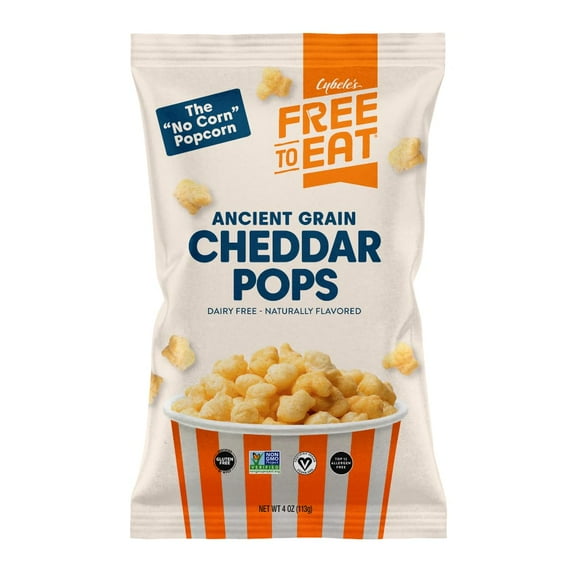 $297current price $2.97
Ancient Grain Cheddar Pops
174.2 out of 5 Stars. 17 reviewsSave withShipping, arrives tomorrowSNAP EBT eligibleSchar Gluten Free Full Baguette French Bread Loaf, Regular, Shelf-Stable, 12.3 oz (2 Count) Options from $16.70 – $53.83
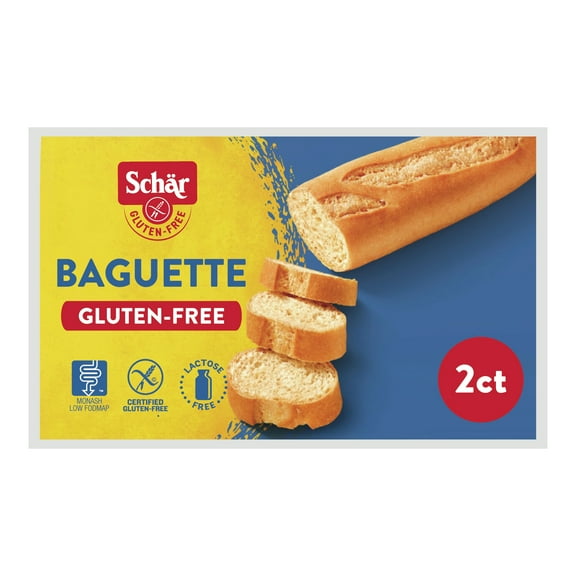 4 optionsAvailable in additional 4 optionsOptions from$1670– $5383
Schar Gluten Free Full Baguette French Bread Loaf, Regular, Shelf-Stable, 12.3 oz (2 Count)
3433.6 out of 5 Stars. 343 reviewsShipping, arrives in 3+ daysGlutino Chocolate Peanut Butter Wafer Bites, Gluten Free Wafer Cookies, 7 oz. $5.97 85.3 ¢/oz
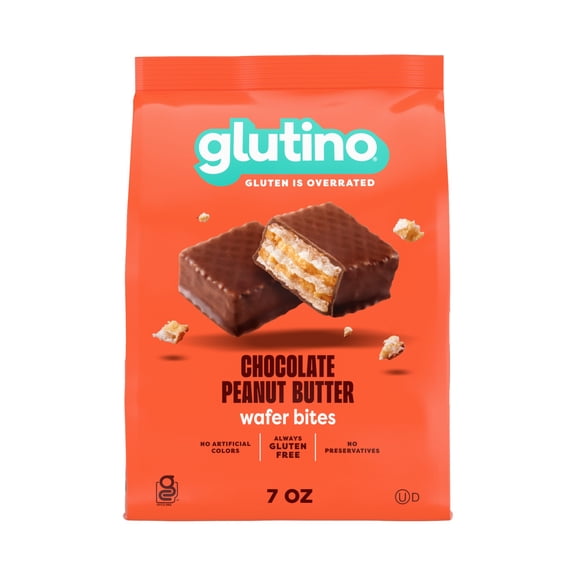 $597current price $5.9785.3 ¢/oz
Glutino Chocolate Peanut Butter Wafer Bites, Gluten Free Wafer Cookies, 7 oz.
1634.7 out of 5 Stars. 163 reviewsSave withShipping, arrives todaySNAP EBT eligible

Customer favorites
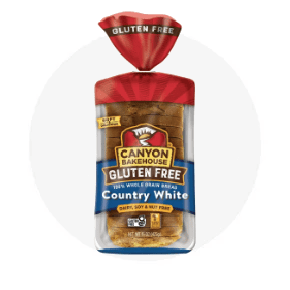
Canyon Bakehouse Country White Gluten Free Bread, 100% Whole Grain Sandwich Bread, Fresh, 15 oz Loaf Options from $6.47 – $12.94
 3 optionsAvailable in additional 3 optionsOptions from$647– $1294
Canyon Bakehouse Country White Gluten Free Bread, 100% Whole Grain Sandwich Bread, Fresh, 15 oz Loaf
10514.1 out of 5 Stars. 1051 reviewsSave withPickup todayDelivery todayShipping, arrives todaySNAP EBT eligibleSchar Gluten Free Artisan Baker White Sourdough Bread Loaf, Regular, Shelf-Stable, 14.1 oz Options from $5.96 – $23.84
 11 optionsAvailable in additional 11 optionsOptions from$596– $2384
Schar Gluten Free Artisan Baker White Sourdough Bread Loaf, Regular, Shelf-Stable, 14.1 oz
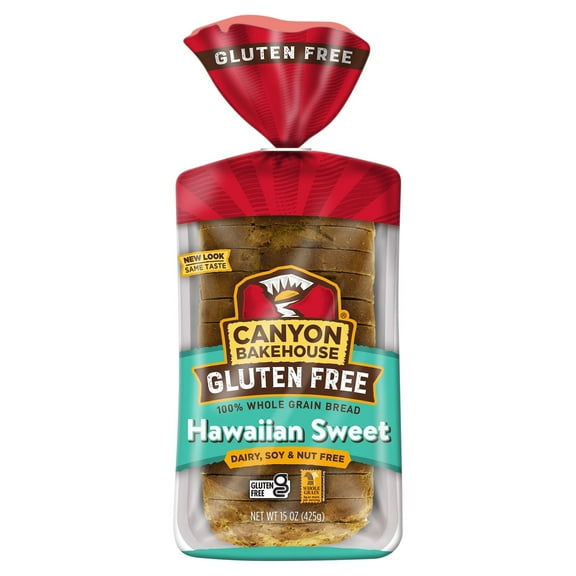
21684.3 out of 5 Stars. 2168 reviewsSave withPickup todayDelivery todayShipping, arrives todaySNAP EBT eligibleCanyon Bakehouse Hawaiian Sweet Gluten Free Bread, Fresh 15oz Loaf Options from $6.47 – $12.94
 3 optionsAvailable in additional 3 optionsOptions from$647– $1294
Canyon Bakehouse Hawaiian Sweet Gluten Free Bread, Fresh 15oz Loaf
27194.6 out of 5 Stars. 2719 reviewsSave withPickup todayDelivery todayShipping, arrives todaySNAP EBT eligibleCanyon Bakehouse Ancient Grain Gluten Free Bread, 100% Whole Grain Sandwich Bread, Fresh, 15 oz Options from $6.47 – $19.41
 4 optionsAvailable in additional 4 optionsOptions from$647– $1941
Canyon Bakehouse Ancient Grain Gluten Free Bread, 100% Whole Grain Sandwich Bread, Fresh, 15 oz
9464 out of 5 Stars. 946 reviewsSave withPickup todayDelivery todayShipping, arrives todaySNAP EBT eligibleBest seller Quinn Peanut Butter Filled Pretzel Nuggets, Gluten Free Snacks, 7 oz Bag Options from $4.97 – $28.25
Best seller 5 optionsAvailable in additional 5 optionsOptions from$497– $2825
Quinn Peanut Butter Filled Pretzel Nuggets, Gluten Free Snacks, 7 oz Bag
20084 out of 5 Stars. 2008 reviewsSave withPickup todayDelivery todayShipping, arrives todaySNAP EBT eligibleSchar Gluten Free Artisan Baker Multigrain Sourdough Bread Loaf, Regular, Shelf-Stable, 14.1 oz Options from $5.96 – $23.84
 11 optionsAvailable in additional 11 optionsOptions from$596– $2384
Schar Gluten Free Artisan Baker Multigrain Sourdough Bread Loaf, Regular, Shelf-Stable, 14.1 oz
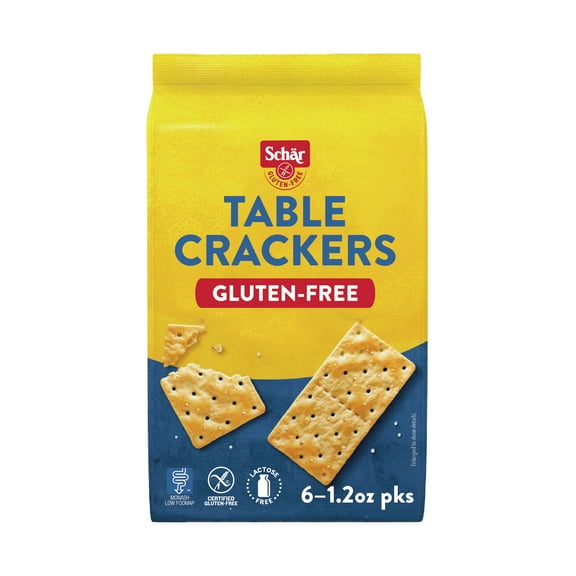
21684.3 out of 5 Stars. 2168 reviewsSave withPickup todayDelivery todayShipping, arrives todaySNAP EBT eligibleSchar Gluten Free Table Crackers, Paper Packet, 7.4 Ounce (1.2oz Packs per Case) Options from $5.48 – $32.88
 5 optionsAvailable in additional 5 optionsOptions from$548– $3288
Schar Gluten Free Table Crackers, Paper Packet, 7.4 Ounce (1.2oz Packs per Case)
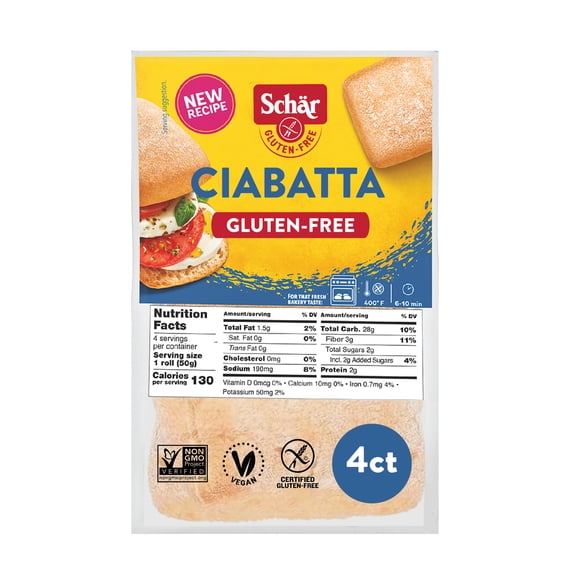
11244.5 out of 5 Stars. 1124 reviewsSave withPickup todayDelivery todayShipping, arrives todaySNAP EBT eligibleSchar Gluten Free Ciabatta Rolls, Artisan Bread Rolls Multipack, Regular, Shelf-Stable, 7 oz (4 Count) Options from $5.64 – $40.99
 4 optionsAvailable in additional 4 optionsOptions from$564– $4099
Schar Gluten Free Ciabatta Rolls, Artisan Bread Rolls Multipack, Regular, Shelf-Stable, 7 oz (4 Count)
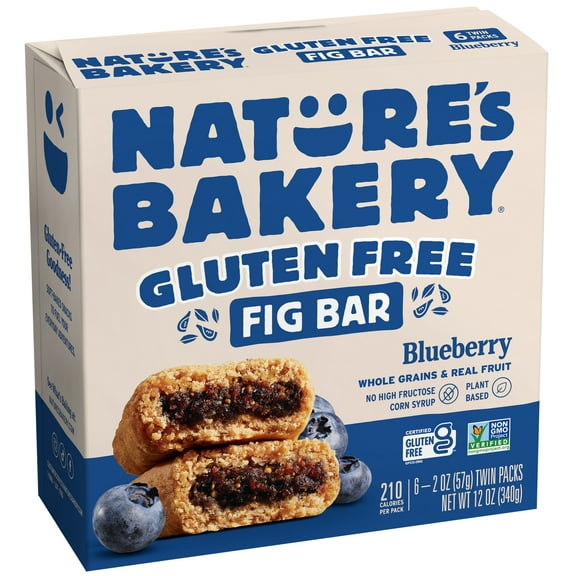
6264.2 out of 5 Stars. 626 reviewsSave withPickup todayDelivery todayShipping, arrives todaySNAP EBT eligibleNature's Bakery Gluten Free Blueberry Fig Bars, 6 Twin packs, 2 oz Each Options from $5.83 – $17.49
 2 optionsAvailable in additional 2 optionsOptions from$583– $1749
Nature's Bakery Gluten Free Blueberry Fig Bars, 6 Twin packs, 2 oz Each
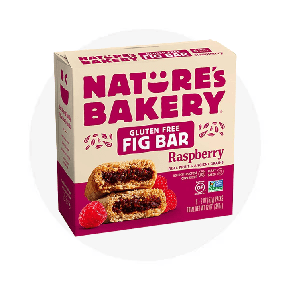
8784.6 out of 5 Stars. 878 reviewsSave withPickup todayDelivery todayShipping, arrives todaySNAP EBT eligibleNature's Bakery Gluten Free Raspberry Fig Bars in Twin Pack Box, 2 oz Each, 6 packs Options from $5.83 – $17.49
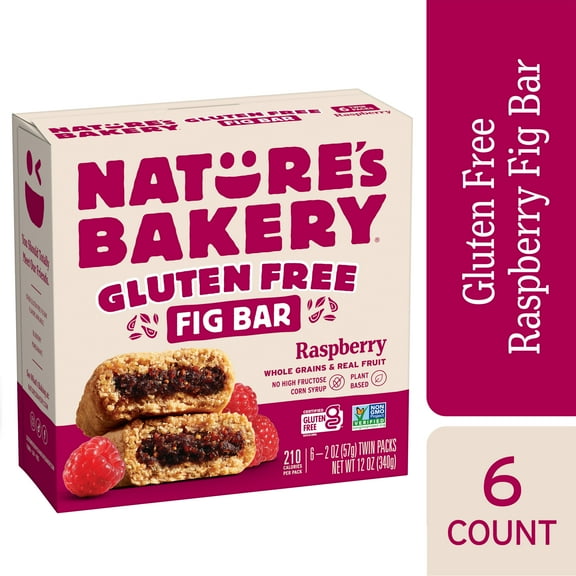 3 optionsAvailable in additional 3 optionsOptions from$583– $1749
Nature's Bakery Gluten Free Raspberry Fig Bars in Twin Pack Box, 2 oz Each, 6 packs
4004.5 out of 5 Stars. 400 reviewsSave withPickup todayDelivery todayShipping, arrives todaySNAP EBT eligibleSchar Gluten Free Pizza Crust, Sourdough Italian Pizza Crust, Shelf-Stable, 10.6 oz, 2 Count Options from $8.27 – $16.54
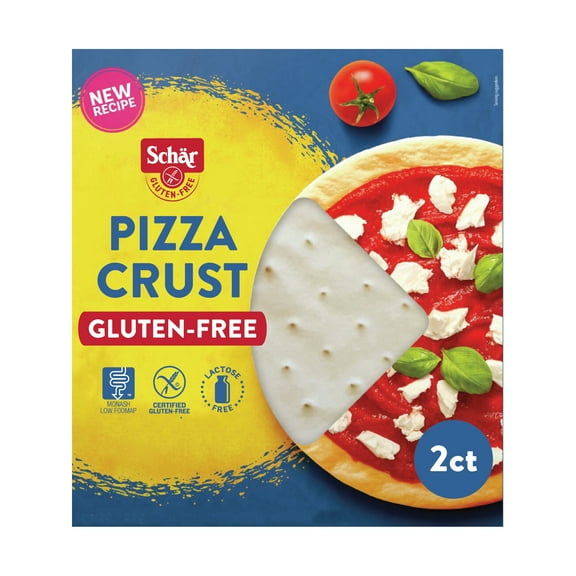 4 optionsAvailable in additional 4 optionsOptions from$827– $1654
Schar Gluten Free Pizza Crust, Sourdough Italian Pizza Crust, Shelf-Stable, 10.6 oz, 2 Count
7414.6 out of 5 Stars. 741 reviewsSave withPickup todayDelivery todayShipping, arrives todaySNAP EBT eligibleCanyon Bakehouse Deli White Bagels, Gluten Free Bagels, Fresh, 4 Count Options from $6.47 – $19.41
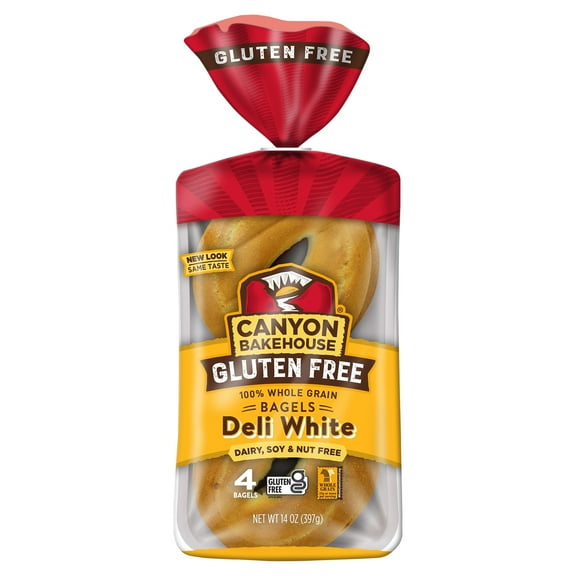 4 optionsAvailable in additional 4 optionsOptions from$647– $1941
Canyon Bakehouse Deli White Bagels, Gluten Free Bagels, Fresh, 4 Count
4613.7 out of 5 Stars. 461 reviewsSave withPickup todayDelivery todayShipping, arrives todaySNAP EBT eligibleEnjoy Life Allergy Friendly, Dairy Free Semi-Sweet Mini Baking Chocolate Chips, 10 oz $12.89 $1.29/oz
 $1289current price $12.89$1.29/oz
Enjoy Life Allergy Friendly, Dairy Free Semi-Sweet Mini Baking Chocolate Chips, 10 oz
6034.5 out of 5 Stars. 603 reviewsSave withShipping, arrives tomorrowBest seller Chomps Grass-Fed and Finished Sea Salt Beef Jerky Snack Stick, 10g of Protein Options from $2.56 – $207.93
Best seller 3 optionsAvailable in additional 3 optionsOptions from$256– $20793
Chomps Grass-Fed and Finished Sea Salt Beef Jerky Snack Stick, 10g of Protein
8814.7 out of 5 Stars. 881 reviewsSave withPickup todayDelivery todaySNAP EBT eligibleBest seller Snack Factory Pretzel Crisps Gluten Free, Original Flavor, 5 oz Options from $2.98 – $34.97
Best seller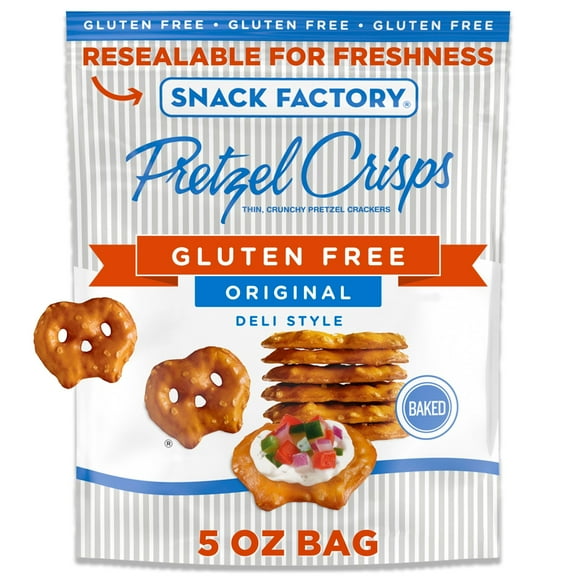 3 optionsAvailable in additional 3 optionsOptions from$298– $3497
Snack Factory Pretzel Crisps Gluten Free, Original Flavor, 5 oz
6424.6 out of 5 Stars. 642 reviewsSave withPickup todayDelivery todaySNAP EBT eligibleBest seller Bob's Red Mill Gluten Free Non-GMO Old Fashioned Rolled Oats, 32 oz Bag Shelf-Stable Ready-to-Cook Options from $7.97 – $23.91
Best seller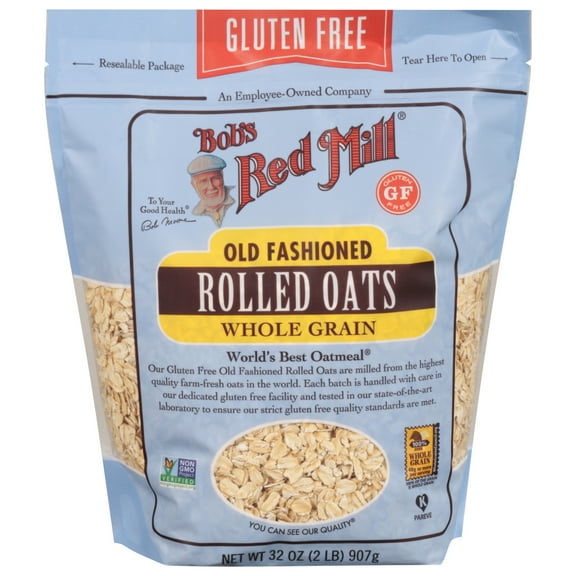 2 optionsAvailable in additional 2 optionsOptions from$797– $2391
Bob's Red Mill Gluten Free Non-GMO Old Fashioned Rolled Oats, 32 oz Bag Shelf-Stable Ready-to-Cook
9954.7 out of 5 Stars. 995 reviewsSave withPickup todayDelivery todayShipping, arrives todaySNAP EBT eligibleThe Good Crisp Company Gluten Free Original Snack Chips, 5.6 oz Options from $3.74 – $14.96
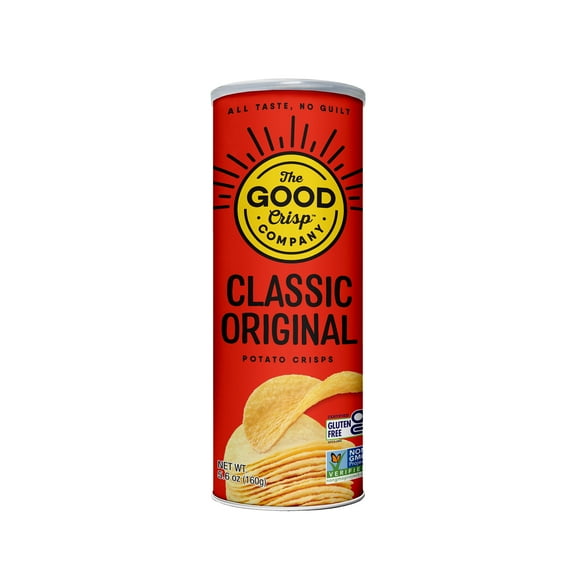 2 optionsAvailable in additional 2 optionsOptions from$374– $1496
The Good Crisp Company Gluten Free Original Snack Chips, 5.6 oz
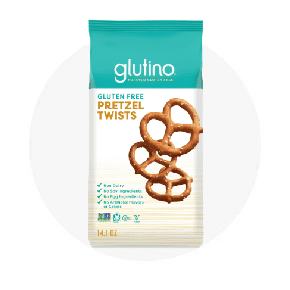
5844.6 out of 5 Stars. 584 reviewsSave withPickup todayDelivery todaySNAP EBT eligibleGlutino Gluten Free Pretzel Twists, Gluten Free Snacks, 14.1 oz Options from $5.87 – $5.97
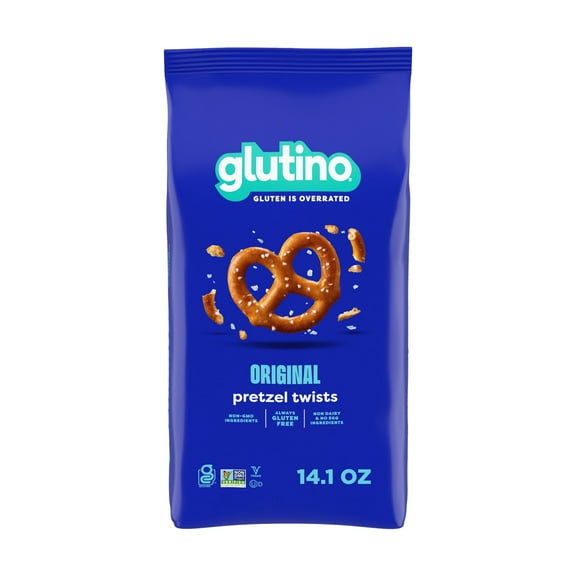 2 optionsAvailable in additional 2 optionsOptions from$587– $597
Glutino Gluten Free Pretzel Twists, Gluten Free Snacks, 14.1 oz
6014.1 out of 5 Stars. 601 reviewsSave withPickup todayDelivery todayShipping, arrives todaySNAP EBT eligibleKinnikinnick, Vanilla Wafer, 6.3 oz Box, Gluten Free, Allergy Friendly Cookies Options from $3.86 – $24.92
 3 optionsAvailable in additional 3 optionsOptions from$386– $2492
Kinnikinnick, Vanilla Wafer, 6.3 oz Box, Gluten Free, Allergy Friendly Cookies
4304.5 out of 5 Stars. 430 reviewsSave withPickup todayDelivery todaySNAP EBT eligible
Dinner made easy
(2 pack) Great Value Gluten-Free Cheeseburger Dinner Kit, 12.8 oz $6.74
 2 optionsAvailable in additional 2 options$674current price $6.74
(2 pack) Great Value Gluten-Free Cheeseburger Dinner Kit, 12.8 oz
1904.3 out of 5 Stars. 190 reviewsSave withShipping, arrives todayGreat Value Gluten-Free Stroganoff Dinner Kit, 11.6 oz $3.48 30.0 ¢/oz
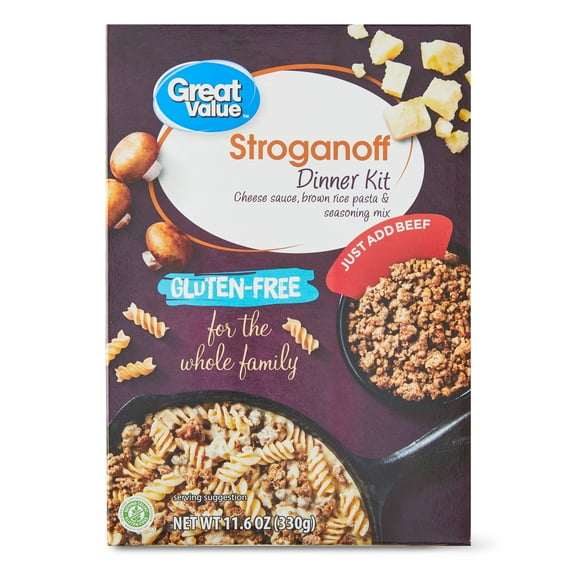 $348current price $3.4830.0 ¢/oz
Great Value Gluten-Free Stroganoff Dinner Kit, 11.6 oz
2064.6 out of 5 Stars. 206 reviewsSave withPickup todayDelivery todaySNAP EBT eligible73% Lean / 27% Fat Ground Beef, 1 lb Tray, Fresh, All Natural* $6.44 $6.44/lb
 $644current price $6.44$6.44/lb
73% Lean / 27% Fat Ground Beef, 1 lb Tray, Fresh, All Natural*
47534.4 out of 5 Stars. 4753 reviewsSave withPickup todayDelivery todaySNAP EBT eligibleBest seller Great Value Milk Whole Vitamin D, Half Gallon, , 64 fl oz $1.72 2.7 ¢/fl oz
Best seller $172current price $1.722.7 ¢/fl oz
Great Value Milk Whole Vitamin D, Half Gallon, , 64 fl oz
495904.5 out of 5 Stars. 49590 reviewsSave withPickup todayDelivery todaySNAP EBT eligibleMarketside Avocado Ranch Chopped Salad Kit, 12.3 oz Bag, Fresh $3.47 28.1 ¢/oz
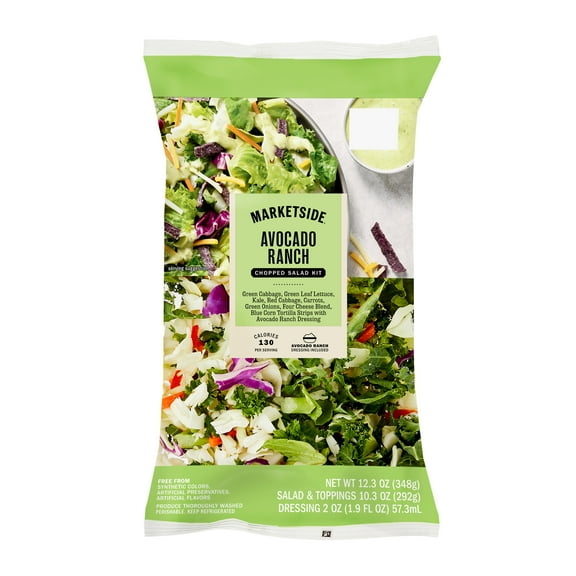 $347current price $3.4728.1 ¢/oz
Marketside Avocado Ranch Chopped Salad Kit, 12.3 oz Bag, Fresh
20334.3 out of 5 Stars. 2033 reviewsSave withPickup todayDelivery todaySNAP EBT eligibleMarketside Sunflower Bacon Crunch Chopped Salad Kit, 13.79 oz Bag, Fresh $3.47 32.7 ¢/oz
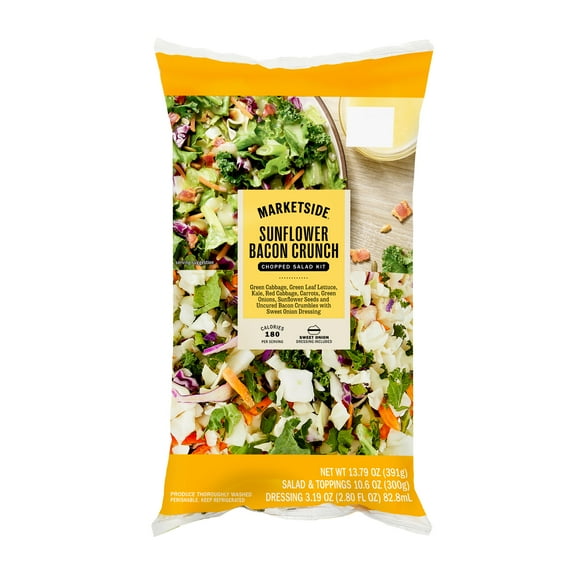 $347current price $3.4732.7 ¢/oz
Marketside Sunflower Bacon Crunch Chopped Salad Kit, 13.79 oz Bag, Fresh
46334.6 out of 5 Stars. 4633 reviewsSave withPickup todayDelivery todaySNAP EBT eligibleBFree Foods, Gluten Free, Sandwich Rolls, 3 Pack, 5.8oz Options from $5.88 – $17.64
 2 optionsAvailable in additional 2 optionsOptions from$588– $1764
BFree Foods, Gluten Free, Sandwich Rolls, 3 Pack, 5.8oz
2154.1 out of 5 Stars. 215 reviewsSave withShipping, arrives todaySNAP EBT eligibleBest seller bettergoods Garlic, Parmesan, and Basil Butter, 3 oz $2.56 85.3 ¢/oz
Best seller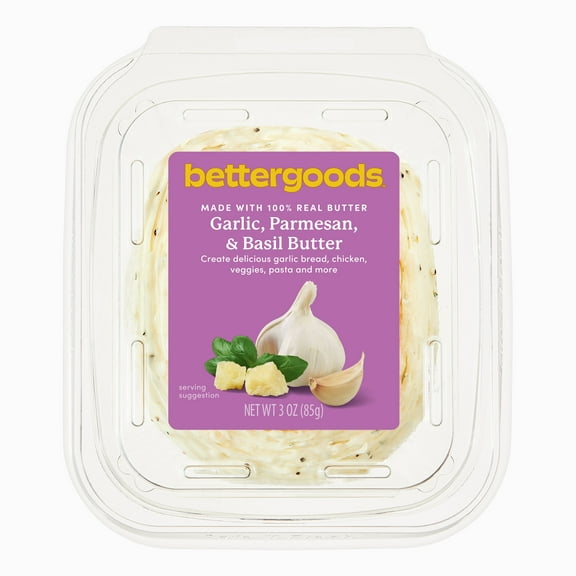 $256current price $2.5685.3 ¢/oz
bettergoods Garlic, Parmesan, and Basil Butter, 3 oz
6434.7 out of 5 Stars. 643 reviewsSave withPickup todayDelivery todaySNAP EBT eligibleBest seller Haagen Dazs Vanilla Bean Ice Cream, Gluten Free, Kosher, 14 oz $4.36 31.1 ¢/fl oz
Best seller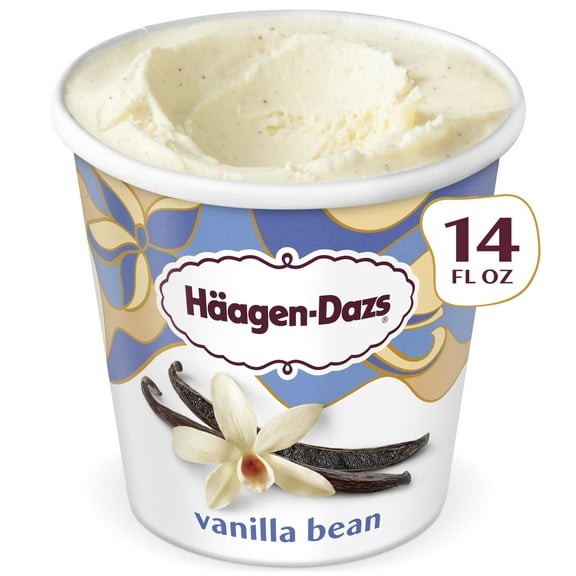 $436current price $4.3631.1 ¢/fl oz
Haagen Dazs Vanilla Bean Ice Cream, Gluten Free, Kosher, 14 oz
18544.6 out of 5 Stars. 1854 reviewsSave withPickup todayDelivery todaySNAP EBT eligibleBreyers Lactose-Free Light Vanilla Ice Cream Frozen Desserts, 1.5 Qt $4.67 9.7 ¢/fl oz
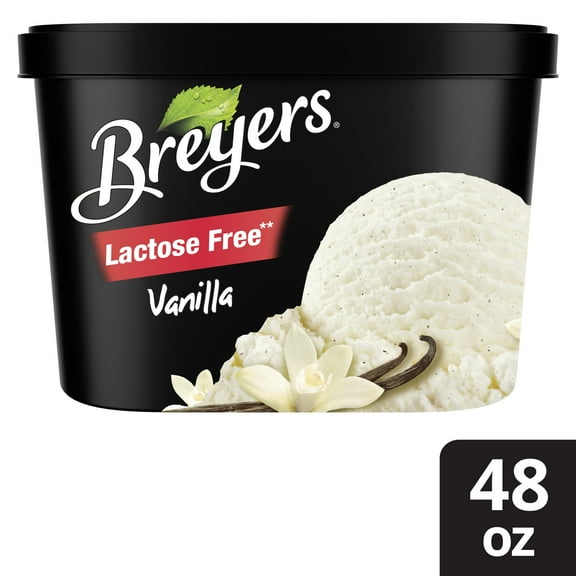 $467current price $4.679.7 ¢/fl oz
Breyers Lactose-Free Light Vanilla Ice Cream Frozen Desserts, 1.5 Qt
14114.5 out of 5 Stars. 1411 reviewsSave withPickup todayDelivery todaySNAP EBT eligible
FAQ
Which noodles work best as a gluten-free ramen substitute?
If you want a bowl that feels like ramen but without wheat, try noodles made from non-wheat ingredients. Options to consider:
- Rice noodles – soft and mild, good for brothy bowls.
- Buckwheat (100% buckwheat) – nuttier flavor and a firmer bite; check the label because some mixes contain wheat.
- Shirataki/konjac – very low-carb and chewy; texture differs from wheat noodles.
- Glass/noodles from mung bean or sweet potato – translucent and slippery, work well in hot broth.
Check for certified gluten-free labeling and be aware textures and cooking times vary. You can use Walmart’s filters to narrow options and choose pickup or delivery that suits you.
How do you start a gluten-free sourdough starter?
Starting a gluten-free sourdough starter is similar to a regular starter but uses gluten-free flours. Basic steps:
- Mix equal parts gluten-free flour (brown rice, sorghum, or certified gluten-free oat flour) and room-temperature water in a clean jar.
- Cover loosely and keep at a steady, warm spot (about 70–75°F) for several days.
- Each day, discard half and feed with fresh flour and water; you’ll notice bubbles and a tangy smell as it ferments.
- After about 5–10 days the starter may be active enough to bake with, though timing varies.
Use clean utensils to avoid contamination and label the starter. Results depend on flour type, temperature, and local microbes, so expect some trial and adjustment.
How should someone with celiac approach noodle dishes?
People managing celiac disease often need to avoid gluten entirely, so noodle choices and kitchen practices matter. Consider these points:
- Choose certified gluten-free products made from rice, buckwheat (100% buckwheat), corn, quinoa, or other non-wheat ingredients.
- Watch cross-contact — shared cooking water, utensils, or frying oil can introduce gluten.
- When eating out, ask about separate prep areas and confirm the dish is prepared without wheat-based ingredients.
This is general information and not medical advice. For personal guidance on diet and health, consult a healthcare provider or registered dietitian. You can also use Walmart’s product filters to find certified gluten-free noodles for home cooking.
What should I look for on gluten-free noodle labels?
Labels can tell you a lot when choosing gluten-free noodles. Key things to scan for:
- "Certified gluten-free" or a clear gluten-free claim — indicates testing/standards were followed.
- Ingredient list — avoid wheat, barley, rye, malt, or hydrolyzed wheat proteins.
- Allergen and processing statements — notes about shared equipment or facilities can signal cross-contact risk.
- Cooking directions and recommended cook time — important because gluten-free pastas often need different handling.
- Manufacturer contact info — useful if you need clarification.
Keep in mind labeling rules vary by region; when in doubt, reach out to the manufacturer or choose products with third-party certification.
How do I cook gluten-free noodles without them falling apart?
Gluten-free noodles can be delicate, but a few technique tweaks help them hold up:
- Use a large pot with plenty of rapidly boiling, salted water so noodles move freely.
- Stir gently during the first minute to prevent sticking, then occasionally.
- Follow the package time and check a minute early for an al dente bite; overcooking makes some varieties mushy.
- Drain promptly and, for rice or glass noodles, rinse under cold water to stop cooking and reduce stickiness.
- Toss immediately with sauce or a bit of oil to prevent clumping and avoid using the same utensils or pans as wheat products to prevent cross-contact.
Different noodle types need different handling, so adjust based on the package guidance and your preferred texture.