


Find auto parts that fit
Let’s search for parts that fit your vehicle.Fuse Boxes in Fuses, Fuse Blocks & Fuse Boxes
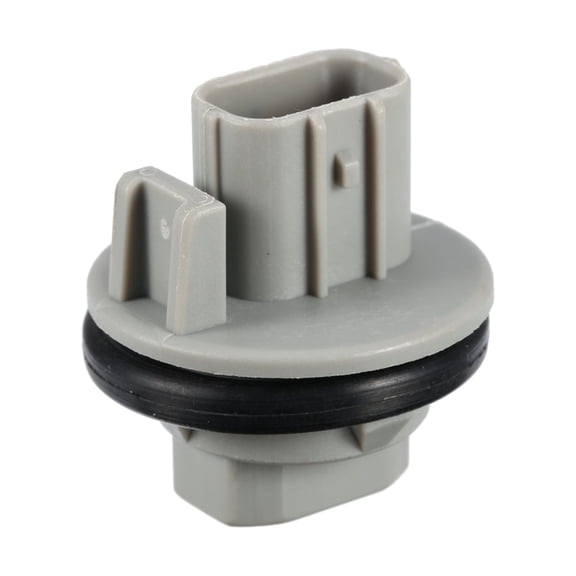

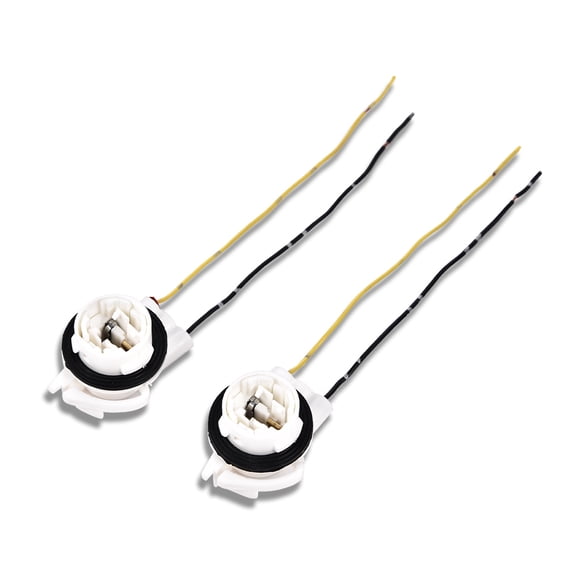
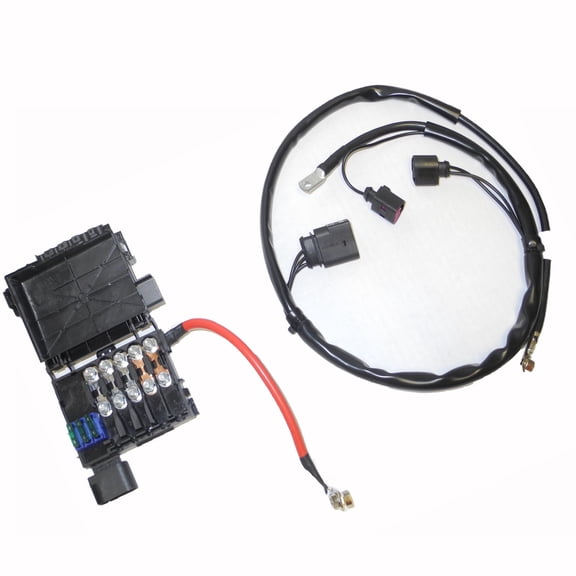
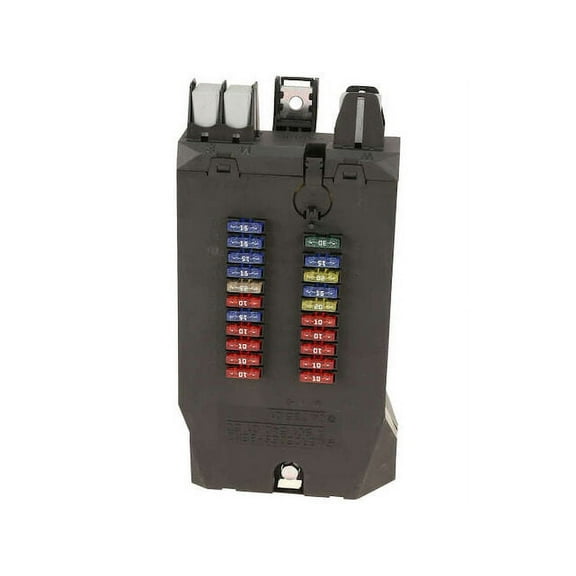


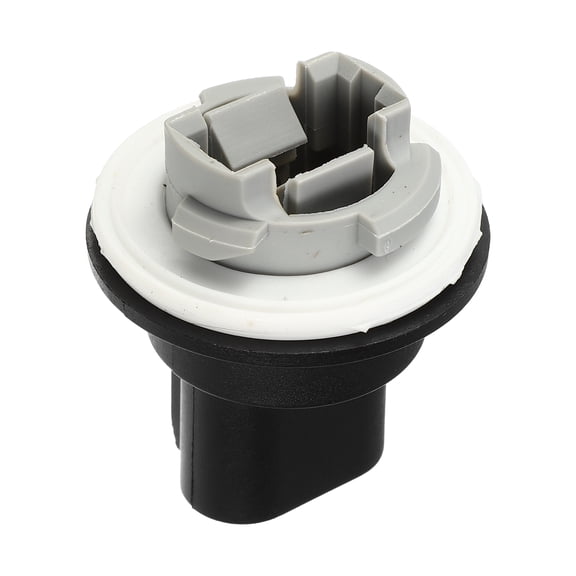

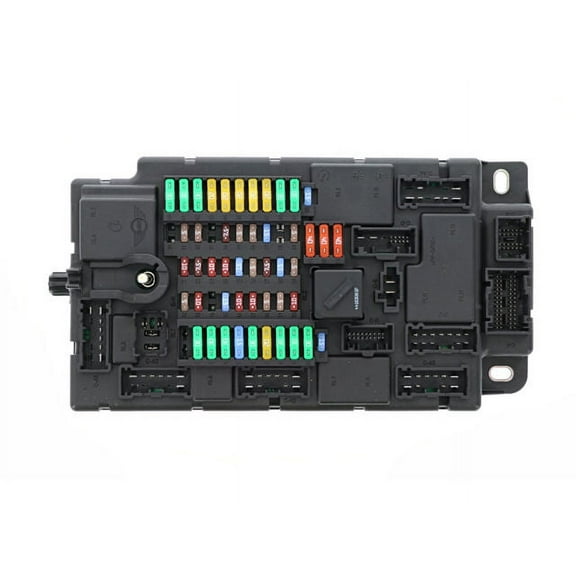

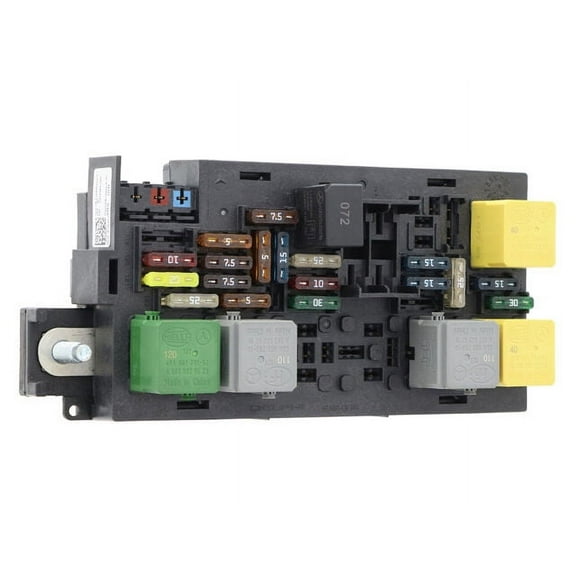
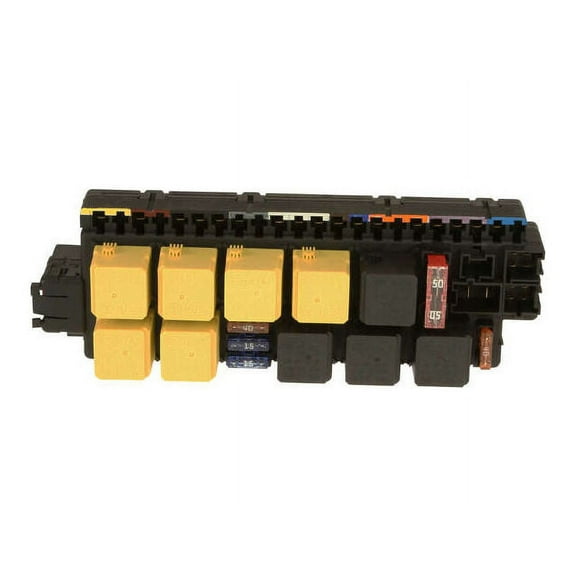

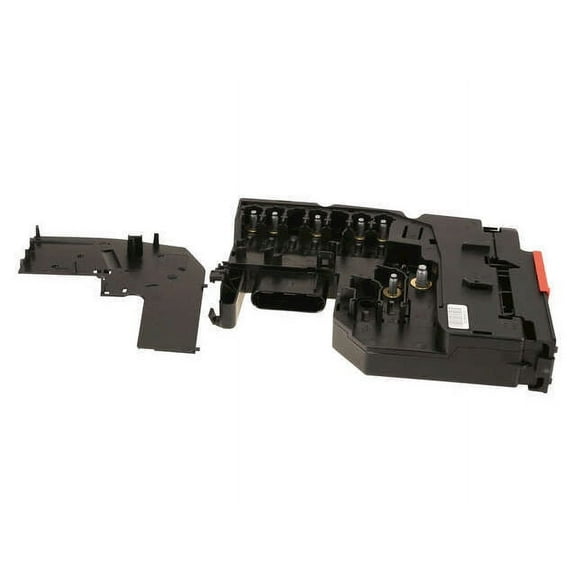
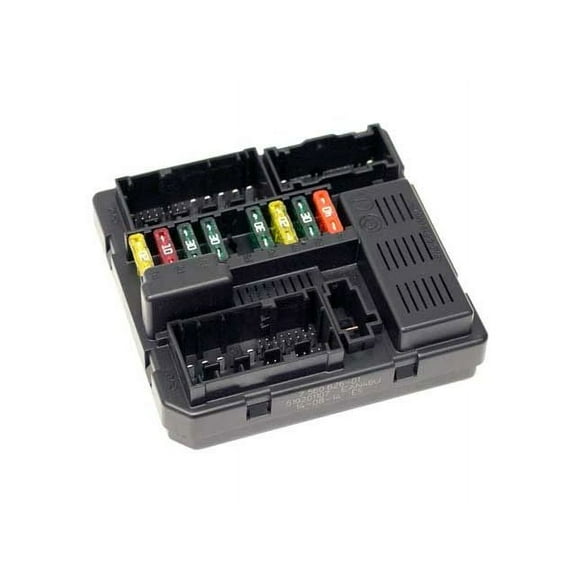




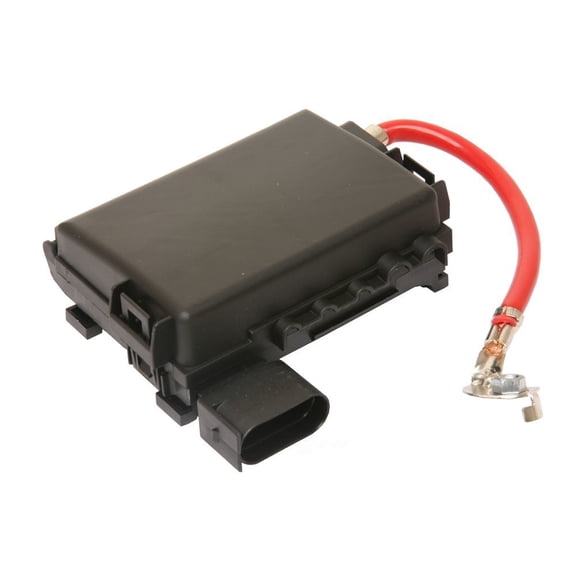


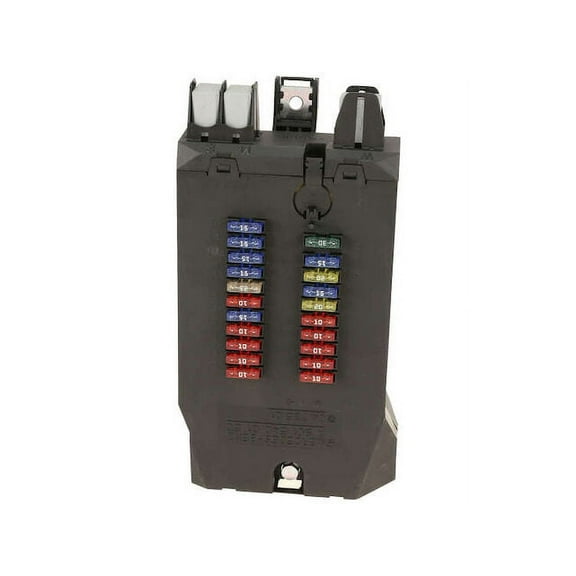
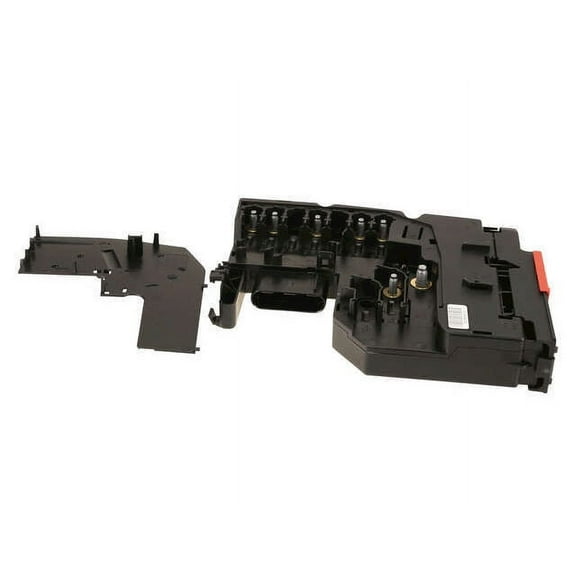


About Fuse Boxes in Fuses, Fuse Blocks & Fuse Boxes - Walmart.com
Fuse boxes help you organize circuit protection for automotive, marine, RV, and industrial wiring. You can compare voltage ratings, fuse styles, and circuit counts to match your setup cleanly.
If you're wiring lights, audio gear, pumps, or auxiliary power, you need a layout that keeps connections easy to trace. You can also choose options built for wet bays, engine compartments, or enclosed control panels.
Choosing fuse boxes by application
You'll want to start with where your fuse box will live and what equipment you plan to power. Your application affects housing style, terminal layout, and resistance to moisture or vibration.
For automotive fuse blocks, you may look for compact footprints that fit under dashboards or in engine bays. For marine fuse panels, you may prefer sealed covers and corrosion-resistant hardware for harsher exposure.
If you're outfitting an RV, you may need room for lighting, fans, charging ports, and other accessories. In industrial spaces, you may compare sturdier housings and higher circuit capacity for control cabinets.
How to compare 12v fuse blocks and voltage ratings
You should check voltage compatibility before you choose a 12v fuse block or a higher-rated unit. Your system may use 12V, 24V, or 32V, and that rating needs to align with your equipment.
You should also compare maximum current per circuit and total block capacity. Those numbers tell you how much power each connection can handle and how much the full block supports.
If you're adding several accessories, you may need extra headroom for future wiring changes. You can avoid crowded layouts when your fuse box supports your current load and planned expansion.
- You can match 12V systems for cars, boats, and many RV accessories.
- You can compare 24V and 32V options for heavier-duty electrical setups.
- You can check total amperage and per-circuit ratings before you connect multiple devices.
- You can leave open circuits for future lights, chargers, or control add-ons.
What to look for in fuse type compatibility
You should confirm the fuse style your wiring plan requires before you choose a holder or panel. Your options may include blade fuse blocks, mini blade layouts, glass tube holders, or ANL formats.
Blade fuse blocks are common when you want quick replacement and easy visual identification. Glass tube styles may fit older setups, while ANL formats often support higher-current applications.
You can simplify maintenance when your replacement fuse type is easy to find and easy to install. You should also check whether the terminals and cover design leave enough room for your hands and tools.
When you're comparing automotive fuse holders, you may also notice labels for ATC or ATO blade formats. Those labels help you match your existing fuse style without reworking your wiring plan.
Choosing the right circuit count and layout
You should count how many accessories you need to wire today before picking a six-way, 10-way, or 12-way block. Your circuit count affects organization, troubleshooting, and room for future additions.
If you're powering a few basic add-ons, a four-way or six-way layout may fit your needs. If you're building a more involved setup, a 10-way or 12-way panel can keep each line separated.
You can make future service easier when each circuit has its own position and clear labeling. Multi-position fuse holders also help you avoid stacking too many devices onto a single connection.
Comparing waterproof fuse box options and enclosure ratings
You should consider environmental exposure before choosing a waterproof fuse box or a non-waterproof design. Your mounting location may face spray, dust, road grime, or general weather.
For marine fuse panels and off-road builds, you may look for weatherproof covers and sealed construction. Those features help you protect terminals in areas that see regular moisture or debris.
If your fuse box stays inside a dry cabin or enclosed cabinet, you may not need the same enclosure level. You should still compare cover fit, terminal shielding, and overall housing strength.
You may also check whether an enclosure lists an IP rating for dust and water resistance. That detail gives you a clearer way to compare options for exposed installations.
Use cases for automotive fuse blocks and marine fuse panels
You can use automotive fuse blocks when you're adding fog lights, dash cameras, audio equipment, or power sockets. Your wiring stays easier to manage when each accessory has a dedicated protected circuit.
On a boat, you may use marine fuse panels for bilge pumps, navigation lights, radios, and switch panels. Your electrical layout can stay neater when terminals and fuses sit in one central spot.
In an RV, you might connect interior lighting, vent fans, USB chargers, and small appliances through one organized panel. Your setup becomes easier to expand when open circuits remain available.
For workshop or industrial control projects, you can separate low-voltage accessories into clearly labeled runs. Your maintenance checks can move faster when each line is grouped in one accessible fuse box.
When you're comparing fuse boxes, you should focus on application, voltage, fuse type, circuit count, and enclosure style. You can choose a cleaner, easier-to-service power distribution setup when those details match your project.