


Find auto parts that fit
Let’s search for parts that fit your vehicle.Forced Induction in Performance Fuel, Carburetors and Intakes
















About Forced Induction in Performance Fuel, Carburetors and Intakes - Walmart.com
Forced induction parts help you build a more responsive engine setup with fitment-focused choices for turbos, superchargers, and supporting hardware. You can compare induction styles, compatibility details, and key components before you commit to a setup.
How to choose forced induction for your build
You should start with your power goal and your vehicle's engine layout. You’ll also want to compare exhaust-driven turbocharger options with belt-driven supercharger systems.
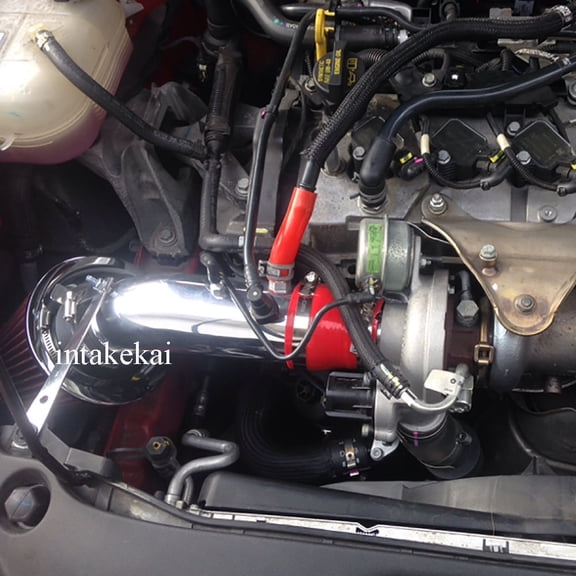
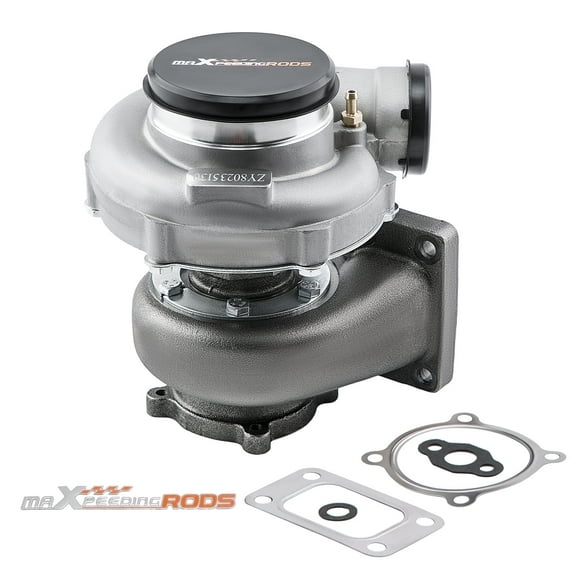
With a turbocharger, you use exhaust flow to create boost and often gain strong pull at higher rpm. With a supercharger, you use belt drive for a more direct power curve and immediate response.
You may also see procharger options within centrifugal supercharger designs. You can use that style when you want supercharger operation with packaging that fits certain engine bays.
- You can compare turbocharger and supercharger response before choosing your setup.
- You can match direct fit or vehicle specific parts to your engine code.
- You can plan for intercoolers, wastegates, and tuning needs at the same time.
- You can narrow materials like cast iron, aluminum, stainless steel, and billet aluminum.
Choosing induction type and compatibility
You should check whether your part is universal, direct fit, or vehicle specific before anything else. You’ll avoid mismatched manifold bolt patterns, flange types, and routing conflicts when you confirm fitment early.
If you choose universal parts, you should expect more measuring and custom fabrication. If you choose direct fit or vehicle specific parts, you can usually simplify placement and connection points.
You’ll want to confirm your engine code, available space, and existing exhaust or accessory layout. You can use those details to compare compressor size, manifold shape, and charge pipe routing.
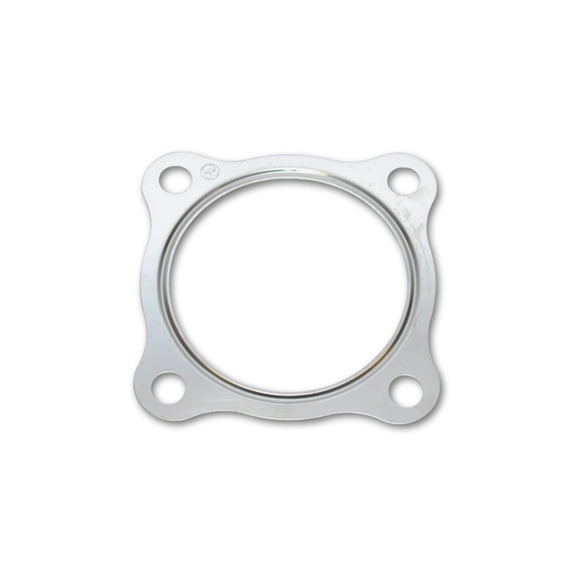
For turbocharger setups, you should look closely at flange type and manifold compatibility. For supercharger systems, you should check bracket alignment, pulley path, and clearance around nearby components.
What to look for in forced induction components
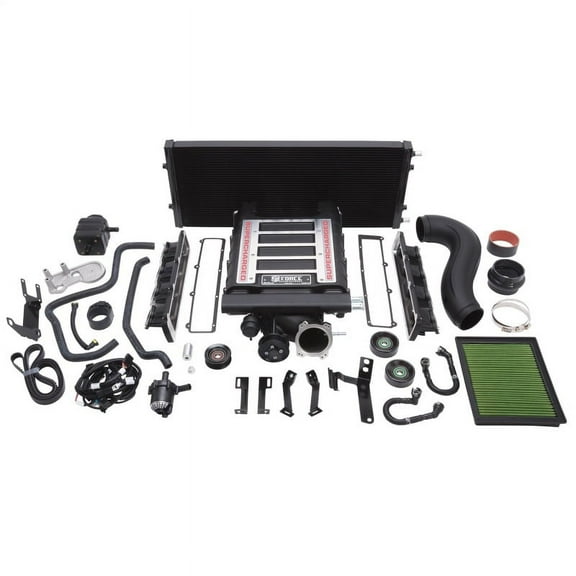
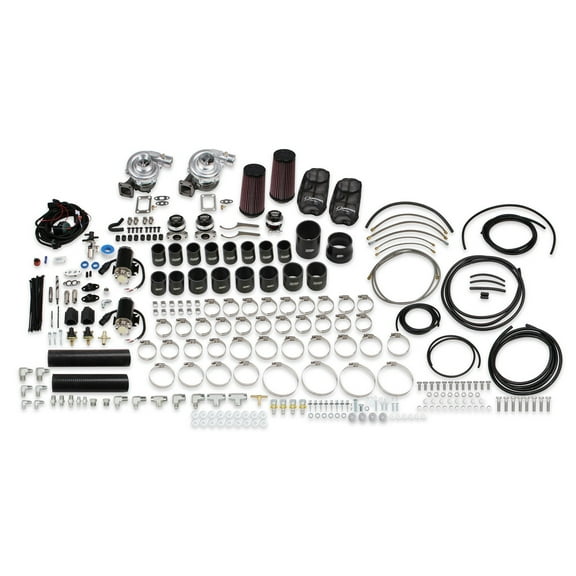
You can build a complete forced induction system by matching the main unit with the right supporting parts. You’ll often compare turbo kits, manifolds, intercoolers, wastegates, and blow-off valves as one package.
An intercooler helps you manage charge air temperature as boost increases. You’ll want the core size and piping layout to fit your front-end space and connection points.
A wastegate helps you control boost on many turbo setups. You should compare placement, flange style, and spring range so your hardware matches your manifold and tuning plan.
A blow-off valve helps release pressure during throttle lift in many boosted applications. You can compare valve style and mounting location based on your piping layout and desired installation approach.
You should also review material choices because construction affects weight, heat handling, and durability. You’ll often see cast iron manifolds, aluminum housings, stainless steel piping, and billet aluminum details.
Matching installation needs to real-world use
You should compare bolt-on kits with custom combinations based on your tools and timeline. You’ll usually spend less time fitting a complete kit than mixing separate parts across different flange standards.
If you’re updating a daily-driven street build, you may prefer direct fit hardware and a cleaner routing path. You can keep your project more manageable when brackets, manifolds, and piping align with your vehicle.
If you’re planning a custom engine project, you may choose universal components for more layout flexibility. You should measure carefully for oil lines, charge pipes, intercooler placement, and hood clearance.
You’ll also want to plan supporting modifications before installation begins. You can compare fuel injectors, ECU tuning, and intercooling needs so your setup works as a complete system.
For a turbo build, you may focus on exhaust routing, wastegate placement, and manifold design. For a supercharger build, you may focus on belt path, bracket mounting, and front accessory space.
You can use these decision points to narrow parts that fit your engine and your installation goals. You’ll gain a clearer path to a setup that matches your vehicle, hardware, and boost plan.