






Fence Posts in Fencing




















About Fence Posts in Fencing - Walmart.com
Fence posts help you build stable garden borders, privacy lines, agricultural runs, and chain link layouts. You can compare materials, post types, and heights at Walmart, so your fence matches your ground conditions and design goals.
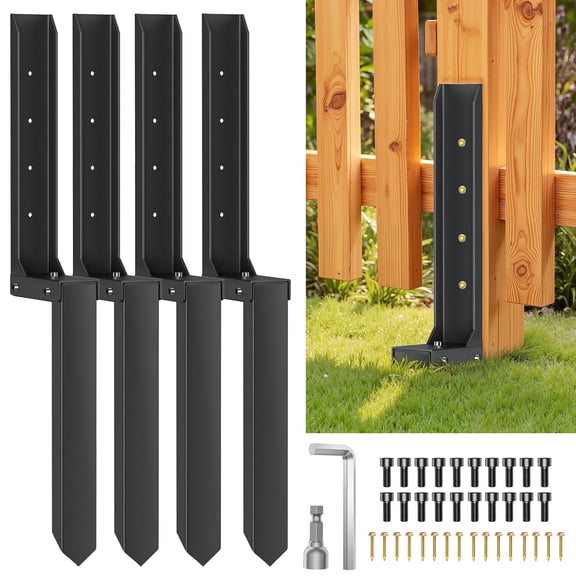
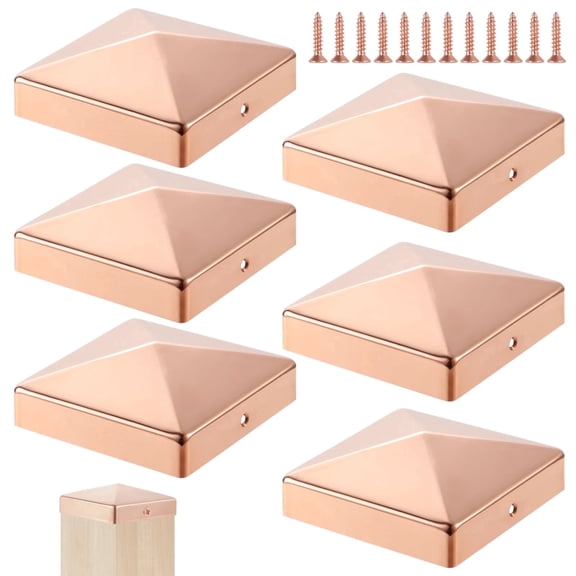
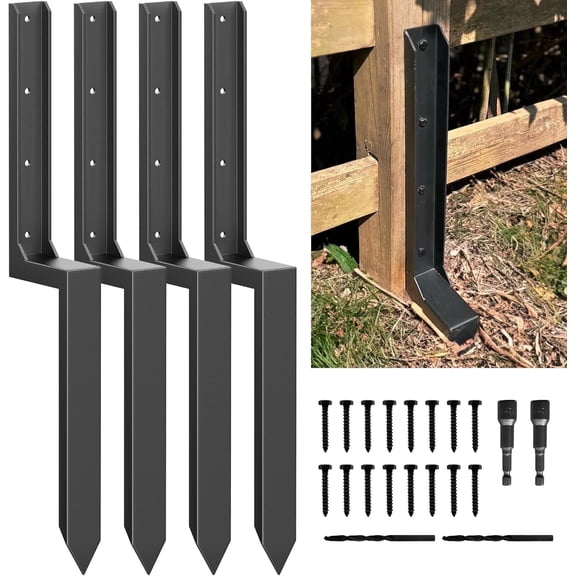
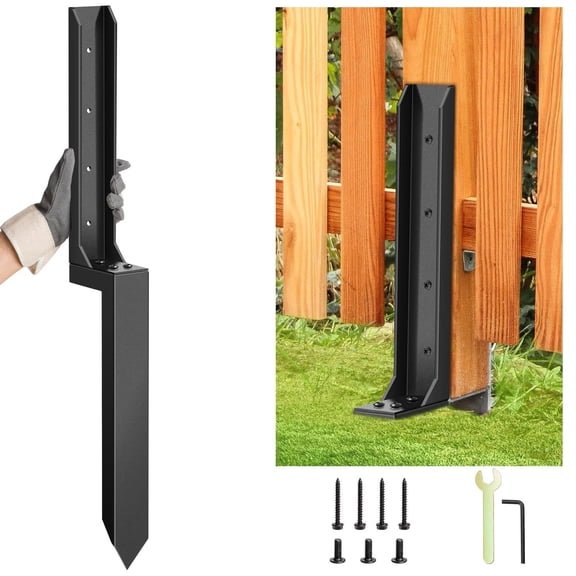
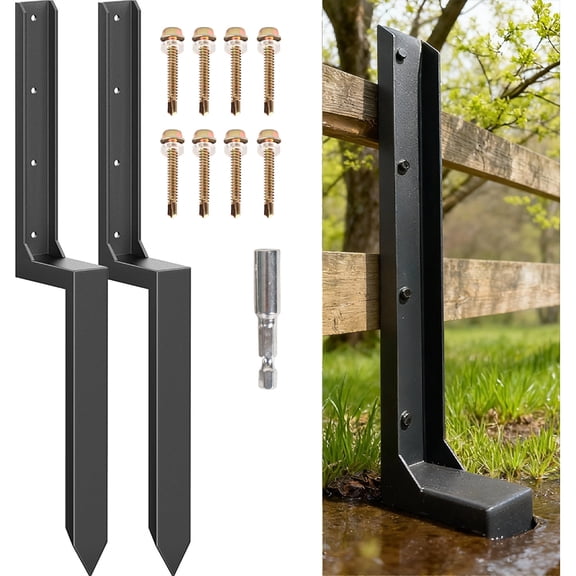
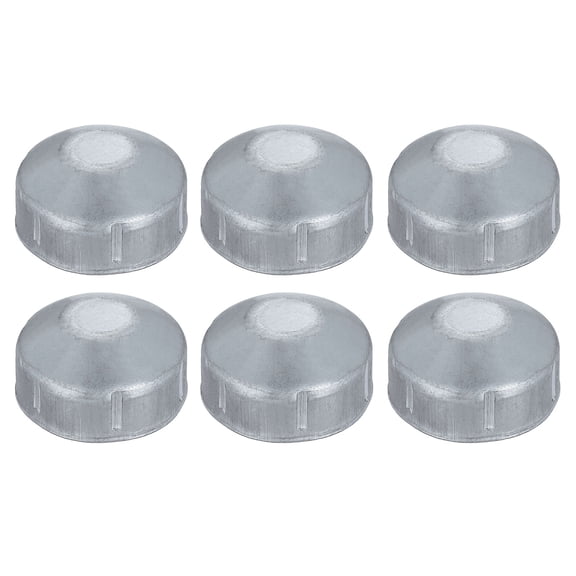
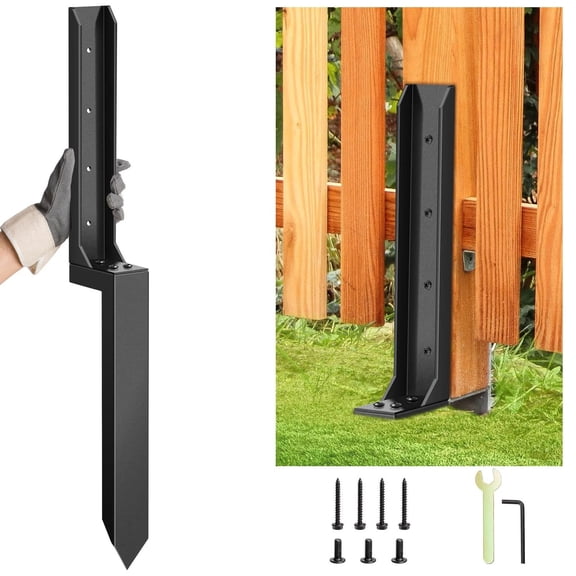
When you choose the right post first, you set up cleaner alignment for panels, rails, mesh, or wire. You can also match accessories more easily, including fence post anchors, caps, brackets, and hardware.
Choosing the right fence posts for your project
You should start with the material, because it shapes your fence’s look, upkeep, and installation method. You can compare wood fence posts, metal fence posts, steel fence posts, vinyl fence posts, and composite options by project type.
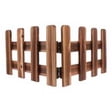
If your yard calls for a traditional style, you may prefer wood fence posts with visible grain and stain options. You can pair them with pickets, privacy panels, and rails for a familiar backyard finish.
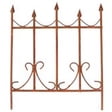
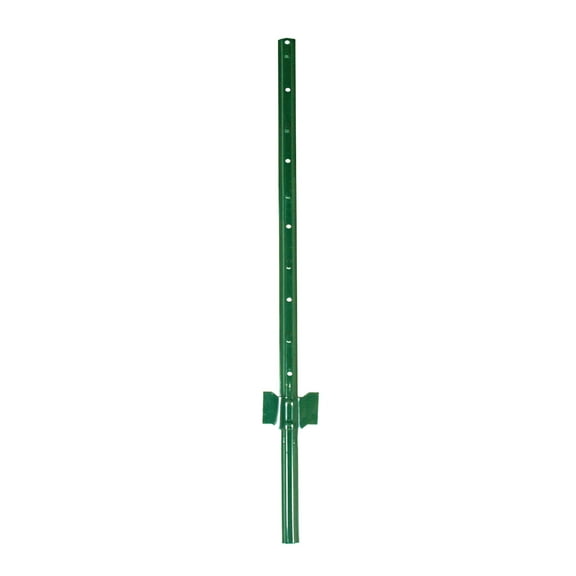
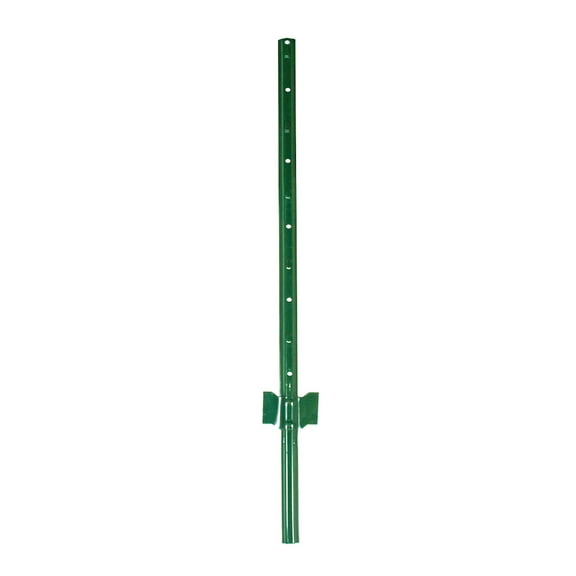
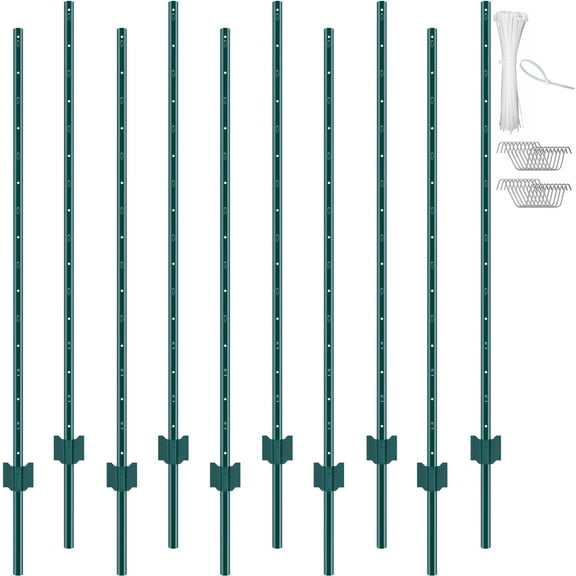
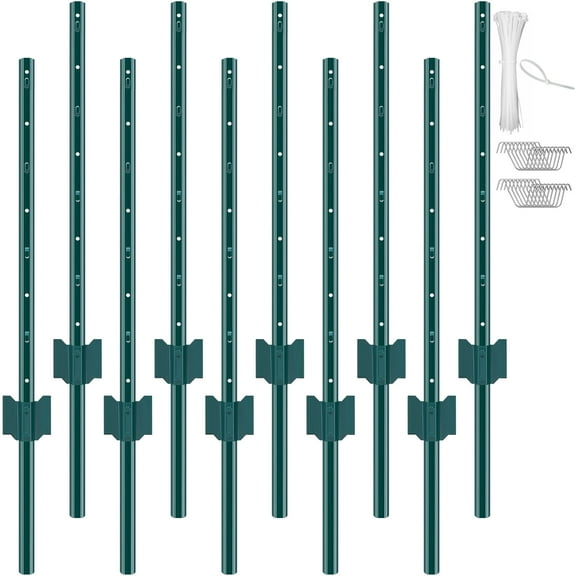
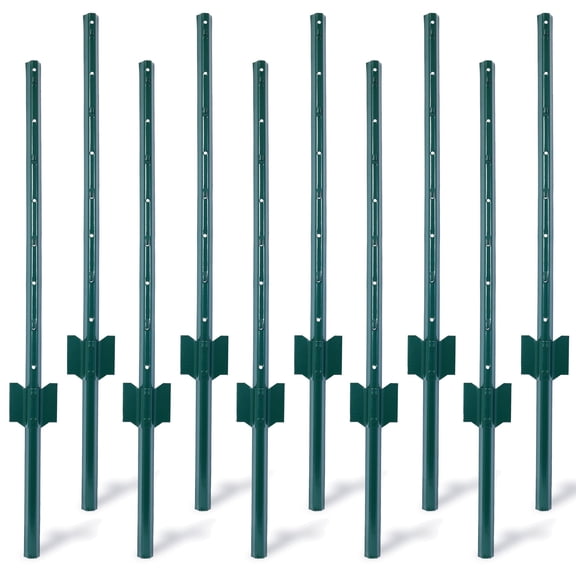
When you want a slimmer frame, you might choose metal fence posts for wire layouts and utility boundaries. You can often see steel fence posts support long runs where you want sturdy lines and a narrow profile.
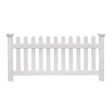
For a clean, coordinated look, you can consider vinyl fence posts beside matching vinyl sections and gates. You may also compare composite choices when your project needs a finished appearance with modern fencing materials.
- You can use wood for painted, stained, or natural-looking privacy sections.
- You can choose metal or steel for chain link, wire fencing, and agricultural layouts.
- You can pick vinyl or composite when you want a uniform look across posts, panels, and gates.
Comparing t post fence posts and other post types
You should next compare post type, because shape affects how your fence enters the ground and connects above it. You can look at T-post, U-post, round post, and square post designs based on your fencing system.
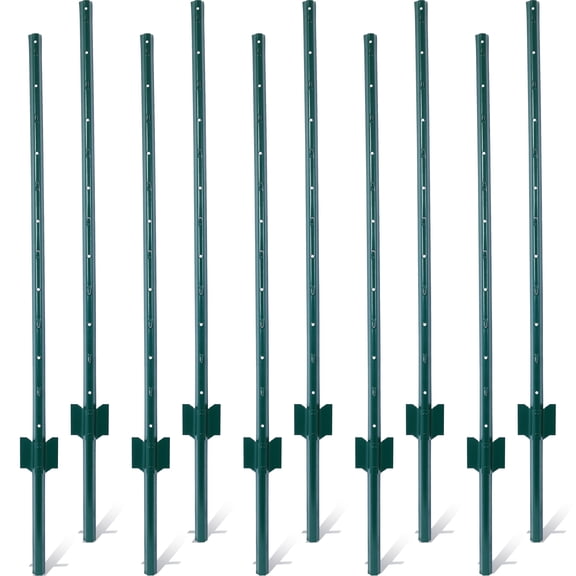
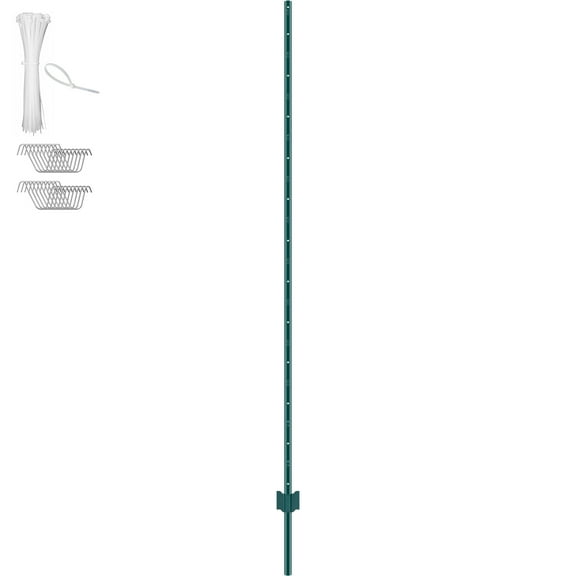
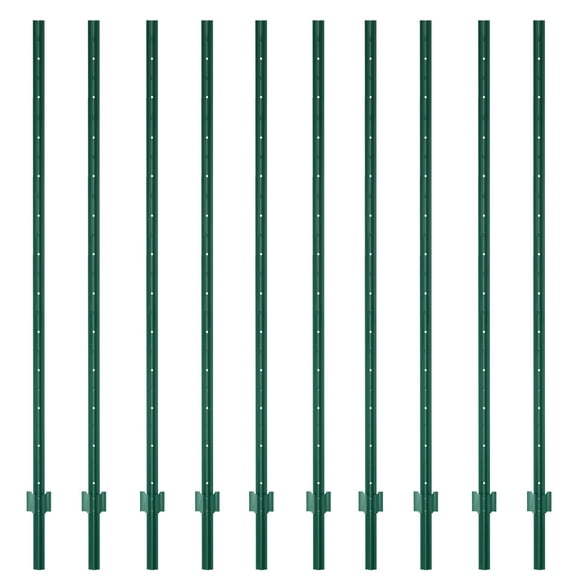
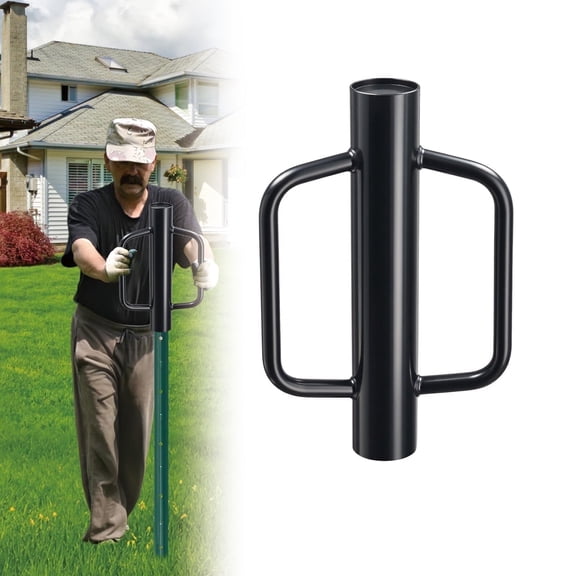
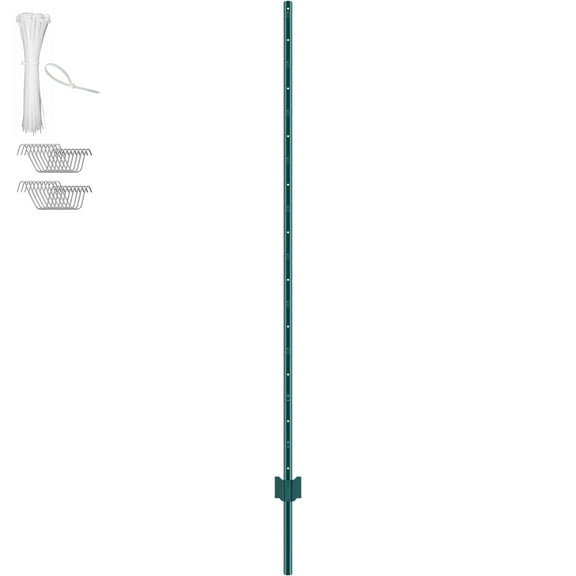
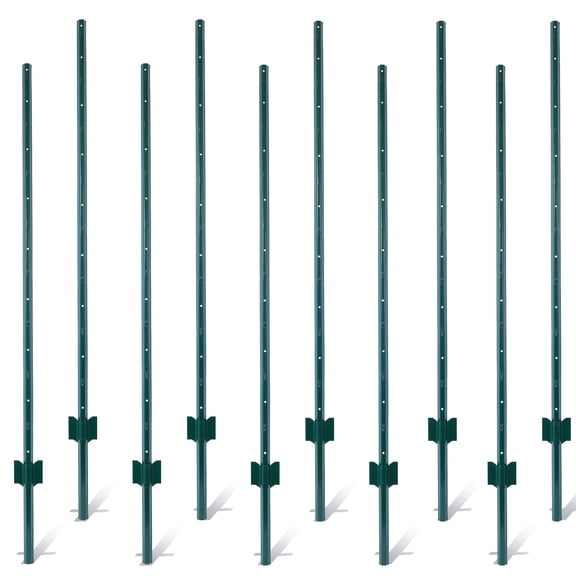
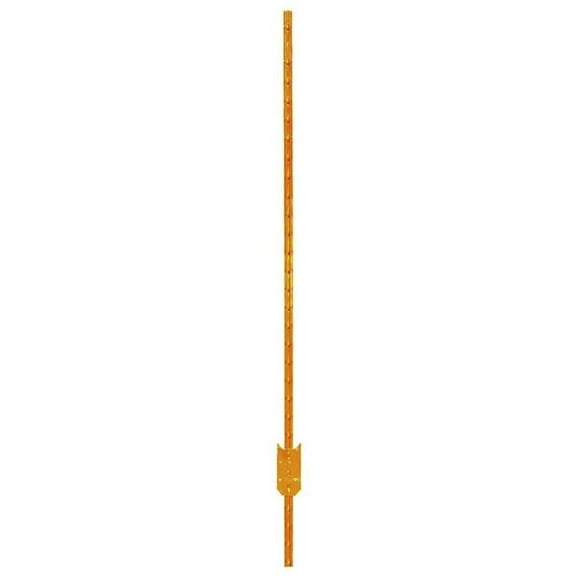
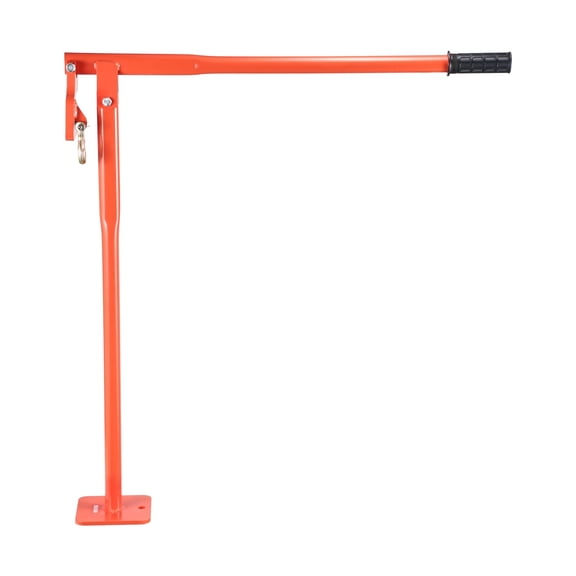
T post fence posts work well when you want to drive posts directly into soil for wire, mesh, or field fencing. You may appreciate how they support quicker layout changes across long property lines and open acreage.
If your project uses lighter sections, you can consider U-post styles with a narrow profile and simple placement. You can often spot them in garden fencing, temporary barriers, or smaller perimeter runs.
Round posts can fit split rail layouts, rustic boundaries, and agricultural enclosures with a natural shape. Square posts can help you attach panels, rails, and gate hardware with flatter connection points.
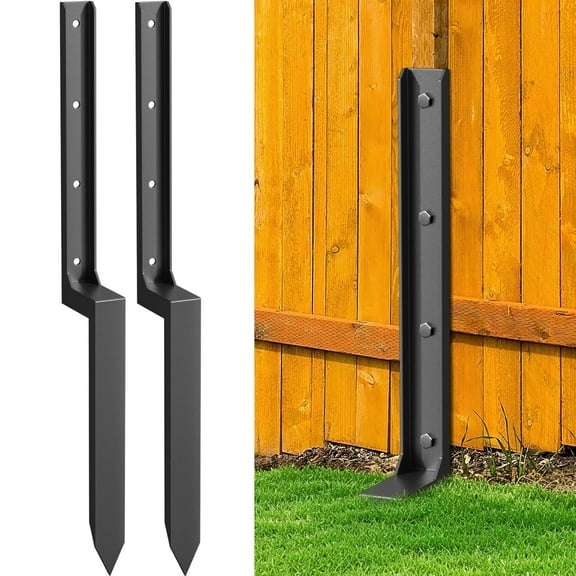
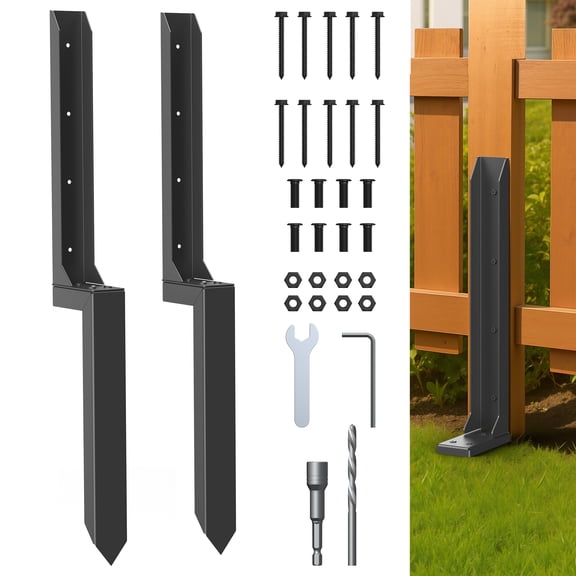
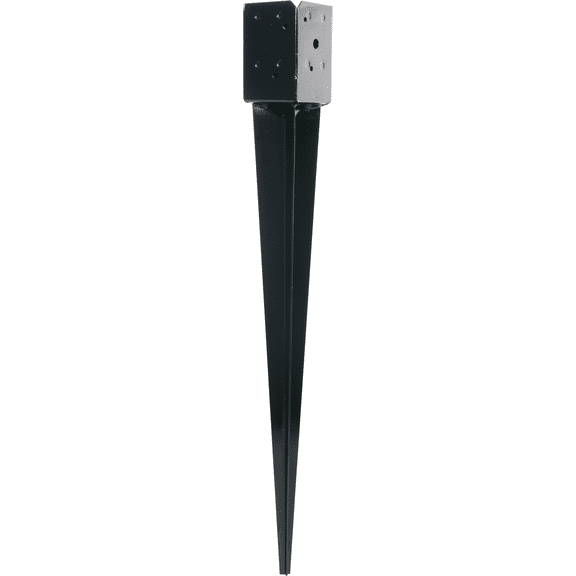
Whenever your layout needs extra base support, you can check fence post anchors that match your post shape. You should also compare driven, buried, and concrete-set methods before you choose your installation approach.
Choosing height and spacing for fence posts
You should measure height early, because it affects privacy, visibility, and how your fence meets nearby sections. You can compare five foot, 6ft fence posts, seven foot, and eight foot options for different layouts.
In garden spaces, you may want shorter posts that define beds, hold mesh, or support small enclosures. You can keep sightlines open while still creating a clear edge around flowers, herbs, or vegetables.
Along a privacy layout, you may need taller posts that support full panels and gate framing. You should also account for below-ground depth when you plan the visible fence height.
Across agricultural runs, you may space posts differently based on terrain, wire tension, and corner placement. You can use closer spacing where your line needs stronger control at gates, turns, or braces.
With chain link fence posts, you should keep spacing consistent because rails and mesh need even support. You can create a cleaner frame when your height, diameter, and spacing match from line posts to terminal posts.
Matching fence posts to material and application
You can narrow your choice faster when you match material and post style to the job, not appearance alone. You should compare your surface, fence type, and attachment method before you make a final decision.
For a backyard privacy project, you may lean toward square wood or vinyl posts that pair with panels and gate hardware. You can create a more finished perimeter when your post height matches your panel plan.
If your project covers a garden border, you might prefer lighter posts that support welded wire or mesh. You can often find T-posts or U-posts useful when you want straightforward placement in open soil.
On larger agricultural layouts, you may choose metal or steel posts that support long runs and changing terrain. You can combine line posts, corner posts, and braces to keep wire sections aligned across wider areas.
When your fence uses chain link, you should focus on compatible diameters, rail connections, and terminal post placement. You can build a more organized frame when your posts, fittings, and mesh system work together.
If your project includes a full fence build, you may also need fencing panels, fence gates, and fence hardware and fasteners. You can coordinate your post style with those parts for a more consistent installation.
What to look for before you choose fence posts
You should check material, post type, height, and application together before your final pick. You can avoid mismatched hardware and uneven spacing when you plan those details at the same time.
With fence posts that fit your layout, you can create cleaner lines and steadier support from the first measurement. You can move from planning to placement with clearer spacing, easier hardware matching, and a more consistent finished fence.