












Fabric
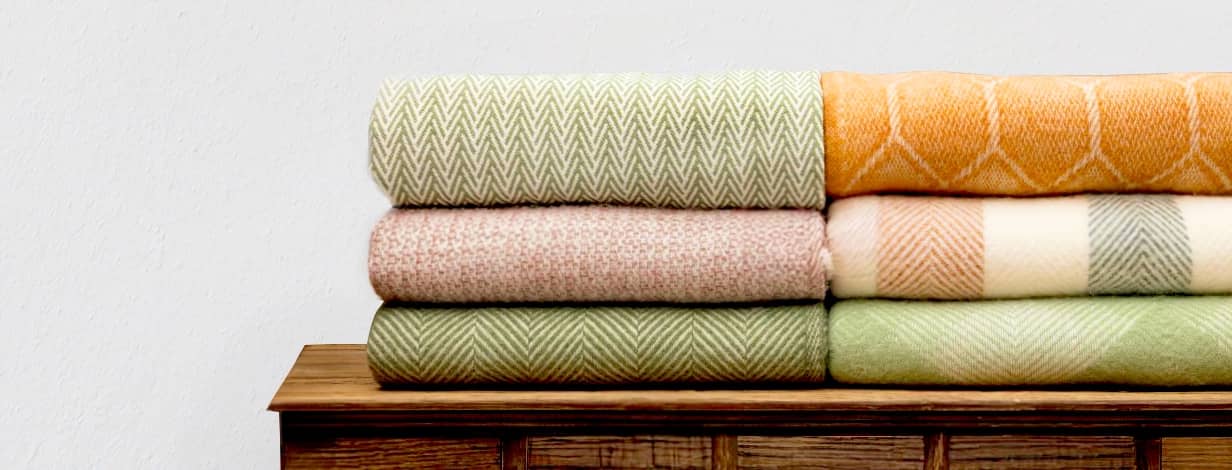
Shop fabric by size


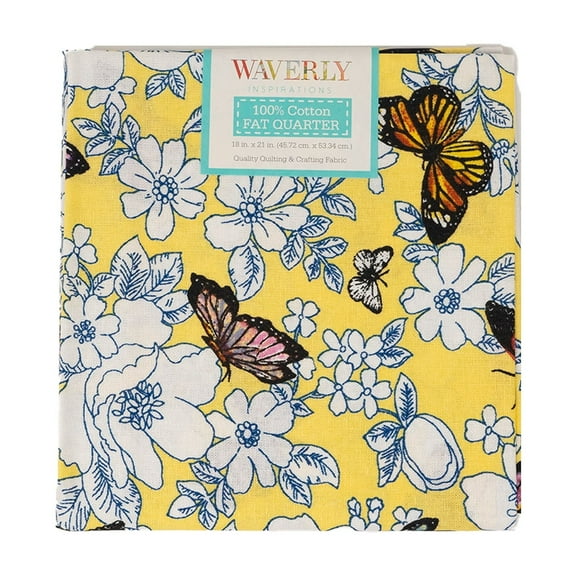

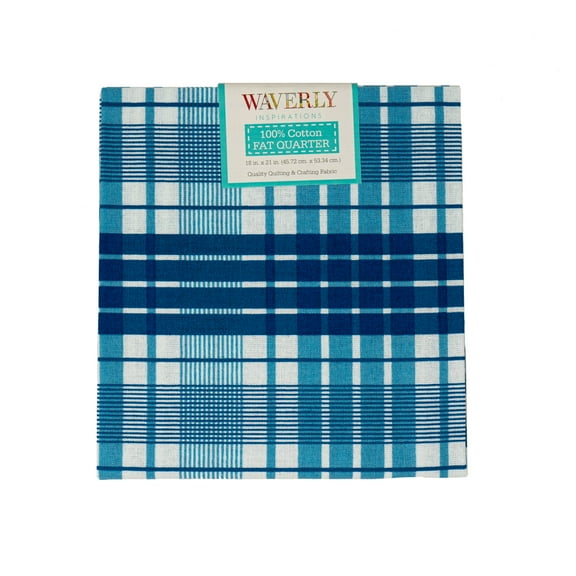
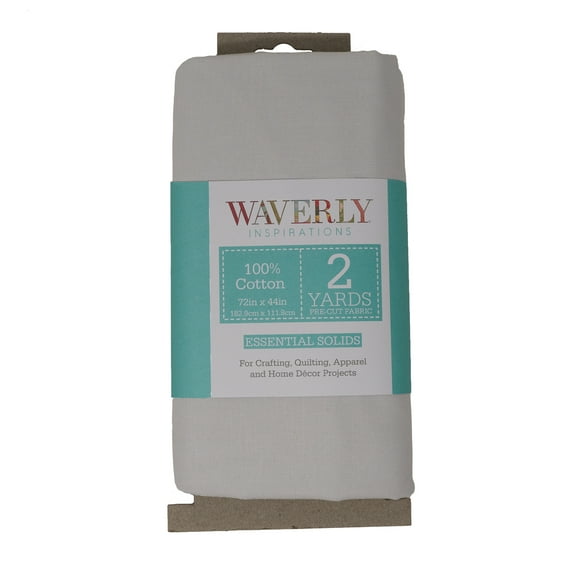
Shop by brand



Shop sewing supplies

About Fabric - Walmart.com
Choosing the Right Fabric for Your Next Big Project
More and more people are discovering just how fun and rewarding it can be to sew your own DIY projects, from quilts and clothing to curtains and baby gear. Whether you're new to sewing or you're a pro, it can be difficult to choose from the thousands of patterns and types of fabric available. Learn more about selecting the right fabrics for your projects, all at everyday low prices.
Follow pattern directions and suggestions
When choosing fabric for your next sewing project, look to your pattern for suggestions. If it recommends a certain type of fabric, you'll find that it's easier to work with this material. The pattern manufacturer likely recommends this fabric because it drapes properly or is the right weight for the type of garment you're making. Even if it doesn't tell you specifically what to choose, some patterns may provide you with options to help you narrow down your selection. If you can't find exactly what the pattern recommends, choose something that's as close to the texture and weight as possible. Otherwise, the item you're sewing may not work for your project.
Start with something easy
If you're a beginner, no matter the project, you may want to start with a fabric that's easier to work with. Silk, satin, denim, knit, jersey, faux leather, and faux fur are some of the more difficult fabrics. While they can make beautiful garments and home decor items, you may want to wait until you have some experience under your belt before you work with any of them. Alternatively, linen, cotton, wool, and polyester tend to be much easier for beginners to sew. When in doubt, cotton fabrics are always great choices for your first few projects.
Consider washing and wear and tear
Of course, cotton doesn't work for everything. Depending on what you're making, you'll need to think about what it'll go through once the project is completed. For example, if you're making clothing to wear every day, you'll want something that's durable and can withstand more frequent washings. If you're making pillows or cushions for your outdoor furniture, you'll want to shop from our selection of indoor/outdoor fabrics that tend to be tougher and can stand up to the elements without fading in the sun. You may also find from the fabric specifics that it works best for certain types of projects, like upholstery fabric or quilting fabric. Narrow your selection down by fabric usage using the filters on the left side of the page.
Precut vs. fabric by the yard or bolt
Another decision you'll want to make is whether you want fabric that's precut or fabric that's cut by the yard or sold by the bolt, based on your specifications. It all boils down to what you're making. Precut fabric is great for quilts and other projects that require multiple pieces that are the same size, and it can save you some time and effort. However, if you need extra-large pieces or pieces of varying lengths, you probably want to specify how much you need or buy it by the bolt.
Picking colors and designs
Once you've narrowed down your fabric choices by project, experience, and size needs, it's time for the fun part: choosing your colors and designs. If you're making something for your home, you'll want it to match the other decor in your rooms. If you're making a garment to wear, you'll want to choose your favorite colors or the colors that suit you best. From sports to pets and pastels to florals, you can choose the exact pattern and hue you have in mind.
Tips for shopping online
If you're new to shopping for fabric online, you may wonder how you can make a choice without feeling the material. It's still possible to pick the ideal material for your project. First, make sure you read the descriptions thoroughly. You can also use the search categories to help easily narrow your search. Shopping by color, theme, usage, brand, type of material, and size can all give you an idea of what the fabric is like. If you're still wondering whether a fabric will work or you're having a hard time picking between a few options, you can also order a small sample amount of fabric to test it before you purchase the full amount needed for a project. Knowing the differences between types of fabrics before you shop and reading about them in sewing books and on crafting blogs can also help.