


Find auto parts that fit
Let’s search for parts that fit your vehicle.Engine Control Modules (ECM) - Replacement Car Computers

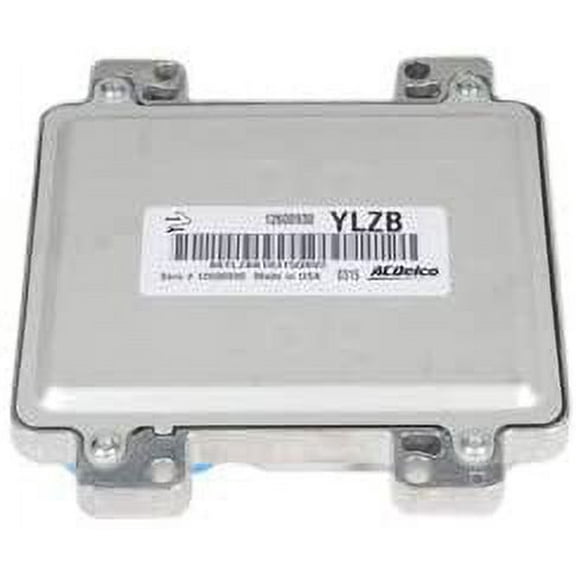

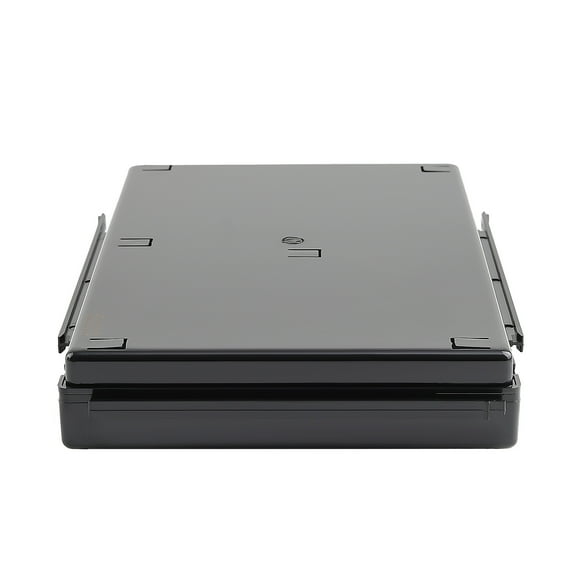


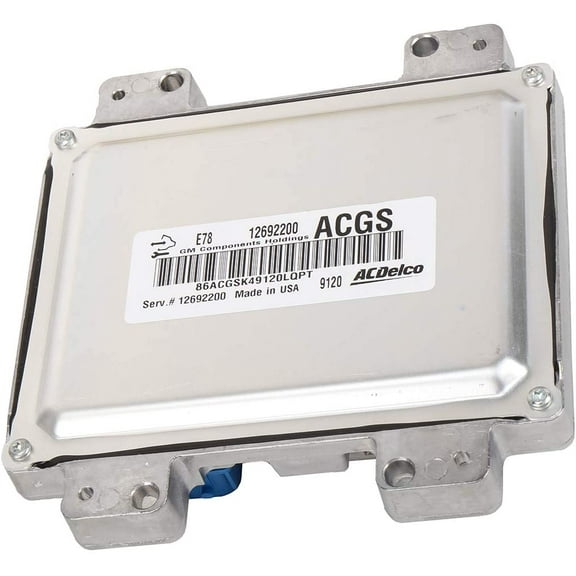
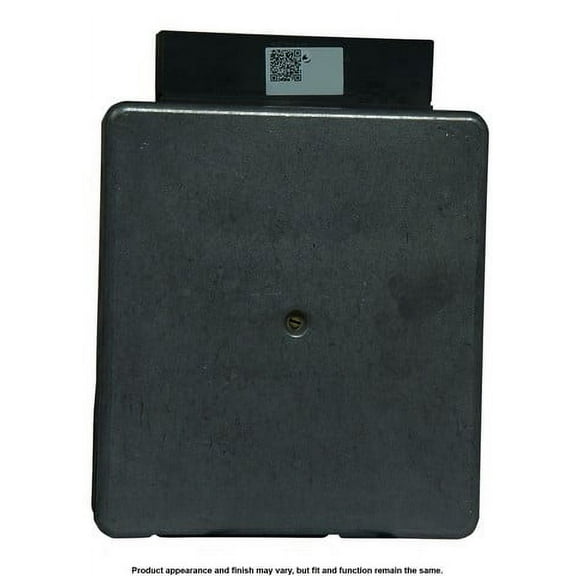
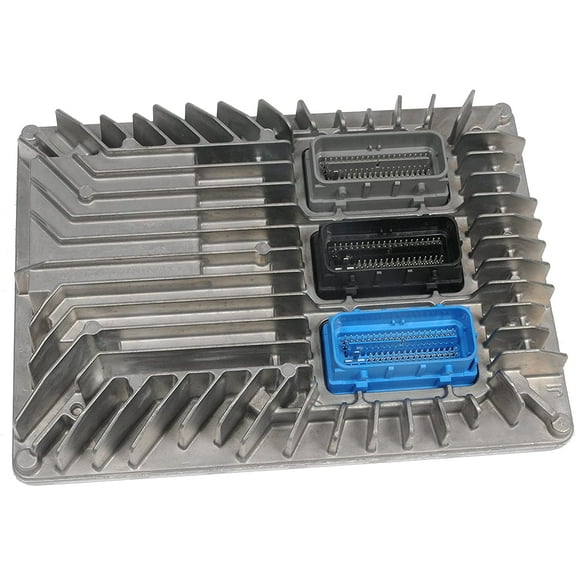
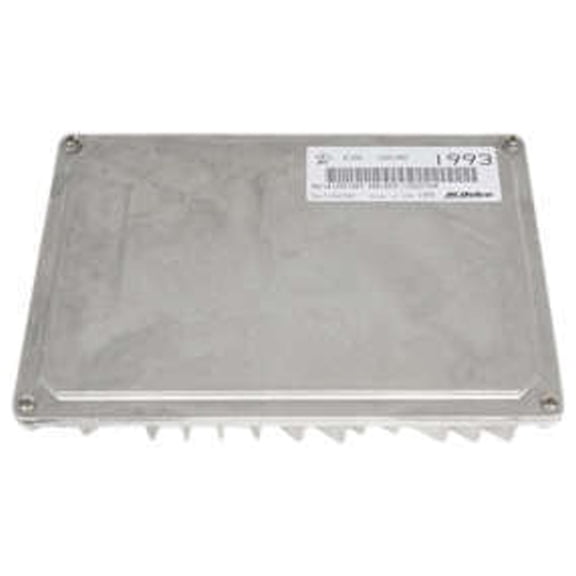
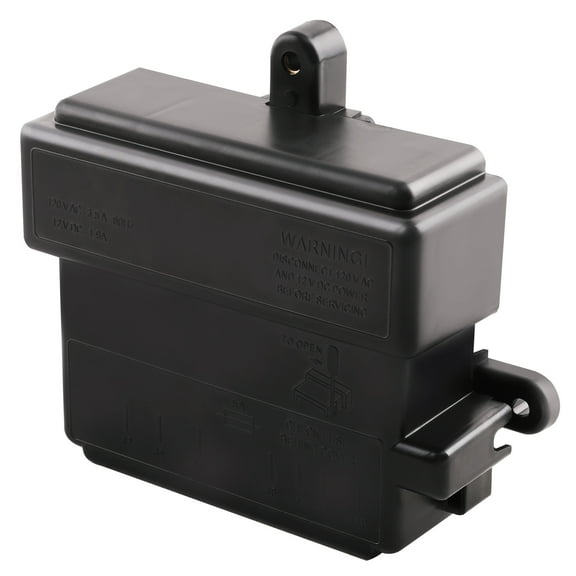
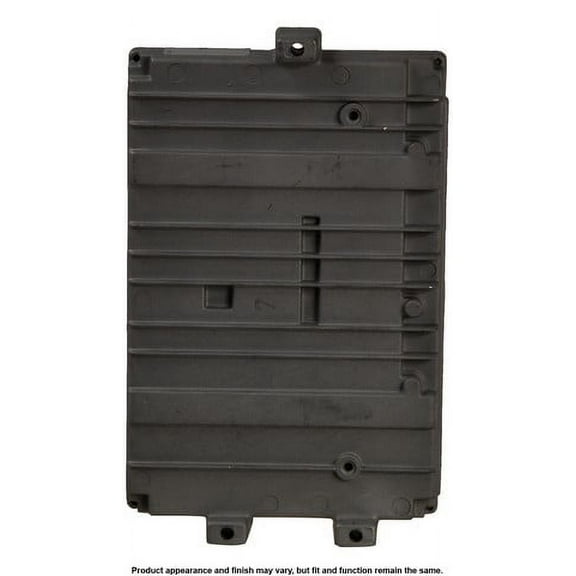
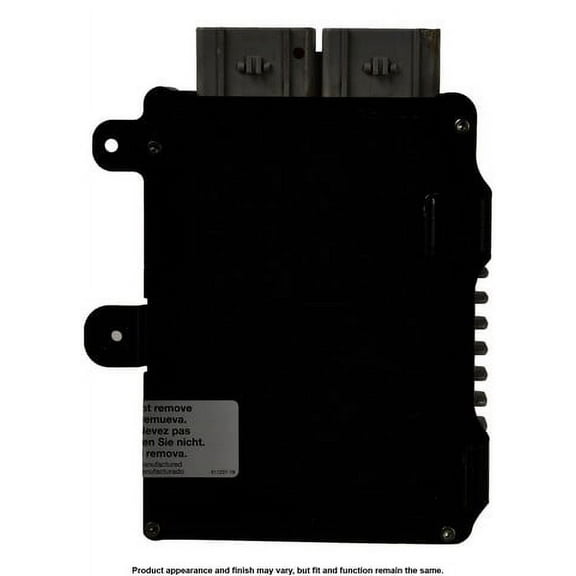

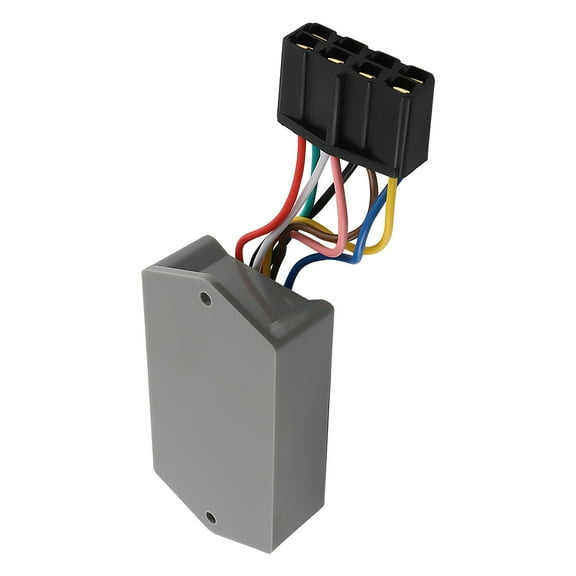
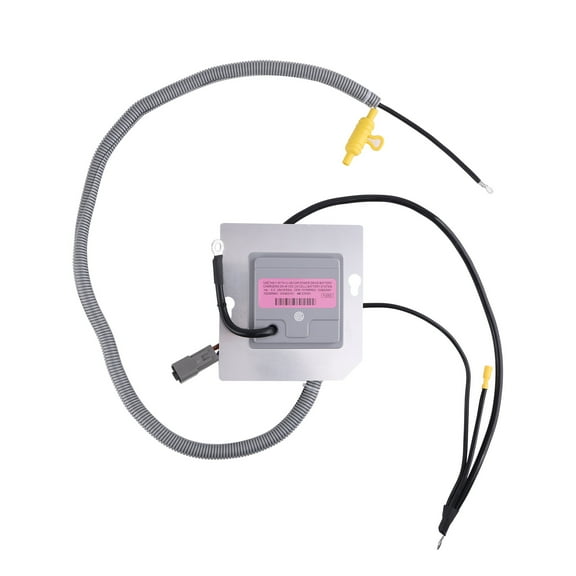


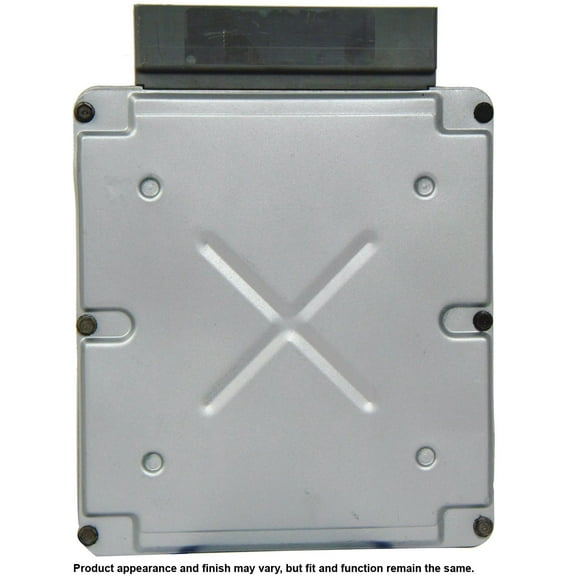
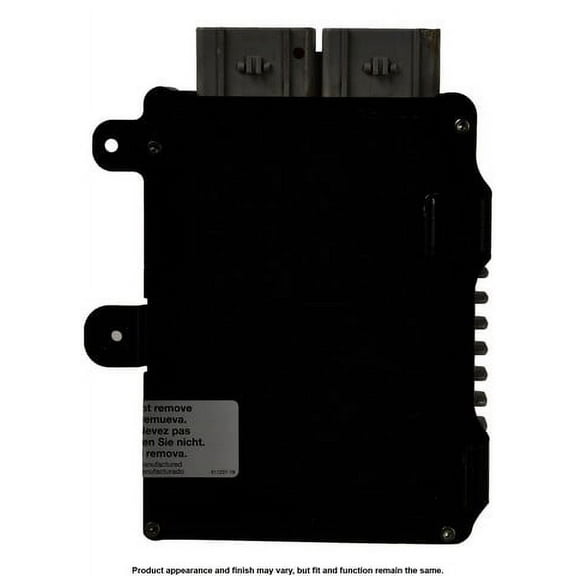
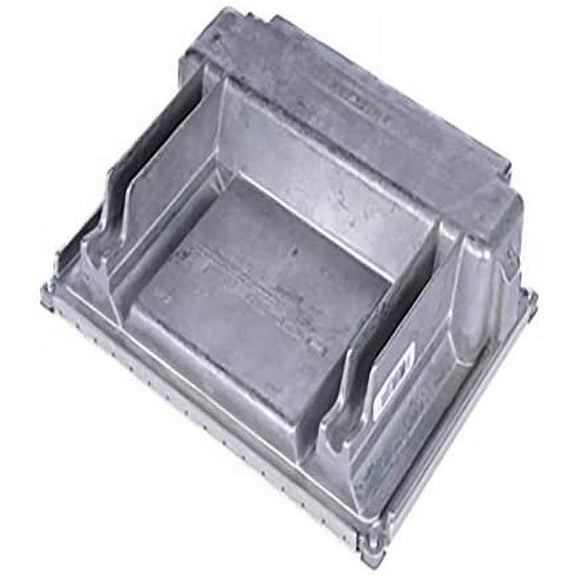
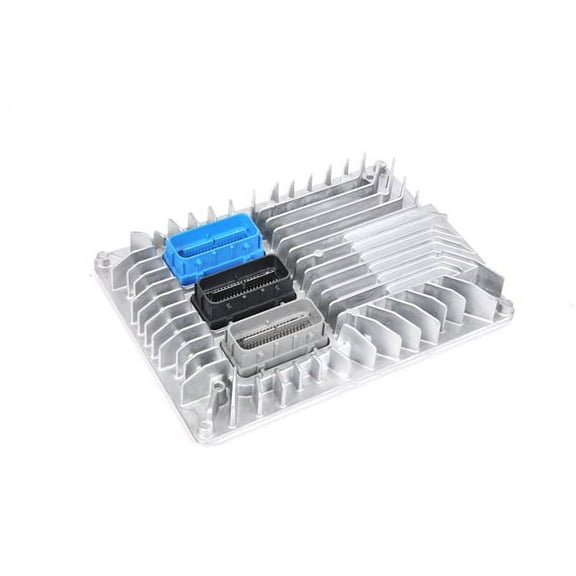



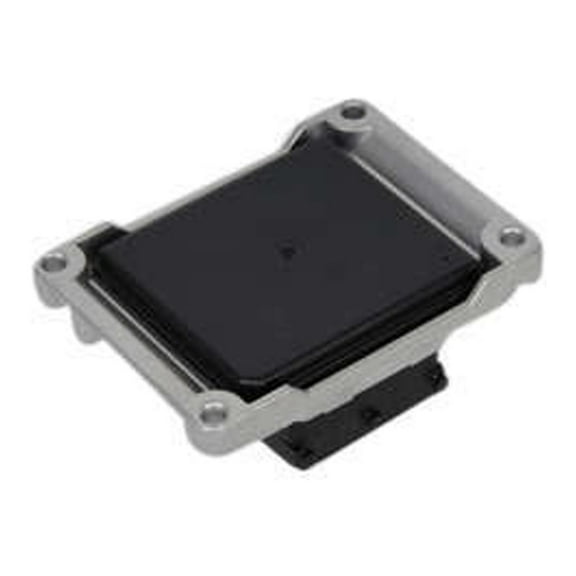
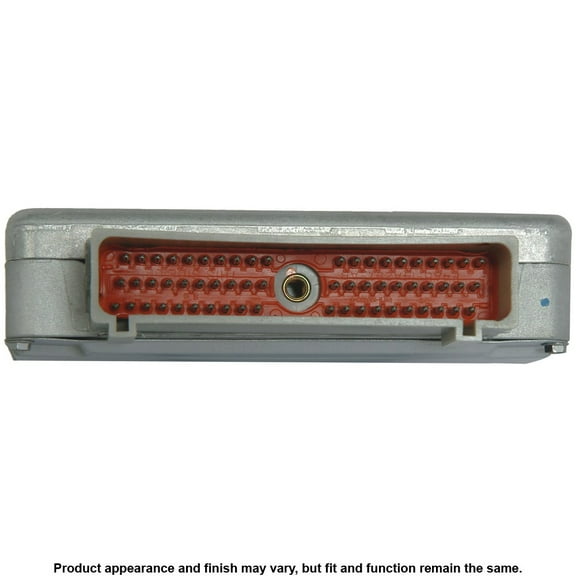


About Engine Control Modules (ECM) - Replacement Car Computers - Walmart.com
Your engine control module search gets easier when you compare fitment, programming, and condition before you choose a replacement car computer. You can use this guide to sort through vehicle-specific details that matter for electronic compatibility.
How to choose an engine control module
Start with vehicle fitment, because your exact year, make, model, and engine type shape which module can communicate correctly. Even close matches can miss connector layouts or calibration details that your vehicle needs.
For a cleaner match, compare your VIN and OEM part number with the listing details before you decide. That step helps you narrow options when your vehicle uses specific software or hardware combinations.
As you review listings, look for these decision points first so your replacement path stays clear. You can move faster when the basics line up from the start.
- You can narrow choices by year, make, model, and engine type.
- You can compare ECM, ECU, and PCM naming before you select a unit.
- You can check whether programming, flashing, or plug-and-play setup fits your plan.
- You can review new OEM, remanufactured, and refurbished condition notes.
- You can confirm warranty and return details before you choose.
Choosing between ecm module and engine control unit labels
You may see ecm module, engine control unit, and PCM used across different vehicle listings. Those labels can overlap, but your vehicle still needs the exact application noted for its platform.
An ECM usually refers to engine management functions and related signal inputs on many vehicles. An ECU can appear as a broader term, so you should confirm the listing matches your original part number.
Some vehicles use a PCM when one housing manages both engine and transmission functions together. You can avoid ordering mistakes when you compare the module family before anything else.
If your current part says engine computer, you should still verify the same fitment data in the listing. That extra check helps you keep naming differences from slowing your replacement.
What to look for in fitment and programming
Check fitment first, because connectors, calibrations, and software can change within the same model line. Your vehicle may need a very specific module even when trim levels seem similar.
Next, compare whether the listing notes pre-programmed, plug-and-play, or dealer flashing support. You need that setup information early, because it affects what happens after the part arrives.
If your module comes pre-programmed to your VIN, you may have a more direct replacement path. If your module needs flashing, you can plan for follow-up service after installation.
You may also review communication details tied to sensors, ignition timing, and throttle inputs when listings include them. Those details help you judge whether the module aligns with factory-style signal handling.
Comparing condition and replacement paths
Condition matters because you may choose between new OEM, remanufactured, and refurbished options in this category. Each path supports a different vehicle age, inventory need, or replacement preference.
If you choose new OEM, you can focus on original-style fitment expectations and matching connector design. You should still confirm software needs and part number compatibility before you move forward.
When you compare remanufactured units, you can look for rebuilt electronics prepared for the intended application. That option may suit you when you maintain an older vehicle with fewer current-production replacements.
If you consider refurbished options, read the listing closely for programming status and compatibility notes. You can make a clearer decision when the listing details both condition and setup requirements.
Matching your engine control module to real vehicle needs
You might want a pre-programmed unit for a daily driver when you want fewer setup steps after delivery. That choice can keep your replacement process more direct once fitment checks are complete.
You may need a dealer-flashed module when your vehicle platform uses brand-specific software procedures. In that case, you can prepare for installation and programming as separate parts of the job.
If you drive an older model, you may compare remanufactured inventory with exact engine fitment to widen your options. That approach can help when original module availability becomes harder to find.
When you search where to buy ecm for car replacement needs, focus on clear application data first. You can make a steadier decision when the listing covers VIN matching, programming status, and module naming.
Before you finish your choice, review the warranty and return policy listed for the part. That added clarity helps you sort through replacement options with a more complete plan.
Your engine control module purchase works out more smoothly when fitment, module type, condition, and programming all align. You get closer to the right replacement when those four checkpoints stay clear.
Popular in Engine Control Modules (ECM) - Replacement Car Computers - Walmart.com
- Audi Tt Engine Variable Valve Timing Vvt Solenoid
- Volkswagen Type 1 Engine Variable Timing Solenoid
- 120mm Turbo
- Volkswagen The Thing Distributor
- Volkswagen Cabriolet Engine Variable Timing Solenoid
- Volkswagen Rabbit Engine Variable Timing Solenoid
- Bmw 3.0si Engine Variable Valve Timing Vvt Solenoid Gasket
- Mercedes-benz 500 Distributor
- Volkswagen Type 3 Distributor
- Volkswagen Golf Engine Variable Valve Timing Vvt Solenoid
- Mercedes-benz 280 Distributor