


Waterproof Dry Boxes & Kayak Dry Cases | Walmart



























About Waterproof Dry Boxes & Kayak Dry Cases | Walmart - Walmart.com
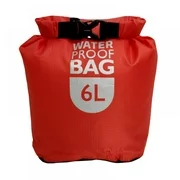
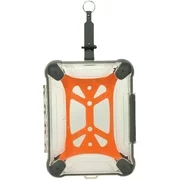
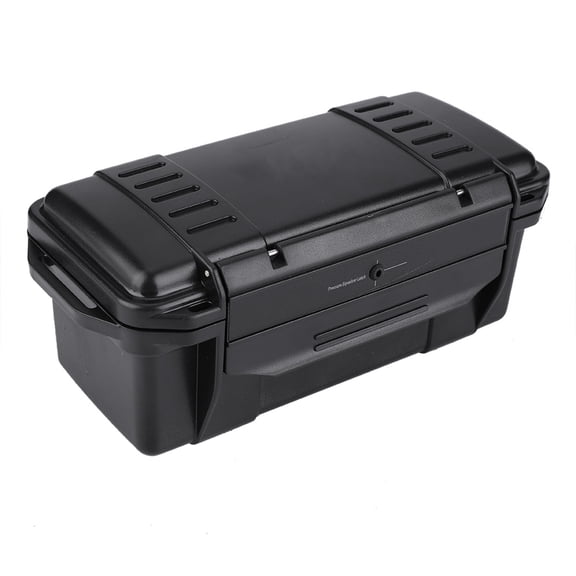
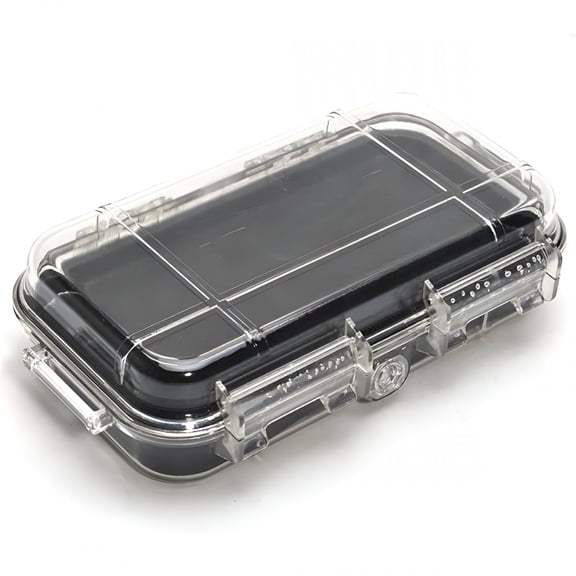
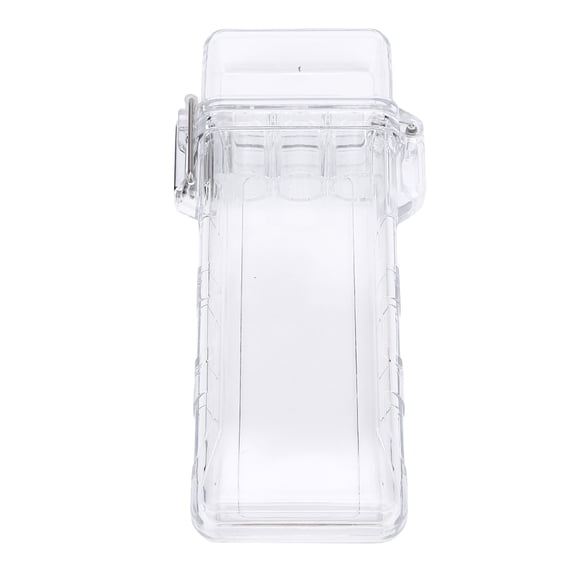
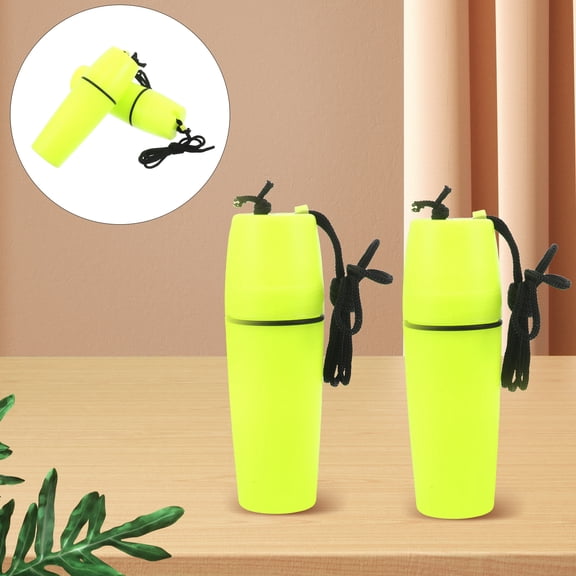
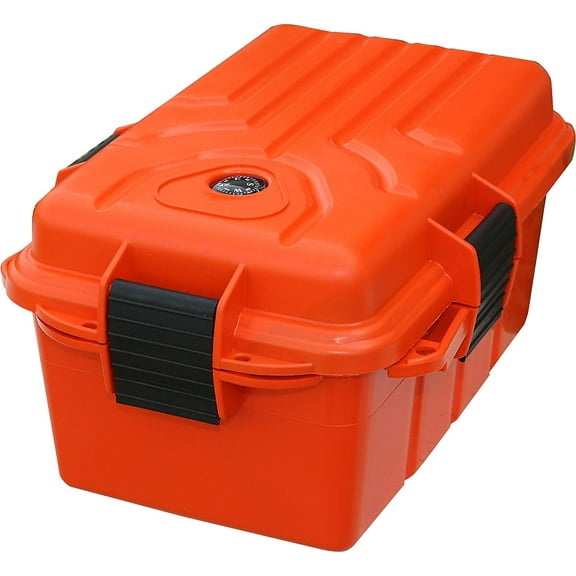
Dry boxes help you protect paddling gear from splashes, spray, and rough handling on the water. You can compare waterproof ratings, materials, and sizes to match your kayak, boat, or camp setup.
How to choose dry boxes for your trip
When you shop dry boxes, you should start with where and how you paddle. You may need compact storage for a kayak hatch, or you may need larger capacity for a boat deck.
You'll also want to compare closure details that keep contents contained during active days outdoors. Your decision often comes down to waterproof rating, shell material, latch design, and the gear you carry.
Because this category covers paddling and marine storage, you should look beyond a simple container shape. You should check whether a box fits tackle, phones, keys, maps, tools, or emergency gear.
Choosing the right waterproof dry boxes rating
You should treat waterproof ratings as a guide to how much water exposure your gear may face. You can use water-resistant options for light spray, while submersible designs suit fuller water contact.
If you compare IP67 and IP68, you’re looking at different submersion standards. You should consider IP67 when you want strong splash protection, and you should consider IP68 for deeper submersion needs.
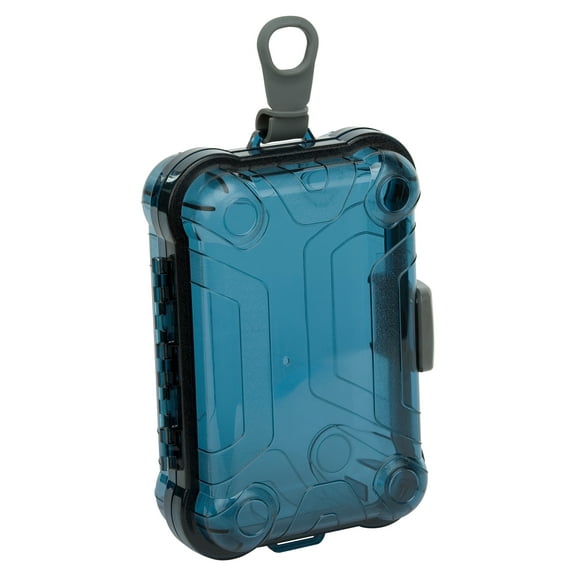
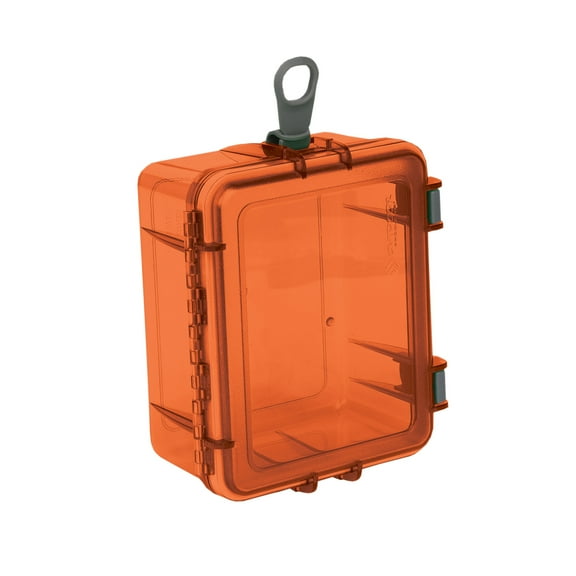
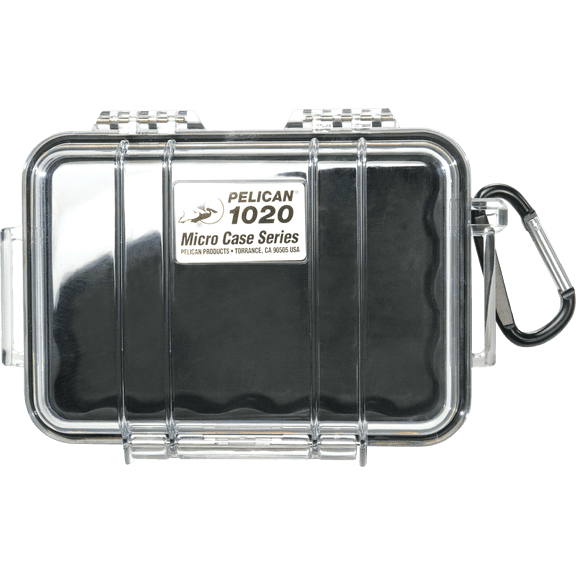
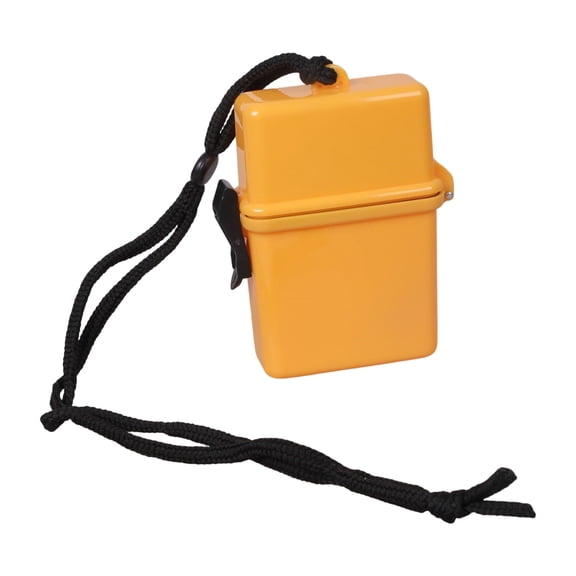
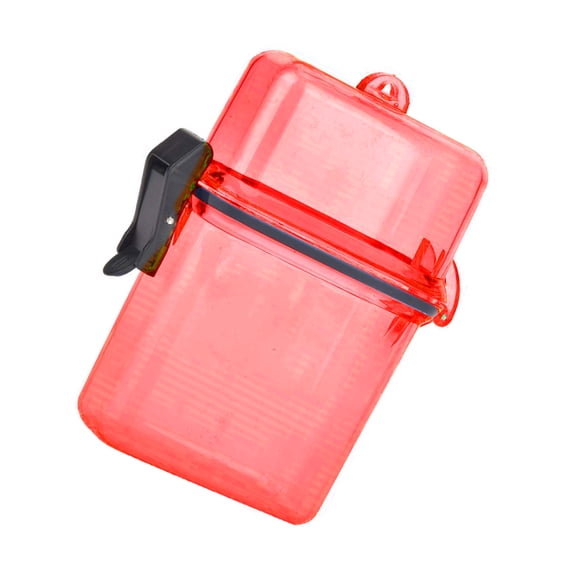
You’ll often see waterproof dry boxes with gasketed lids and O-ring seals. You should check that the seal sits evenly, because that detail helps keep moisture and grit away from your gear.
- You can use water-resistant styles for deck storage and lighter splash exposure.
- You can choose IP67 options when your paddling trips involve frequent spray and brief water contact.
- You can consider IP68 options when your route calls for stronger submersion protection.
- You should look for secure latches that help keep the lid closed during transport.
Comparing material and build details
You should compare shell materials based on how rugged your trips tend to be. Heavy-duty plastic can suit everyday paddling, while polycarbonate and ABS can add a stiffer feel.
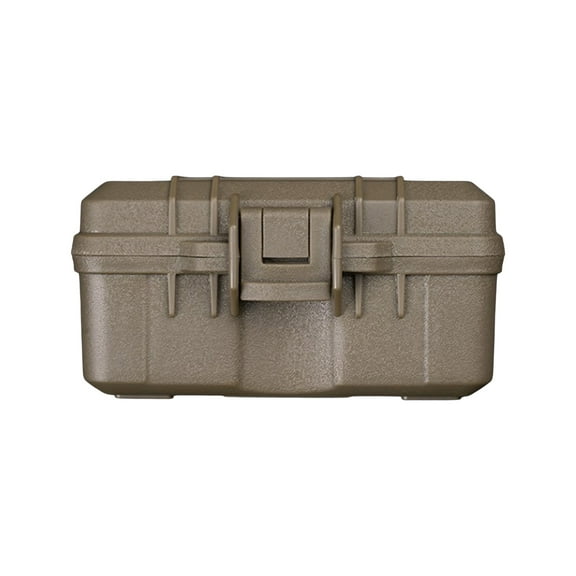
If you carry gear around docks, rocks, or crowded boat decks, you should check for reinforced corners and firm latch action. You’ll notice those details matter when your box gets packed beside paddles, ropes, and anchors.
You may also want aluminum when you prefer a rigid shell and a classic marine look. You should compare weight with durability, because your carrying comfort matters during launch and portage.
Latch security is another key decision point, especially for marine dry boxes and boating dry boxes. You should look for closures that feel easy to operate but still hold firmly when your box shifts around.
An O-ring or gasket matters just as much as the outer shell. You should inspect lid channels and hinge construction, because those parts support a tighter seal through repeated opening.
Picking the right capacity for your gear
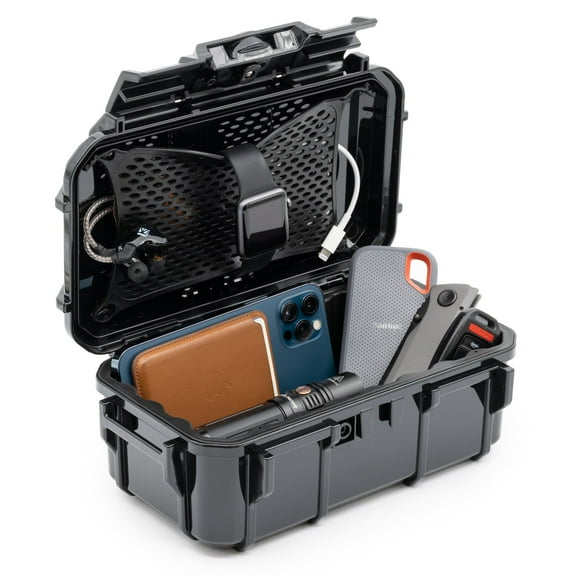
You should match capacity to what you actually carry, not just to the longest trip on your calendar. Small sizes can hold keys, cards, and a phone, while medium sizes can fit cameras or first-aid basics.
If you pack snacks, maps, gloves, or small tools, you may prefer a medium or large option. You should measure your storage area first, especially if your kayak hatch or deck rigging limits box dimensions.
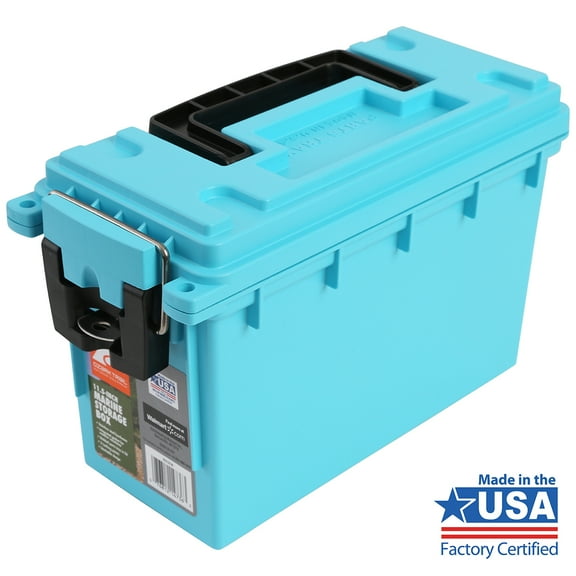
Large dry boxes can suit marine storage needs when you carry bulkier gear on boats or at camp. You should compare exterior dimensions and interior space, because thick walls can reduce usable room.
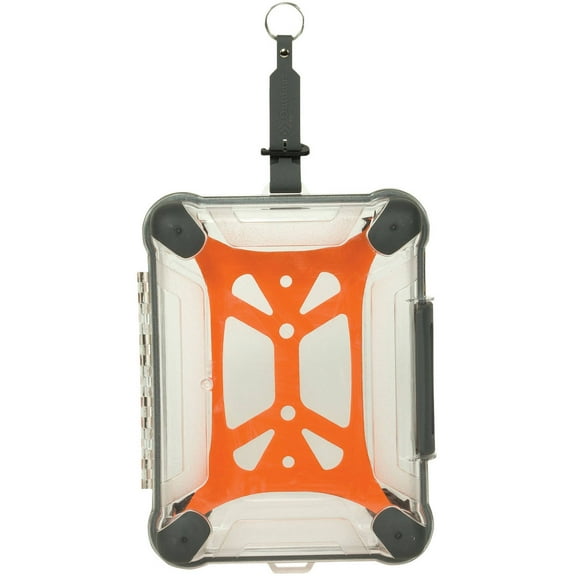
Multi-pack options can help you separate electronics from tackle, repair items, or cooking gear. You’ll find that organized packing makes it easier to grab the right box without unpacking everything.
Matching a kayak dry box or marine box to real use
If you paddle a sit-inside kayak, you should look for a kayak dry box that fits narrow hatches. You may want a low-profile shape that slides into limited storage spaces without wasting room.
For open-deck paddling, you should consider grip-friendly shapes and latch designs you can manage quickly. You’ll appreciate easy handling when your hands are wet and your launch area stays busy.
If you outfit a fishing boat, marine dry boxes can help you organize tools, licenses, and electronics. You should compare larger footprints and sturdy shells when your gear stays on deck for longer stretches.
Boating dry boxes also make sense when you move between dock, truck, and shoreline camp setups. You can keep smaller essentials grouped together, so your day stays more organized from launch to pack-out.
For camping near the water, you should think about how often you open the lid during the day. You may prefer a size that holds daily essentials without becoming bulky around tents, coolers, and cooking bins.
If you want one box for several activities, you should choose flexible sizing and a dependable waterproof rating. You’ll get more use from a case that works for paddling weekends, boat days, and campground storage.
What to look for before you decide
You should compare waterproof rating, material, capacity, and latch design before narrowing your options. Those details shape how confidently you can pack electronics, documents, and small outdoor essentials.
With the right dry boxes, you can head onto the water knowing your gear stays contained, organized, and better protected from spray and rough transport.