


Shop Outdoor Navigation Compasses for Camping





















![Uxcell 40mm Mini Compass [1PCS] - Pocket Oil Filled Small Compass for Hiking & Camping](https://i5.walmartimages.com/seo/Uxcell-40mm-Mini-Compass-1PCS-Pocket-Oil-Filled-Small-Compass-for-Hiking-Camping_67a488b8-50bd-4087-a142-85c00181e2eb.4ee0cbea5906c3369c6d613f4f8cefb3.jpeg?odnHeight=576&odnWidth=576&odnBg=FFFFFF)
About Shop Outdoor Navigation Compasses for Camping - Walmart.com
Compasses help you stay on route when trails fade and batteries fail. At Walmart, these compasses cover hiking, hunting, and classroom map work. You’ll see baseplate, lensatic, and pocket styles made for outdoor navigation. Pick one for your pack, your glovebox, or your emergency kit.
Use a navigation compass to match a map’s bearings and follow a planned course. Choose brighter markings and stable needles for quicker readings in low light. If you’re teaching scouts, look for simple dials and easy direction labels.
Compasses that keep your route clear
Good compasses give you confidence when landmarks disappear. You can shoot a bearing, hold a heading, and recheck your position fast. That matters when weather rolls in and visibility drops.
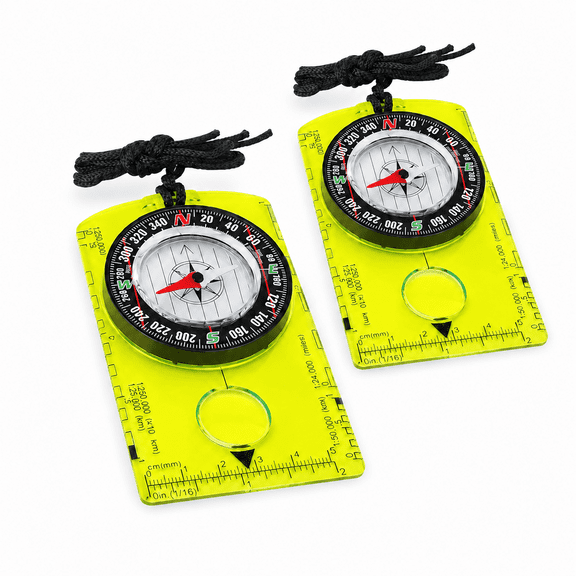
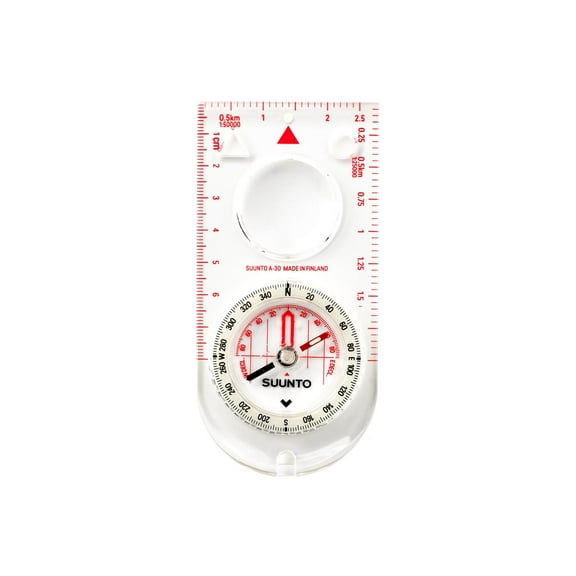
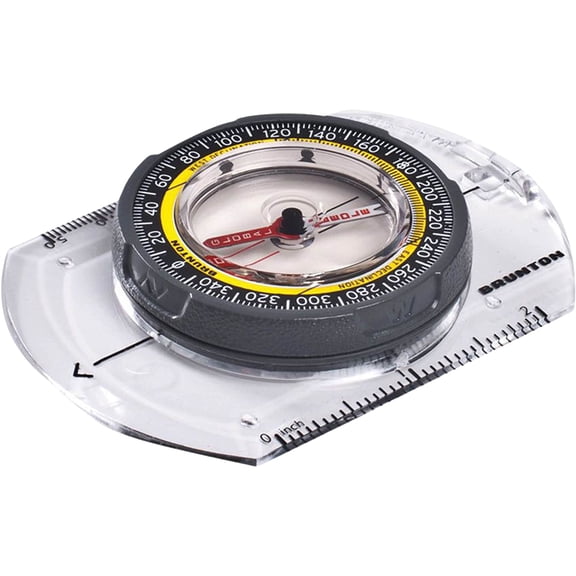
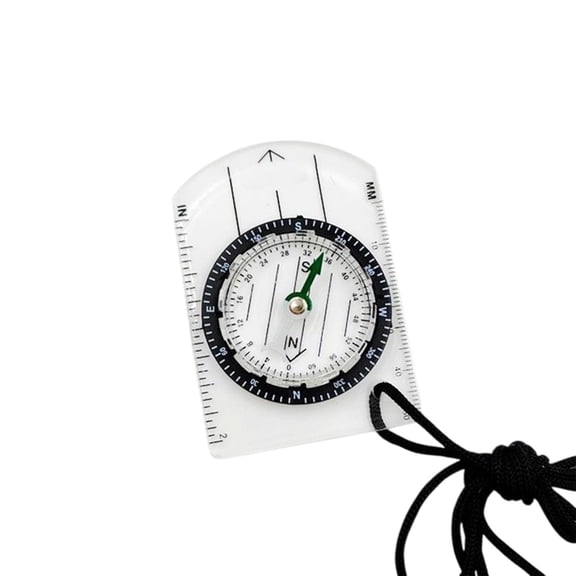
Many hikers choose compasses with a clear baseplate for map work. You can line up edges with contour lines and trail junctions. That makes planning and adjusting routes simpler.
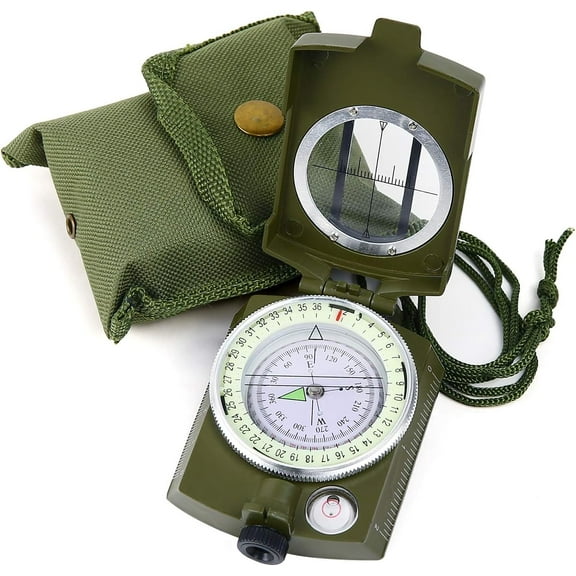
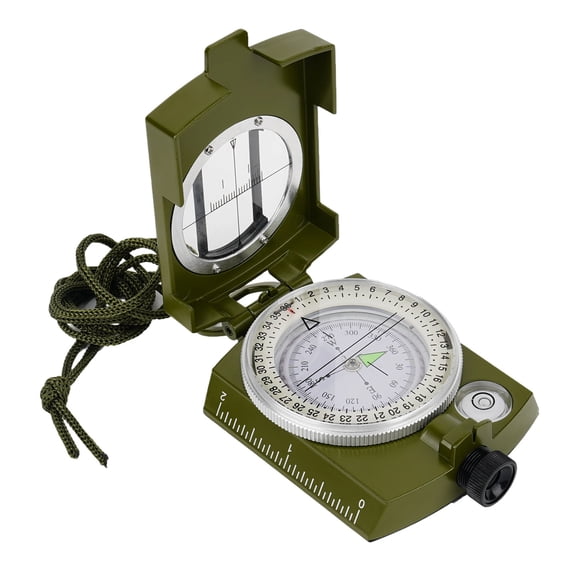
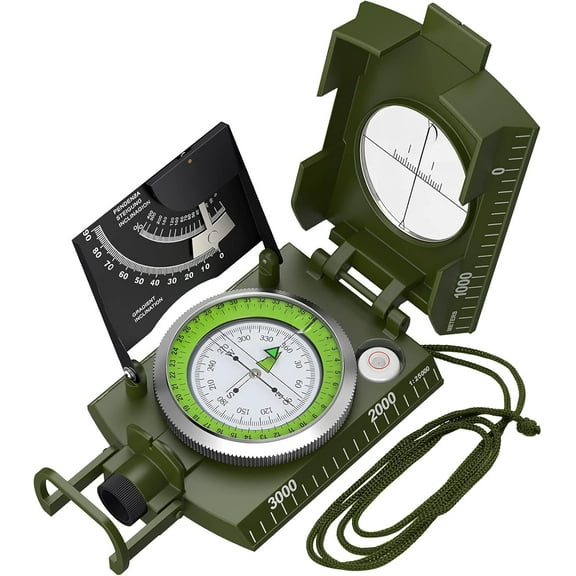
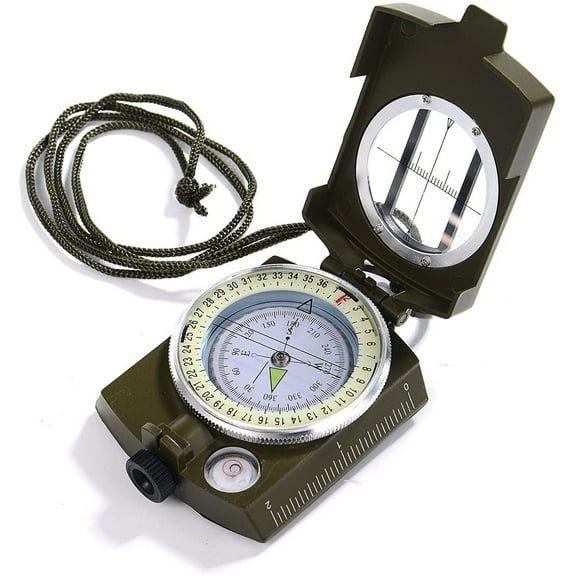
Lensatic styles can work well for field navigation and pacing. The sighting wire and rear notch help you aim at distant points. That helps you hold direction across open terrain.
Stay oriented when phones lose signal or power runs down.
Practice map-and-compass skills for hikes, orienteering, and search planning.
Build a dependable backup for camping, hunting, and emergency kits.
Teach beginners with clear markings and straightforward cardinal directions.
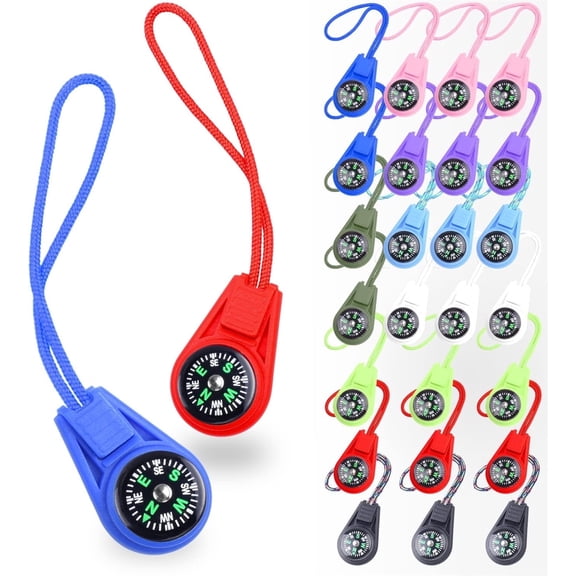
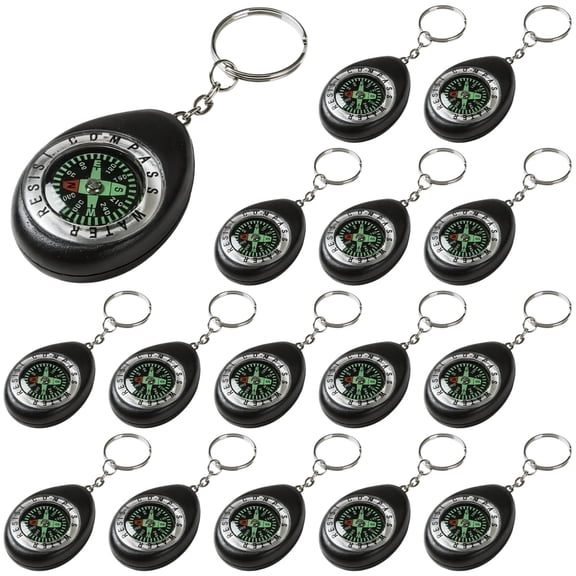
If you’re buying for a group, bulk compass options can simplify training days. Matching models keep lessons consistent and reduce confusion. It also helps leaders troubleshoot quickly.
Benefits you’ll notice on the trail
Compasses reduce second guessing in unfamiliar areas. You’ll spend less time stopping to confirm your direction. That keeps your pace steady and your group moving together.
A reliable hiking compass supports smarter route choices. You can compare bearings to ridgelines and drainages on a topo map. That helps you avoid dead ends and private property lines.
For survival planning, a compass stays ready without charging cables. Keep one in a dry bag with a map and whistle. It’s a simple way to support safer navigation decisions.
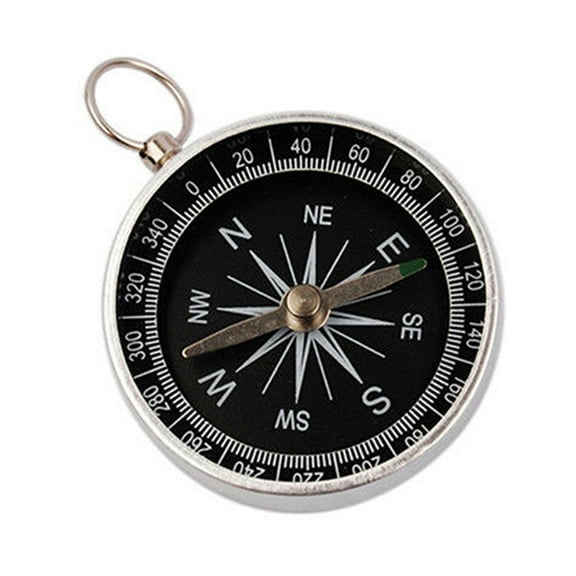
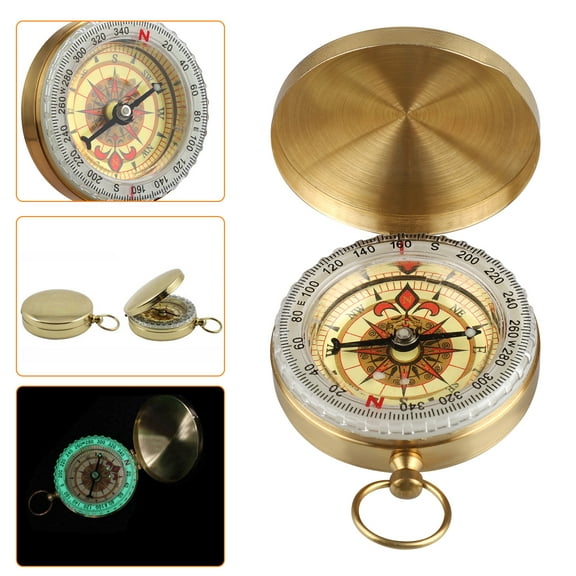
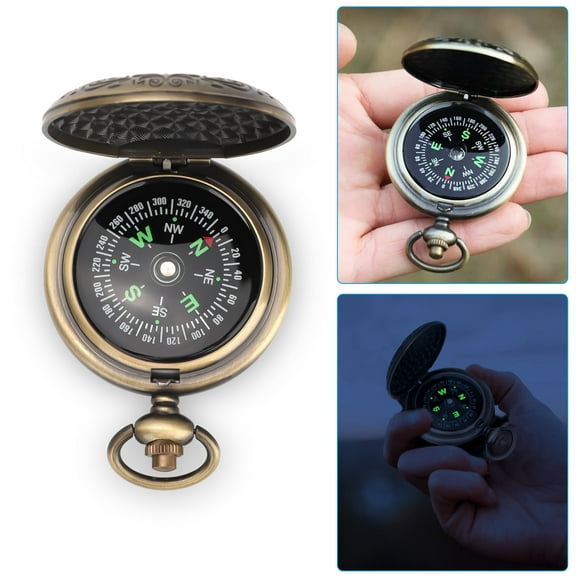
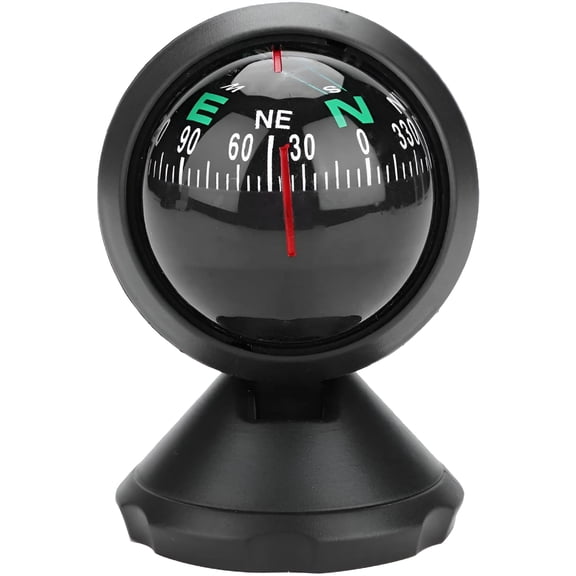
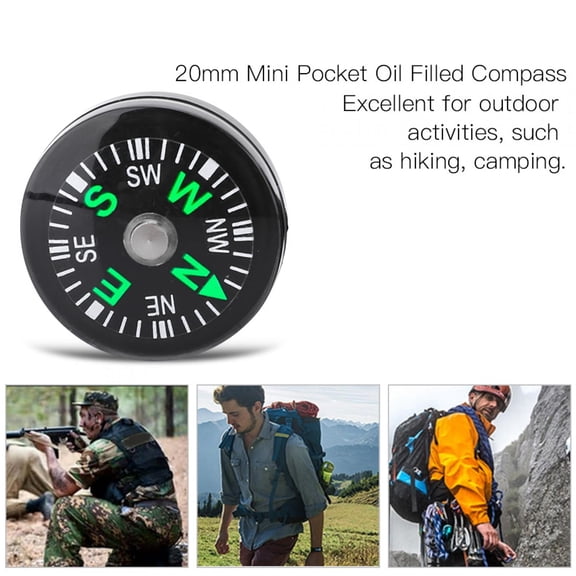
Smaller pocket models can fit in a daypack or jacket. They’re handy for quick orientation checks at trail splits. They also work well for travel and everyday carry.
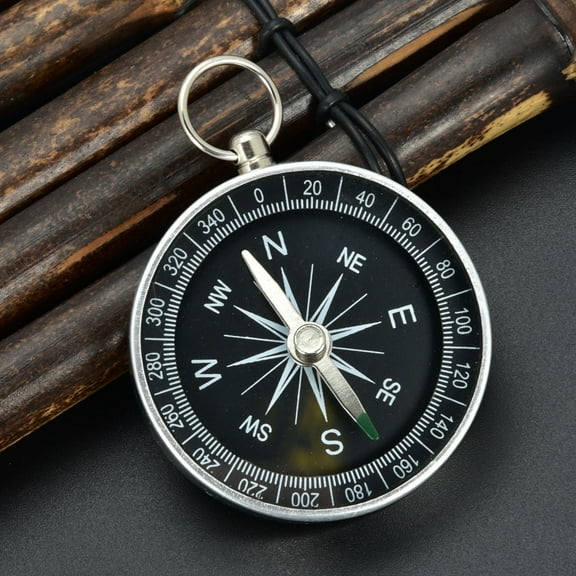
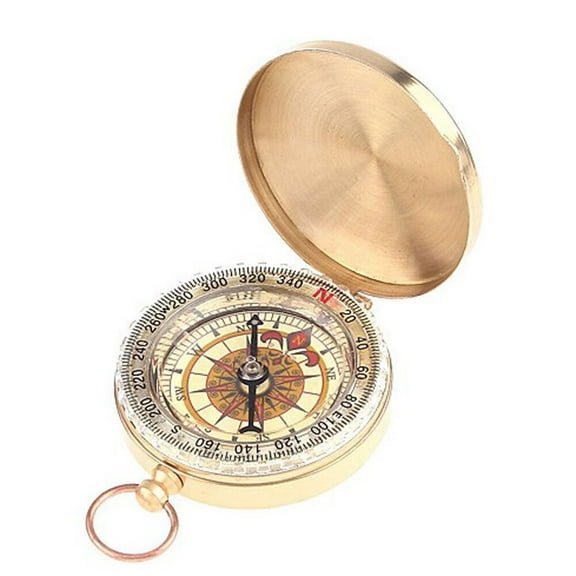
If you’re trying to buy compass gear for instruction, simple dials matter. Beginners learn faster with bold N, E, S, and W labels. Clear housings also help show how the needle aligns.
Compass features that matter when you buy compass gear
Start with the type that matches your activity. Baseplate models help with maps and route planning. Lensatic designs help with sighting and field bearings.
Look for easy-to-read degree markings and a smooth rotating bezel. A steady needle that settles quickly saves time at each check. Luminous details can help at dawn and dusk.
Declination adjustment is useful if you navigate with topo maps often. It lets you account for the difference between true north and magnetic north. That reduces math and repeated corrections.
A magnifying lens can help you read small map symbols. Rulers and scale markings support measuring distance on printed maps. Those tools matter for longer routes and backcountry planning.
Consider durability details for rugged use. A tough housing resists cracks in a packed bag. Water resistance helps during rain, snow, and creek crossings.
For teams and classrooms, check for consistent calibration across units. That’s important when everyone follows the same bearing. It also helps when you need a bulk compass order.
Use cases for navigation compass choices
On day hikes, a baseplate compass pairs well with a local trail map. You can confirm headings at intersections and switchbacks. It’s a lightweight backup for your phone.
For backpacking, bring compasses plus a waterproof topo map. Use bearings to navigate around downed bridges or washed-out trails. You’ll keep moving even when signs are missing.
Hunters often use a navigation compass for quiet, reliable direction checks. It works in thick timber where distant landmarks disappear. It also helps return to camp after tracking.
Orienteering practice benefits from clear, fast needle movement. You can take frequent readings between control points. A thumb-style option can be useful for running, when available.
Boating and kayaking can call for a compact option in a dry case. Keep it accessible for quick heading checks on open water. Pair it with charts when you plan routes.
For scouting, camps, and STEM lessons, compasses make map skills hands-on. You can teach bearings, azimuths, and pacing outdoors. A bulk compass set can support larger groups.
If you searched compas by mistake, you’re still in the right place. You’ll find the same compass styles and navigation tools here. Choose the size and features that match your trip.
Choose with confidence
Compasses give you a simple, dependable way to navigate when conditions change. Pick the style that matches your map skills and terrain. You’ll head out knowing you can find your way back.