Hiking
Backpacks, carabiners, compasses & more.
Your camping stuff should match your trip, your group size, and your packing style. You can use this guide to compare camping gear by shelter, sleep setup, cooking needs, lighting, and weather planning.
If you're building your first campsite or updating older camping items, you need clear decisions. You can narrow your options faster when you compare capacity, activity type, weather resistance, and power source.
When you compare gear category options, you should start with how you camp. You may want tents, sleeping bags, backpacks, camp kitchen tools, and lighting that fit one complete setup.
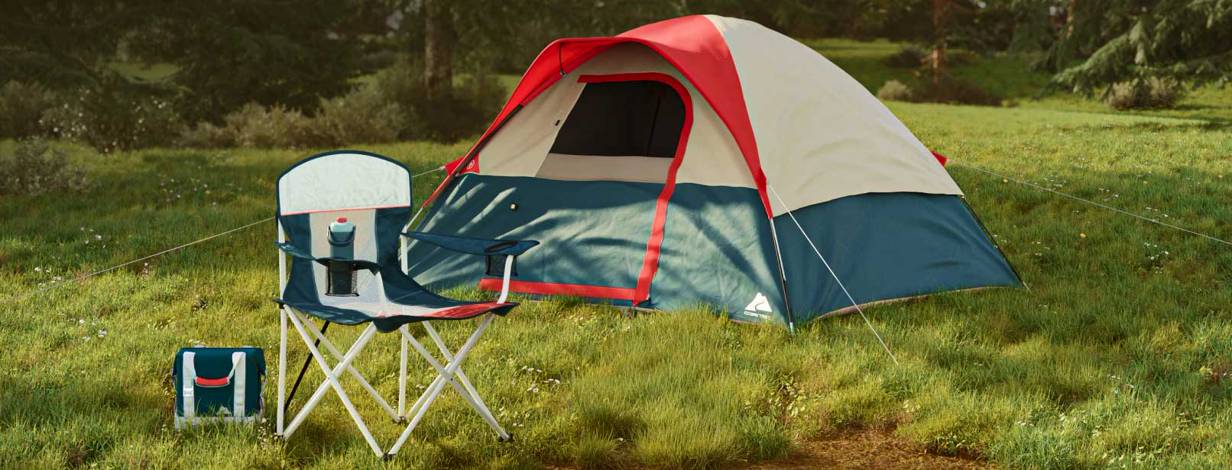
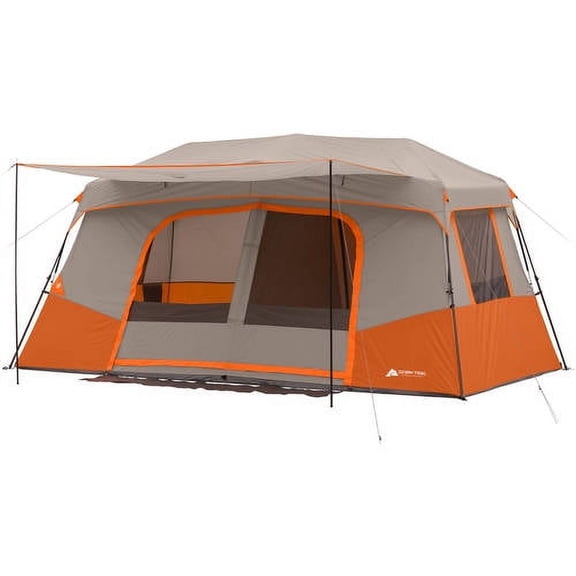
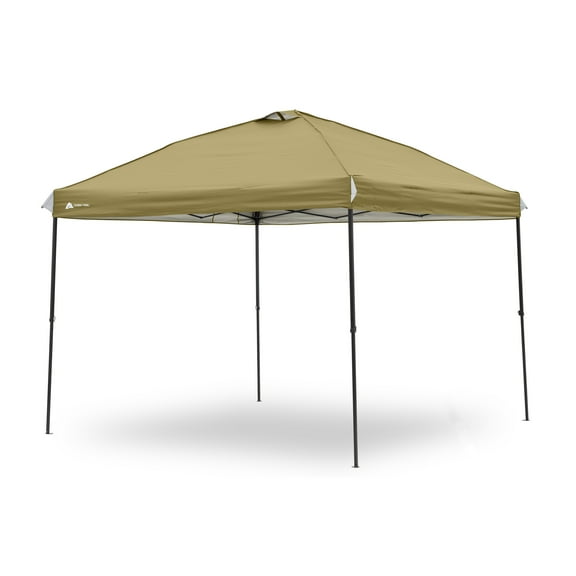
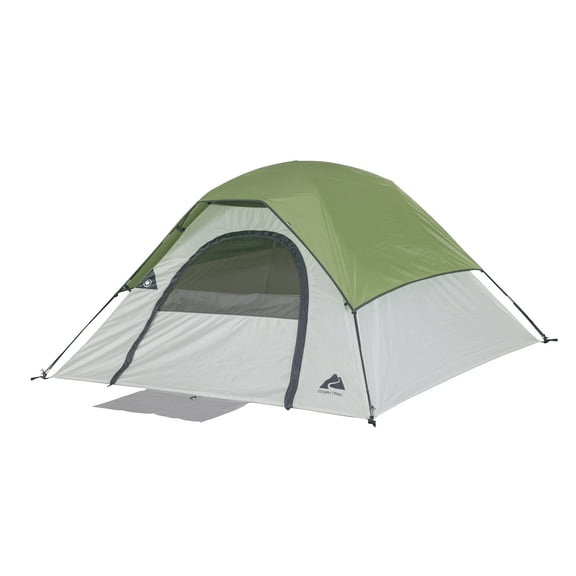
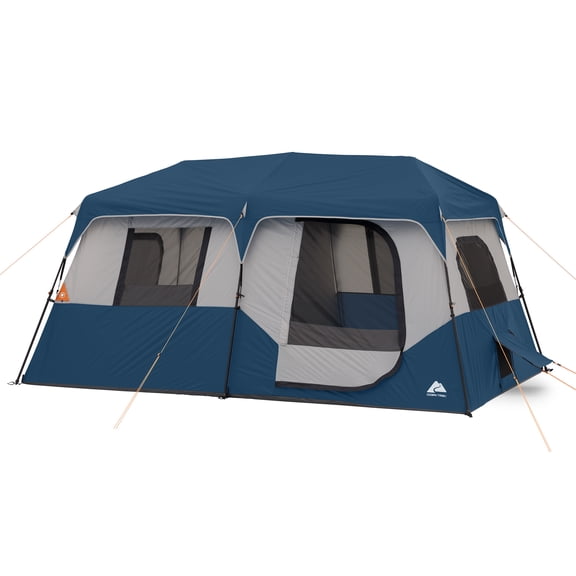
For shelter, you should match tent size to your sleeping layout and extra floor space. You may prefer a one-person tent for solo miles, or a six-person tent for family camping.
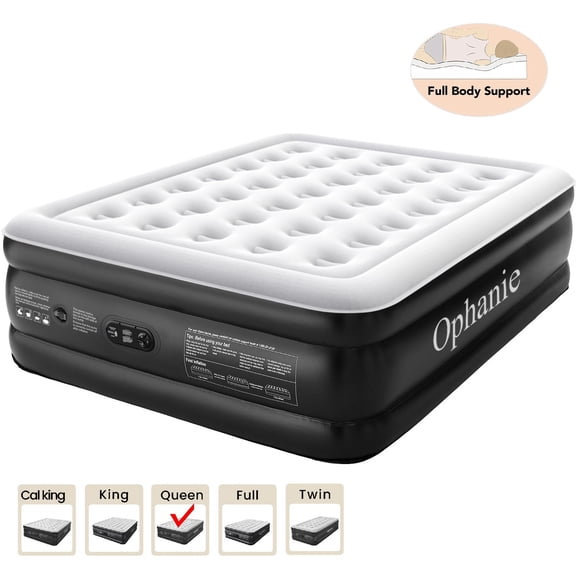
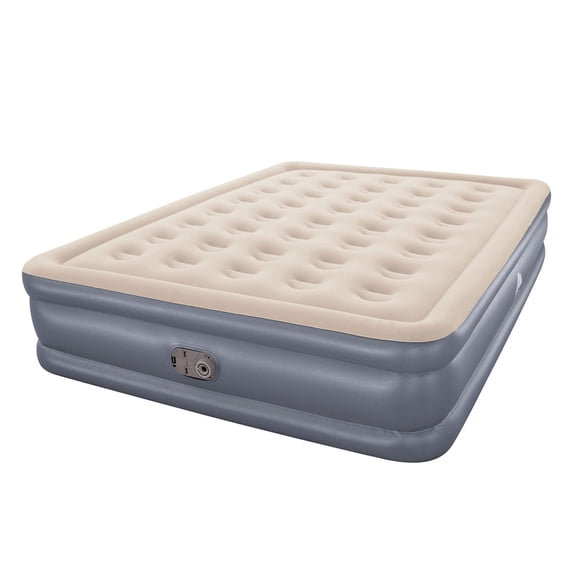
With sleep systems, you should check shape, fill, and temperature rating before you head out. You can use that rating as a quick guide for cooler nights and layered bedding choices.
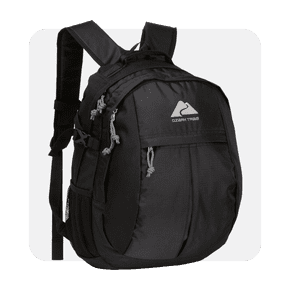
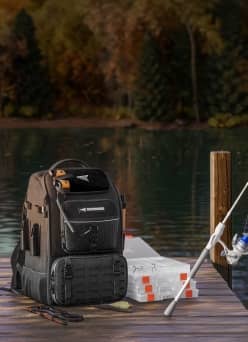
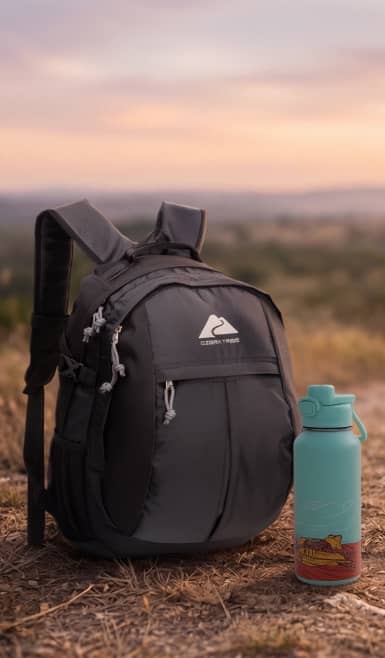
Backpacks matter when you carry your load for hours instead of unloading at a campsite. You should compare pack weight, packed size, and pocket layout if hiking is part of your plan.
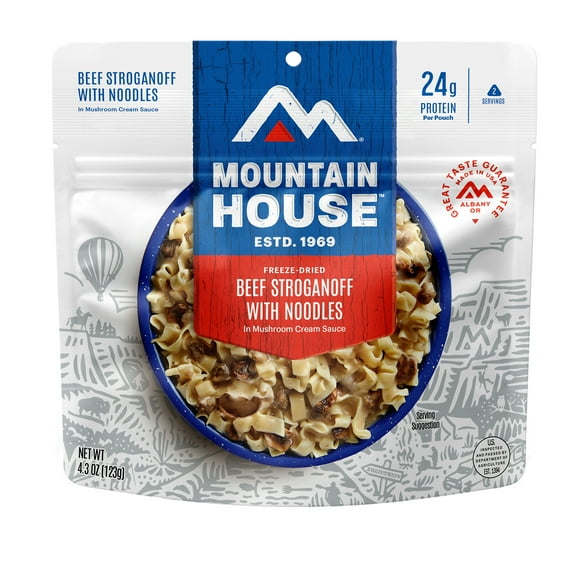
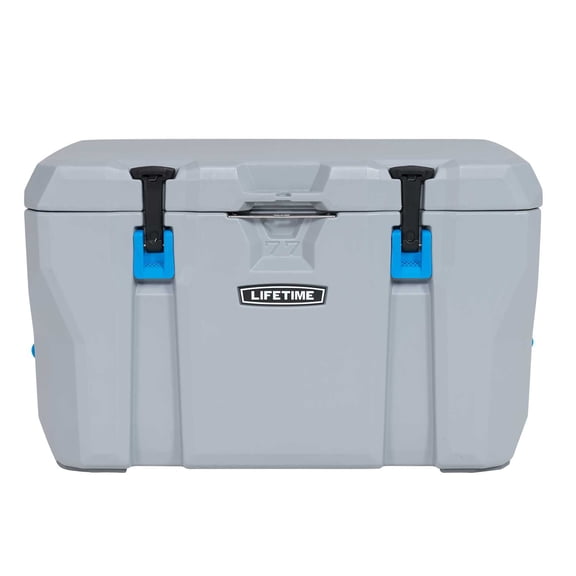
Camp kitchen pieces help you prep meals, boil water, and organize utensils at your site. You can compare cook sets, coolers, prep tools, and stove-friendly cookware by trip length.
Capacity changes how comfortable your campsite feels once bags, shoes, and sleep pads are inside. You should often size up if you want extra elbow room or space for kids.
A four-person tent can fit a small group, but you may want a six-person size for added gear space. An eight-person option may suit larger family camping setups and longer stays.
Your activity type should guide every choice across your camping supplies list. You should look for lighter, more packable pieces for backpacking and hiking trips.
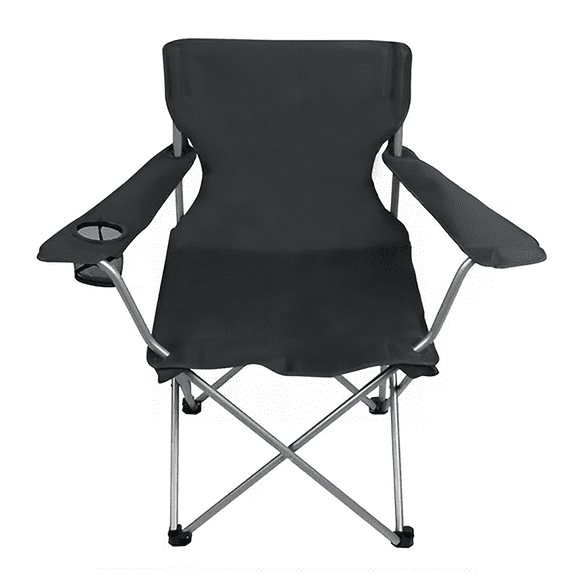
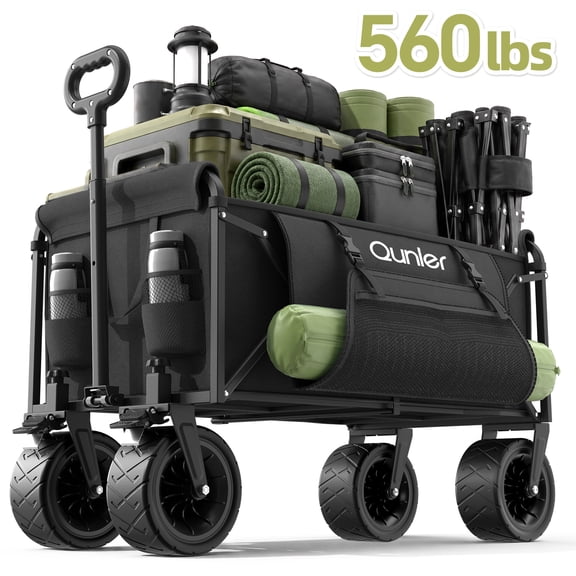
Car camping gives you more flexibility because you don't need every item on your back. You can consider larger tents, bigger coolers, camp chairs, and fuller camp kitchen setups.
For short hiking overnights, you should check weight in pounds and packed volume before choosing a shelter. You can move more comfortably when your load stays compact and balanced.
Beginners often do well with straightforward camping essentials that set up quickly and store easily. You can keep your checklist focused with shelter, sleep gear, lighting, cooking basics, and storage.
Weather resistance matters because your trip can change fast between warm afternoons and cool nights. You should compare three-season and four-season options based on where and when you camp.
Three-season designs usually fit spring, summer, and fall trips with versatile coverage and airflow. You may want four-season equipment when your plans include stronger wind and colder conditions.
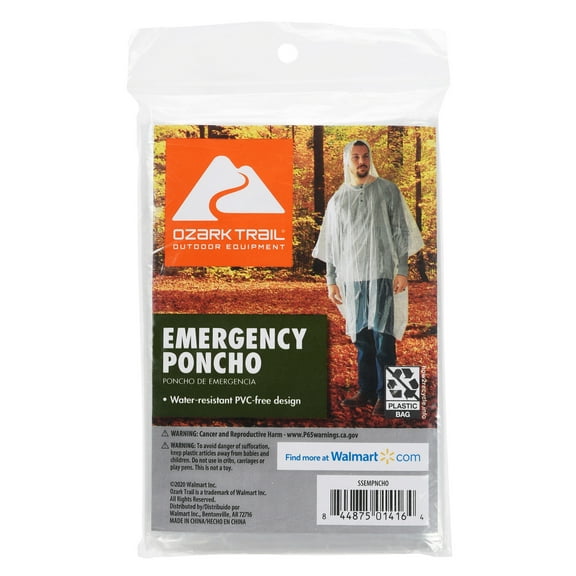
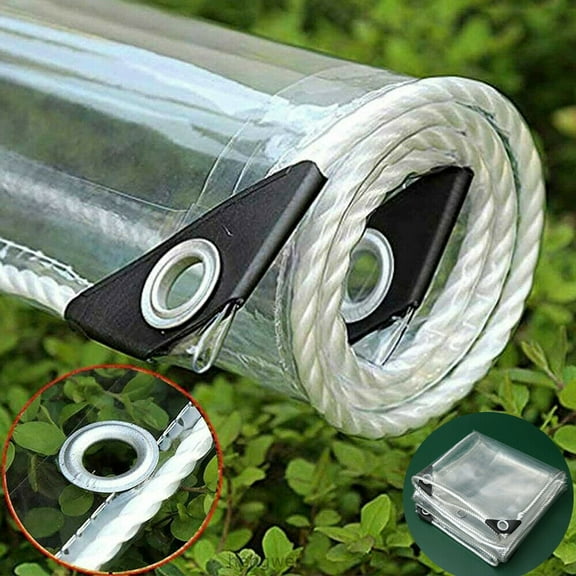
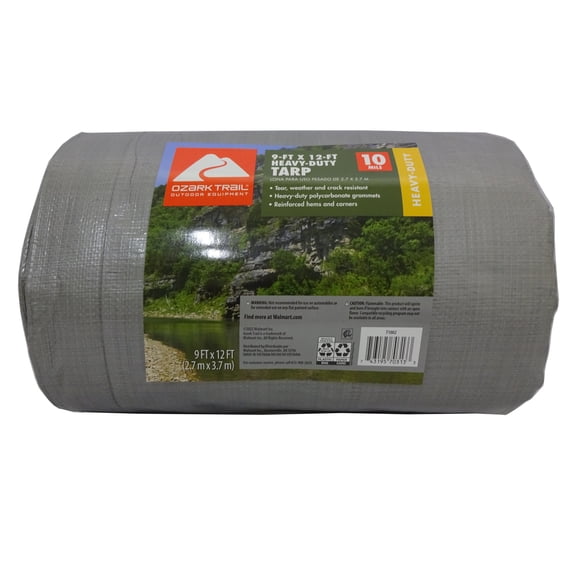
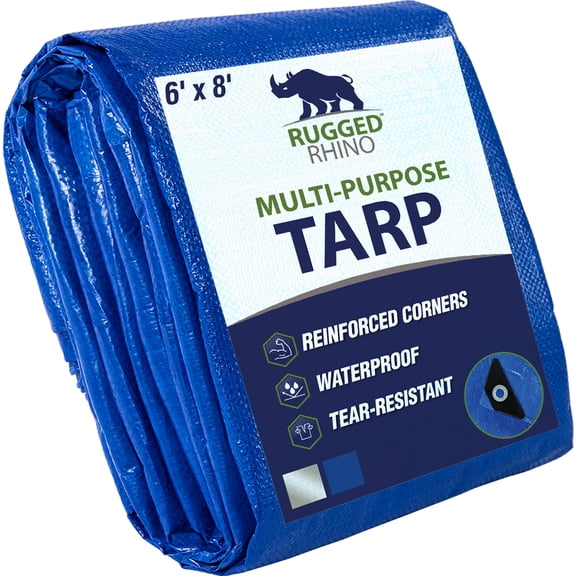
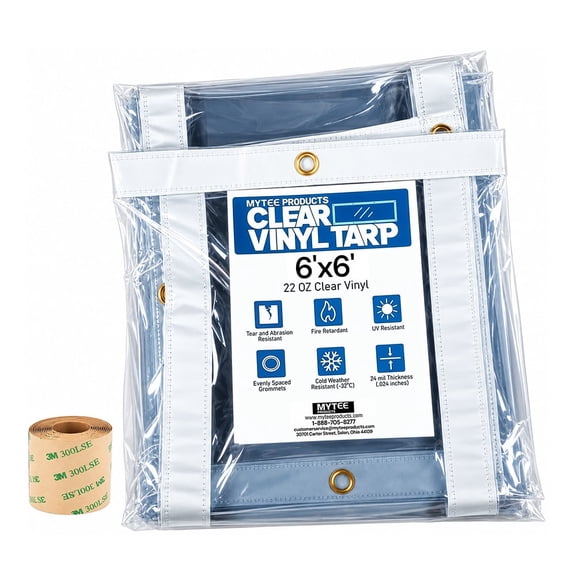
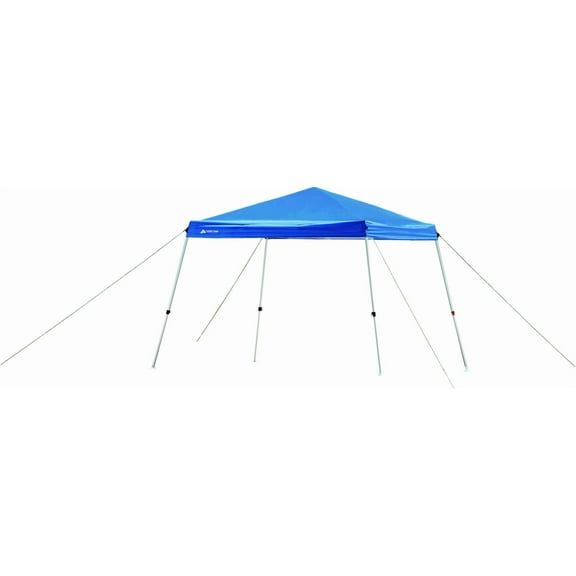
When you review tents and covers, you should check waterproof materials and wind-focused design details. You can look for rain-ready construction, stable pole support, and coverage that matches exposed campsites.
Sleeping bag temperature rating is a key decision point for overnight comfort planning. You should compare ratings with your expected forecast, your sleep layers, and the pad you plan to use.
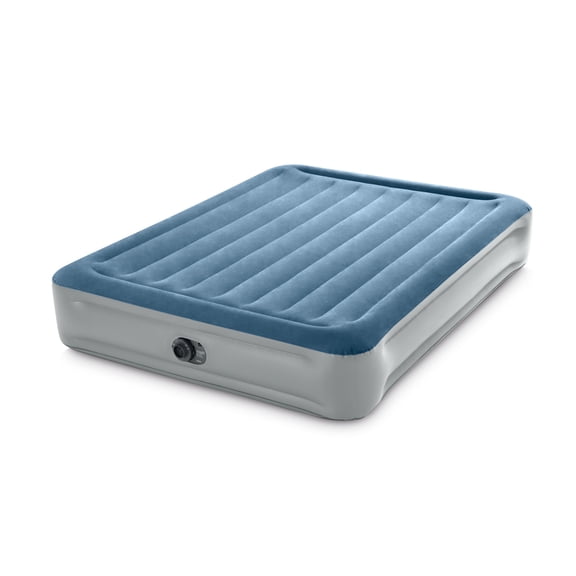
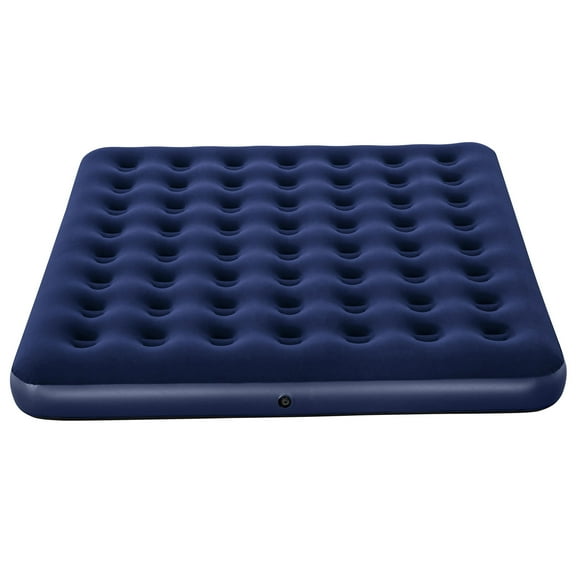
If you camp in cooler weather, you may want a bag with a lower temperature rating. You can pair that choice with sleeping pads and blankets for a more complete sleep setup.
For warmer trips, you should avoid overpacking bulky insulation that takes extra space. You can keep your bag lighter and easier to stow when nights stay mild.
Power source affects how your lighting and cooking tools fit your campsite routine. You should decide early between battery powered, rechargeable, solar, and propane options.
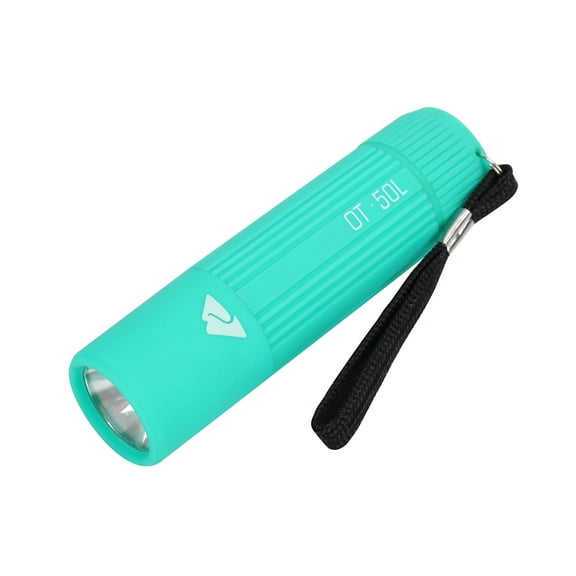
Battery powered lanterns and flashlights can work well when you want familiar replacements and simple setup. You should check battery type and runtime so your lighting plan stays consistent.
Rechargeable options can suit frequent campers who want reusable power between trips. You may like them for car camping when vehicle charging, wall charging, or power banks are easy to access.
Solar lighting can help you maintain light around camp during longer outdoor stays. You should compare charge time, brightness, and backup charging features before you rely on sunlight alone.
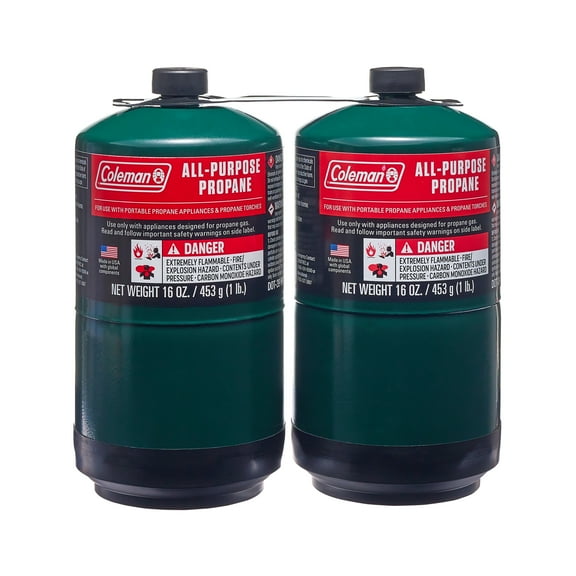
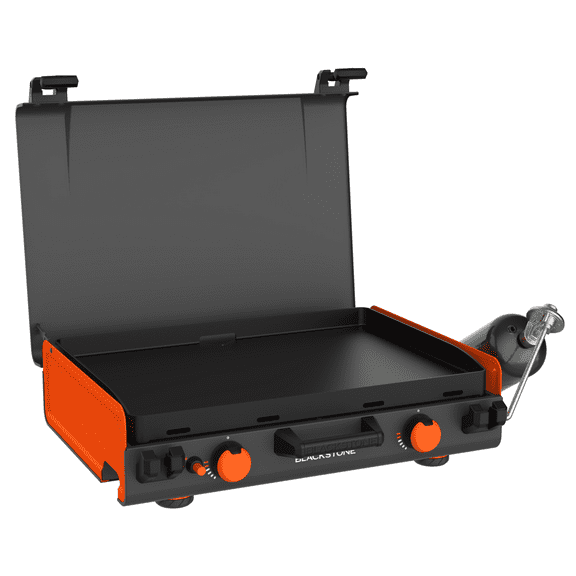
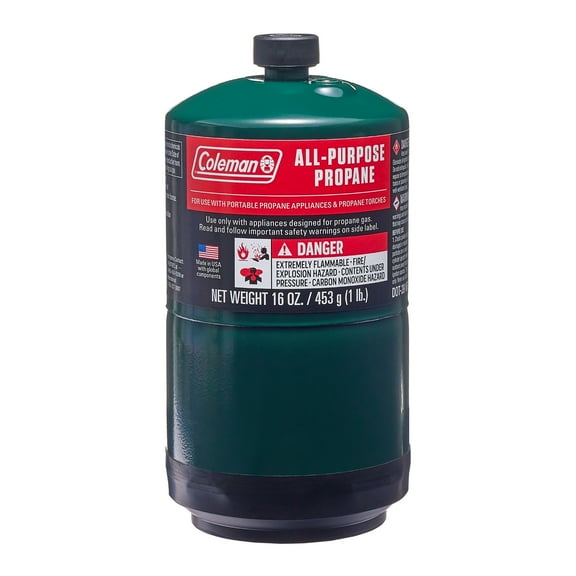
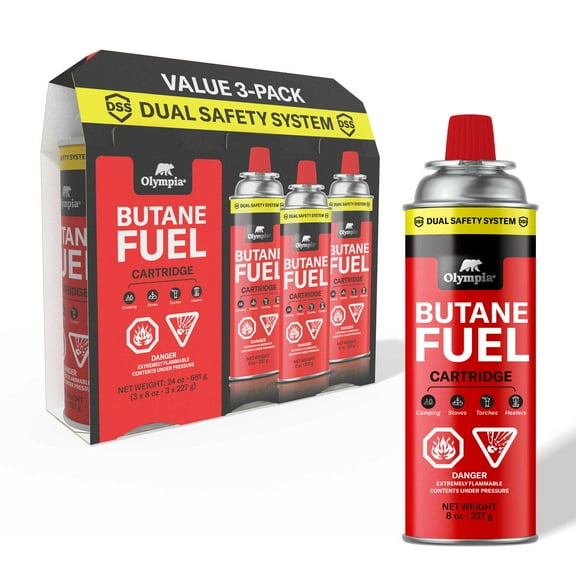
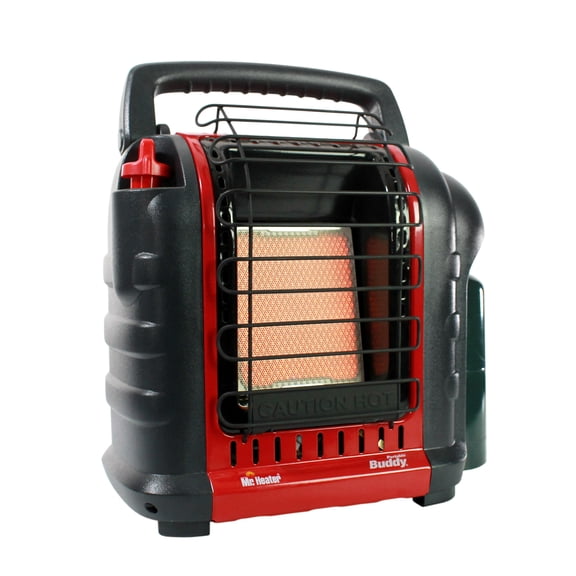
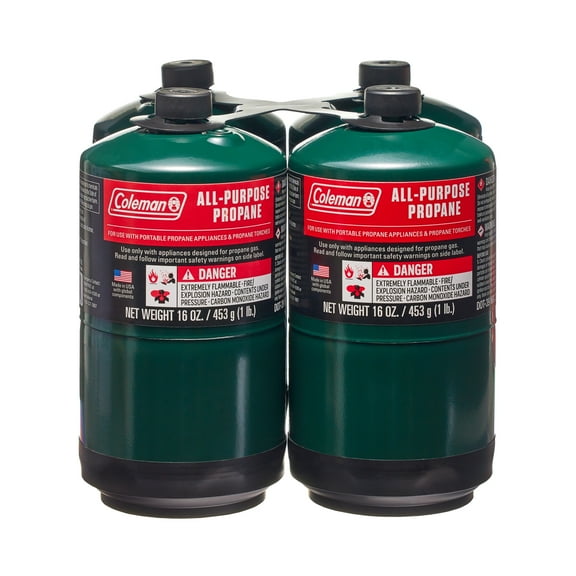
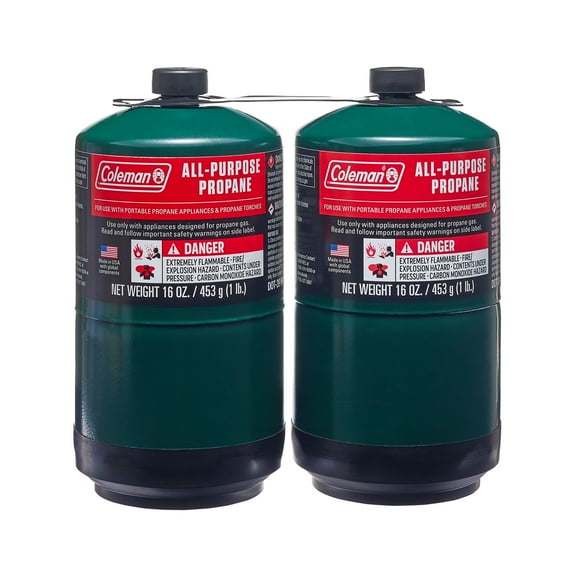
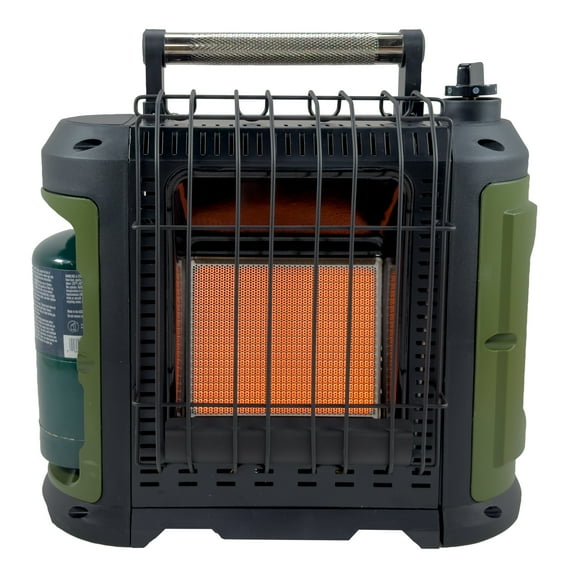
Propane stoves and fuel-based camp kitchen tools are common for cooking tasks at established campsites. You should confirm fuel compatibility and burner style before building your meal setup.
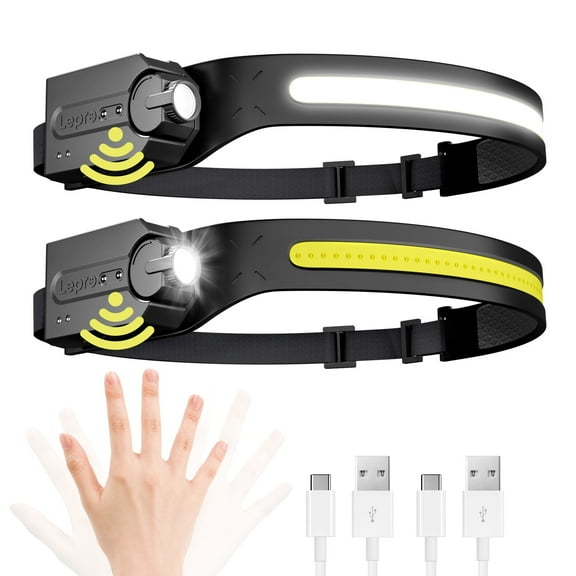
Small camping accessories can shape your whole experience once the sun sets or meals begin. You can use headlamps, lantern hooks, cookware sets, and storage organizers to keep your site functional.
For solo backpacking, you should prioritize a one-person tent, compact sleeping bag, and lightweight backpack. You can keep your camping stuff easier to carry when every item packs down small.
On a weekend car camping trip, you may want a roomier tent, lanterns, and a fuller cook station. You can bring more comfort items because packed size matters less than campsite convenience.
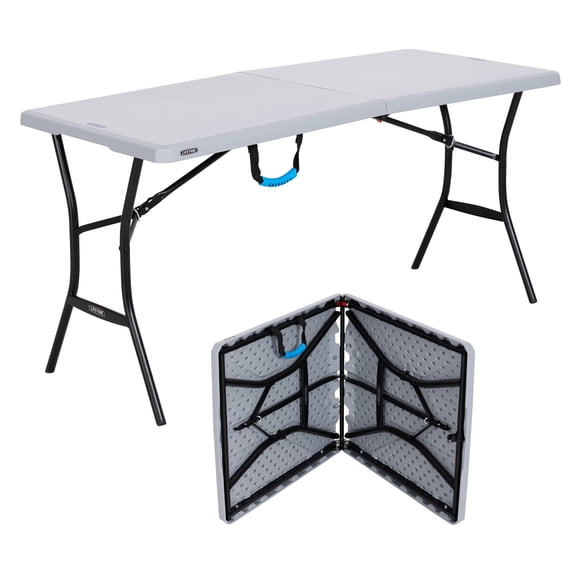
For family camping, you should think about shared sleeping space, extra gear storage, and quick meal prep. You can reduce setup friction with larger shelters, bigger tables, and simple lighting zones.
If your campsite faces wind or steady rain, you should lean into weather-focused camping equipment choices. You can feel more prepared with stable shelters, protective coverage, and lighting that matches rougher conditions.
When you plan a mixed hiking and campsite trip, you should balance carry weight with base-camp comfort. You can combine packable essentials with a few larger camping accessories that stay near your vehicle.
Your final checklist should reflect where you sleep, how you cook, and how you move. You can build a setup that feels more organized when each item supports the same trip plan.
With the right camping gear choices, you can set up faster, pack smarter, and stay ready for changing conditions. You can rely on a category built around real decisions, from tent capacity to power source.