



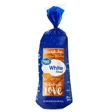
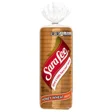


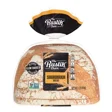

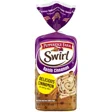

Fresh and Frozen Bread Buns Loaves













About Fresh and Frozen Bread Buns Loaves - Walmart.com
Sliced bread helps you build easy meals, quick snacks, and packed lunches with less prep. You can compare loaf styles, slice thickness, and dietary options to match how your household eats.
When you shop this category, you can choose from classic sandwich loaves, bakery-inspired options, and specialty recipes. You can also sort through white bread, wheat bread, and sliced loaves made for specific eating preferences.
How to choose sliced bread for your routine
You should start with how often your household uses bread during the week. You can pick smaller loaves for lighter use or larger packages for steady sandwich making.
If you make lunches often, you may want a sandwich loaf with even slices and a soft texture. If you plan toast or hearty breakfasts, you may prefer a firmer crumb.
- You can keep weekday lunches simple with sandwich bread that stacks neatly and holds spreads evenly.
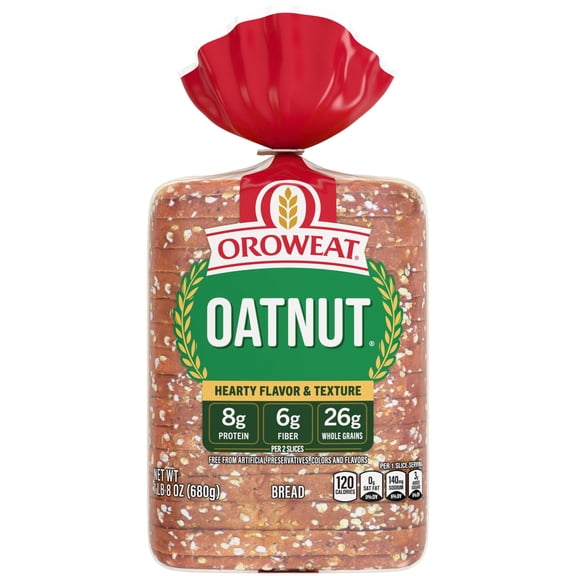
- You can match your meals to loaf styles, from soft white bread to hearty wheat bread and tangy sourdough bread.
- You can narrow choices by dietary needs, including gluten free bread, keto bread, low carb, and organic options.
- You can compare thin sliced, regular, and thick sliced bread for toast, deli sandwiches, and French toast.
You may also want to check freshness windows and package dates when you plan the week. You can choose loaves that fit your household pace and pantry habits.
Choosing between white bread, wheat bread, and other bread types
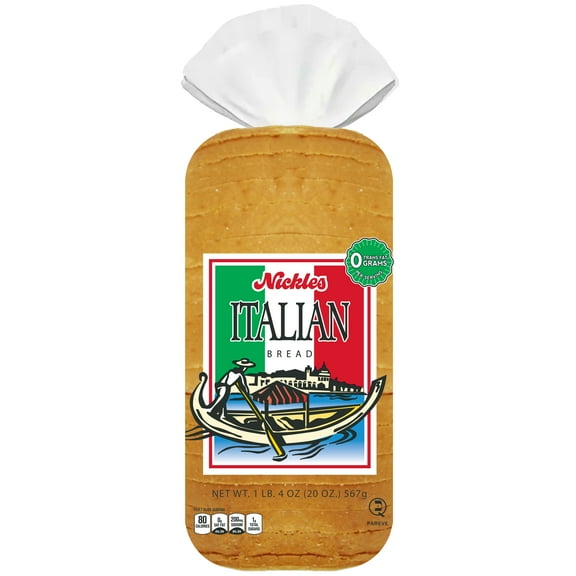
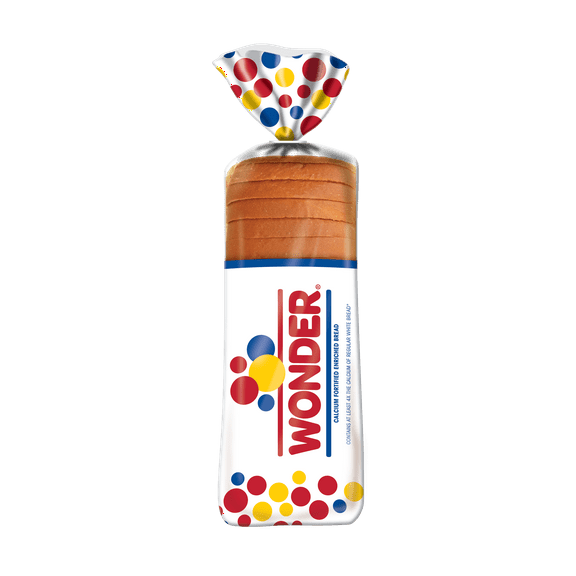
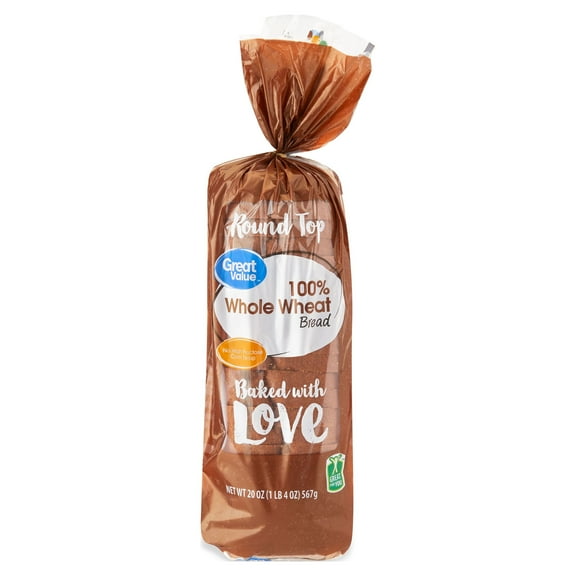
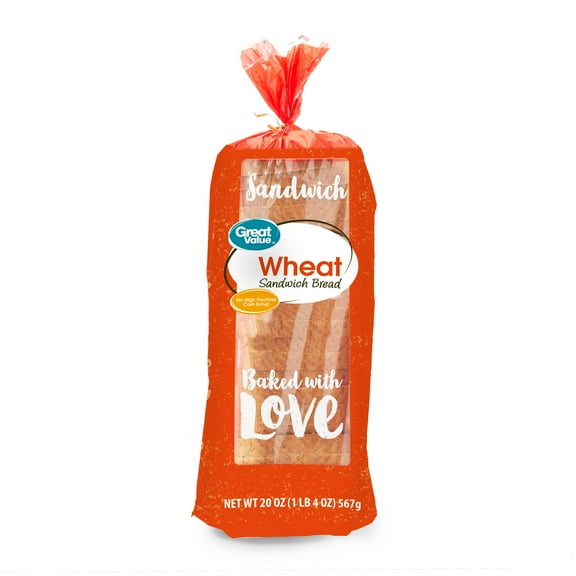
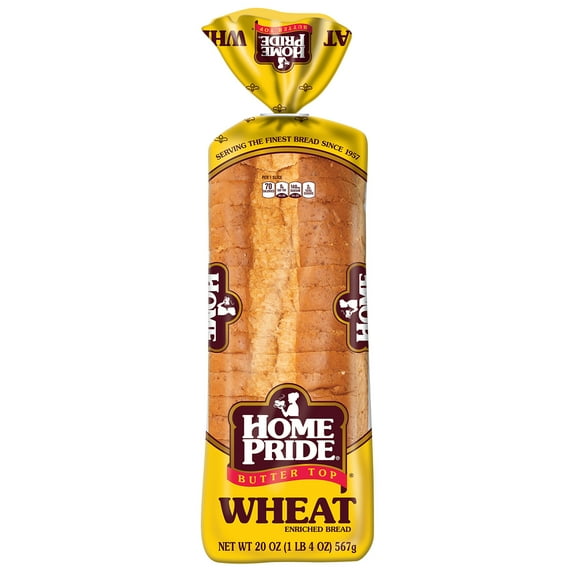
You can use bread type as your first filter because it shapes flavor, texture, and meal fit. White bread usually gives you a soft bite, while wheat bread often gives you a heartier texture.
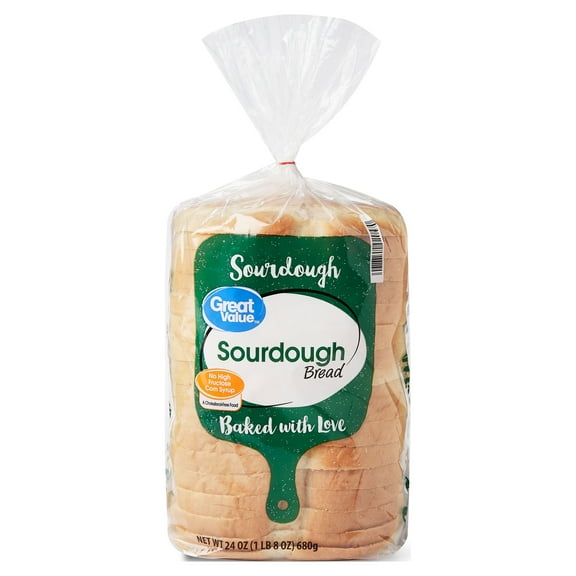
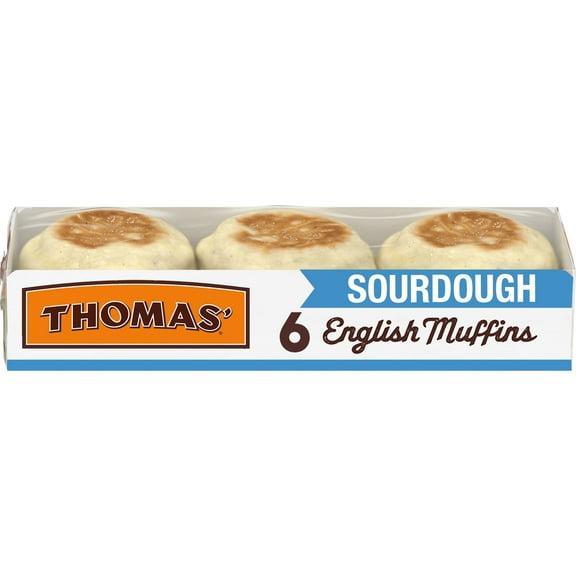
If you like a tangy flavor and firmer slices, you may lean toward sourdough bread. If you want a richer taste for brunch, you may look for brioche bread or potato bread.
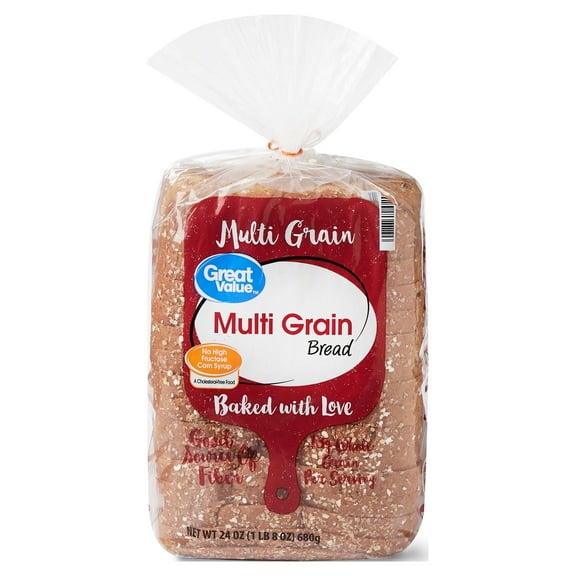
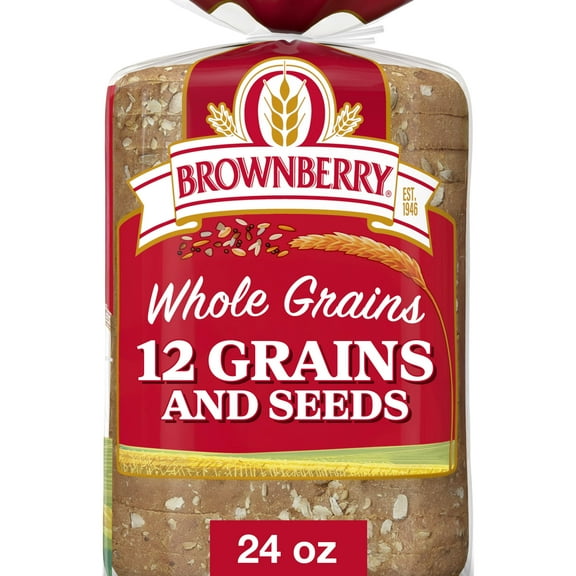
You can also compare multigrain, rye, and artisanal styles when you want more texture at the table. A sandwich loaf usually gives you uniform slices that work smoothly for lunch prep.
When you review labels, you should check whether the loaf suits your usual toppings and fillings. A lighter crumb may suit jelly or deli meat, while denser slices may suit grilled sandwiches.
What to look for in dietary preferences and ingredient needs
You should compare dietary labels early because they can quickly narrow a large assortment. Gluten free bread can help you focus on loaves made for that specific preference.
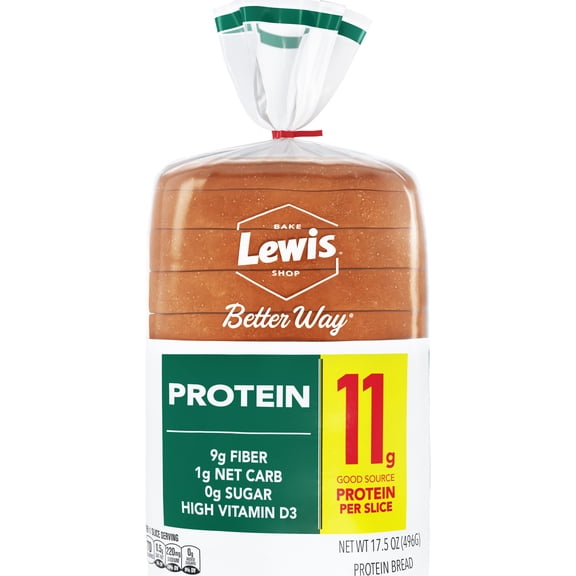
If you follow a keto or low carb routine, you should look at net carb details and serving information. Whole grain and organic options can also help you align bread choices with your usual pantry plan.
You may want to check whether a loaf is designed for sandwiches, toast, or general everyday use. That detail can help you avoid a texture that feels too delicate or too dense.
For shared households, you can keep different loaf types on hand for different routines and meals. One loaf may suit school lunches, while another may suit breakfast toast or weekend recipes.
Comparing slice thickness, texture, and loaf size
You should measure slice thickness against how you actually use bread at home. Thin sliced bread can suit lighter sandwiches, while regular slices fit everyday toast and lunch making.
Thick sliced bread, including Texas toast styles, can give you more structure for French toast and grilled sandwiches. You may also notice that thicker cuts hold up well with eggs, cheese, and hearty fillings.
Texture matters too, because you want slices that fit your preferred bite and browning level. Softer loaves may suit quick peanut butter sandwiches, while firmer loaves may suit crisp toast.
You can also compare loaf weight or package size before you choose. A larger loaf may suit bigger households, while a smaller package may reduce leftover slices during the week.
Using sandwich bread for lunches, toast, and family meals
You can match sandwich bread to specific meals so your loaf works harder across the week. Soft sandwich slices often fit lunchboxes, while sturdy cuts can support burgers, melts, and stacked sandwiches.
For breakfast, you may want bread that browns evenly in a toaster or on a griddle. Brioche bread and thick sliced options can work well when you make French toast at home.
If you build deli-style lunches, you should look for slices with consistent shape and edge support. That can help you layer meats, cheese, and vegetables without the sandwich tipping or tearing.
You can also plan for snack time, after-school meals, and quick dinners with the right loaf. White bread may suit simple grilled cheese, while wheat bread may fit a heartier turkey sandwich.
When you choose sliced bread with these details in mind, you can keep meals easier and more consistent. You can land on the right loaf for your routine, your recipes, and your household pace.