

Artisan Breads in Bakery & Bread















About Artisan Breads in Bakery & Bread - Walmart.com
Artisan breads help you bring bakery-style texture and flavor to everyday meals. You can compare loaf types, crust styles, and preparation options to match soups, sandwiches, pasta, and shareable sides.
How to choose artisan breads by bread type
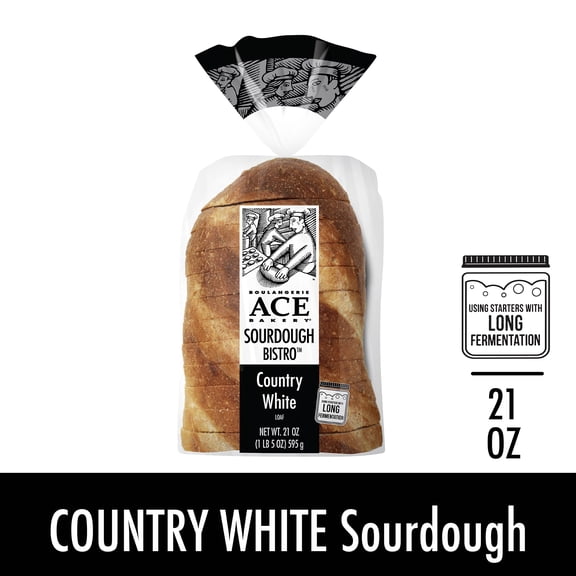
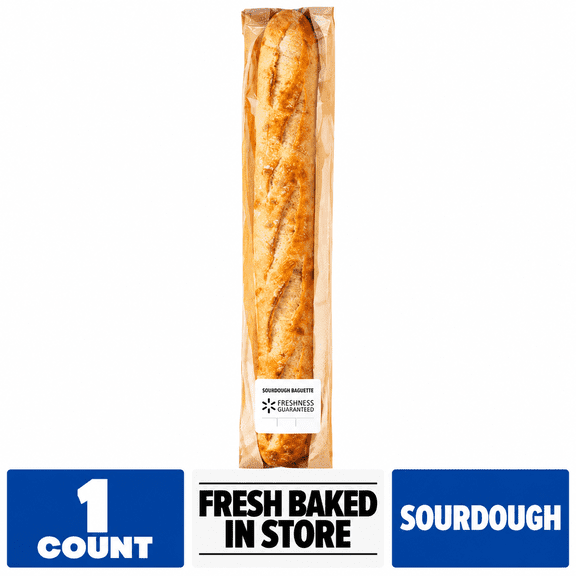
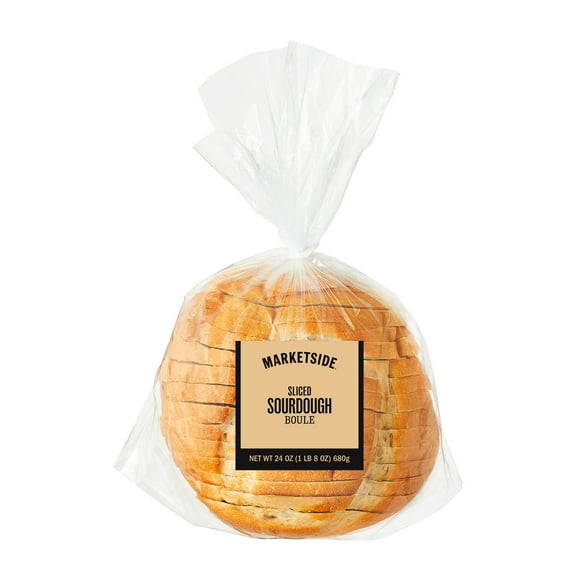
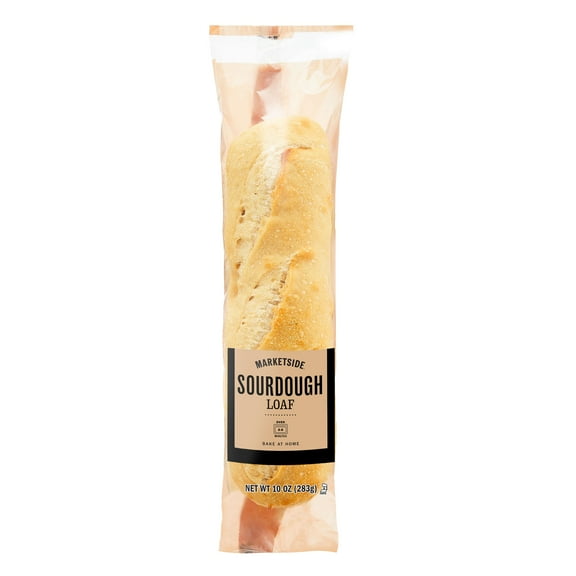
You can start with bread type because each loaf supports a different meal plan. You can choose a sourdough bread loaf when you want tangy flavor and a chewy bite.
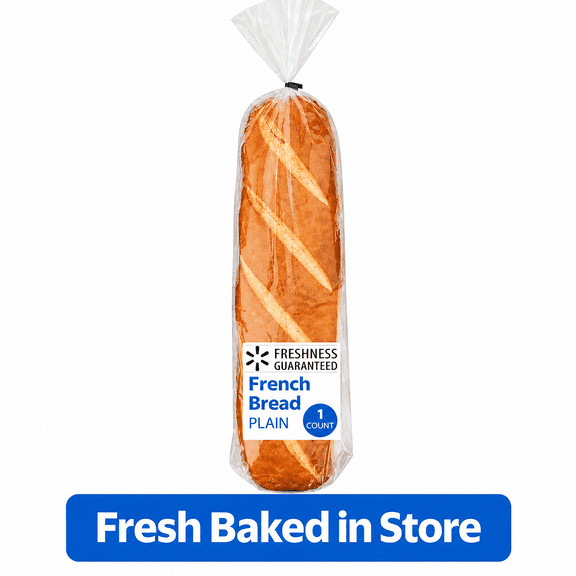
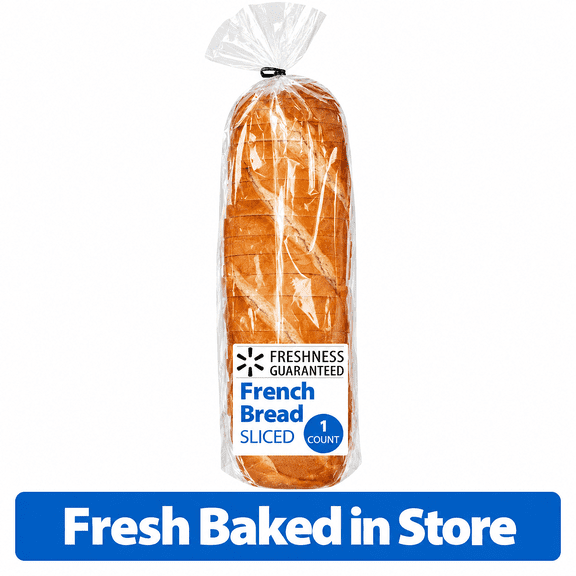
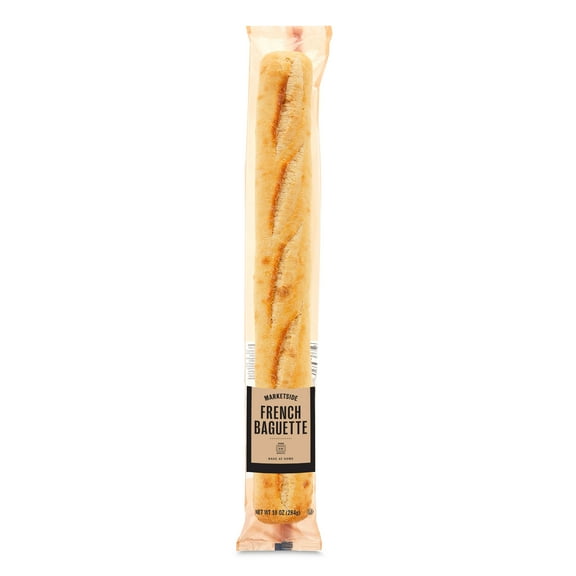
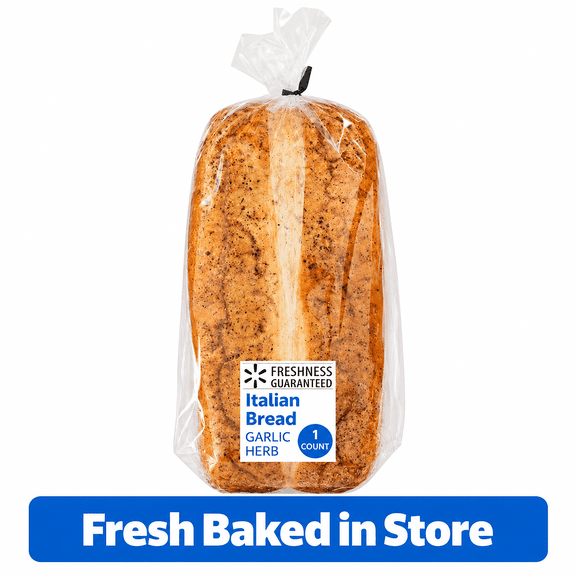
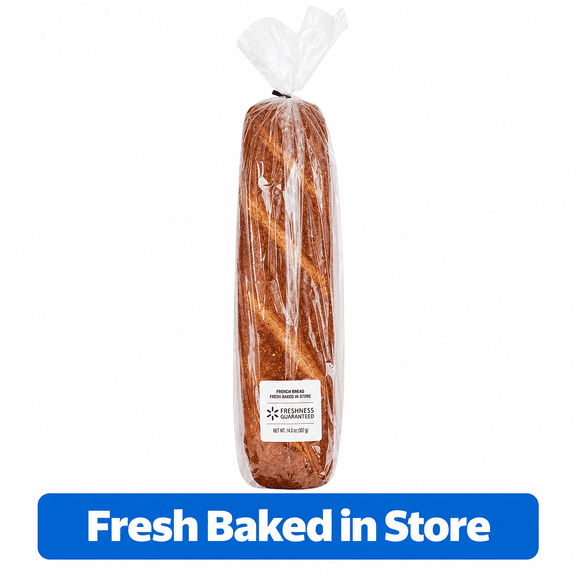
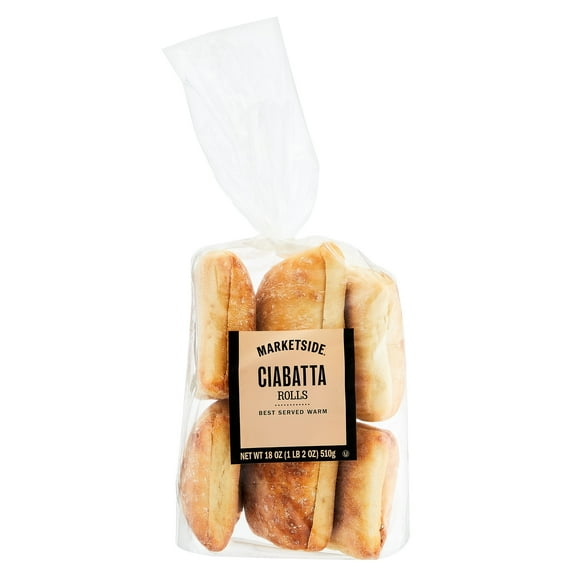
If you’re planning pasta night, you may prefer ciabatta or a garlic bread loaf with an open crumb. You can choose a baguette or french bread when you want a crusty bread texture for dipping.
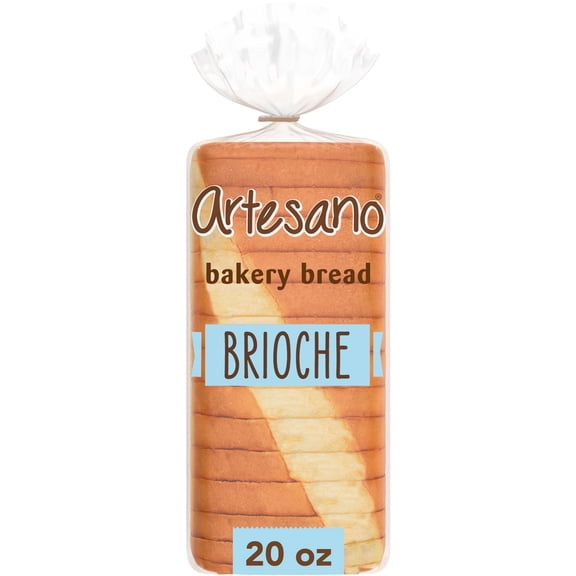
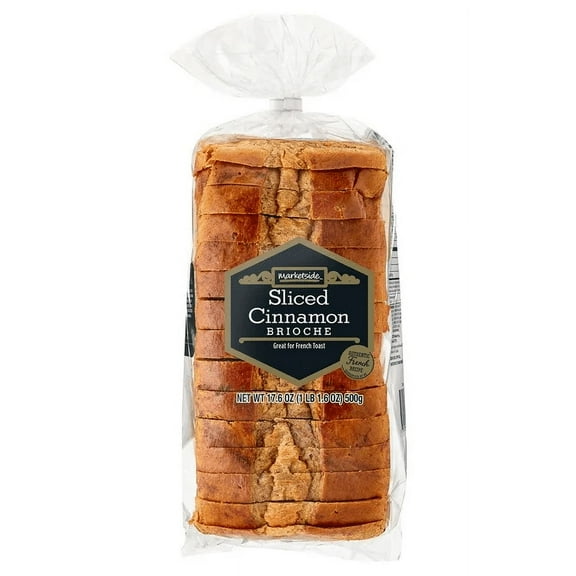
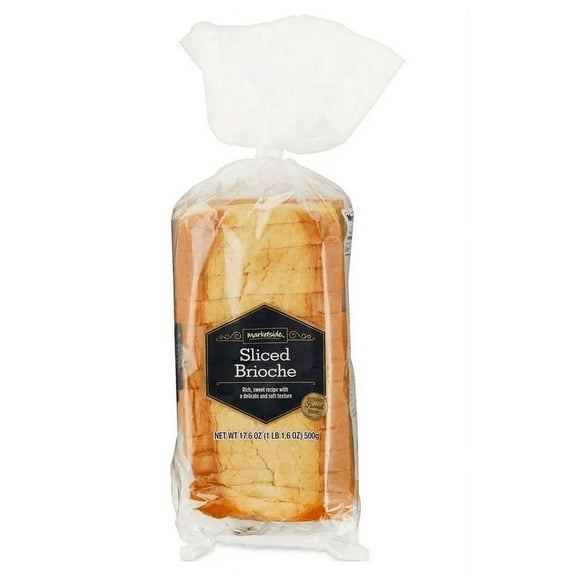
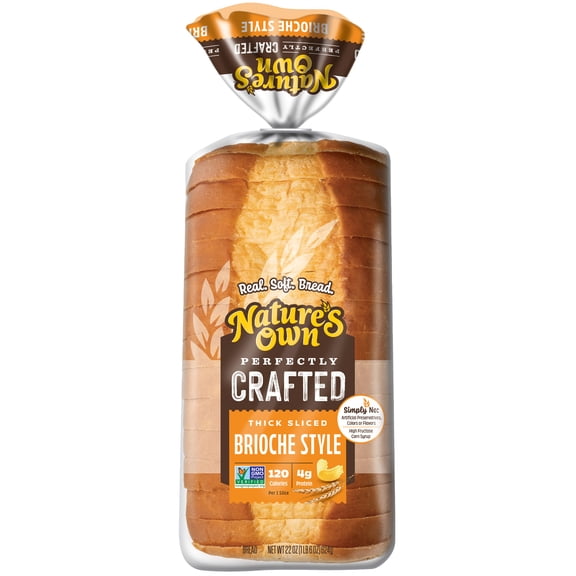
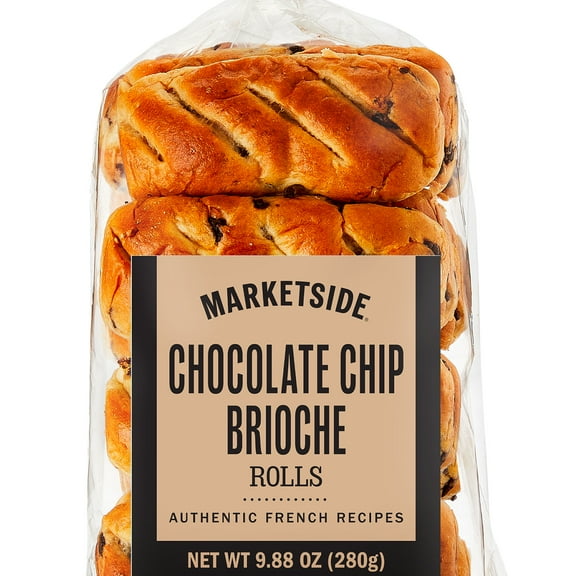
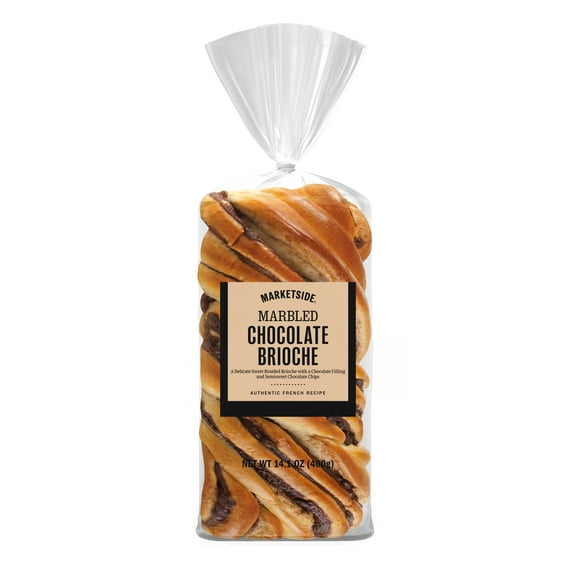
For softer slices, you might compare brioche with focaccia based on richness and texture. You can use brioche for sandwiches, while focaccia suits olive oil dipping and shareable sides.
- You can pair sourdough with soups, stews, and toast.
- You can serve ciabatta with paninis, pasta, and pressed sandwiches.
- You can slice baguettes for crostini, cheese boards, and garlic toast.
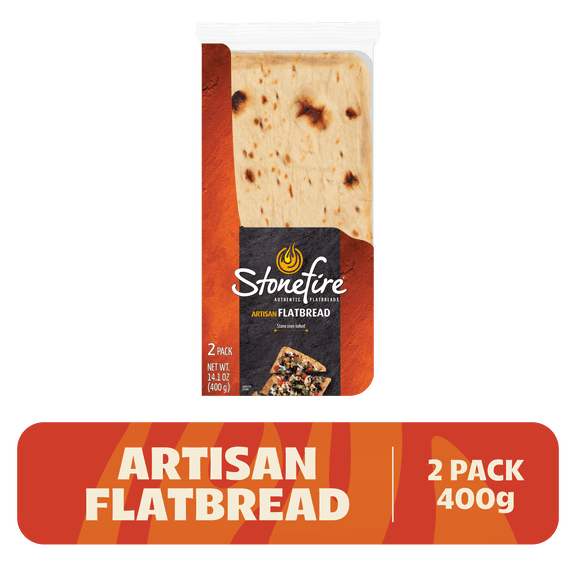
- You can choose focaccia for dipping, sharing, or hearty sandwich bases.
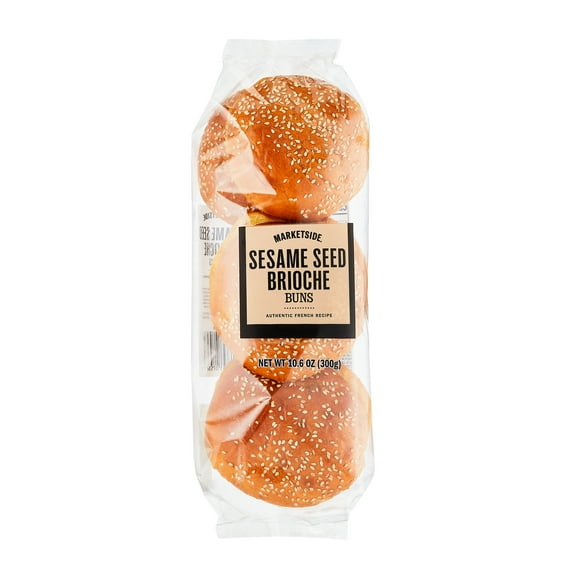
- You can pick brioche when you want a softer crumb and richer flavor.
Choosing fresh baked bread or take-and-bake options
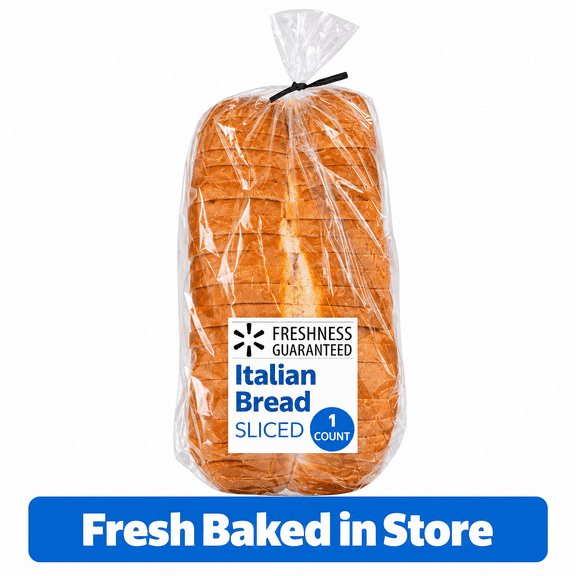
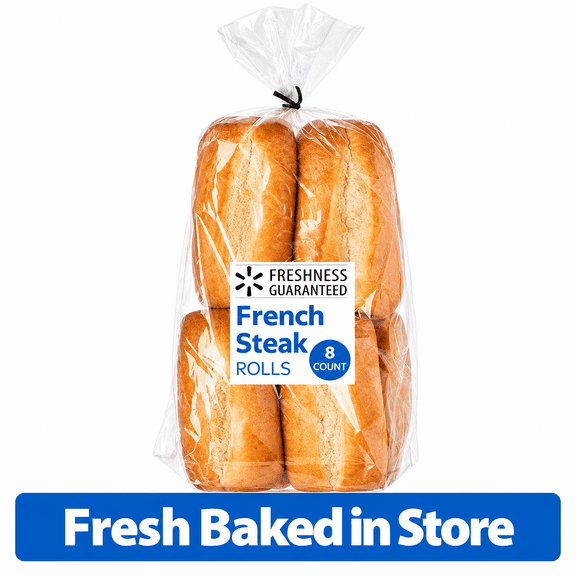
You should compare preparation state first because it affects timing, texture, and convenience. You can pick fresh baked bread when you want ready-to-eat slices for immediate serving.
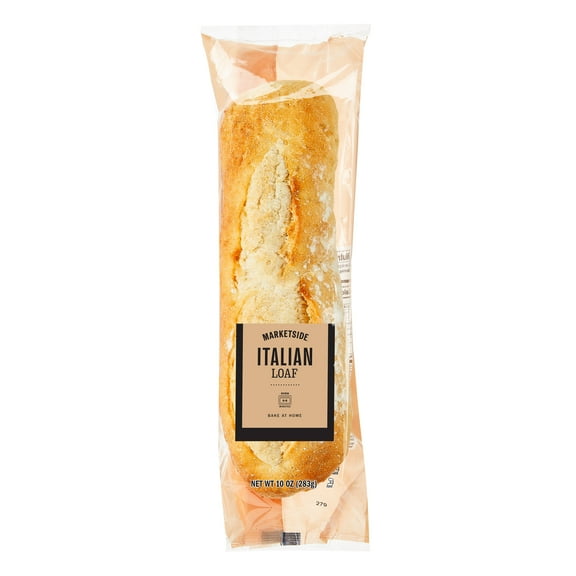
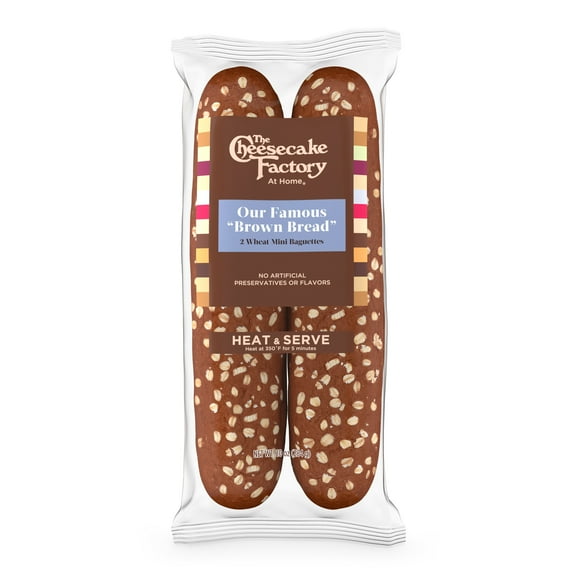
If you’re planning ahead, you may prefer take-and-bake loaves for a warm oven finish at home. You can also choose frozen options when you want longer storage and flexible meal planning.
Ready-to-eat loaves work well when your meal starts soon after pickup or delivery. Take-and-bake bread fits dinner prep because you can finish the crust and aroma right before serving.
Frozen artisan bread can help you keep bread on hand for busy weeks. You can thaw only what you need and keep the rest for another meal.
What to look for in ingredients and specialty options
You should check ingredient details when you’re comparing artisan breads for your household. You can look for whole wheat, organic, non-GMO, or gluten-free options based on your preferences.
If you’re reviewing a sourdough bread loaf, you may compare yeast style and fermentation notes on the label. You can use those details to narrow texture, tang, and slice structure.
You should also check allergen information before choosing flavored or enriched loaves. Your garlic herb, cheese, or brioche options may include ingredients that change texture and flavor.
Whole wheat loaves can give you a denser bite and a more grain-forward taste. Gluten-free options can help you compare specialty formats when traditional wheat bread isn’t your choice.
Choosing crust texture and flavor profile
You can narrow your choice quickly by deciding whether you want crusty, soft, or chewy bread. You can get crackly edges from a crusty loaf, while a softer loaf feels easier to tear and slice.
If you like a hearty chew, you may lean toward sourdough or ciabatta. If you want a gentler bite, you might choose brioche or softer french bread styles.
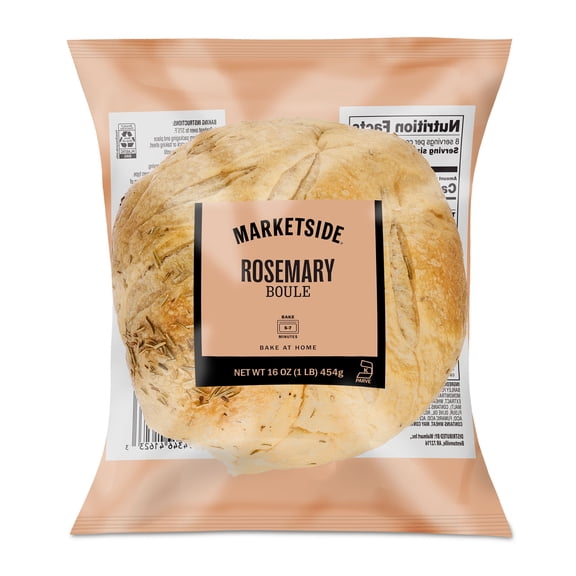
Flavor profile matters too because it changes how your bread fits the meal. You can keep it simple with plain loaves or choose rosemary olive oil, garlic herb, or cheese flavors.
Plain bread gives you more flexibility across breakfast, lunch, and dinner. Garlic bread loaf options fit pasta night, while rosemary loaves pair naturally with soups and roasted meals.
How to store and serve artisan breads
You can keep artisan bread tasting fresh by matching storage to your timeline. If you’ll use it soon, you can store it at room temperature in its original bag or a bread box.
For a longer window, you can freeze slices or whole portions and thaw them as needed. You can often get a more appealing crust when you warm bread briefly before serving.
You can refresh a baguette or crusty loaf with a short oven warm-up before dinner. Softer breads usually need less reheating, so you can keep their texture pleasant for sandwiches.
If you’re building a meal plan, you can portion loaves before freezing for easier use later. You can pull out slices for toast, sandwich builds, or a quick side with soup.
Matching artisan breads to everyday meals
You can use these category choices to simplify shopping for specific meals and occasions. A sourdough bread loaf suits toast, grilled sandwiches, and soup pairings with a chewy finish.
Ciabatta works well when you want an airy interior for pressed sandwiches or dipping oils. A baguette or french bread loaf gives you structured slices for bruschetta, garlic toast, or side baskets.
When you want a richer table bread, you can consider brioche for breakfast sandwiches or sliders. If you’re serving a crowd, you may choose focaccia because it portions easily and presents well.
You can find the right fit when you compare bread type, preparation style, ingredients, flavor, and crust together. That approach helps you choose artisan breads that match your meal and serving plan.
You can shop artisan breads with a clearer plan when you understand these loaf differences. Your meals feel easier to build when your bread matches the texture, flavor, and prep style you want.