



Art Supplies
V-day craft ideas

Shop by category















About Art Supplies - Walmart.com
What to look for when shopping for art supplies
If you've decided you want to explore your creative side, you'll need a few artist supplies. Whether you're interested in sketching, painting, or working with pastels, you can find just the products you need to get started. When you're ready to go shopping for paint, brushes, sketchbooks, and more, take advantage of a few handy tips.
Paint
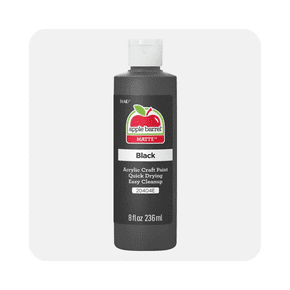
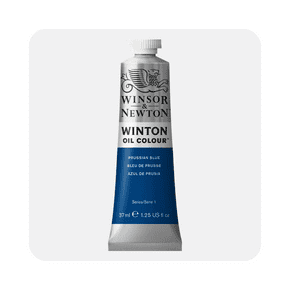
Few art forms allow budding artists to express creativity like painting. If you're just learning to paint, choose watercolor or acrylic paints. These easy-mix paints are water-based, so you won't need paint thinners for cleaning up. When shopping for watercolors, choose a set featuring eight to 10 transparent colors. If you're looking for acrylic paints, opt for heavy body paints that can be diluted with water if needed. Choose at least six colors including red, green, blue, yellow, black, and white, as these colors can be mixed to make many other colors.
Paint brushes
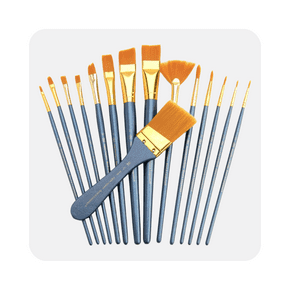
Once you've made a decision about paints, you'll need a few paint brushes. Paint brushes come in many shapes and sizes, so you may want to start with a beginner's set, which typically includes a variety of brushes for producing different paint strokes and techniques.
Paint brushes feature natural bristles made from animal hair or synthetic bristles made from nylon, polyester, or a blend of the two. Because brushes with natural bristles are more expensive, beginners often turn to synthetic brushes at first. As you get more comfortable with painting, experiment with both types of brushes to see which kind you prefer.
Art and drawing markers
If you like to create vibrant colored drawings or if you enjoy adult coloring books, art markers are for you. Depending on how many colors you desire, you can find packages of eight, 24, and even 72 markers, and they come in different styles.
For markers that write on paper, canvas, glass, metal, and more, choose opaque paint pen markers in an oil or water base. These markers provide a colorful matte finish that doesn't bleed or fade. If you need markers that produce fine details, shade, and blend, go for markers that feature a fine tip on one end and a broad tip on the other.
Colored pencils
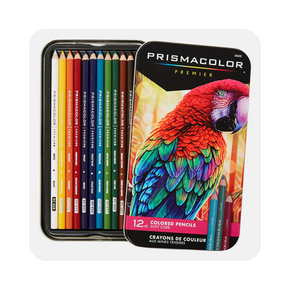
Whether you need a small package of eight or a jumbo pack of 100, colored pencils are unique tools for drawing and coloring. When shopping for colored pencils, quality counts. Look for pencils labeled "professional" or "artist." These typically have more pigment in the lead, which translates to richer color. If you want your colored pencils to blend easily, choose products that feature an oil base over those with a wax base.
Art kits
If you're looking to buy lots of art supplies in one handy package, shop for an art kit. Many art kits feature wooden or leather cases with handles and locking clasps, making them great for art classes and travel.
For a deluxe art kit, shop for one with a sketch pad, a watercolor pad, watercolor paints, paint brushes, mixing trays, oil pastels, colored pencils, drawing pencils, a sharpener, a ruler, an eraser, and a color wheel. Art kits make a good option if you're interested in many types of art.
Sketchbooks
If you're learning to draw, a sketchbook is a must-have. These handy pads can be used for practicing composition, shading, smudging, and more drawing techniques. A sketchbook also helps you keep your creative ideas in one handy place. In addition to drawing in your sketchbook, you can plan out paintings, sculptures, and other works of art.
If you're a beginning drawer, start with a sketchbook measuring 9 x 12 inches and look for sketch paper with a medium-weight thickness of 80 pounds. Choose a hardbound sketchbook over a wire-bound version if you want the option of creating larger drawings that spread from one page to another.
Canvases
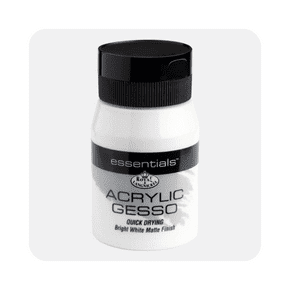
To a painter, a fresh canvas offers unlimited possibilities. Essentially, a canvas is fabric stretched over a wooden frame. Once stretched and stapled, the fabric is primed for painting with a substance called gesso.
If you're shopping for a budget-friendly art canvas, pick one made from cotton duck fabric. If you're looking for a higher-quality canvas, choose one made from linen. This fabric has a tighter weave than cotton, which means it's more durable and more resistant to mold and mildew. While many canvases are designed for both oil and acrylic paint, it's a good idea to read the label before making your purchase.
Easels
An easel offers a number of benefits to a painter. It helps create a more accurate painting, and working vertically prevents dust from settling on the paint. If you enjoy painting outdoors, choose a light, portable easel that folds up easily. If you work in a studio, pick a larger, heavier easel, and if you want to set up an easel in your home or apartment, you may want to consider a tabletop easel.