

Alignment Tools in Steering & Suspension Tools


















About Alignment Tools in Steering & Suspension Tools - Walmart.com
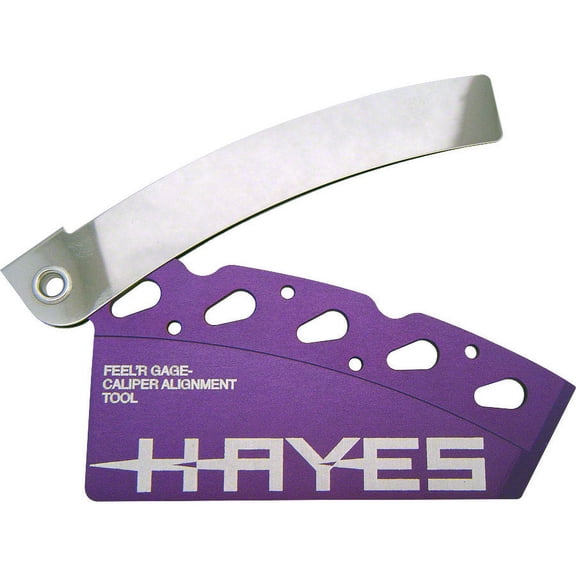
Steering and suspension alignment tools help you measure camber, caster, and toe with more control during garage setups. You can compare tool types, fitment details, and measurement methods before choosing equipment that matches your vehicle.
If you're correcting steering pull, setting ride height, or checking angles after new parts, you need category-specific guidance. You can use this page to understand which alignment tools fit your wheels, hubs, and suspension work.
How to choose steering and suspension alignment tools
You should start with the alignment angle you need to measure. You can use camber caster gauges for wheel tilt and steering axis checks, while toe plates help you compare front wheel direction.
Turn plates matter when you need smooth wheel movement during caster readings. Alignment rack adapters help you connect measuring tools to shop equipment or wheel setups more securely.
- You can use camber caster gauges when you need angle readings after suspension changes.
- You can use toe plates when you want a simple way to compare front wheel toe.
- You can use turn plates when you need rolling movement for accurate caster checks.
- You can use alignment rack adapters when you need stable mounting across different setups.
You can notice each tool type supports a different step in the alignment process. You can avoid guesswork when you match the tool to the exact measurement you plan to check.
Choosing the right vehicle compatibility
You should check vehicle compatibility before you compare finishes or measurement styles. You need to confirm hub size, wheel diameter, and bolt pattern so your tool fits your passenger car, light truck, SUV, or off-road vehicle.
If your vehicle uses larger wheels or a wider track, you may need tools with a broader adjustment range. You can also look for setups that handle lifted suspensions and heavier wheel assemblies.
For passenger cars, you may prefer compact tools that fit tighter wheel openings. For light trucks and SUVs, you may want longer measuring spans and stronger contact points.
If you work on off-road vehicles, you should look for durable construction that handles frequent setup changes. You can benefit from components that stay stable on aggressive tire and wheel combinations.
Understanding camber, caster, and toe
You can think of camber as the inward or outward tilt of the wheel when viewed from the front. You can think of caster as the steering axis angle, while toe shows whether the front edges point inward or outward.
When you change control arms, tie rods, ball joints, or struts, these angles can shift. You need the right alignment tools to measure those changes instead of relying on visual estimates.
You may choose a camber caster gauge when you need angle-specific readings during suspension work. You may choose toe plates when you need a fast comparison after steering linkage adjustments.
If you're dialing in drivability after replacing steering parts, you need clear readings that support repeatable adjustments. You can make smaller, more confident changes when the measurement method is easy to follow.
Comparing measurement methods and setup
You should compare magnetic, laser-guided, bubble level, and manual tape options based on your workspace. You can pick magnetic tools when you want quick attachment to compatible metal surfaces.
Laser-guided tools can help you follow straight reference lines across a wider setup area. Bubble level designs can give you a simple visual check, while manual tape systems support straightforward toe measurements.
If you want less setup time, you may prefer tools with clear scales and simple calibration steps. You can also look for marked components that help you repeat measurements during multi-step adjustments.
You may prefer instructions that make sense during actual garage use. You can benefit from designs that mount easily, stay visible, and let you recheck readings after each suspension change.
What to look for in materials and construction
You should consider material choice because alignment work involves repeated mounting, storage, and repositioning. You can look for heavy-duty steel when you want a solid feel during frequent shop use.
Billet aluminum can appeal to you when you want sturdy parts with easier handling. An anodized finish can help you keep measurement markings clearer through repeated use and cleaning.
If you move tools between vehicles often, you may want a balance of durability and manageable weight. You can compare frame thickness, hardware design, and contact surfaces before making your selection.
You should also check whether the tool's construction supports stable readings on uneven garage floors. You can gain more consistency when the tool resists flex during setup and measurement.
Matching alignment tools to your project
If you're handling a home garage check after replacing tie rods, you may start with toe plates or a manual tape system. You can use that setup for straightforward front-end adjustments on many passenger cars.
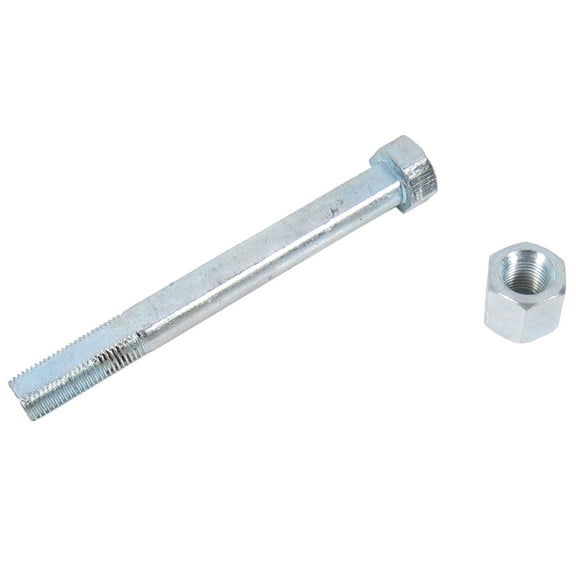
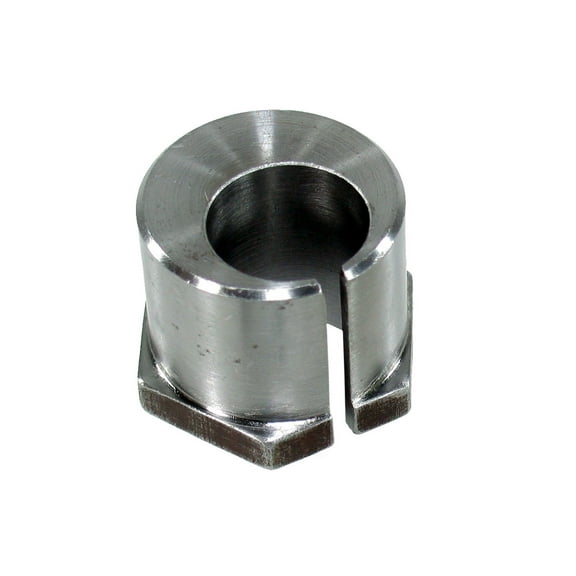
When you're installing coilovers or adjusting camber bolts, you may need a camber caster gauge. You can use that tool to verify angle changes after suspension height or component updates.
If you're working on light trucks, SUVs, or off-road vehicles, you may need tools with broader fitment and sturdier construction. You can benefit from turn plates and adapters when suspension travel and wheel size increase.
For repeat alignment work, you should compare kits that support calibration, fitment checks, and easy storage. You can build a more organized process when your steering and suspension alignment tools match your vehicles and measuring goals.
You can shop this category with more confidence when you understand fitment, angle type, and setup method first. You can get clearer measurements and smoother suspension adjustments when your tools match the job.
Popular in Alignment Tools in Steering & Suspension Tools - Walmart.com
- Shock Absorber Tool
- Jeep Commander Engine Harmonic Balancer
- Adjustable Ball Joint Separator
- Ls1 Harmonic Balancer
- Pitman Arm Tool
- Harmonic Balancer
- Gmc C3500 Engine Harmonic Balancer
- Gmc Terrain Engine Harmonic Balancer
- Jeep Jeep Engine Harmonic Balancer
- Shock Bushing Removal Tool
- Gmc Envoy Engine Harmonic Balancer