


Find auto parts that fit
Let’s search for parts that fit your vehicle.Accel Ignition Box, Modules & Parts











About Accel Ignition Box, Modules & Parts - Walmart.com
You can compare an Accel ignition box by fitment, wiring style, and engine match before you choose the right ignition upgrade or replacement. You need page guidance that separates boxes, modules, distributor caps, and coil switch parts in plain language.
How to choose an Accel ignition box or module
You'll usually start by deciding whether your vehicle needs a system upgrade or a direct replacement part. You may choose an ignition box when your setup calls for added ignition control and separate wiring connections.
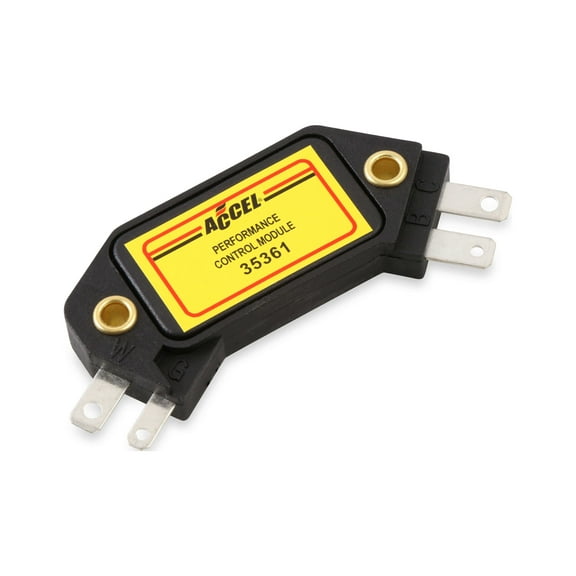
If your vehicle already uses a factory-style control unit, you may prefer an Accel ignition module for a straightforward replacement. You'll want to compare connector style, mounting location, and your current ignition system before you order.
You can narrow your options efficiently when you focus on a few decision points first. You'll usually compare component type, vehicle compatibility, engine compatibility, and system voltage.
- You can use an ignition box when your setup needs an external control component for spark timing support.
- You can pick an ignition module when your repair calls for a factory-style electronic replacement part.
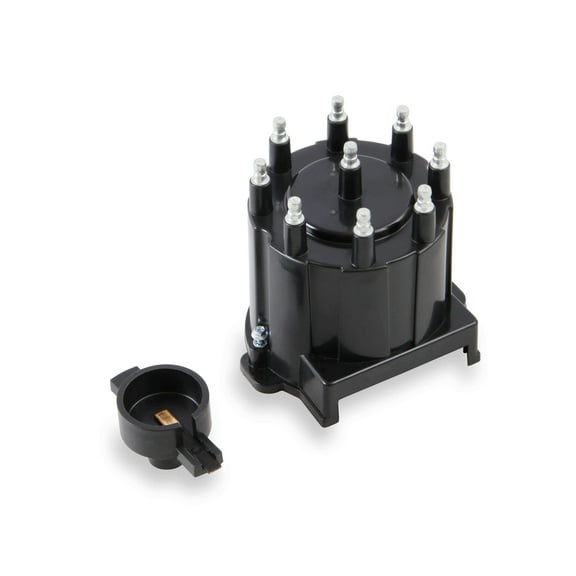
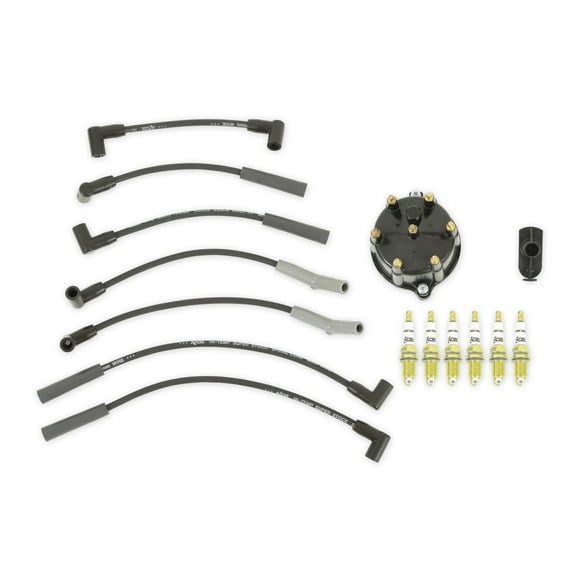
- You can add a distributor cap or rotor kit when your tune-up includes spark distribution parts.
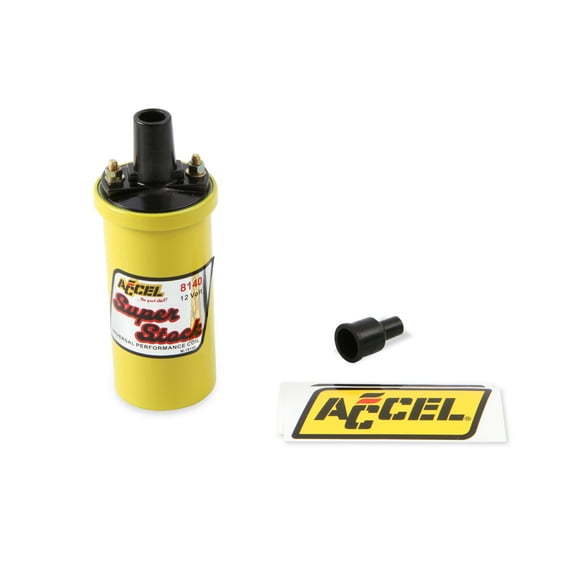
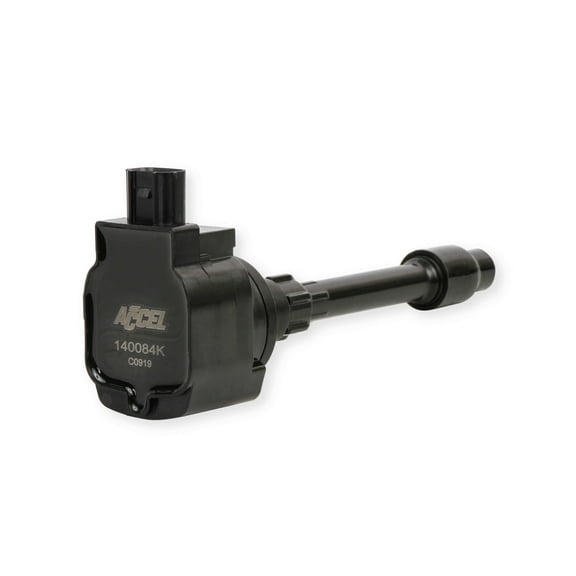
- You can check an ignition coil switch when your system requires a matching switching component.
You'll get a precise match when you compare direct replacement parts against universal fit components. You should also check whether your part is make and model specific before you complete your selection.
Choosing Accel ignition parts by fitment
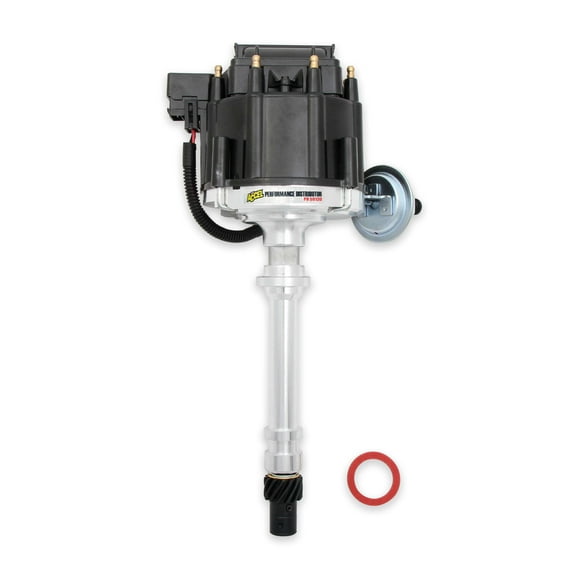
You should treat fitment as your first filter because connector shape and mounting points can vary widely. You'll want to confirm your distributor type, cylinder count, and ignition system style before choosing any Accel ignition parts.
If your vehicle uses a direct replacement setup, you can often keep installation straightforward with matching plugs and brackets. You may need a universal fit part when your build includes custom wiring or modified ignition hardware.
You can also compare engine compatibility across V8 engines, V6 engines, and 4-cylinder engines. You'll avoid mismatched components when you verify that the part supports your engine layout and firing setup.
For many shoppers, voltage matters just as much as fitment because your ignition systems do not all share the same configuration. You should check whether your setup calls for 12V or 16V components before you install anything.
What to look for in Accel ignition box parts and switches
You can think of an ignition box as a separate control component that works within a larger ignition setup. You'll often compare it when you want a system-level change instead of replacing one stock-style piece.
An Accel ignition module usually fits your repair needs when you need a replacement part with familiar connections. You can use that route when your goal is restoring normal ignition function with a compatible replacement.
You may also compare an ignition coil switch when your system requires the correct switching behavior between components. You'll want to match the switch style to your wiring harness and ignition design.
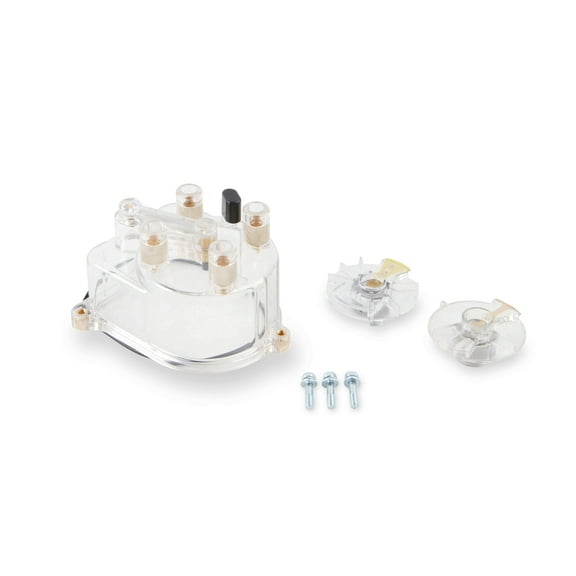
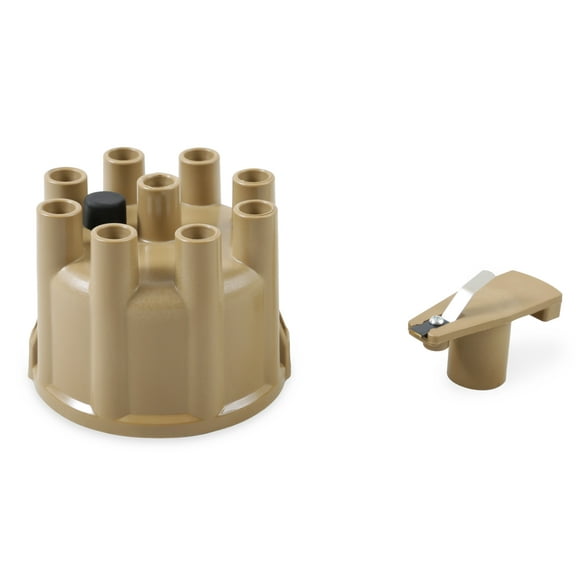
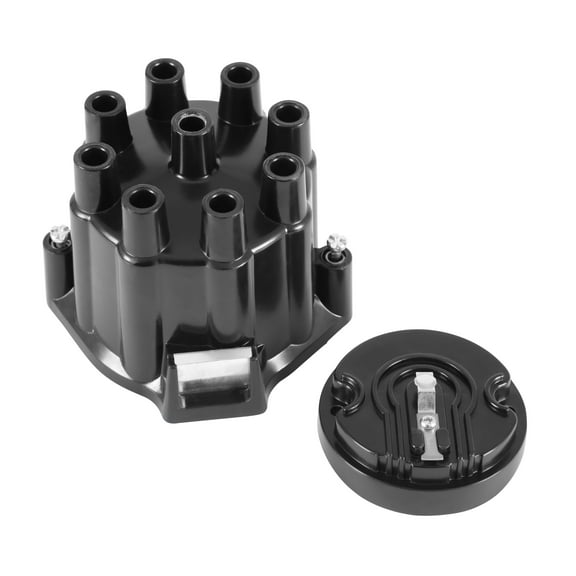
When your maintenance list includes spark distribution parts, you can look at an Accel distributor cap and rotor kit. You'll want the cap design and terminal layout to align with your distributor and engine configuration.
You should also consider installation complexity before you buy. You'll usually find some parts connect in a plug-and-play style, while others require custom harness integration.
Matching your setup to real driving needs
You can use a direct replacement ignition module when your daily driver needs a straightforward repair with minimal guesswork. You'll usually look for factory-style connectors and make-specific compatibility in that situation.
If your vehicle has a modified ignition setup, you may lean toward an ignition box with separate wiring connections. You'll want that path when your project car uses upgraded ignition hardware or custom engine tuning.
You can pair distributor service parts with tune-up work when your current setup still uses a distributor-based system. You'll often compare cap and rotor combinations by distributor type and cylinder count.
For engine swaps or mixed-component builds, you should check universal fit options carefully before purchase. You'll need to confirm connector style, voltage, and mounting requirements so your parts work together.
You may also see shoppers search for an ignition button or switch component for a car in broader terms. You'll arrive at the right result when you match that intent to the correct ignition coil switch or module category.
When installation time matters, you should compare wiring requirements before choosing your part. You'll often prefer simpler connections for routine repairs and custom-ready options for performance-focused builds.
Why these ignition decisions matter
You can make an informed choice when you compare component type, fitment, engine match, and voltage together. You'll end up with ignition parts that align with your wiring, your distributor setup, and your vehicle's repair plan.
You can use these decision points to sort through upgrades, direct replacements, and tune-up parts with less guesswork. You'll gain a clear path to components that match your vehicle and installation plan.