









Building Block Sets & Building Blocks for Kids







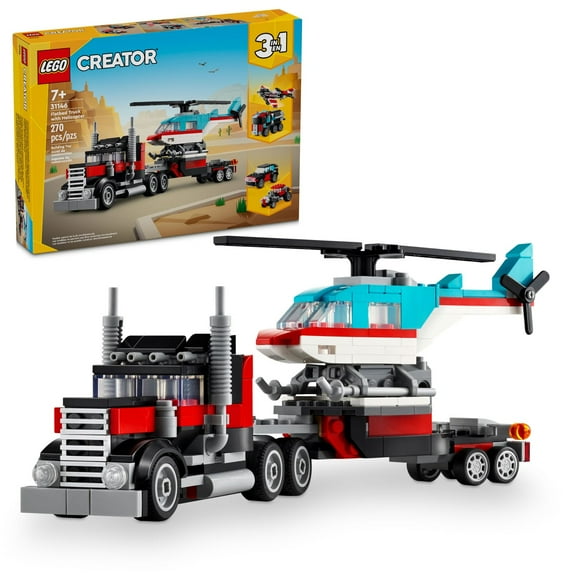
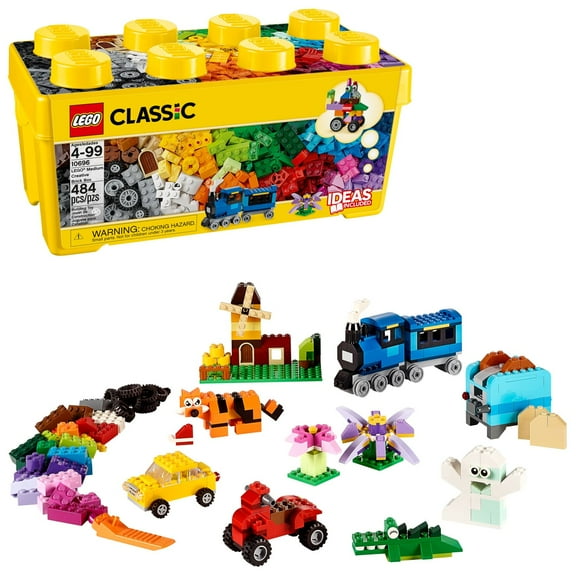
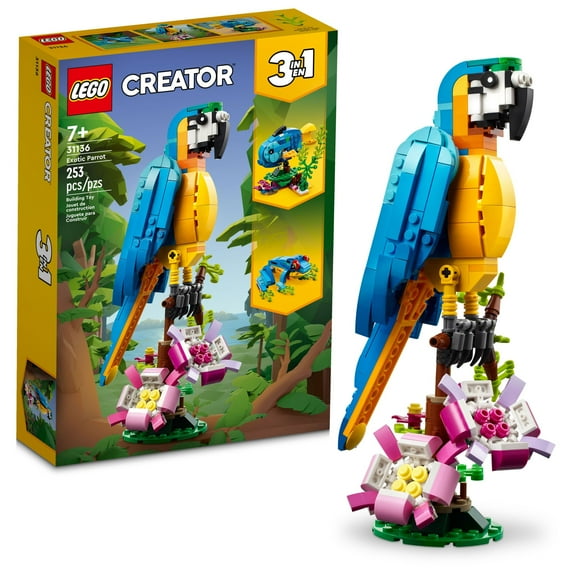


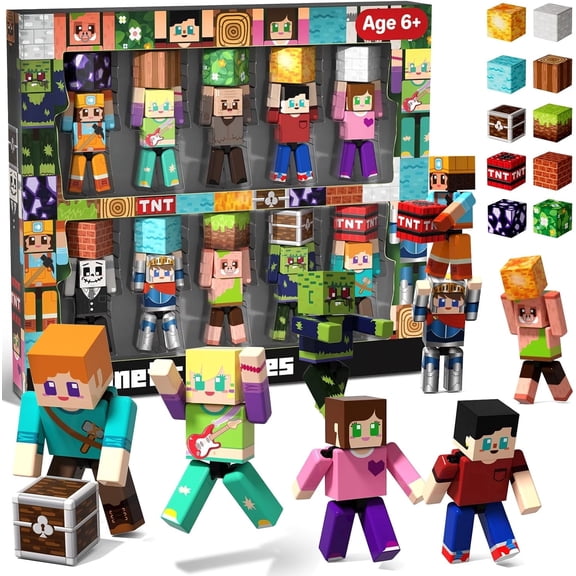




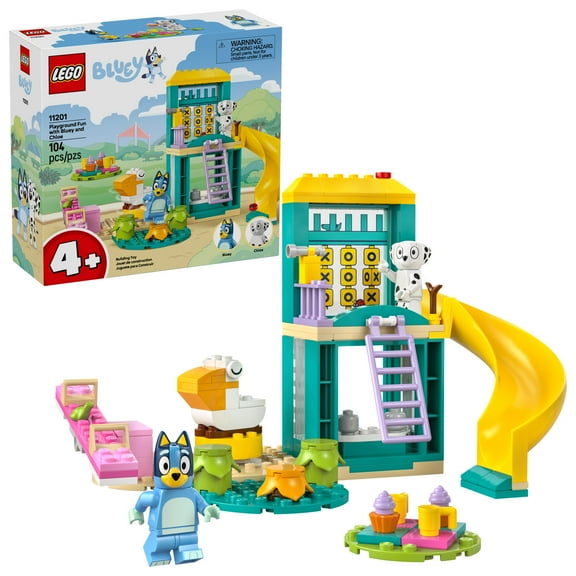
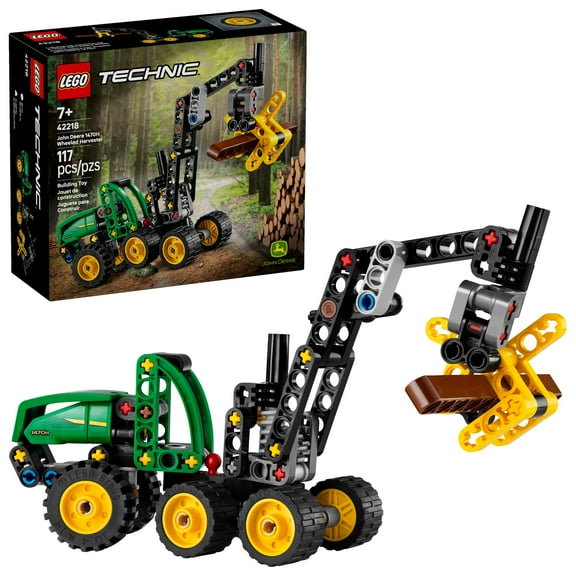
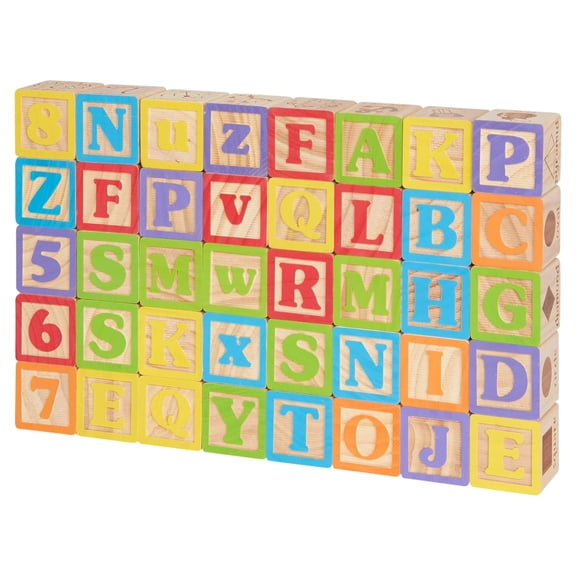

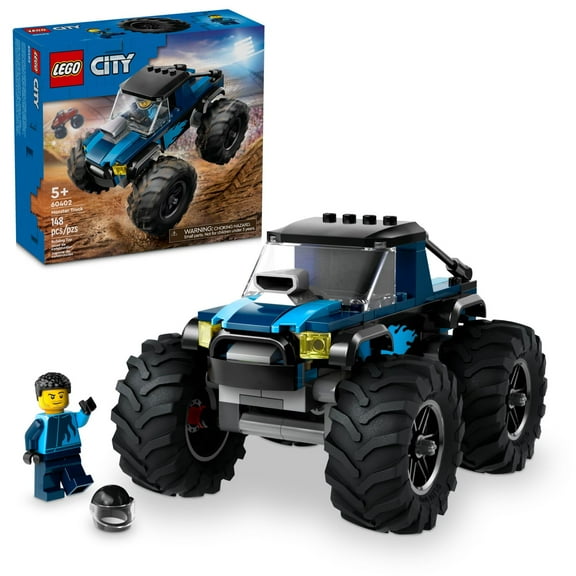


About Building Block Sets & Building Blocks for Kids - Walmart.com
You can compare building sets and blocks by age, theme, and compatibility, so your next build fits your space, skills, and play style. You’ll also find category variety that spans magnetic tiles, wooden cubes, model cars, and detailed brick scenes.
How to choose building sets and blocks
Start with your builder’s age range, because your choice affects build time, piece size, and how much guidance you’ll want. You’ll usually want larger parts for toddlers and more detailed assemblies for older kids and adults.
Next, consider your material type, because your hands-on experience changes with plastic bricks, wooden blocks, magnetic tiles, and foam shapes. You’ll notice plastic bricks support precise connections, while magnetic tiles encourage open-ended structures and quick rebuilds.
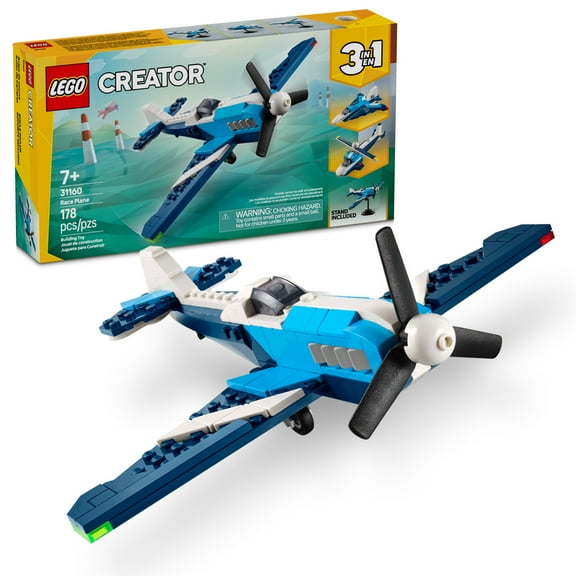
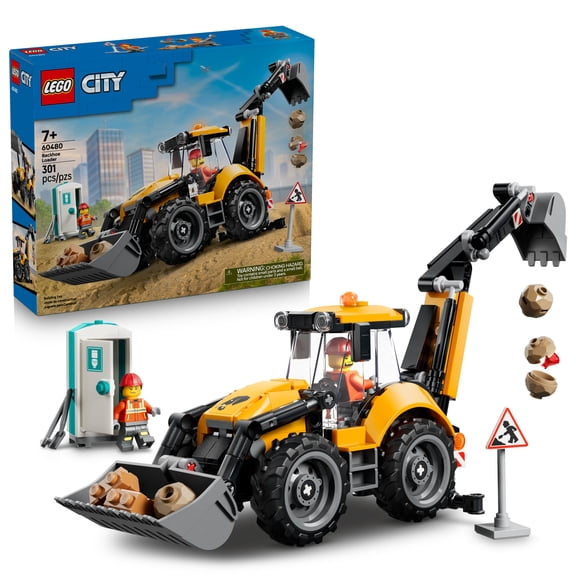
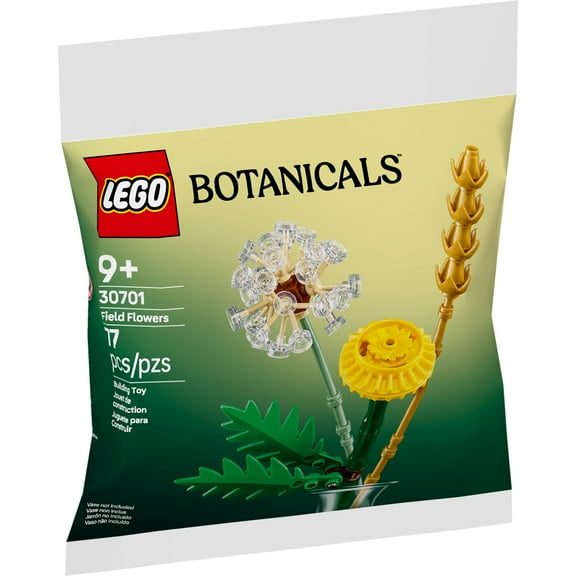
Theme also matters when you want a set that keeps attention. You may prefer vehicles, botanicals, animals, or architecture, depending on whether your goal is play, display, or collecting.
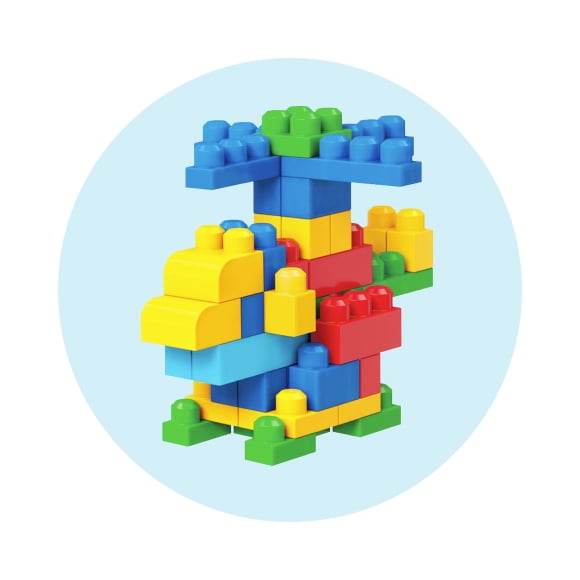
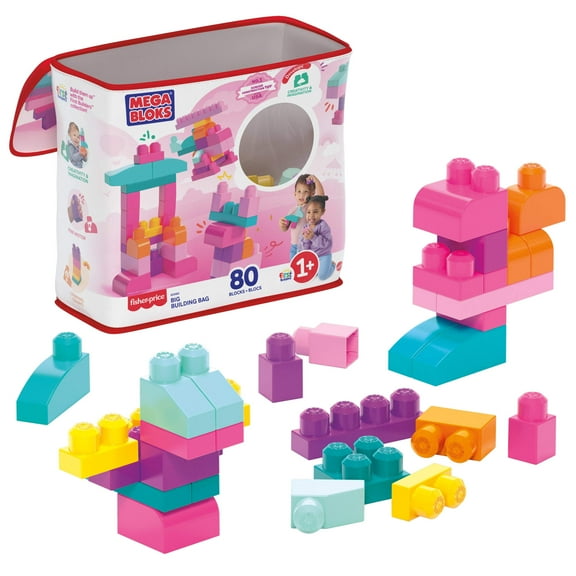
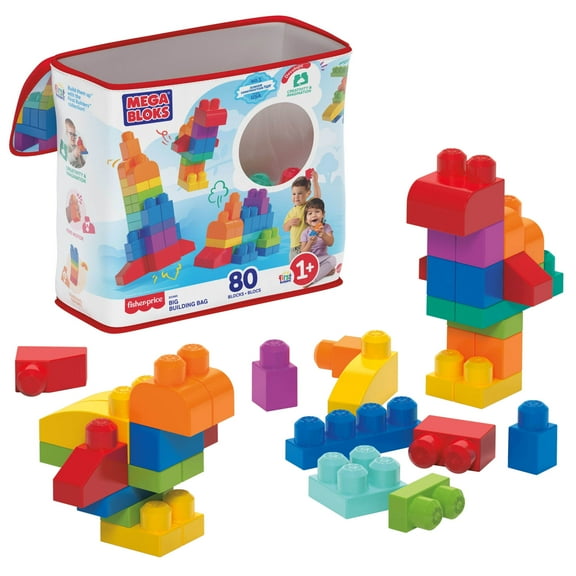
- You can choose larger blocks for early stacking and simple shape play.
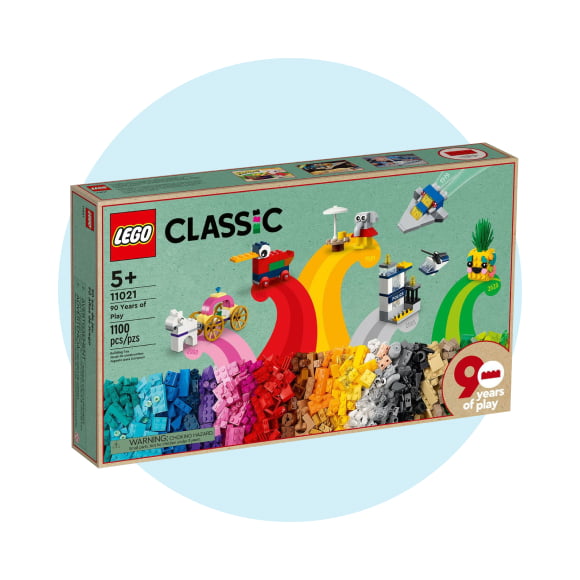
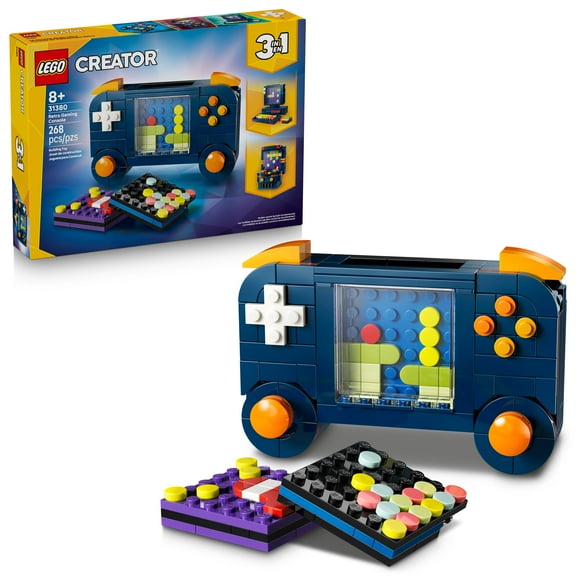
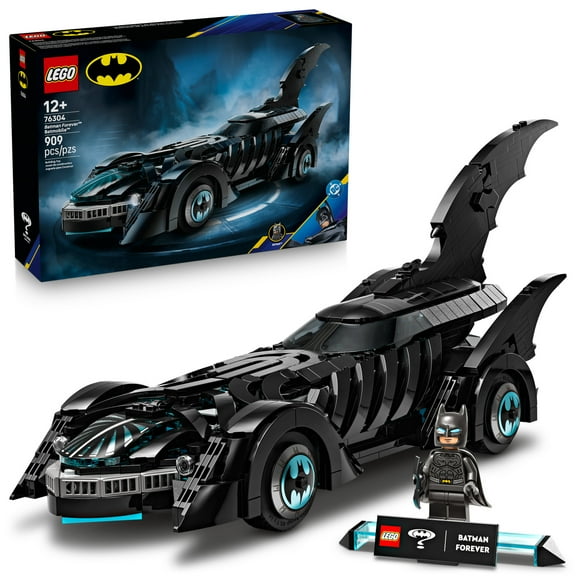
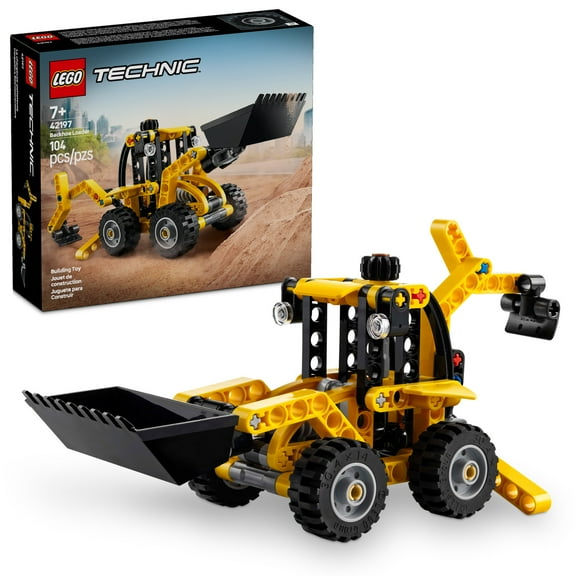
- You can compare brick sets with fine details for model cars, buildings, and display pieces.
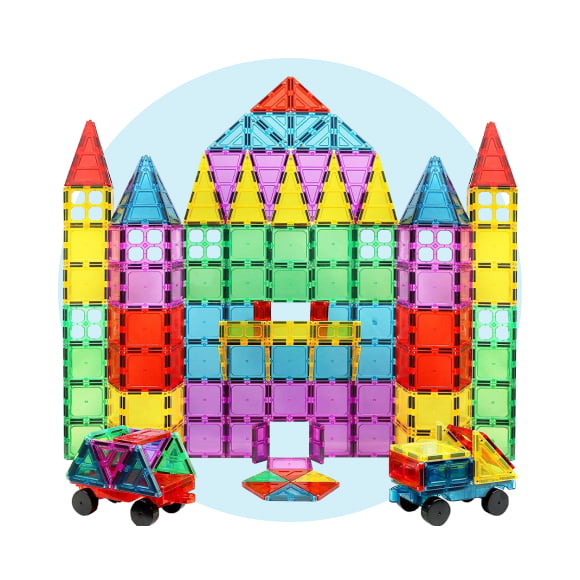
- You can look for magnetic tiles when you want fast setup and colorful geometric builds.
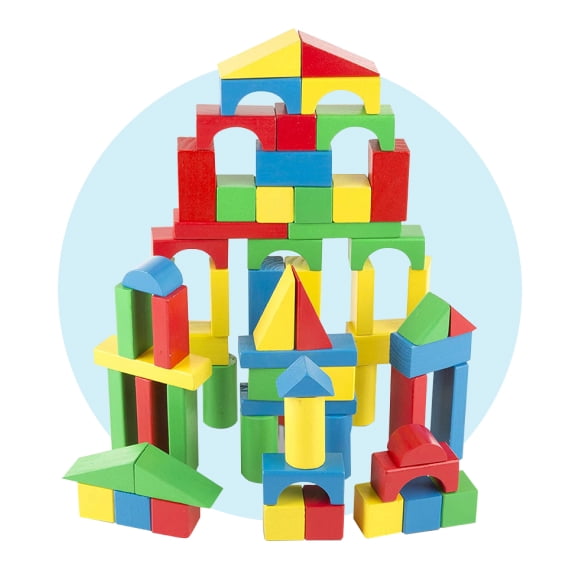
- You can pick wooden blocks when you want classic freeform towers, bridges, and pretend-city scenes.
Choosing by brand, theme, and compatibility
When you compare brands and themes, you should check whether your set matches the building style you already enjoy. You may want licensed vehicles, creative animal builds, or floral displays that stay assembled on a shelf.
If compatibility matters, you should look at brick gauge and stud spacing before you buy. You’ll want connections that align with standard brick systems when you plan to mix pieces across your collection.
That detail becomes important when you already own lego building sets or similar brick assortments. You can expand your current builds easily when your studs fit cleanly and your plates lock in place.
You may also look for complete piece counts and step-by-step instructions. You’ll appreciate a clear manual when your build includes small parts, layered sections, or decorative accents.
Toy building blocks for age and skill level
Age guidance helps you match the set to attention span, hand control, and patience. You should compare not just the box age, but also the number of steps and the detail level.
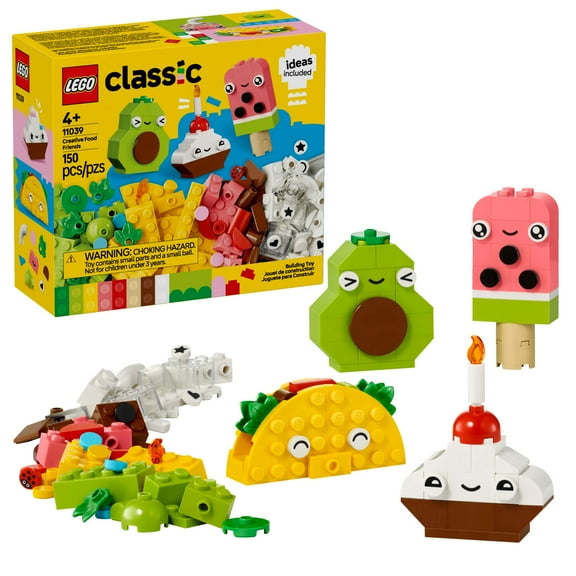
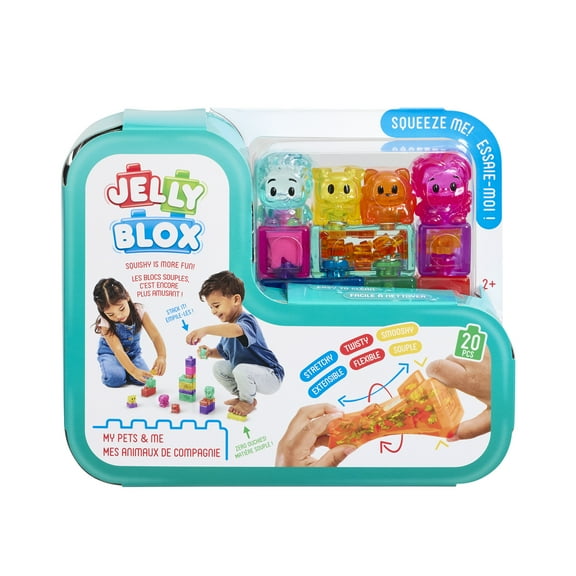
For young kids, building blocks for kids often use larger pieces and simpler connections. You’ll find these options simple for stacking, color sorting, and short play sessions.
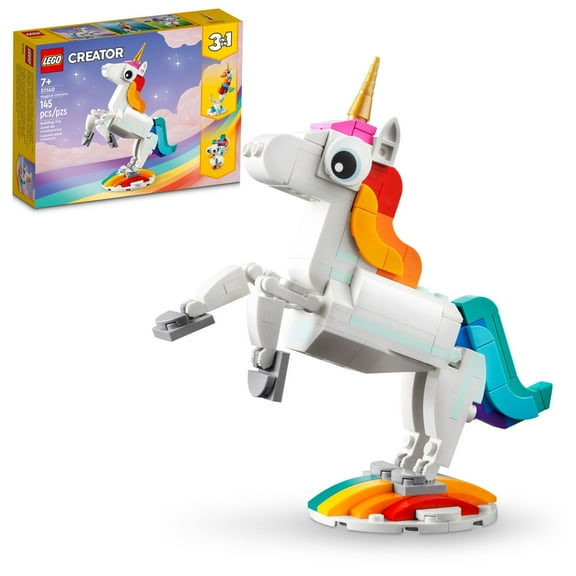
For ages four to seven, you may want toy building blocks with guided builds and recognizable shapes. You can support early confidence with sets that form cars, animals, or simple houses.
For ages eight to 12, you may look for more intricate builds with gears, hinges, or themed scenes. You’ll get more challenge from sets that ask for sequencing, symmetry, and longer focus.
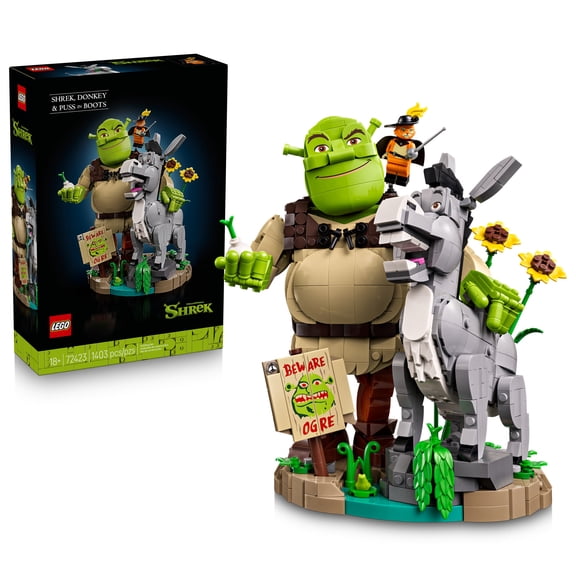
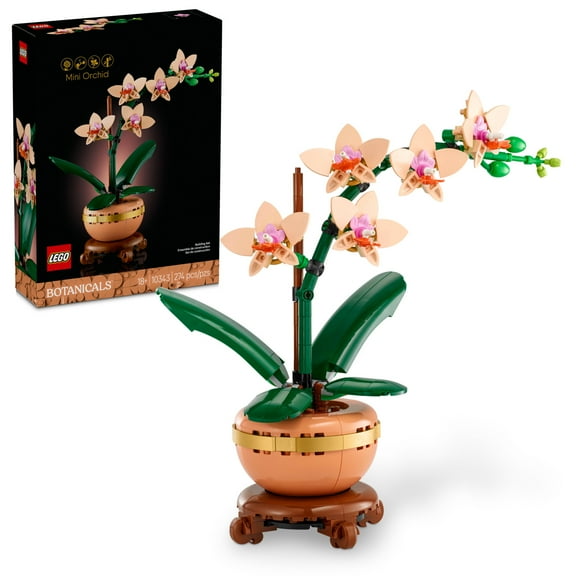
Adults often prefer display-driven builds with architecture lines, botanicals, and licensed vehicles. You can choose detailed layouts and decorative finishes when your set will stay on a desk or shelf.
What to look for in materials and included pieces
Material choice shapes how your build feels during play and assembly. You should compare weight, texture, and how firmly each piece connects or stacks.
Plastic bricks usually suit precise builds with repeated assembly and clean edges. You’ll often use them for themed sets, city scenes, and collectible models with layered details.
Wooden blocks support open-ended building with simple shapes and fast cleanup. You can use them for towers, balance games, and broad structures without following a manual.
Magnetic tiles help you create windows, tunnels, and tall geometric forms with quick snapping action. You’ll like them when your builder wants colorful structures and easy redesigns.
Foam blocks offer soft, lightweight construction for large shapes and floor play. You can move pieces easily when your builder enjoys oversized walls, forts, and roomy layouts.
You should also confirm whether your set includes every needed piece and an instruction guide. You’ll avoid guesswork when your box clearly lists parts, specialty elements, and build steps.
Model car building kits, animals, and display themes
Subject matter helps you narrow the category quickly when you already know what you want to build. You may focus on vehicles, flowers, animals, or skyline-inspired structures.
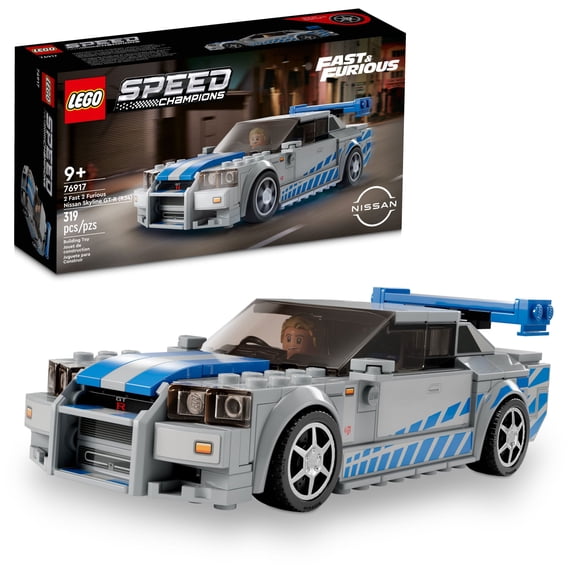
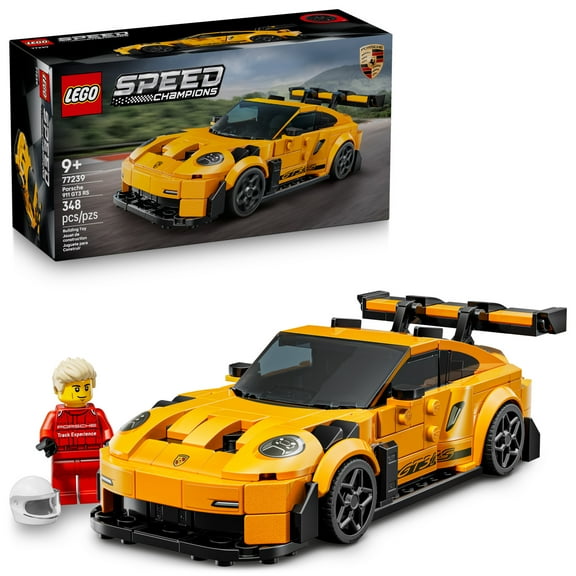
Model car building kits fit shoppers who want licensed styling, wheels, and recognizable body lines. You can compare builds inspired by street cars, racing icons, and film-related themes.
If you want to build a Nissan Skyline R34 style model, you should look for detailed vehicle themes and clear assembly stages. You’ll want realistic shaping, printed accents, and display-friendly proportions.
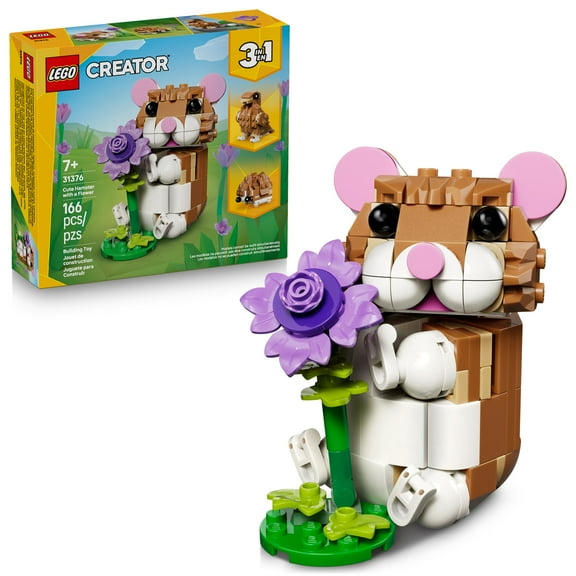
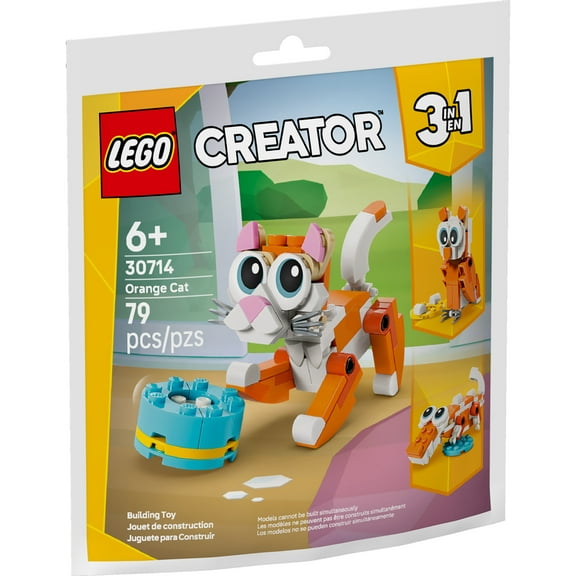
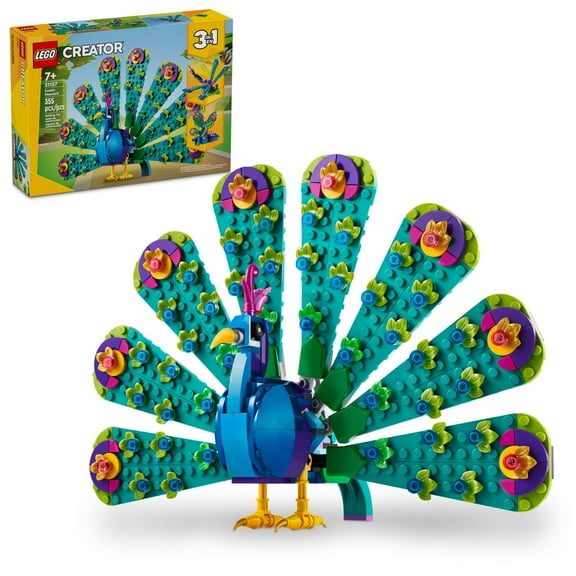
Animal and botanical themes give you a different experience from garages and city scenes. You can choose playful cat-inspired builds, orange-toned creatures, or water lily arrangements for creative display.
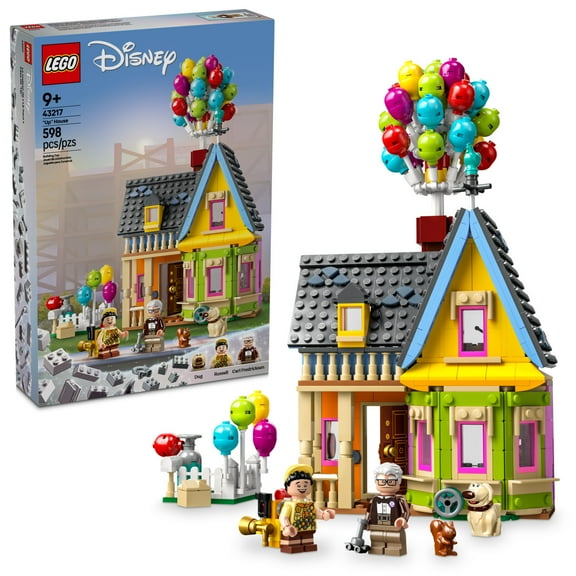
Architecture sets work well when you enjoy symmetry, facades, and structured assembly. You’ll often spend more time on precise placement, which suits patient builders and shelf display plans.
Because building sets and blocks cover many formats, you can match one category to several needs in your home. You’ll get clear decision-making when you compare age range, materials, compatibility, and theme together.
With the right mix of pieces, instructions, and build style, you can keep playtime engaging or create a display you’ll want to keep assembled. You’ll leave with a set that fits your skills and your space.