

Trading Cards & Sports Cards in Store & Online | Walmart
Shop Trading Cards

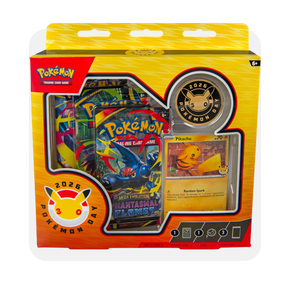


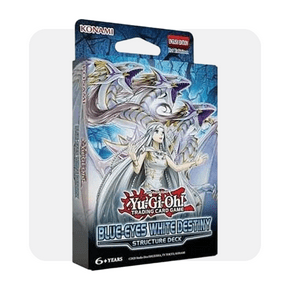
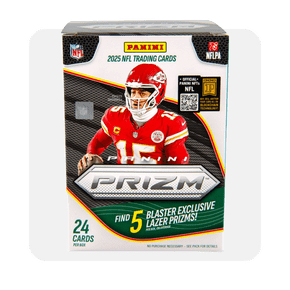


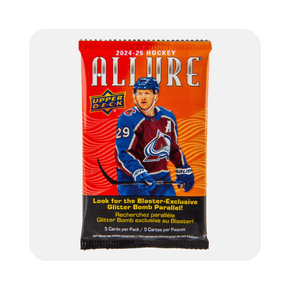

New releases

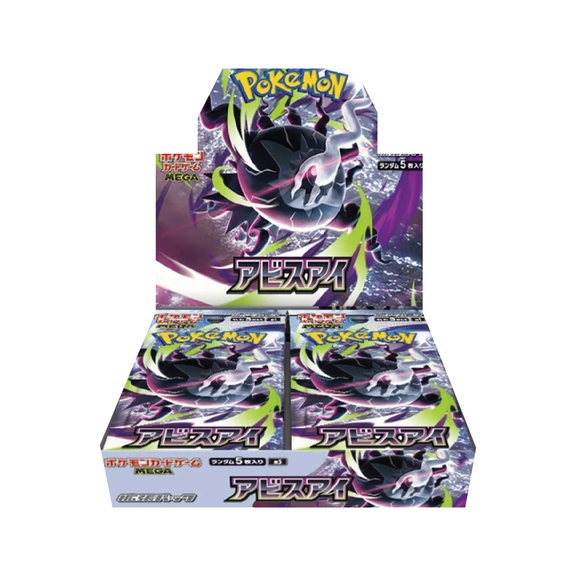
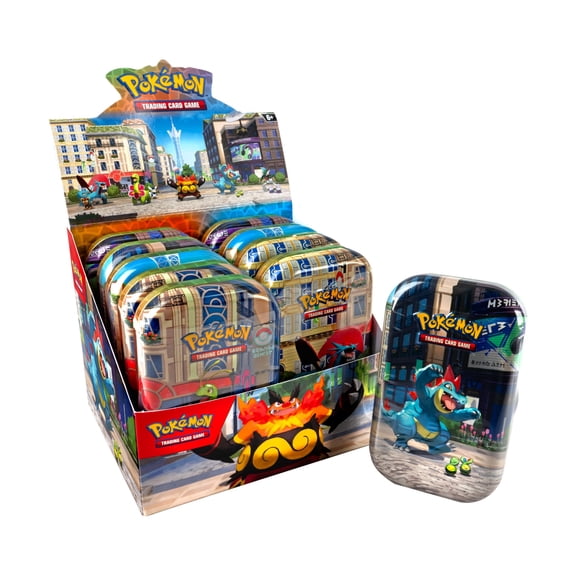
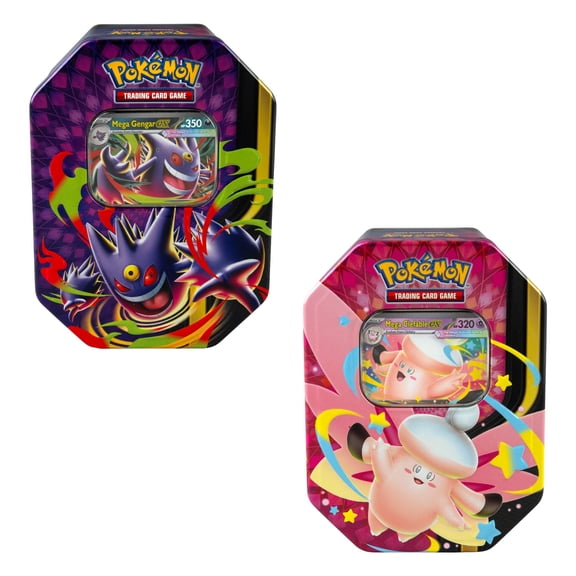
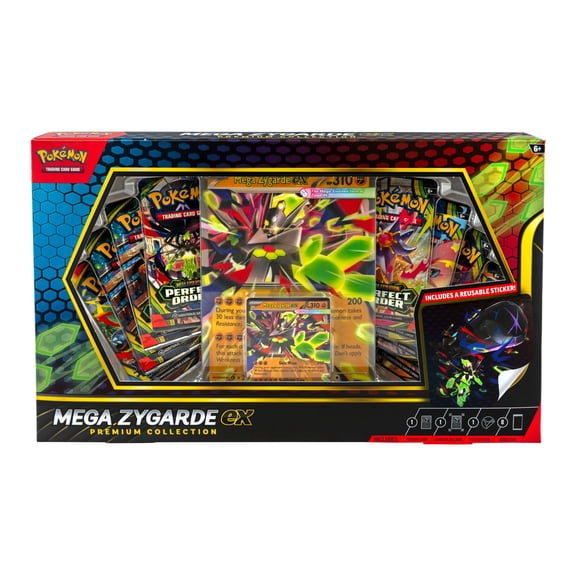







Magic: The Gathering
You are a planeswalker
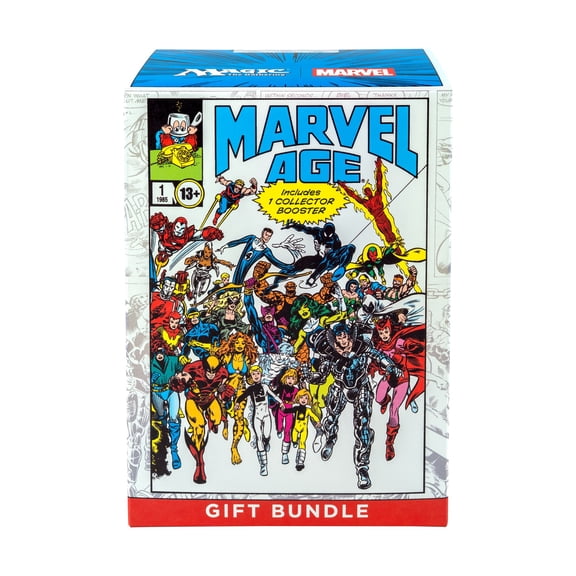

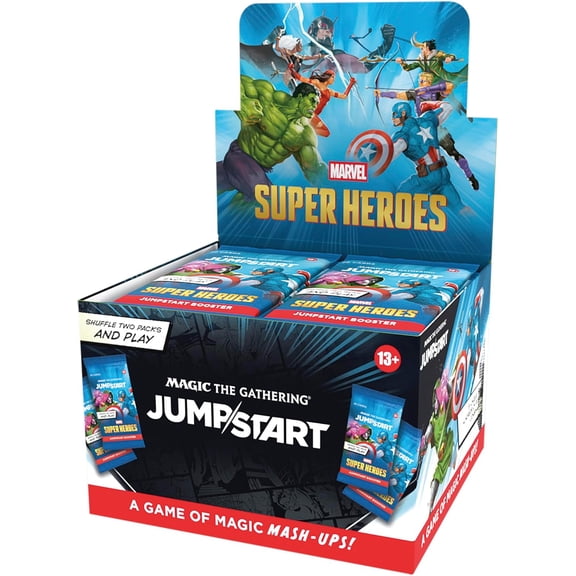
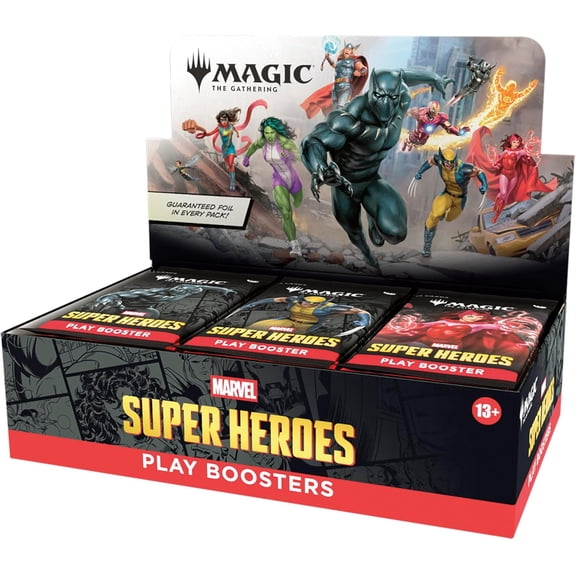
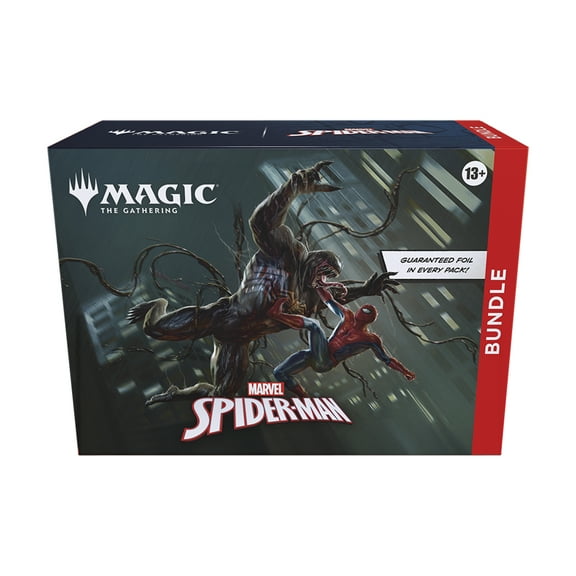
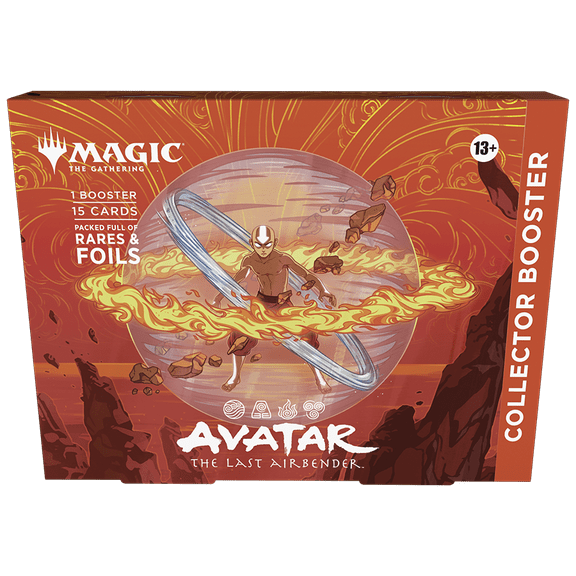

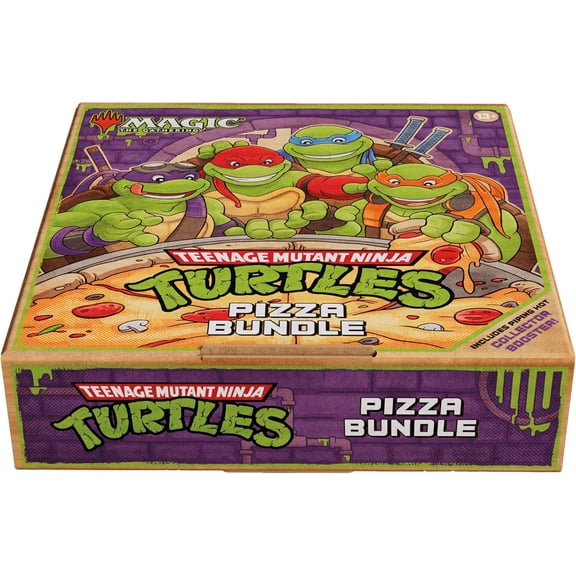

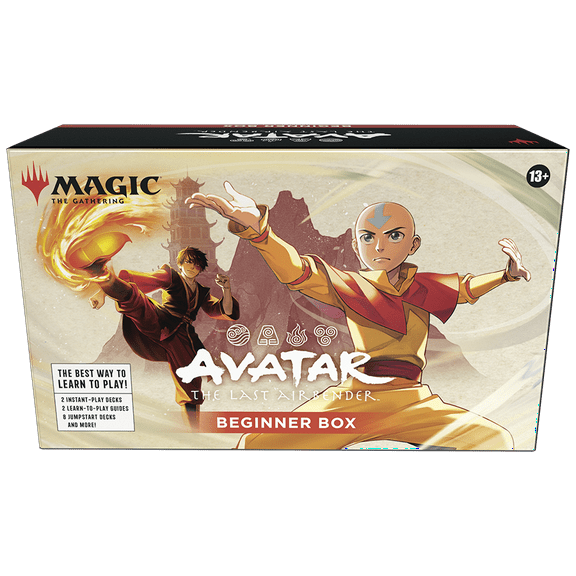


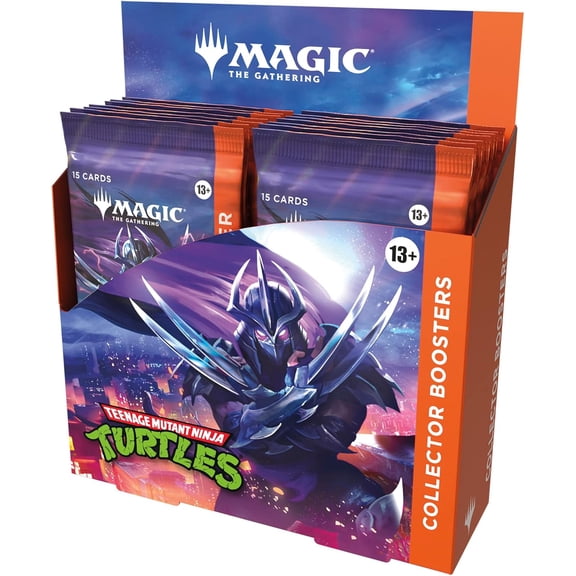
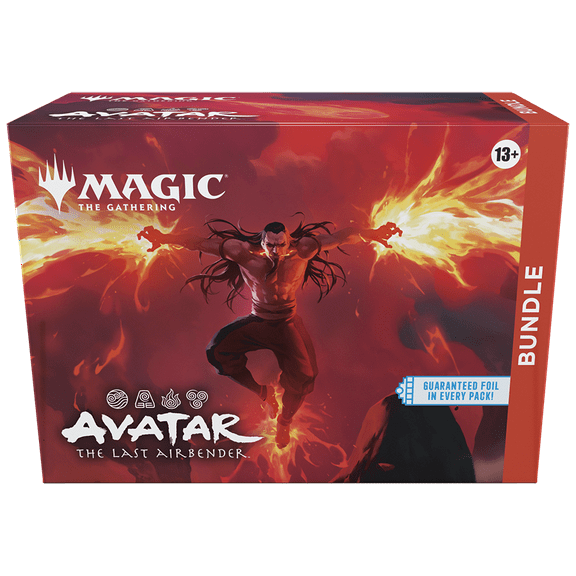
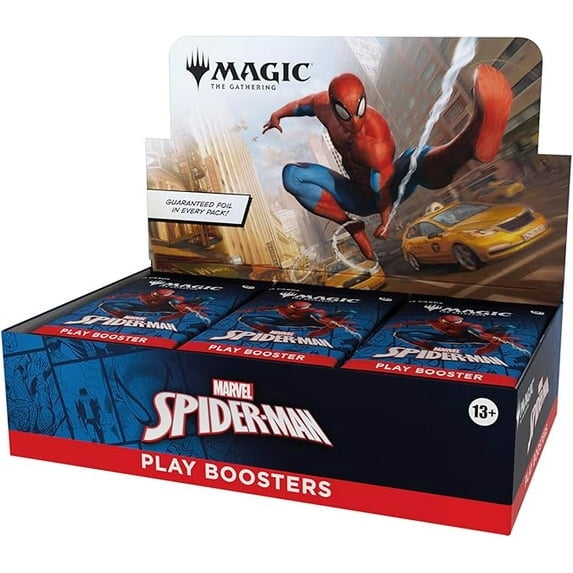
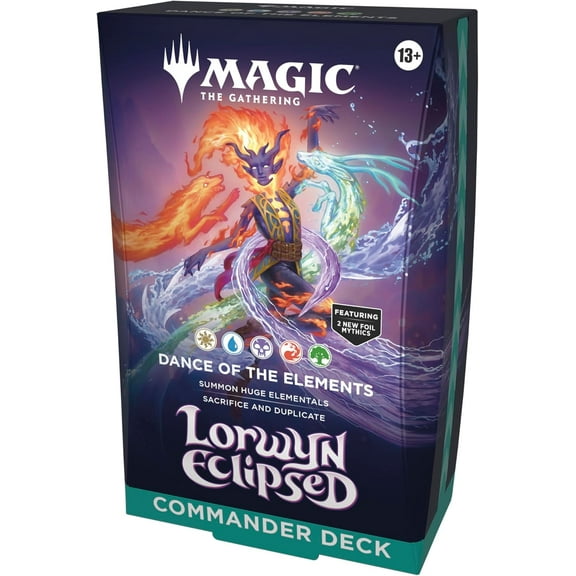

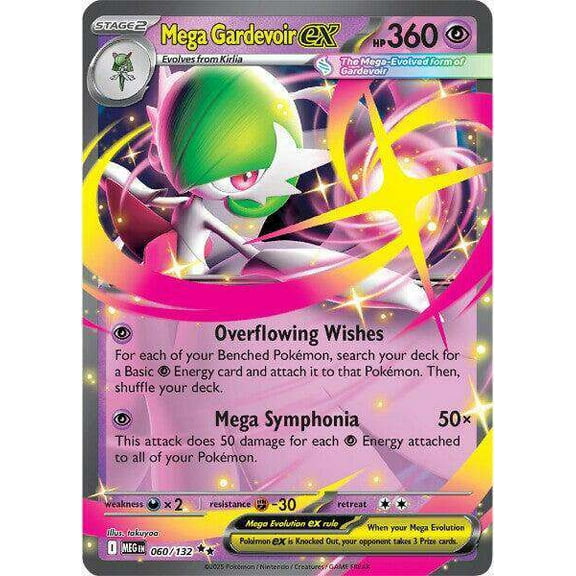


![MtG Double Masters 2022 Uncommon Gruul Turf [Alternate Art Borderless] #407](https://i5.walmartimages.com/asr/41b7b63f-7992-405e-83ec-5c683feac25a.5e3f827f4e7c4cd28478bd5b45dbd0ee.jpeg?odnHeight=576&odnWidth=576&odnBg=FFFFFF)



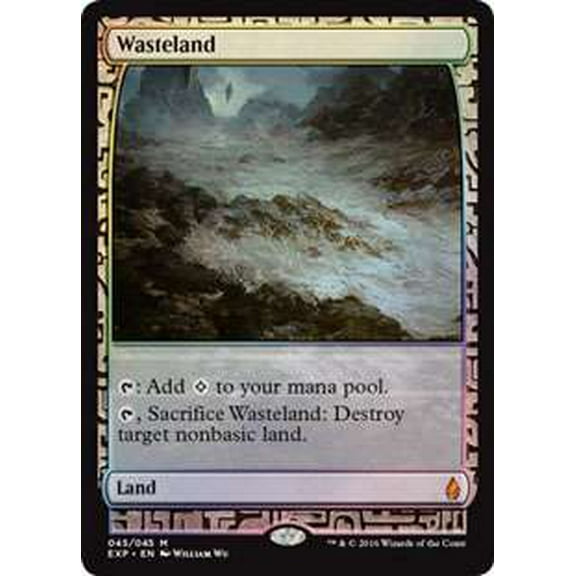
![MtG Lorwyn Eclipsed Rare Steam Vents [FOIL] #267](https://i5.walmartimages.com/asr/b6a4a27f-bd71-4e97-97e8-9e5ebac56024.410d5f688c150de68c2f61cfd7da0282.jpeg?odnHeight=576&odnWidth=576&odnBg=FFFFFF)




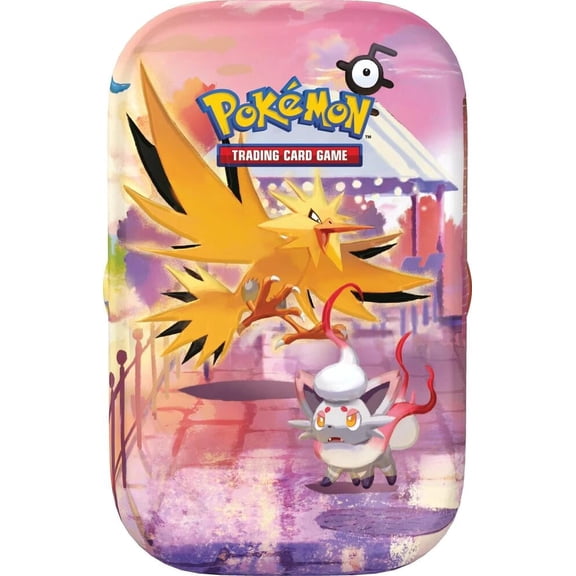


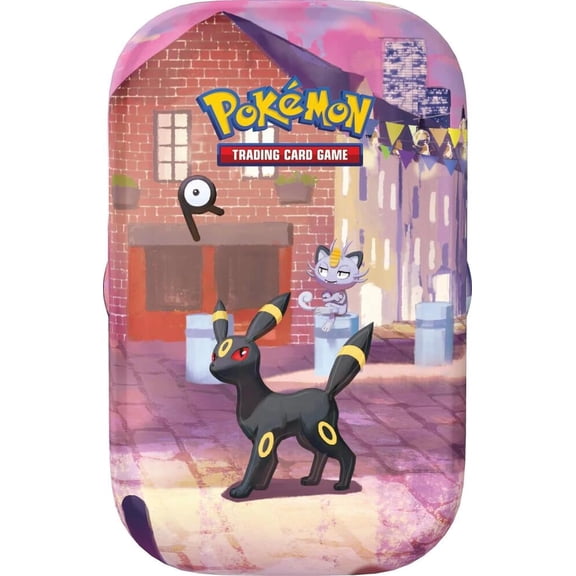
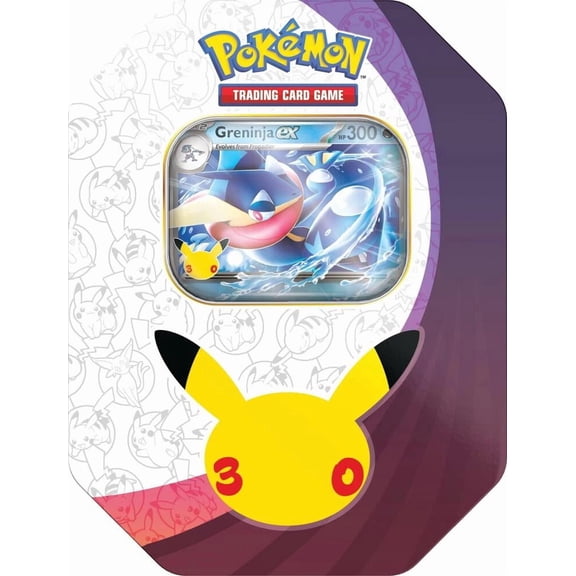
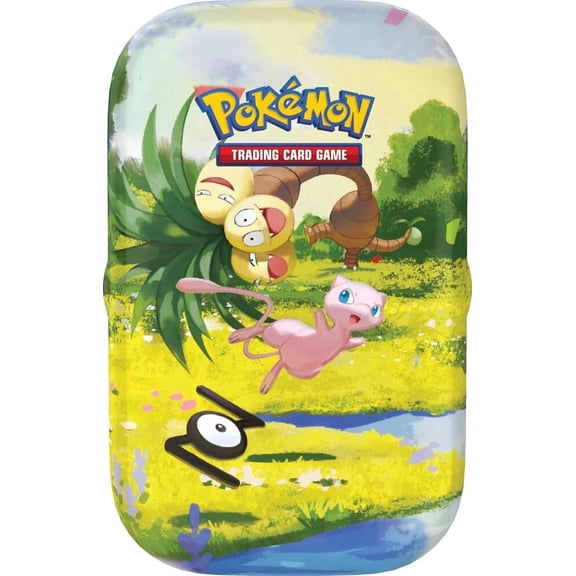


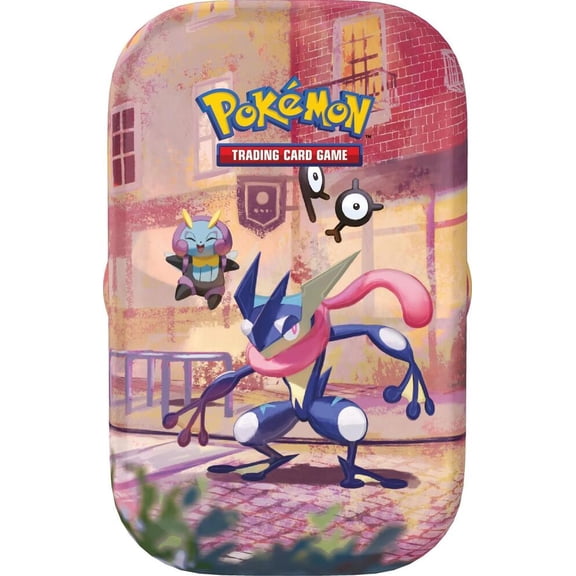


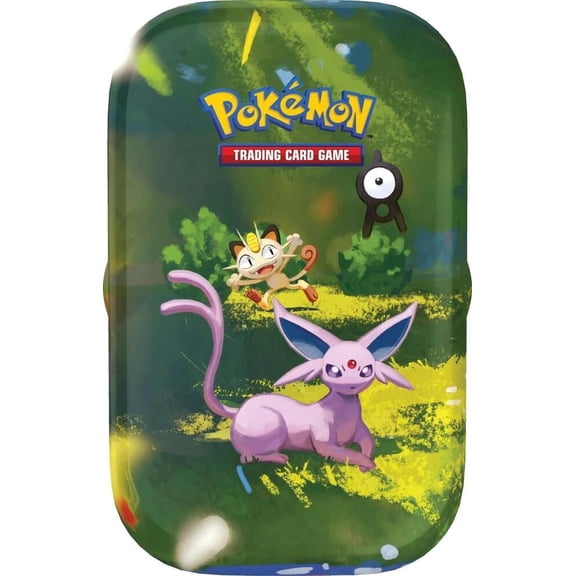
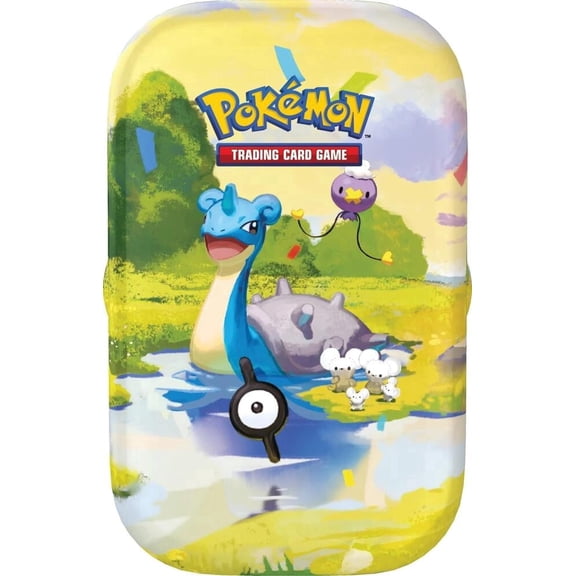

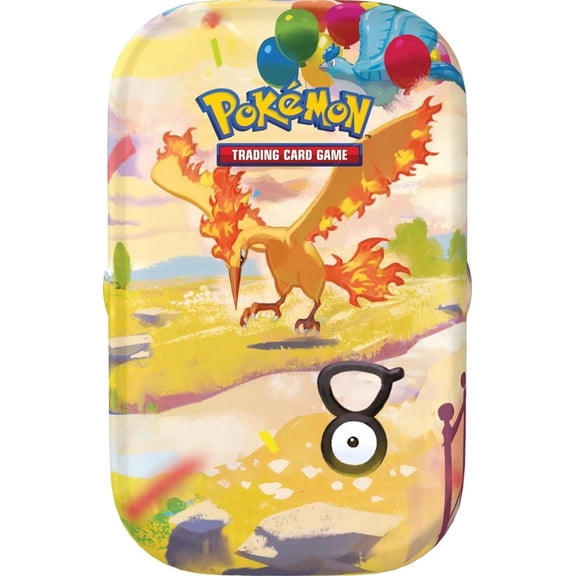
New @ Topps
Find your new favorites today!

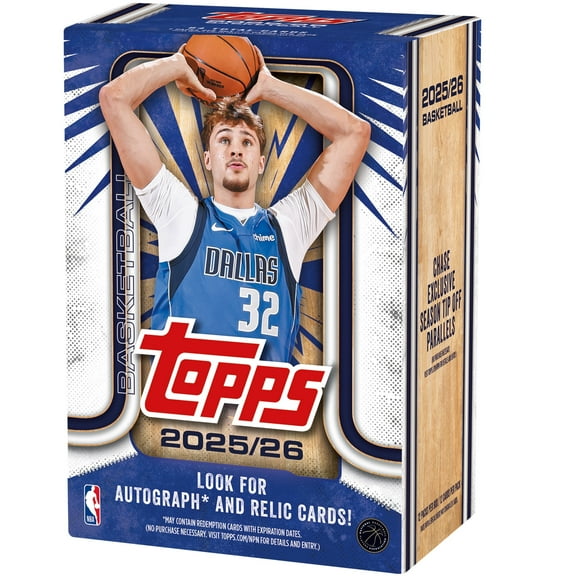

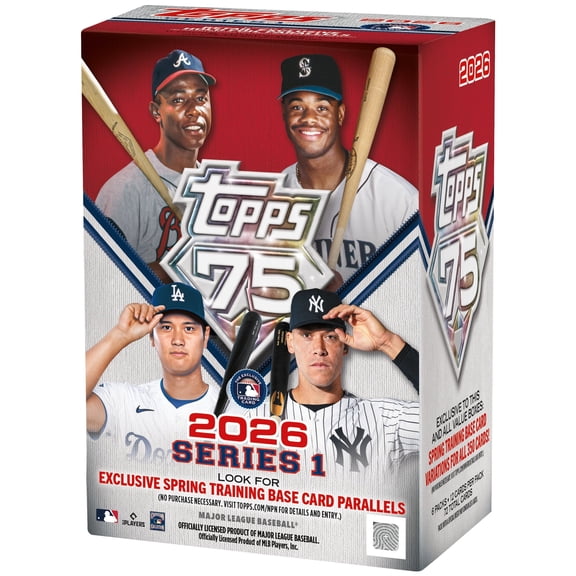
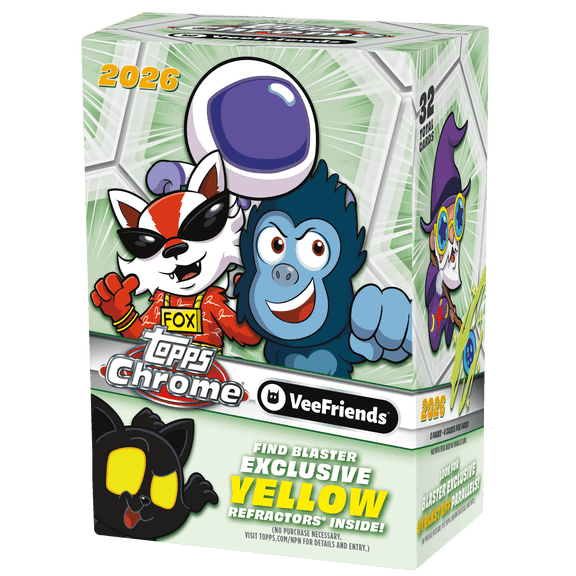
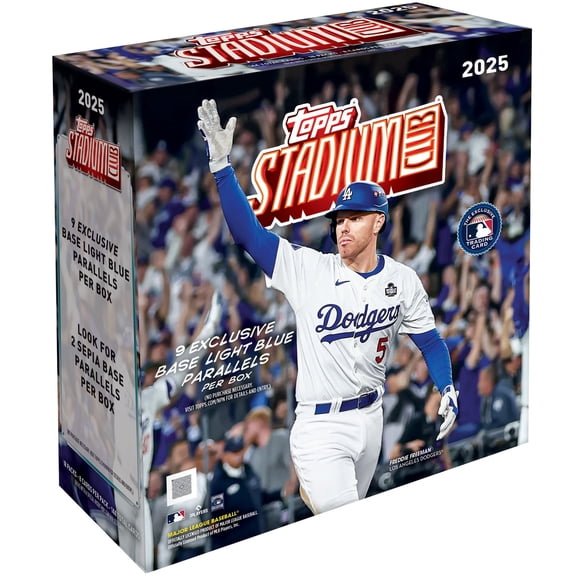
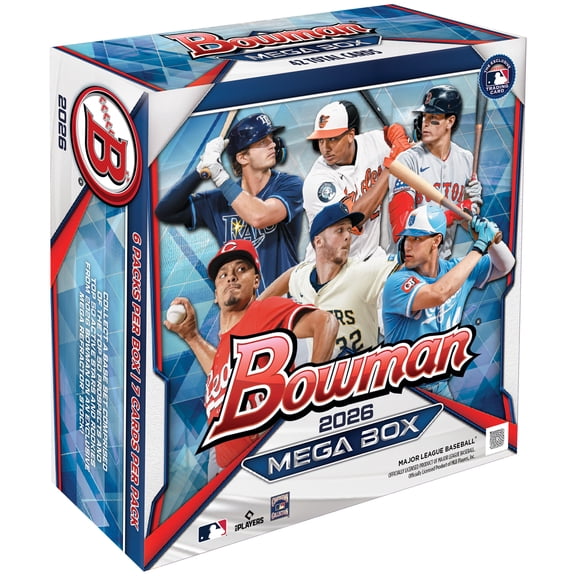
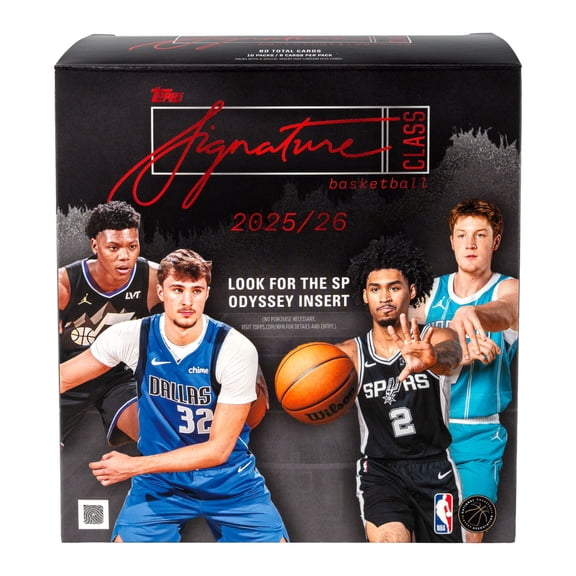
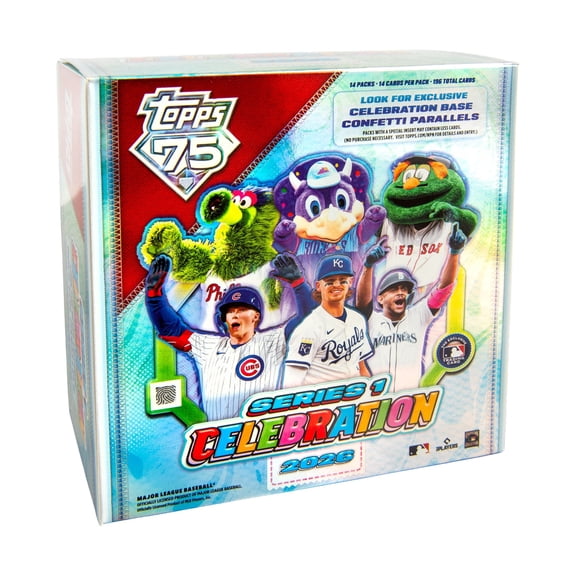
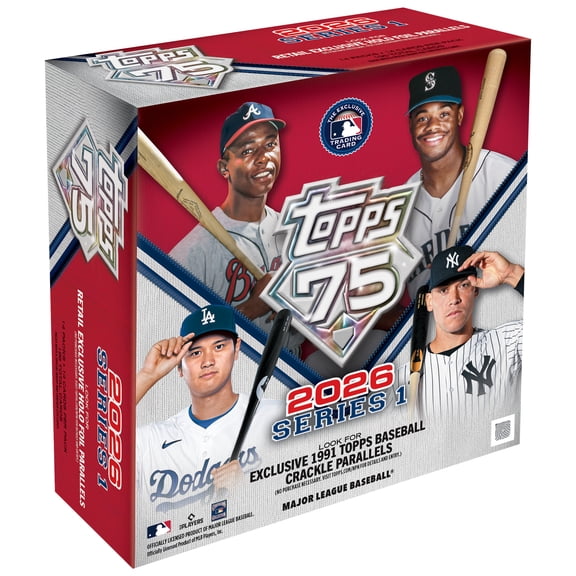
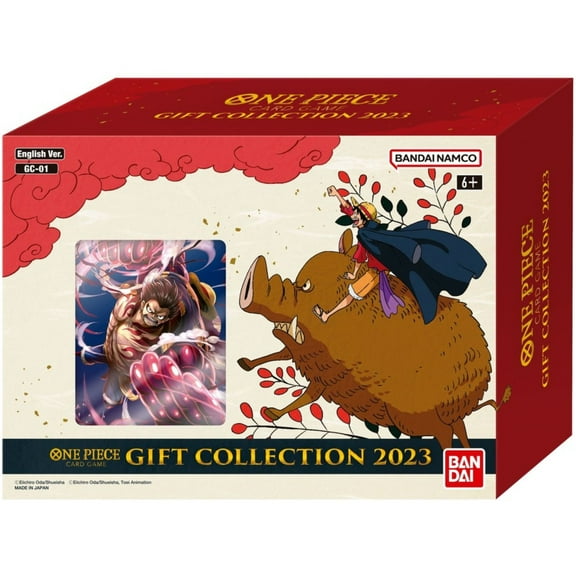
One Piece
New and trending

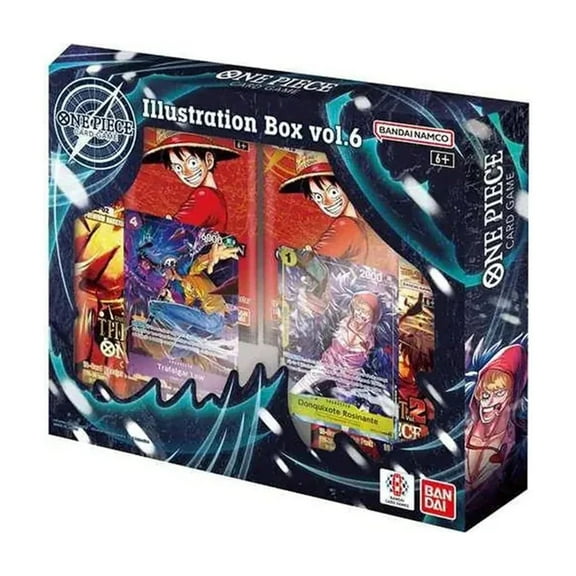

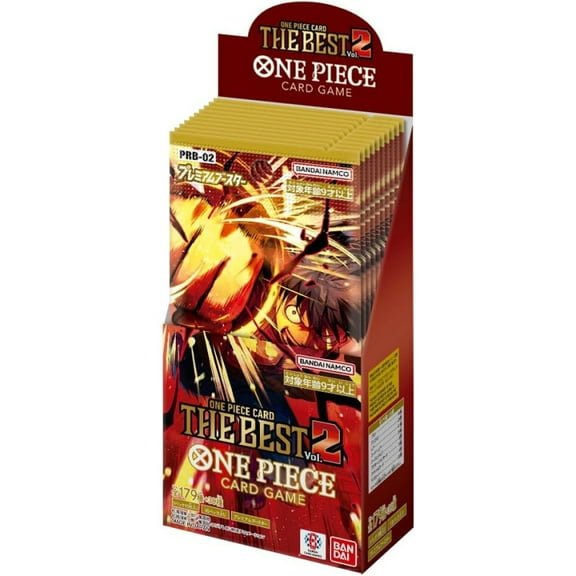
![BANDAI ONE Piece Card Game Premium Booster ONE Piece Card The Best [PRB-01] Booster Box - 10 Pack (Japanese)](https://i5.walmartimages.com/seo/Bandai-One-Piece-Card-Game-Premium-Booster-Box-PRB-01-THE-BEST_4277dfc9-4d7c-4811-8457-a8bb15ace1d0.ecc7aaf9e72cf184fb262aaba2dba5ac.jpeg?odnHeight=576&odnWidth=576&odnBg=FFFFFF)
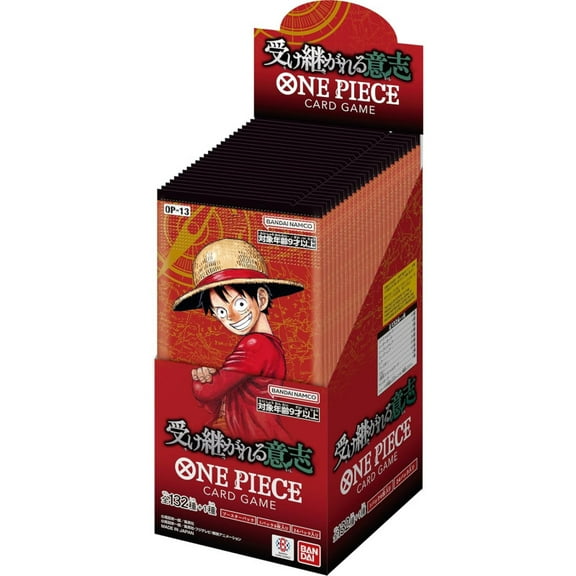
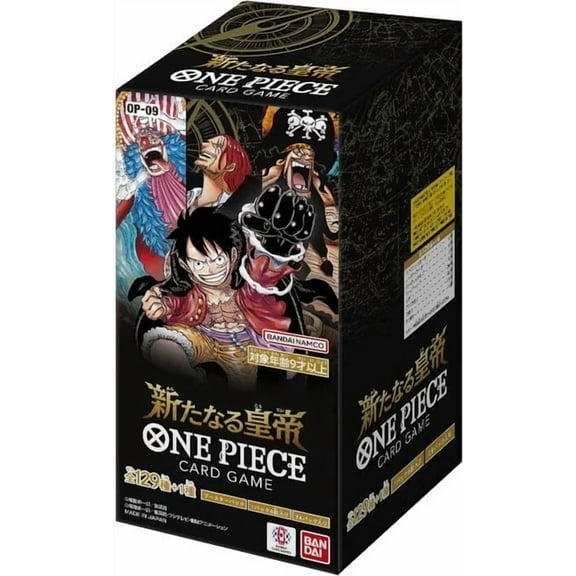
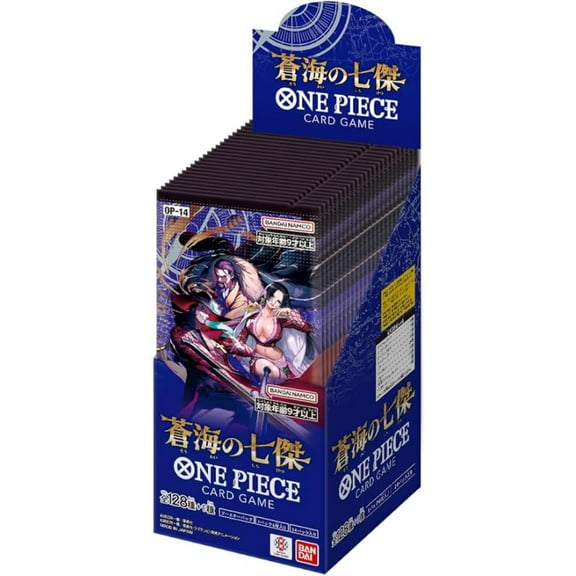
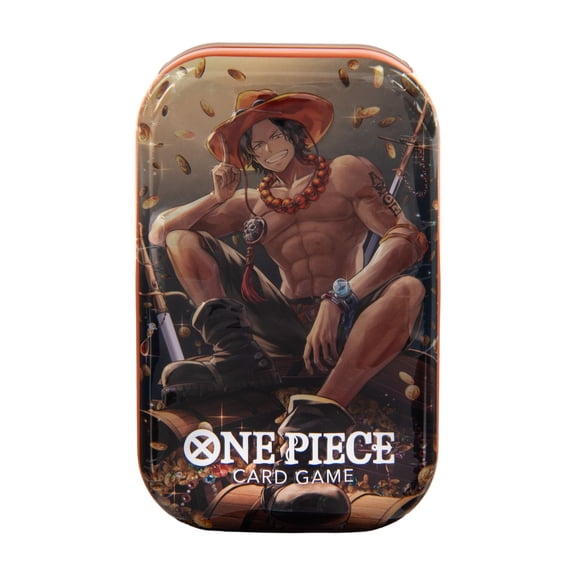
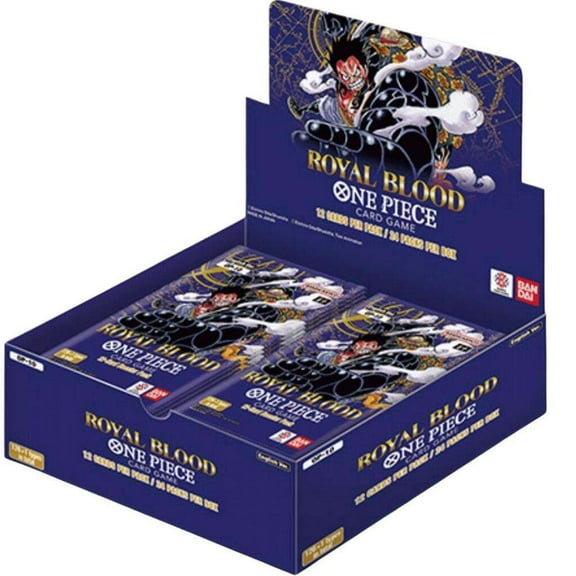
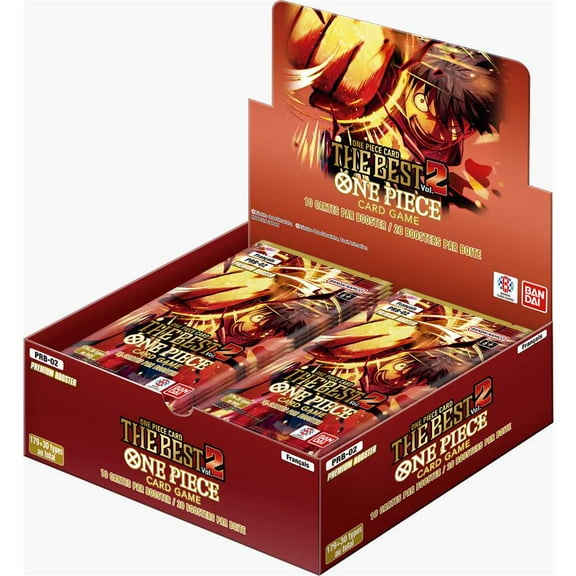

![Bandai One Piece Trading Cards - The Best PRB-01 - PREMIUM BOOSTER PACK [10 Cards]](https://i5.walmartimages.com/asr/90ce9e9c-2d55-4765-9385-e8c54d960d2e.00cad2ac64bb0c86a4985cf9d3f09702.jpeg?odnHeight=576&odnWidth=576&odnBg=FFFFFF)
Shop by brand



FAQ
About Trading Cards & Sports Cards in Store & Online | Walmart - Walmart.com
Trading cards help you build a collection that matches your favorite game, sport, and pack style. You can compare TCG cards, sports cards, and factory-sealed formats in one place.
If you’re narrowing choices for play, collecting, or display, you need category guidance that makes each format easier to compare. You can use these decision points to sort card packs, boxed formats, and collectible editions with more confidence.
How to choose trading cards by hobby type
You should start with the hobby experience you want, because that choice shapes every later decision. You can usually split the category into TCG cards and sports cards first.
If you enjoy deck building and game rules, you may focus on Pokémon, Magic: The Gathering, Yu-Gi-Oh!, or Disney Lorcana. If you collect athletes and teams, you may prefer baseball cards, football cards, basketball cards, or soccer cards.
You’ll notice each universe has its own release calendar, card styles, and collecting goals. You can compare themes, artwork, and roster appeal before you commit to a pack format.
- You can choose TCG cards when you want playable decks, set completion, or character-driven collecting.
- You can choose sports cards when you want rookie cards, team collecting, or season-based releases.
- You can narrow faster when you match your hobby to a game universe or a specific sport first.
Choosing card packs and boxed formats
You should compare pack format next, because the format affects card count, opening experience, and storage needs. You can often choose among booster packs, blister packs, elite trainer boxes, and booster boxes.
If you want a quick rip, you may prefer booster packs or blister packs. If you want more cards at once, you may lean toward elite trainer boxes or booster boxes.
You can use booster packs for casual openings, gifts, or trying a new set without a large commitment. You can use booster boxes when you want a larger opening session and more cards from one release.
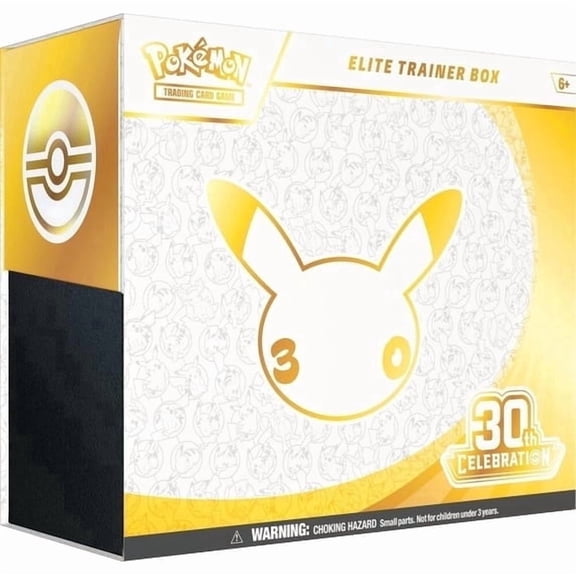
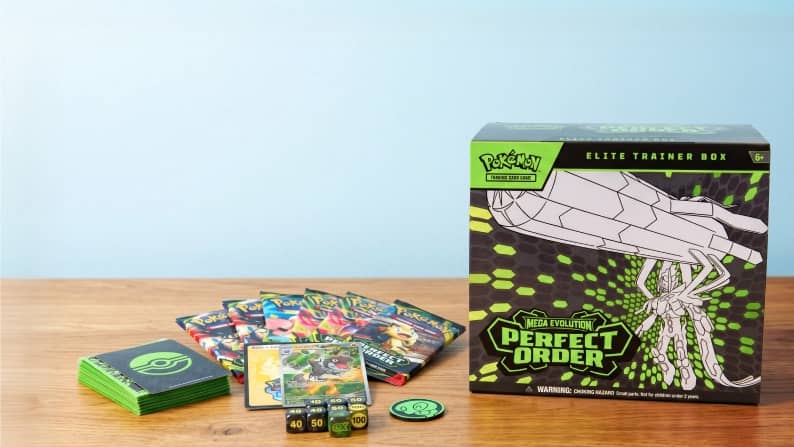
If you’re comparing elite trainer boxes, you should look for what the box format includes around the packs. You may like ETBs when you want sleeves, dice, dividers, or a storage box alongside the card packs.
You may also see searches for mtg chaos box or chaos box mtg when you want a mixed opening experience. You should check the pack mix, stated contents, and sealed presentation before you choose that format.
What to look for in sealed collectible cards
You should check whether trading cards arrive factory-sealed, because sealed packaging helps you judge condition and presentation. You can also compare outer wrap, pack integrity, and listing details before you choose.
If you’re buying for long-term holding, you may care more about untampered packaging and clean corners on the box. If you’re buying to open right away, you may care more about set theme and pack count.
You can also compare edition language like first edition, limited edition, and collector’s edition with care. You should read each listing closely, because edition wording changes what you’re collecting and how you organize it.
When you review collectible cards online, you should look for clear product naming and consistent pack descriptions. You can use those details to separate standard releases from specialty formats.
Matching trading cards to how you’ll use them
You should think about your goal before you choose, because use case changes the right format. You may want casual opening fun, competitive deck building, or long-term collection holding.
If you’re opening with family or friends, you may want card packs that feel easy to share and sort. If you’re building decks, you may focus on a specific game universe and release.
You can shop sports cards differently when your goal is player collecting instead of gameplay. You may narrow by league, team, season, or rookie class, depending on what matters to your collection.
If you’re choosing baseball cards, you may compare current stars, legends, or prospects across different releases. If you’re choosing football or basketball formats, you may focus on team loyalty or draft-year interest.
You can also think about storage and display before you buy larger boxes. You may prefer smaller formats when you want easier organization in binders, sleeves, or storage cases.
Comparing category attributes before you decide
You should use the category attributes as a simple checklist, because they keep your search focused. You can compare card game universe, sport type, pack format, and edition language side by side.
When you compare Pokémon against Magic: The Gathering, you should consider whether you want collecting, deck strategy, or both. When you compare sports, you should consider leagues, players, and release style.
You can compare blister packs against booster boxes by how many cards you want to open at once. You can compare collector’s edition language against standard releases by how specialized your collection goals are.
If you’re also checking convenience, you may look for shipping options and pickup availability that fit your timing. You can keep your focus on sealed collectible formats and get the hobby experience you actually want.
With the right trading cards, you can match your hobby, pack format, and collecting goals without guesswork. You can choose sealed formats and category-specific options that fit how you collect, play, and organize.