

Kia Sedona Roof Rack Cross Bars & Cargo Carriers





















About Kia Sedona Roof Rack Cross Bars & Cargo Carriers - Walmart.com
You can organize road-trip gear with car truck racks cargo carriers ratchet straps that match your vehicle, load type, and mounting setup. You’ll find category-specific options for roof rails, hitch receivers, trunk access, and truck bed hauling.
When you compare these transport tools together, you can build a cleaner hauling system for luggage, bikes, kayaks, coolers, and work equipment. You’ll also keep your cabin clearer when your cargo belongs outside the passenger area.
How to choose car truck racks cargo carriers ratchet straps
You should start with mounting type because fit changes how your gear rides and how easily you load it. You can choose roof mount, hitch mount, trunk mount, or truck bed setups based on your vehicle.
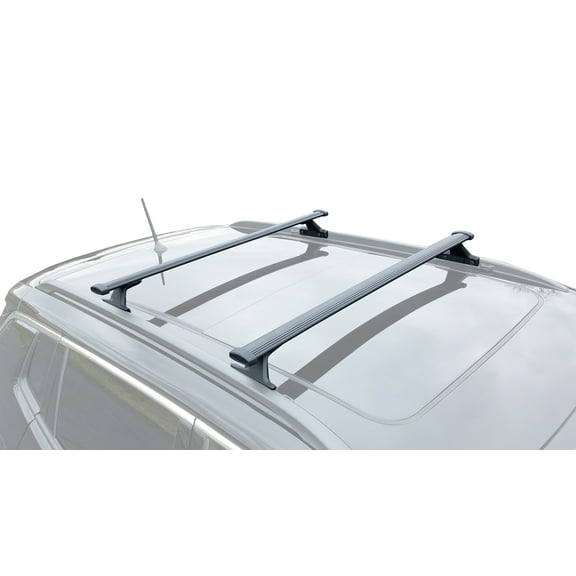
If you drive an SUV, you may prefer extra rooftop space for camping bins or a roof rack cargo carrier for bulky luggage. If you drive a truck, you may compare truck bed racks with hitch options for tools, lumber, or weekend gear.
You’ll want a setup that matches your vehicle details before you think about cargo size. You should check roof rail style, hitch receiver size, trunk shape, and bed dimensions for a cleaner fit.
- You can free up interior room for passengers, pets, and travel bags.
- You can transport long or bulky gear that won’t fit inside your vehicle.
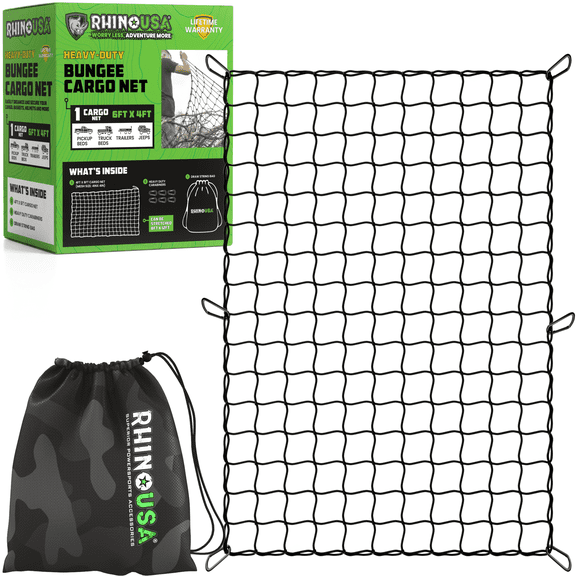
- You can secure shifting loads with tie down straps and reinforced hardware.
- You can separate wet, dirty, or oversized items from your cabin.
Choosing mounting type and vehicle compatibility
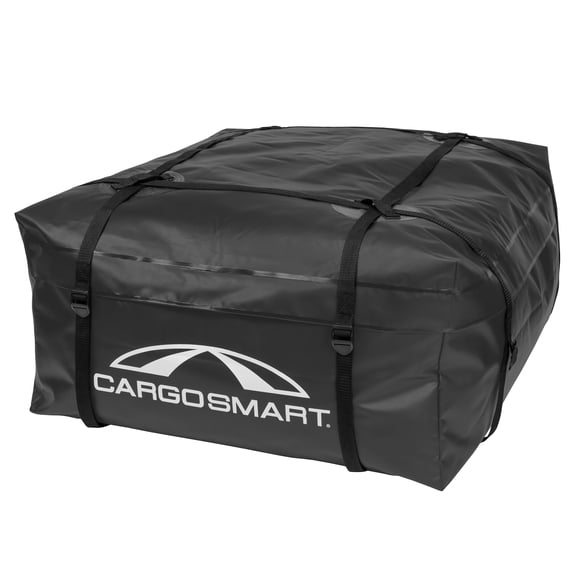
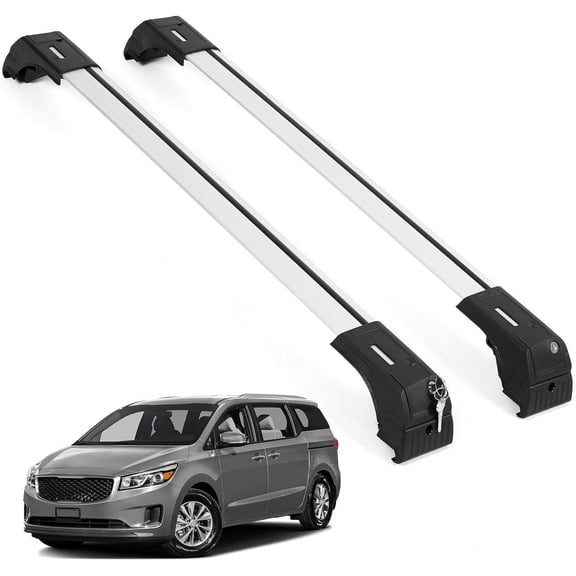
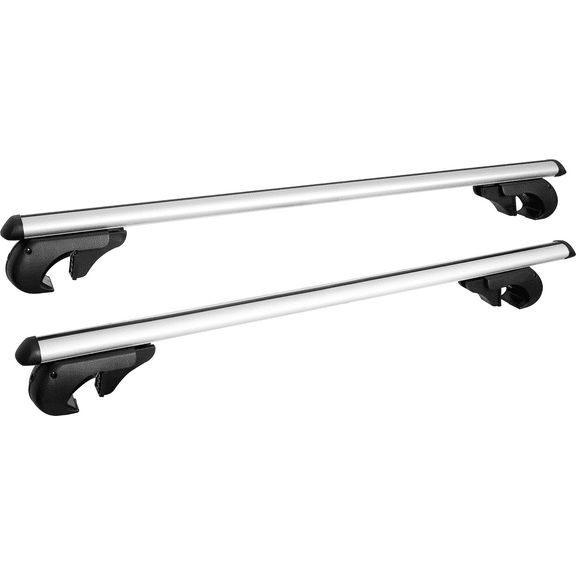
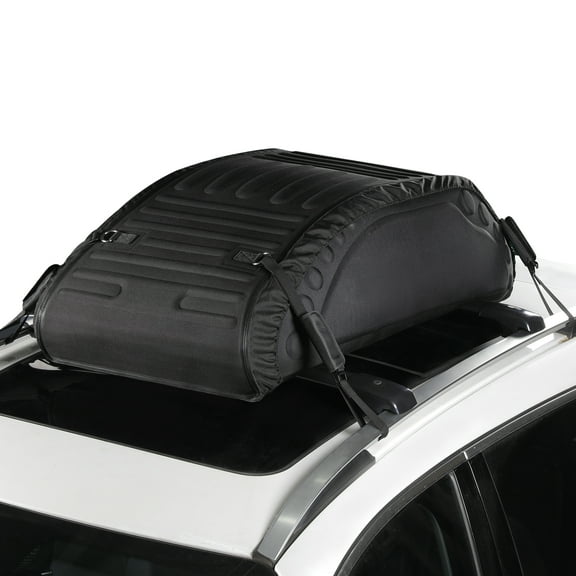
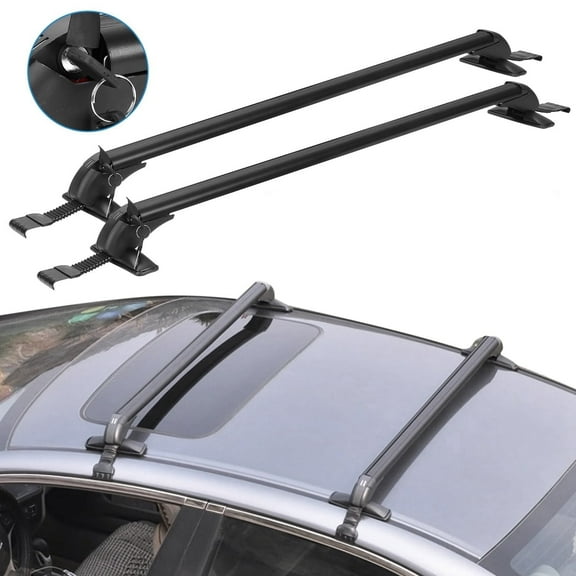
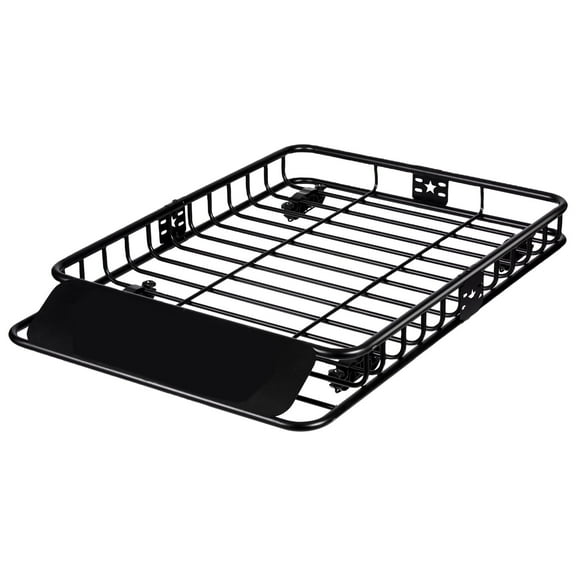
You should compare roof mount carriers when you need overhead storage and still want rear access. You can use them for luggage, skis, or a kayak roof rack setup on many SUVs.
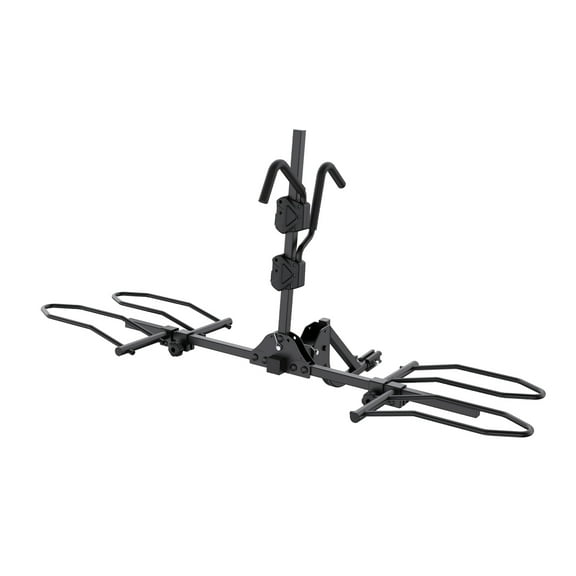
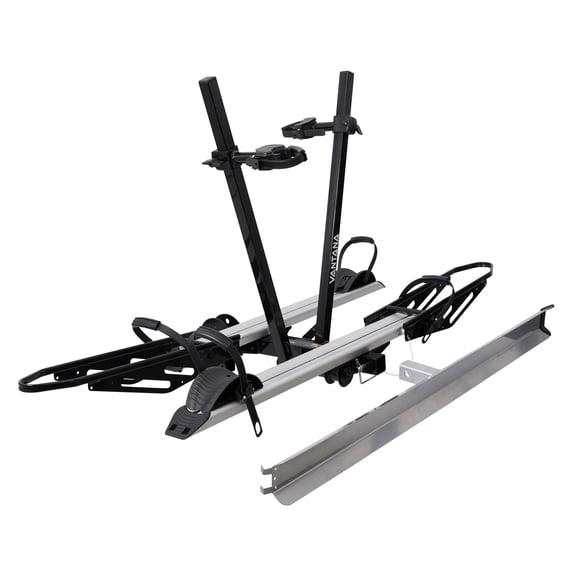
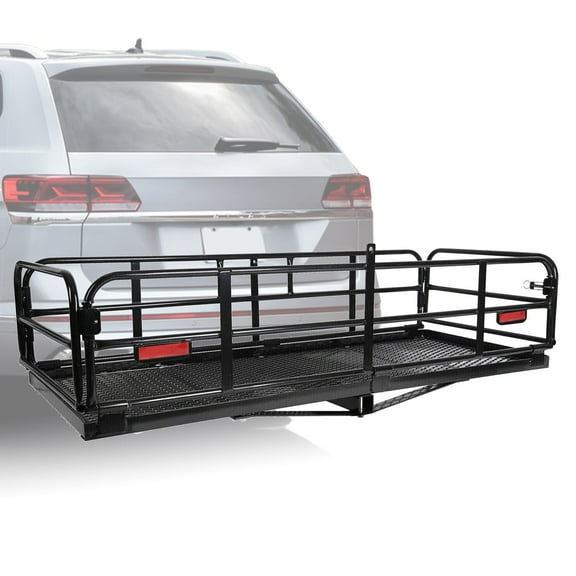
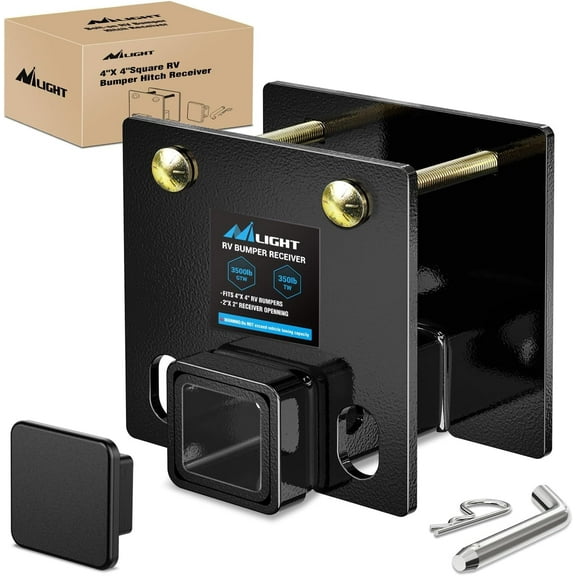
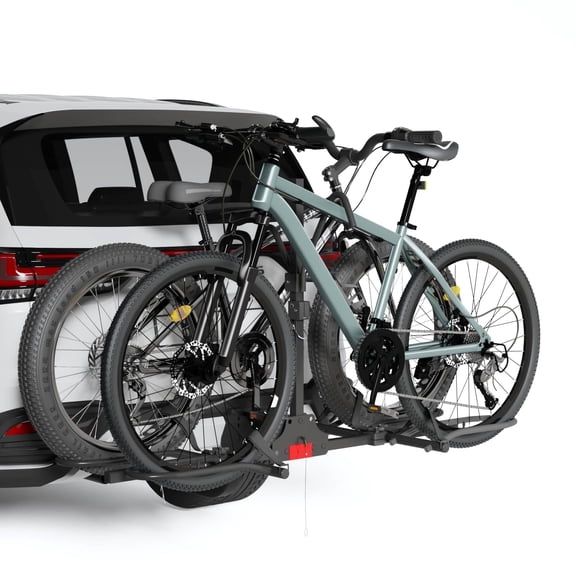
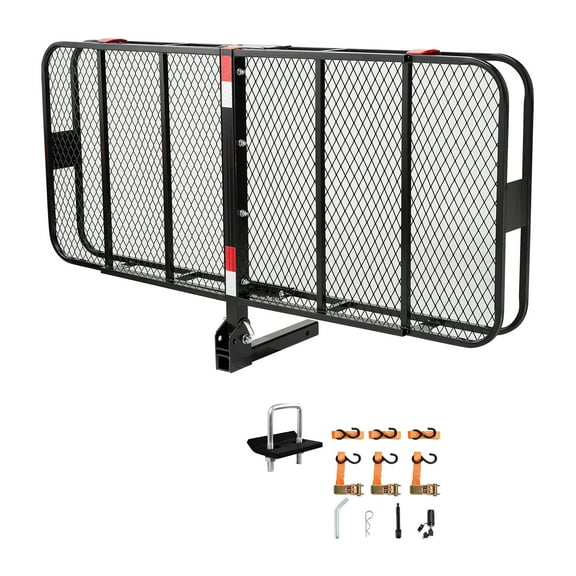
If you have a hitch receiver, you may like a hitch cargo carrier for easier loading height. You can often load coolers, storage bins, or folded strollers without lifting gear onto the roof.
You might consider trunk mount options when your car lacks roof rails or a hitch. You should check strap placement and vehicle contours so your setup sits evenly.
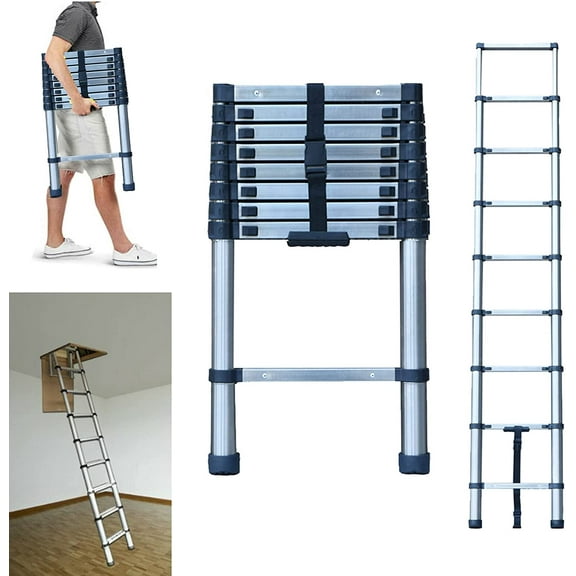
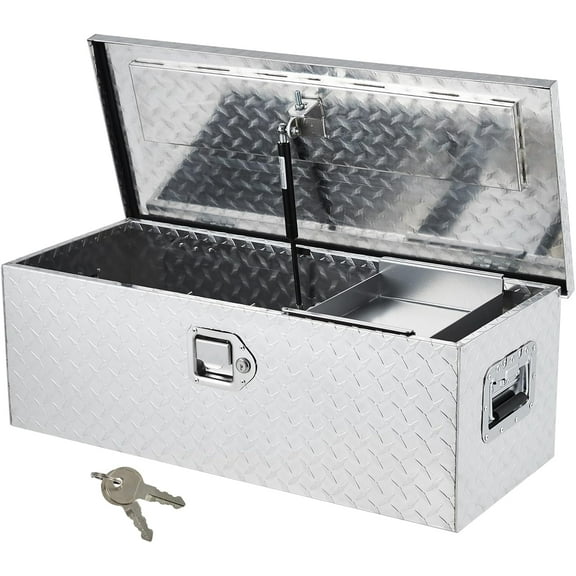
Truck bed racks help you carry ladders, boards, and outdoor gear above the bed floor. You can keep bed space available below while still hauling longer items.
You should also match the carrier to your vehicle class, whether you drive a sedan, SUV, truck, or ATV or UTV. You’ll get a more useful fit when you compare rail shape, bed size, and attachment points.
Comparing weight capacity and materials
You should treat weight capacity as a key decision, because lighter travel bags need different support than equipment or building supplies. You can compare light duty, medium duty, and heavy duty ranges by your typical load.
Light duty options under 150 pounds can suit soft luggage, folded chairs, or smaller coolers. Medium duty choices from 150 to 500 pounds can support larger mixed loads for camping or moving days.
Heavy duty setups over 500 pounds can make sense when you haul dense gear and need stronger support points. You should always compare your vehicle limits with the carrier rating before you load up.
Material also affects what you’ll notice on the road and during storage. You can compare steel for sturdy structure, aluminum for lighter handling, and hard-shell plastic for enclosed cargo storage.
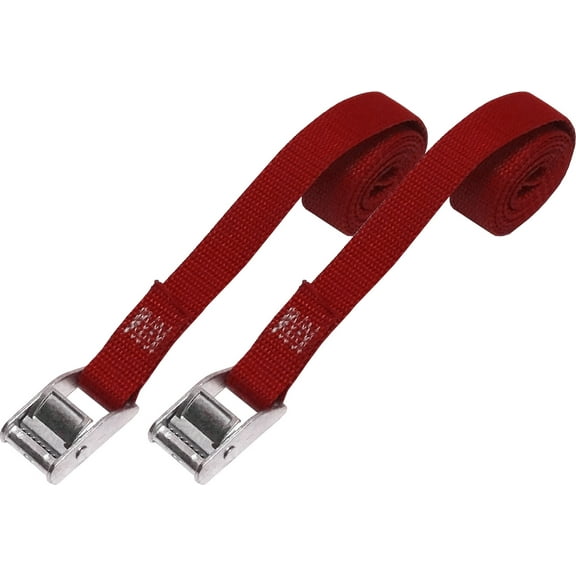
When you shop ratchet straps, you’ll often see heavy-duty polyester webbing because it handles repeated tension well. You should also look for reinforced buckles and double-stitched straps when you want steadier hold.
What to look for in car cargo carriers and truck racks
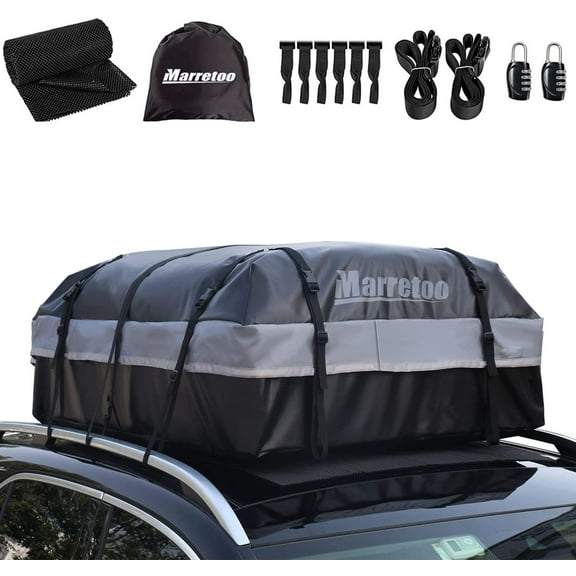
You can narrow car cargo carriers by weather coverage, lock options, and loading height. You may prefer a hard-shell design with weatherproof seals when you want enclosed storage for road trips.
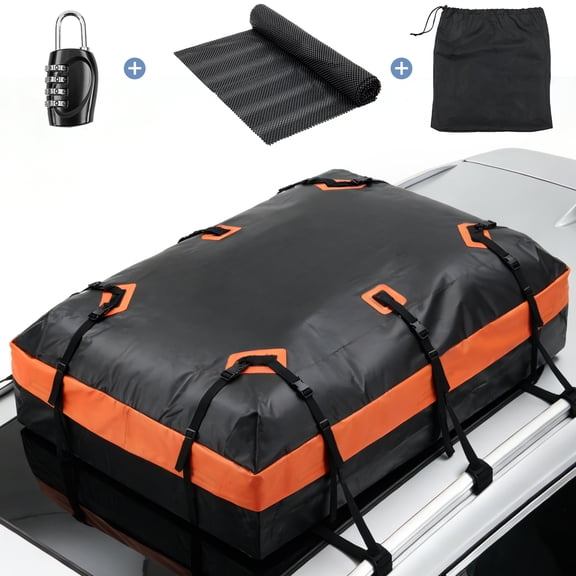
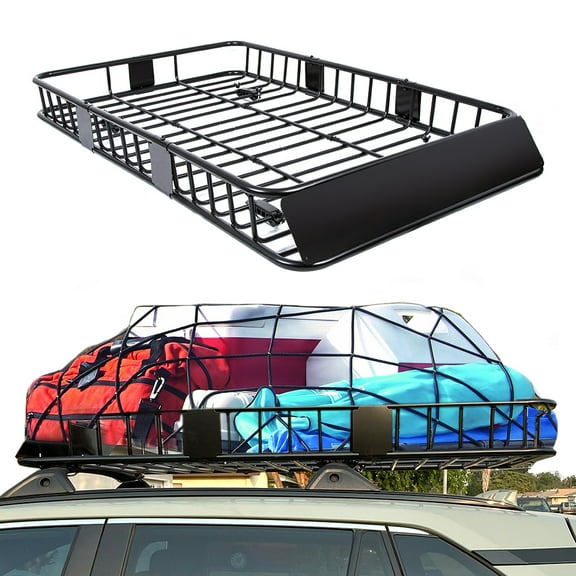
Open basket styles can work well when you carry irregular gear, coolers, or camping bins. You should plan for tie down straps and a cover if your load needs more protection from wind and rain.
With truck racks, you should compare crossbar spacing, bed clearance, and how easily you remove the system. You can choose a setup that leaves room for toolboxes, bikes, or longer materials.
You may also want keyed locks or lock compatibility when your gear stays outside during stops. You’ll gain more peace of mind when your rack, carrier, or strap system supports secure attachment points.
Using heavy duty ratchet straps and tie down straps
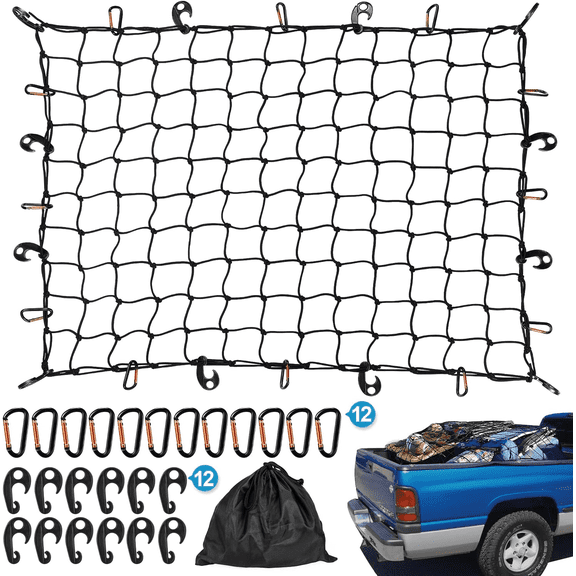
You can use heavy duty ratchet straps to stabilize loads that shift, stack, or ride in open air. You should match strap length and working load to the cargo size and anchor points.
Tie down straps can help you secure coolers in a hitch basket, bins on a roof platform, or equipment in a truck bed. You’ll want hooks, buckles, and webbing that fit your cargo plan without extra slack.
If you haul motorcycles, ATVs, kayaks, or yard equipment, you may want multiple straps for balanced hold. You should look for double-stitched construction and reinforced buckles when you expect repeat use.
You can also compare installation details before you choose your setup. You may prefer tool-free assembly, quick-release parts, or simpler strap threading when you install and remove gear often.
When you match the right mount, capacity, material, and security features, you can transport gear with less guesswork. You’ll end up with a hauling setup that fits your vehicle and keeps cargo more controlled on every trip.