















Shop by Room
Shop by room
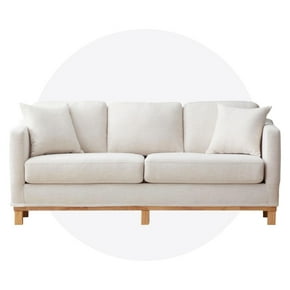
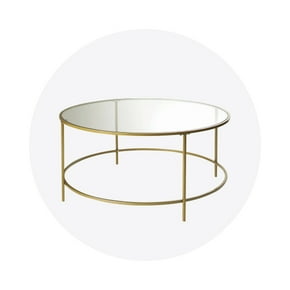
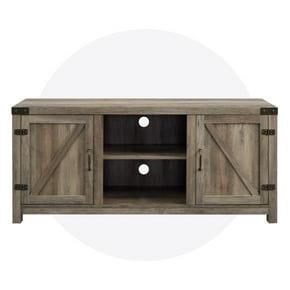
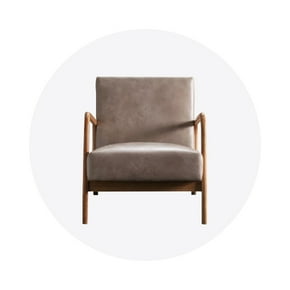
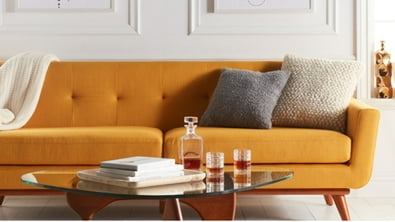
Living room essentials
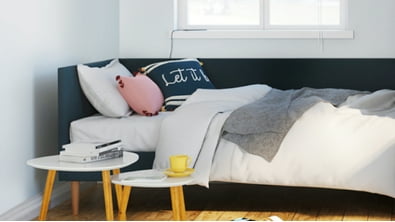
Bedroom essentials
Gaming room ideas
Kitchen essentials
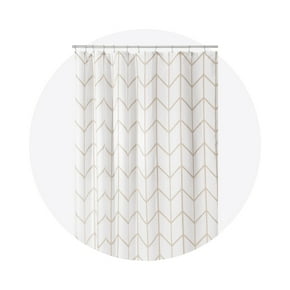
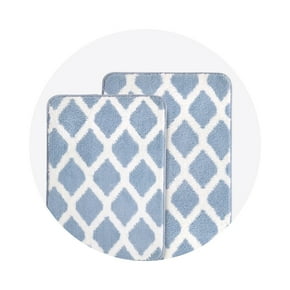
Bathroom essentials
More to explore

FAQ
About Shop by Room - All Rooms - Walmart.com
With shop by room inspiration, you can plan a coordinated space faster and compare furniture, lighting, rugs, and decor by room type. You get a clearer path to matching layouts, colors, and finishes without piecing every item together alone.
When you shop a room, you can narrow choices by living room, bedroom, dining room, home office, or entryway. You can also compare modern, rustic, boho, traditional, and mid-century modern looks in one place.
Choosing shop by room design for your space
When you compare room types first, you can focus on what fits your daily routine and floor plan. Your living room may need seating balance, while your bedroom may need calmer color and softer layers.
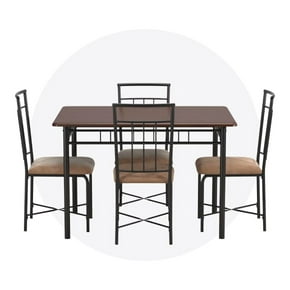
If you decorate an entryway, you may look for narrow consoles, wall hooks, and compact rugs. If you furnish a dining room, you may prioritize table clearance, lighting placement, and wall art scale.
You can use design style as your next filter after you pick the room. Your modern spaces often lean on clean lines, while your rustic rooms often mix warmer wood tones and textured accents.
- You can create a more cohesive look by repeating one wood finish across major furniture pieces.
- You can make your room feel calmer by choosing one main palette and one accent color.
- You can simplify decorating by pairing large furniture with fewer, more intentional accessories for room styling.
- You can buy entire room decor ideas more confidently when your layout and style choices already align.
Color palette matters because it changes how open, cozy, or dramatic your room feels. Your neutral and earth tone schemes usually support flexible layering, while bold palettes create stronger focal points.
If you want shop by room inspiration for a small space, you may prefer monochromatic or pastel combinations. Your eye often reads those palettes as lighter and less crowded across tighter layouts.
How to compare shop by room furniture
You should measure your room before choosing major pieces, especially in shared or narrow spaces. Your clearance around sofas, beds, and dining tables affects how easily you move through the room.
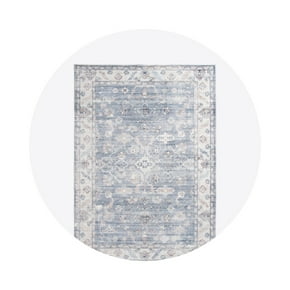
When you choose rugs, you should compare size rules with your furniture footprint. Your living room rug usually looks more grounded when front legs rest on it.
In bedrooms, you may want a rug that extends beyond the bed frame for a balanced view. In dining rooms, you should check whether chairs stay on the rug when pulled out.
You can compare furniture materials based on how your household uses each room. Your high-traffic areas may call for easy-clean surfaces, sturdier frames, and fabrics that resist visible wear.
If you review fabric rub counts, you can better understand how upholstery handles repeated use. Your family room seating may benefit from tougher fabric than your occasional accent chair.
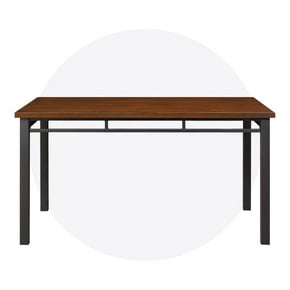
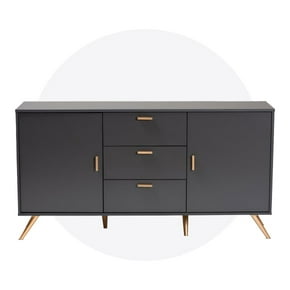
You should also compare solid wood and engineered wood based on placement and purpose. Your investment pieces may center on bed frames or dining tables, while your room things may include lighter accent storage.
Lighting, wall art, rugs, and decor accents help you finish the room without losing cohesion. Your layered lighting can shape mood, and your wall art can tie together color, scale, and theme.
Matching room supplies to layout, style, and household needs
If you furnish a small apartment, you may need room supplies that multitask across the day. Your storage ottoman, writing desk, or narrow bookcase can support function without crowding the footprint.
For large open concept rooms, you should define zones with rugs, lighting, and grouped furniture. Your seating area, dining area, and reading corner can feel connected without blending into one flat space.
When you compare home office setups, you may prioritize desk depth, task lighting, and shelf access. Your backdrop, chair height, and cable control can also shape how polished the room feels.
In bedrooms, you may split your budget between the bed, nightstands, and a rug first. Your accessories for room styling can come next through lamps, mirrors, throws, and wall decor.
For living rooms, you may start with seating and a rug because they anchor the layout. Your accent tables, lighting, and art can then reinforce the style without competing for attention.
If you want a more coordinated result, you should compare finishes across furniture and accents. Your black metal lamp, walnut table, and neutral rug can work together when the tones repeat consistently.
You can also match products by household rhythm instead of looks alone. Your entryway may need durable surfaces and easy-drop storage, while your dining room may need wipeable materials and balanced lighting.
When you shop by room furniture and decor together, you can prioritize larger anchor pieces before smaller accents. Your budget often stretches farther when you secure the sofa, bed, table, or desk first.
Using shop by room inspiration to build a cohesive home
You can move from one room to the next with a more connected visual flow. Your home feels more intentional when palettes, finishes, and scale choices relate across spaces.
As you compare styles, sizes, and categories, you can make decisions with fewer mismatched purchases. Your finished room can feel pulled together, practical, and ready for everyday living.