


Rechargeable Batteries in Batteries





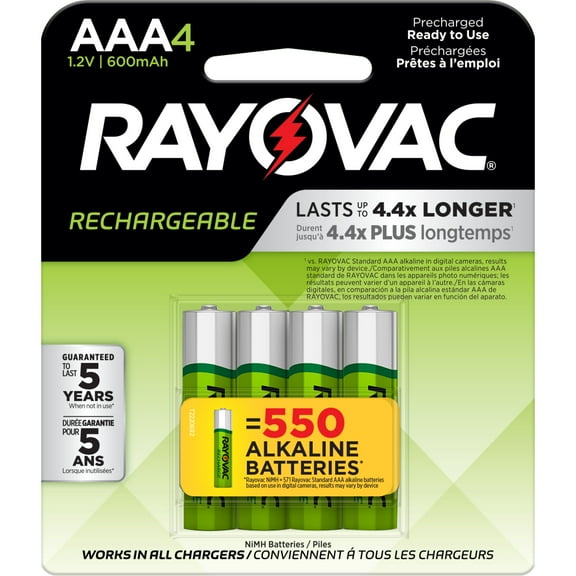
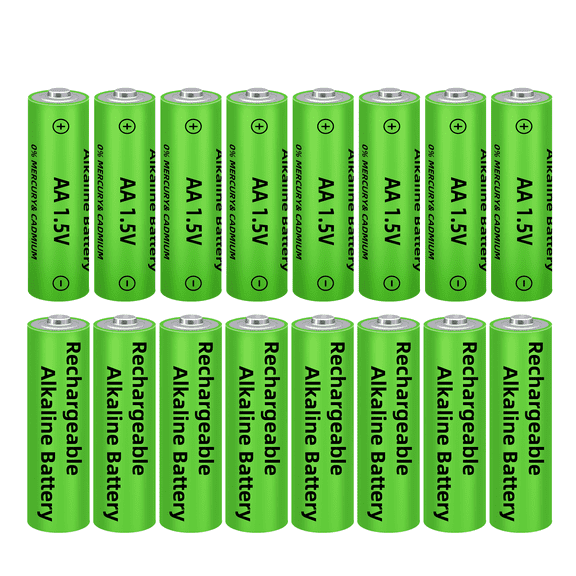
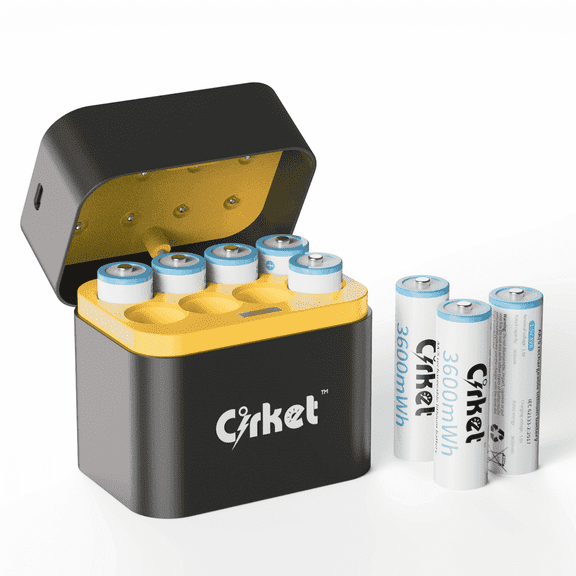


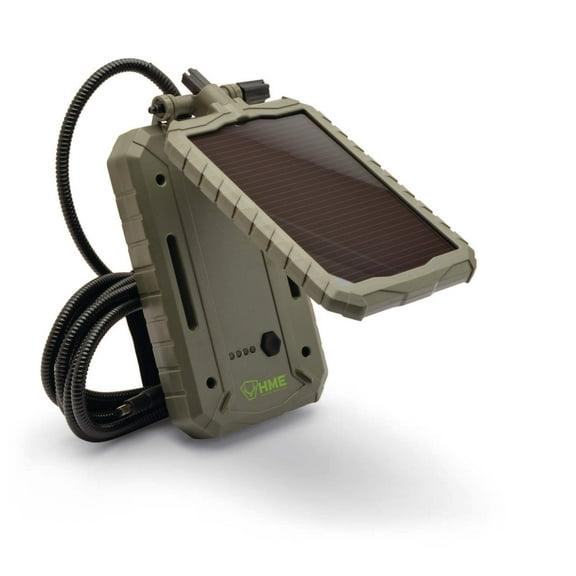





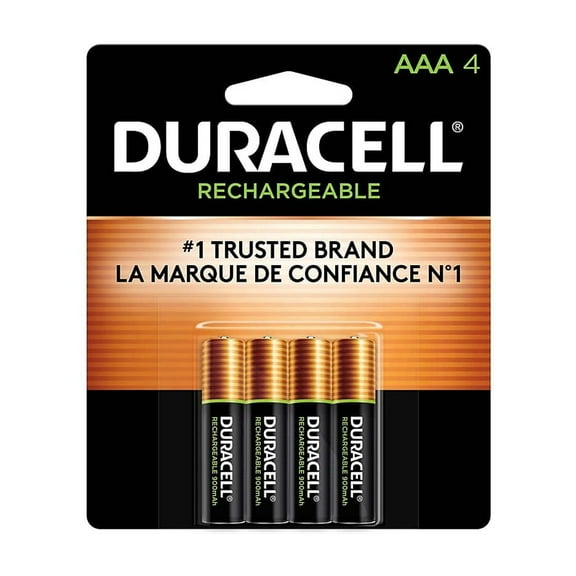


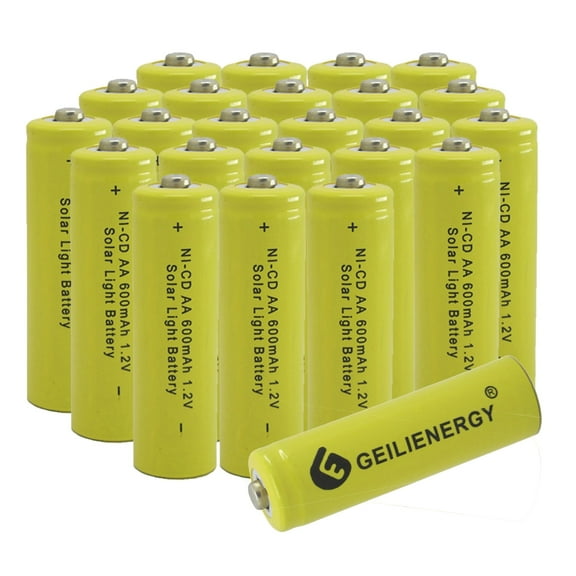
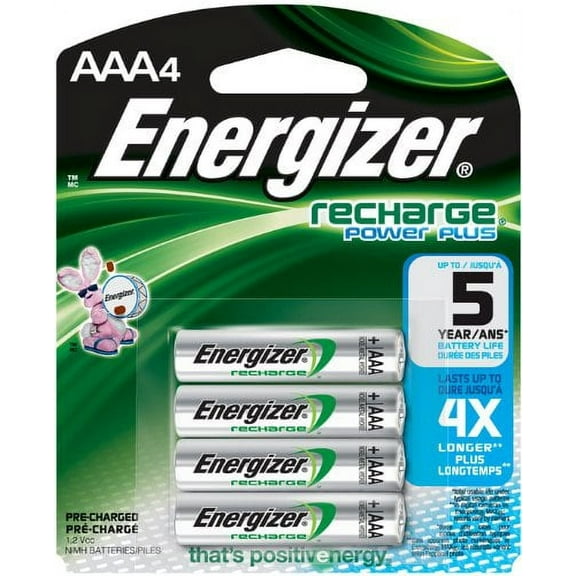
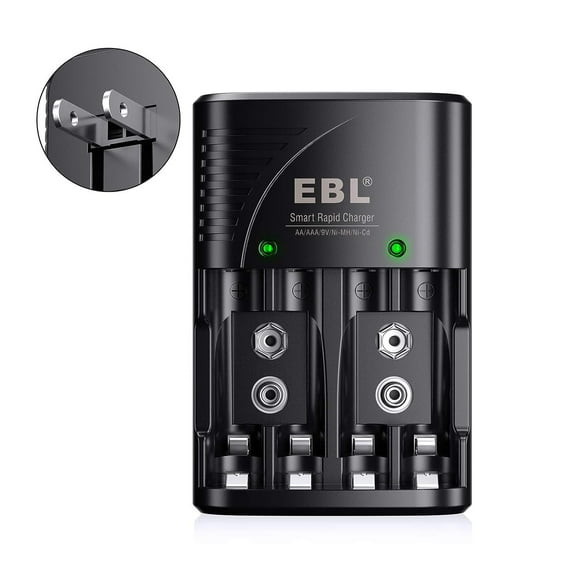


About Rechargeable Batteries in Batteries - Walmart.com
Rechargeable batteries help you power everyday devices with fewer replacements and a simple routine. You can compare battery size, chemistry, voltage, capacity, and chargers to match your household setup.
If you rely on remotes, controllers, flashlights, cameras, or outdoor lights, you need the right fit. You can use this guide to align your choices with device requirements and charging habits.
How to choose rechargeable batteries by size
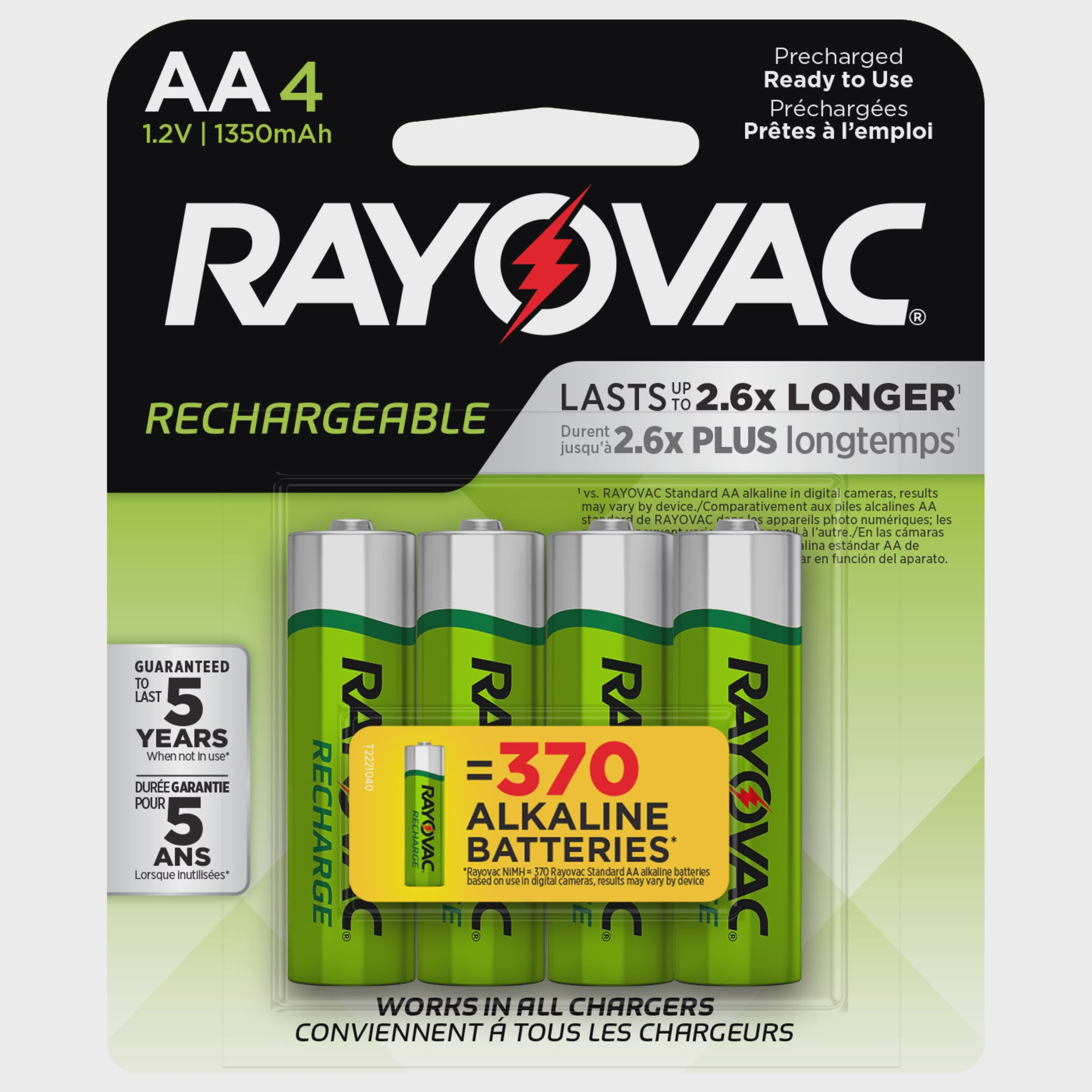
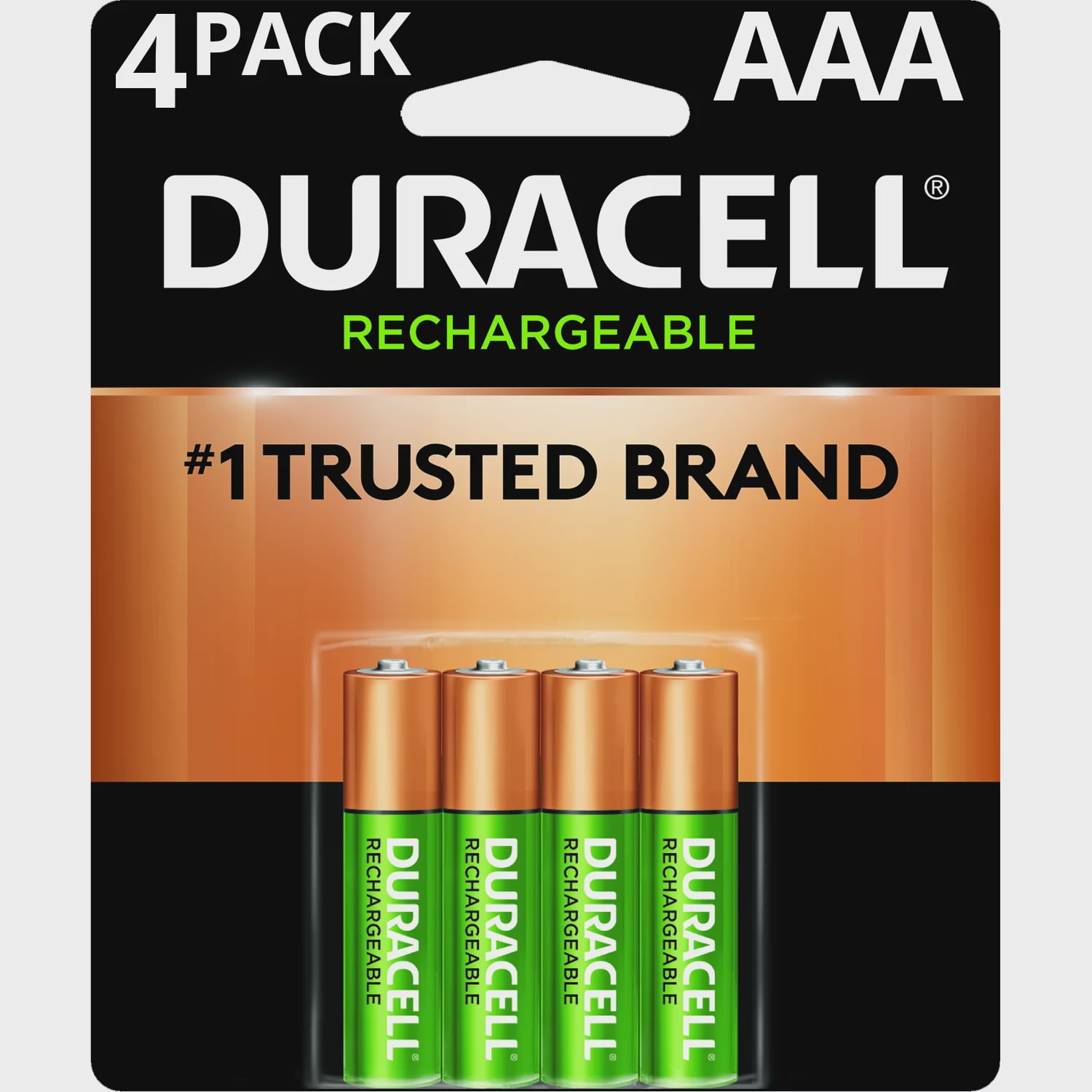
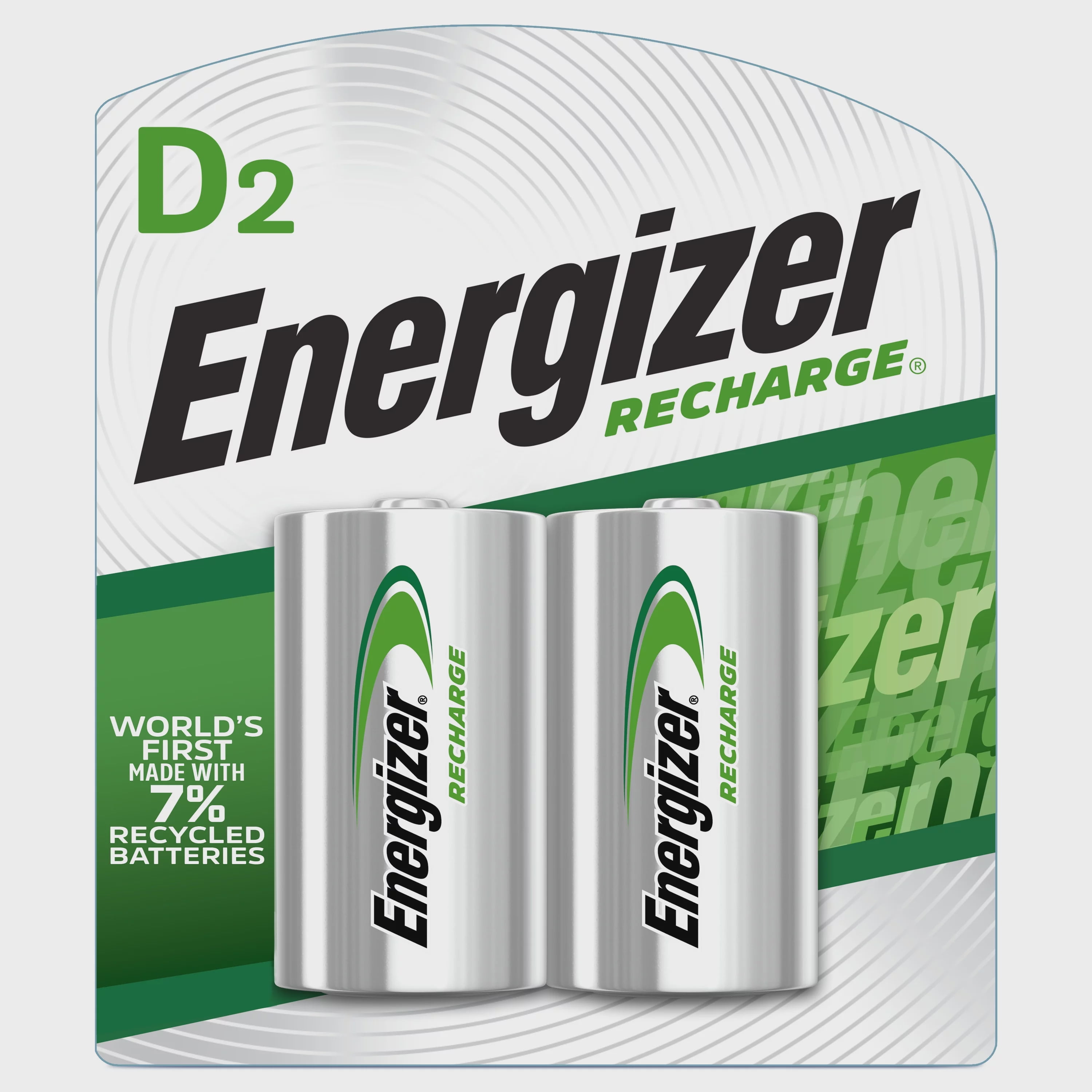
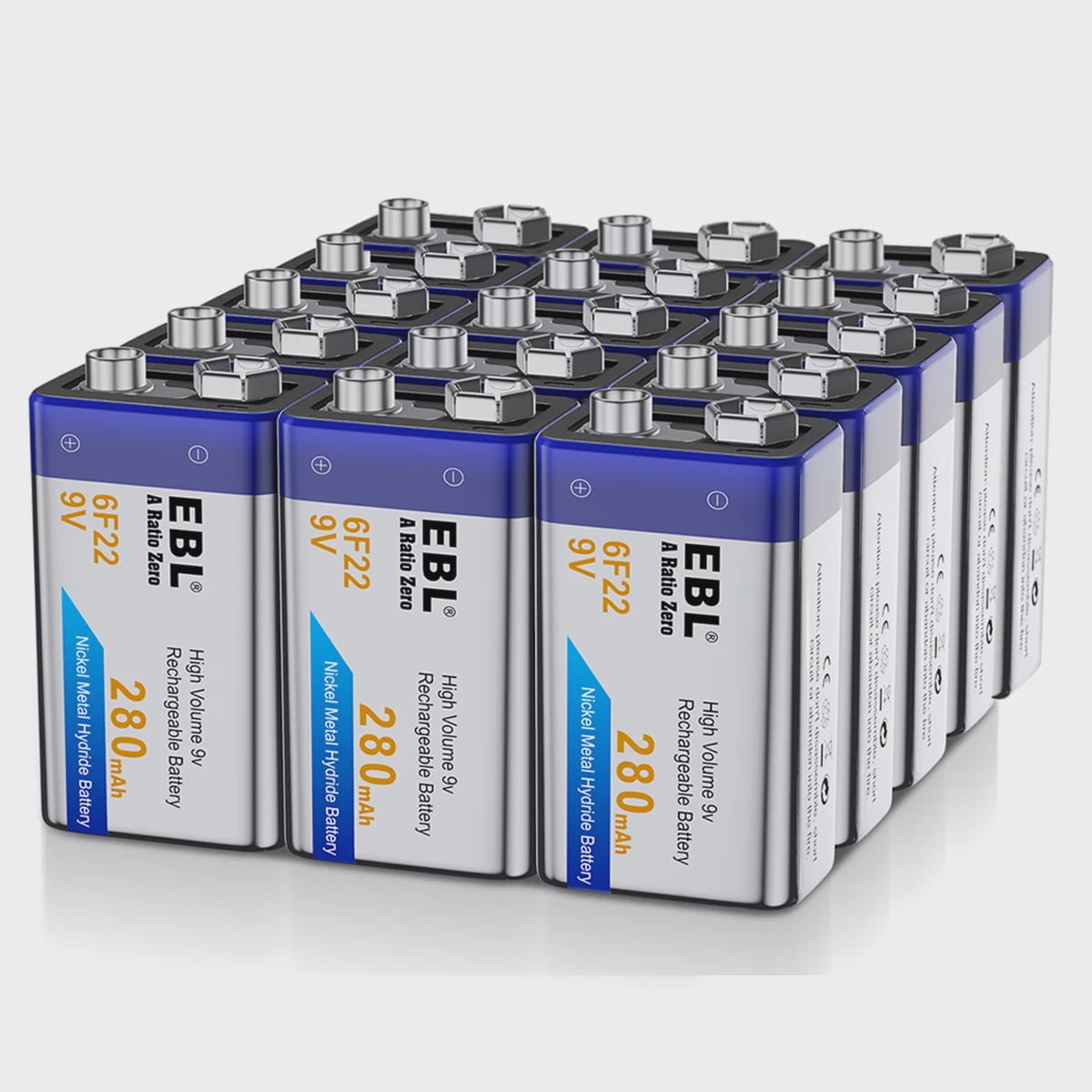
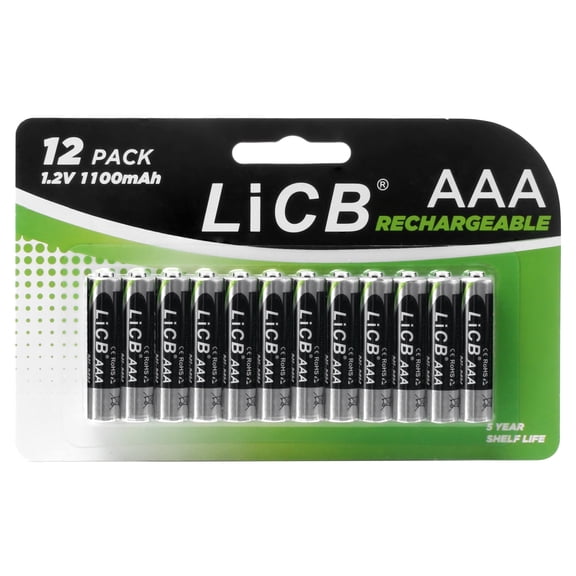
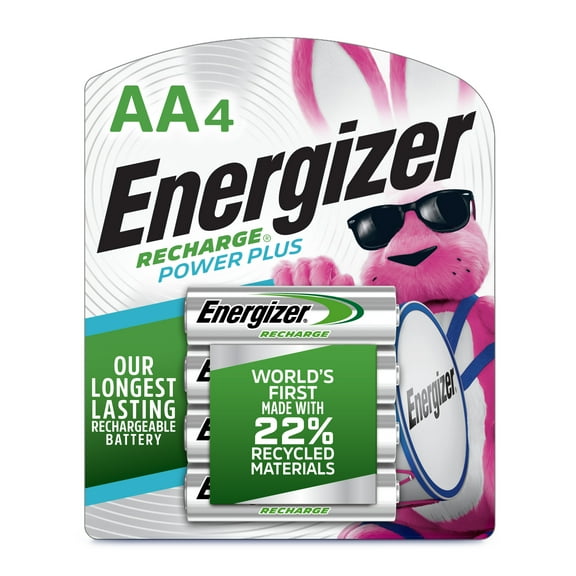
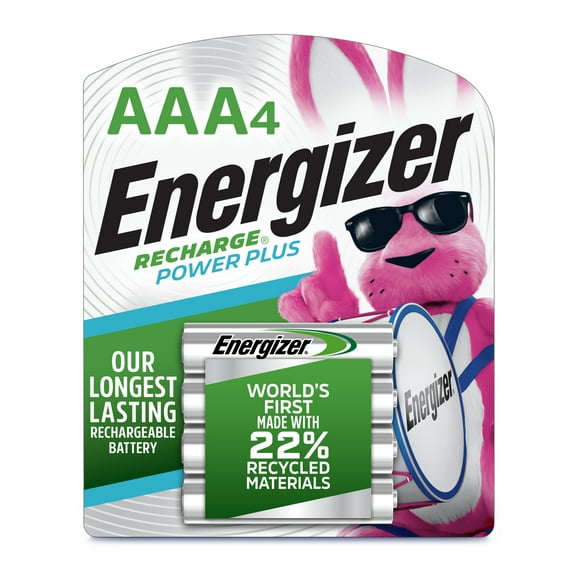
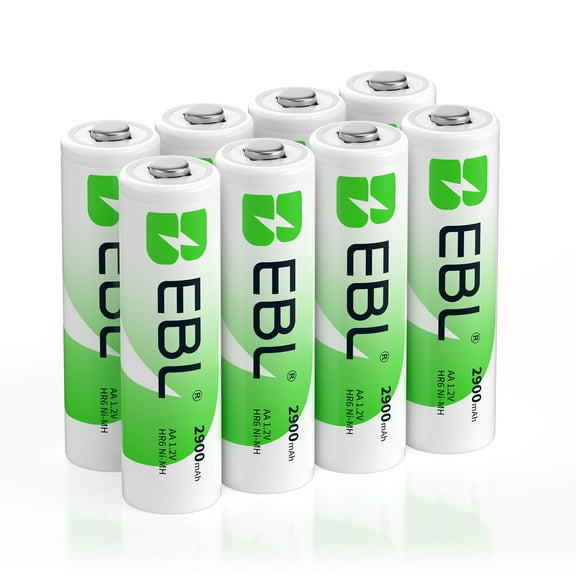
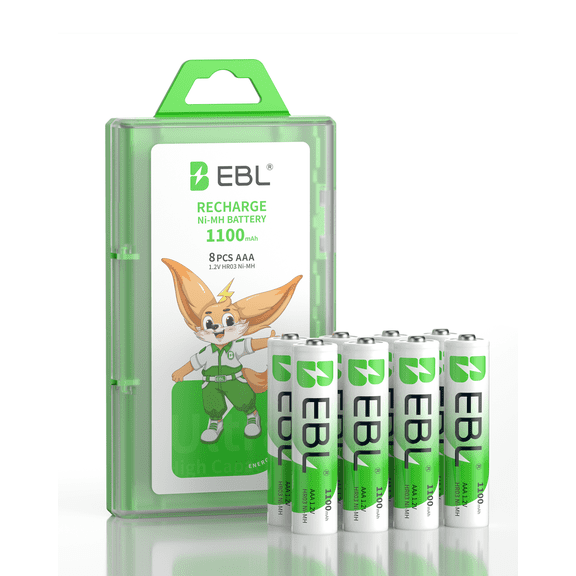
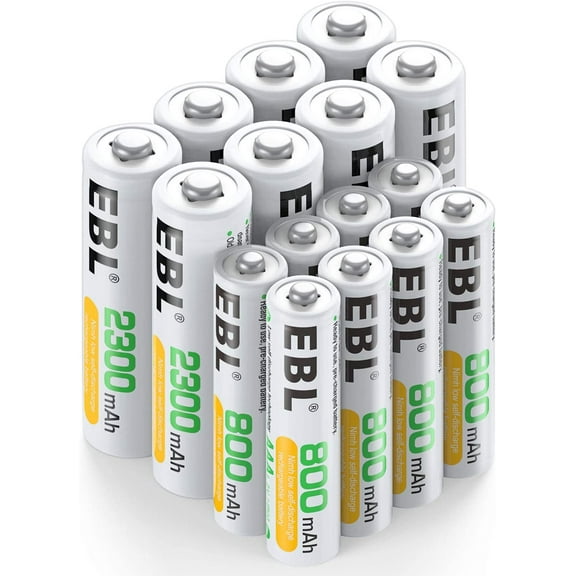
You should start with battery size because your device requires a specific format. You can shop rechargeable AA batteries, rechargeable AAA batteries, rechargeable C batteries, rechargeable D batteries, and 9V rechargeable batteries.
AA cells often fit cameras, toys, and handheld electronics that use steady power during longer sessions. AAA cells often fit slim remotes, wireless mice, and compact household devices where space matters.
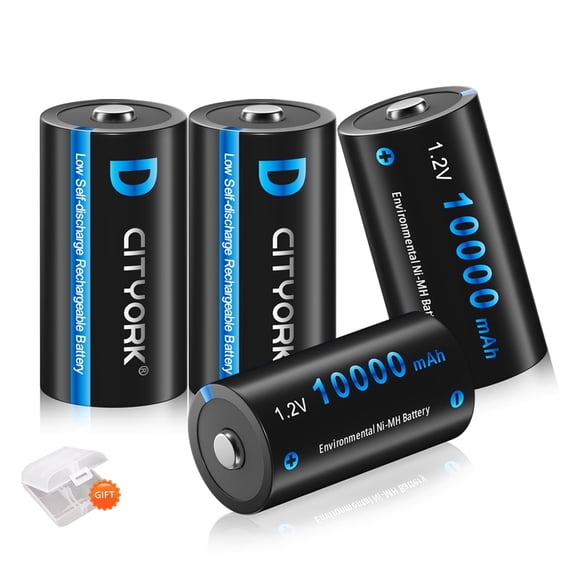
C and D sizes usually fit larger flashlights, lanterns, and gear that uses bigger cells. A 9V format often fits microphones, test equipment, and other devices that require that distinct battery shape.
- You can match AA and AAA sizes to common household electronics.
- You can choose C and D sizes for larger devices with room for bigger cells.
- You can select 9V options when your device requires that specific connector style.
- You can compare pack sizes when your household needs a small backup set or a larger rechargeable battery pack.
Choosing the right chemistry for rechargeable batteries
You should compare chemistry next because it affects charging routines, storage patterns, and compatibility. You usually see NiMH, lithium rechargeable batteries, and some NiCd options across this category.
NiMH batteries work well when your household uses batteries often in everyday electronics. You often notice they fit common AA and AAA charging routines and repeated use.
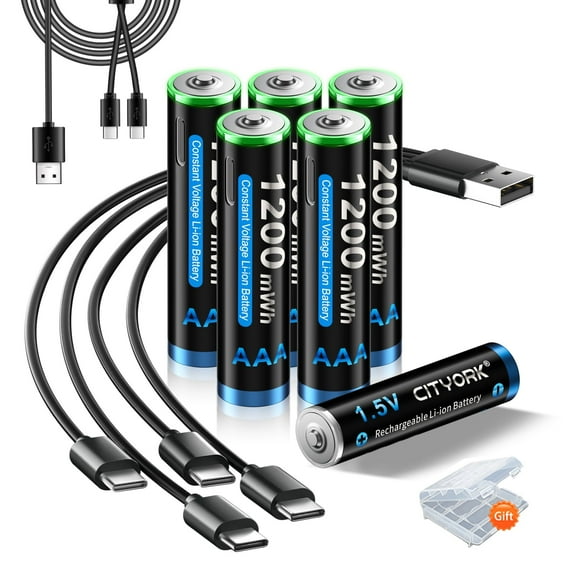
Lithium-Ion options can suit devices that need consistent output in specific compatible formats. You should always check your battery label and your charger details because chemistry matching matters.
NiCd options still appear in some specialty replacements and older equipment needs. You may prefer them only when your device or charger requires that chemistry type.
What to look for in capacity, voltage, and runtime
You should compare mAh ratings because capacity affects how long your charge may last. You often see 800mAh, 2000mAh, and 2500mAh options across common household sizes.
Lower capacity can make sense when you power remotes, clocks, or other low-drain devices. Higher capacity can help when you use cameras, gaming accessories, or toys that drain batteries faster.
You also need to check voltage because your device expects a specific electrical output. You can compare 1.2V rechargeable cells, 1.5V rechargeable options, and 9V rechargeable batteries for device compatibility.
A 1.2V cell is common in many rechargeable AA and AAA formats used around your home. A 1.5V rechargeable option may matter when your device requires that exact voltage level.
How to compare rechargeable battery charger options
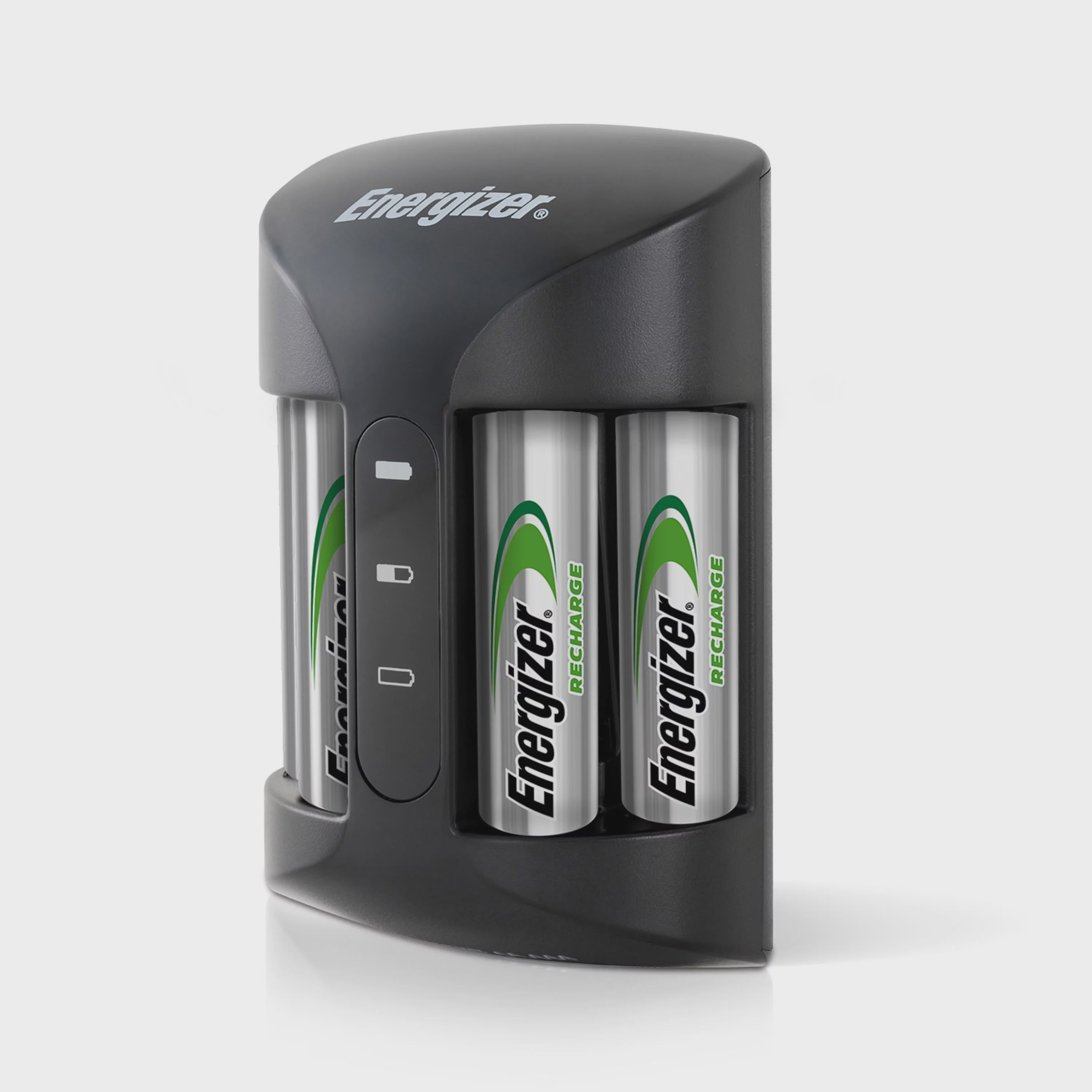
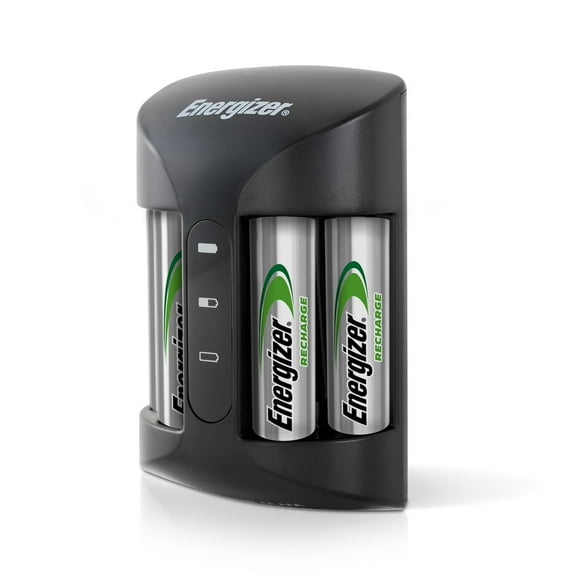
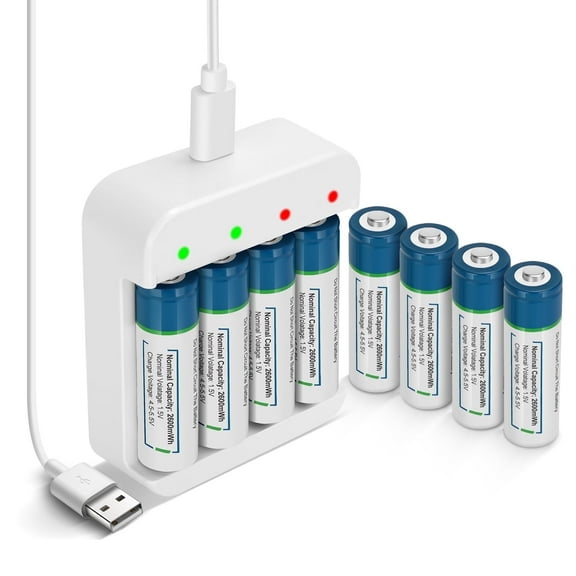
You should review charger compatibility before you choose batteries for a new setup. You may need a rechargeable battery charger that matches your battery size, chemistry, and charging slots.
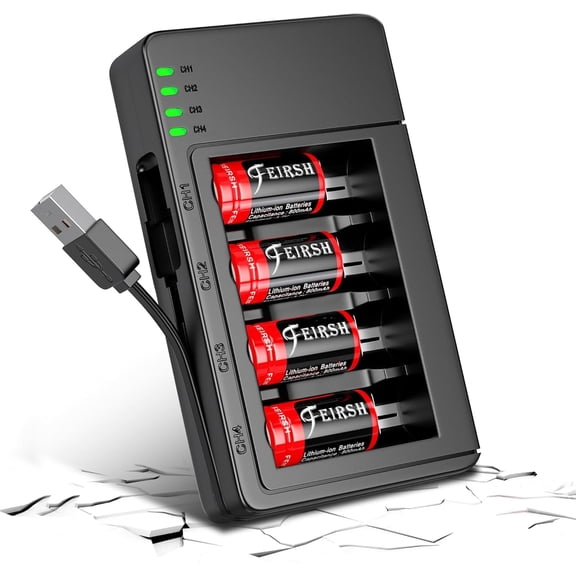
Smart chargers can help you track charging progress with status lights and automatic shutoff functions. You should check whether your charger supports AA, AAA, C, D, or 9V formats.
Some chargers focus on common household sizes, while others support a wider range of formats. You may also want independent charging channels when your batteries recharge at different times.
If you already own batteries, you should confirm whether your current charger supports NiMH, Lithium-Ion, or NiCd. That quick check helps your setup stay consistent with your device mix.
Matching rechargeable batteries to real household use
You can make an informed pick when you match battery specs to the way your devices use power. You might keep rechargeable AAA batteries in remotes, while you reserve higher-capacity AA cells for cameras or gaming gear.
For outdoor setups, you may look at solar light rechargeable batteries during spring and summer projects. You should check your solar light for the required size, chemistry, and voltage before replacing older cells.
If you stock several devices at once, a larger rechargeable battery pack can simplify storage and rotation. You can keep charged spares ready for toys, flashlights, smart home accessories, and household tools.
For occasional-use devices, you may prefer a chemistry and charger combination that’s easy to maintain. For daily-use electronics, you may focus on higher mAh and a charger with clear indicators.
Rechargeable aa batteries and rechargeable aaa batteries for daily routines
You likely spend a large portion of your time comparing rechargeable AA batteries and rechargeable AAA batteries. You can use these common sizes across household electronics, toys, controllers, and portable accessories.
AA batteries often give your devices broader compatibility when they need more power during longer sessions. AAA batteries often fit compact devices where slimmer battery compartments shape your choice.
You should compare pack count carefully when your household replaces batteries across several rooms. A four-pack may cover a quick swap, while larger counts help you keep extras charged.
You can feel more confident when your battery size, charger slots, and device mix line up. You can get a smooth replacement cycle and steady power for everyday devices.
Popular in Rechargeable Batteries in Batteries - Walmart.com
- Triple Rechargeable Battery
- 1 5 Rechargeable Batteries
- Rechargeable Triple Batteries
- Rechargeable Nickel Metal Hydride Battery
- Cr2 Rechargeable Battery
- Triple Rechargeable Batteries
- 26650 Rechargeable Battery
- Rechargable Batteries
- 9v Battery Mah
- Replace Aa Batteries Usb
- Dummy Aa Battery
- Lithium Phosphate Rechargeable Battery