










School Supply List
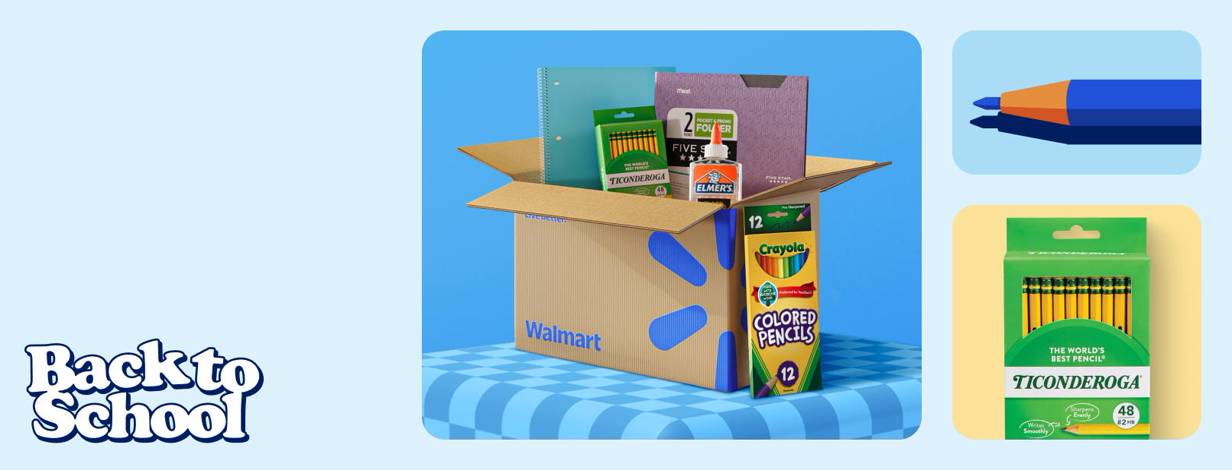
Back-to-school shopping made easy
We've made it simple for you to find your child’s supply list!
Search for your school by entering the city & state or ZIP code in our School Supply List finder tool.
Choose your school, then select your grade from the list.
Prefill your online shopping cart or shop in-store with a handy shopping list.
If you don't see your school listed, it may not be on our Teacher List yet. Check back soon to see if your school was added. You can also shop our Walmart-curated school list!
Get set to go back
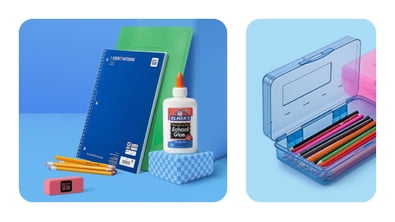






About School Supply List - Walmart.com
Your school supplies list is simple to manage when you sort by grade, compare classroom needs, and plan shopping in one place. You can find guidance for kindergarten, elementary, middle school, and high school lists, plus practical ways to match teacher requests.
You may need a school supply list for one child, several grades, or a classroom refresh. You can save time when you check grade expectations, compare pack sizes, and gather essentials without switching between pages.
How to choose a school supplies list by grade
You should start with grade level because classroom needs change from kindergarten through high school. You may see shorter lists in early grades and more subject-specific items in later years.
For kindergarten, you may look for crayons, glue sticks, blunt-tip scissors, folders, and beginner pencils. For an elementary school supply list, you may compare notebooks, wide ruled paper, pocket folders, and colored pencils.
As your student moves into middle school, you may need dividers, composition books, graph paper, and subject notebooks. In high school, you may check for calculators, index cards, binders, and college ruled paper.
You can also use grade-specific pages to avoid buying items that don’t match your teacher’s request. You can keep your list focused when you separate required basics from optional extras.
What to look for on a school supply list
You should compare item types by classroom use, not just by how they appear on the page. You can make quick choices when you group supplies into writing instruments, notebooks and paper, binders and folders, and art supplies.
- You can keep daily work organized with notebooks, loose-leaf paper, folders, and binders.
- You can cover writing needs with pencils, pens, highlighters, markers, and erasers.
- You can prepare for class projects with glue, crayons, scissors, rulers, and other art supplies.
- You can choose individual packs, bulk packs, or classroom sets based on your list size.
Writing instruments matter when your student needs sharpened pencils for early grades or pens and highlighters for later classes. You may want notebooks and paper that match teacher preferences, including wide ruled, college ruled, or composition formats.
Binders and folders help you sort subjects, permission slips, and take-home work during the week. You may also notice art supplies appear often on elementary and kindergarten school supply lists for hands-on activities.
Choosing pack size for school supply lists
You should match pack size to your list length, storage space, and the number of students you’re buying for. You may prefer individual packs for exact teacher counts and bulk packs for shared household supplies.
If you’re shopping for one student with a short list, you may want smaller quantities and easy-to-carry items. If you’re covering several grades, you may appreciate larger counts for pencils, paper, and folders.
You may also compare classroom sets when teachers request community supplies instead of student-labeled items. You can find this useful when your list asks for tissues, crayons, glue sticks, or dry erase markers.
Your school shopping list can stay organized when you separate personal items from group items before checkout. You can reduce confusion later when you sort supplies into backpacks, desks, or classroom bins.
When do school supply lists come out
You may start checking for updates in summer, though your timing can vary by district and grade. You may see official school supply lists posted before the new school year, with some classes updated closer to open house.
If your school hasn’t posted a final list yet, you can begin with common basics that appear on many grade-level lists. You may feel prepared with pencils, notebooks, folders, paper, and a backpack while you wait.
You may also need a mid-year replenishment when notebooks fill up or writing tools run low. You can keep schoolwork moving smoothly when you restock frequently used items instead of waiting for a full reset.
Elementary school supply list and grade-specific needs
You should expect an elementary school supply list to balance everyday basics with classroom activity items. You may see glue sticks, crayons, washable markers, folders, and wide ruled notebooks across K-5 lists.
A kindergarten school supply list may focus on beginner writing tools, simple art items, and teacher-requested community materials. You may compare thicker pencils, primary journals, folders, tissues, and easy-grip scissors.
A fourth or fifth grade school supply list may add subject folders, spiral notebooks, index cards, and planner tools. You may notice older elementary students often need more organization supplies for changing classes or homework routines.
You can use grade-level guidance to narrow choices without losing sight of your school’s requirements. You can feel prepared when your list reflects common grade expectations and the exact items your teacher requests.
How to sort required and optional items on your school supply list
You should review your school supply list in two groups before you buy anything. You may want one group for required classroom items and another for optional extras that support homework or after-school study.
Required items usually match teacher instructions, classroom routines, and subject work from the first week. Optional items may include extra pencils, additional folders, or backup notebooks that help you stay organized later.
You can also keep a copy of the list after school starts for replacements and mid-year needs. You can make repeat shopping simpler when you already know which supplies get used quickly during the year.
Your school supplies list works smoothly when it helps you choose the right grade, item types, pack size, and timing. You can head into the school year with a clearer plan and supplies that match your classroom needs.