













Toys for Kids 5 to 7 Years in Shop Toys by Age

























About Toys for Kids 5 to 7 Years in Shop Toys by Age - Walmart.com
Toys for kids 5 to 7 years help you match playtime with growing skills, longer attention spans, and bigger imaginations. You can compare age-appropriate picks across STEM activities, board games, dolls, action figures, and outdoor play in one place.
At this age, you may want toys that feel challenging without feeling frustrating. You can focus on options that support reading readiness, simple strategy, hand control, and cooperative play.
How to choose toys for kids 5 to 7 years
You can start with age range, since complexity level matters more in this stage. You should look for clear directions, manageable pieces, and play patterns that fit early grade-school interests.
Many kids in this range enjoy pretend stories, simple rules, and beginner problem-solving. You can compare whether your child prefers building, role play, movement, or turn-based games.
You may also want to check whether a toy needs setup or adult help. You can often narrow choices faster when you know if you want ready-to-play fun or guided activities.
Choosing learning toys for 5 to 7 year olds
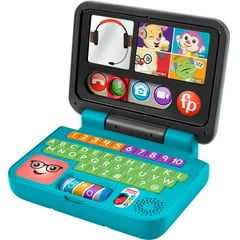
Learning toys for 5 to 7 year olds can make practice feel playful instead of repetitive. You can use them to reinforce counting, spelling, sequencing, matching, and early logic.
When you compare developmental focus, you should match the toy to the skill you want to encourage. You can look for fine motor activities, cognitive growth tasks, social play, or creativity-based sets.
- You can build fine motor control with lacing sets, building pieces, and small craft components.
- You can support cognitive growth with puzzles, coding basics, memory games, and simple strategy play.
- You can encourage social skills with family board games, cooperative challenges, and role-play sets.
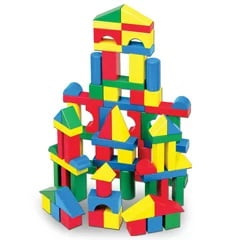
- You can spark creativity with art kits, dolls, action figures, and open-ended building toys.
You may notice that educational games for kids work well when rules stay simple and turns move quickly. You can keep attention higher when the activity feels rewarding within a short session.
Some toys also help you mix solo practice with shared play later. You can choose formats that work for independent afternoons, sibling play, or family game night.
Comparing STEM toys for kids and creative play
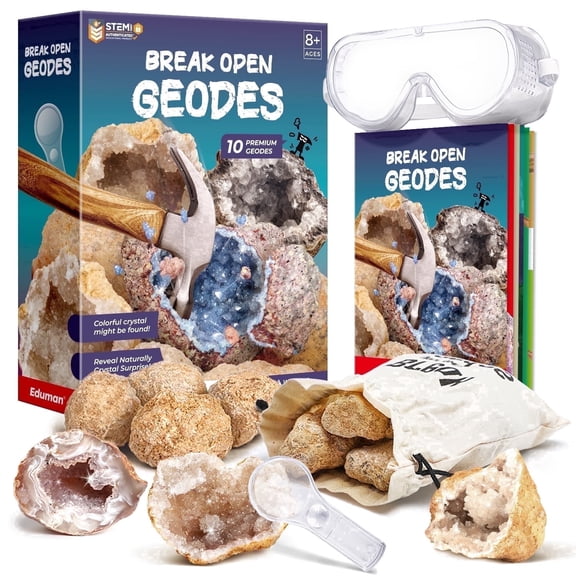
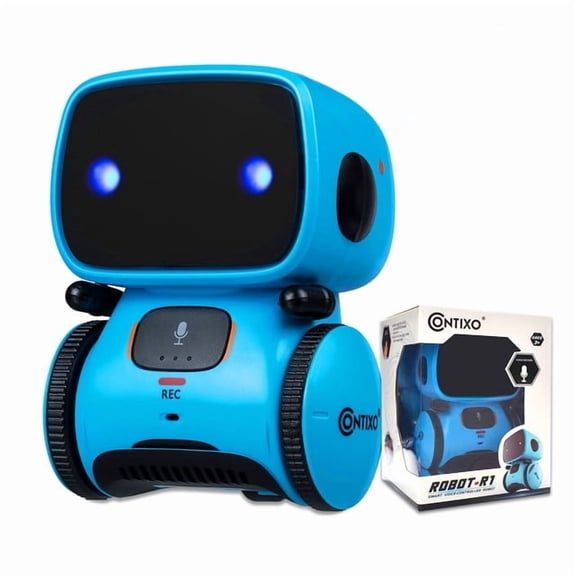
STEM toys for kids can introduce building, motion, cause and effect, and beginner engineering ideas. You can use these toys to turn curiosity into hands-on experiments and repeatable challenges.
When you compare STEM options, you should check whether the activity matches your child's patience and reading level. You can choose snap builds, simple circuits, coding games, or science kits with visual steps.
Creative toys for 5-7 years offer a different kind of skill building. You can support storytelling, character play, designing, drawing, and imaginative problem-solving through dolls, figures, and craft sets.
If your child likes structure, you may prefer kits with goals and clear outcomes. If your child likes open play, you can lean toward figures, dolls, and building sets without one fixed result.
You can also compare player count before you choose. Solo play supports quiet focus, while 2-player and multiplayer formats help you practice turn-taking and teamwork.
Checking materials, safety, and durability
You should look closely at materials because daily play can be active and repetitive. You can compare non-toxic plastic, natural wood, and plush fabric based on texture, cleanup, and intended use.
Plastic toys often suit outdoor sets, action play, and easy wipe-down care. Wood toys can feel sturdy for stacking, balancing, and puzzle play, while plush pieces can suit gentler pretend play.
Age-appropriate design matters just as much as material. You should check piece size, challenge level, and whether your child can use the toy with limited help.
You may also want to review assembly details before you choose. You can avoid extra setup by selecting toys that work right out of the box or need only simple assembly.
Durability matters when toys move from bedrooms to playrooms to backyards. You can look for sturdy joints, smooth edges, and parts designed for repeated handling.
Matching toy categories to everyday play
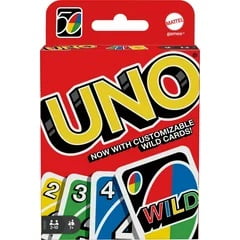
Board games work well when you want structured family time and simple strategy. You can use them to practice counting, reading cues, matching, and waiting for turns.
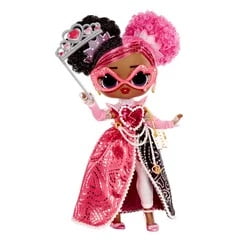
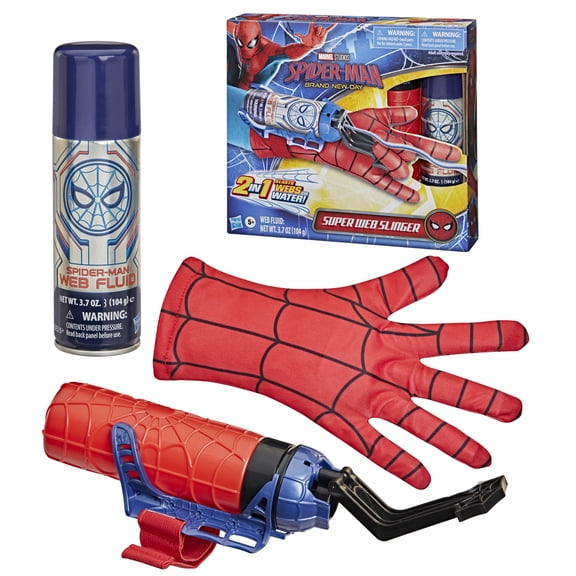
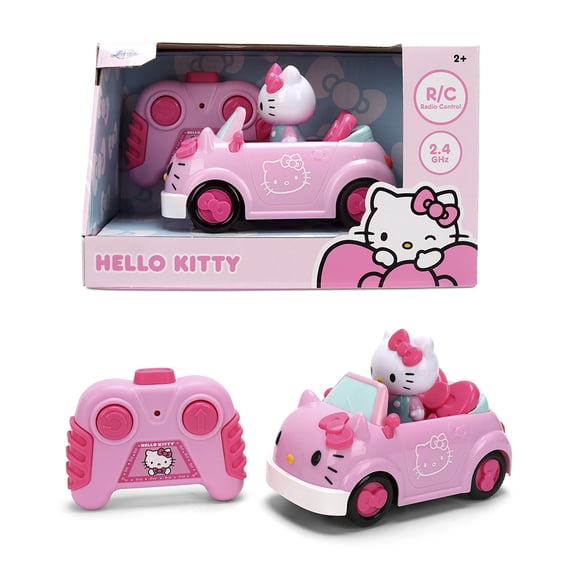
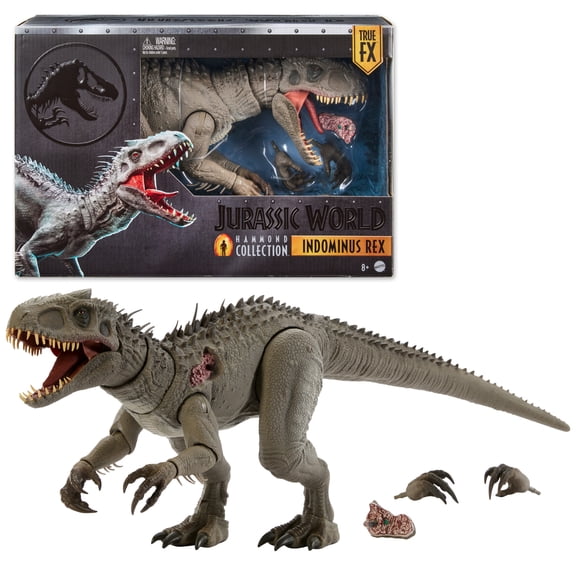
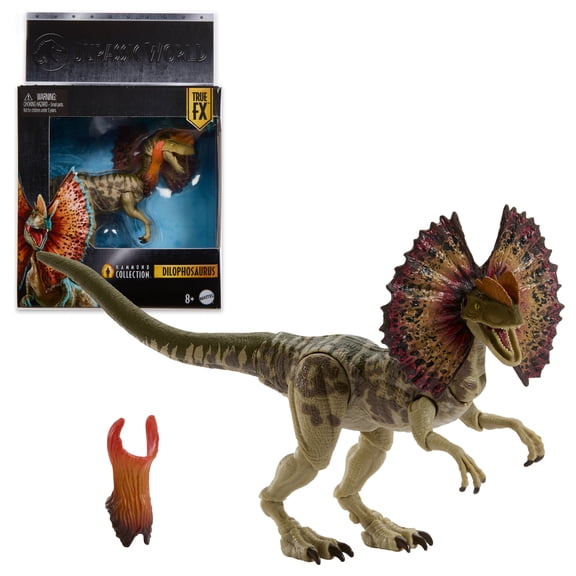
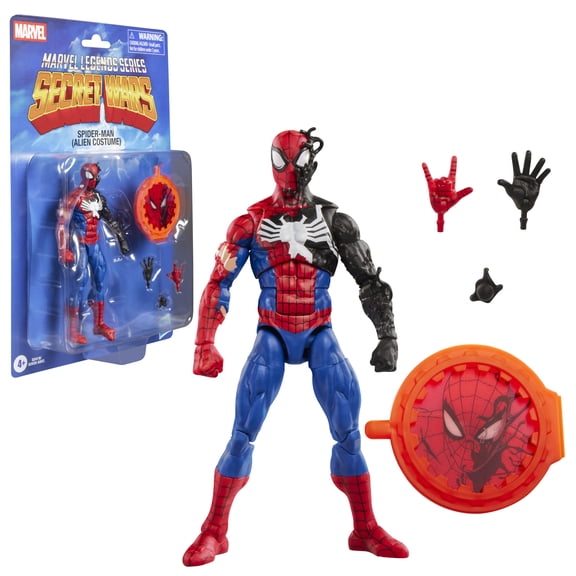
Action figures and dolls fit kids who enjoy pretend worlds and storytelling. You can build scenes, create dialogue, and mix independent play with sibling play.
Outdoor toys for 6 year olds often fit this age range because energy levels stay high. You can choose active play options that support coordination, aim, balance, and backyard fun.
STEM toys and building activities suit kids who like patterns, motion, and figuring things out. You can keep interest high with projects that let your child test ideas more than once.
During holidays, you may want holiday toys for kids 5 to 7 that cover different moods and routines. You can mix one family game, one active toy, and one creative set for more variety.
If you shop for siblings or shared spaces, player count can guide your decision. You can pick family and multiplayer toys for group time, or solo options for quieter moments.
When you compare developmental toys for kids, you should think about how play fits your week. You can choose quick activities for school nights and longer projects for weekends.
You can feel more confident when each toy matches age range, skill focus, material preference, and play style. That makes it easier for you to choose toys that keep kids engaged and learning through everyday play.