








Baby Clothes



























































About Baby Clothes - Walmart.com
Baby clothes help you dress your little one for changing days and fast routines. You can compare newborn baby clothes, infant clothing, and baby outfits by size, fabric, and closures.
If you're building a first wardrobe, you need options that match frequent changes and regular washing. You can narrow choices faster when you compare age group, material, clothing type, style, and pack size.
Choosing baby clothes by age group
When you choose sizing, you should start with your baby's age, weight, and height. You can use size charts to narrow fit before you compare prints or layers.
Preemie and newborn baby clothes usually give you gentle fits and easier access for frequent changes. As your child grows, you may want more room for movement, layering, and longer wear.
For 0-3 months through 18-24 months, you can match clothing to rolling, crawling, and early steps. You should look for stretch where your baby bends and moves most often.
What to look for in infant clothing materials
When you compare infant clothing materials, you should consider softness, warmth, and daily care. You can choose lighter fabrics for warm rooms and cozier fabrics for cooler days.
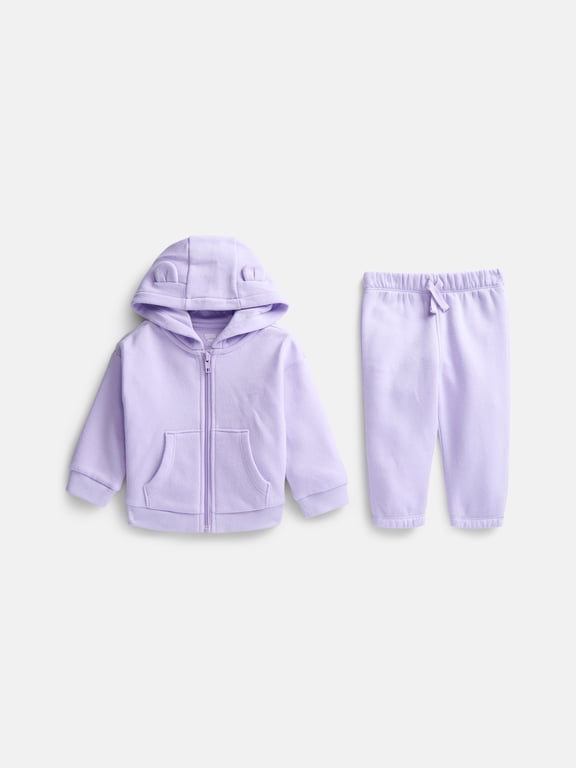
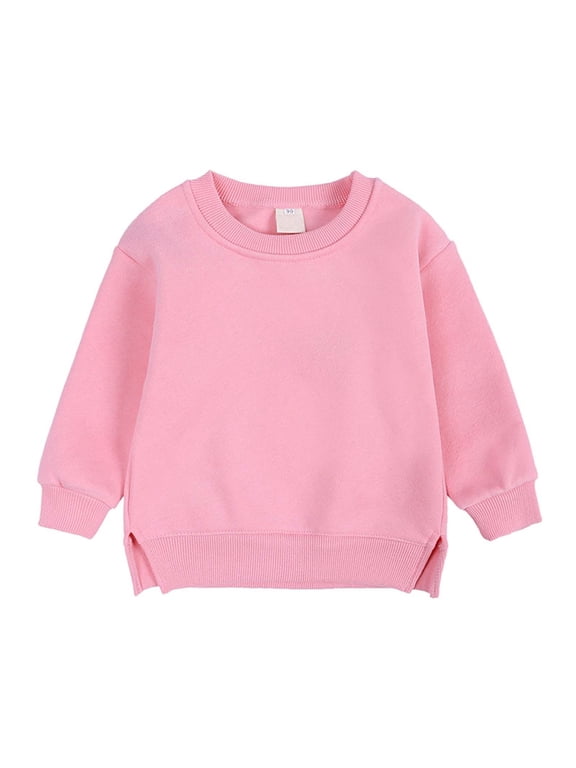
Organic baby clothes often appeal to you when you want breathable cotton with a smooth feel. Fleece can give your baby extra warmth, while knit fabrics can feel flexible during active movement.
Rayon from bamboo and spandex blends can add drape or stretch, depending on the piece. You should compare fabric details with the season and your baby's daily routine.
- You can choose organic cotton when you want a soft, breathable everyday layer.
- You can pick fleece when you need extra warmth for naps, stroller rides, or cold mornings.
- You can look for knit or spandex blends when you want added stretch for active movement.
- You can compare care details when you expect frequent washing and repeat wear.
Comparing clothing types in baby clothes
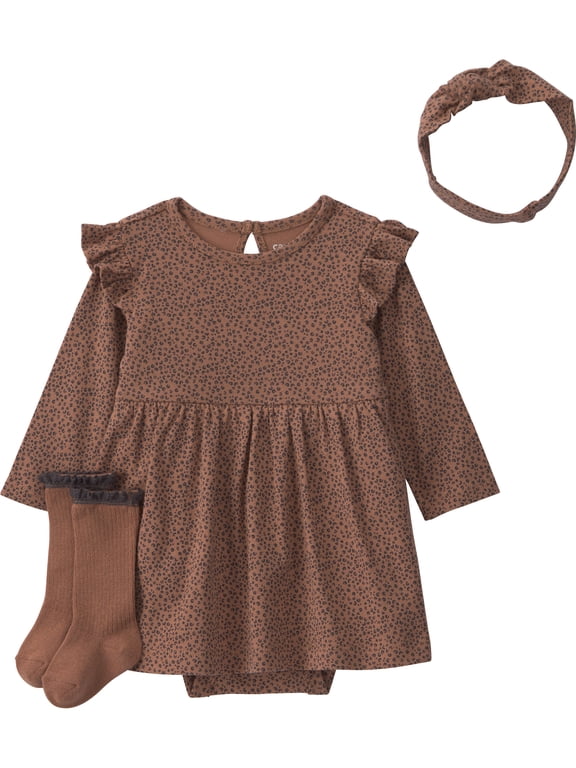
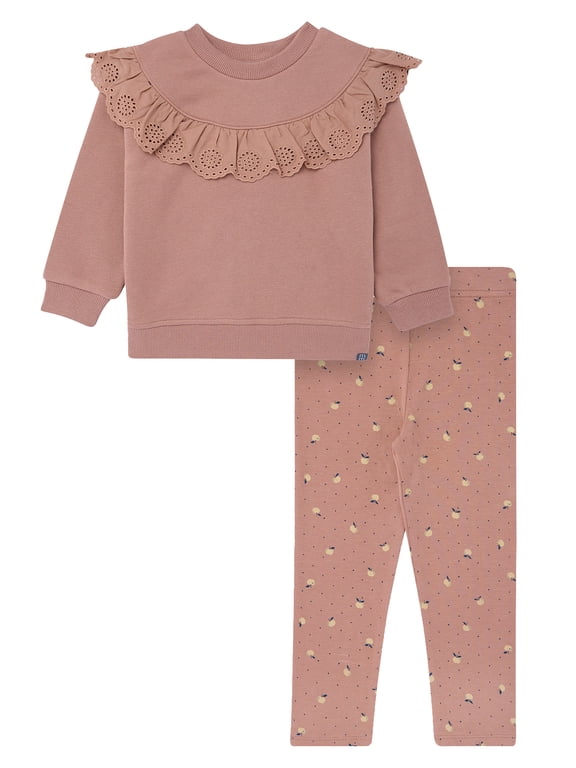
Different clothing types support different moments in your day. You can build a rotation with one-piece bodysuits, sleepers, rompers, matching sets, pants, and jackets.
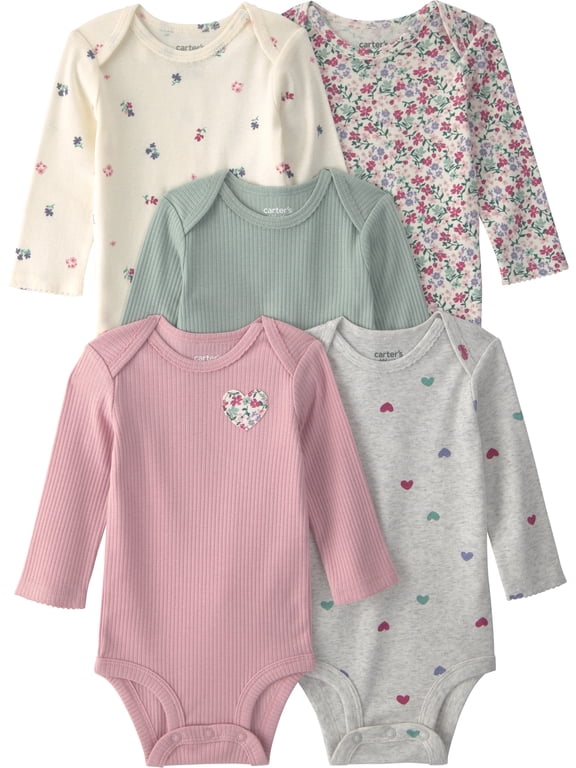
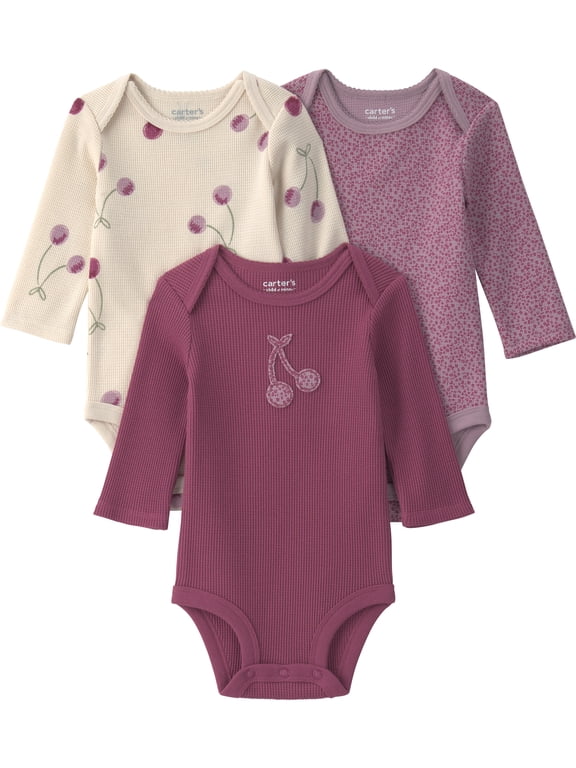
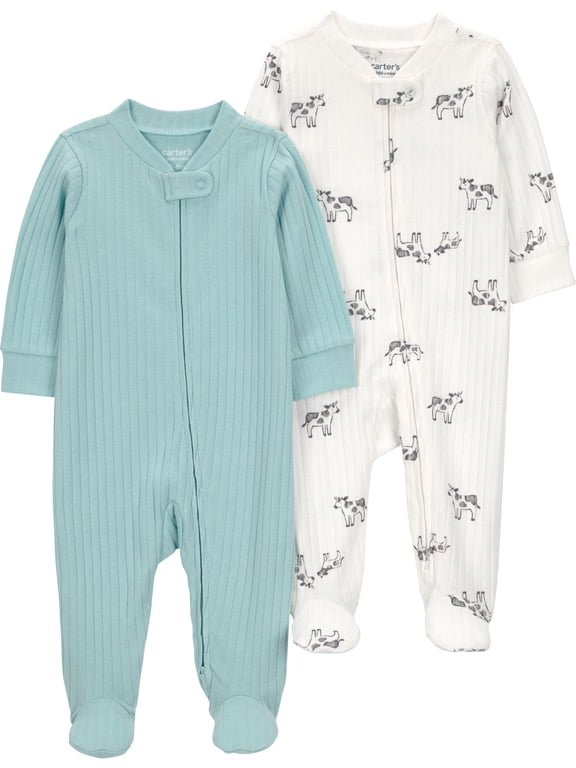
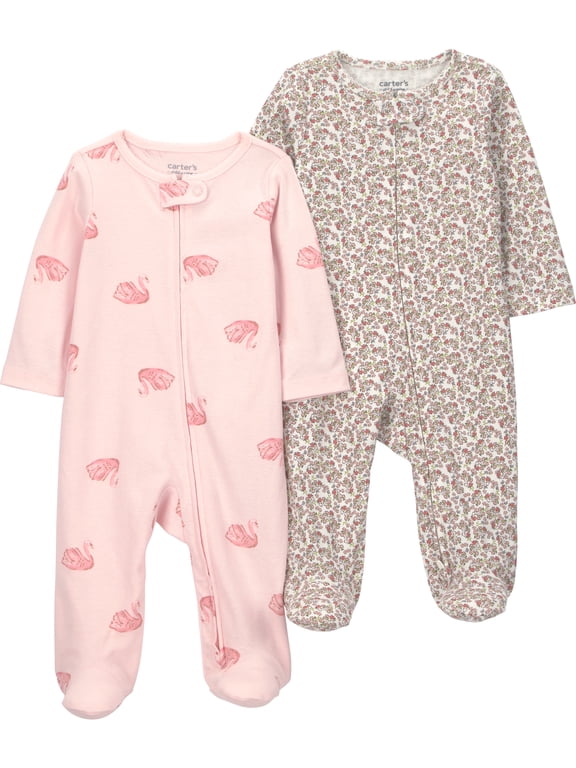
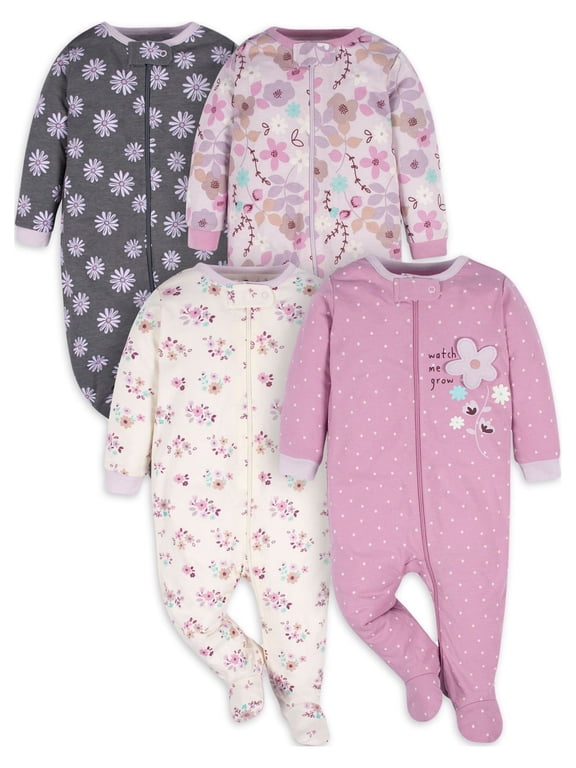
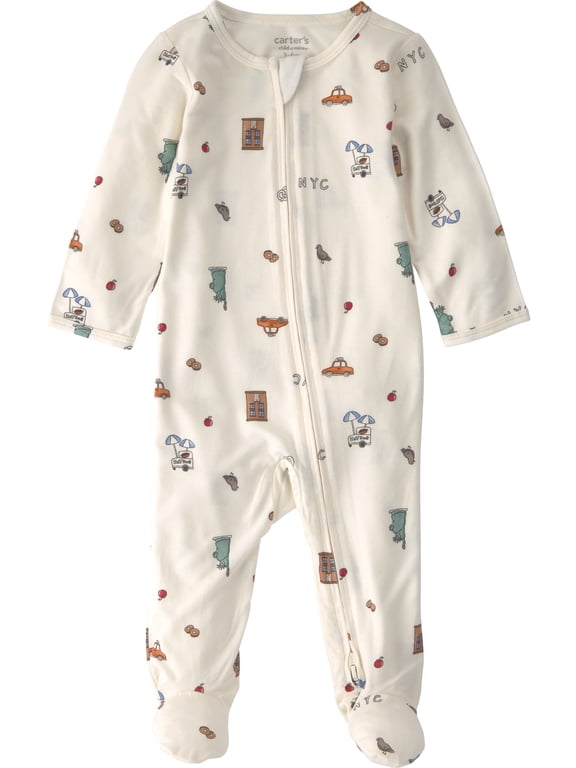
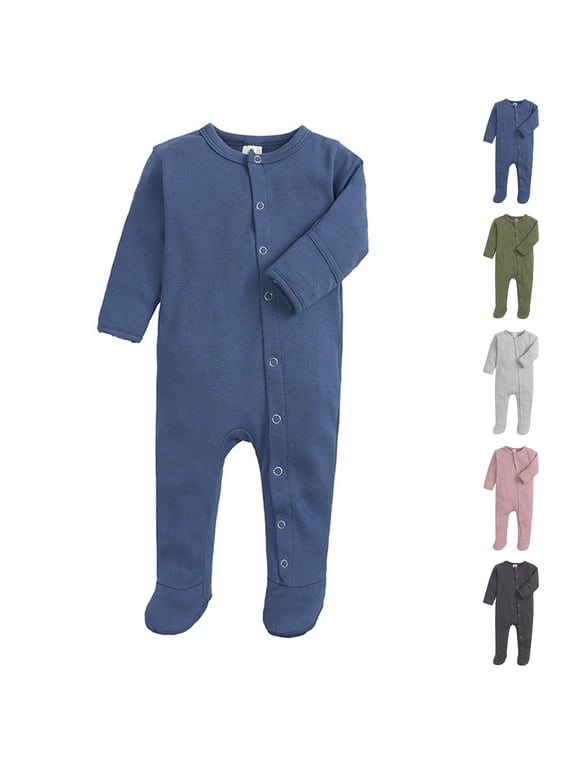
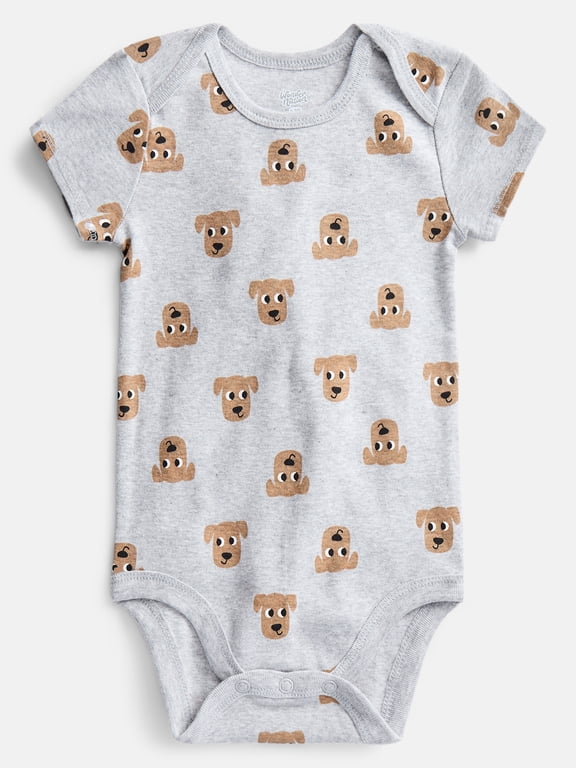
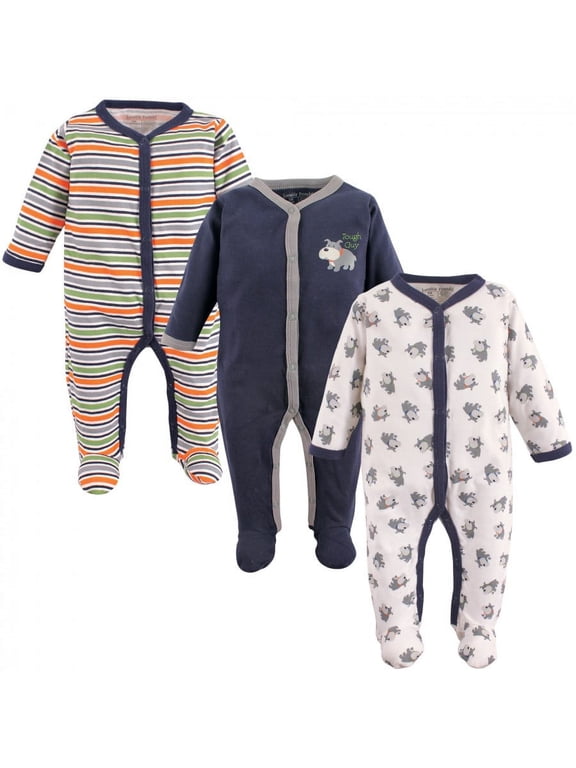
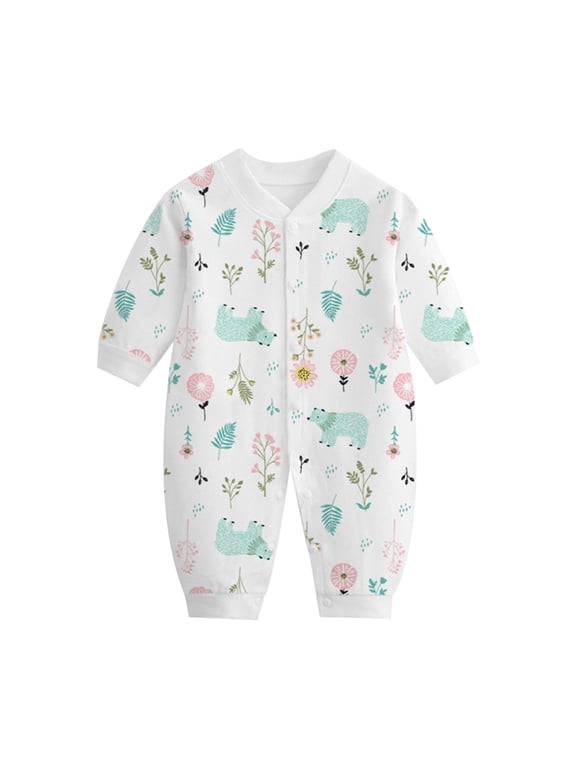
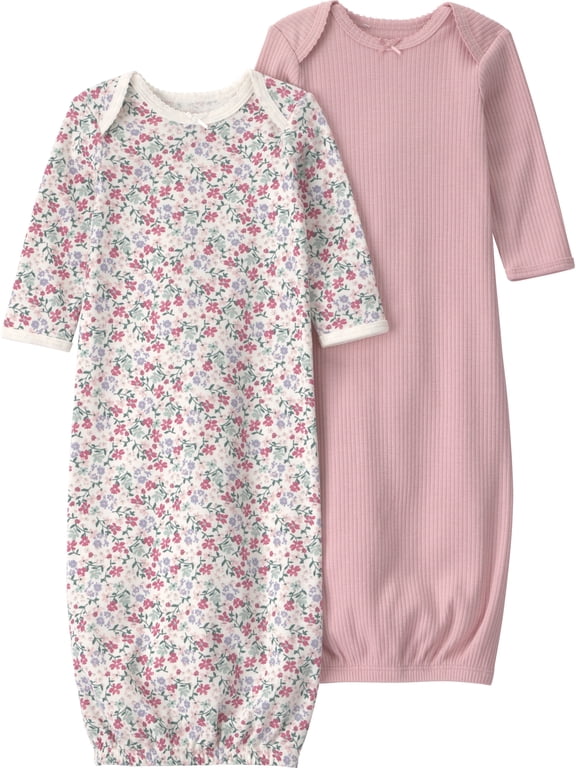
One-piece bodysuits work well when you want a simple base layer under pants or jackets. Sleepers can help you dress your baby in one piece for naps, evenings, and quieter routines.
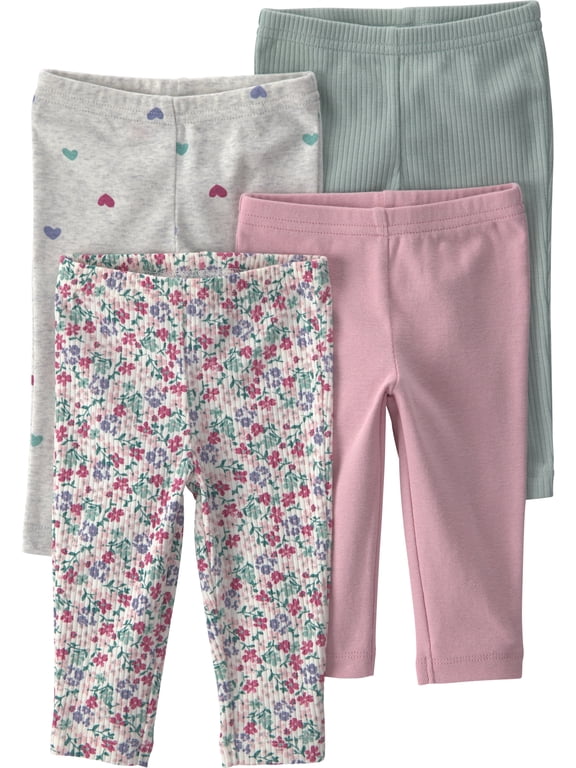
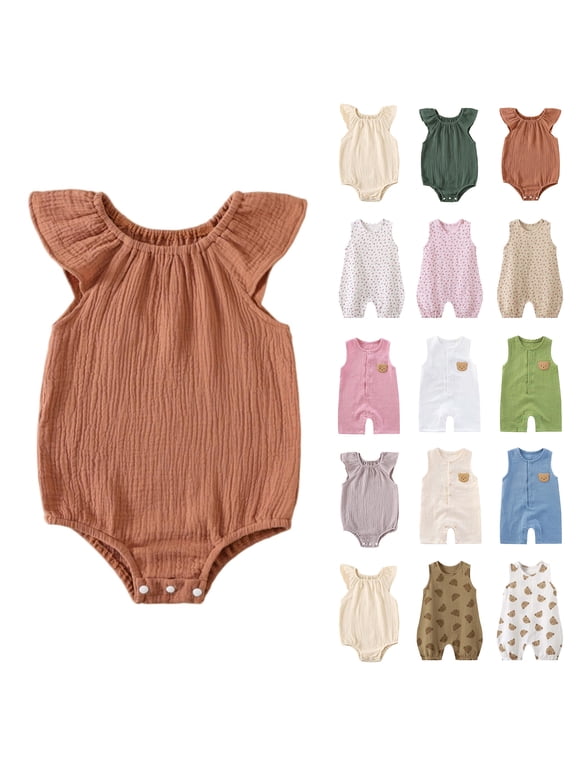
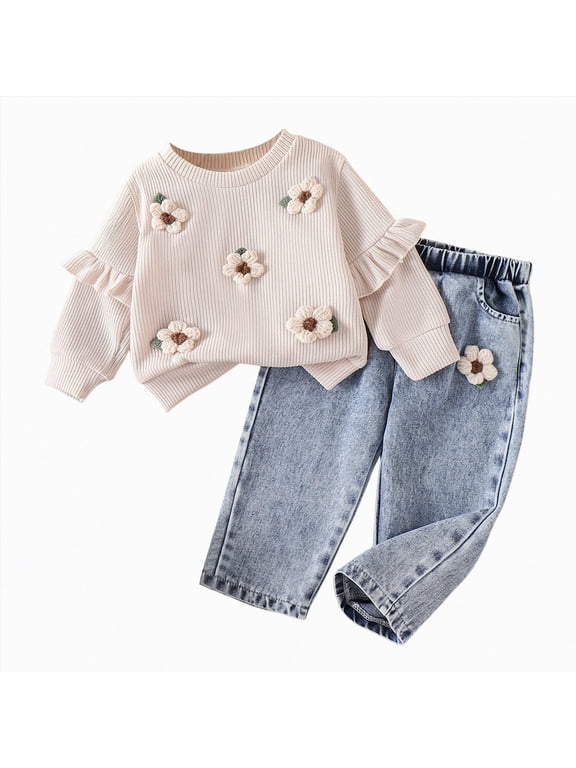
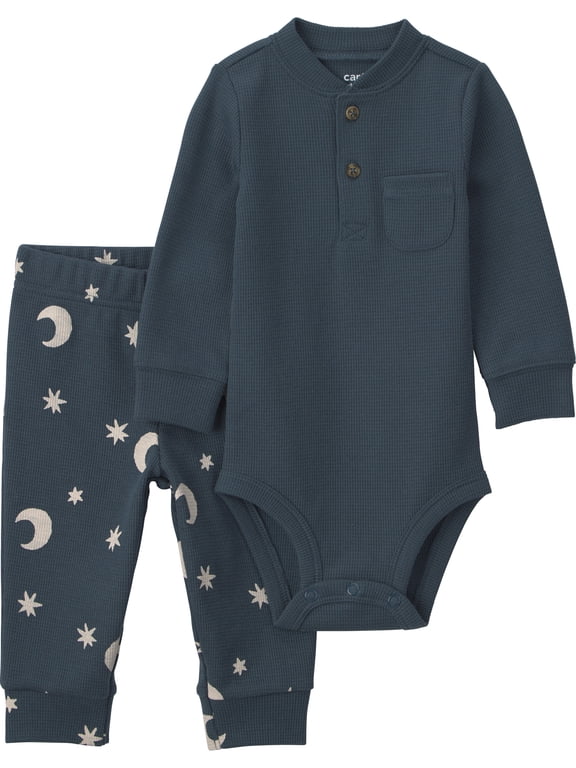
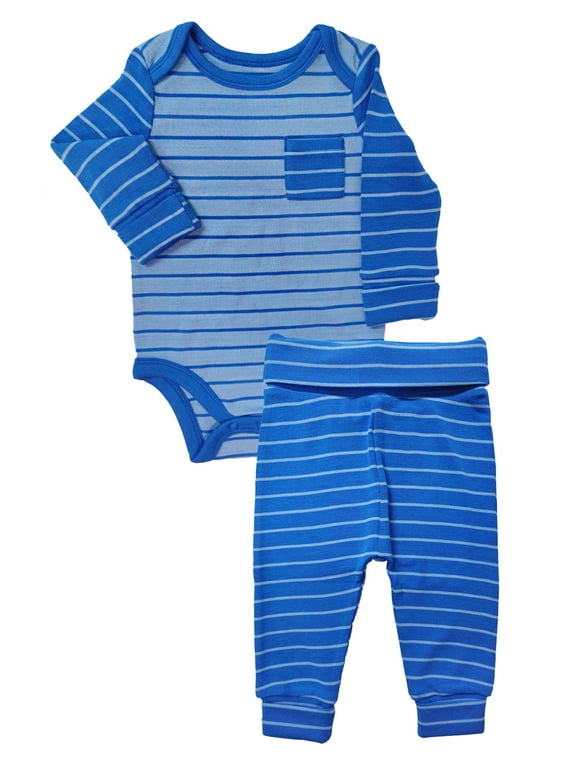
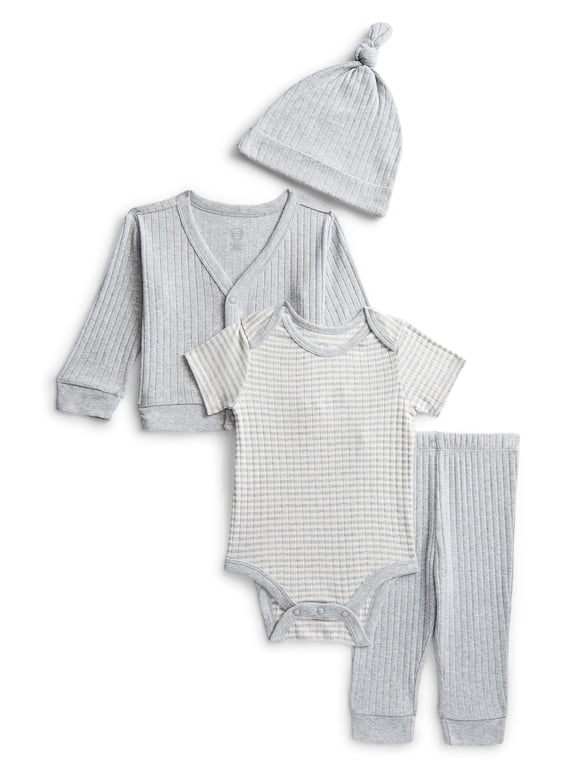
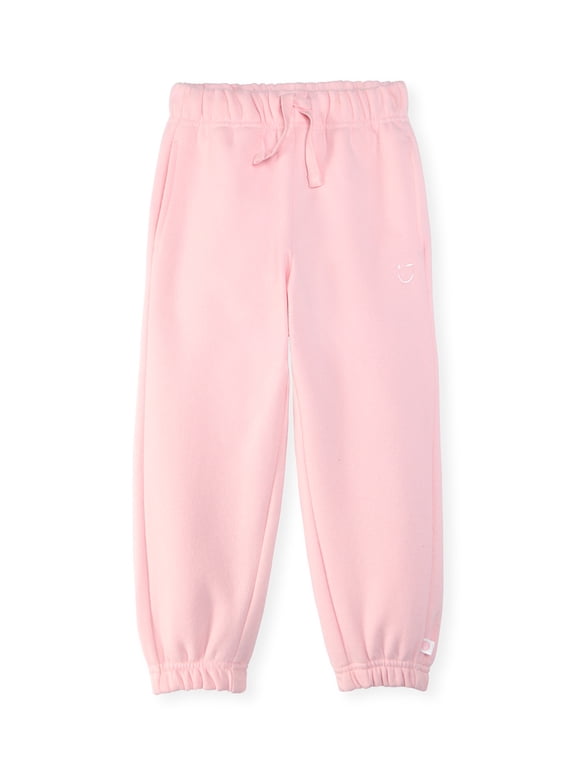
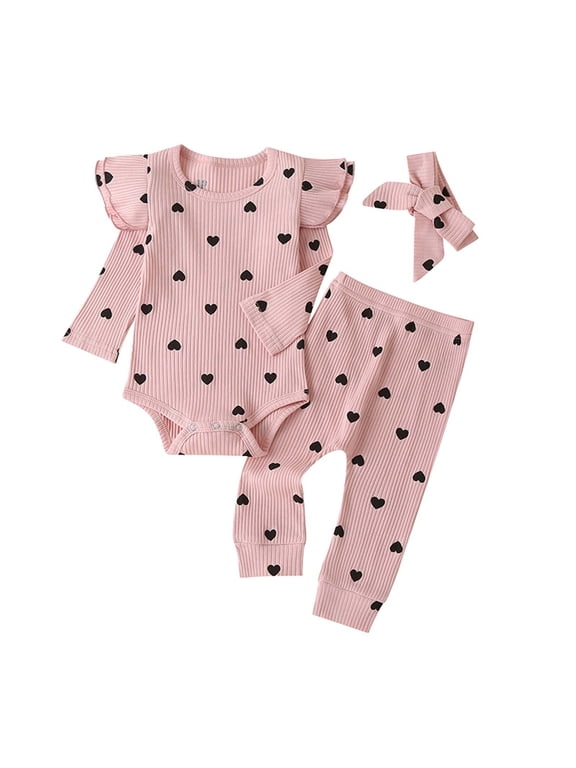
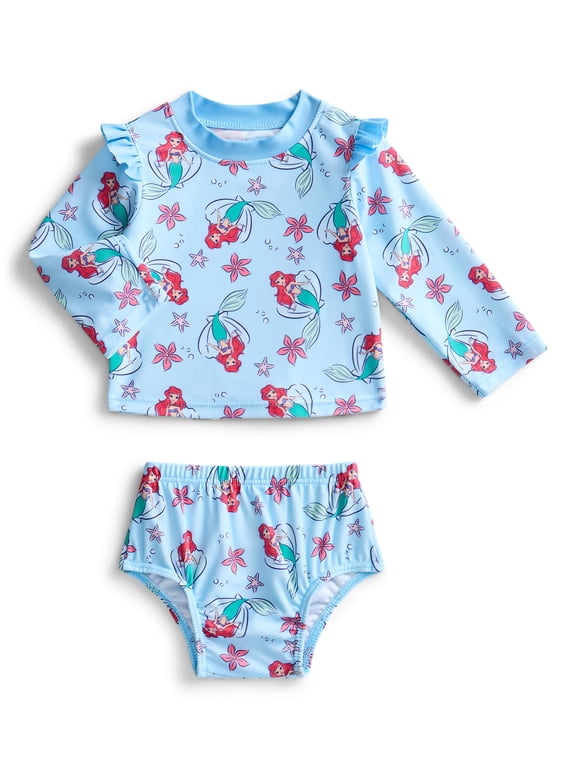
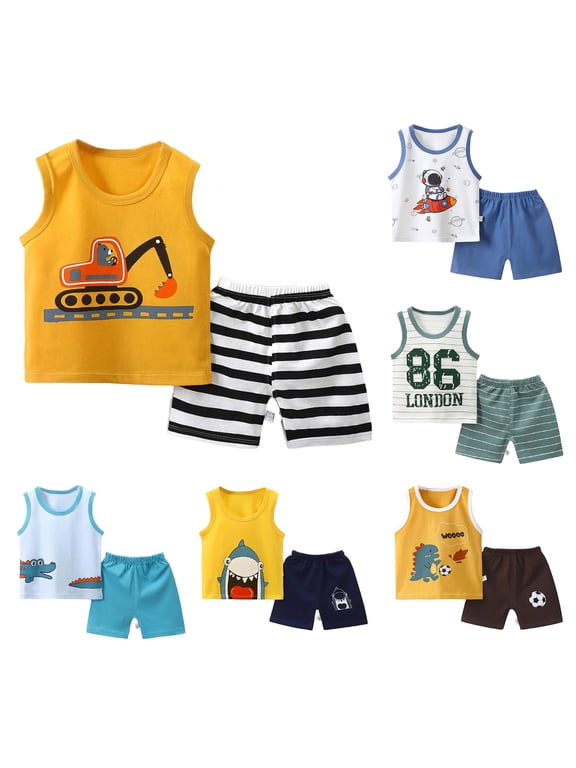
Rompers and matching sets can make daytime dressing easier when you want a coordinated look fast. Pants and jackets can help you layer for changing temperatures without replacing the full outfit.
You should also compare closures before you choose. Snaps can help you handle diaper changes quickly, while zippers can speed up dressing during busy mornings.
How to choose newborn baby clothes and closures
When you shop newborn baby clothes, you should focus on easy dressing and simple access. You can check whether neck openings, leg openings, and closures fit your routine.
Snaps often help you open just the lower half during diaper changes. Zippers can give you one fast motion when you want fewer steps at bedtime.
Some shoppers also compare magnetic closures for quick access and a smoother front. You should check product details so your preferred closure matches your dressing habits.
Choosing style, color, and pack size
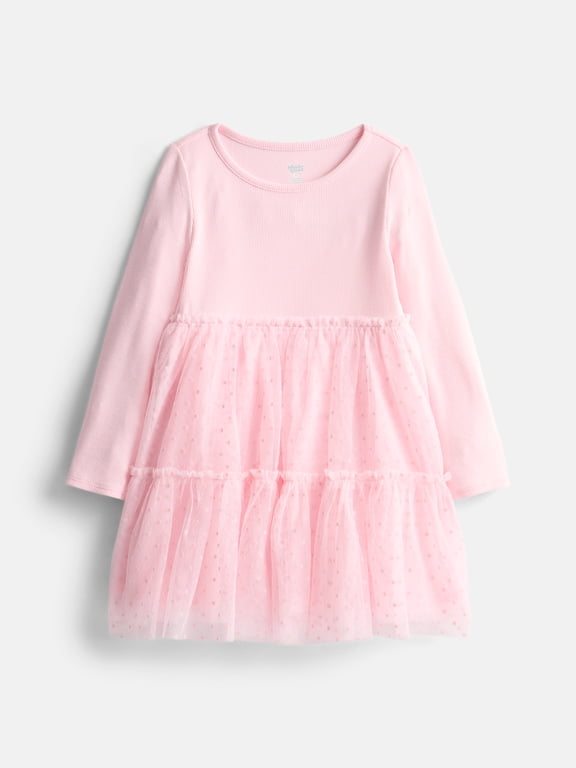
When you compare baby boy clothes, baby girl clothes, and unisex looks, you can focus on colors and prints that fit your plan. Gender neutral options can make hand-me-downs and gifting easier for you.
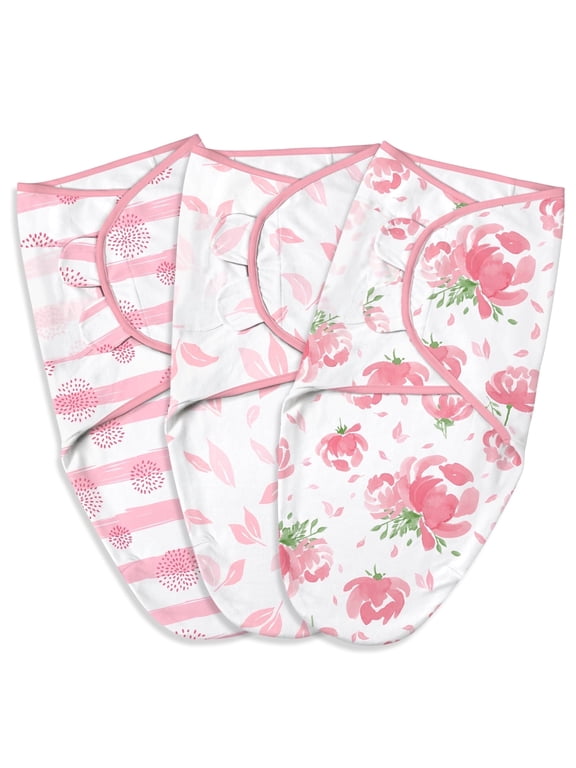
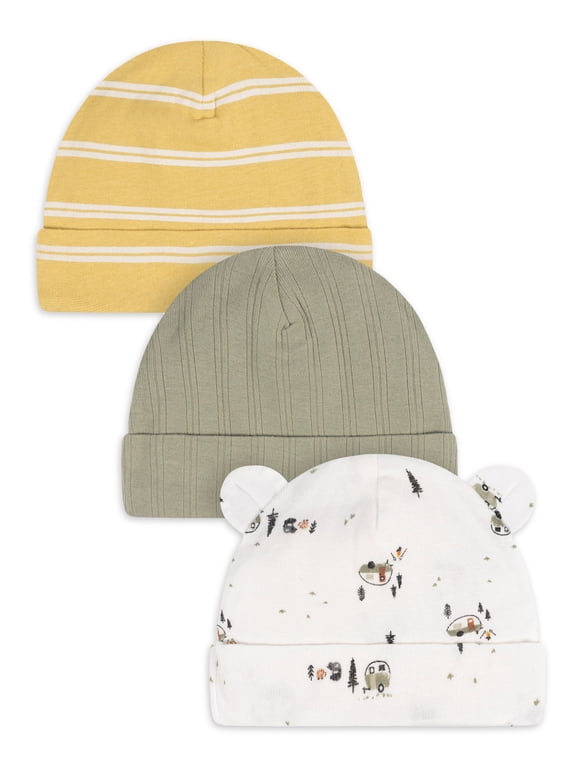
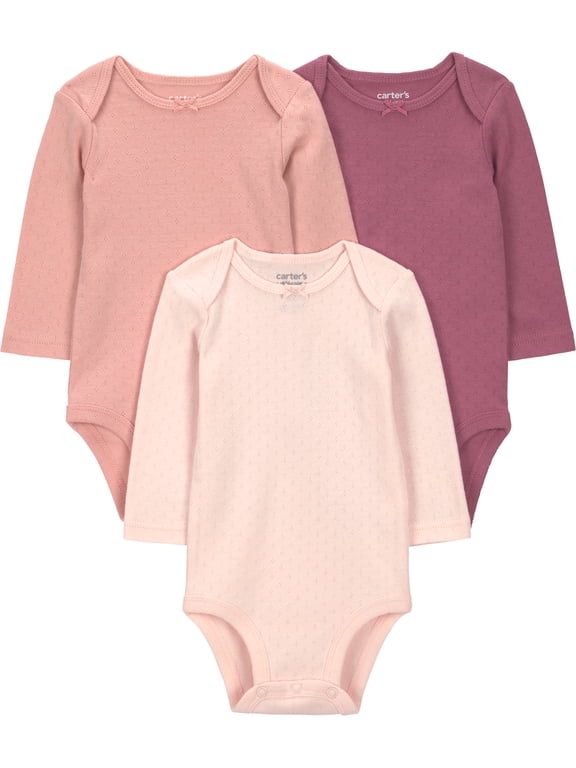
Pack size matters when you dress your baby several times a day. You can choose a single item for a specific need, or pick baby clothes multipacks for everyday rotation.
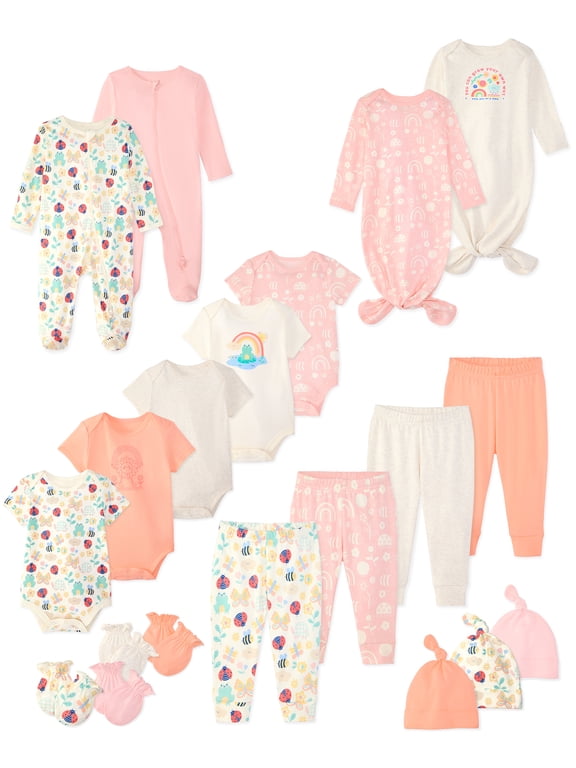
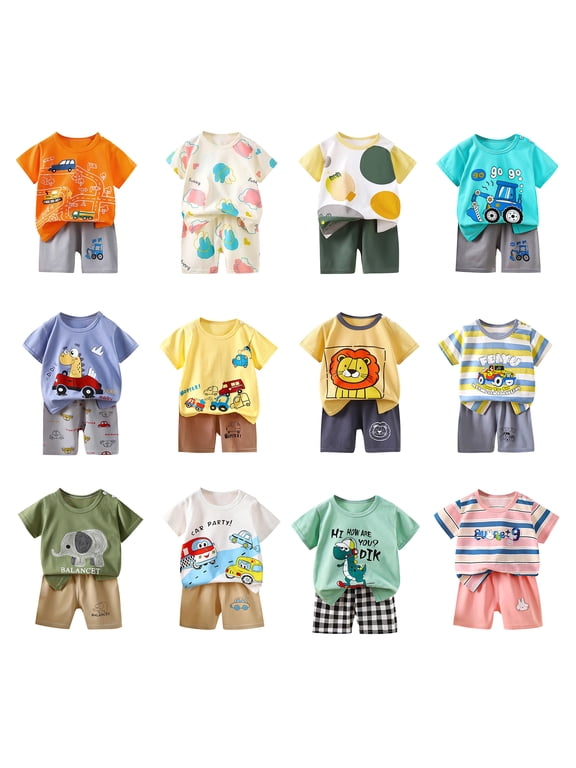
Three-pack and five-pack multipacks can help you keep clean basics ready between laundry loads. Gift sets can help you build outfits with coordinated pieces for showers or first photos.
Checking durability and wash-friendly details
Because you wash baby clothes often, you should look for fabric notes that support repeat wear. You can compare shrinkage, stretch retention, seam construction, and color hold when you narrow choices.
You'll want pieces that keep their shape after frequent washing and drying. You may also prefer prints and colors that stay consistent through everyday use.
Layering pieces like jackets, pants, and sleepers often see repeated wear each week. You should keep durability in mind if you want favorites ready for regular rotation.
Matching baby clothes to daily routines
You can build baby outfits around sleep, play, travel, and visits with family. Matching the outfit to the moment helps you choose the right fabric, closure, and layer count.
For daytime play, you may want a romper or bodysuit with stretch and quick-change access. For cooler weather, you can add pants or a jacket without making movement feel bulky.
For nighttime, you might prefer sleepers that cover more of your baby's body in one piece. For outings, you can choose matching sets that look pulled together with less effort.
If you're shopping for a registry or gift, you can compare age ranges and gift sets carefully. That approach helps you choose pieces that feel useful from the first wear.
Finding the right baby clothes for your list
When you compare baby clothes by age group, material, clothing type, style, and pack size, you can make clearer choices. You end up with pieces that fit your routine, wash well, and simplify daily changes.
That practical approach helps you build a wardrobe for naps, outings, and growth spurts. You can count on thoughtful details that make dressing and changing easier every day.