

Diagnostic Imaging Books in Medical Books























About Diagnostic Imaging Books in Medical Books - Walmart.com
Medical imaging books help you compare diagnostic imaging textbooks by modality, training level, and study goal. You can use this category to narrow titles for coursework, board review, or daily reference.
If you study radiology or support imaging workflows, you need sources that match real clinical terminology. You can focus on books that explain anatomy, pathology, imaging physics, and scan protocols in one place.
How to choose medical imaging books by modality
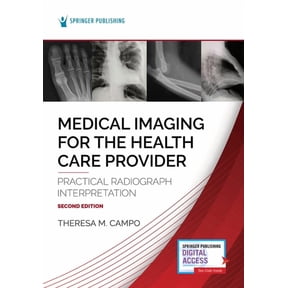
You should start with the imaging modality you use or study frequently. You can compare X-ray, MRI, CT scan, ultrasound, and nuclear medicine titles by how deeply they cover positioning, image production, and interpretation basics.
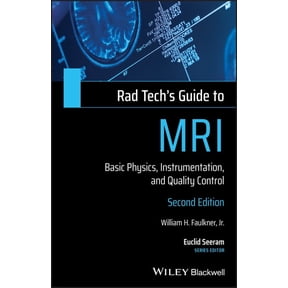
When you choose X-ray texts, you may want positioning diagrams, exposure concepts, and anatomy labeling. If you choose MRI study guides, you should look for sequence explanations, cross-sectional anatomy, and protocol planning.
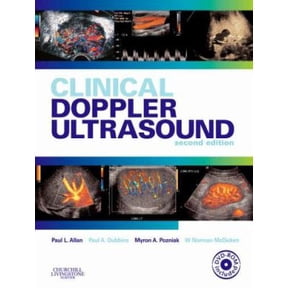
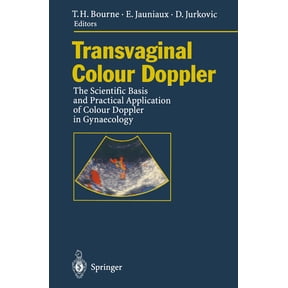
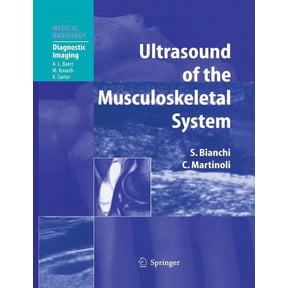
CT scan books often help you review sectional anatomy, contrast workflow concepts, and scanner terminology. Ultrasound textbooks can help you compare sonographic views, organ landmarks, and image optimization concepts.
Nuclear medicine references usually fit shoppers who need tracer terminology, imaging workflow context, and exam-specific review. You can use modality-specific books to avoid broad coverage that skips the details you actually need.
What to look for in medical imaging books for your level
You should match your book to your current training stage before you compare formats or topics. Student textbooks usually give you structured chapters, review questions, and foundational explanations for classroom learning.
Clinical reference books often support quick lookups during rotations, labs, or department training. You may prefer these titles when your work calls for protocol reminders, anatomy tables, or modality-specific terminology.
Board review study guides fit you when you need focused exam preparation instead of full-length instruction. You can look for ARRT, ABR, or RDMS alignment when your goal is organized review by domain.
- You can use student textbooks for step-by-step learning and chapter-based study plans.
- You can choose clinical references when your priority is fast access to protocols, anatomy, and imaging terms.
- You can select board review guides when you want condensed outlines, practice questions, and exam-focused coverage.
- You can compare mixed-audience titles if you need both classroom instruction and quick professional refreshers.
You should also check whether the reading level matches your current coursework or workplace needs. A text that fits your level can make dense imaging concepts straightforward to review and retain.
Choosing subject focus, format, and publication currency
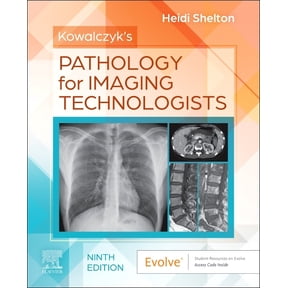
You can narrow medical imaging books quickly when you compare subject focus first. Anatomy titles help you recognize structures on images, while pathology books connect image findings with disease patterns and case examples.
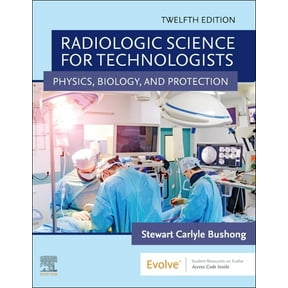
If you need technical foundations, you should look for books on physics of imaging. These titles can explain signal behavior, image formation, equipment concepts, and scanning variables in clear terms.
Clinical protocol books fit you when you need workflow guidance, positioning steps, and modality-specific exam setup. You can use them to review common sequences, views, or department routines before class or lab.
Format matters when you study in different settings throughout your week. Hardcover books can suit your desk, paperback books can travel easily, eBooks can support searchable review, and spiral-bound books can stay open during note-taking.
You should also compare publication dates and edition details before you decide. Recent editions can help you track updated terminology, current imaging technology, and revised clinical guidelines.
How medical imaging books fit your study and work goals
You may need diagnostic imaging textbooks for a semester course, a certification plan, or a departmental refresher. You can build a highly useful library when your titles match both your modality and your immediate objective.
If you study for class, you may want chapter summaries, illustrations, and end-of-chapter questions. If you prepare for boards, you might prefer concise review sections, mock questions, and modality-based content maps.
You can use radiology reference books when you need terminology support during labs or clinical placements. You can also pair ultrasound textbooks with anatomy reviews when your coursework blends image acquisition and structure identification.
MRI study guides may fit you when you need cross-sectional anatomy and sequence-focused review in one resource. CT titles can suit you when your learning centers on protocols, anatomy slices, and scanner workflow language.
If your responsibilities span several imaging areas, you may prefer broader medical imaging books with multi-modality coverage. That approach can help you connect shared imaging principles across X-ray, MRI, CT, ultrasound, and nuclear medicine.
You can shop this category with a focused plan when you compare modality, audience level, format, and subject focus together. The right combination helps you study with material that matches your coursework, exam path, or clinical routine.