

Keto Products & Low-Carb Foods | Walmart










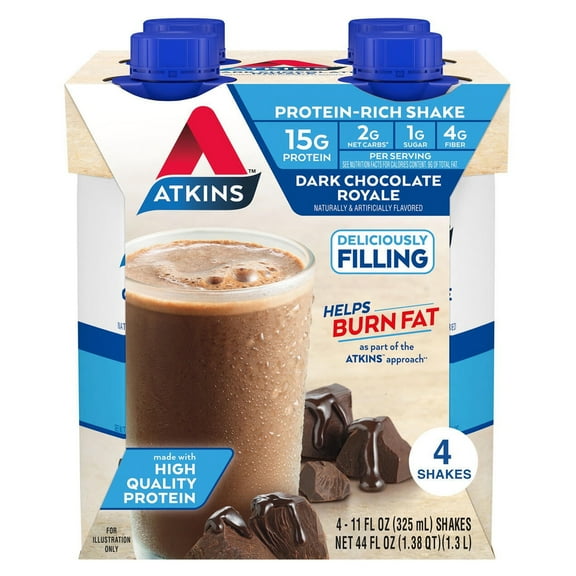

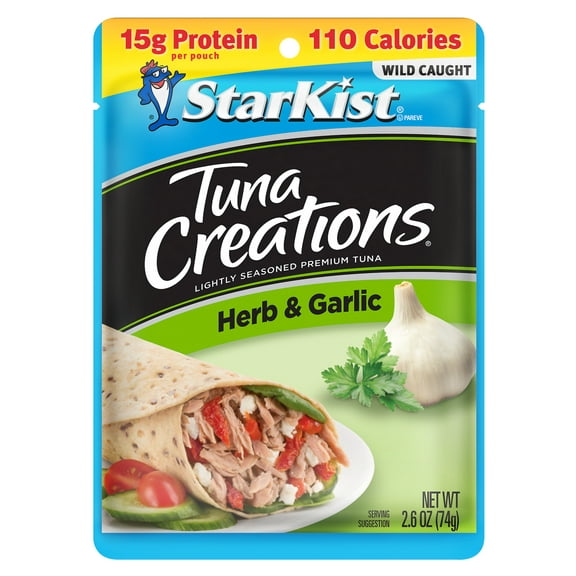
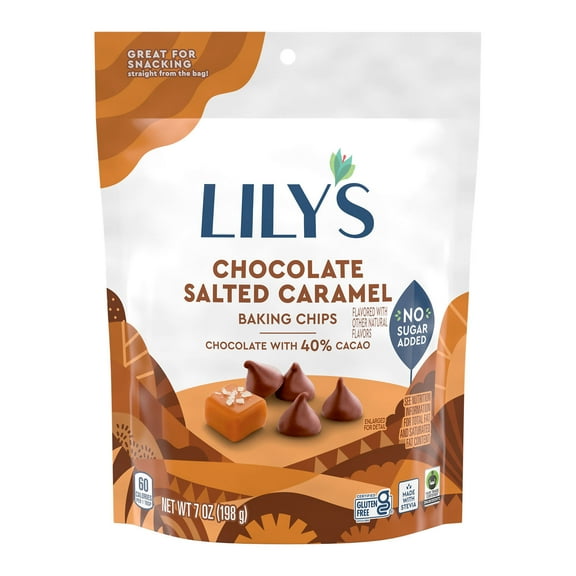
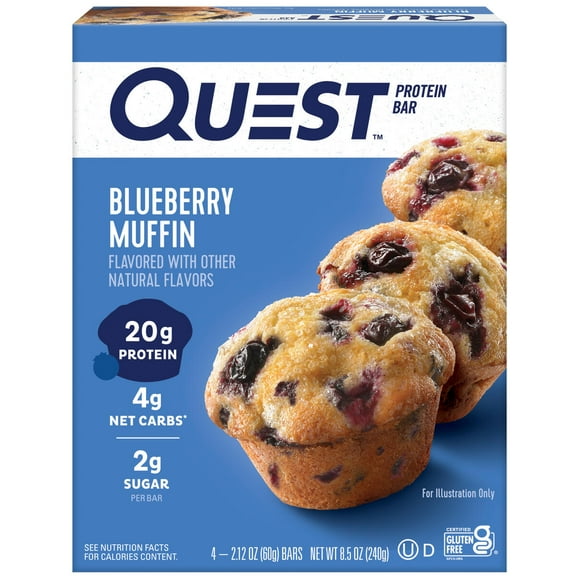



About Keto Products & Low-Carb Foods | Walmart - Walmart.com
Keto foods help you stock your pantry with lower carb choices that fit everyday meals, snacks, and baking plans. You can compare net carbs, sweeteners, and formats more easily when you shop this category in one place.
If you're building a keto routine, you may want more than protein bars and shakes. You can also find pantry staples, condiments, baking ingredients, and ready-to-eat options that support simpler meal planning.
How to choose keto foods
When you compare keto foods, you should start with net carbs per serving. You can calculate net carbs by checking total carbs, then subtracting fiber and certain sugar alcohols.
That number helps you sort low carb foods from items that only look keto friendly on the front label. You should also check serving size, because small servings can make carb counts look lower.
As you review ketogenic diet foods, you may also compare ingredients in plain language. You can look for shorter ingredient lists, familiar pantry ingredients, and sweeteners that match your preferences.
- You can use pantry staples for sauces, dressings, and quick weeknight meals.
- You can keep keto snacks nearby for work bags, lunch boxes, and between-meal cravings.
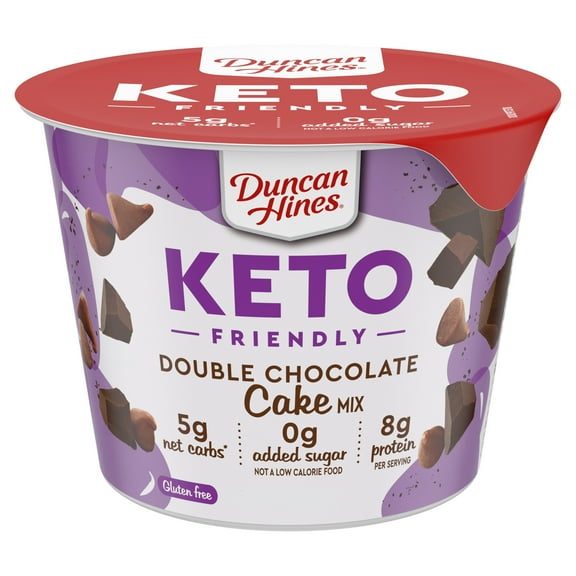
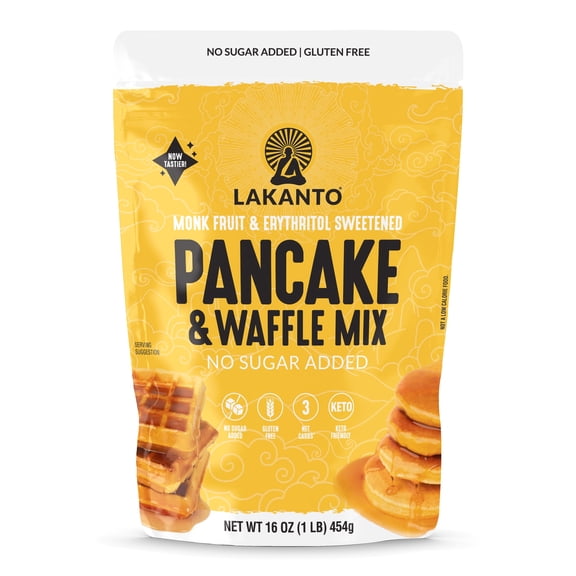
- You can use baking ingredients to make cookies, muffins, pancakes, and dessert mixes with lower carb goals in mind.
- You can compare condiments to add flavor without loading meals with added sugars.
Choosing by food category and format
You should first decide how you plan to use your keto grocery items during the week. You can narrow choices faster by shopping pantry staples, snacks, baking ingredients, or condiments.
Pantry staples can help you build meals with less guesswork. You might choose pasta alternatives, cooking oils, nut butters, or shelf-stable basics for repeat recipes.
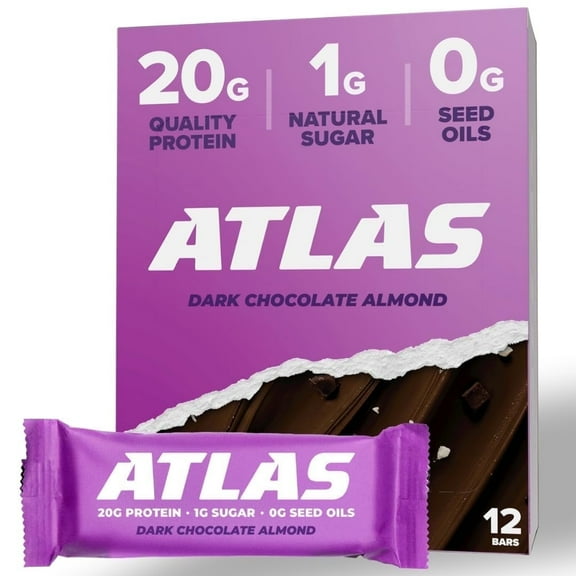
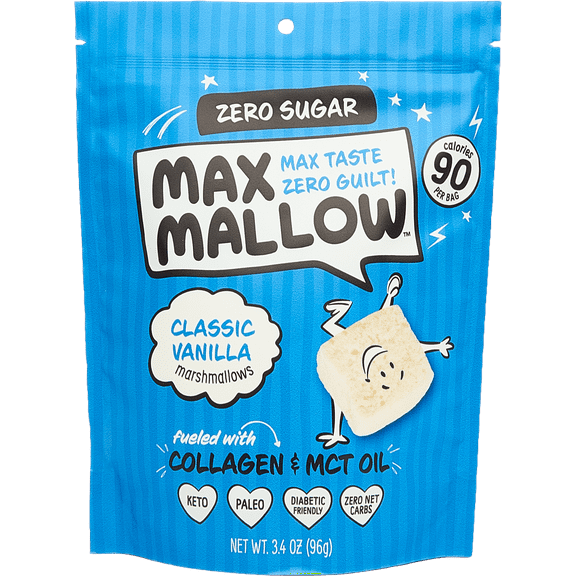
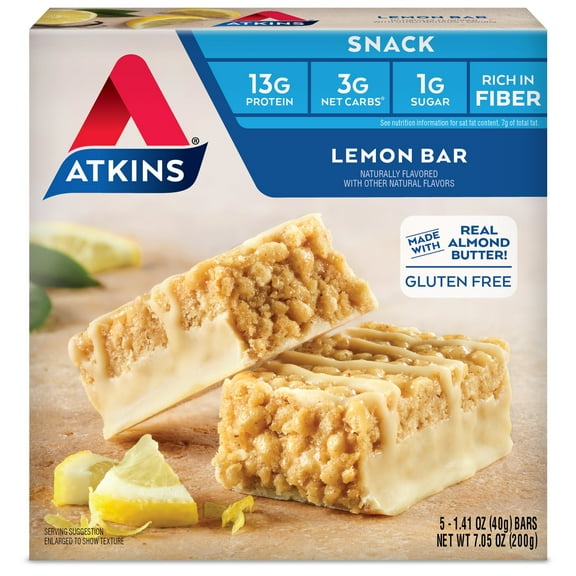
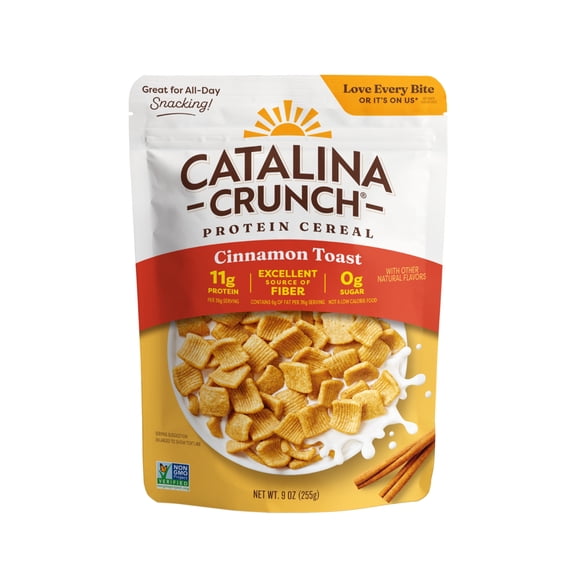
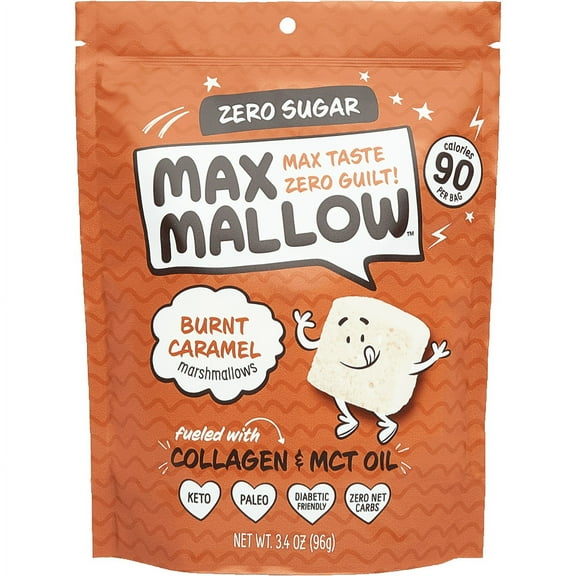
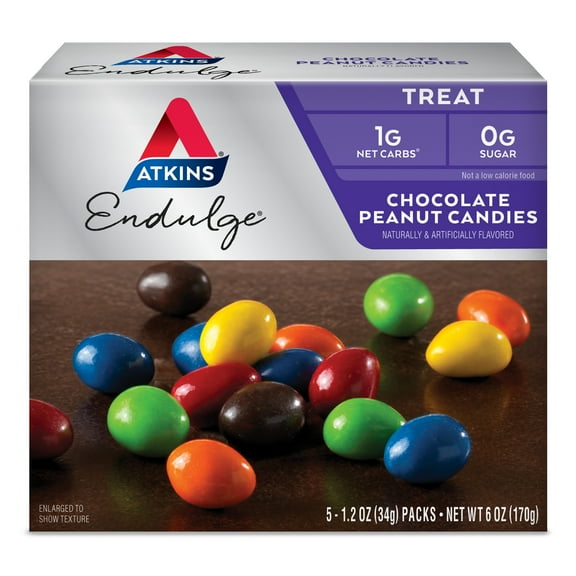
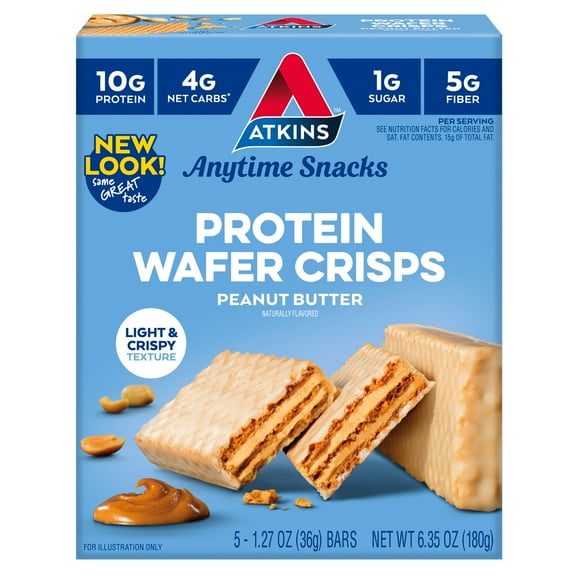
Keto snacks work well when you want portion-friendly options that travel easily. You may compare bars, crisps, nuts, cookies, and other low carb snacks for texture and convenience.
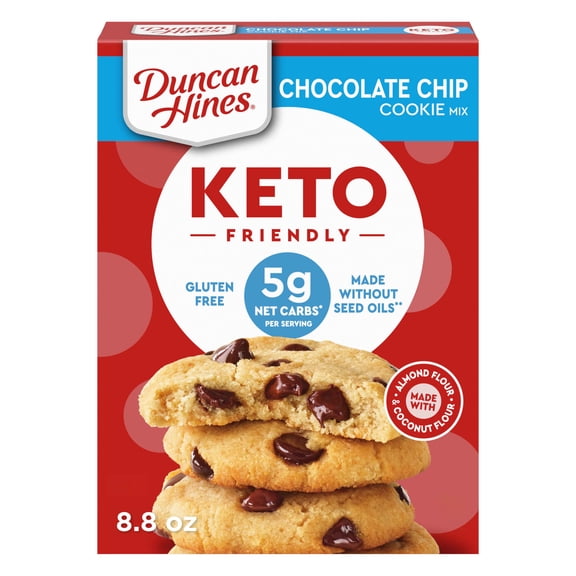
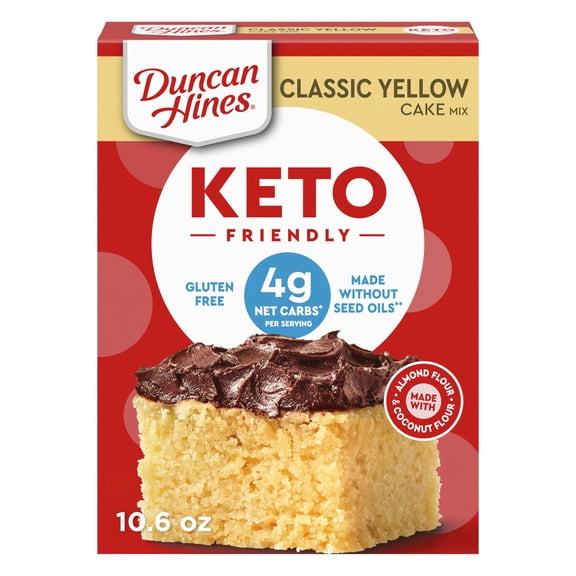
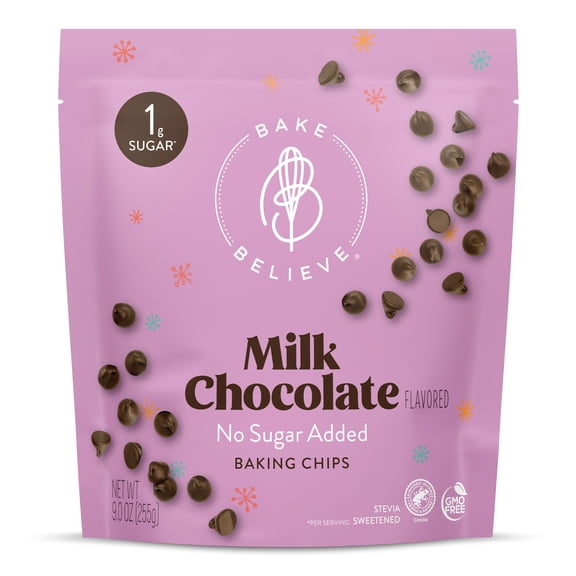
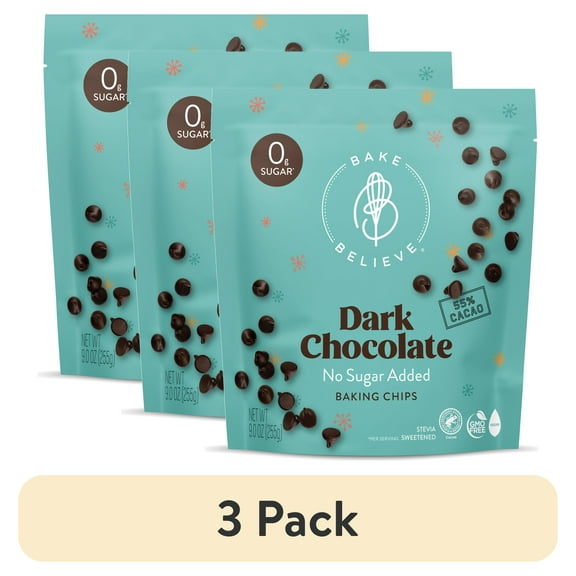
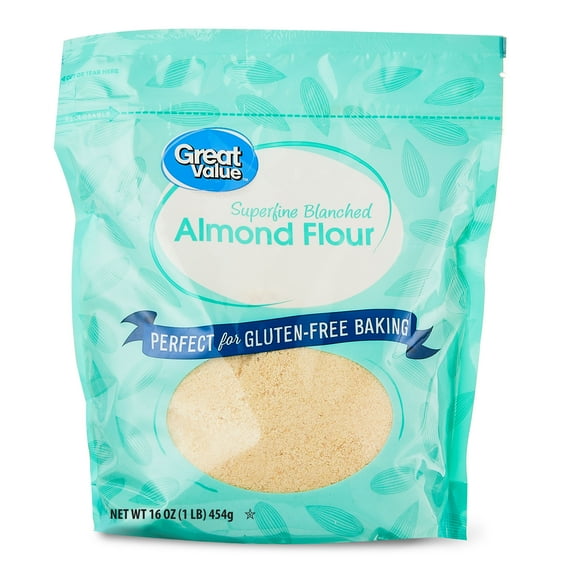
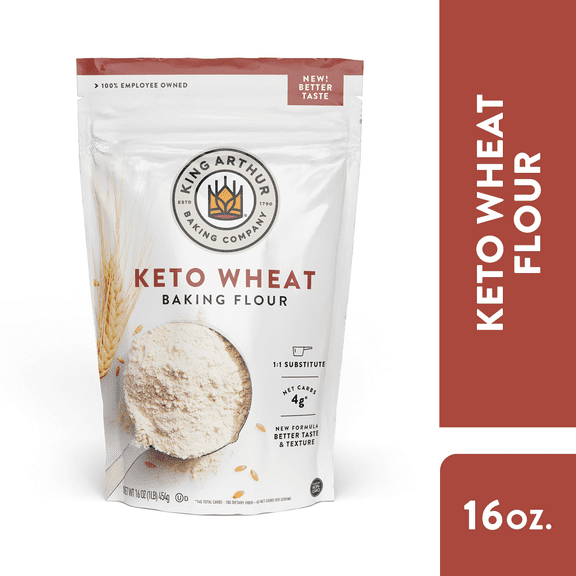
Baking ingredients matter when you like making your own treats or breakfast items. You can look for almond flour, coconut flour, baking mixes, and sugar alternatives for home recipes.
Condiments can make simple proteins and vegetables feel less repetitive. You should compare marinades, sauces, syrups, and spreads by carb count and ingredient style.
Format also changes how you shop and store items. You can choose ready-to-eat foods for speed, meal prep options for planning, or mixes for flexible portions.
Comparing carb count and sweetener types
You should check whether an item is zero carb, low carb, or under five grams net carbs. That decision can shape how you build meals, snacks, and desserts across the day.
Some shoppers prefer very low numbers for tighter planning. Others may choose a wider range of keto friendly foods when they want more variety in flavors and textures.
Sweetener type is another key decision when you shop keto snacks or baking staples. You can compare stevia, erythritol, monk fruit, and allulose based on taste and recipe use.
Stevia often fits shoppers who want a plant-based sweetener in drinks or tabletop packets. Erythritol and allulose often appear in baked goods, chocolate, and dessert mixes.
Monk fruit can work well when you want sweetness without regular sugar. You should still read the full ingredient list, because blends may include more than one sweetener.
If you compare labels closely, you can understand how sugar alcohols affect net carb math. You may notice that different products handle sweetness, texture, and aftertaste in different ways.
Checking ingredients and dietary preferences
You may hear clean keto and dirty keto when you read about food choices. In simple terms, you can think of that as whole-food leaning options versus more processed convenience picks.
Neither label replaces reading the ingredient panel for yourself. You should look for the balance of convenience, flavor, and ingredients that fits your routine.
Dietary preferences can narrow your options even further in this category. You can compare gluten-free, dairy-free, vegan, or non-GMO choices alongside carb counts and formats.
If you avoid gluten, you should confirm that flour blends and snack ingredients match your needs. If you avoid dairy, you can focus on plant-based mixes, spreads, and snack options.
Vegan shoppers may want keto grocery items that skip dairy, eggs, and gelatin. You can also compare pantry ingredients that work for both keto goals and plant-forward cooking.
Shelf life matters when you stock up on specialty foods. You should check whether baked goods need pantry storage, refrigeration, or quicker use after opening.
Using keto snacks and pantry staples every day
You can build faster breakfasts when you keep mixes, sweeteners, and spreads on hand. You might use low carb foods for pancakes, coffee add-ins, or yogurt toppings.
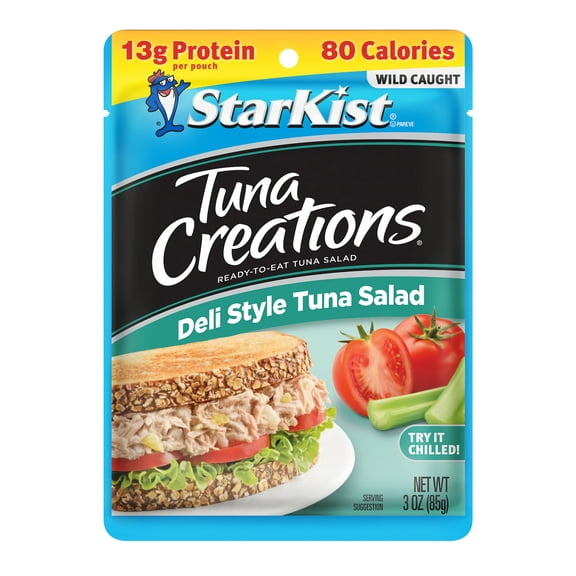
For lunch, you can pair condiments and crunchy keto snacks with simple proteins and vegetables. You may also keep ready-to-eat options at your desk for busy afternoons.
Dinner planning gets easier when your pantry already includes sauces, coatings, and baking basics. You can use those staples to change up bowls, casseroles, or sheet pan meals.
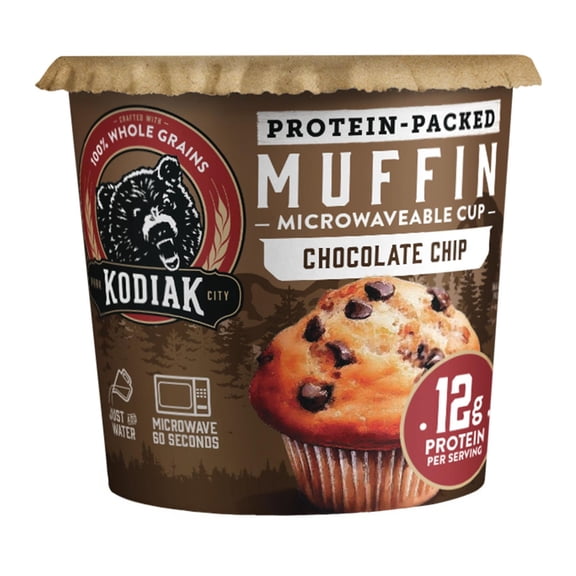
If you like to bake, you can compare flour substitutes and sweeteners before you start. You should match mixes and ingredients to the texture you want in muffins, cookies, or brownies.
Travel and on-the-go routines call for different choices than home cooking does. You can focus on portable low carb snacks, resealable packaging, and items with straightforward storage.
When you shop this category with net carbs, ingredients, and shelf life in mind, you can choose with more clarity. You end up with keto foods that fit your meals, your schedule, and your pantry space.