



















SNAP
Provides food & nutrition benefits to eligible people & families.

 Pickup or delivery?Pickup or delivery?
Baby formula and baby feeding accessories help you plan each stage with less guesswork. You can compare formula stages, bottle options, and mealtime tools in one place.
As you prepare for a newborn or support a growing child, you need choices that match age, feeding style, and routine. You can also find baby eating supplies that fit bottle feeding, early solids, and self-feeding.
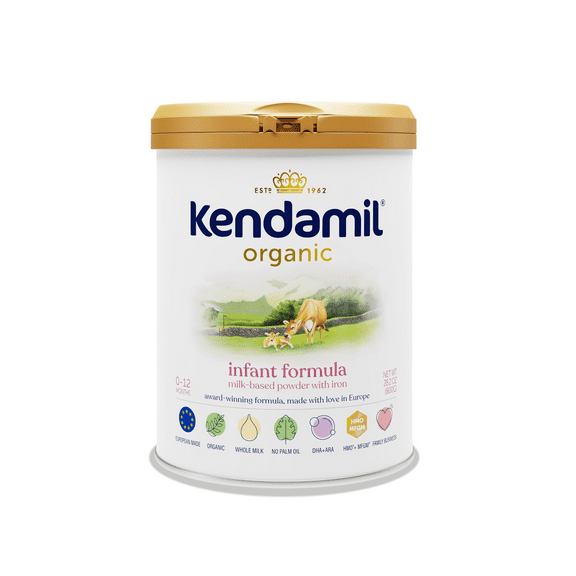
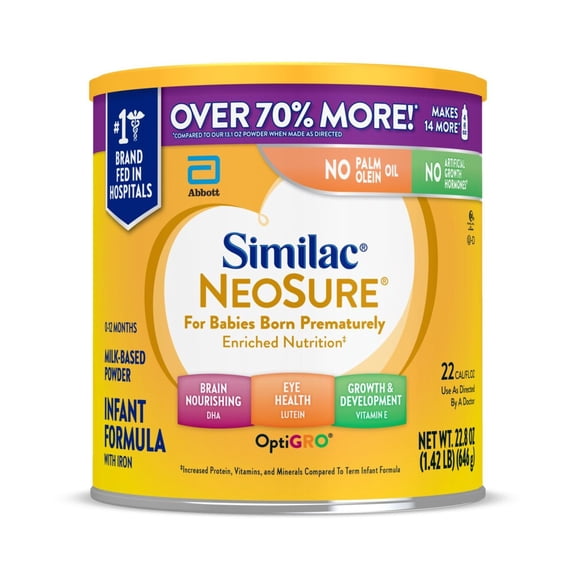
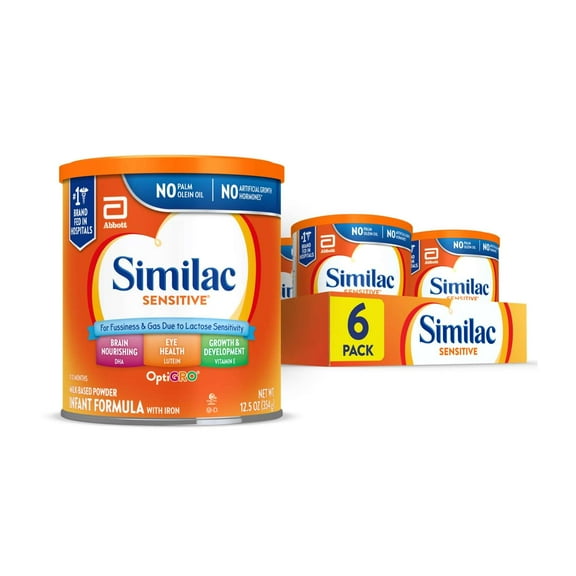
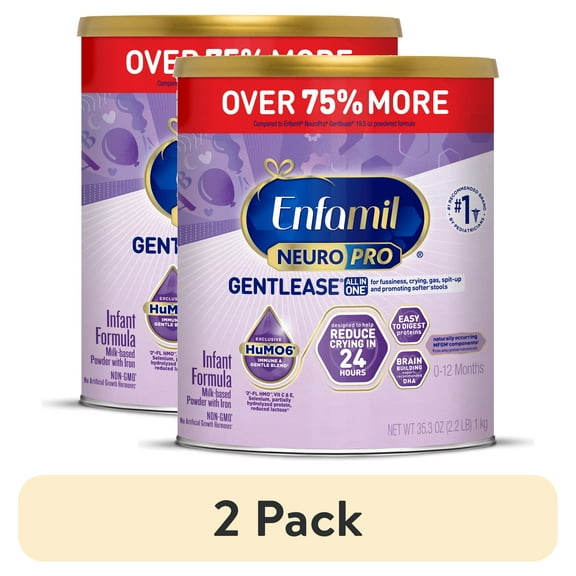
You should start with formula stage, because age and feeding routine guide your decision. You can compare Stage one, Stage two, Stage three, and toddler transition options more clearly.
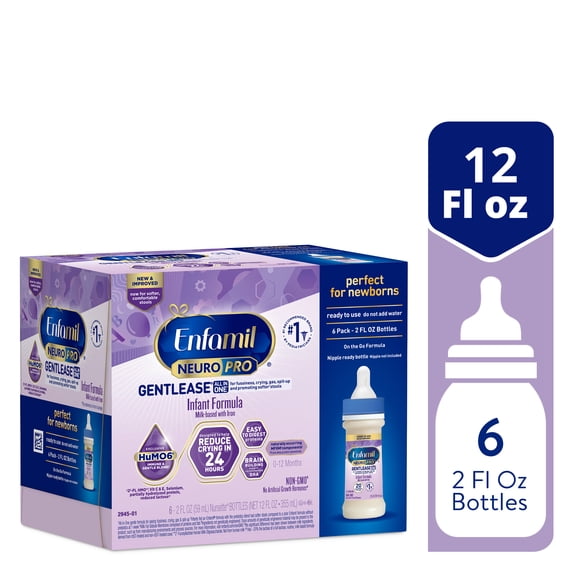
If you’re planning ahead, Stage one options fit early feeding needs from birth through the first months. As your child grows, you can move to later stages that align with changing routines.
You may also compare dietary preferences like organic, sensitive or gentle, hypoallergenic, soy-based, and non-GMO options. Your choice often depends on ingredients, format, and the feeding plan you follow.
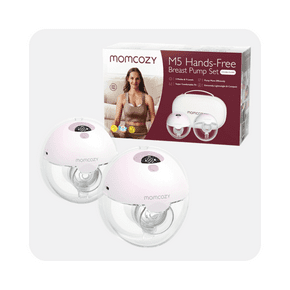
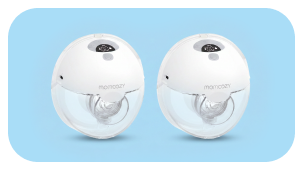
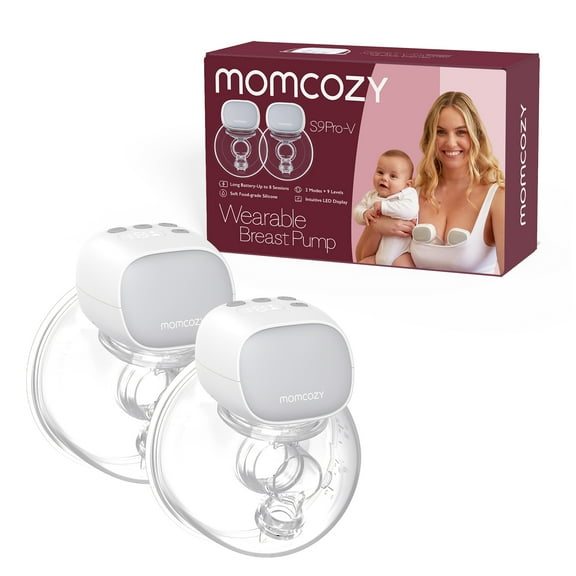
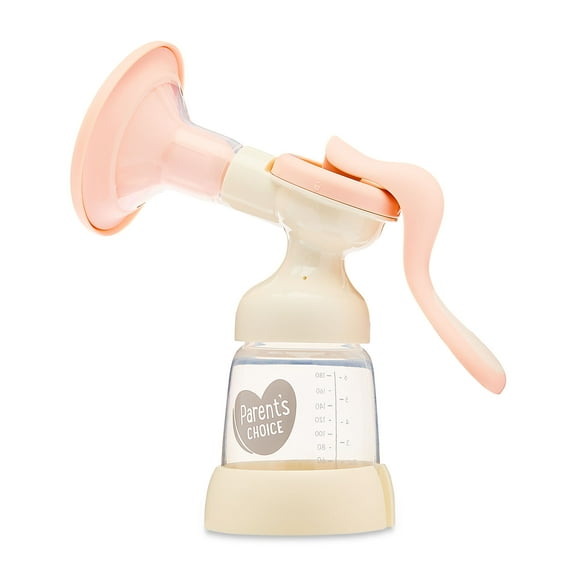
You should look at feeding type next, because breastfeeding, bottle feeding, solids, and self-feeding need different tools. Your routine may call for pump accessories, bottles, bibs, bowls, or toddler cups.
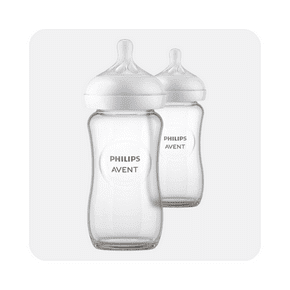
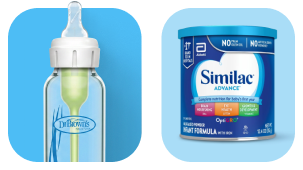
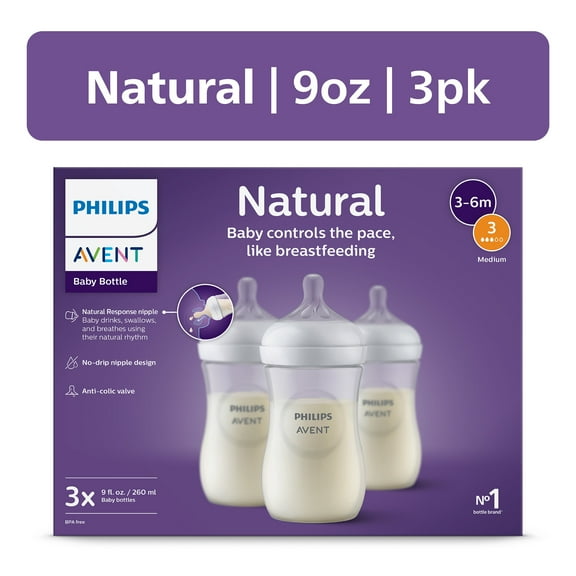
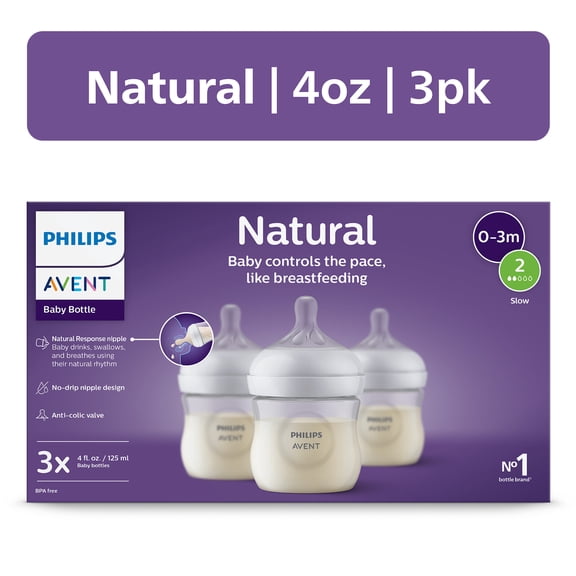
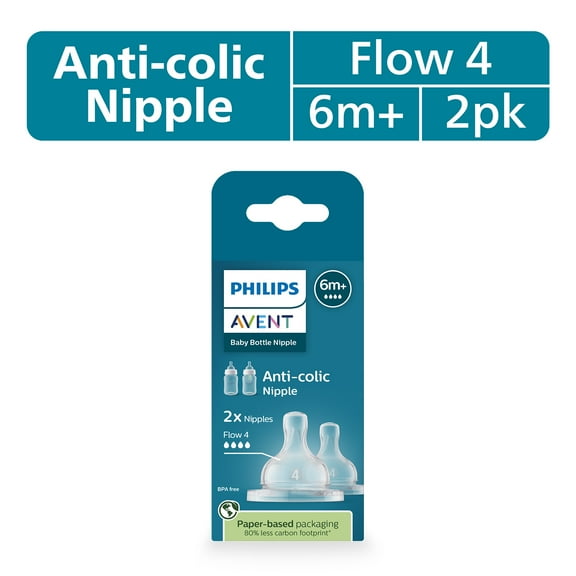
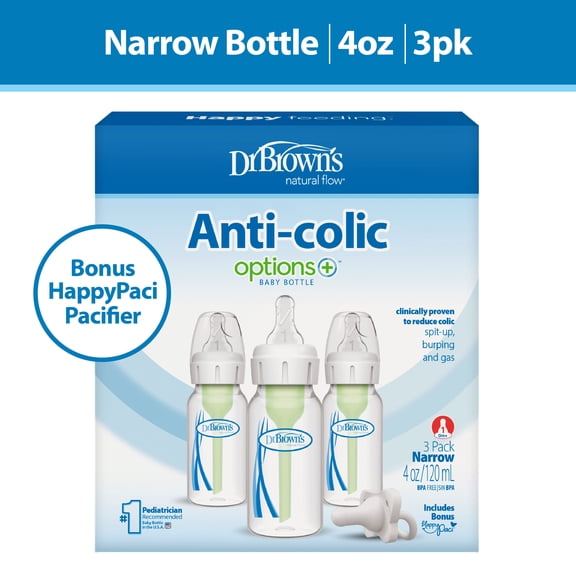
For bottle feeding, you can compare bottle sizes, nipple shapes, and flow rates. You may look for slow flow, medium flow, or Y-cut nipples based on your child’s feeding pace.
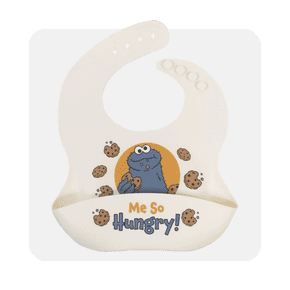
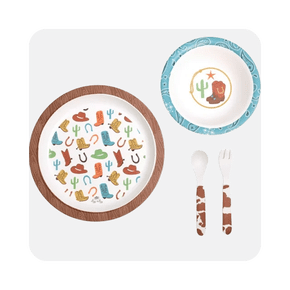
As solids begin, you can add baby feeding accessories like suction bowls, soft-tip spoons, and easy-clean bibs. Your setup may also include plates, utensils, and high chairs for seated meals.
When self-feeding starts, you can choose baby eating essentials designed for little hands and simple cleanup. Your child feeding products may include divided plates, training cups, and short-handled utensils.
You should compare bottle material carefully, because feel, weight, and cleanup can shape your routine. You can find glass, BPA-free plastic, silicone, and stainless steel options for different preferences.
If you want a clear view of ounces, you may prefer tempered glass or lightweight plastic. If you want a soft grip, you may lean toward silicone bottles or silicone sleeves.
You can also choose smaller bottles for early feeds and larger sizes for growing appetites. Your bottle choice should match nipple flow rate, travel habits, and dishwasher preferences.
For daily use, you may compare vent styles, wide-neck openings, and compatibility with bottle brushes or drying racks. You can make cleanup easier when your accessories work together.
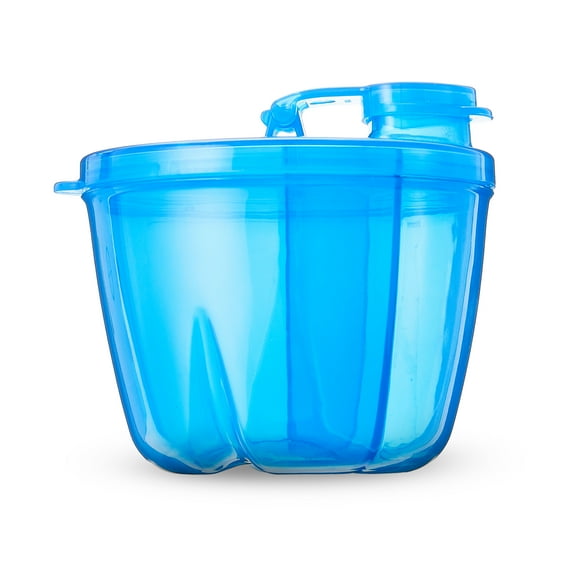
You can build infant feeding supplies around everyday moments instead of buying items that overlap. Your newborn setup may center on formula, small bottles, burp cloths, and storage containers.
During the infant months, you may add medium flow nipples, larger bottles, and feeding tools for mixed routines. Your feeding station can also include drying mats, bottle brushes, and sterilizer-compatible items.
When your child starts solids, you can shift toward bowls, bibs, spoons, and snack containers. Your high chair accessories, splash mats, and training cups can support regular mealtime practice.
As independence grows, you can compare baby eating supplies made for gripping, scooping, and sipping. Your child may use handled cups, divided plates, and utensils sized for self-feeding.
If you’re building a registry, you can combine newborn formula and feeding supplies before baby arrives. Your list may include Stage one formula, slow flow bottles, bibs, and bottle-cleaning tools.
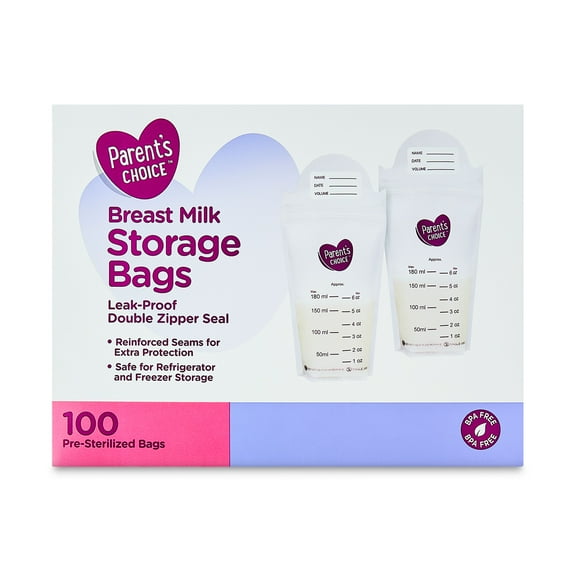
If you’re balancing breastfeeding and bottle feeding, you can compare compact bottles and storage-friendly accessories. Your routine may work well with small feeding bottles and clearly marked measurements.
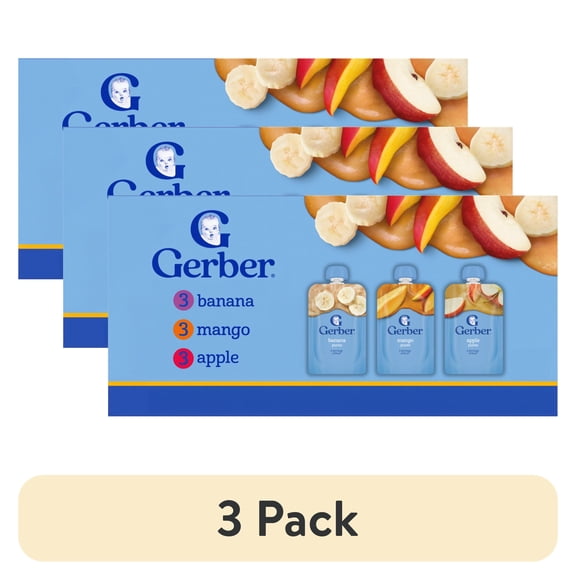
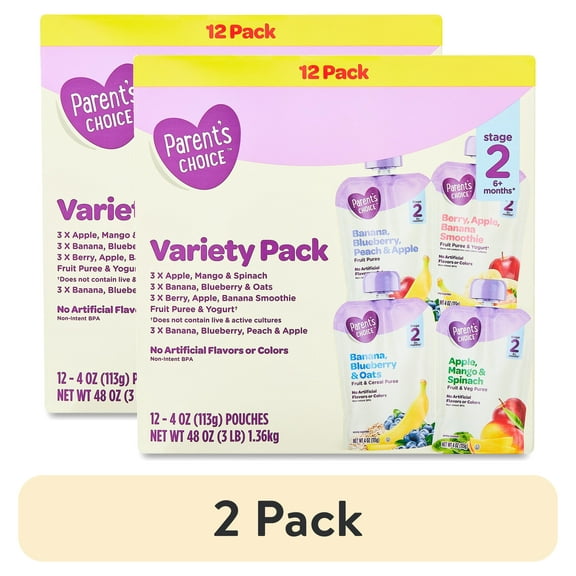
When you’re introducing purees, you can choose soft spoons, suction bowls, and wipe-clean bibs. Your transition to solids feels simpler when each piece supports seated, less messy meals.
If your child is practicing self-feeding, you can look for sippy cups, divided plates, and short utensils. Your mealtime setup can feel more manageable when pieces match your child’s stage and grip.
You can compare baby feeding accessories, infant feeding supplies, and baby formula without jumping between categories. Your decisions become easier when stage, feeding type, material, and accessory needs are all clear.
With the right mix of formula, bottles, and mealtime tools, you can keep feeding routines steady from newborn days through toddler transition. Your setup supports smoother prep, cleaner meals, and easier everyday organization.