

Soccer

Gear up for the big match
Fits, collectibles, party supplies & more.

Top Categories
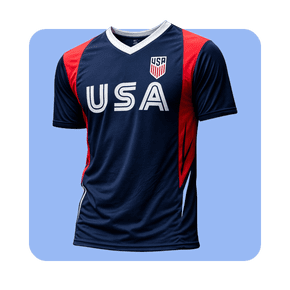



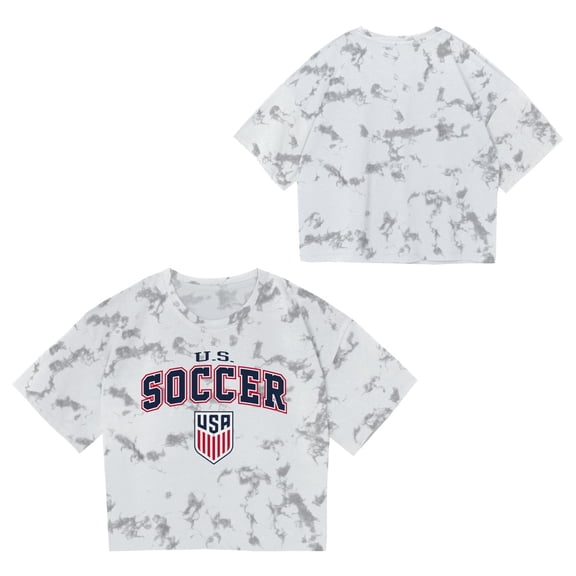
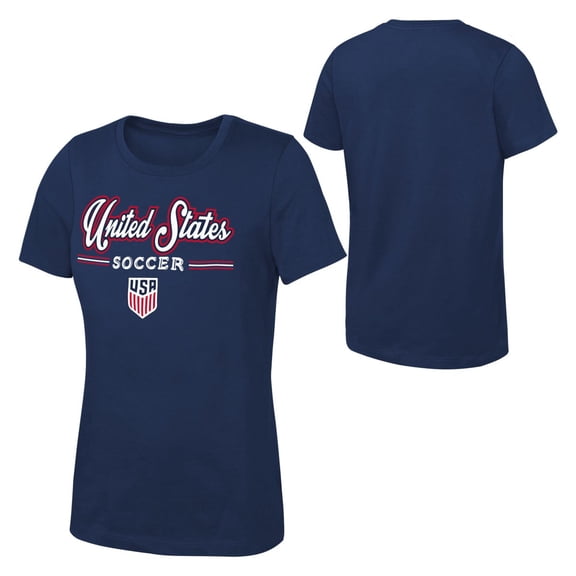
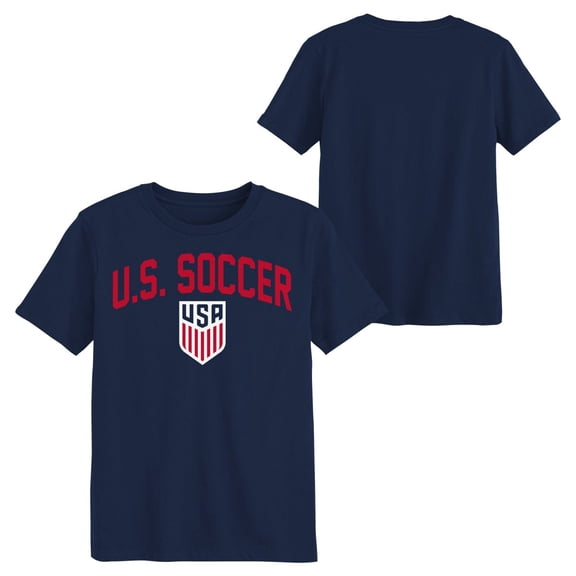
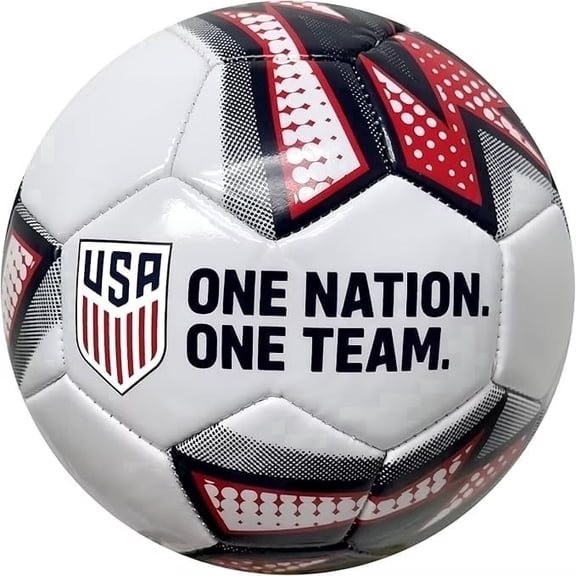
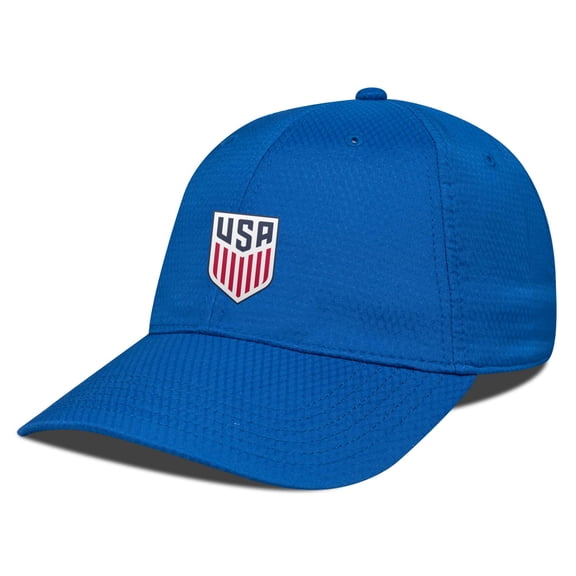
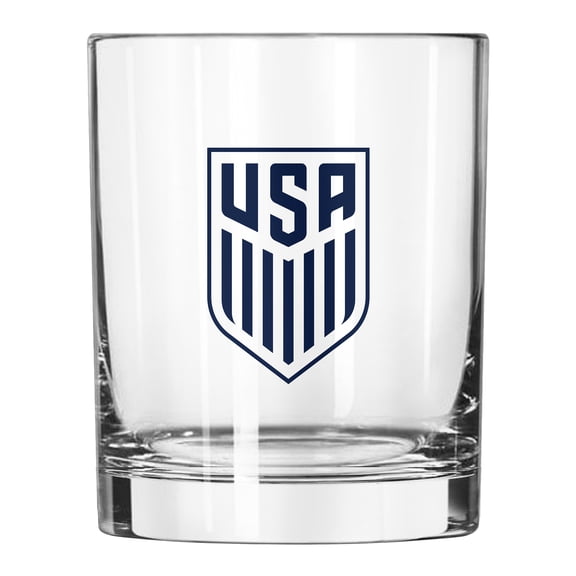
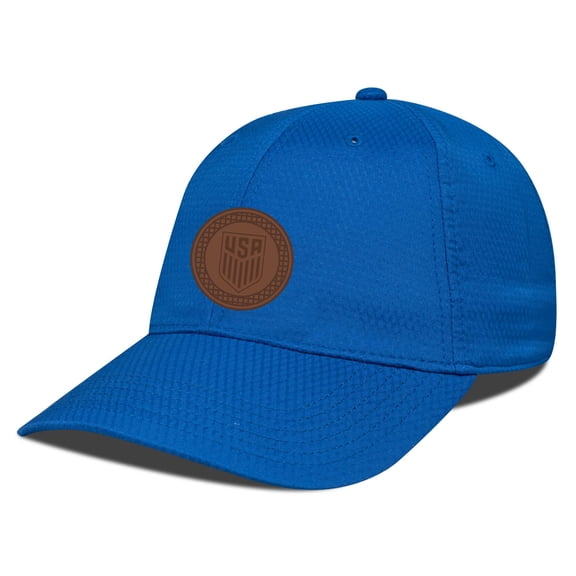
Rep USA with fan gear
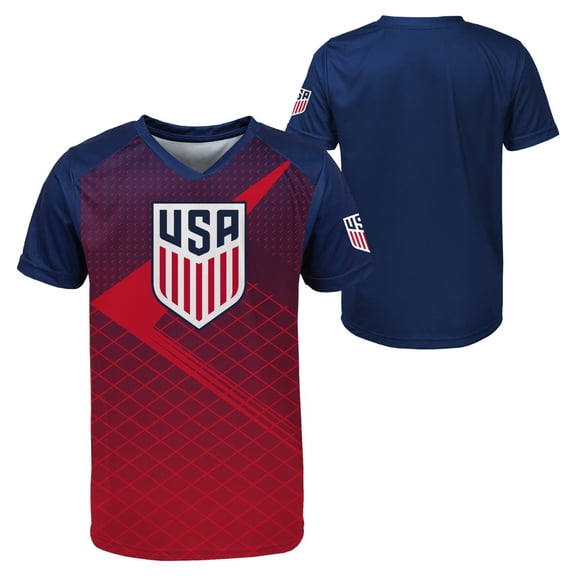








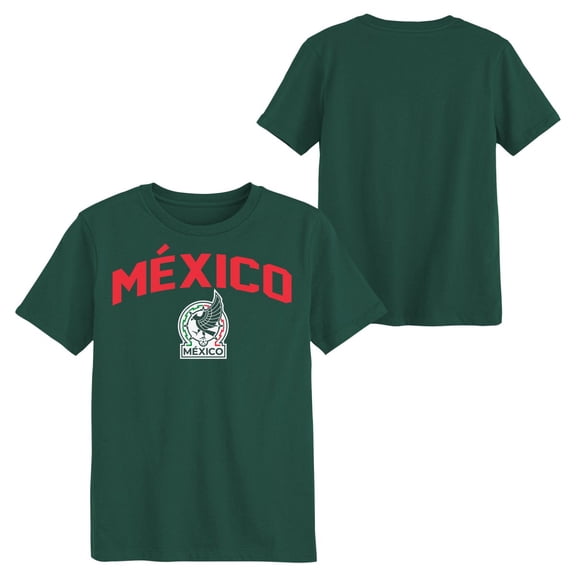
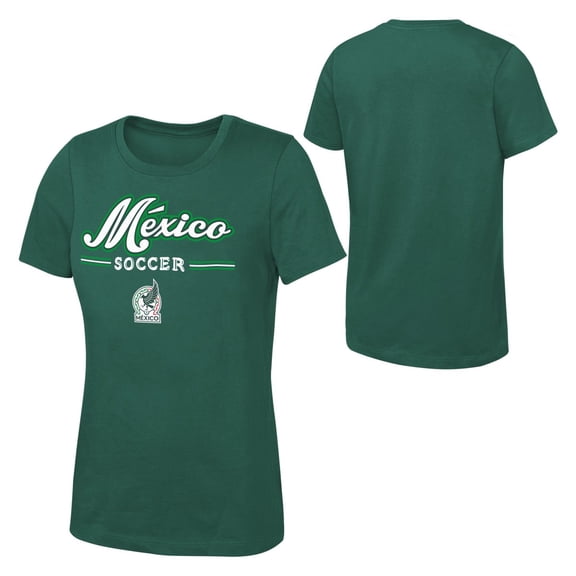

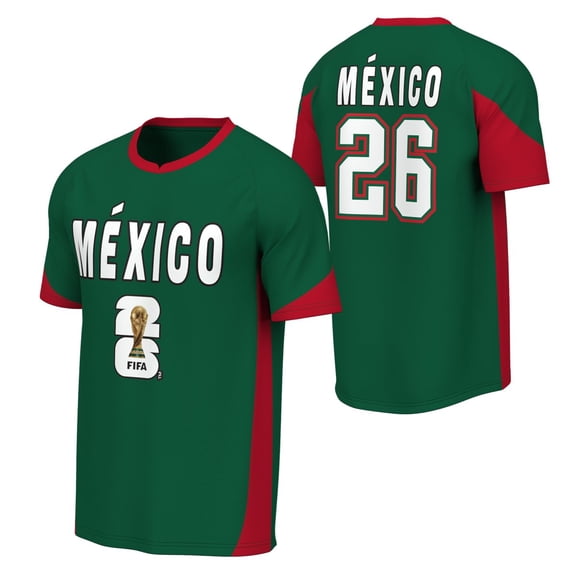


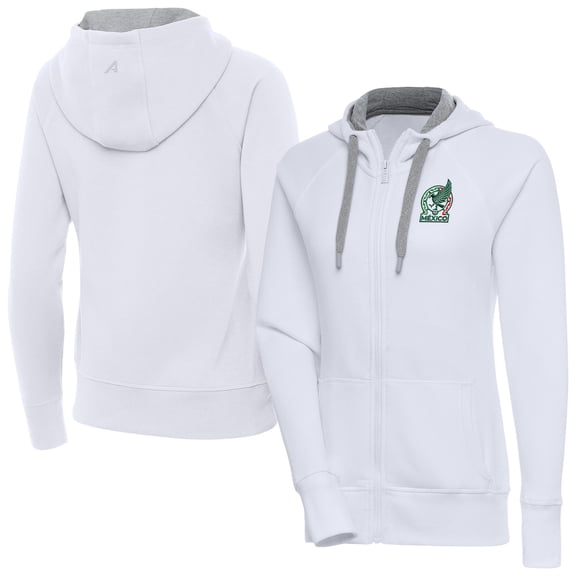



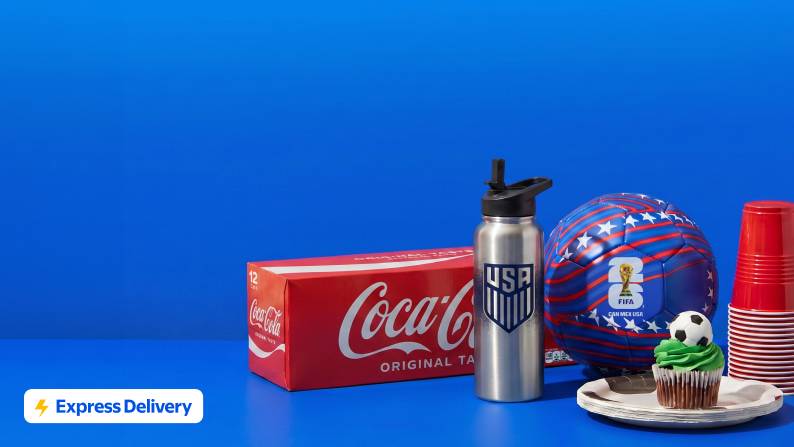
Watch party essentials
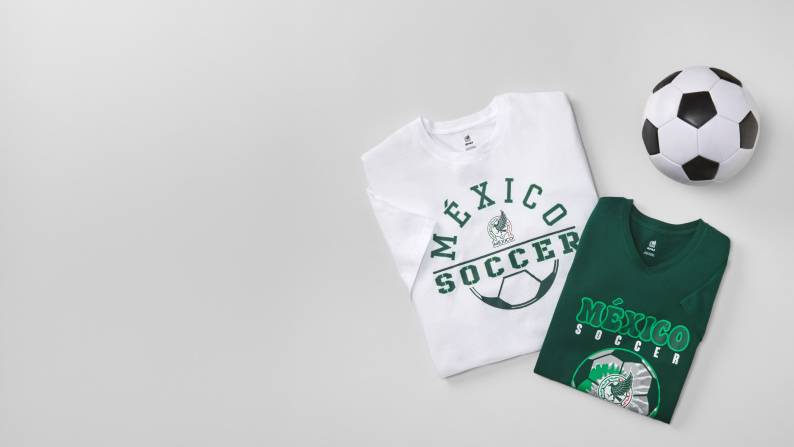
Soccer watch party





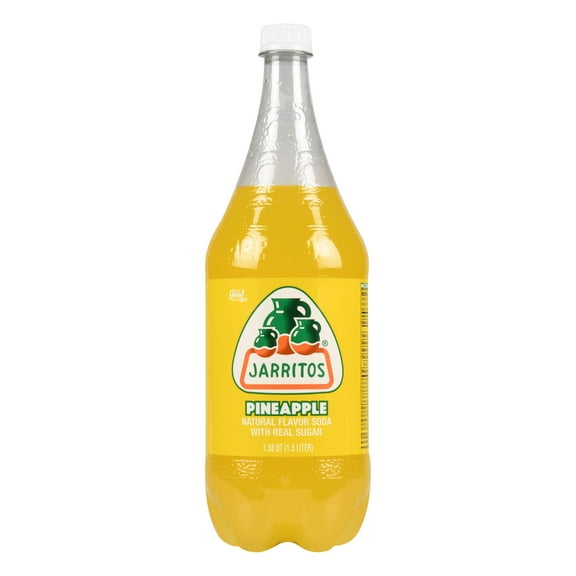
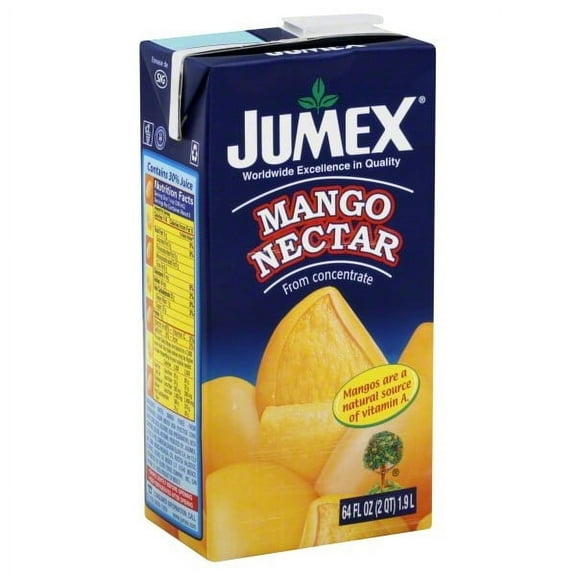
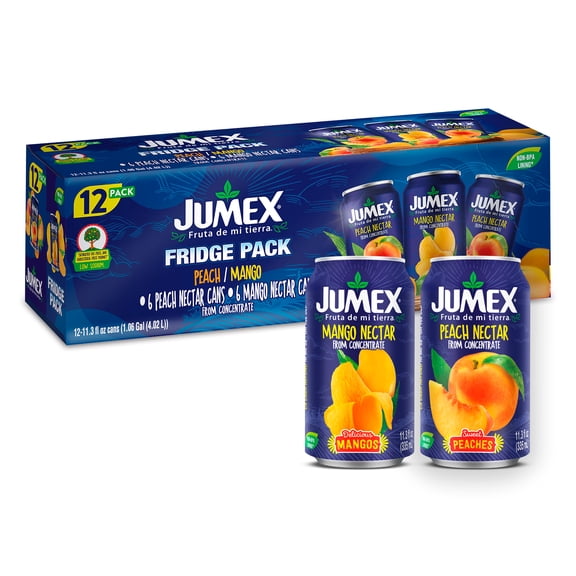
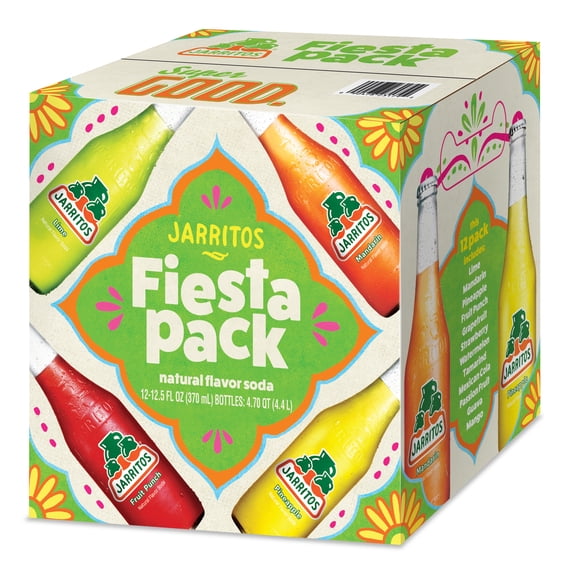
Sip on international bevs
A taste of the tourney—without the trip.


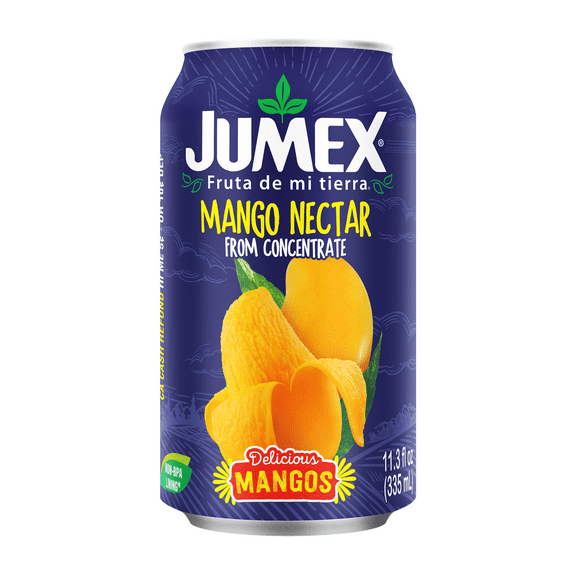

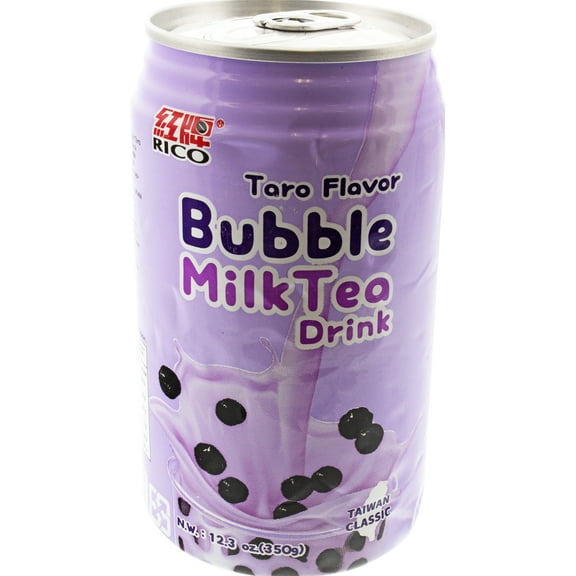
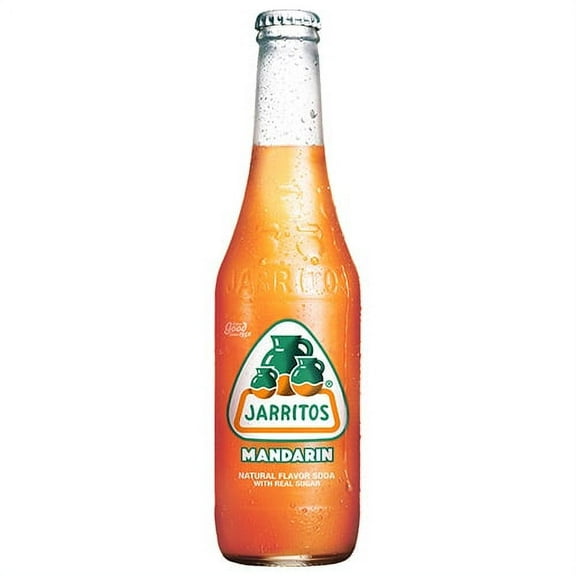





Travel-size essentials





![Canadian Lays Ketchup Flavour Chips [4 Large Bags]](https://i5.walmartimages.com/seo/Canadian-Lays-Ketchup-Flavour-Chips-4-Large-Bags_e4d42f4c-f805-438f-9953-7d40c736cf93.5d625d3398facd306b53ff5da0b8f7db.jpeg?odnHeight=576&odnWidth=576&odnBg=FFFFFF)



Soccer
















FAQ
About Soccer - Walmart.com
Soccer gear helps you get match-ready with cleats, balls, shin guards, and training tools for every age and skill level. You can use this page to compare key equipment choices quickly. You’ll find guidance that covers ball size, field surface, and practice essentials in one place.
How to choose soccer gear for your player
When you choose soccer gear, you should start with age group and playing level. You’ll usually shop differently for a toddler, a youth player, a high school athlete, or an adult league player.
For younger players, you may want lighter equipment and simpler training tools. For club play or school teams, you may look for precise fit, surface traction, and practice support.
You can narrow your options quickly when you compare these key decisions first. You should check age group, equipment type, playing surface, and skill level before you choose.
- You can match ball size to age for smoother touches and passing practice.
- You can choose cleat outsoles based on grass, turf, or indoor courts.
- You can check shin guard sizing by height for a secure fit.
- You can build home practice setups with goals, cones, and rebounders.
Choosing the right soccer equipment
You’ll often start with the essentials: soccer balls, soccer cleats, and soccer shin guards. You can then add goals, training cones, and other soccer training equipment for drills.
Ball size matters more than many shoppers expect. You should look for Size 3 for under eight, Size 4 for ages eight to 12, and Size 5 for ages 13 and up.
That size guide helps you choose a ball that feels right during passing and shooting. You’ll usually notice that the right size supports cleaner touches during practice.
Shin guard fit also deserves close attention. You should compare height-based sizing charts so your guards sit comfortably and stay in place during movement.
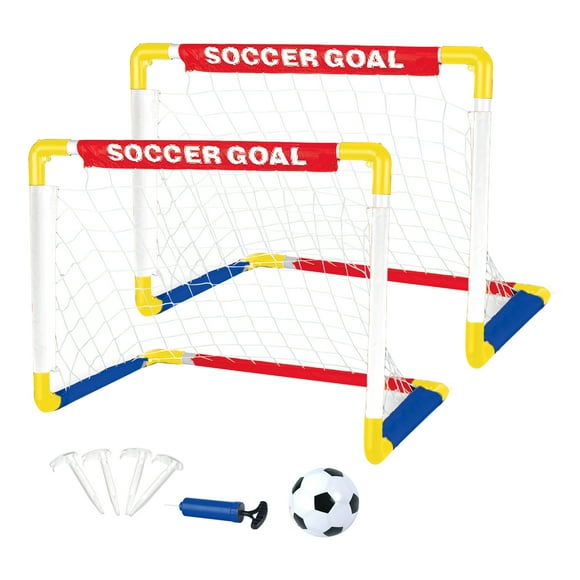
Goals and cones can help you turn open space into a practice area. You can use pop-up goals for quick sessions or larger goals for defined shooting drills.
Choosing soccer cleats by playing surface
You should match your cleats to the surface where you play most often. You can find a practical fit when you compare firm ground, turf, indoor, and soft ground options.
Firm ground, or FG, cleats work for many natural grass fields. You can use them when the field feels dry to slightly damp and the studs don’t need extra length.
Turf, or TF, cleats use shorter rubber nubs for artificial turf surfaces. You may prefer them when you want grip on turf without the feel of longer studs.
Indoor, or IC, shoes have flat rubber outsoles for gym floors and sport courts. You should choose them when you play futsal or indoor sessions on hard surfaces.
Soft ground, or SG, cleats suit wetter natural grass conditions. You can consider them when the field feels softer and you need a stud pattern made for that surface.
If your player switches between surfaces, you should check where games happen most often. You can then choose the outsole that matches regular use instead of occasional play.
Choosing youth soccer gear by age and skill level
You should think about skill level along with age group. You may want different youth soccer gear for a beginner than for a club or high school player.
For beginners, you can focus on simple essentials and easy practice tools. You’ll often need a ball in the right size, shin guards, and footwear matched to the field.
For recreational play, you may add cones or a small goal for backyard drills. You can keep practice organized with items that support passing, dribbling, and shooting routines.
For club players, you might compare precise sizing and training setups. You should check rebounders, agility markers, and field-specific cleats for repeat practice sessions.
High school and adult players may need gear that supports team training schedules. You can look for equipment combinations that fit match play, conditioning, and home touch work.
Choosing soccer training equipment for home practice
You can build a useful training area with a few focused items. You should consider goals, training cones, rebounders, and extra balls for repeat drills.
Cones help you mark dribbling lanes, turning points, and sprint patterns. You can use them for footwork sessions in a yard, driveway, or open park space.
Rebounders give you repeated return passes for touch and control work. You may find them helpful when you want solo practice without needing a partner.
Portable goals make shooting sessions easier to set up and reset. You can choose smaller options for younger players or larger frames for realistic target practice.
Extra balls help you keep drills moving with fewer interruptions. You’ll have ample time practicing when you don’t need to stop after every missed shot.
What to look for before you finish your pick
You should measure carefully and compare the details that affect everyday use. You can check size charts, outsole type, and training setup space before you choose.
This soccer gear page helps you compare player essentials and practice equipment with clear decision points. You can find gear that fits the field, the player, and the way you train.