


Find tires that fit
Let’s search for tires that fit your vehicle.205/75R14 Tires in Shop by Size


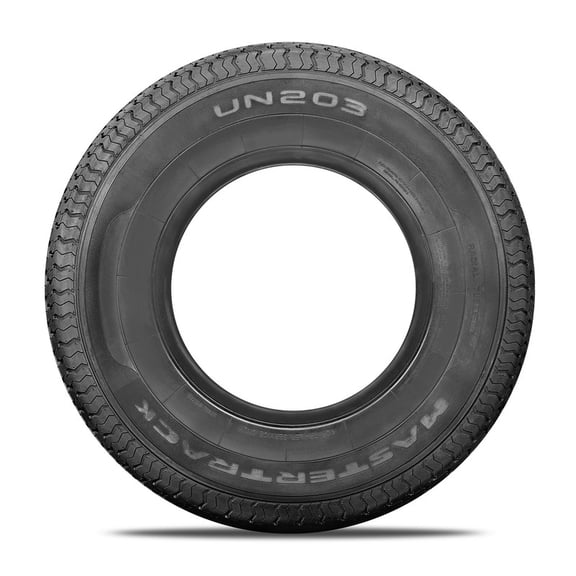
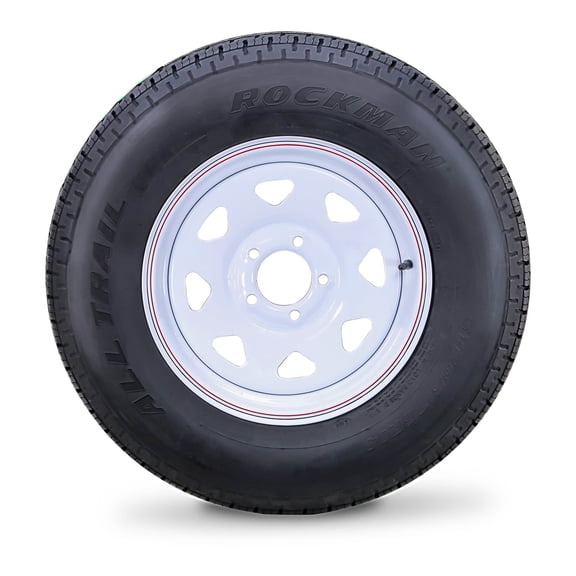
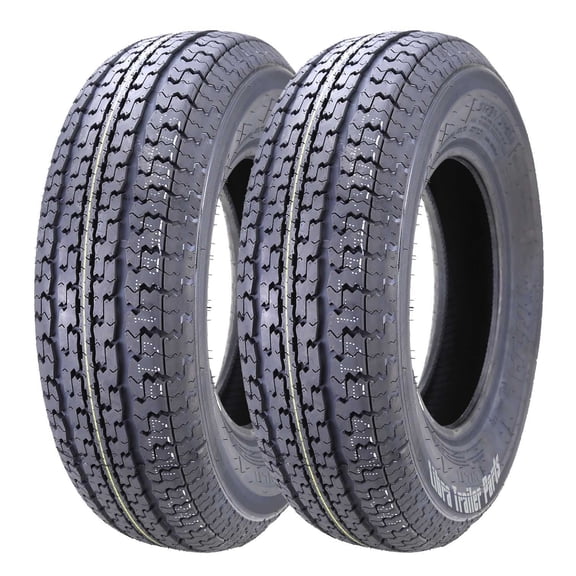

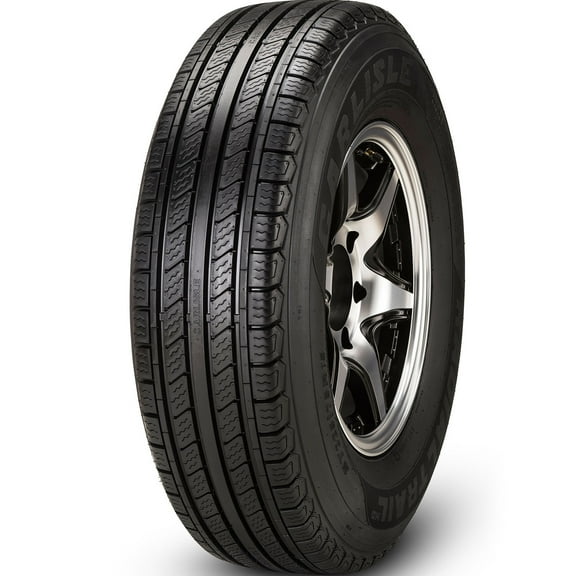
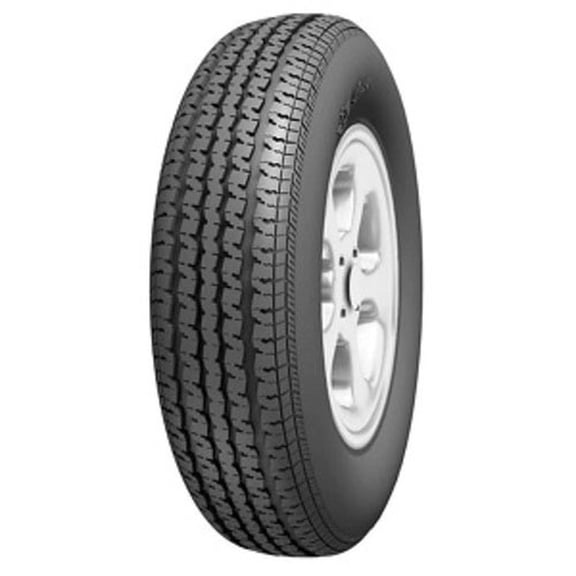
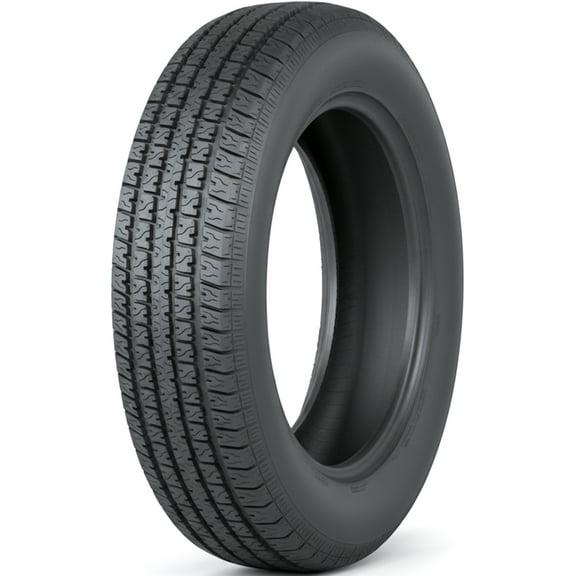
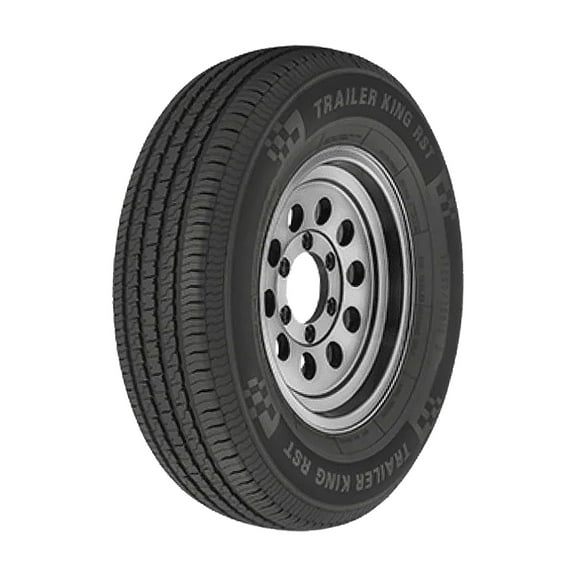


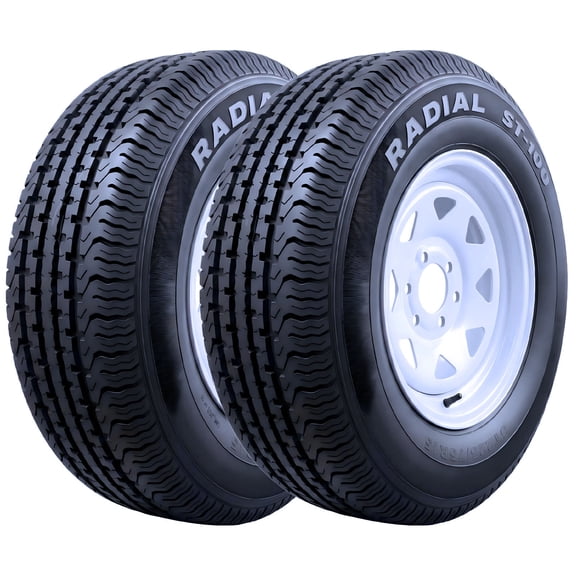


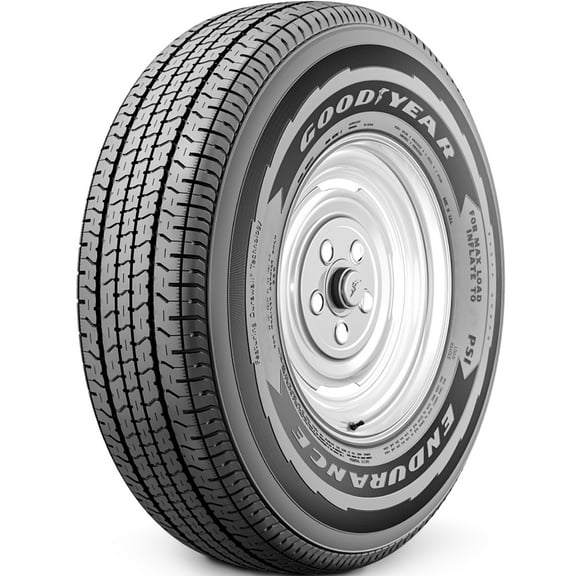


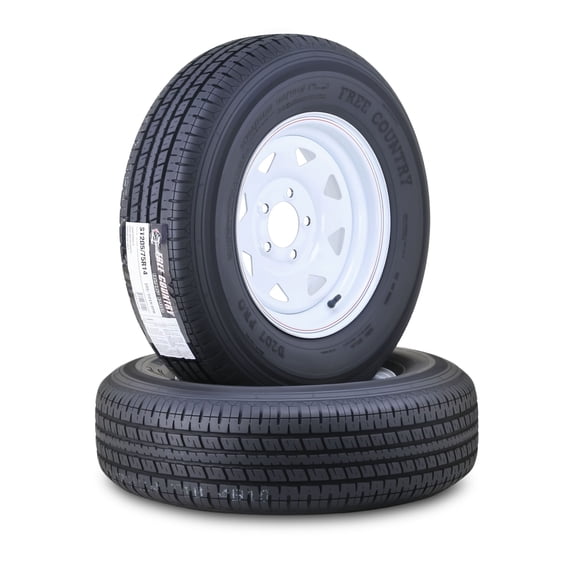

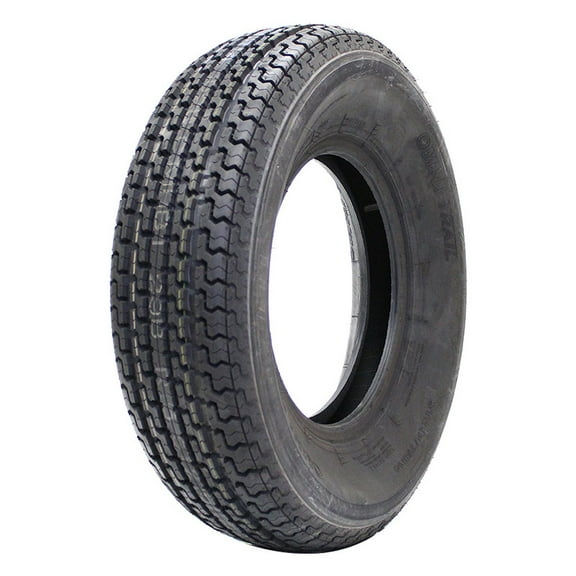


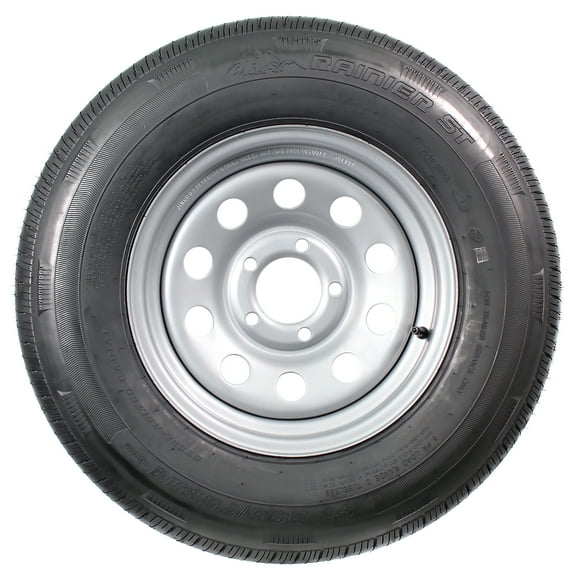


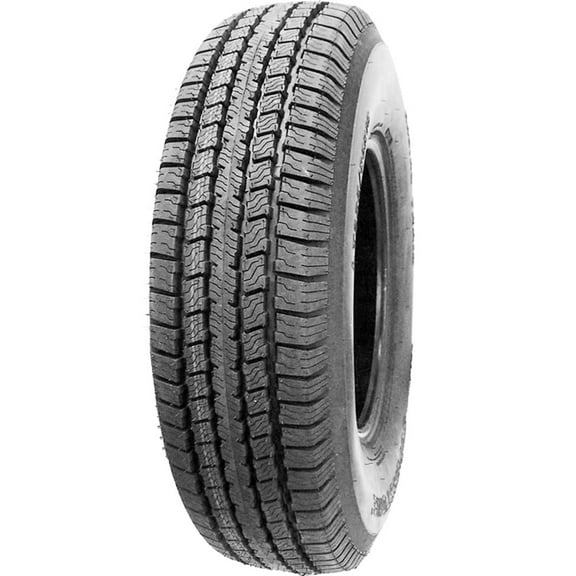
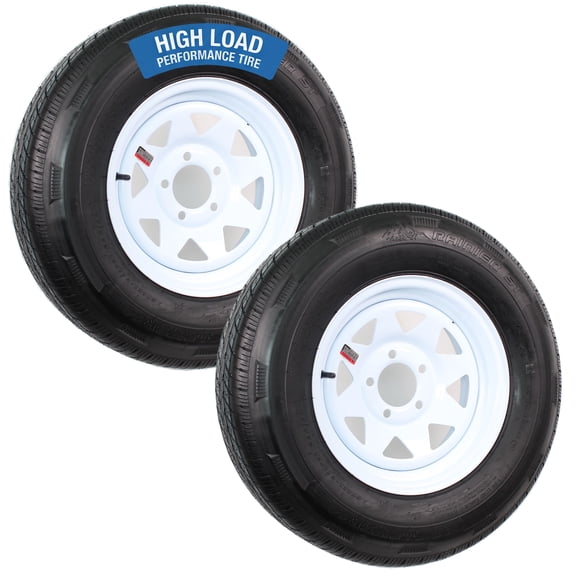
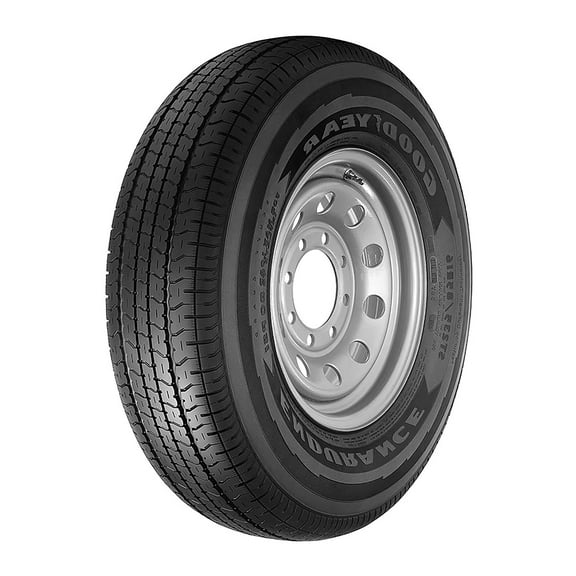

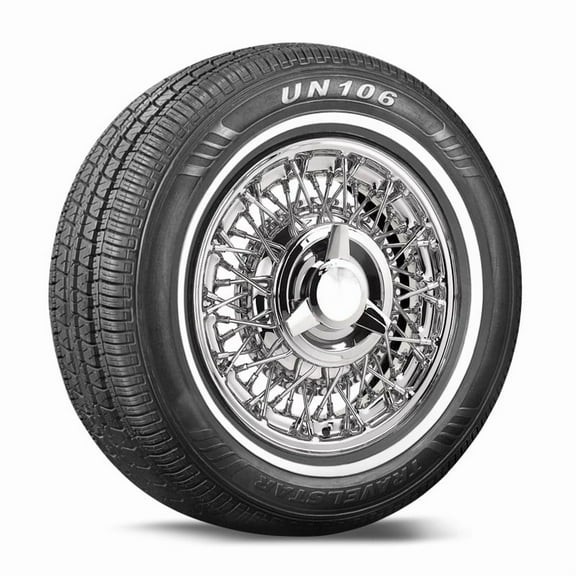

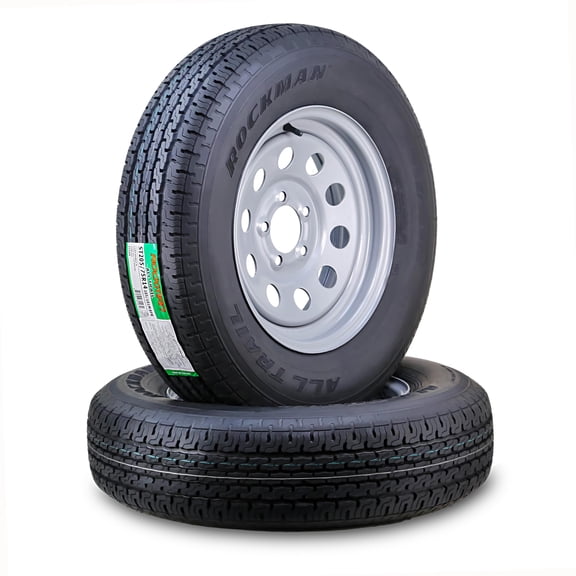

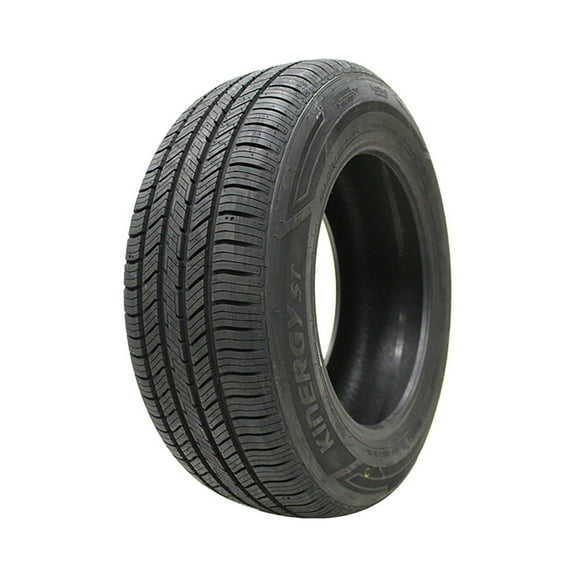
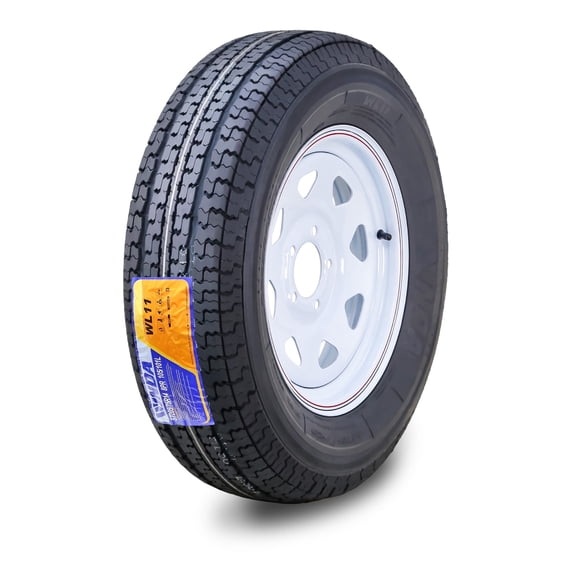
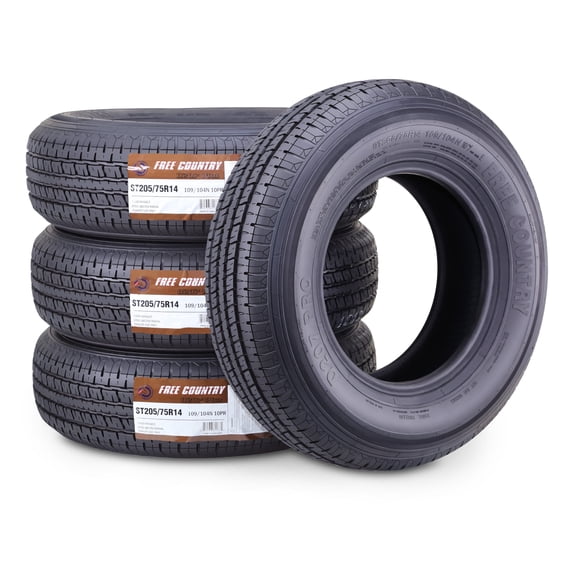

About 205/75R14 Tires in Shop by Size - Walmart.com
When you need 205/75r14 tires, you’re usually matching a trailer, cargo setup, or specific vehicle fit. You’ll want exact sizing, clear load guidance, and construction details that support steady towing and everyday road use.
You can use this page to compare fitment details before you choose. You’ll also find helpful guidance on trailer tire types, load ranges, ply ratings, and highway-focused construction.
How to choose 205/75r14 tires for your setup
You should start with the size printed on your current sidewall and your trailer placard. You’ll want the section width, rim diameter, and overall fit to match your wheel and clearance needs.
If you’re replacing 205 75r14 trailer tires, you should also check your wheel’s rim width and bolt pattern. You can avoid mismatch issues when your tire size and wheel specs line up correctly.
You may also be shopping for select passenger applications in this size. You should confirm whether your setup calls for trailer tire, passenger car tire, or all-season tire construction.
Choosing tire type, load range, and ply rating
You’ll notice tire type is one of your biggest decisions on this page. You can narrow choices faster when you compare trailer tire, passenger car tire, and all-season tire options by intended use.
If you tow campers, utility trailers, or cargo trailers, you’ll often focus on trailer-specific designs. You can look for sidewall markings and load details that match towing demands and trailer weight.
- You can choose trailer tires when your setup carries equipment, gear, or recreational loads behind your vehicle.
- You can consider passenger car tires only when your vehicle manufacturer calls for this exact size and tire type.
- You can compare all-season 205 75r14 tires when you want year-round road use for compatible vehicle applications.
- You should match load range and ply rating to your trailer weight, axle rating, and typical cargo.
Load range helps you understand how much weight your tire is designed to carry. You should compare Load Range C, Load Range D, and Load Range E with your trailer’s requirements.
If you haul heavier cargo, you may look at load range d trailer tires for added carrying support. You should still confirm the exact capacity listed for each tire before you choose.
Ply rating gives you another useful way to compare construction strength. You can review 6-ply, 8-ply trailer tires, and 10-ply options based on hauling needs and ride expectations.
Comparing 205 75r14 radial tires and bias ply designs
You’ll want to compare construction type if your trailer sees different road conditions. You can often choose between radial and bias ply based on how and where you tow.
If you spend long hours on highways, you may prefer 205 75r14 radial tires for smoother tracking. You’ll often notice radial construction supports steady towing and consistent road manners.
If your trailer handles heavier stationary loads or slower, shorter routes, you may consider bias ply designs. You can use that construction when your towing pattern calls for a stiffer sidewall feel.
You should also review speed rating before finalizing your choice. You can compare the tire’s listed capability with your normal highway towing speeds and route demands.
Inflation guidance matters because you’ll get the intended performance only at the listed pressure. You should check sidewall information and your trailer documentation for the correct setup.
What to look for in 14 inch trailer tires
You can narrow 14 inch trailer tires by looking at load details first. You’ll save time when you compare capacity, construction, and speed rating before appearance or brand preferences.
Sidewall markings can tell you whether a tire is radial or bias ply, plus its load range. You should also check whether the tire is part of a 205 75r14 tire set or a single replacement.
If you’re replacing one worn tire, you may want matching specifications across the axle. You can keep your trailer setup more consistent when size, construction, and load rating align.
You should think about your towing pattern before choosing a tread style and construction. You may need all-season capability for road trips, boat launches, campground travel, or routine cargo hauling.
For utility trailers, you’ll often focus on dependable load support and stable road tracking. For RV and camper use, you may prioritize highway manners and speed-rated confidence.
Using 205/75r14 tires for real towing needs
You might use this size on utility trailers that carry landscaping tools, small equipment, or home project materials. You can compare higher load ranges when your trailer regularly carries dense cargo.
If you tow a camper or travel trailer, you’ll likely want stable highway behavior over longer distances. You can compare radial designs and all-season options for frequent road travel.
You may also need this size for boat trailers that alternate between storage and weekend towing. You should review load range, speed rating, and exact wheel fit before replacing older tires.
Some shoppers need this size for compatible passenger vehicles that call for 205/75R14 fitment. You should confirm your owner information carefully, since trailer and passenger tire needs differ.
When you compare these details clearly, you can choose a tire that fits your wheel and supports your cargo plan. You’ll end up with a setup that feels more dialed in for towing days.