

Patio Furniture by Material: Wicker, Wood & Metal














































About Patio Furniture by Material: Wicker, Wood & Metal - Walmart.com
You can compare patio furniture by material faster when you know how wicker, metal, wood, plastic, and aluminum fit your space. You’ll narrow your options by weather exposure, upkeep, seating size, and the look you want on your patio.
If you’re furnishing a small balcony or a large backyard, you’ll notice each material handles sun, rain, and daily use differently. You can use this guide to compare outdoor furniture materials in practical terms before you choose a set.
Choosing patio furniture by material
When you compare materials first, you can match your furniture to your climate and cleaning routine. You’ll also avoid choosing a finish or frame that feels wrong for your deck or pool area.
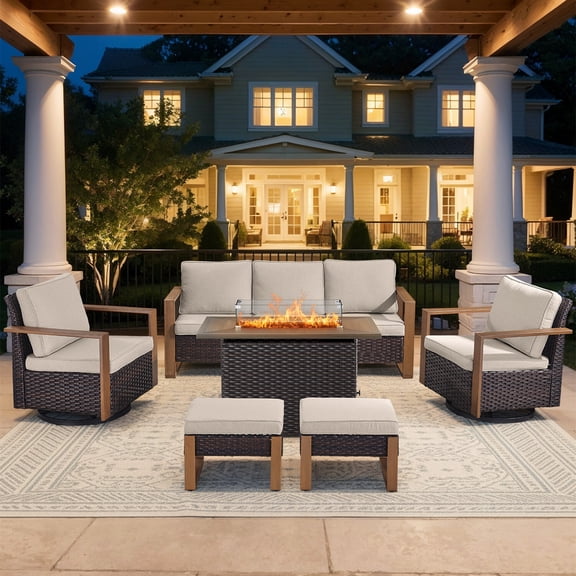
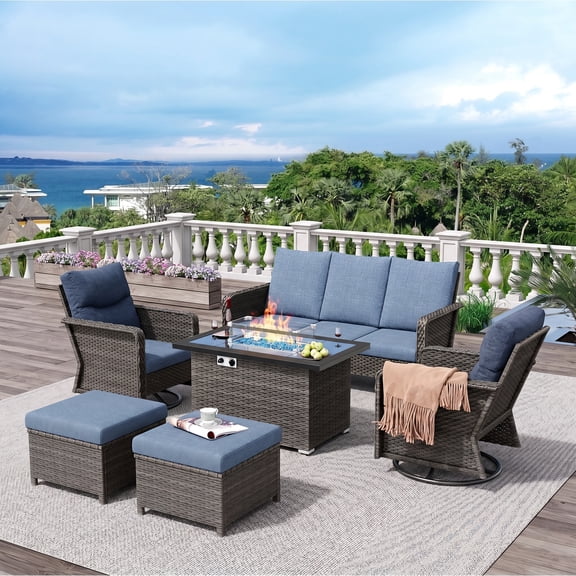
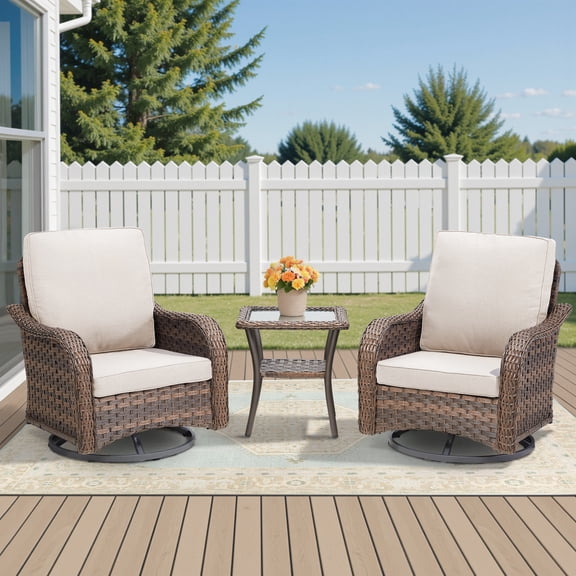
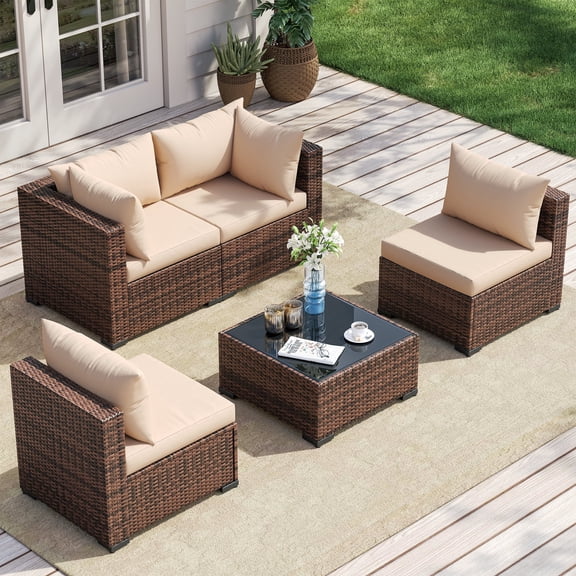
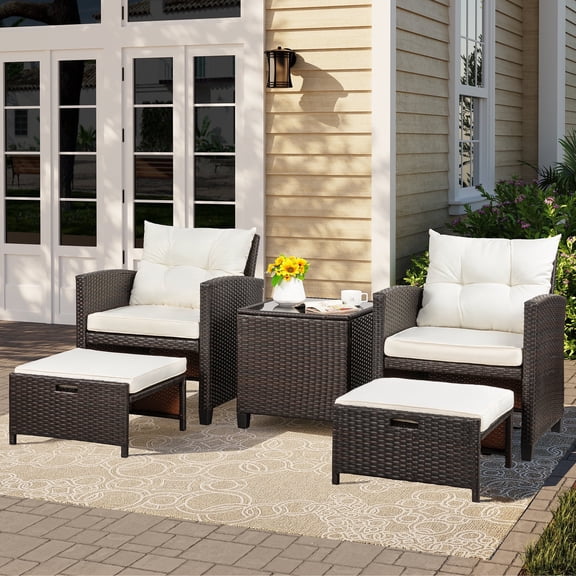
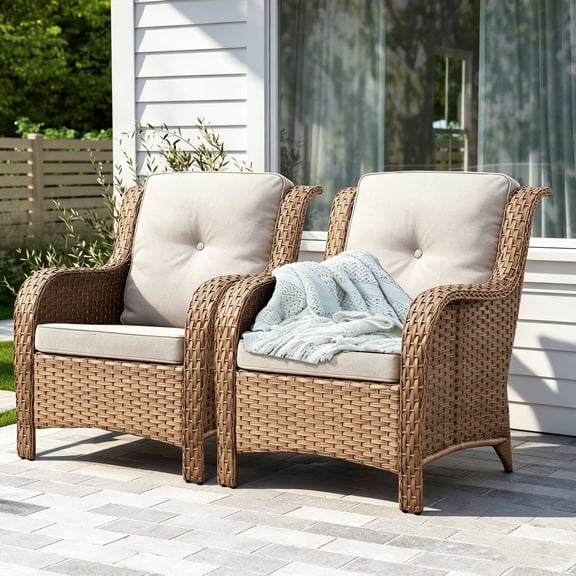
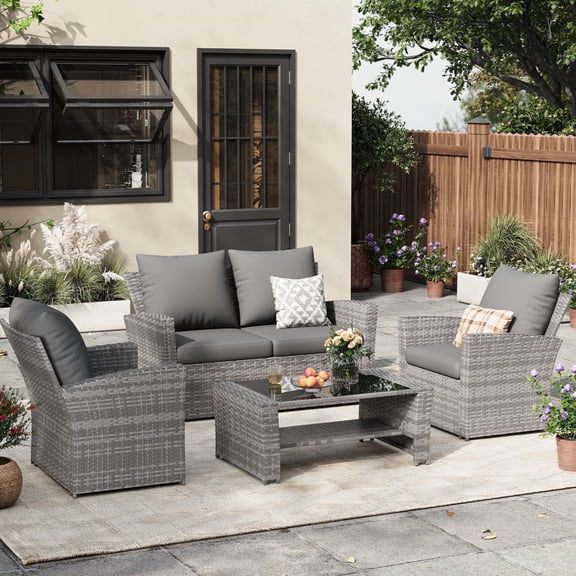
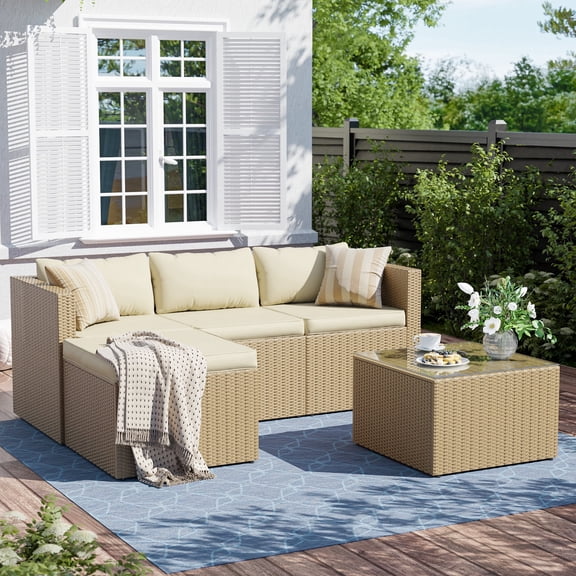
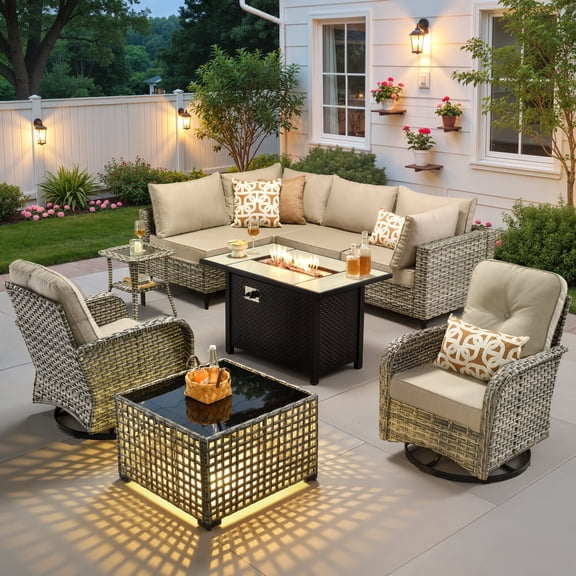
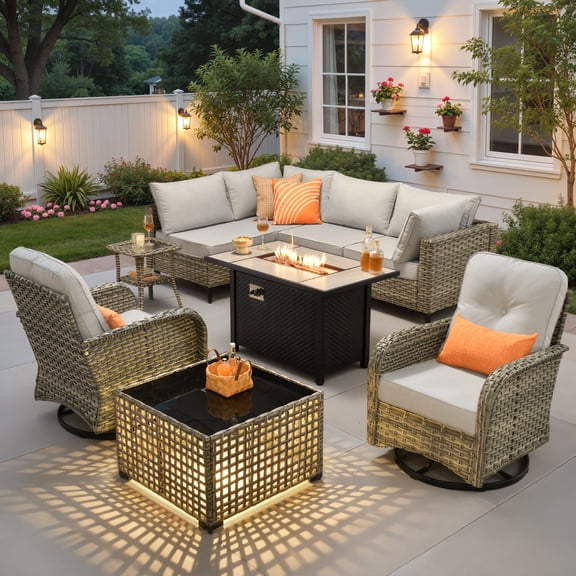
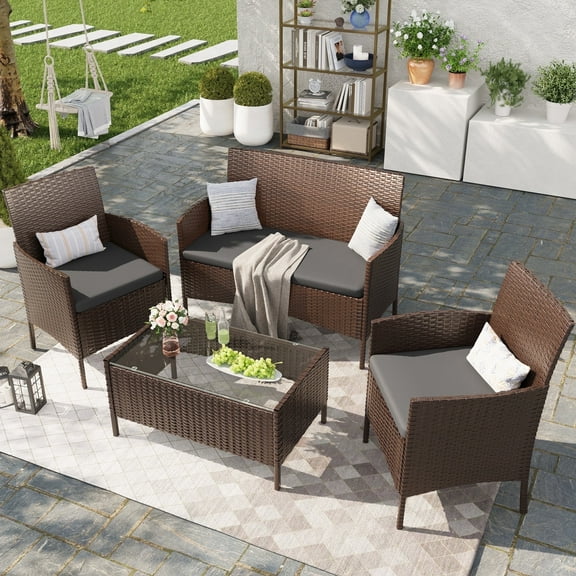
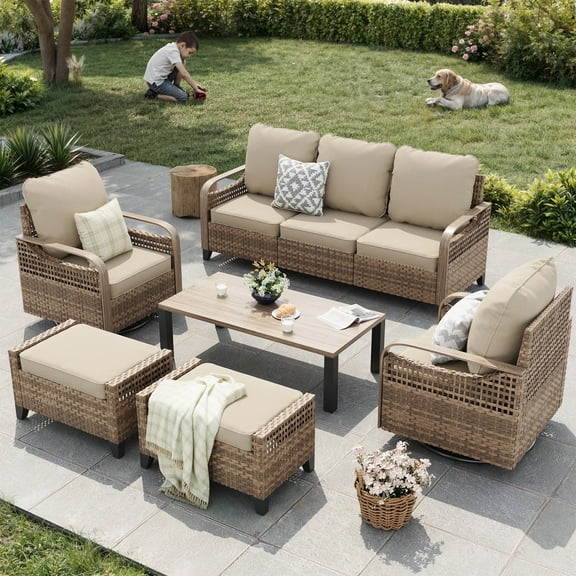
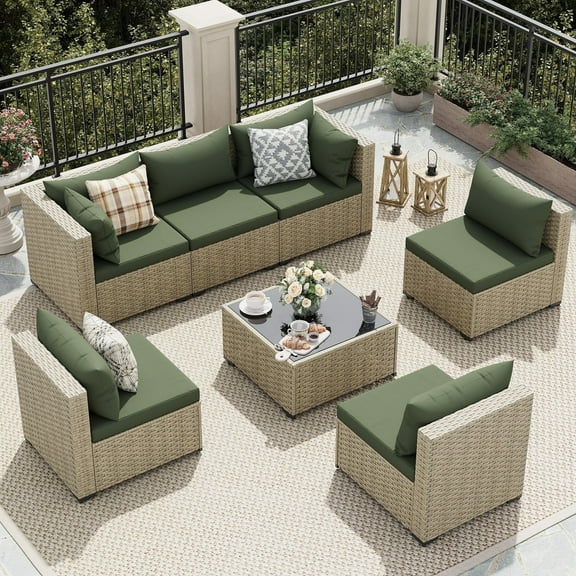
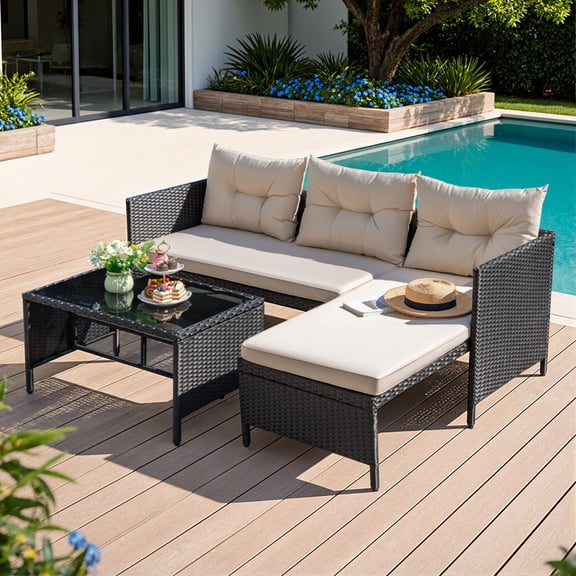
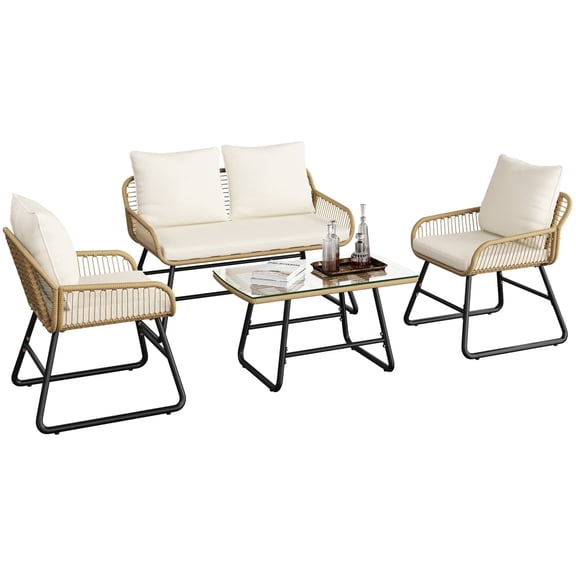
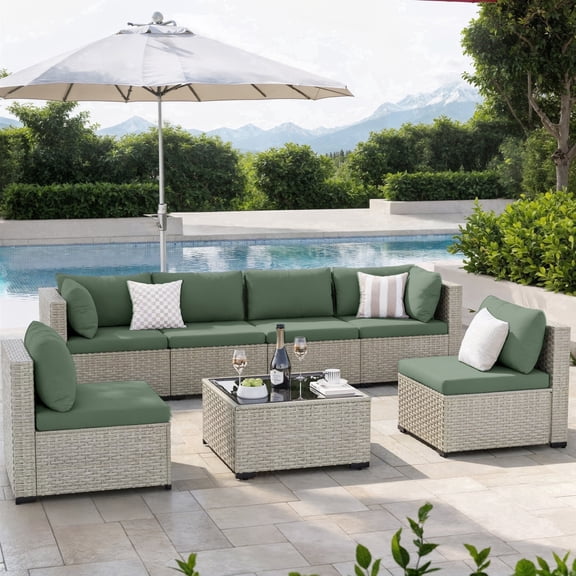
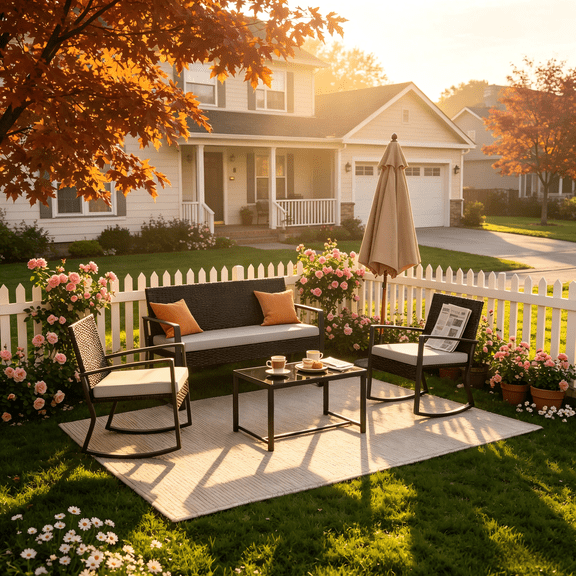
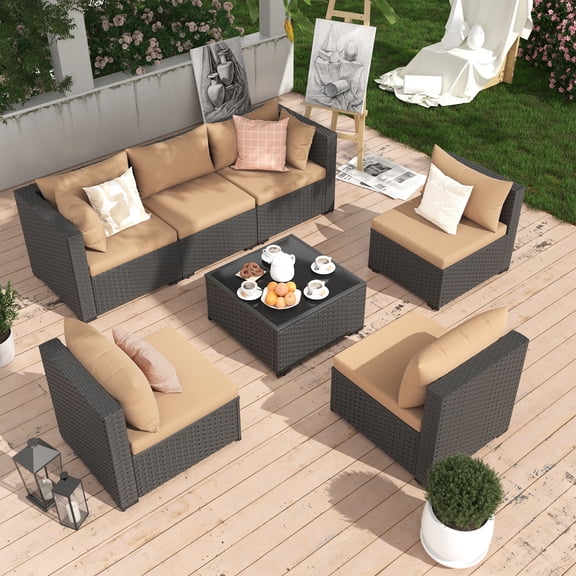
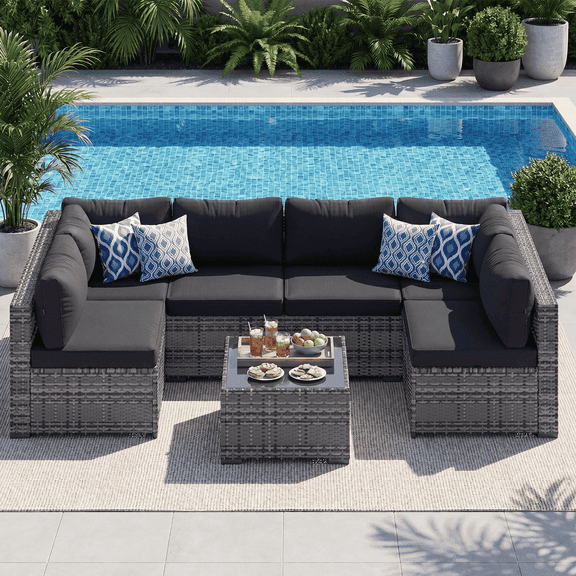
Wicker patio furniture gives you a woven look that works well in coastal and traditional spaces. Metal patio furniture gives you a more structured feel, while wood patio furniture adds natural texture.
- You can choose resin wicker for a lighter, woven look with simple care.
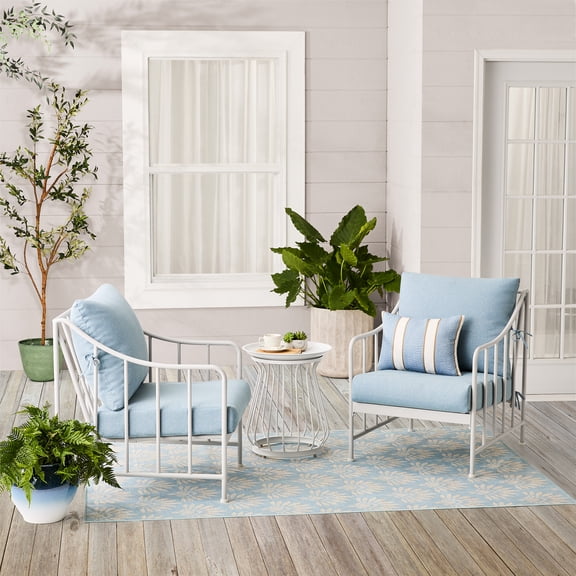
- You can choose cast aluminum patio furniture if you want a rust-resistant frame.
- You can choose solid teak or other wood options if you like a warm, rustic finish.
- You can choose plastic outdoor furniture when you want a casual setup that’s easy to move.
If your patio gets frequent rain, you should compare weather resistant patio furniture with rust-resistant or all-weather construction. You’ll want to check whether cushions, frames, and woven surfaces suit damp conditions.
Comparing material type and weather resistance
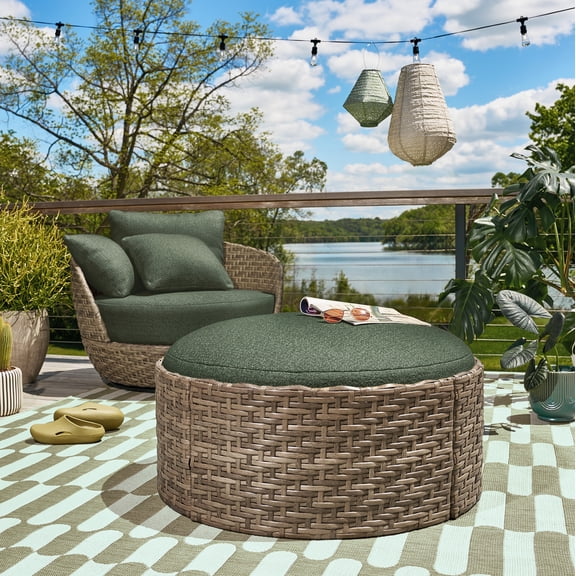
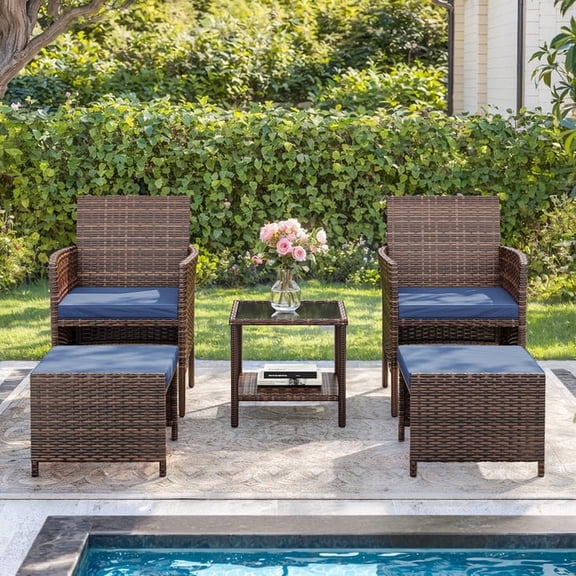
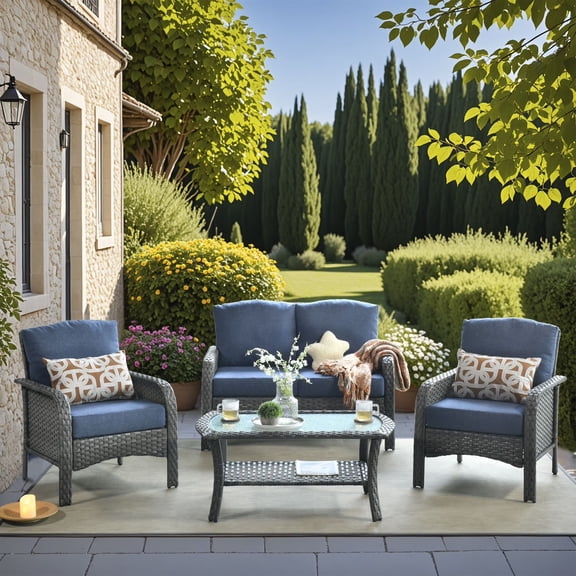
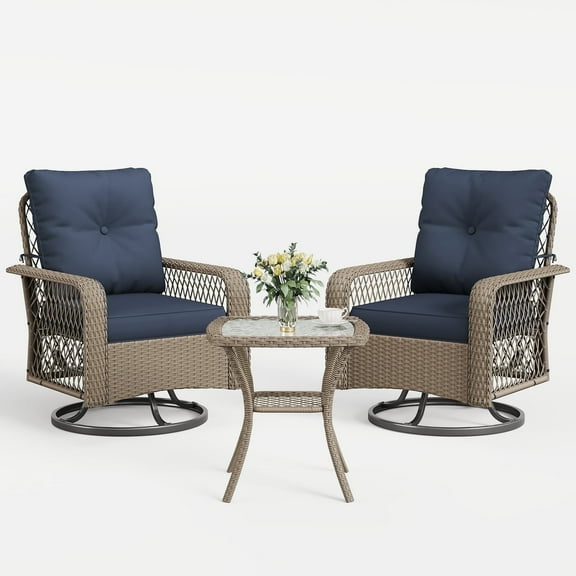
Wicker and resin wicker work differently, so you should look closely at the frame and weave. You’ll often find resin patio furniture with woven styling that handles outdoor exposure more easily.
If you live in a wet climate, you may prefer cast aluminum or resin wicker over untreated wood. You’ll usually spend less time on upkeep when your frame resists rust and your weave dries quickly.
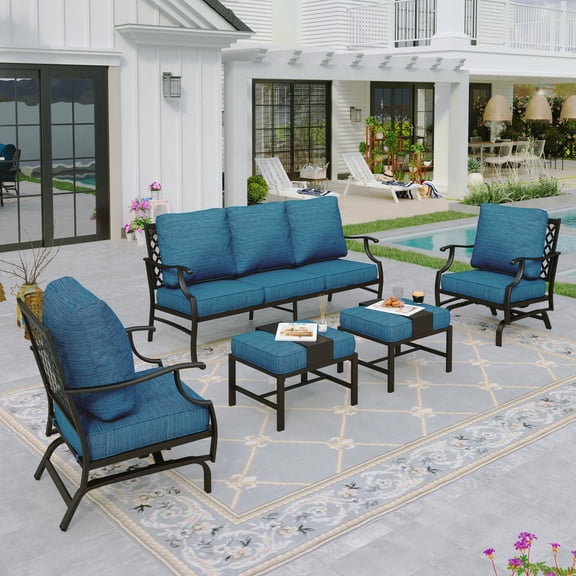
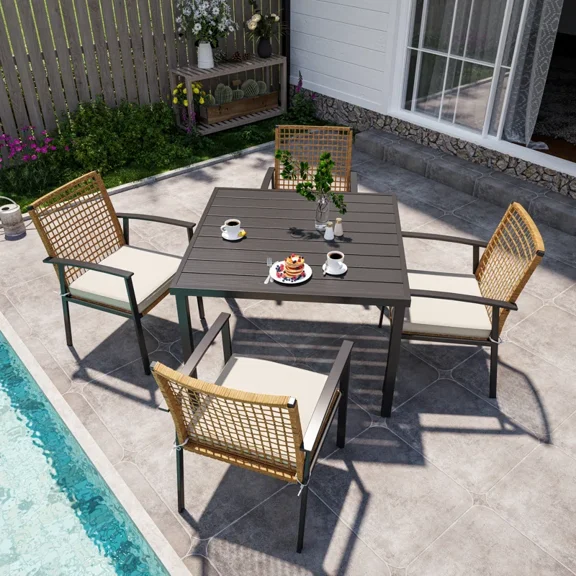
Metal patio furniture can include powder-coated steel or aluminum, and each option changes how the set feels outdoors. You’ll get a sturdier, heavier feel from steel, while aluminum feels lighter and easier to rearrange.
Wood patio furniture brings a classic look, but you should expect regular care to maintain its finish. You’ll want to clean it and check whether the wood needs seasonal oiling or sealing.
If you’re comparing winter exposure, you should check whether resin wicker is labeled for all-weather use. You’ll still want covered storage when possible, especially for cushions and decorative pieces.
For sunny areas, you should compare UV-resistant finishes that help surfaces keep their color longer. You’ll notice this matters on exposed decks, poolside seating, and patios without overhead cover.
Matching frame construction and seating capacity
You should match frame construction to how often you entertain and how often you move furniture. You’ll usually want lighter frames for flexible layouts and heavier frames for fixed dining zones.
Cast aluminum patio furniture works well when you want rust resistance and easier repositioning. You’ll appreciate that balance if you change your layout for dining, lounging, or seasonal decorating.
Powder-coated steel suits spaces where you want a grounded feel and a clean, modern outline. You should keep in mind that heavier frames may help in windy areas, though placement still matters.
If high winds are common, you should compare overall set weight and table shape, not just material names. You’ll want broader bases, sturdy legs, and secure placement beside walls or railings.
Solid teak and other dense woods feel substantial, which can help larger dining sets stay put. You’ll need to accept more maintenance if you want that natural grain and traditional outdoor look.
Seating capacity also shapes your choice, because a two-piece conversation set solves different needs than an eight-piece dining layout. You should measure walkways, door clearance, and table space before choosing a size.
For compact patios, you may want aluminum or plastic outdoor furniture that’s easier to shift and stack. You’ll keep your space more open when chairs move easily around planters or grills.
For larger gatherings, you should compare four-piece, six-piece, and eight-piece patio furniture sets by footprint and seating style. You’ll want enough elbow room for dining chairs and enough surface area for serving pieces.
Choosing style, upkeep, and everyday use
You should let your style guide your material choice after you confirm weather fit and size. You’ll usually see wicker in coastal settings, metal in modern spaces, and wood in rustic or traditional layouts.
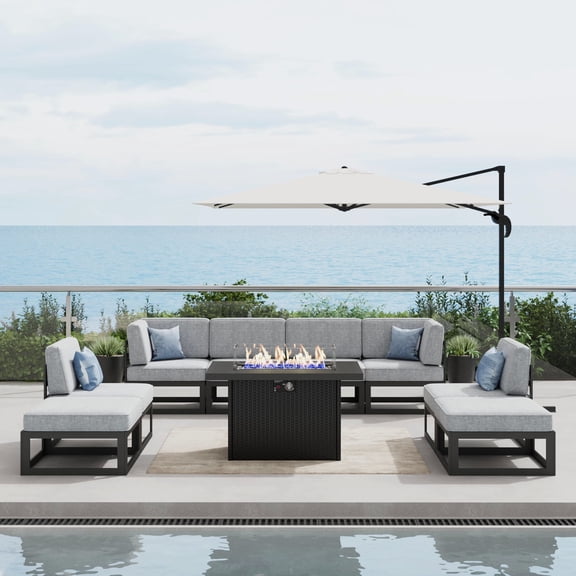
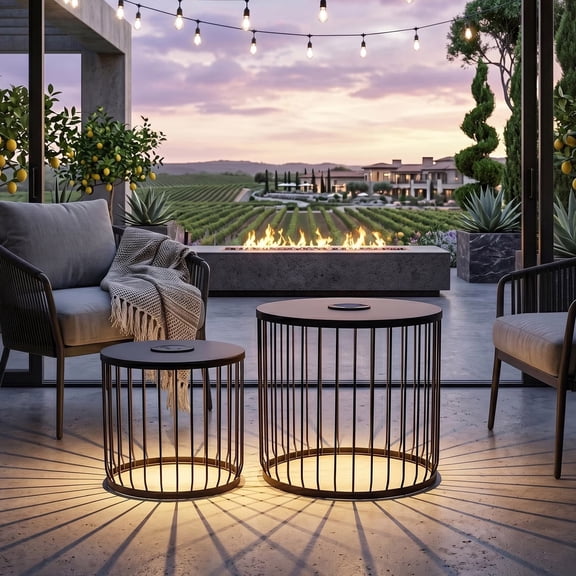
If you want a crisp, modern patio, you may lean toward metal patio furniture with slim lines and simple silhouettes. You’ll often see aluminum frames paired with neutral cushions and clean table tops.
If you want a softer, relaxed look, wicker patio furniture can warm up porches and covered patios. You’ll get texture that pairs well with side tables, lanterns, and layered outdoor rugs.
Wood patio furniture fits spaces where you want visible grain and a natural finish. You should expect routine care, especially if your furniture sits in direct sun or frequent rain.
Plastic outdoor furniture works well for casual seating near pools, play areas, or flexible backyard layouts. You’ll find it useful when you want quick cleanup and lighter pieces for frequent rearranging.
For everyday maintenance, you should compare what each surface needs through the season. You’ll usually wipe resin and metal clean faster, while wood often asks for more regular attention.
If you want a category that balances style and simpler care, you may focus on weather resistant patio furniture with resin wicker or aluminum frames. You’ll get materials designed for outdoor use without the heavy upkeep of some wood finishes.
When you choose the right material mix, your patio feels more usable through changing weather and changing plans. You’ll end up with seating that fits your climate, your layout, and your preferred level of upkeep.