








Home Audio, Speakers & Soundbars




























About Home Audio, Speakers & Soundbars - Walmart.com
Home audio speakers and soundbars help you turn everyday TV time into clearer, fuller listening at home. You can compare room-friendly soundbars, bookshelf speakers, and surround setups by connection type, channel layout, and placement needs.
How to choose home audio speakers and soundbars
When you compare speaker types first, you can narrow your options faster and match sound to your room. You should also measure your TV stand, media console, or shelf before choosing a wider setup.
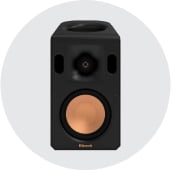
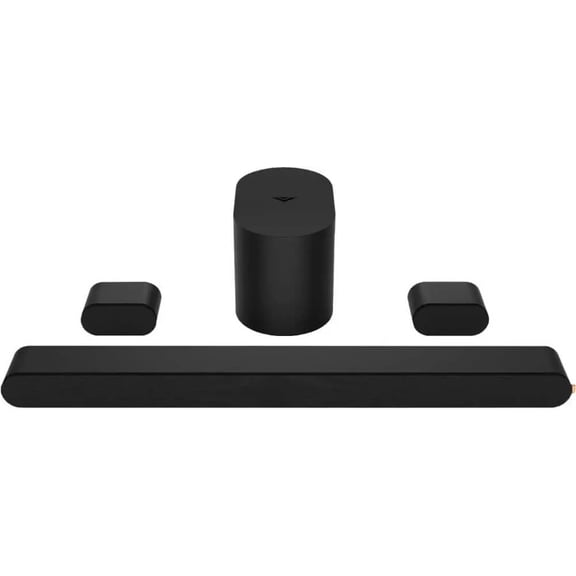
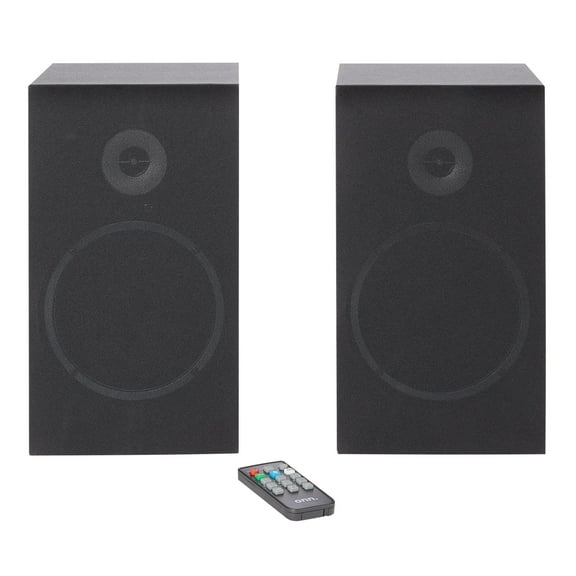
Soundbars give you a streamlined shape that fits neatly below many TVs and keeps your setup visually simple. Bookshelf speakers let you separate left and right audio, while floorstanding speakers fill larger rooms with a bigger front soundstage.
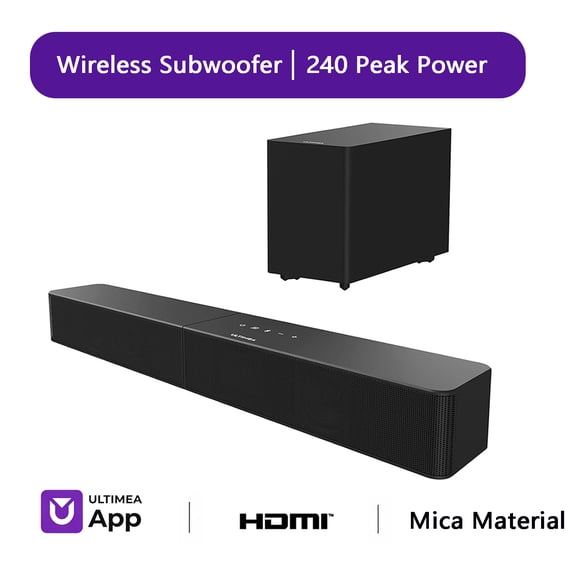
If you want deeper bass, you should look at systems that include subwoofers or support wireless subwoofers. You’ll usually notice more rumble in movies, sports, and live concert recordings with that added low-end output.
- You can choose soundbars when you want fewer visible components around your TV.
- You can choose bookshelf speakers when you want stereo separation on shelves or stands.
- You can choose floorstanding speakers when you have more floor space and want a larger front soundstage.
- You can choose subwoofers when you want fuller bass for movies, games, and music.
Choosing connectivity for bluetooth home speakers and TV setups
You should check your TV’s available ports before you select a sound system for your space. You’ll often compare HDMI ARC, Optical, Bluetooth, Wi-Fi, and Auxiliary connections during that step.
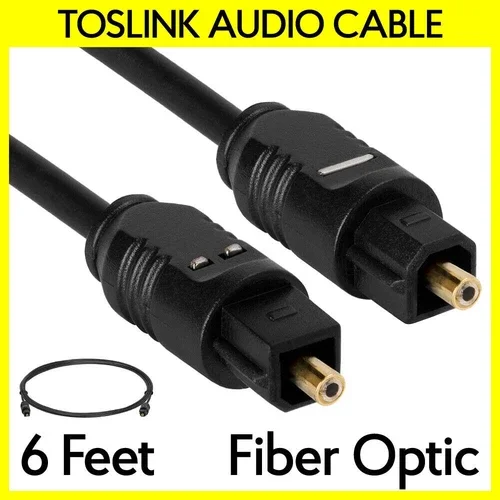
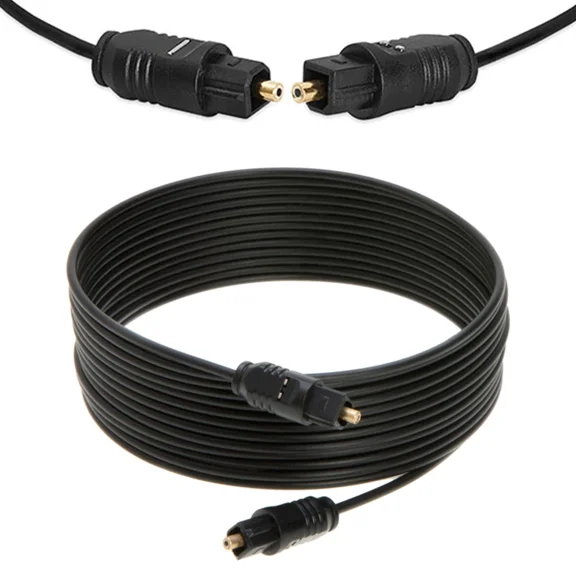
HDMI ARC lets you connect compatible TVs with one cable and control volume through many TV remotes. Optical works well when your TV includes that port, though you should confirm cable compatibility before setup.
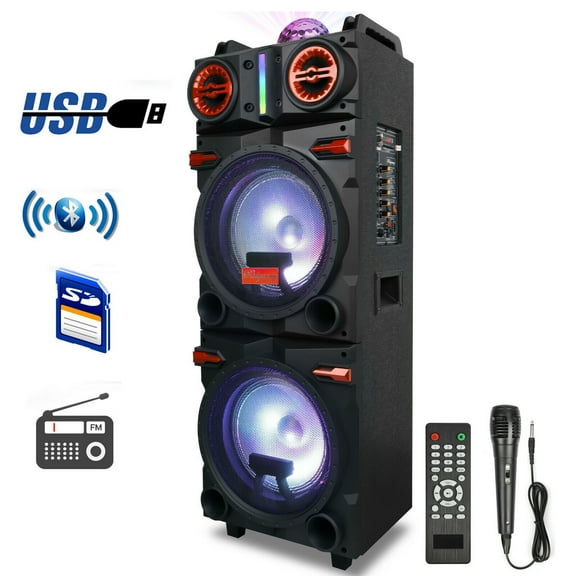
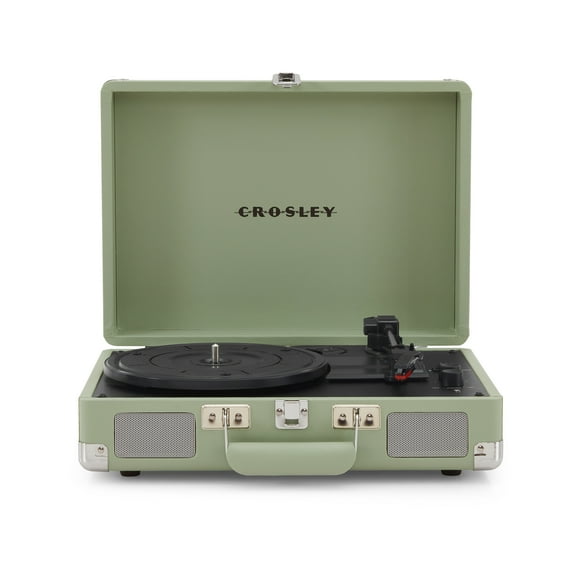
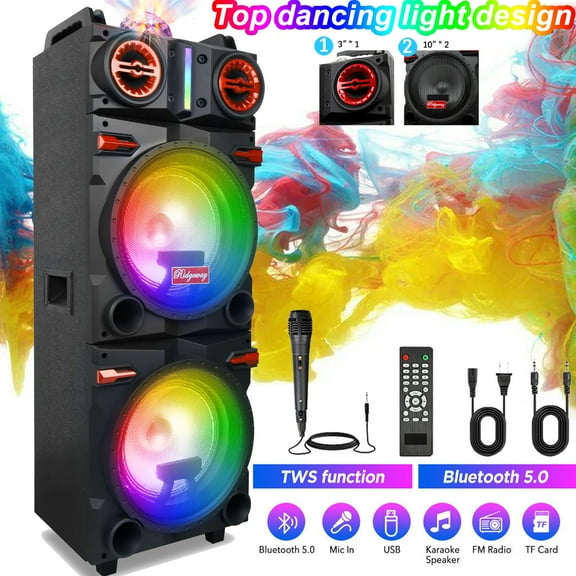
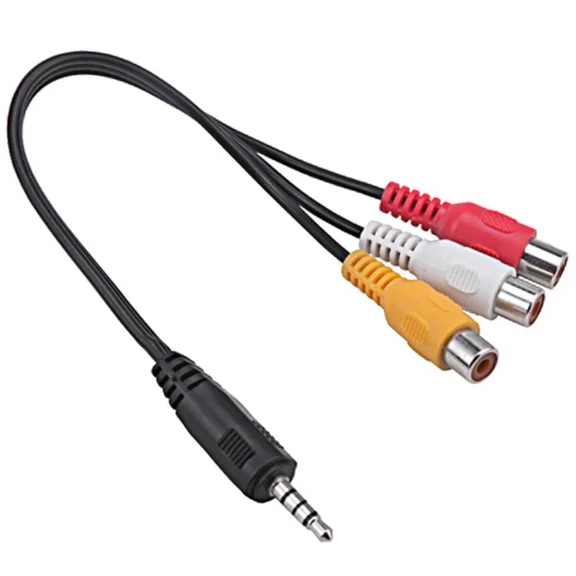
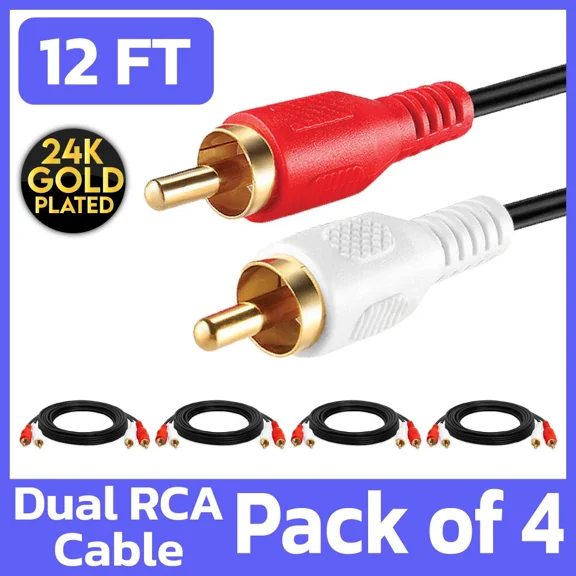
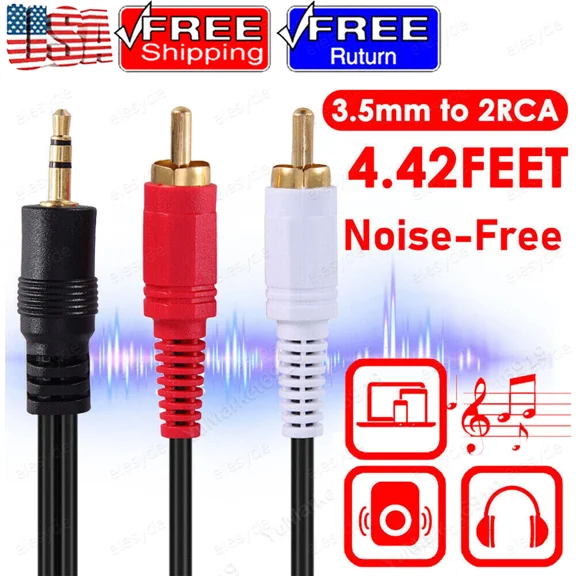
If you want fewer wires, you may prefer Bluetooth home speakers or soundbars with wireless pairing options. Wi-Fi models can fit multi-room listening, while Auxiliary connections help you link older audio sources.
You should think about where your outlets sit before choosing AC powered speakers or rechargeable battery models. Rechargeable options give you more placement flexibility, while AC powered units suit fixed entertainment centers.
Understanding surround sound speakers and channel numbers
You can make smarter choices when you know what channel numbers describe in surround sound speakers. The first number tells you how many main channels you get, and the second shows subwoofer support.
A 2.0 setup gives you left and right channels without a separate bass unit. A 2.1 setup adds a subwoofer, so you’ll hear more weight in action scenes and music playback.
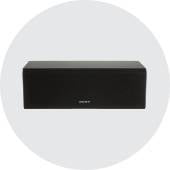
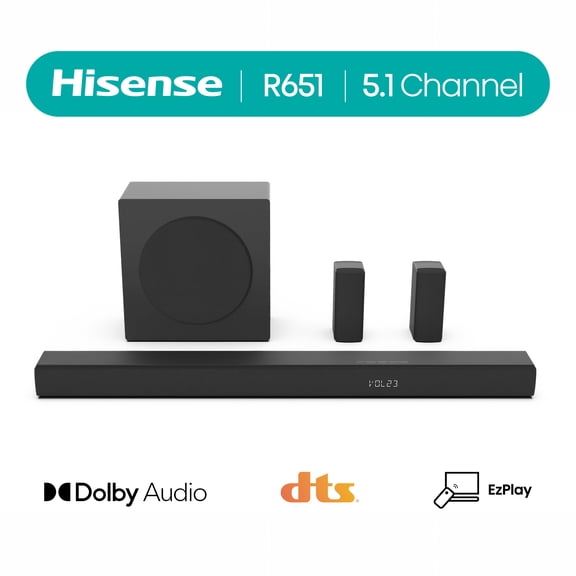
If you want room-filling movie sound, you may compare 5.1 systems with front, center, and rear channels. You’ll get more directional effects, which helps voices stay clearer while background audio spreads around you.
When you see 7.1.2 Dolby Atmos, you’re looking at extra surround channels and two height channels. Upward-firing drivers can reflect sound overhead, so you get a more layered home theater feel.
Matching speaker types to your room and routine
You should match your speaker type to your room size, furniture layout, and listening habits. A slim soundbar suits smaller spaces, while separate speakers may fit a dedicated media room more naturally.
If your TV sits on a narrow console, you may want home theater soundbars that keep the footprint compact. If you use wall shelves or speaker stands, bookshelf speakers can give you flexible left-right placement.
You may prefer floorstanding speakers when you want a traditional stereo look beside a media cabinet. If you stream playlists often, you might focus on bluetooth home speakers for quick phone and tablet pairing.
For movie nights, you can pair TV soundbars with wireless subwoofers to add fuller bass without extra front cables. For living rooms with open seating areas, surround sound speakers can spread audio more evenly across the space.
What to look for in everyday use
You should consider setup time, cable routing, and remote control convenience before you choose a system. You’ll also want to check whether the model supports your preferred streaming source and playback method.
If you switch between shows, gaming, and music, you may want easy input switching and straightforward pairing. You can also look for designs that fit under your TV without blocking the screen or sensor.
When you’re planning a seasonal entertainment upgrade, home theater systems can help you bring together speakers, bass, and TV audio in one setup. You’ll get a clearer path to choosing components that fit your room, your ports, and your listening style.
With home audio speakers and soundbars, you can compare size, connectivity, channels, and bass support in a way that fits your space. You’ll feel more confident choosing audio gear that connects cleanly and sounds right in your room.