


Horses
Horse care necessities
Stable staples



About Horses - Walmart.com
You can simplify daily care with horse supplies that match your barn routine, riding needs, and turnout setup. You’ll find category-specific options for tack, grooming, stable care, and fly control in one place.
When you compare by life stage, care type, and material, you can choose horse necessities with more confidence. You’ll also spot practical things for horses that fit foals, adult horses, and senior horses.
How to choose horse supplies by product category
You should start with the product category that supports your daily routine. You may need tack for riding, grooming tools for coat care, stable supplies for stalls, or fly control for turnout.
With tack, you should compare fit, adjustability, and hardware placement before you choose. You’ll want measurements that match your horse’s size, because tack that fits correctly feels easier to use.
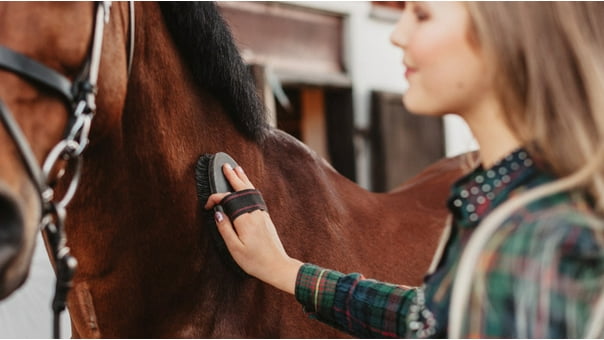
For grooming, you can compare curry combs, brushes, hoof picks, and mane tools by coat type. You’ll notice that different tools help you lift dirt, smooth hair, and tidy thicker manes.
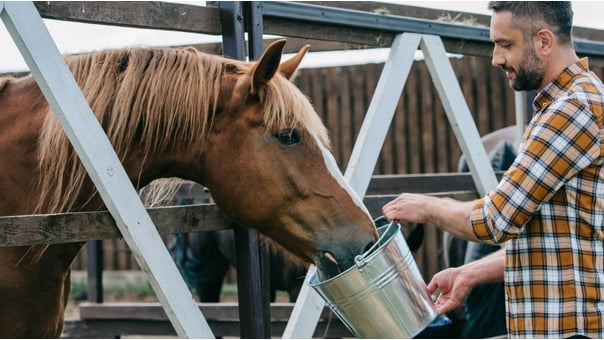
Stable supplies help you manage feeding, watering, storage, and stall upkeep with less hassle. You can keep your space more organized when your horse products match your barn layout.
Fly control matters when you want coverage during warm, buggy weather. You should compare masks, sheets, and leg wraps by coverage area, fastening style, and fabric feel.
- You can organize daily care with tack, grooming, stable, and turnout essentials.
- You can match tools to your horse’s coat, age, and riding routine.
- You can compare coverage, materials, and measurements before you choose.
- You can keep common equine supplies together for faster barn tasks.
Choosing equine supplies by life stage and care type
You should consider your horse’s life stage before you narrow your options. Foals, adult horses, and senior horses often need different sizes, textures, and care routines.
For foals, you may look for lighter handling gear and smaller grooming tools. You’ll usually want simple essentials that support early care and everyday handling.
Adult horses often need riding equipment, turnout gear, and regular grooming supplies. You can compare horse supplies by how often you ride, train, travel, or manage pasture time.
Senior horses may benefit from easy-to-handle tools and feeding accessories that support routine care. You should check openings, closures, and container styles that feel practical during daily use.
Care type also helps you narrow equine supplies with less guesswork. You may shop by nutrition, grooming, riding equipment, or stable management, depending on your routine.
When you compare nutrition items, you should check formulation details, feeding format, and storage needs. You’ll want clear labeling and container sizes that fit your feeding schedule.
For riding equipment, you should focus on fitment details and adjustment points. You can use measurements, including horse height in hands, to guide tack and blanket sizing.
What to look for in materials, fit, and durability
You should compare materials because they affect feel, upkeep, and daily wear. Leather, nylon, synthetic fabrics, and stainless steel each support different barn tasks.
Leather can give you a traditional look and a structured feel in tack. You’ll want to check care needs, since regular cleaning and conditioning help it stay ready to use.
Nylon often works well when you want lighter gear with easy handling. You can compare weave thickness, stitching, and hardware attachment points for everyday use.
Synthetic materials can suit messy barn conditions and frequent cleaning. You’ll notice they often wipe down quickly, which helps you move through chores faster.
Stainless steel hardware matters when you compare bits, buckles, snaps, and rings. You should look for smooth edges and secure closures that feel dependable in daily handling.
Fit is especially important for tack and blankets because measurements guide comfort and coverage. You can check length, strap placement, and adjustability before you choose a size.
When you measure blankets, you should compare body length and closure placement carefully. You can also use horse height in hands as a helpful starting point for size planning.
For fly control and weather coverage, you should compare denier, fabric weight, and seam construction. You’ll want materials that hold up through turnout, rubbing, and repeated fastening.
Matching horse products to real barn and riding routines
You can build a practical setup when you match horse products to how your day actually runs. A trail rider, lesson barn, and pasture keeper often need different combinations.
If you ride several times each week, you may prioritize tack, grooming totes, and cooling accessories. You’ll want easy-access gear that helps you move from stall to saddle efficiently.
For pasture use, you might focus on fly masks, sheets, feeders, and water accessories. You can choose things for horses that support turnout time and simple daily checks.
If your barn routine centers on grooming, you should match tools to coat thickness and shedding level. You’ll likely want softer brushes for finishing and firmer tools for packed dirt.
For stable management, you can compare storage bins, feeding tools, and cleanup essentials by space. You should measure aisles, tack areas, and stall fronts before choosing larger supplies.
When you care for more than one horse, you may want color coding or labeled storage. You can keep horse necessities sorted by horse, task, or turnout schedule.
If you’re preparing for changing weather, you should compare fly control with coverage and fastening ease. You’ll appreciate gear that stays in place during turnout and comes off quickly in the barn.
You can feel more prepared when your horse supplies reflect your horse’s age, coat, and workload. You’ll make daily care smoother with options built around fit, material, and routine use.