



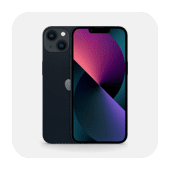
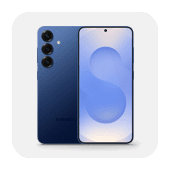
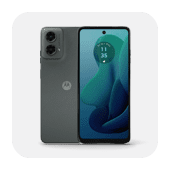



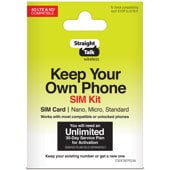
Unlocked Phones




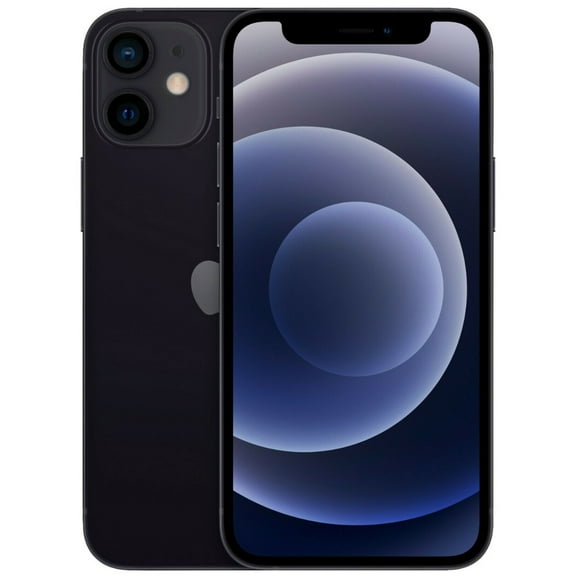


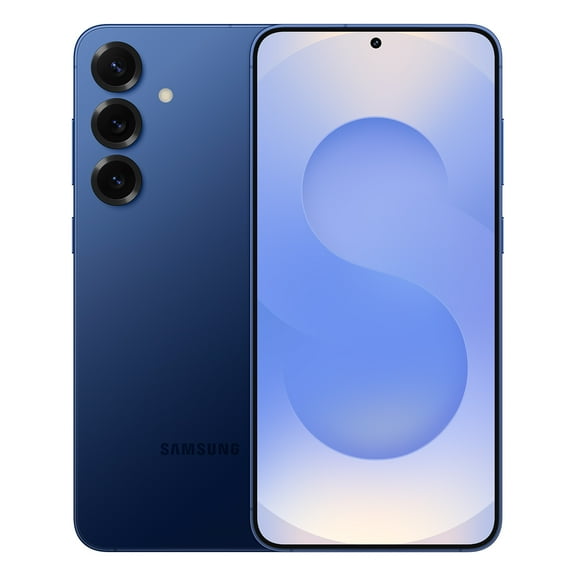


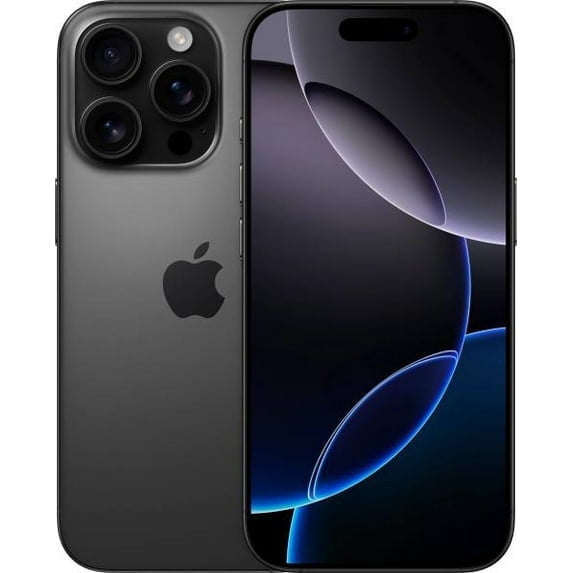




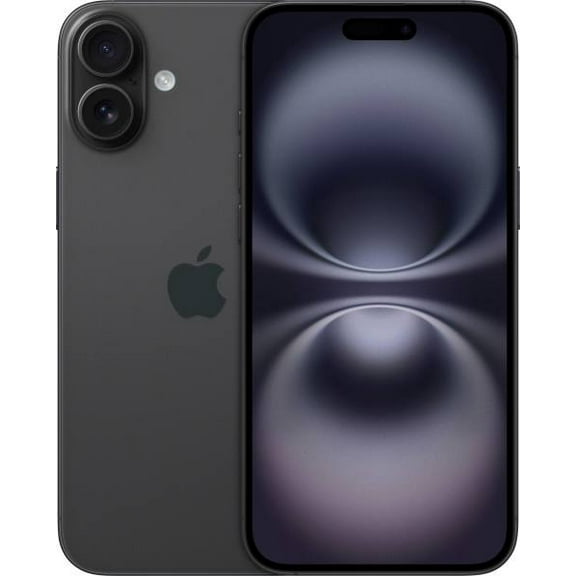


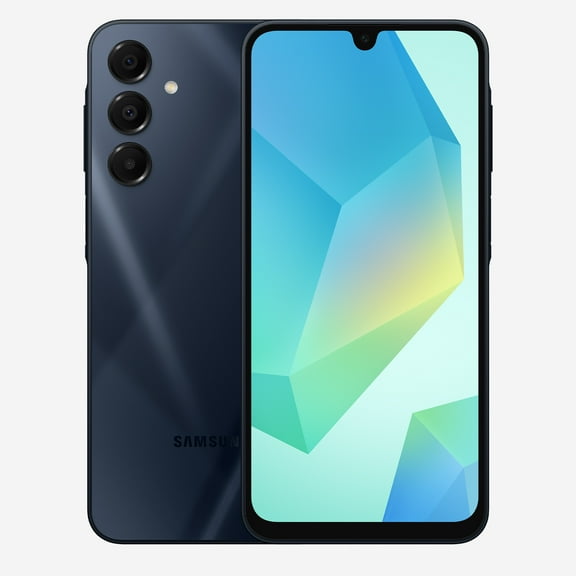


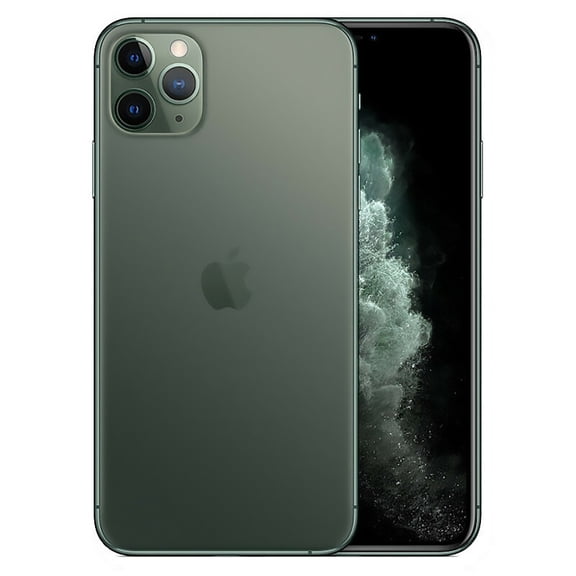
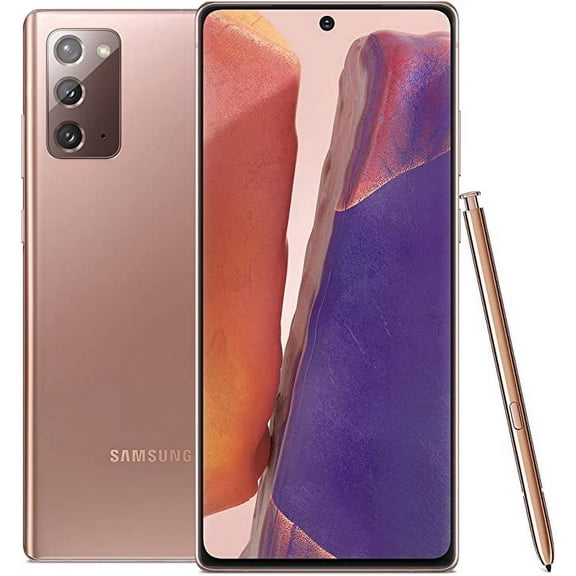
















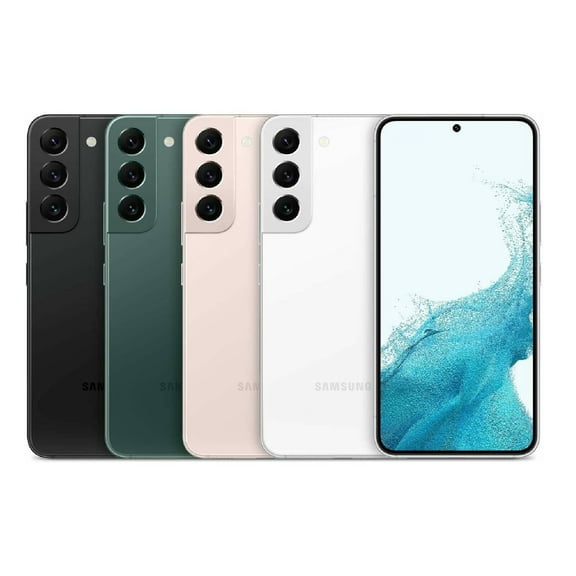


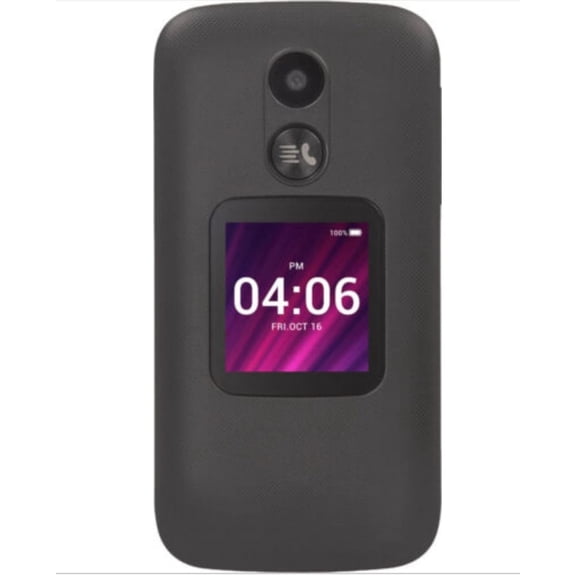
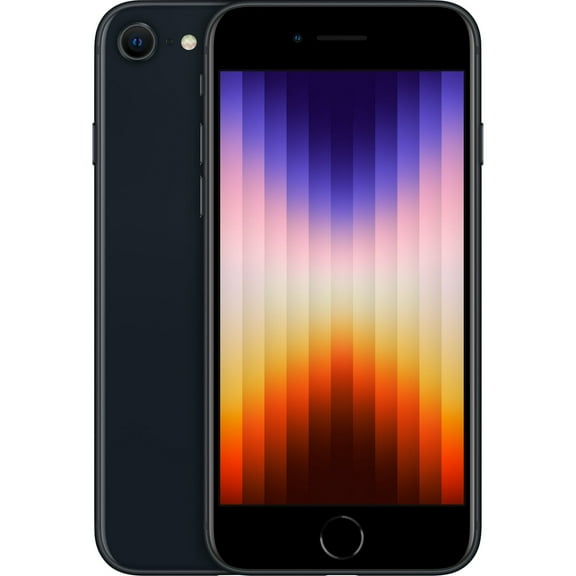


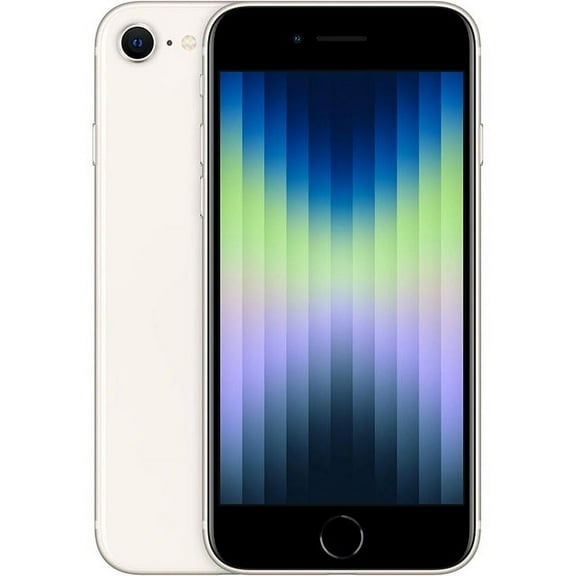
About Unlocked Phones - Walmart.com
Cell phones help you stay connected, work on the go, and manage daily tasks from one device. When you compare carrier status, condition, operating system, network support, and storage, you can choose with more clarity.
How to choose cell phones by carrier status
If you want flexibility, unlocked cell phones let you choose a compatible carrier and switch plans more easily. You should check network bands, because compatibility affects calling, messaging, and data access.
Carrier-locked options can fit you when you plan to stay with one provider for activation and billing. You should confirm whether your plan uses GSM or CDMA support, though many newer networks now center on LTE and 5G.
Prepaid phones can work well when you want contract-free service and predictable monthly costs. You can compare activation steps, refill options, and coverage details before you choose a phone.
What to look for in unlocked cell phones and prepaid phones
You can narrow your options faster when you compare the details that shape everyday use. You should focus on the factors that affect setup, speed, storage, and long-term convenience.
- You can use unlocked models when you want wider carrier flexibility and simpler switching.
- You can choose prepaid phones when you want contract-free setup and direct plan control.
- You can look for 5G phones when you want access to newer network speeds where carriers offer coverage.
- You can match storage to your habits, from basic texting to large photo and video libraries.
You may also want to compare charging support and battery size before you decide. When you check mAh capacity and charging wattage, you get a clearer picture of daily runtime.
Choosing condition and refurbished cell phones
If you prefer current packaging and untouched components, new phones can be the simplest place to start. You can compare recent releases, updated cameras, and current operating system support.
If you want another path, refurbished cell phones and restored models can expand your choices across brands and storage tiers. You should read the condition details closely, because grading helps you understand cosmetic wear and included accessories.
Pre-owned devices can also fit your needs when you care particularly about specific models or familiar designs. You can review listing notes, capacity, and compatibility details to make a more informed pick.
When you compare restored options, you should look for plain-language grading and warranty information. You can use those details to understand appearance, testing status, and what comes in the box.
Comparing iOS, Android, and everyday features
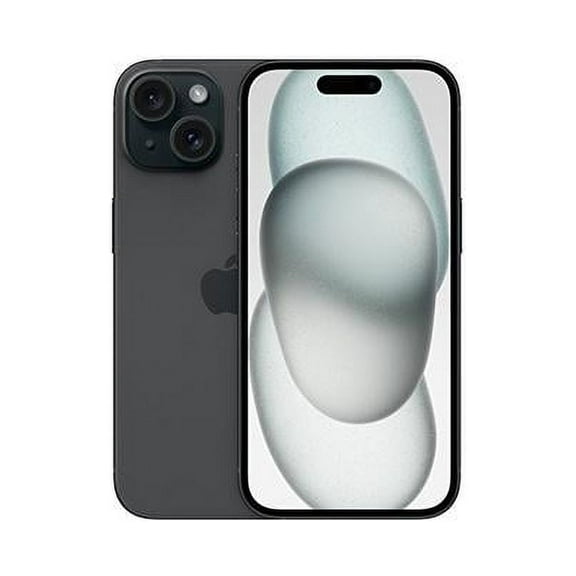
Your operating system shapes how you use apps, settings, and connected devices every day. If you want a familiar Apple experience, iOS can keep your interface simple across supported services.
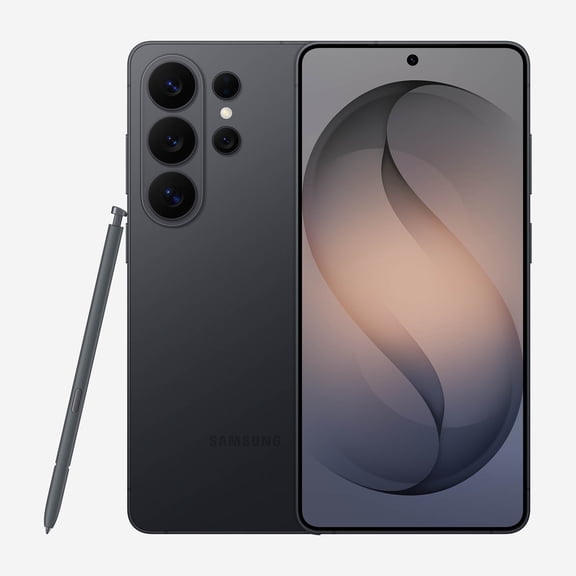
If you want broader hardware variety, Android gives you more choices in size, camera layout, and customization. You can compare screen size, fingerprint options, and charging ports across many Android models.
You should also compare battery capacity and charging features in plain terms before you buy. A higher mAh number often means longer time between charges, while faster wattage can shorten charging sessions.
Camera needs matter too, especially if you use your phone for family photos, social posts, or short videos. You can check lens counts and storage together, because more photos and clips fill space quickly.
Picking 5G phones and storage capacity
If you want newer network support, 5G phones can be worth a closer look. You should still confirm carrier compatibility, because 5G access depends on your plan, device support, and local network coverage.
For lighter use, 64GB can fit calling, messaging, streaming, and a modest app list. If you take many photos, 128GB gives you more room before you need to clear space.
If you record lots of video or keep large games on your device, 256GB can feel more comfortable. You may want 512GB when your phone handles work files, offline media, and extensive app libraries.
You can avoid frustration by matching storage to your routine instead of guessing. When your device has enough space, you can keep updates, photos, and downloads organized more easily.
Matching cell phones to real-life use
If you travel often, unlocked cell phones can make switching carriers or plans feel more manageable. You should compare network bands first, because that detail affects how the phone connects.
If you need a first phone for simple calling, texting, and school apps, prepaid phones can keep setup straightforward. You can choose practical storage and check whether 4G LTE or 5G fits your area.
If you want a familiar flagship model without focusing only on new releases, refurbished cell phones can open useful options. You can compare grading, warranty details, and storage before you commit.
If you stream, game, and multitask throughout the day, you should compare battery size, charging wattage, and 5G support together. That combination can shape how smooth your daily phone experience feels.
When you choose cell phones with the right carrier status, condition, operating system, network support, and storage, you make everyday tasks easier. You can move from browsing to setup with a phone that fits how you actually live.