


Star Wars Puzzles for Kids & Adults (500 & 1000 Pieces)








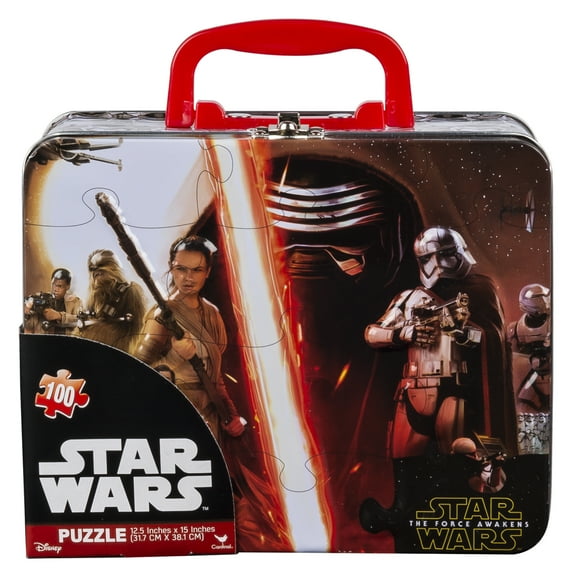
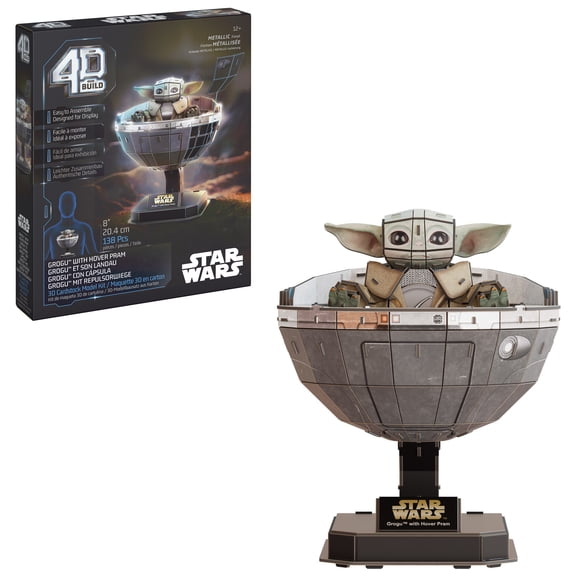




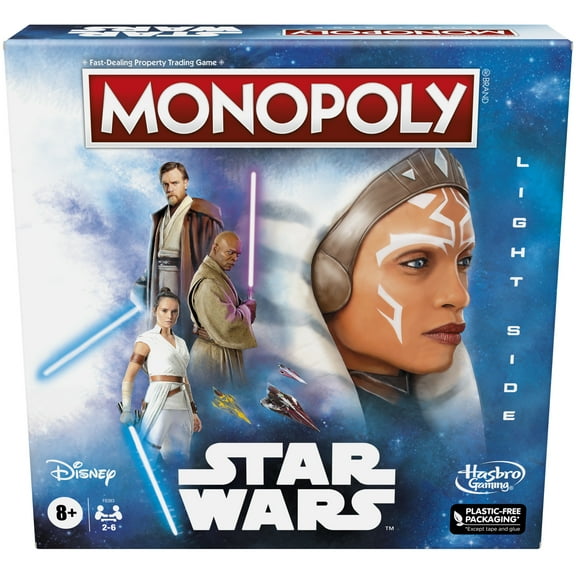









About Star Wars Puzzles for Kids & Adults (500 & 1000 Pieces) - Walmart.com
When you compare star wars puzzles for kids, you can narrow choices by age range, piece count, and favorite movie era. You’ll also find formats that fit quiet solo time, family game night, or a display-worthy build.
If you’re choosing this category for a gift or weekend activity, you’ll want guidance that matches how your household actually plays. You can use the decisions below to compare jigsaw puzzles, three-dimensional builds, and themed board games with less guesswork.
How to choose star wars puzzles for kids
You should start with age range, because artwork complexity and piece size affect how smoothly your build goes. Younger kids often do well with 100 pieces, while older kids may enjoy denser scenes.
If you’re shopping for family use, you can look for artwork everyone recognizes, such as droids, starfighters, or classic character lineups. You’ll usually get a more relaxed experience when the image has clear color zones.
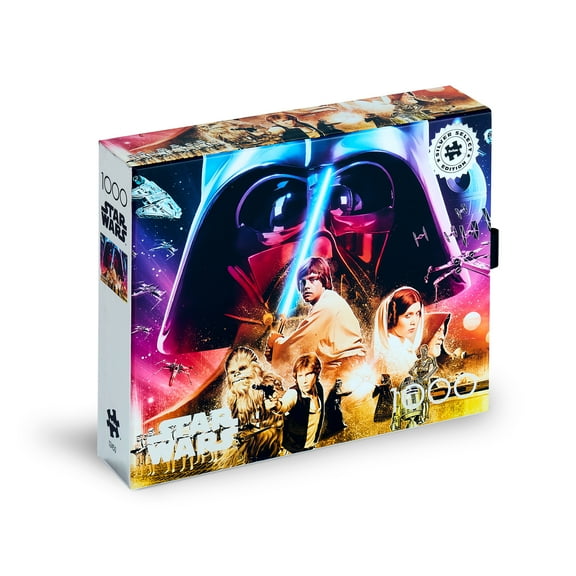
For adults, you may prefer a 1000 star wars puzzle with tighter cuts and more detailed backgrounds. You’ll notice that star fields, dark armor, and space scenes can make sorting slower.
- You can match 100-piece options to newer puzzlers and shorter attention spans.
- You can choose 500-piece builds when you want a balanced challenge for families.
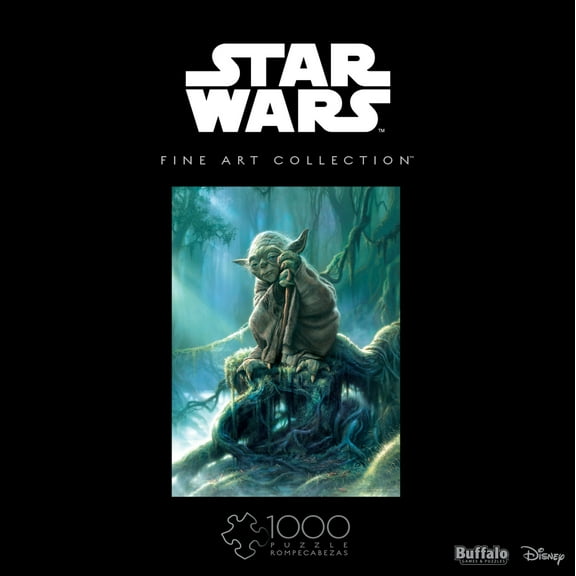
- You can pick 1000-piece designs when you want longer sessions and display appeal.
- You can compare familiar eras, like the Original Trilogy or The Mandalorian, for easier image recognition.
Choosing piece count, size, and puzzle materials
You should compare piece count with finished size, because your table space matters as much as difficulty. A star wars puzzle 500 count often suits family rooms, while larger counts need more surface area.
If you’re considering a star wars puzzle 1000 format, you should check piece dimensions and the finished measurements before you commit. You’ll avoid cramped builds when you know whether your setup fits the final layout.
You can also compare blueboard thickness when you want pieces that feel sturdier in your hands. A thicker board can make repeated sorting feel neater, especially during longer builds.
When you look at finish details, you should check for a glare-free matte surface on busy scenes. You’ll read darker images more easily when overhead lights don’t bounce across the artwork.
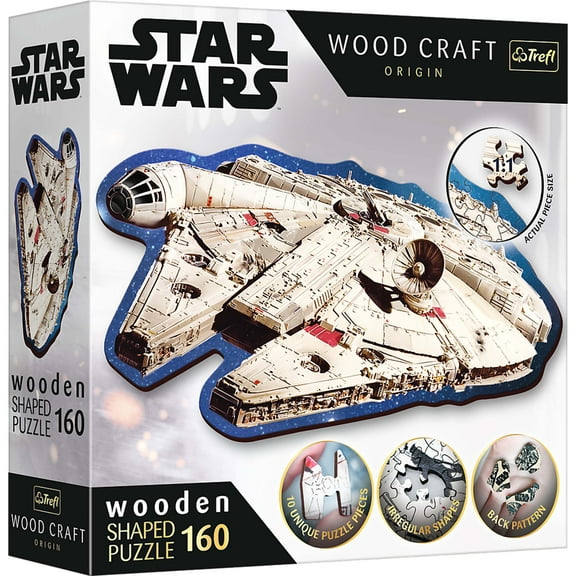
If you’re shopping across formats, you can treat jigsaw puzzles star wars styles differently from three-dimensional builds or board games. You’ll focus on image clarity for jigsaws, structural fit for 3D sets, and rules length for games.
Comparing themes, eras, and character scenes
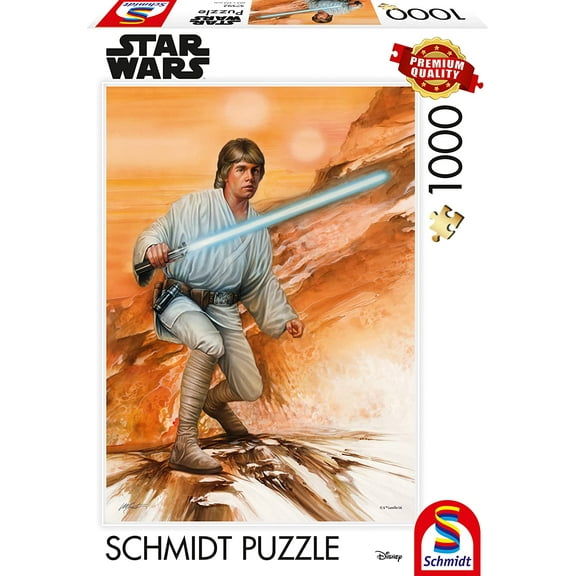
You can make choosing easier when you match the puzzle image to the era your household already loves. Fans of the Original Trilogy may recognize iconic ships and classic character group shots faster.
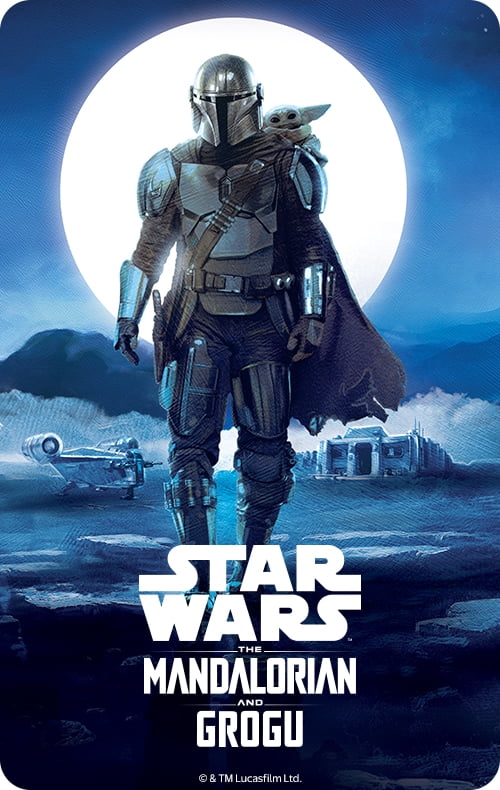
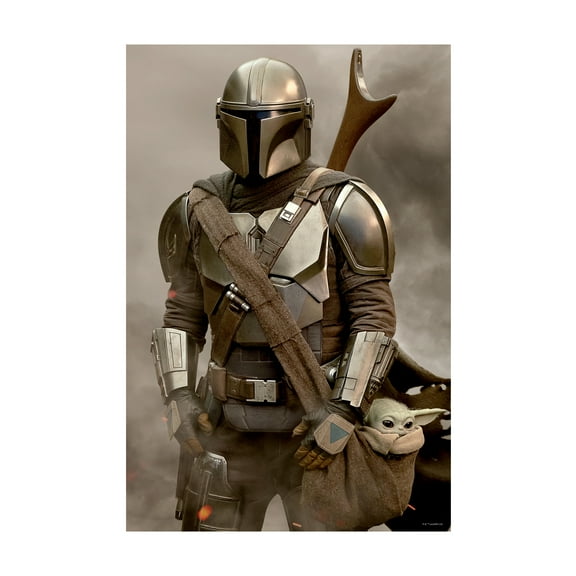
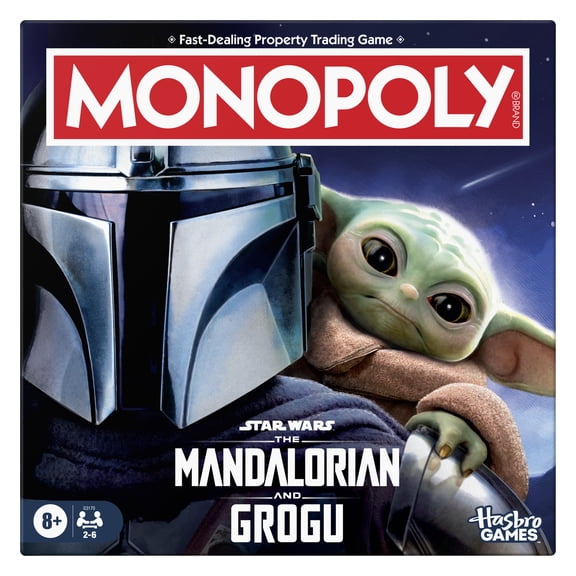
If your shopper prefers newer stories, you can look for The Mandalorian scenes with bold helmets, desert landscapes, and Grogu artwork. Those visual anchors can help younger builders sort edges and center sections.
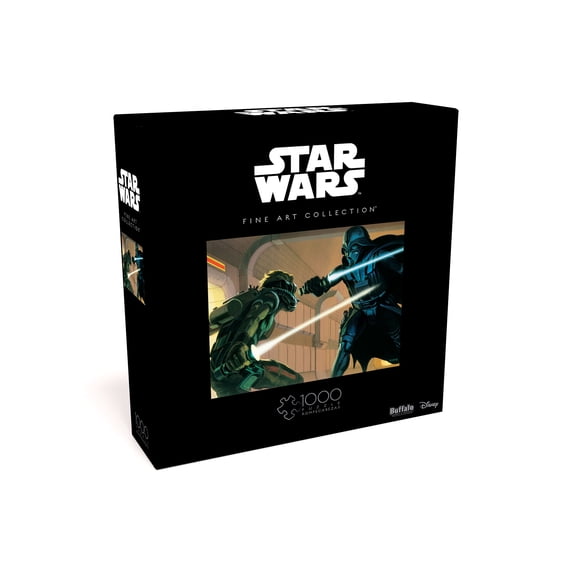
You may also want a revenge of the sith puzzle when prequel-era characters drive the excitement. You’ll often see more dramatic reds, dark interiors, and lightsaber scenes in that theme.
When you compare star wars puzzles across eras, you should think about how color contrast affects difficulty. You’ll usually finish faster when the scene has varied costumes, ships, and background zones.
If bilingual search terms brought you here, you can treat rompecabezas star wars options as the same category intent. You’re still comparing artwork, piece count, and age fit rather than a different product type.
Matching format to how you play
You can choose a kids star wars puzzle when you want a screen-free activity that feels easy to start and pause. You’ll often get the simplest setup with a flat jigsaw and a dedicated tabletop.
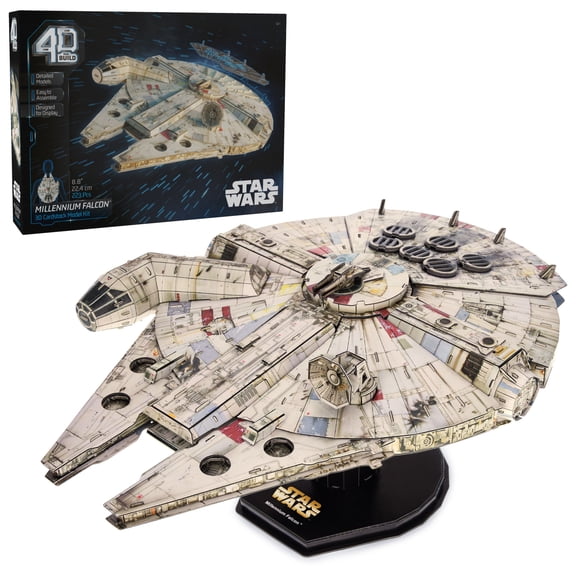
If your household likes hands-on building, you may prefer 3D formats that create ships, helmets, or landmarks. You’ll trade flat image sorting for assembly steps and shape-based matching.
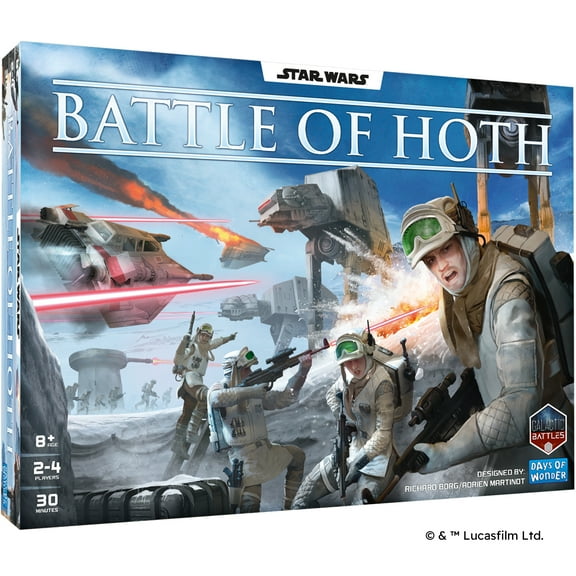
You can consider board games when you want Star Wars themes with turns, goals, and repeat play. Your family may prefer that format when you want shorter rounds and more interaction.
For mixed-age households, you should compare whether the format supports solo play, cooperative play, or side-by-side building. You’ll get smoother family sessions when expectations match the activity style.
Using age range combinations for real shopping situations
If you’re buying for younger kids, a star wars puzzle for kids with 100 pieces can feel manageable and rewarding. You’ll support fine-motor practice through larger sections and easier image cues.
When you’re shopping for siblings or parent-child time, a 500-piece build can create a shared pace without feeling overwhelming. You can divide corners, ships, and character groups into simple tasks.
If you want a gift for a teen or adult collector, a star wars puzzle with 1000 pieces can hold attention longer. You’ll often get more detailed posters, battle scenes, and montage artwork.
You can also mix formats by pairing puzzles with related categories for a fuller theme. If you want connected ideas, you may also compare Star Wars action figures, Star Wars board games, and adult jigsaw puzzles.
When you use these category cues, you can choose with more confidence and less trial and error. You’ll end up with a Star Wars activity that fits your table, your skill level, and your favorite galaxy scenes.