

Vinyl Wrap Squeegees in Car Squeegees














About Vinyl Wrap Squeegees in Car Squeegees - Walmart.com
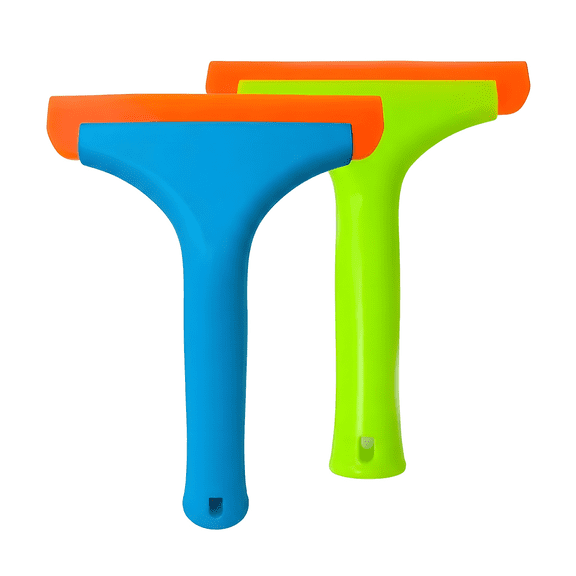
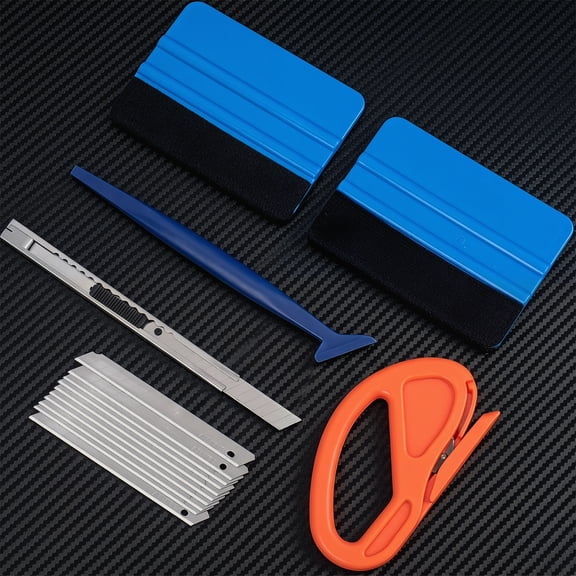
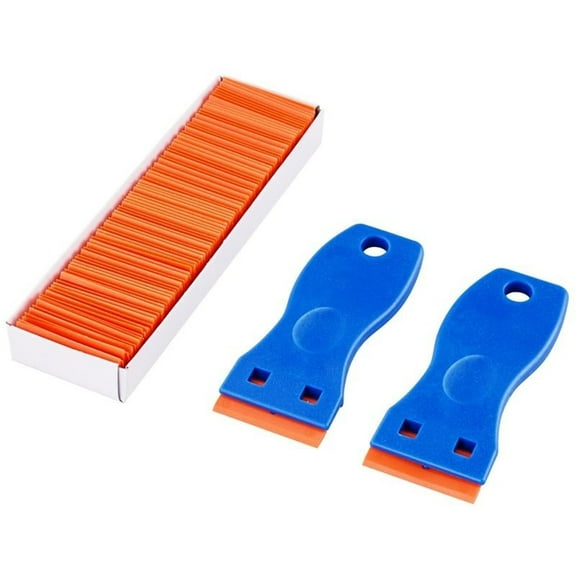
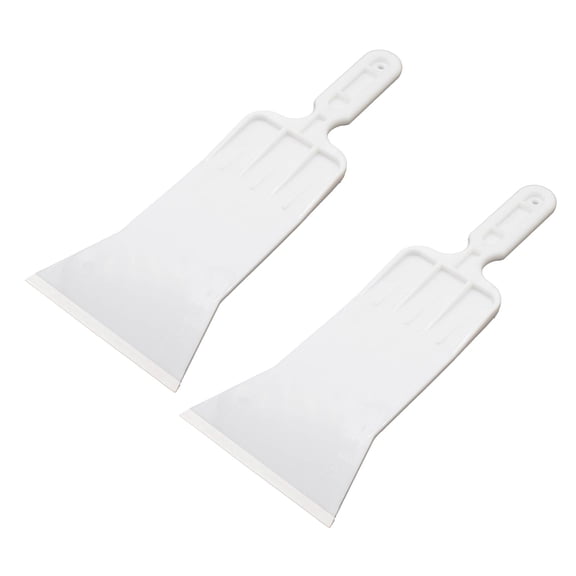
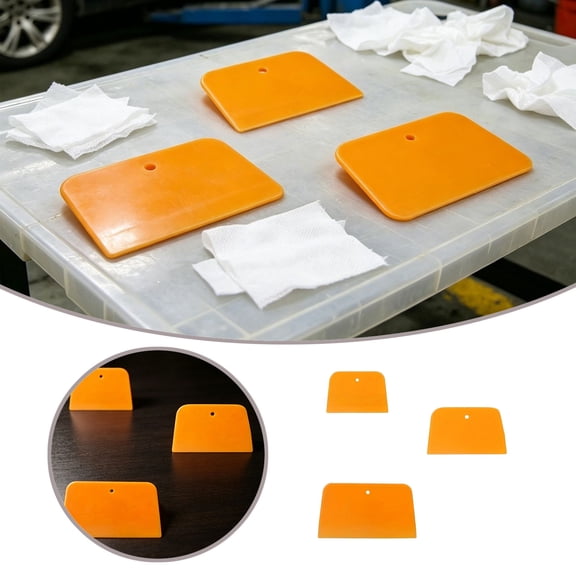
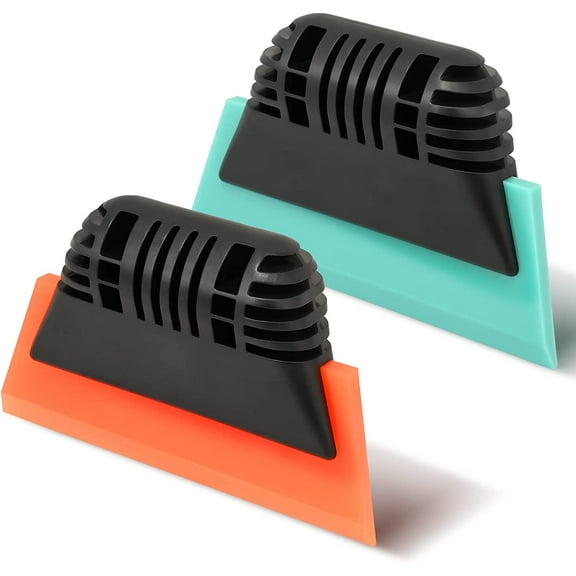
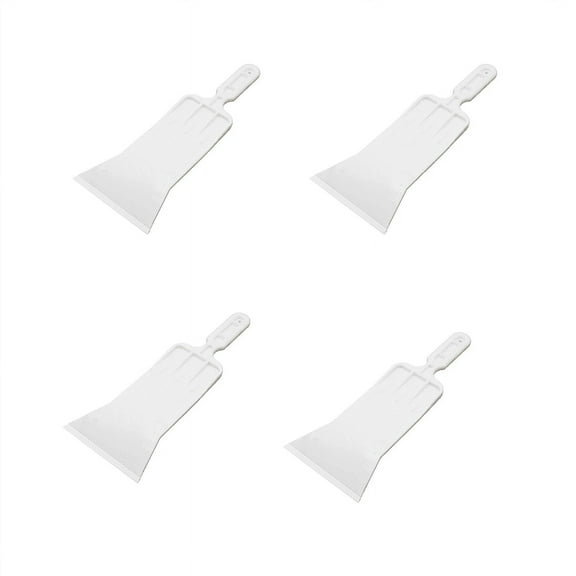
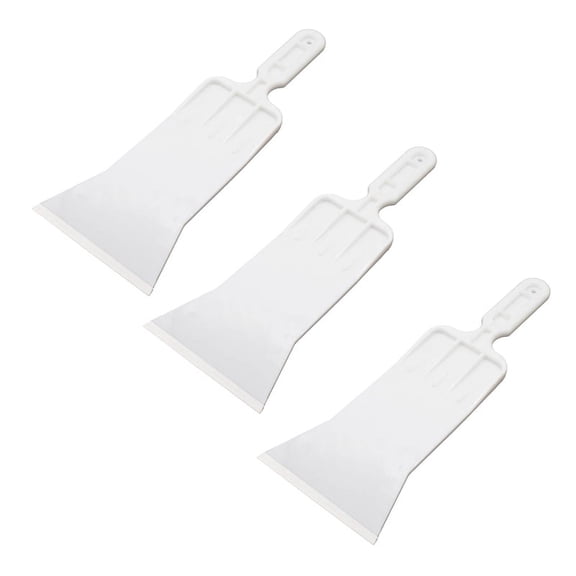
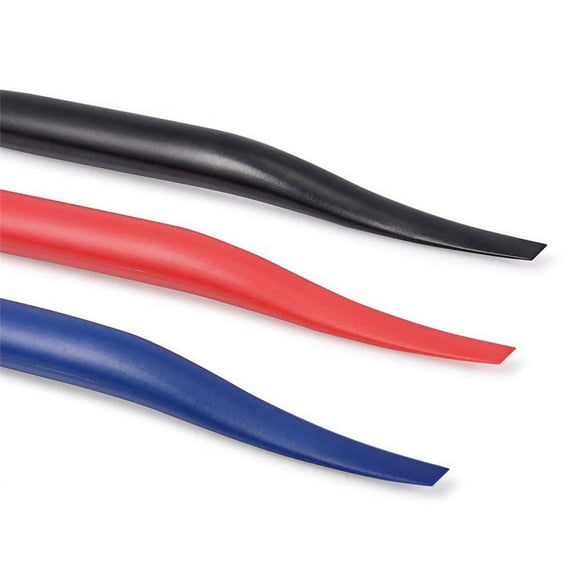
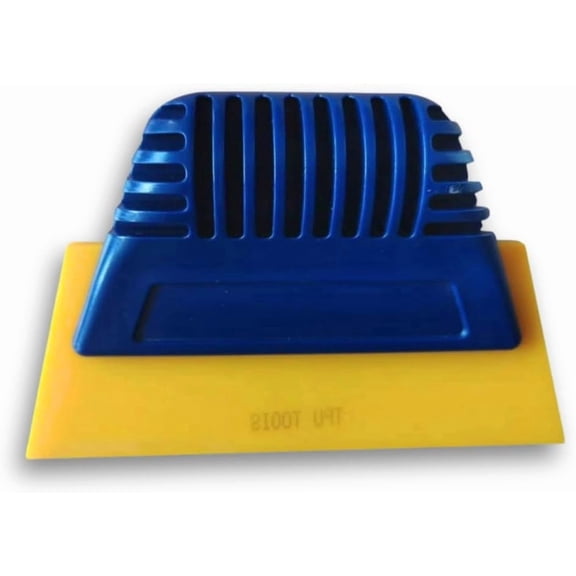
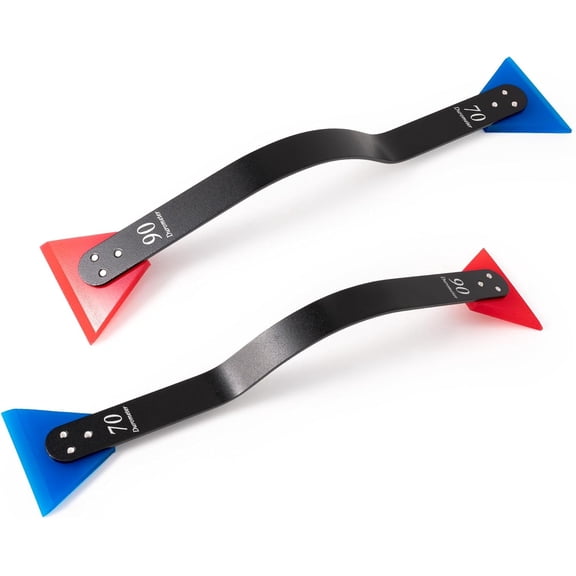
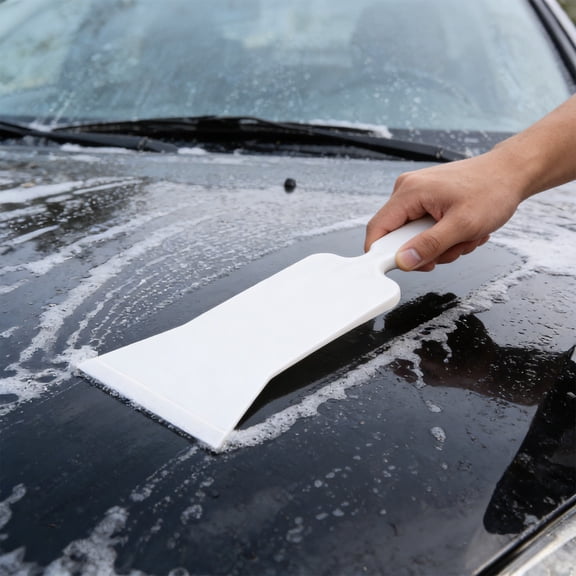
Vinyl wrap squeegees help you apply film with cleaner passes and fewer visible marks on gloss panels, textured sections, and tight trim areas. You can compare felt edges, hardness levels, and widths here, so your vinyl application tool matches your wrap method.
When you choose the right edge and flex, you can smooth air channels, guide film around curves, and keep pressure consistent. You’ll also find options that are highly suitable for window tinting, PPF, decals, and wallpaper-style installs.
How to choose vinyl wrap squeegees
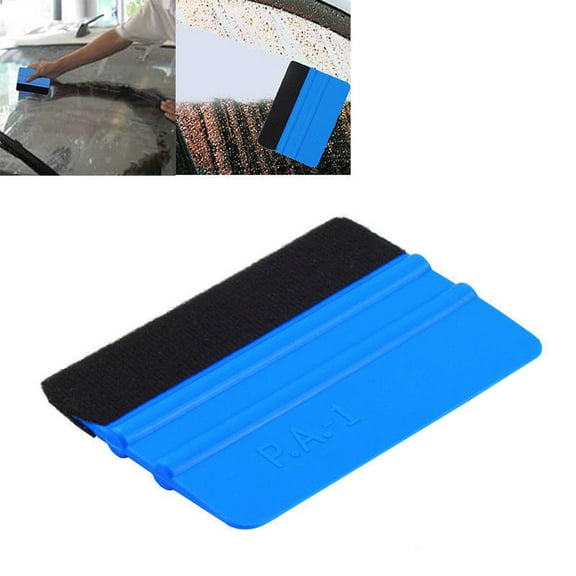
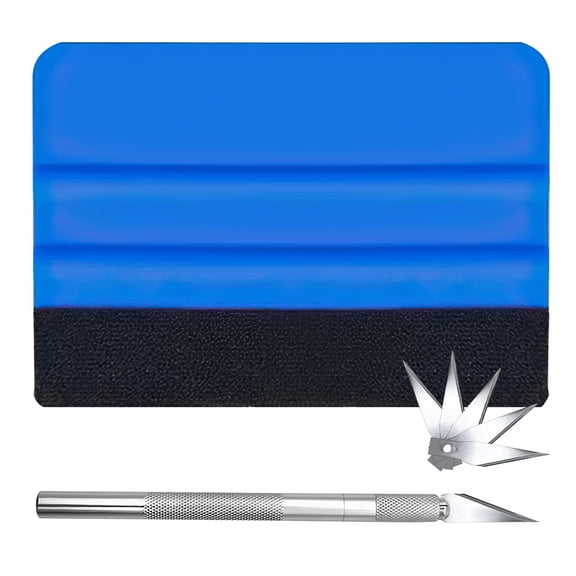
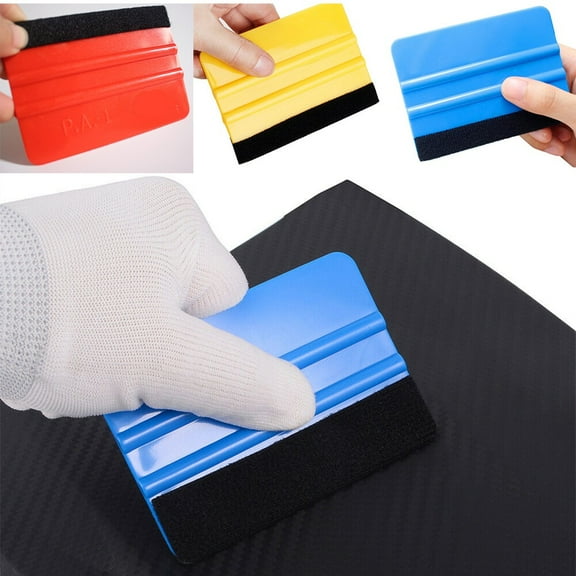
You should start with the edge style because scratch prevention often shapes your whole setup. You’ll usually compare a felt edge squeegee, a bare edge tool, or a suede felt squeegee first.
If you’re working on gloss vinyl, you may prefer felt or microfiber felt because your surface needs a gentler contact point. If you’re pushing film on flatter areas, you may choose a bare edge for firmer pressure.
You should also compare hardness before you pick a car wrap squeegee tool for daily use. Soft tools help you follow curves, while hard tools help you press firmly across broad, flat panels.
- You can use felt edges when your finish needs gentler contact.
- You can use harder blades when your flat sections need stronger pressure.
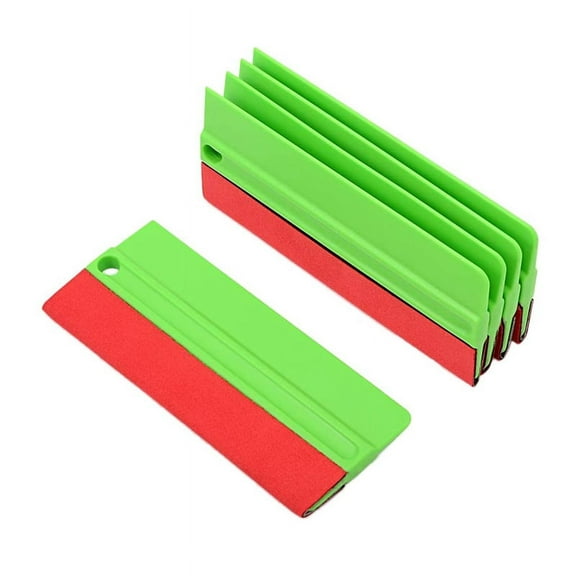
- You can use micro sizes when your seams, emblems, and narrow gaps need reach.
- You can use wider tools when your doors, hoods, and roofs need longer strokes.
Choosing material, edge, and flexibility
You’ll usually see felt edge, plastic, rubber, and foam options across this category. Each material changes how your hand pressure transfers across film, tint, or protective layers.
If you want a smoother glide, you may look for a felt edge squeegee or microfiber felt edge. If you want sharper pressure lines, you may compare plastic or rubber bodies with a firmer blade.
You should match flexibility to the panel shape you’re covering. Soft and dual-flex tools help you work around mirrors, bumpers, and contour lines without forcing the film.
Medium and hard tools fit jobs where you need a direct push across flat sections. You can use that firmer feel on hoods, doors, and larger decal areas.
You may also compare suede felt and microfiber felt before a dry or damp install. Suede felt squeegee styles often suit dry wrapping, while microfiber felt can make wet passes feel highly controlled.
Picking the right size for your application
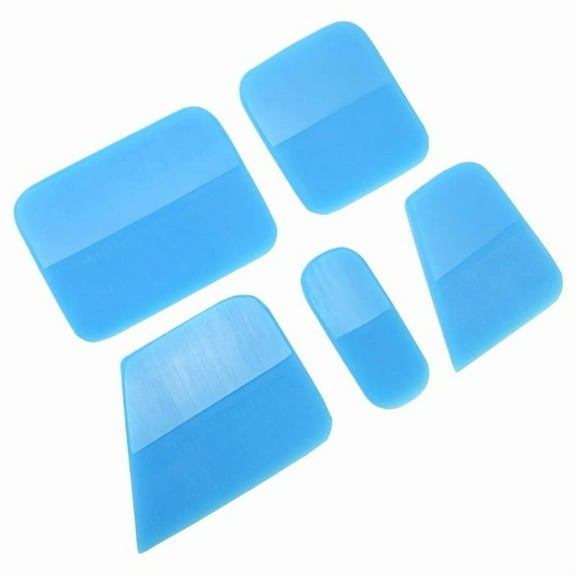
You should measure the work area before you choose width. A 4-inch tool gives you balanced control for many vehicle panels and common wrap tasks.
If you’re covering broader sections, you may want a 6-inch width for longer strokes and fewer passes. That wider face can help you keep your pressure even across large pieces.
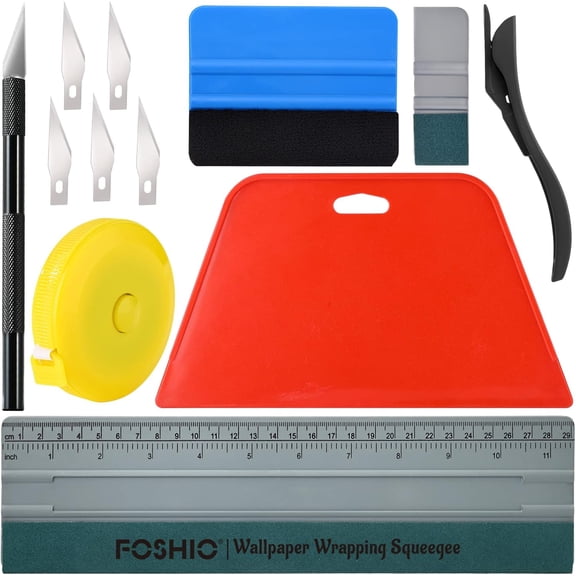
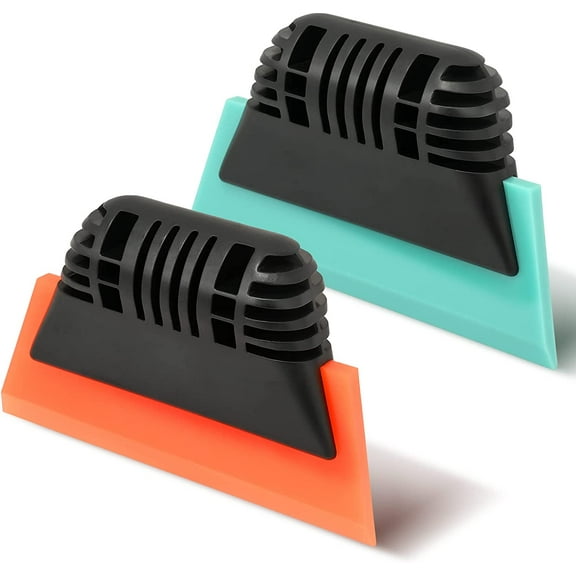
You’ll want a micro squeegee for wrap work when your install includes vents, badges, handles, and trim recesses. Smaller tools help you reach corners where standard widths can feel bulky.
If you switch between large panels and tight seams, you may prefer keeping multiple sizes within reach. That approach lets you move from roof sections to edge channels without changing technique too much.
Using vinyl wrap squeegees for tint, PPF, and detail work
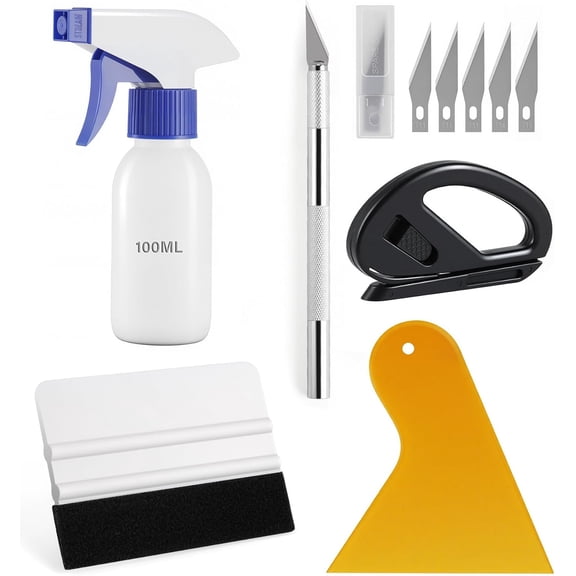
You can use vinyl wrap squeegees beyond full car wraps when your project calls for controlled pressure. Many shoppers also compare a window tint squeegee for glass work and narrow weatherstrip areas.
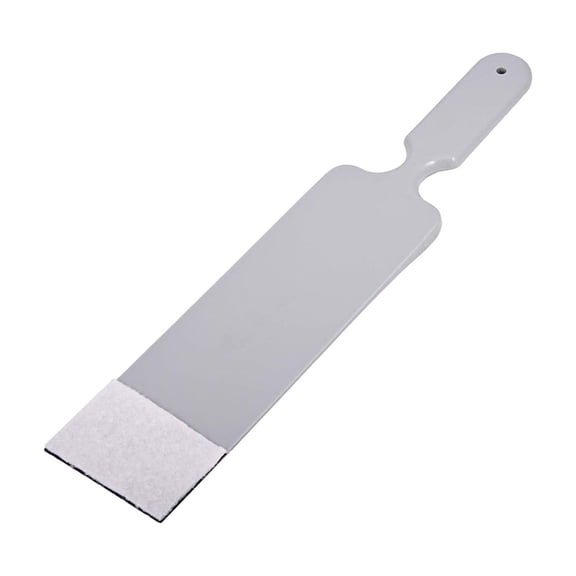
If you’re applying window film, you may prefer slimmer edges that move neatly along gasket lines. That shape gives you improved access where a wider body can feel awkward.
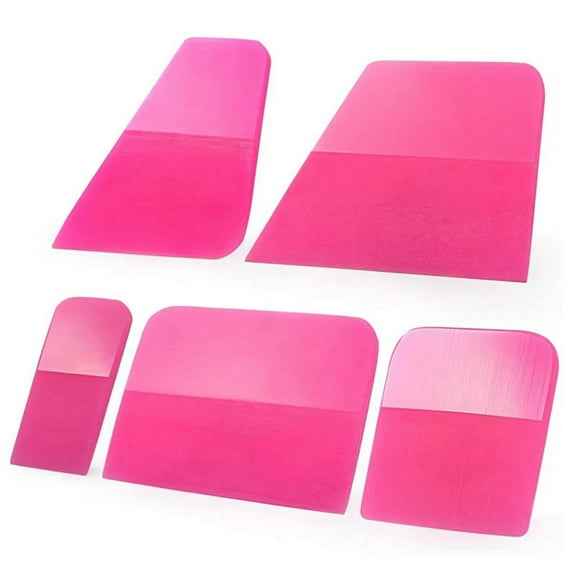
You can also compare these tools for paint protection film and detail sections around headlights. Soft or dual-flex bodies help you adapt when your surface changes from flat to curved in one pass.
For decals, striping, or accent pieces, you may want a vinyl application tool with a compact profile. That smaller format helps you guide short sections without overreaching the film.
If you’re working on wallpaper-style installs, you can still use the same decision points from wrap work. You should compare edge softness, width, and grip based on corners, seams, and surface texture.
What to look for in a car wrap squeegee tool
You should check whether the edge matches your finish, whether the flex matches your panel shape, and whether the width matches your work area. Those three choices affect control rather than flashy extras.
You may also look for wing shapes, bare edges, or dual-surface designs when your projects vary. Those options help you switch techniques without changing your overall hand position too much.
When you compare vinyl wrap squeegees this way, you can build a setup that fits curved bumpers, flat doors, and tight trim channels. You can achieve cleaner application passes and steadier control from the first panel to the last.