


Gym Floor Mats & Exercise Mats in Yoga




































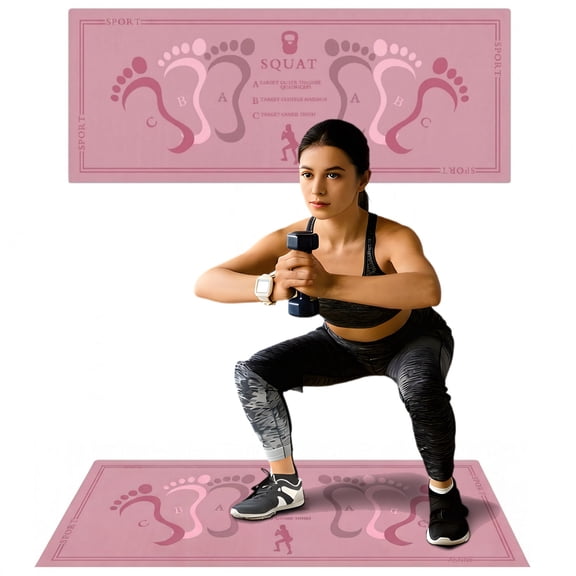


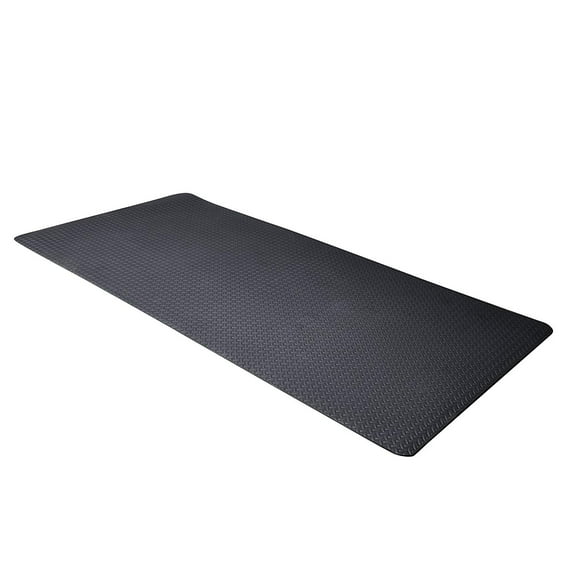


About Gym Floor Mats & Exercise Mats in Yoga - Walmart.com
Gym mats help you create a cleaner, steadier workout area at home. You can compare materials, thickness, and format choices to match your training style and your floor.
If you lift weights, stretch daily, or set up a garage gym, you need support that fits your routine. You’ll notice gym mats can reduce floor scuffs, improve footing, and make your space easier to maintain.
How to choose gym mats for your space
Start by comparing how much cushion and stability you want underfoot. You should look for a balance that matches your movements, your equipment, and your surface.
For bodyweight work and stretching, you may prefer softer exercise mats with more give. For benches, racks, and heavier setups, you’ll usually want firmer support that feels more grounded.
Density rating and Shore A hardness can help you compare feel across materials. You can use those terms as quick guides to how soft, firm, or supportive your mat may feel.
- You can add cushioning for yoga, floor work, and mobility sessions.
- You can add stability for weightlifting stations and equipment areas.
- You can protect hard floors from scratches caused by weights and stands.
- You can choose formats that fit permanent setups or easy storage.
Comparing materials in home gym mats
Material affects how your mat feels, how it cleans up, and how it handles repeated workouts. You should compare foam, rubber, EVA, and PVC based on where and how you train.
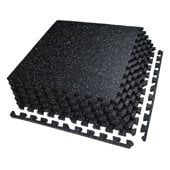
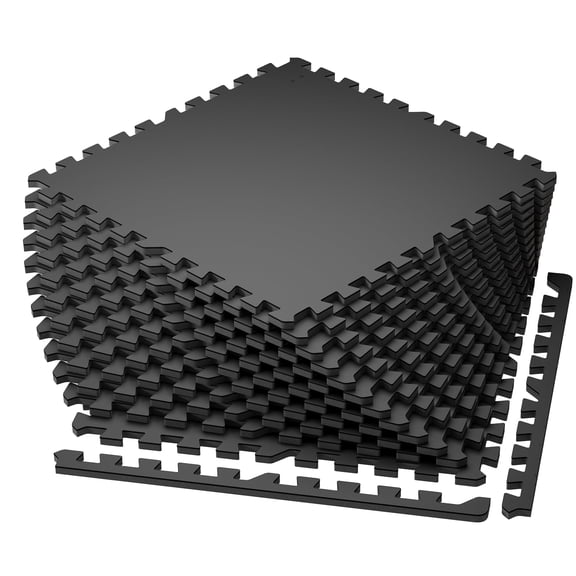
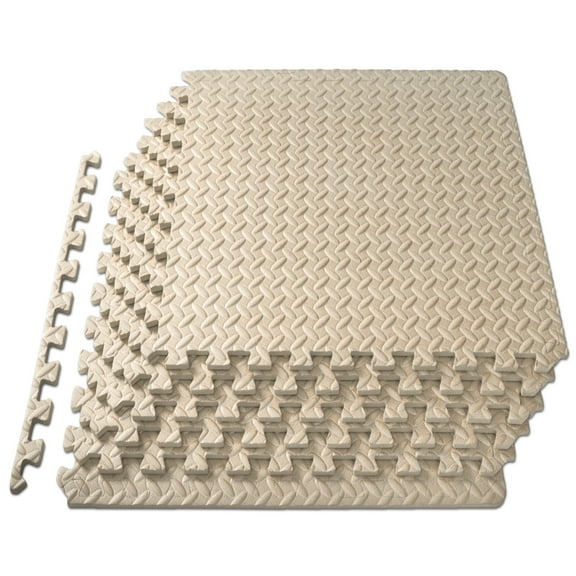
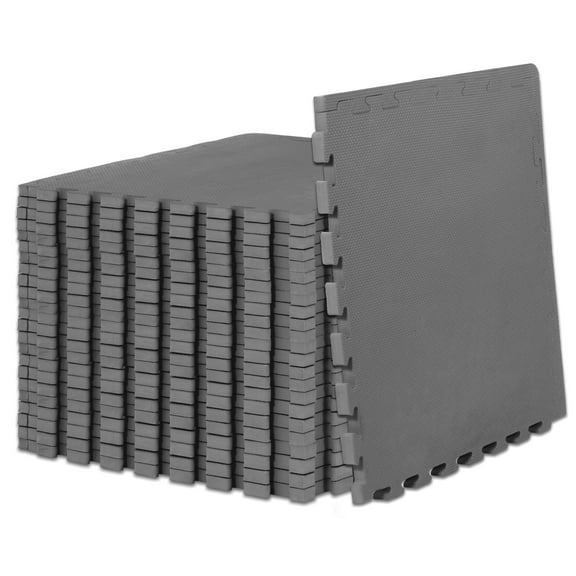
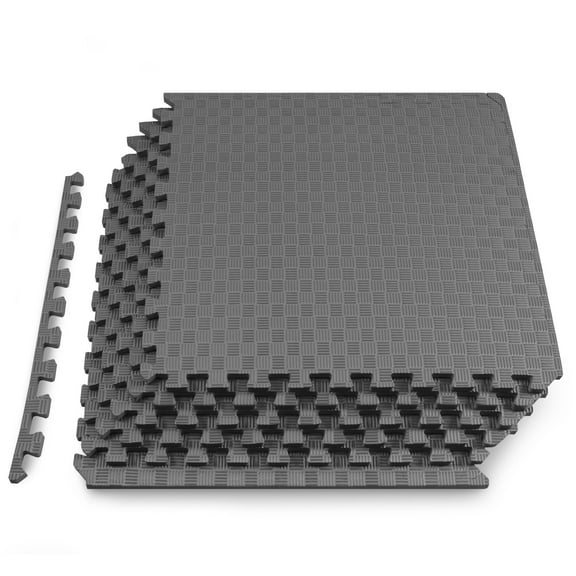
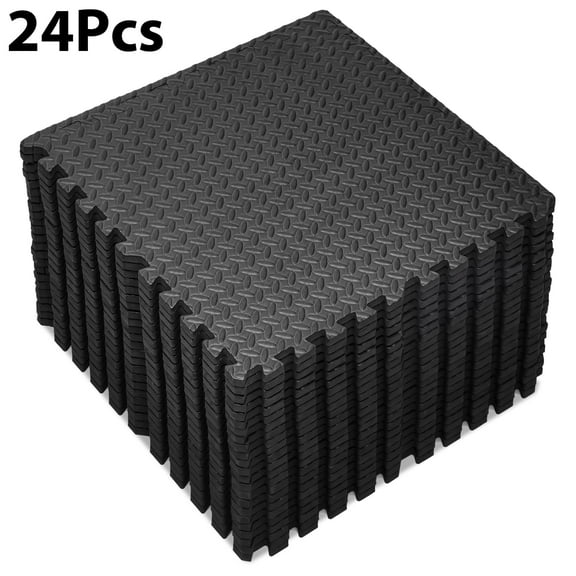
Foam and EVA often feel lighter and more cushioned under knees and hands. You may prefer interlocking foam mats when you want simple coverage for cardio corners or stretching zones.
Rubber usually feels denser and steadier under equipment and heavier movement. You can look for low-odor rubber if you’re setting up an indoor room and want a more comfortable space.
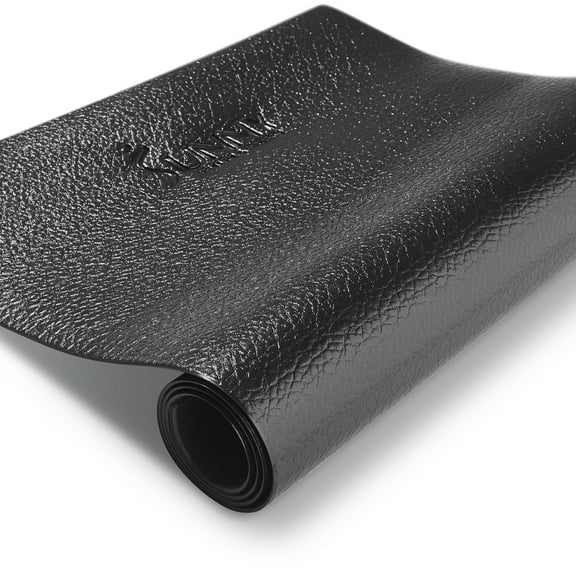
PVC options can work well when you want a wipe-clean surface and flexible placement. You should check the surface texture if you want more grip during faster movement.
If indoor air quality matters in a shared room, you can compare non-toxic EVA and BPA-free material notes. You’ll also want to check odor details when your mat will stay in a bedroom or office gym.
Choosing thickness and thick gym flooring
Thickness changes how much impact your floor absorbs and how steady your footing feels. You should choose thickness based on your workout style, not just the softest feel.
A 1/2 inch mat can work well when you want a lower profile and easier door clearance. You may like this option for lighter cardio, stretching, or compact home gym mats.
A 3/4 inch mat gives you more cushion without feeling overly soft in many setups. You can consider it when you mix dumbbells, floor exercises, and daily movement.
A 1 inch mat or extra thick gym flooring can add more separation from hard surfaces. You should compare firmness carefully, because extra thickness can feel less stable for some lifting movements.
If you want to prevent scratches from weights, thickness matters along with density. You’ll get more useful floor protection when your mat feels supportive instead of overly compressible.
Picking the right format and puzzle exercise mat style
Format affects setup time, room coverage, and how easily you can move or store your flooring. You should compare interlocking tiles, folding mats, and roll-out mats before you decide.
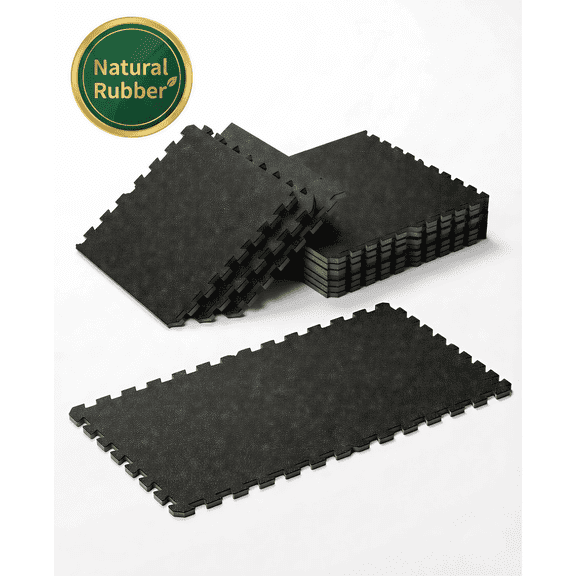
Interlocking tiles give you flexible coverage that expands as your gym grows. You may like a puzzle exercise mat design when you need to work around racks, corners, or odd room shapes.
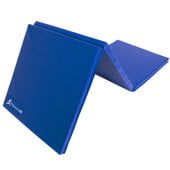
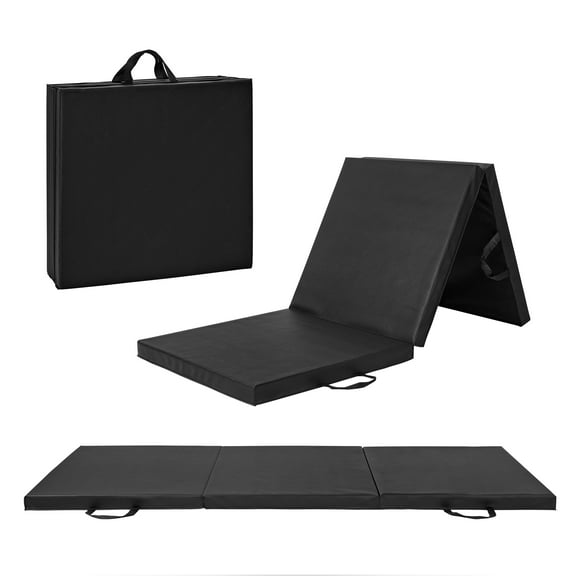
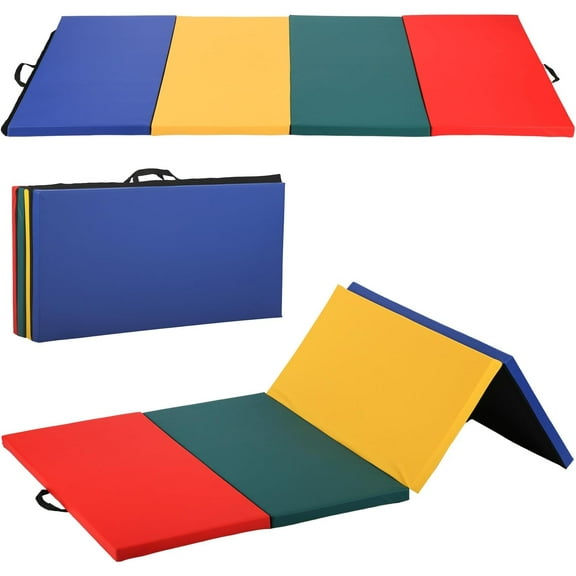
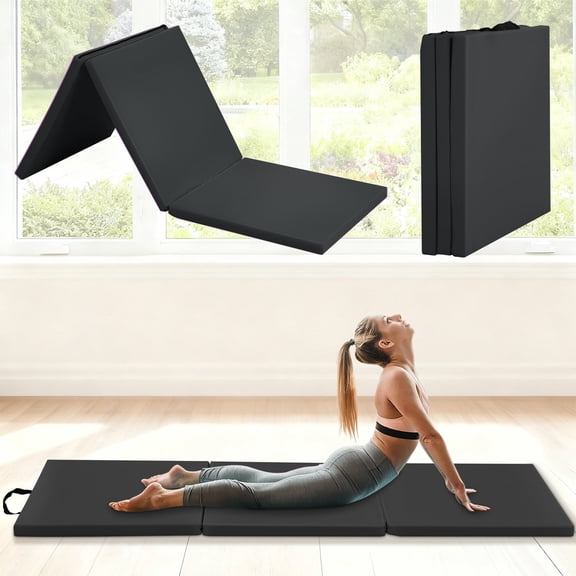
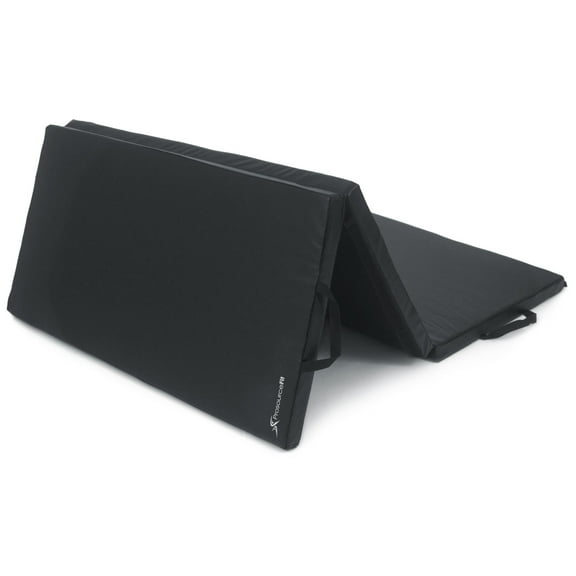
Folding mats make quick setup and storage easier in shared spaces. You can fold them away after workouts if your room doubles as a playroom, office, or guest area.
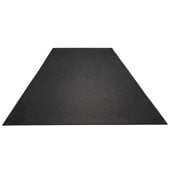
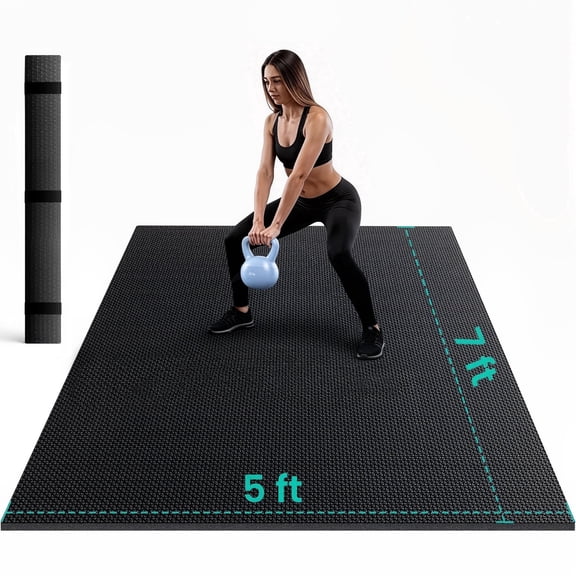
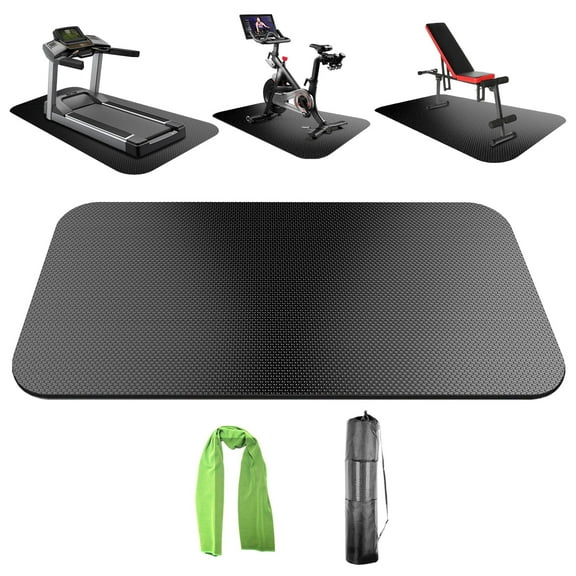
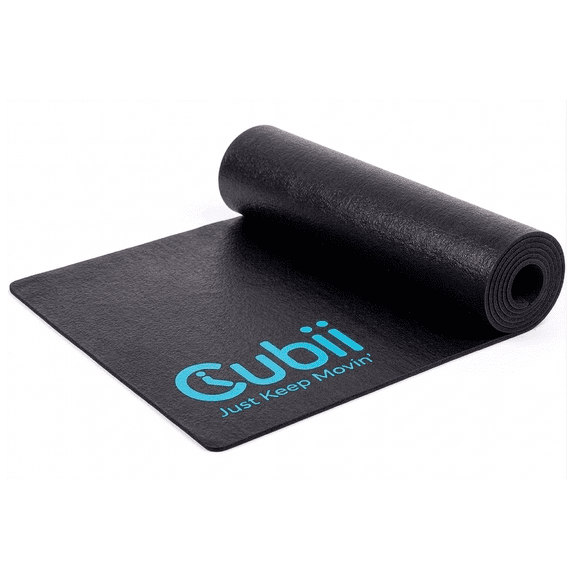
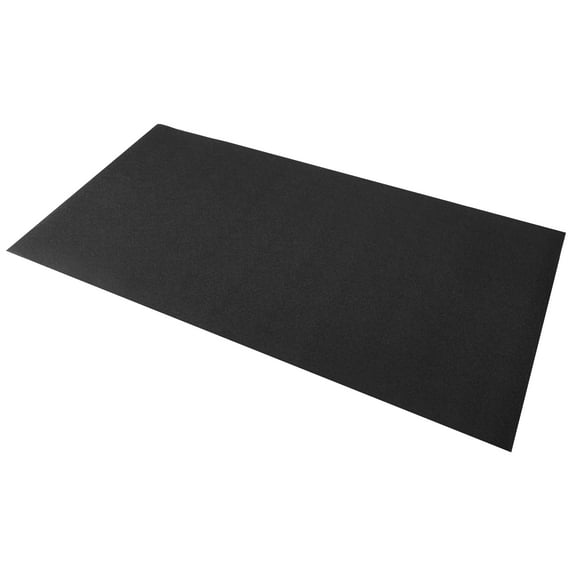
Roll-out mats give you a smooth look with fewer seams across the floor. You should consider them when you want fast coverage for cardio machines or a simple open training zone.
Edge design matters too, especially with interlocking foam mats in active spaces. You can check whether puzzle edges stay aligned when you move between circuits, jumps, and strength work.
Matching workout mats to your training style
Your use case should guide every choice, from material to thickness to format. You’ll get a more practical setup when your workout mats match your actual routine.
For weightlifting, you can look for denser surfaces that feel stable under benches and plates. You should prioritize firmness and floor protection when your equipment stays in one place.
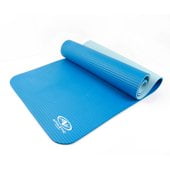
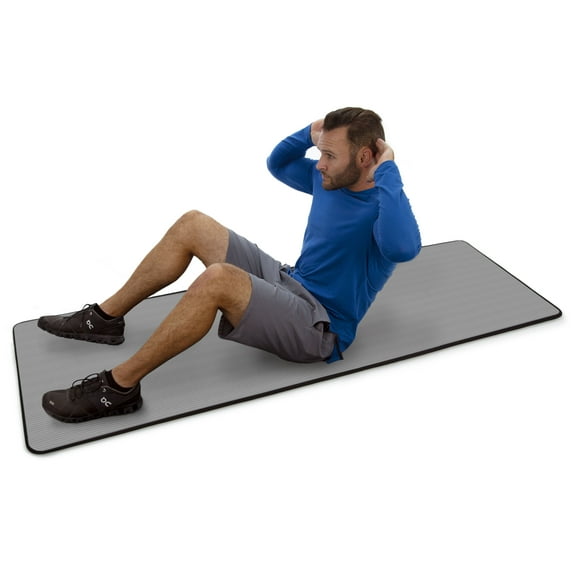
For yoga, you may want more cushion and a comfortable surface for floor poses. You can compare softer exercise mats or layered setups when your sessions focus on mobility and stretching.
For cardio, you might prefer coverage that handles repeated steps and easy cleanup. You should look for grip, wipe-clean surfaces, and layouts that fit bikes, rowers, or open circuits.
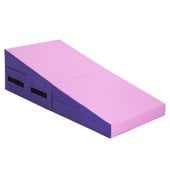
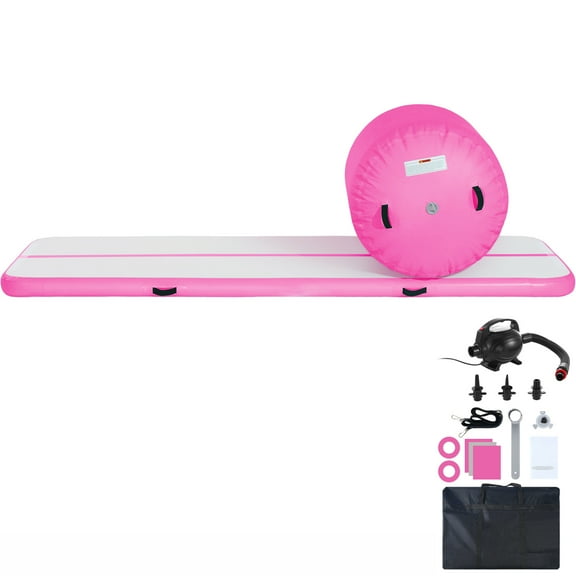
For gymnastics or tumbling practice, you can consider folding mats with extra padding and quick storage. You’ll want enough space for movement patterns without covering more floor than necessary.
If you’re building a mixed-use room, you can combine formats across zones. You might use interlocking tiles under equipment and softer workout mats in a mobility area for more flexibility.
What to look for before you decide
Measure your room, check your subfloor, and compare how often you’ll move the mats. You should also think about odor notes, cleaning needs, and the kind of shoes you wear.
When you compare gym mats with these decisions in mind, your setup feels more intentional from day one. You’ll end up with flooring that supports your workouts and helps protect your space.