

Scrub Brushes in Cleaning Brushes
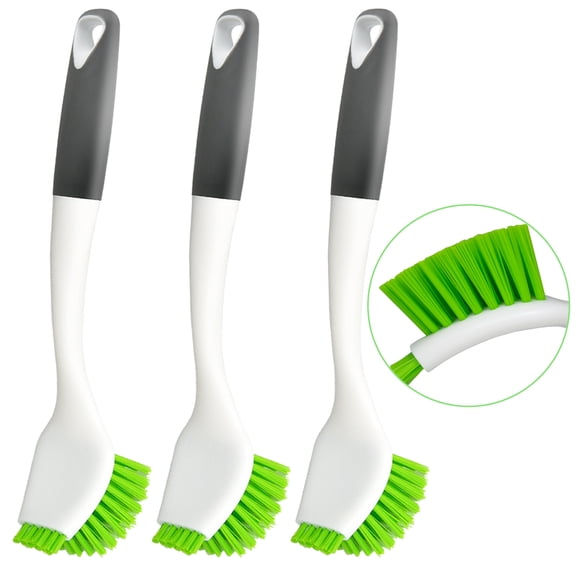

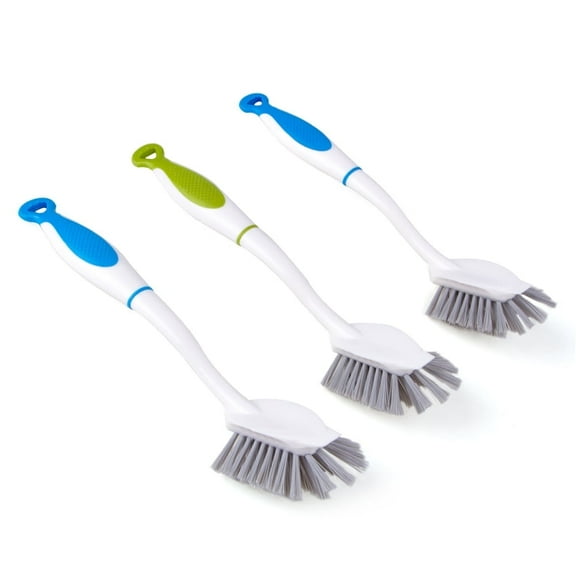
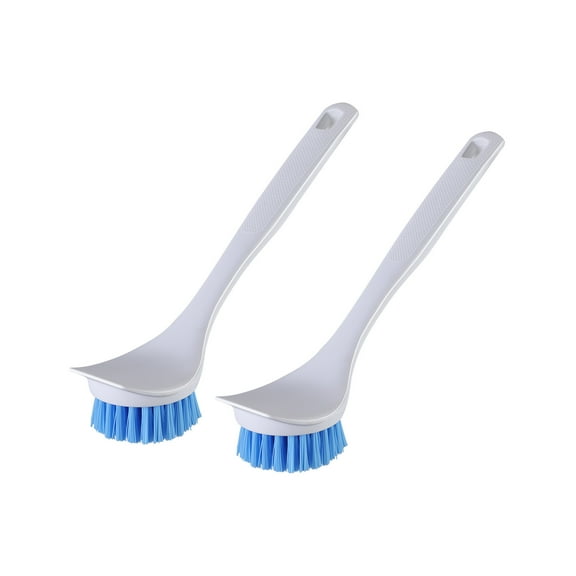



















About Scrub Brushes in Cleaning Brushes - Walmart.com
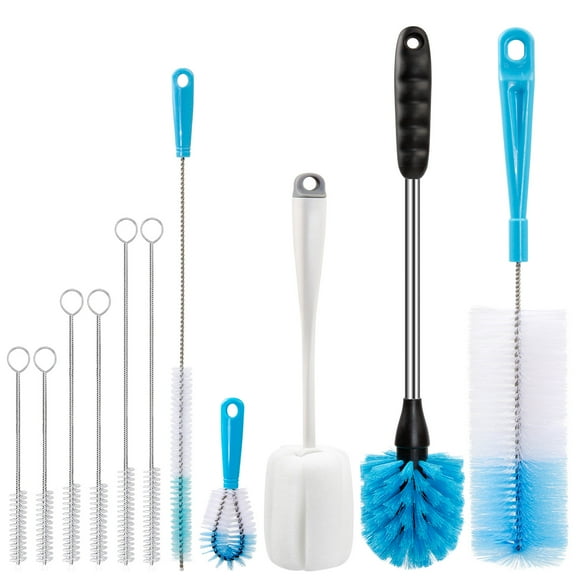
Scrub brushes help you tackle stuck-on messes with added control and reach. You can compare brush type, bristle stiffness, application, and handle design for each cleaning job.
If you’re cleaning grout lines, textured tile, or outdoor steps, you need more than a general sponge. You may notice the right brush shape and stiffness make detailed scrubbing feel highly precise.
How to choose scrub brushes for your space
You may want to start with the surface you plan to clean most often. You can then narrow your options by brush type, bristle feel, and handle comfort.
For quick sink or tub touchups, you may prefer a handheld scrub brush with close control. For wider areas, you may want a floor scrub brush or a long handle style.
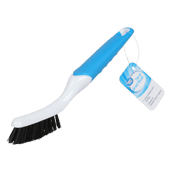
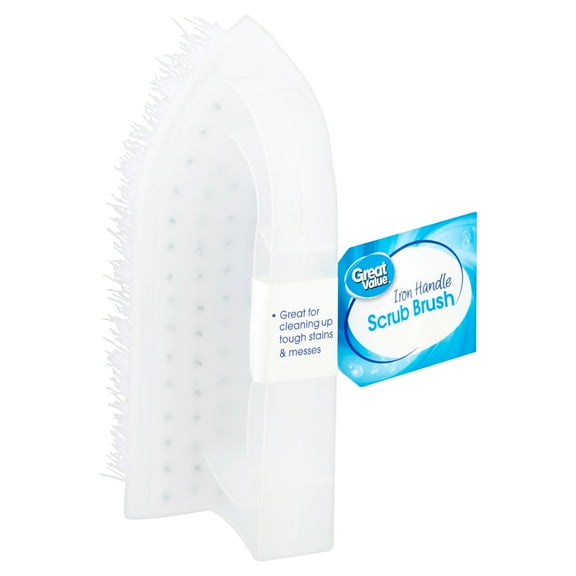
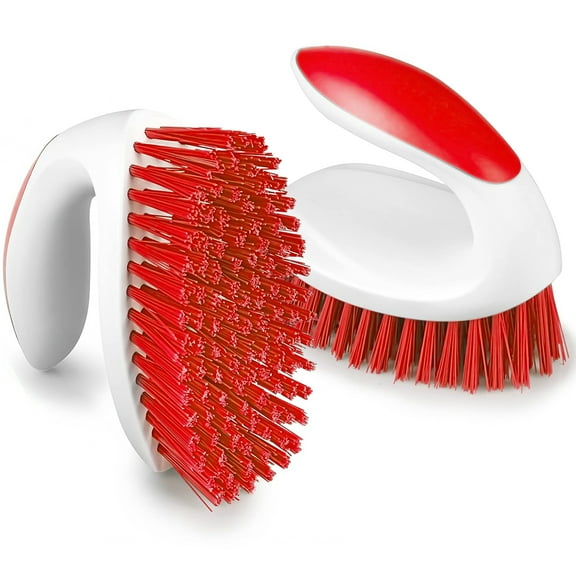
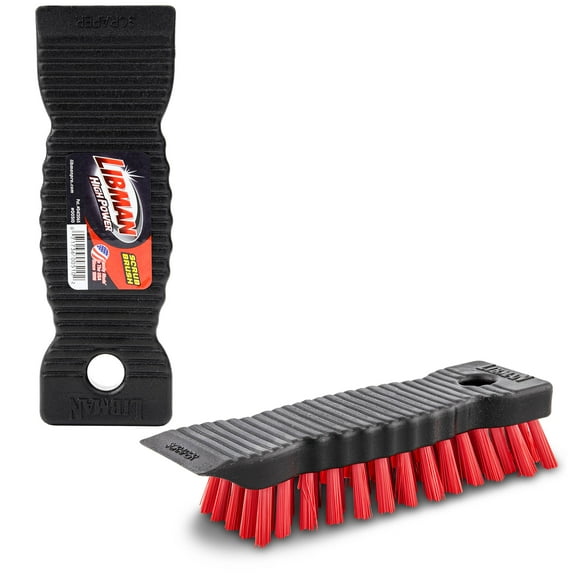
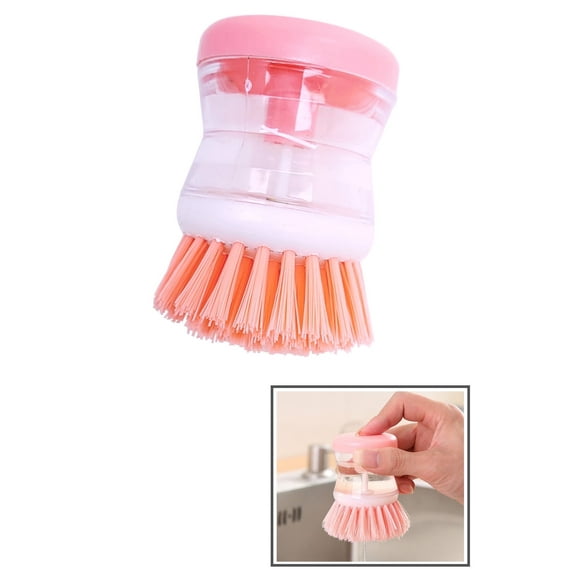
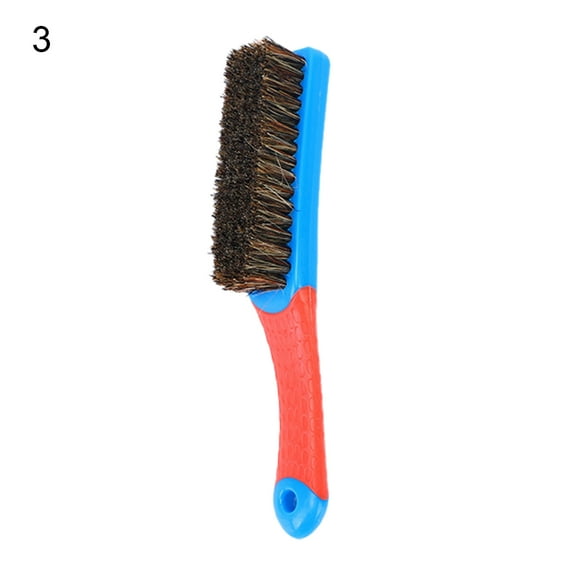
- You can use handheld styles when you need control around faucets, corners, and small grout lines.
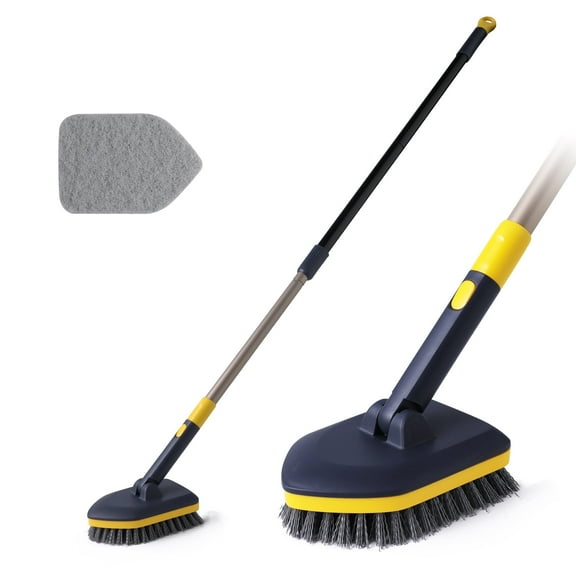
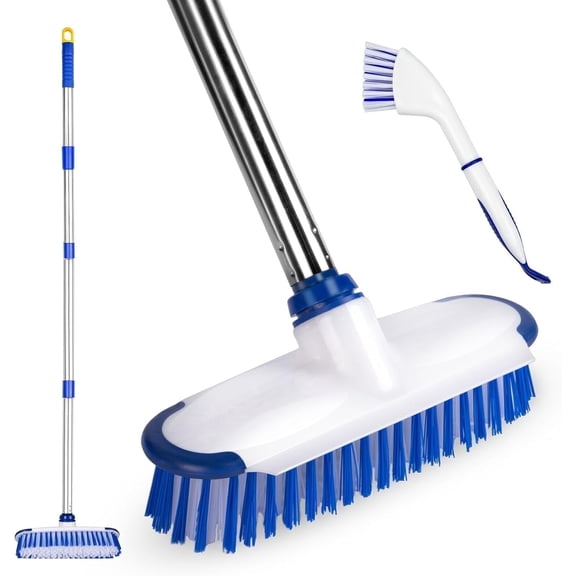
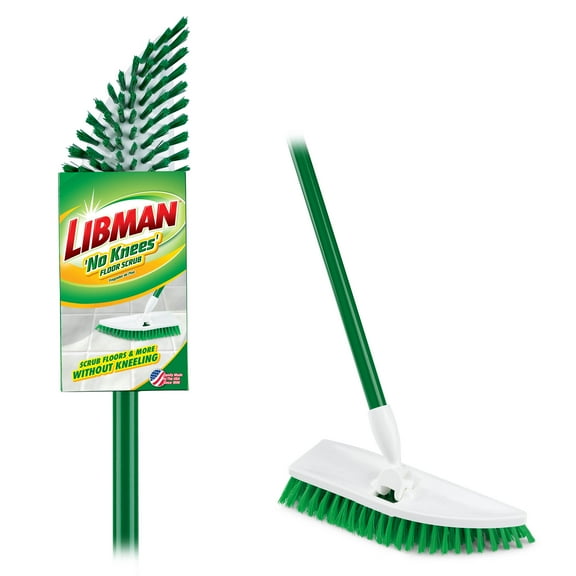
- You can choose long handle options when you want extra reach on floors, showers, and outdoor steps.
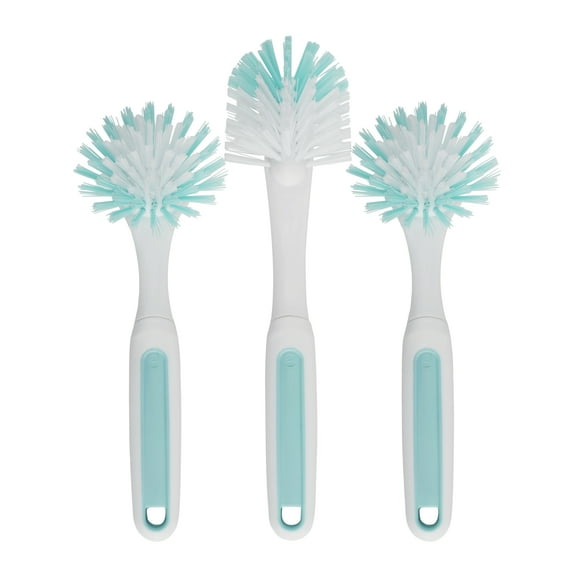
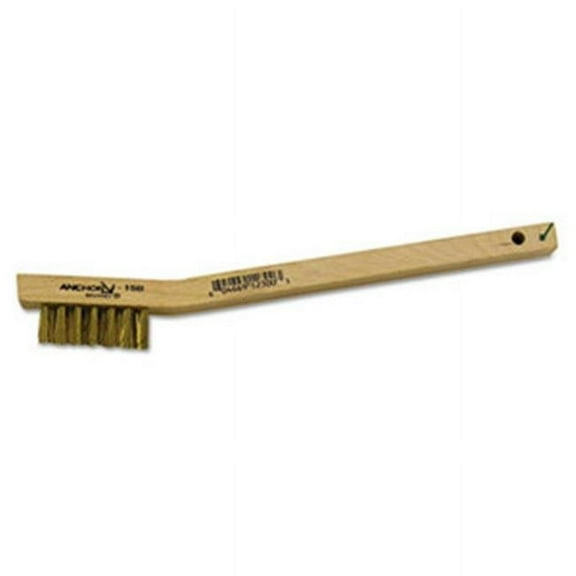
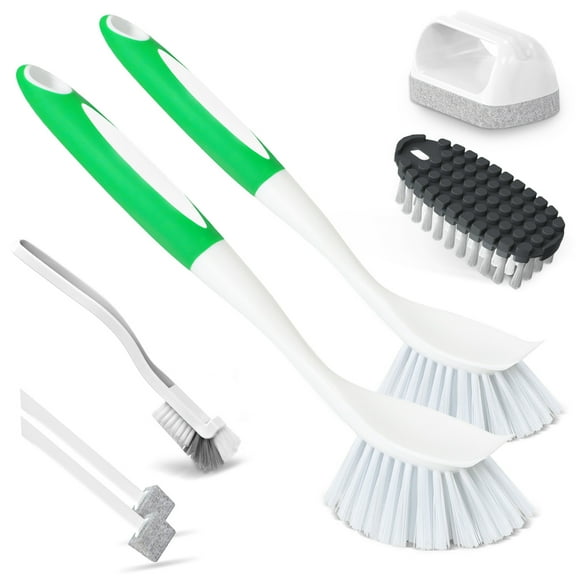
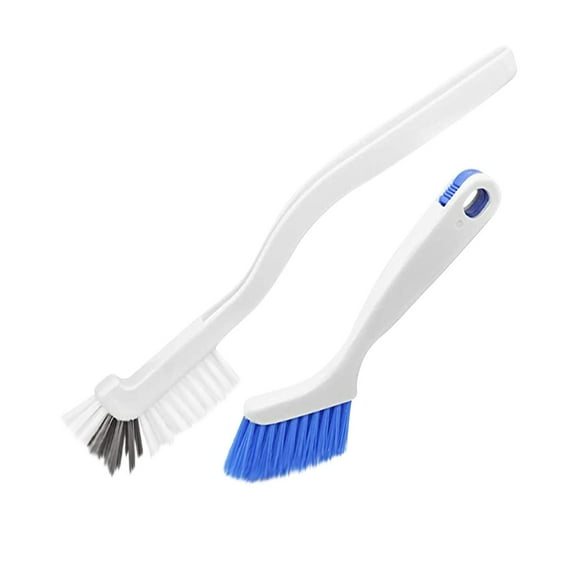
- You can compare detail brushes when you need tighter access around tile edges and fixtures.
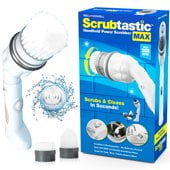
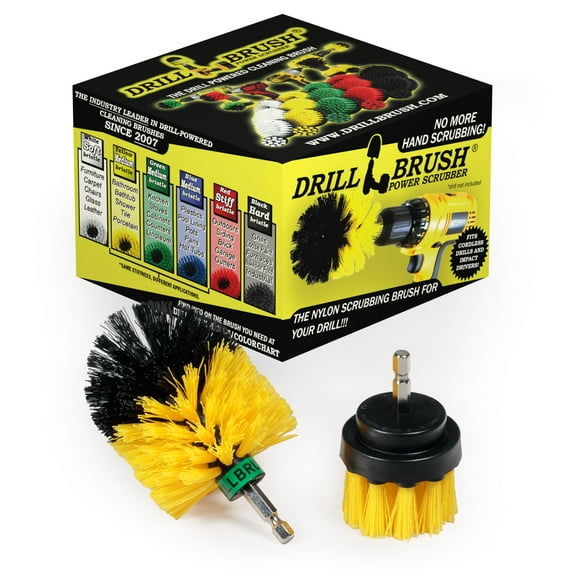
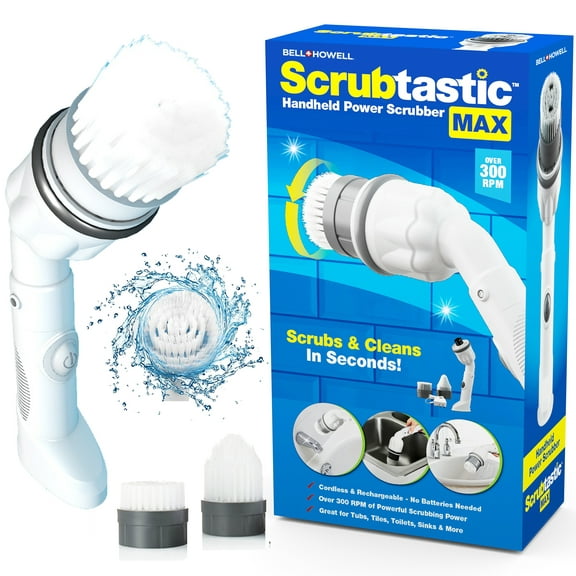
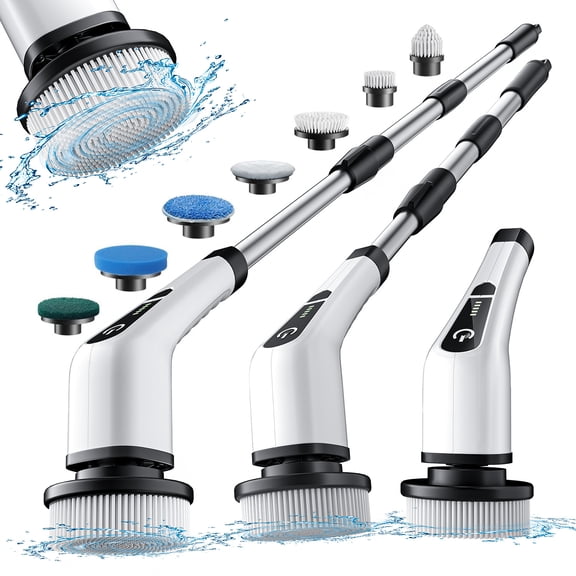
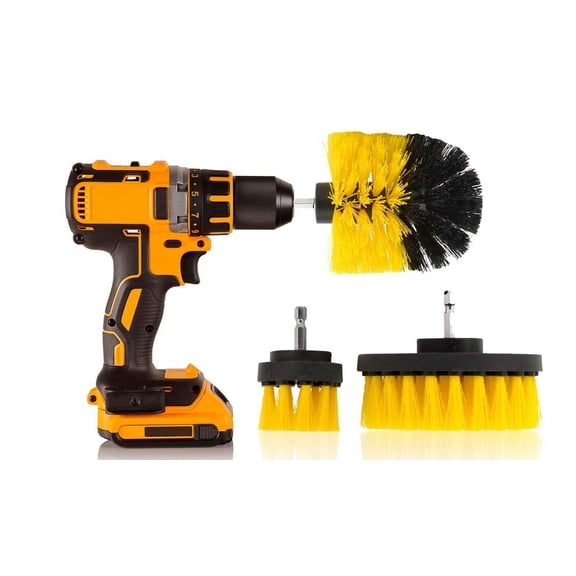
- You can look at rotary designs when you want repeated scrubbing motion on broad surfaces.
You may also want to match bristle stiffness to the surface finish. You can use soft or medium bristles on delicate areas and reserve stiffer bristles for stubborn buildup.
Choosing a heavy duty scrub brush
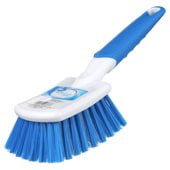
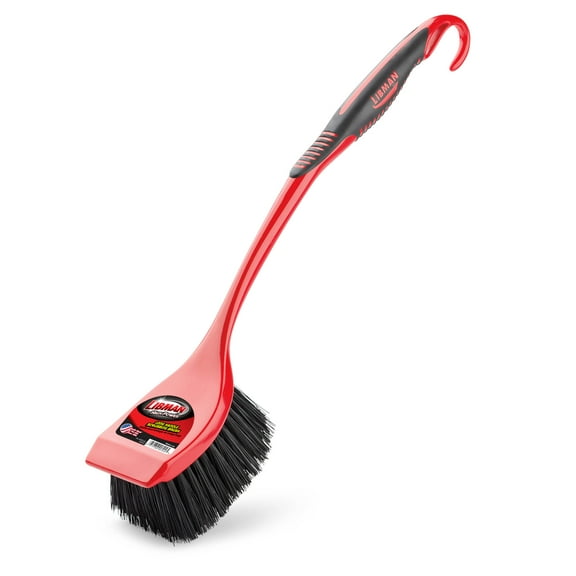
You may need a heavy duty scrub brush when you’re working on rougher surfaces or dried residue. You can usually get added push power from stiff bristles and a sturdy handle.
When you compare stiffness ratings, you should think about cleaning strength and surface sensitivity together. You can use medium bristles for versatile jobs, while stiff or wire options suit tougher outdoor tasks.
You may want plain guidance, not guesswork, when surfaces vary from room to room. You can check whether the brush works for tile, masonry, deck boards, or utility areas.
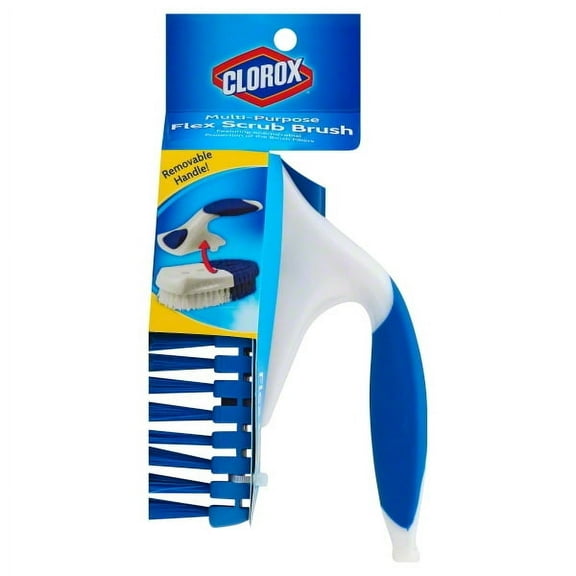
Handle ergonomics matter when your hands are wet or soapy. You may prefer plastic, wood, bamboo, or rubber grip handles based on comfort, texture, and control.
If you scrub during longer sessions, your grip shape can affect how steady the brush feels. You may often like rubber grip handles for added hold in slick conditions.
Choosing a grout cleaning brush
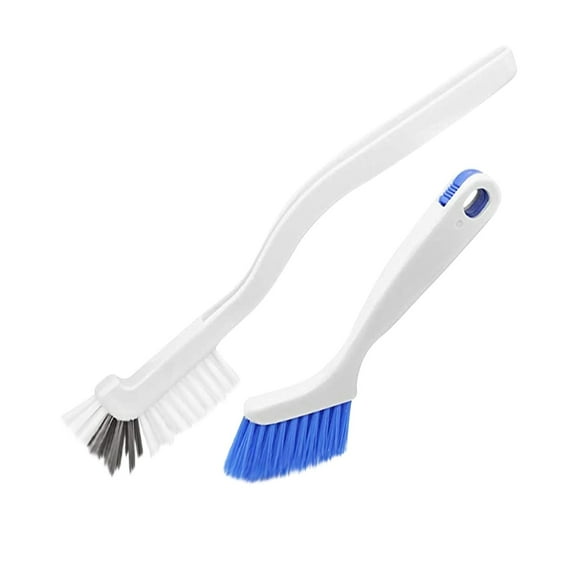
A grout cleaning brush can help you reach narrow lines that wider heads may miss. You may usually want a slimmer profile and bristles that stay focused in tight channels.
When you compare grout tools, look for detail shapes that follow tile spacing cleanly. You can get targeted contact without brushing over the surrounding tile too broadly.
You should also think about the tile finish around the grout line. You can choose softer or medium bristles when you want surface sensitivity on glossy tile.
For bathroom walls, shower floors, and kitchen backsplashes, you may need controlled movement in small spaces. You may often find that a compact head makes corners and edges easier to follow.
What to look for in brush type and handle design
Brush type changes how you clean and where your hand sits during the task. You can compare handheld, long handle, rotary, and detail styles based on reach and precision.
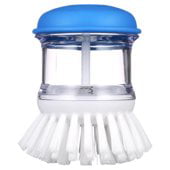
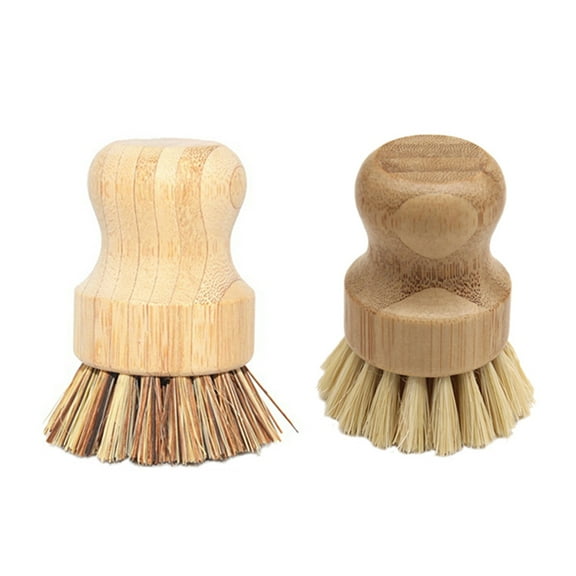
A handheld scrub brush keeps your hand close to the surface for direct pressure. You may like that control when you’re scrubbing pans, tubs, or entryway spots.
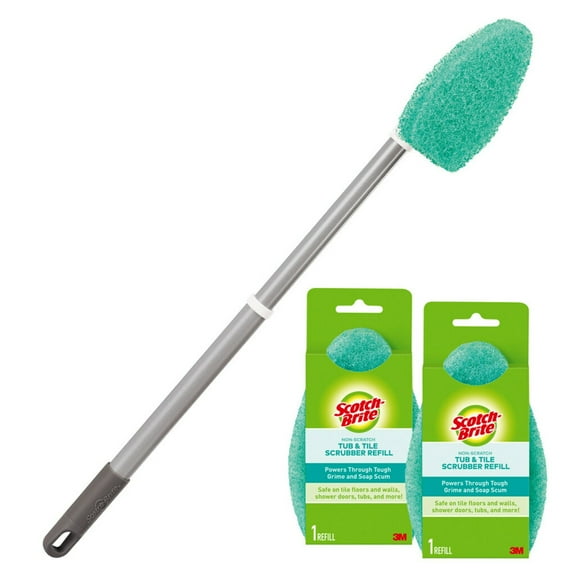
A long handle brush gives you extra distance on floors and larger shower areas. You can cover broader sections with less bending and a steady sweeping motion.
Detail brushes help you work around tracks, corners, and narrow trim lines. You may appreciate the smaller head when broad brushes feel clumsy in tight spaces.
Rotary options suit repeated motion across larger zones. You can consider them when you want consistent contact over tile, outdoor furniture, or other broad surfaces.
Matching application and bristles to real cleaning tasks
You can get an improved result when you match the brush to the job instead of using one style everywhere. You can compare indoor tile, grout, dishes, floors, and outdoor surfaces separately.
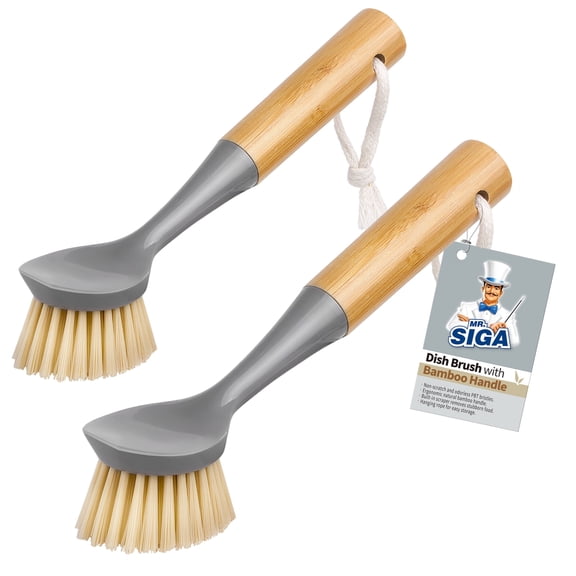
For dishes and smaller kitchen jobs, you may want medium or soft bristles with a compact head. You can keep control around rims, handles, and tighter spaces.
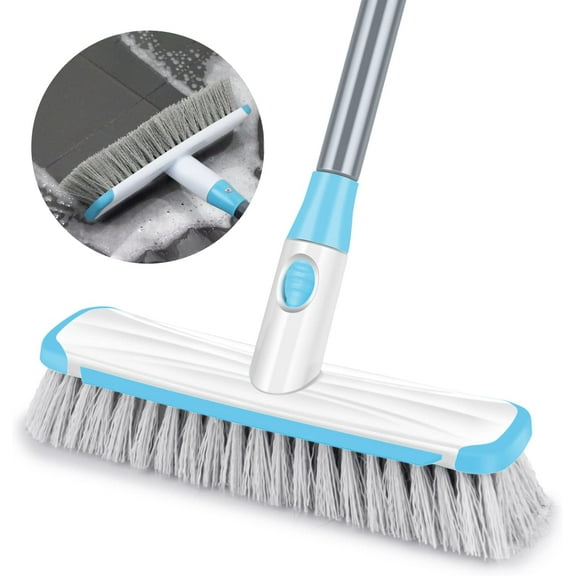
For tile floors, you might prefer a floor scrub brush with a wider head and longer handle. You can cover more area while keeping a steady scrubbing path.
For patios, garage areas, and outdoor steps, you may need firmer bristles and a durable grip. You can focus on traction, reach, and scrubbing pressure for textured surfaces.
When you switch between rooms, it helps to compare material and grip before you choose. You can feel confident when the brush fits your surface, your hand, and your cleaning routine.
With the right scrub brushes, you can handle grout lines, floors, dishes, and outdoor areas with clearer purpose. You can make straightforward decisions when brush type, bristle feel, and handle design match the task.